This Florida Town Was Once Supposed to Become a Utopian Paradise
A man named Cyrus Teed taught his followers that we all live inside a hollow Earth. Yes, inside it. The sky, the sun, and the stars were all supposed to sit in the middle.
He called himself Koresh, and in the 1890s he brought a group of believers to Florida. They planned a grand New Jerusalem on the banks of a quiet river. Some dreams pictured a city of up to ten million people.
That city never came. But the members built homes, gardens, a bakery, and even a printing house that kept running for decades.
I like how strange history can leave something lovely behind. Today, the old settlement is a peaceful park you can actually explore. So how did a hollow Earth idea turn into one of the most interesting little towns on the Gulf Coast?
1. A Prophet, a Hollow Earth, and a Big Plan
Estero, Florida owes its odd origin story to Cyrus Teed, a New York doctor who took the name Koresh. He founded a faith called Koreshan Unity, built around one very unusual idea.
Teed believed the Earth was hollow and that people lived on its inner surface. In his view, the whole universe was packed inside one giant sphere.
His followers moved to the Estero River area in 1894. They hoped to build a New Jerusalem, a model city that would show the world a better way to live.
The group shared property and work. Members lived communally, and many lived celibate lives. Men and women both held leadership roles, which was unusual for that era.
The big city never happened, of course. Teed passed away in 1908, and membership slowly shrank over the following decades.
Still, the plan explains why Estero has such a deep historical layer. Few towns can say they started as an experiment in a whole new way of living. Even fewer started because someone thought the sky was inside the planet.
2. The Old Settlement Is Now a State Park You Can Wander
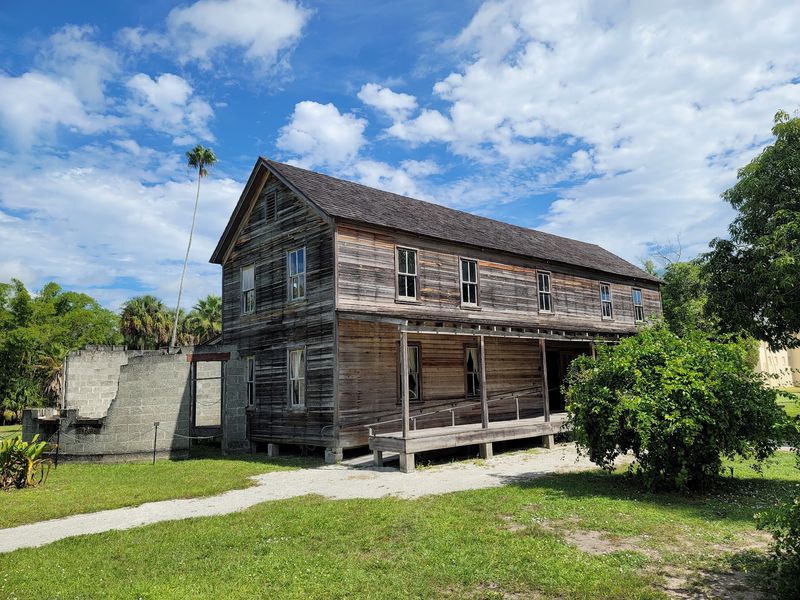
Good news for history fans. The heart of the old community survives as Koreshan State Park, and you can stroll right through it.
The last members donated the land to the State of Florida in 1961. Today the park protects a group of historic settlement buildings along the Estero River.
Many of the structures are listed on the National Register of Historic Places. You can see homes, work buildings, and gathering spaces that once shaped daily life.
The grounds feel calm and green. Exotic plants that members planted long ago still grow around the old paths.
The park sits at 3800 Corkscrew Road in Estero. It’s easy to reach from Interstate 75 and U.S. 41.
Ranger-led tours are offered at times, so check the park schedule before you go. A guide can fill in stories you might miss on your own.
Bring comfortable shoes and some water. Southwest Florida sunshine is no joke, even when you’re busy reading historic signs. Then take your time, because rushing through a would-be utopia feels a little wrong.
3. Art Hall Was Where the Big Ideas Got Loud
Concerts, plays, and lectures once filled one special building at the settlement. The Koreshans called it the Art Hall.
This group took culture seriously. They valued music, theater, and learning as part of a healthy community life.
The Art Hall hosted performances and talks for members and guests. It became a social center where the settlement could gather and share ideas.
Inside, the Koreshans displayed a model of their hollow Earth concept. Teaching the theory mattered to them, and this space helped spread the message.
The building still stands in Koreshan State Park today. Seeing it helps you understand that this wasn’t just a farm camp.
Members wanted beauty and creativity in daily life. They pictured a society where art sat right beside hard work.
Honestly, that part of the dream holds up pretty well. Many modern towns could use a hall built mainly for music and conversation.
When you visit, slow down near this building. It’s one of the clearest windows into what the Koreshans hoped their utopia would feel like.
4. They Tried to Prove Their Theory With a Wooden Gadget
Most groups argue about big ideas. The Koreshans built a device to measure theirs.
In 1897, members headed to the beach near Naples with a tool called the Rectilineator. It was a set of long, carefully made wooden sections meant to create a perfectly straight line.
The goal was bold. They wanted to show that the Earth’s surface curves upward, which would support the hollow Earth belief.
The team moved the device step by step along the shore for weeks. They took careful readings as they went.
Unsurprisingly, the Koreshans announced that the results matched their theory. Scientists outside the group did not agree, to put it kindly.
Still, you have to admire the effort. These folks didn’t just talk about their worldview. They hauled lumber across sand to test it.
The story is a favorite piece of Estero, Florida history for a reason. It mixes faith, science, and stubborn determination into one wonderfully strange beach day.
Look for references to the experiment in park exhibits. It’s a fun conversation starter on the drive home.
5. Paddle the Same River the Founders Chose
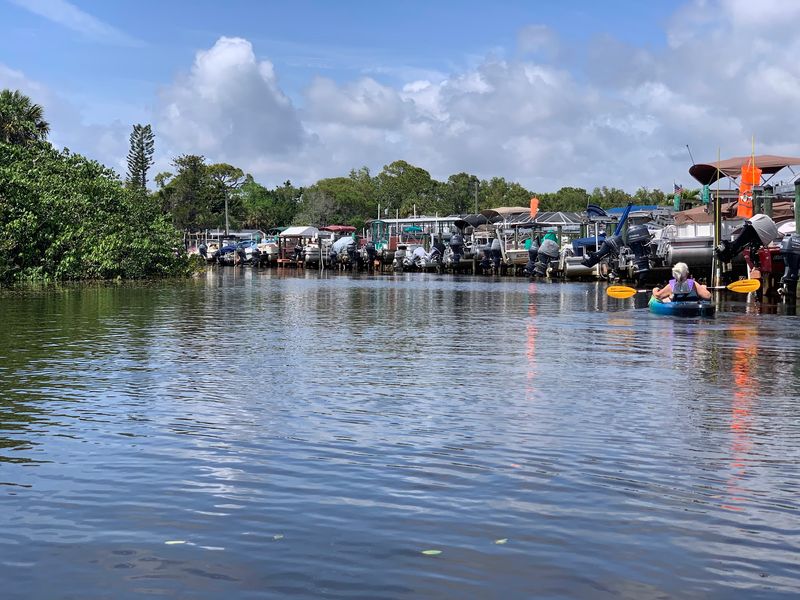
Water was a big reason the Koreshans settled where they did. The Estero River runs right past the old settlement.
Today, that river is a favorite for kayaking and canoeing. Koreshan State Park offers a canoe and kayak launch, and rentals are available at the park.
The river winds toward Estero Bay. Along the way, you’ll see mangroves, shady banks, and plenty of birds.
The Estero River Scrub area and the bay beyond are rich with wildlife. Keep an eye out for herons, ospreys, and maybe even a manatee in the right season.
Paddling here gives you a different view of history. The founders once used this same waterway to move people and supplies.
Plan your trip with tides and weather in mind. Afternoon storms pop up often during Florida summers.
Wear sunscreen and a hat, and pack water. A good paddle feels great, but a sunburn will follow you home as an unwanted souvenir.
For first-timers, a calm morning is a smart choice. The water is usually peaceful, and the light looks gorgeous on the river.
6. Florida’s First Aquatic Preserve Sits Right Next Door
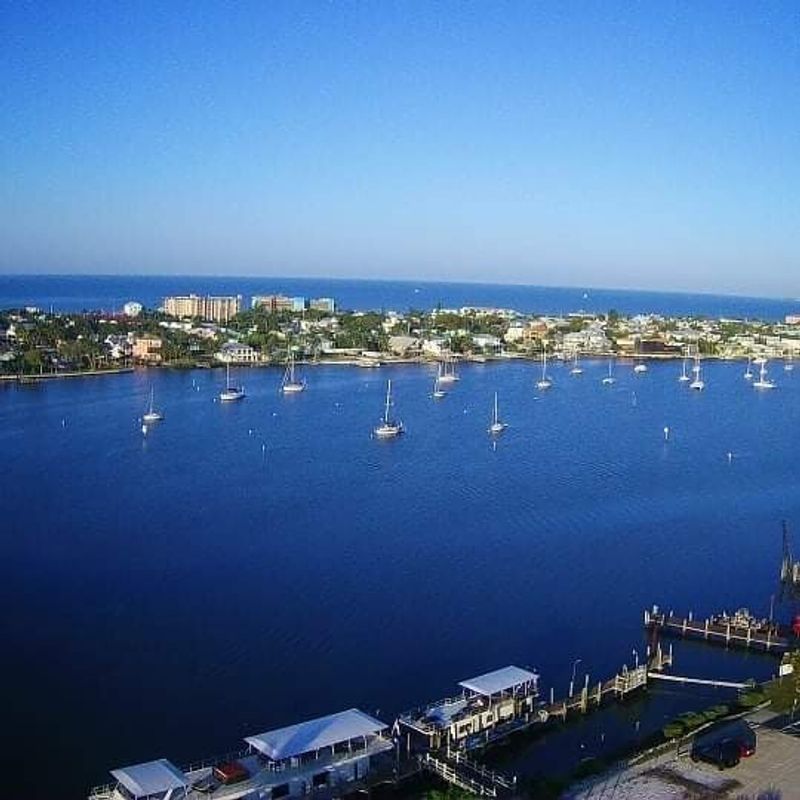
Here’s a bragging right most towns can’t claim. Estero borders the Estero Bay Aquatic Preserve, the very first aquatic preserve established in Florida.
It was created in 1966. The goal was to protect the bay’s waters, seagrass, and mangrove islands for the long haul.
The bay is shallow and full of life. Fish, wading birds, dolphins, and manatees all depend on this estuary.
Nearby, Estero Bay Preserve State Park protects land along the shoreline. Its trails pass through salt flats, pine flatwoods, and wetlands.
For nature lovers, this is a treat. You can hike, birdwatch, or simply enjoy the wide open views.
The preserve also connects to the town’s bigger story. The Koreshans dreamed of a perfect community in harmony with its surroundings.
In a way, protecting the bay carries some of that spirit forward. Clean water and healthy wildlife make a pretty good version of paradise.
Bring binoculars if you have them. The birds here are often the real stars, and they don’t mind showing off.
7. Camp Overnight Where Utopia Was Planned
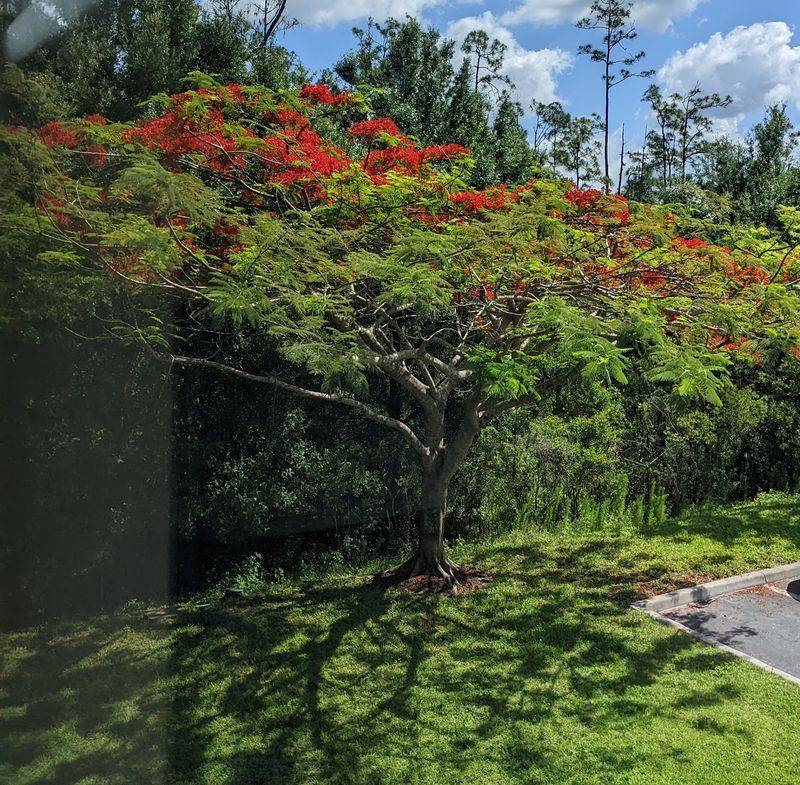
Spending one night is a fun way to soak up the history. Koreshan State Park includes a full-facility campground.
Sites sit under shady trees near the river. The campground works for tents and RVs, and many sites offer water and electricity.
Staying overnight lets you catch the park in its quieter hours. Early mornings are lovely for a walk past the historic buildings.
Families will find plenty to do. There’s a nature trail, picnic areas, and the river right there for paddling.
Reservations are handled through the Florida State Parks system. Book ahead during the winter season, since Southwest Florida gets busy then.
Bug spray belongs at the top of your packing list. Mosquitoes love river shade just as much as campers do.
It’s fun to think about who slept on this land before you. A group of dreamers once hoped this spot would anchor a city of millions.
Instead, it became a peaceful campground. Honestly, a starry night by the river might be a better deal than a giant city anyway.
8. A Village That Finally Made It Official in 2014
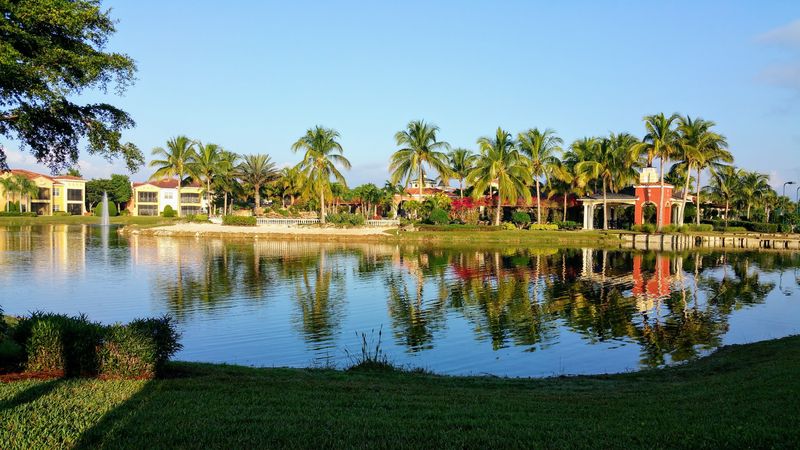
For more than a century, Estero existed without being its own official town. That changed in 2014.
Residents voted to incorporate, and Estero became an official village in Lee County. It gained its own local government and village council.
The Village of Estero sits between Fort Myers and Naples. That location makes it handy for exploring a big chunk of the Gulf Coast.
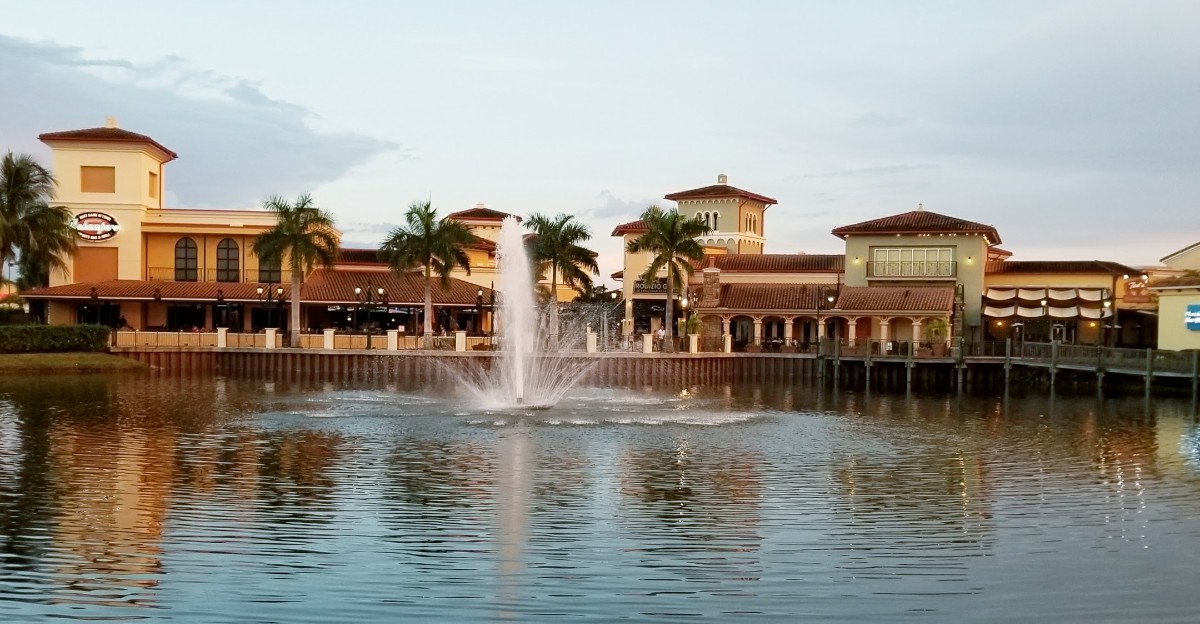
Modern Estero looks very different from the old settlement days. You’ll find neighborhoods, golf communities, parks, and busy shopping areas.
Yet the history hasn’t faded. The Koreshan story remains a proud part of the village’s identity.
It’s an interesting twist. The founders wanted a giant planned city, and the area grew into a carefully planned community after all.
Of course, today’s residents don’t follow hollow Earth beliefs. They do enjoy the river, the bay, and the warm weather.
If you’re visiting Southwest Florida, Estero makes a smart home base. You get easy access to beaches, nature, and one of the state’s quirkiest historic sites.
9. Shop, Stroll, and Catch a Game Without Leaving Town
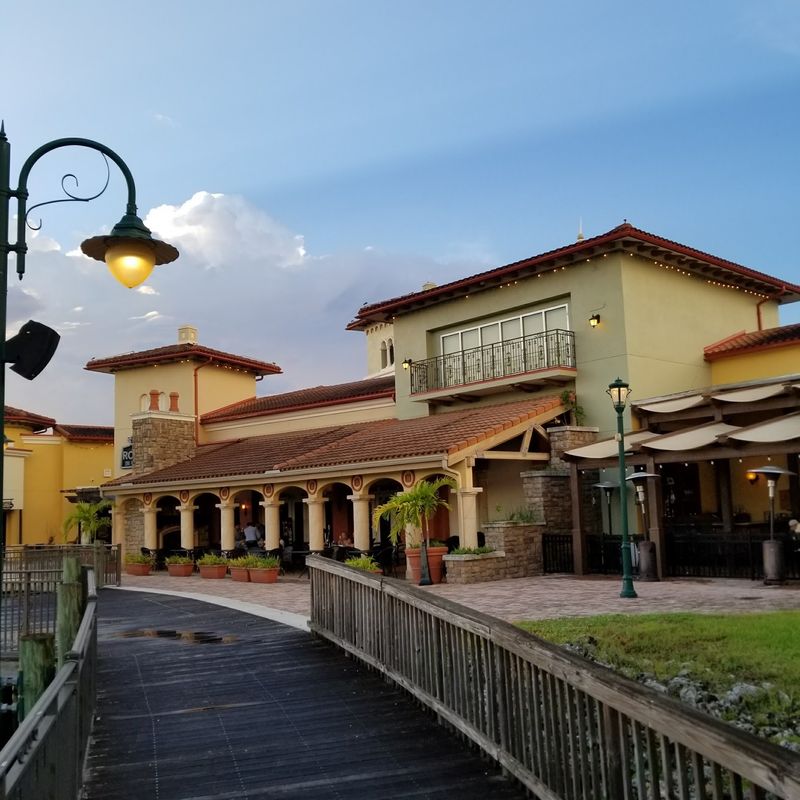
After a morning of history and mangroves, modern Estero is ready with plenty more. Shopping is a big draw here.
Coconut Point is an outdoor shopping and dining center in the village. Its open-air layout makes it pleasant for an easy stroll.
Miromar Outlets is another major stop. It’s a large outlet center near Interstate 75, popular with bargain hunters.
Sports fans have something too. Hertz Arena in Estero hosts the Florida Everblades hockey team, plus concerts and events.
Yes, hockey in Southwest Florida. It’s a fun surprise when it’s warm and sunny outside the rink.
Estero also has community parks for walking and play. Estero Community Park and other green spaces give locals room to relax.
Put it all together, and you get a town with real range. You can learn about a strange utopian dream in the morning and watch a hockey game at night.
The Koreshans never got their New Jerusalem. Still, Estero ended up with a pretty appealing mix of history, nature, and fun.