You’ll Feel Like You Entered a Stephen King Novel at This Florida Museum
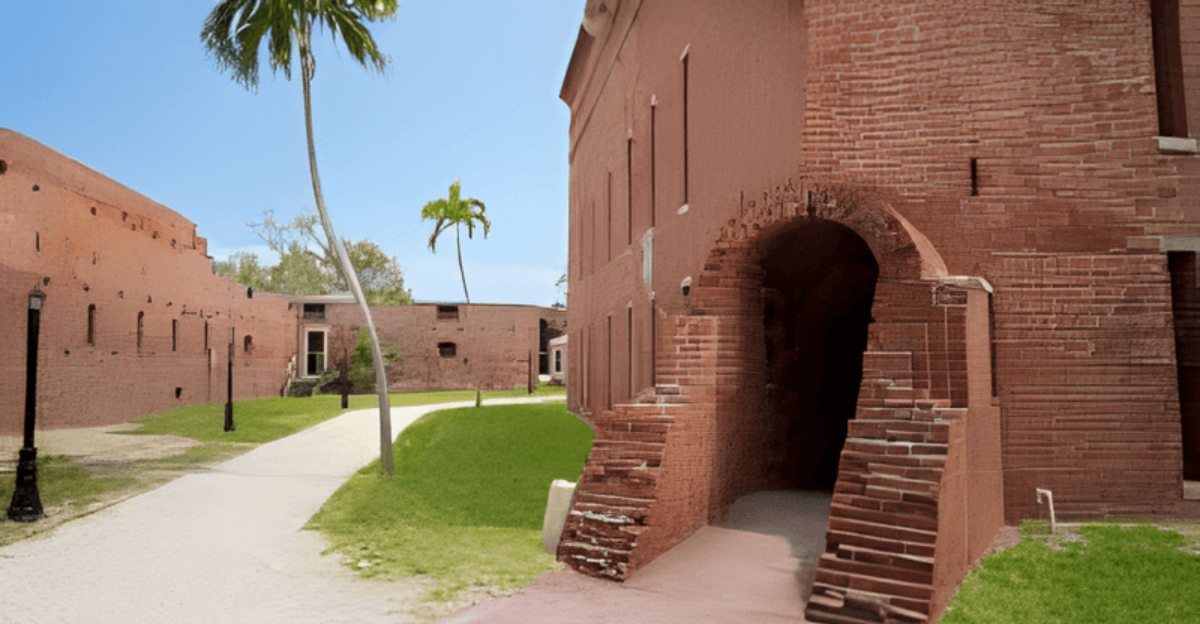
History takes an eerie turn at Fort East Martello Museum in Key West. Housed inside a Civil War-era brick fort near the island’s airport, this unusual museum combines military history, local folklore, folk art, and one particularly unsettling resident that has helped make it one of Florida’s most talked-about spooky attractions. That resident is Robert the Doll, a century-old figure surrounded by decades of supernatural legends.
Once owned by Key West artist Robert Eugene Otto, the doll now sits inside a glass display as visitors crowd around to hear stories about strange movements, changing expressions, unexplained mishaps, and the tradition of asking Robert’s permission before taking his photograph. Whether you believe the tales or not, the dim surroundings and weathered fort provide an appropriately creepy backdrop. There’s much more here than paranormal lore.
Visitors can explore exhibits covering Key West’s history and culture while wandering through the fort’s brick corridors, vaulted rooms, and atmospheric courtyard. The museum also displays works connected to local artists, including the imaginative metal sculptures of Stanley Papio, adding another wonderfully eccentric layer to the experience. The building itself contributes heavily to the mood.
Constructed in the 1860s, Fort East Martello never saw the major military action originally anticipated, but its thick walls and aged architecture have survived to become part of the attraction. Fort East Martello Museum feels worlds away from Key West’s colorful bars and sunny waterfront. It’s historic, strange, slightly unsettling, and packed with stories that blur the line between documented history and island legend.
For travelers who prefer their museums with a little mystery, this Key West landmark delivers an experience that’s difficult to forget—especially after you’ve stood face-to-face with Robert the Doll.
Robert the Doll Watches Your Every Move
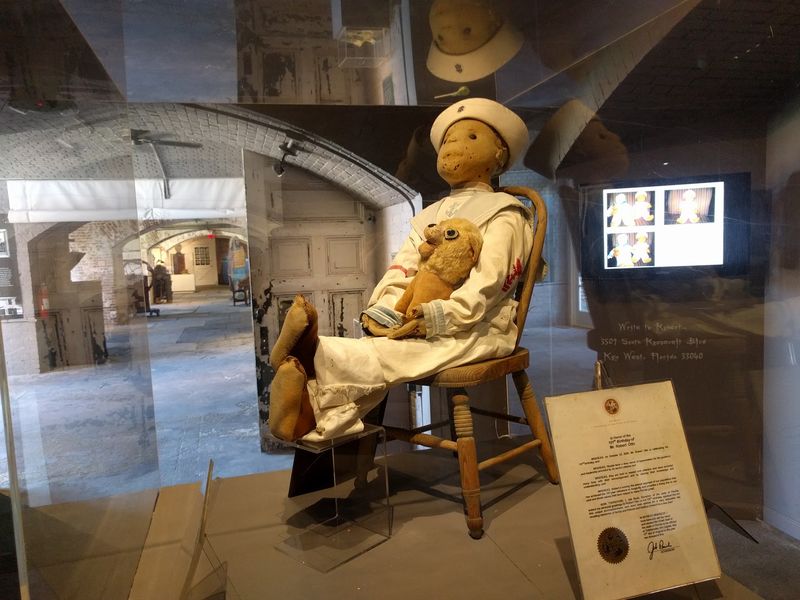
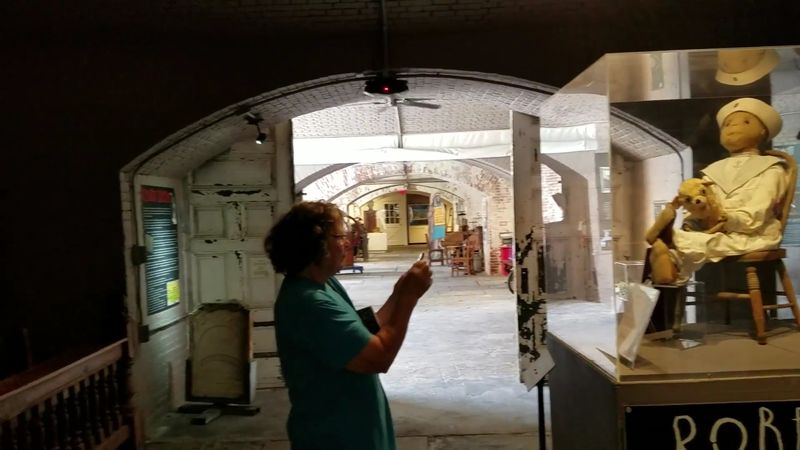
Meet the most infamous resident of Fort East Martello Museum. Robert the Doll sits behind glass in his own dedicated room, clutching his stuffed lion and staring out with button eyes that seem to follow visitors around the space. This isn’t just any creepy antique.
Robert belonged to Key West artist Robert Eugene Otto in the early 1900s, and legend says the doll was cursed by a disgruntled servant practicing black magic.
Visitors who snap photos without asking permission report camera malfunctions, accidents, and runs of bad luck that only end when they write Robert an apology letter. The museum displays hundreds of these letters from people begging forgiveness for their disrespect. Staff members like Steve, who works the front desk, have collected their own evidence of Robert’s activity over the years.
The rules are simple but non-negotiable. Ask Robert’s permission before taking his picture, speak to him respectfully, and don’t mock him unless you want to become another cautionary tale. Some people refuse to photograph him at all, too spooked by the stories they’ve heard.
Standing in Robert’s presence feels different than viewing other exhibits. Many visitors describe a heaviness in their chest or a sudden temperature drop when they enter his room. The atmosphere shifts noticeably, and even skeptics admit feeling watched.
The doll’s backstory adds layers to the creepiness. Robert Eugene Otto reportedly blamed the doll for his childhood mischief, claiming Robert made him do bad things. Neighbors said they saw the doll moving between windows when the family was out.
After Otto’s death, the doll passed through several owners, each reporting disturbing incidents.
Whether you believe in curses or not, Robert commands respect. The museum staff takes his legend seriously, sharing their personal experiences with anyone willing to listen. This single exhibit draws visitors from around the world, all hoping to witness something unexplainable.
Civil War Architecture Creates Perfect Horror Movie Backdrop
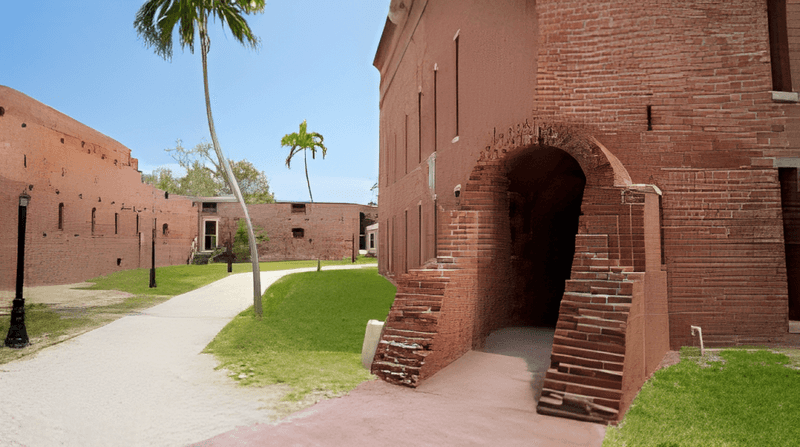
Built in the 1860s during the Civil War, this Martello-style fortress never saw actual combat but has aged into something far more atmospheric than its builders ever intended. The thick brick walls, narrow corridors, and dim lighting create an environment that horror filmmakers dream about. Walking through these spaces feels like stepping onto a movie set, except everything here is authentically old and genuinely unsettling.
The architectural design was meant for defense, with strategic placement allowing soldiers to spot approaching threats. Today, those same features make perfect hiding spots for shadows and unexplained phenomena. The heavy stonework keeps interior temperatures noticeably cooler than the tropical heat outside, adding to the otherworldly feeling.
Climbing the spiral cast iron staircase to the roof provides relief from the claustrophobic lower levels. The steps wind upward in tight circles, and the metal structure creaks with age under your weight. Once you reach the top, the view of Smathers Beach and the Atlantic Ocean reminds you that you’re still in sunny Key West, not some gothic nightmare.
The contrast between the bright Florida landscape and the dark interior spaces creates cognitive dissonance. Outside, palm trees sway and tourists head to the beach. Inside, you’re surrounded by century-old brick, paranormal energy, and artifacts that seem to hold their own stories.
Some sections of the fort remain under restoration, which only adds to the abandoned, haunted atmosphere. Covered exhibits and partially completed displays give the place an unfinished quality that somehow makes it more authentic. This isn’t a polished, sanitized museum experience.
It feels raw and real.
The fort’s location on South Roosevelt Boulevard keeps it slightly removed from the main tourist drag of Key West. This isolation works in its favor. Fewer crowds mean you can explore at your own pace, especially if you arrive right when it opens at 10 AM.
Ghost Tours Turn Up the Terror After Dark
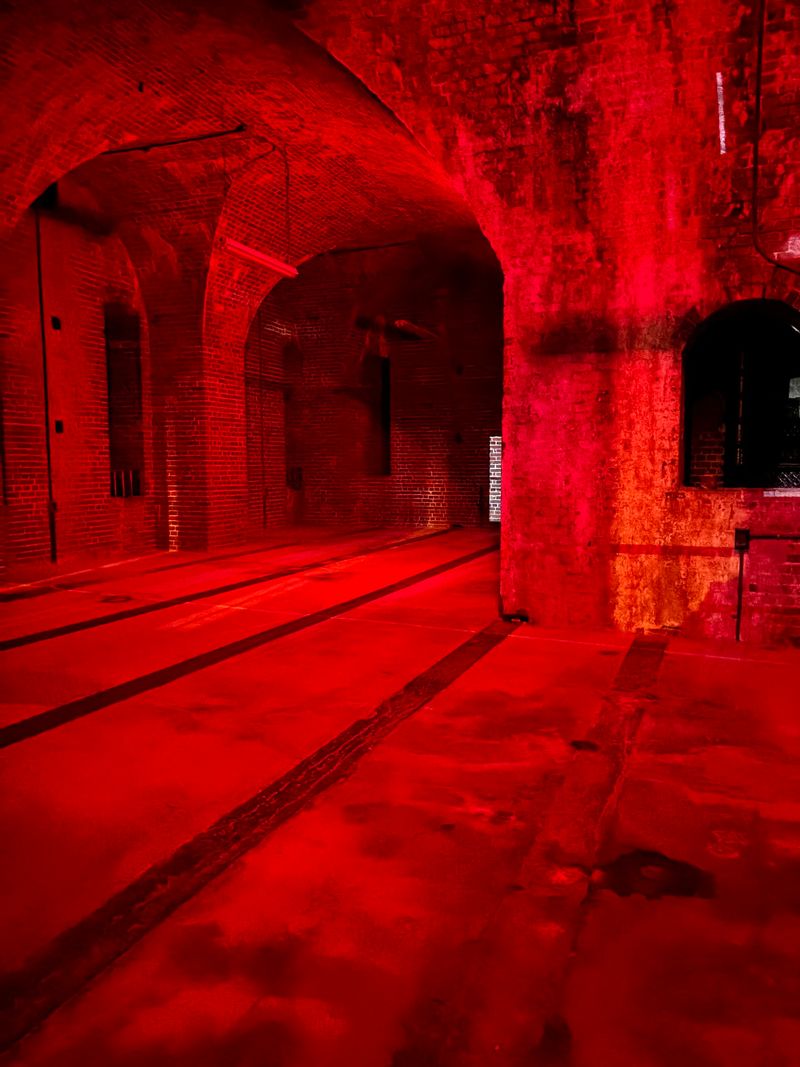
Standard museum visits are tame compared to what happens when the sun goes down. Fort East Martello offers VIP ghost tours that let you roam the fortress in complete darkness, armed with actual ghost hunting equipment. Guides like Matt and Dan lead small groups through the building, sharing documented paranormal activity and letting you investigate on your own.
The VIP experience separates you from larger tour groups, giving you exclusive access to explore without crowds. You’ll walk through pitch-black rooms with nothing but EMF detectors, spirit boxes, and flashlights. The isolation amplifies every creak, every temperature change, and every unexplained noise that echoes through the old fort.
Ghost tours here aren’t just theatrical performances. The guides share genuine evidence they’ve collected, including video footage and audio recordings of unexplained phenomena. Steve, one of the daytime staff members, has his own collection of experiences filmed on the property and eagerly shows visitors his documentation.
Participants report feeling touched by invisible hands, hearing disembodied voices, and watching their equipment register activity in specific spots. The citadel area seems particularly active. Multiple visitors mention feeling crushing pressure on their chests when entering certain rooms, only to have it disappear the moment they step back outside.
Even during daytime visits, staff members emphasize the spiritual protocol. You’re encouraged to ask permission from Robert the Doll and Raymond (a spirit associated with a Cuban refugee raft on display) before entering certain areas or taking photographs. This isn’t just superstition.
Too many people have reported consequences for ignoring these courtesies.
The ghost tour pricing often includes admission for a return daytime visit, which smart visitors take advantage of. Seeing the fort in daylight after experiencing it in darkness provides totally different perspectives on the same spaces.
Quirky Junkyard Art Sculptures Add Surreal Twist
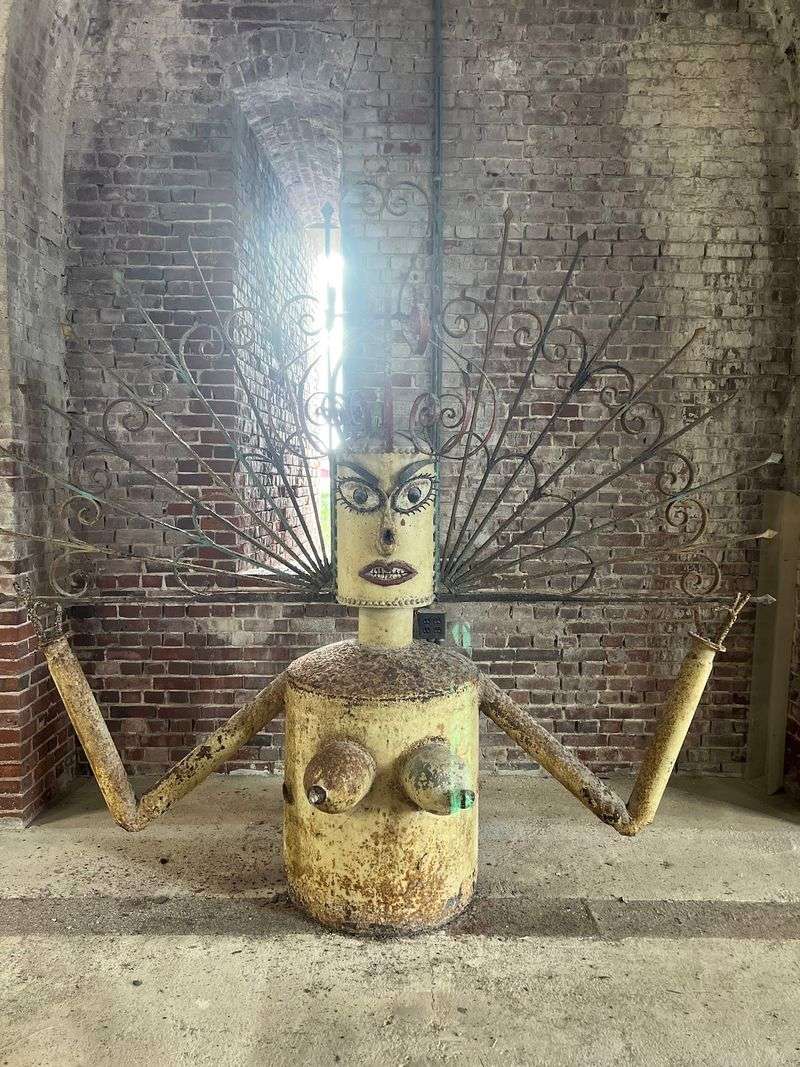
Scattered throughout the museum grounds, you’ll encounter bizarre metal sculptures created by local artist Stanley Papio. These aren’t your typical museum pieces. Papio crafted creatures, figures, and abstract forms entirely from junk, scrap metal, and discarded materials.
The results look like something Tim Burton might dream up after a fever.
The sculptures provide comic relief from the heavier paranormal atmosphere inside the fort. Kids especially love these weird creations, which give them something tangible to explore while parents investigate the spookier exhibits. The art ranges from recognizable animals to completely abstract pieces that defy easy description.
What makes Papio’s work fit so perfectly here is its outsider quality. This isn’t refined gallery art. It’s raw, strange, and slightly unsettling in its own right.
The recycled materials carry their own histories, adding layers of meaning to each piece.
Walking the grounds becomes a treasure hunt for these sculptures. They pop up in unexpected corners, some small enough to nearly miss, others large enough to dominate their space. The variety keeps you looking around, wondering what you’ll spot next.
Critics might call it junkyard art dismissively, but that misses the point entirely. These sculptures celebrate creativity born from limitation and imagination that sees potential in what others discard. They’re weird, wonderful, and perfectly at home in a museum that already defies conventional categorization.
The outdoor setting means you can photograph these pieces freely, unlike certain indoor exhibits. The tropical vegetation and historic brick walls provide dramatic backdrops for the metallic sculptures. Some visitors spend as much time with Papio’s work as they do inside the fort itself.
This unexpected artistic element transforms Fort East Martello from a simple history museum into something more complex and interesting. The combination of Civil War artifacts, paranormal activity, and outsider art creates an experience you genuinely can’t find anywhere else.
Detailed Dollhouses Showcase Obsessive Craftsmanship
Among the stranger exhibits, you’ll find incredibly detailed dollhouses that demand close inspection. These aren’t simple toys. Every room contains meticulously crafted miniature furniture, tiny decorations, and scaled-down household items that someone spent countless hours creating.
The level of obsessive detail borders on unsettling when you really think about the time investment required.
Visitors consistently mention these dollhouses as unexpected highlights. The craftsmanship pulls you in for a closer look, and you end up spending way more time examining them than you initially planned. Each room tells its own story through the arrangement of miniature objects and the style of decoration chosen.
What the museum could improve is providing more context. Several reviews mention wanting additional explanation about who created these pieces, when they were made, and what inspired such dedication to miniature perfection. The dollhouses deserve more thorough documentation to help visitors appreciate the skill involved.
The contrast between these delicate creations and the fort’s military history creates interesting tension. Warfare and domesticity, violence and gentleness, all existing in the same space. It’s another example of how Fort East Martello refuses to fit into a single category.
Kids find the dollhouses fascinating for obvious reasons, but adults often become equally captivated. There’s something hypnotic about peering into these perfect tiny worlds, complete down to miniature books on shelves and tiny dishes in cupboards. The scale tricks your brain into treating them as real spaces.
Photography becomes challenging because of the fine details and glass cases, but the effort pays off. These pieces photograph beautifully when you get the lighting right. They also provide a gentler subject matter if you’re traveling with someone who finds Robert the Doll too intense.
The dollhouses represent another facet of human creativity and obsession, themes that run throughout the entire museum. Whether it’s Papio’s junk sculptures or someone’s miniature domestic fantasies, Fort East Martello celebrates the weird ways people express themselves.
Historical Artifacts Tell Key West’s Complex Past
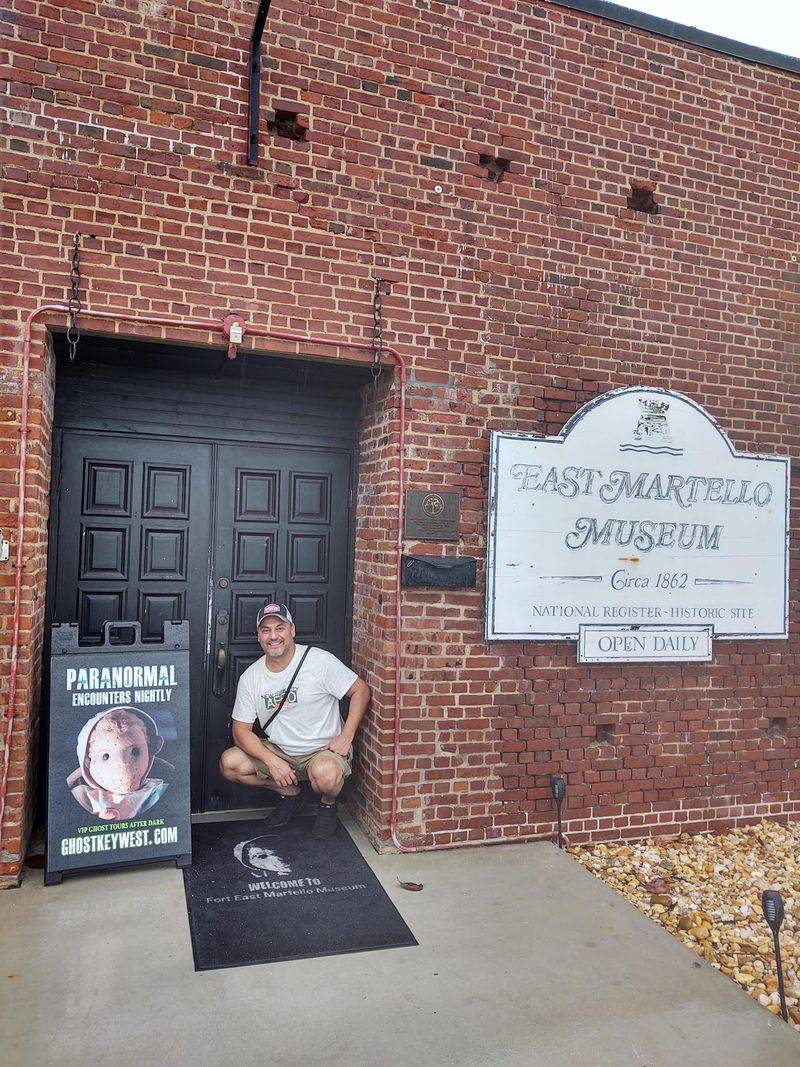
Beyond the paranormal attractions, Fort East Martello houses legitimate historical treasures from Key West’s past. You’ll find Civil War relics, manufacturing equipment from the cigar industry that once dominated the local economy, and artifacts from the region’s maritime heritage. An old dugout canoe catches many visitors by surprise, its weathered wood testament to journeys taken generations ago.
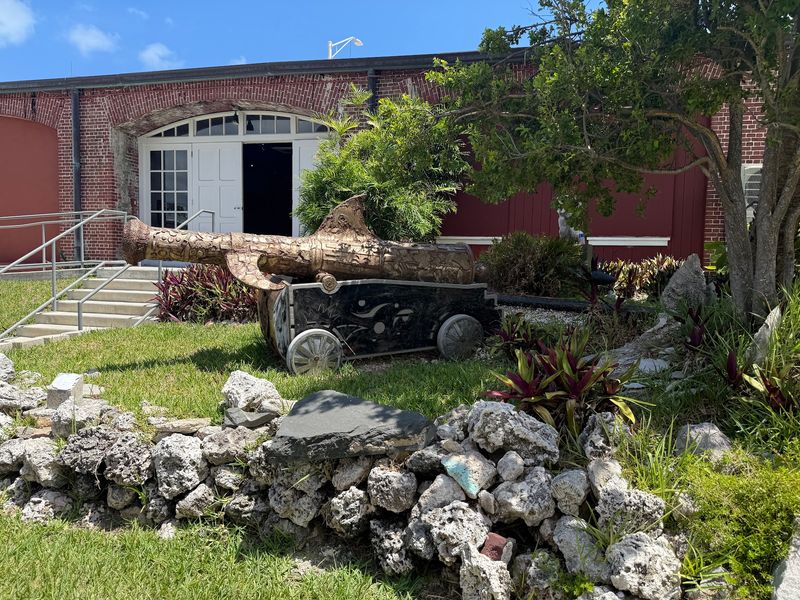
The Cuban refugee raft associated with a spirit named Raymond represents more recent history but carries equal emotional weight. This piece connects to the dangerous journeys thousands of people made seeking freedom, adding a sobering human element to the museum’s collection. The raft sits as a reminder that Key West’s story includes both triumph and tragedy.
Some exhibits suffer from poor presentation, according to visitor feedback. Artifacts aren’t always well-labeled or explained, leaving guests curious about items they can’t fully understand. Better signage describing the fort’s place in Civil War strategy and Key West’s role in that conflict would enhance the educational value significantly.
The museum is actively undergoing restoration work, which means some sections remain covered or incomplete. While this frustrates visitors expecting a fully finished experience, it also offers a behind-the-scenes glimpse at museum preservation work. Calling ahead helps set expectations about which exhibits are currently accessible.
For history enthusiasts, these artifacts provide context that makes the paranormal elements more interesting. Understanding who lived and worked in this fort, what they experienced, and how the building evolved over 160 years adds depth to any supernatural encounters. The ghosts have history, and that history is documented in the objects on display.
The fort’s collection isn’t massive compared to major museums, but its focus on local and regional history gives it unique value. You won’t find these specific stories told anywhere else. The combination of military history, industrial heritage, and immigrant experiences paints a complex picture of Key West beyond the party town reputation.
Steve and the Staff Make the Experience Personal
Walk into Fort East Martello and you’ll likely meet Steve, a staff member who transforms a standard museum visit into something memorable. Review after review mentions him by name, praising his enthusiasm, knowledge, and willingness to share personal paranormal experiences. He genuinely loves his job, and that passion shows in every interaction.
Steve doesn’t just point you toward exhibits and collect admission fees. He engages with visitors, shares stories about supernatural activity he’s witnessed, and shows video evidence he’s captured on the property. His approach makes skeptics curious and believers excited.
Parents especially appreciate how patient he is with kids, taking time to explain things at their level.
Other guides like Matt and Dan receive similar praise for their ghost tour expertise. These aren’t actors playing a role. They’re people who’ve spent serious time in this building, documenting what happens here and developing genuine relationships with the space and its spirits.
The personal touch extends to the protocols visitors are asked to follow. Staff members explain why you should ask Robert’s permission before photographing him, not as a gimmick but as genuine spiritual courtesy based on years of observing consequences when people don’t. They treat the paranormal aspects seriously while remaining welcoming to skeptics.
This human element separates Fort East Martello from bigger, more corporate museums. You’re not just viewing exhibits behind velvet ropes. You’re having conversations with people who work here daily and have their own experiences to share.
That authenticity can’t be manufactured.
The staff also provides practical help, like suggesting the best times to visit for smaller crowds or explaining which areas are currently under construction. Their insider knowledge helps you maximize your visit, especially important since admission is reasonably priced at just ten dollars for adults and five for kids under eighteen.
Year-round Key West residents get free admission seven days a week, showing the museum’s commitment to serving the local community, not just tourists.