This Florida Trail Is One of the Best Places to Photograph Wildlife in the Everglades
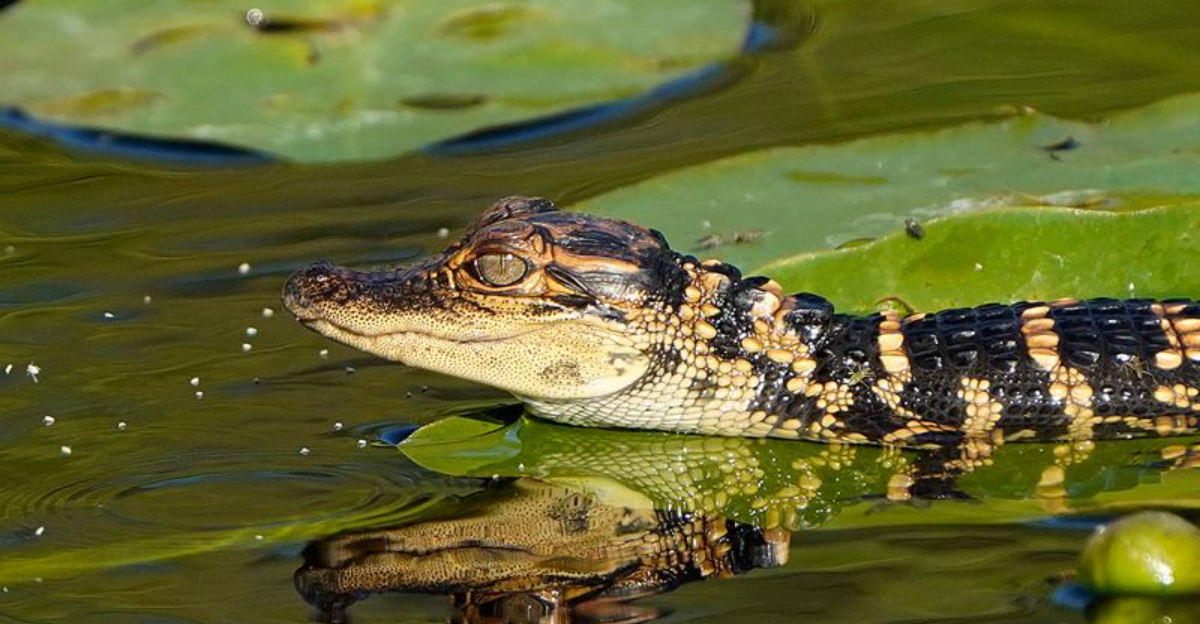
Shark Valley in the Everglades is where you can see alligators lounging just feet from your path, herons wading through sawgrass, and turtles basking in the Florida sun. This 15-mile paved loop trail offers one of the most accessible wildlife photography opportunities in South Florida, whether you walk, bike, or take the tram. With dozens of gators visible on any given day and an observation tower halfway through, it’s a photographer’s paradise that doesn’t require trudging through swamps or expensive gear to capture incredible shots.
1. The 15-Mile Paved Loop That Brings You Face-to-Face with Gators
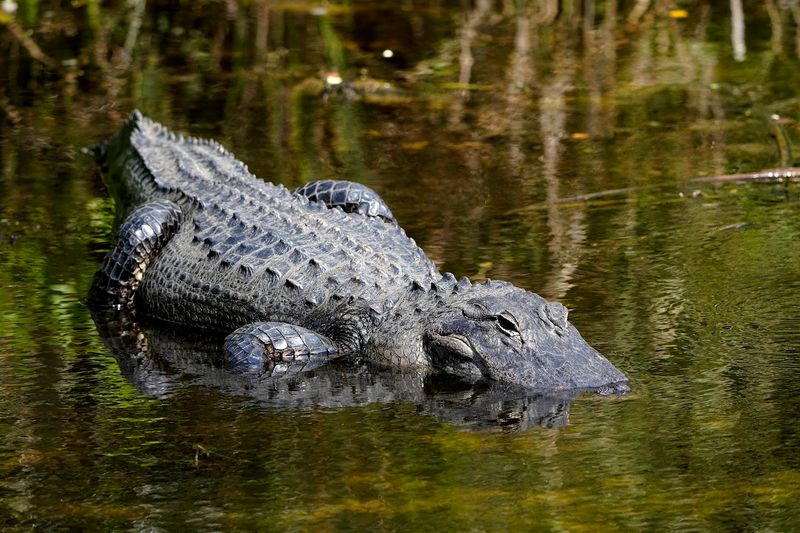
Forget muddy boots and machete hacking. Shark Valley’s completely flat, paved loop stretches 15 miles through prime gator territory without a single hill to climb. The smooth asphalt means you can focus your camera on wildlife instead of watching your step, and trust me, you’ll want both hands free when a massive alligator decides to sunbathe three feet from the trail edge.
Most visitors see 30 to 50 alligators during a single trip, according to regular trail-goers. Some days you’ll spot them every few hundred yards, especially along the canal on the western side where they congregate in higher numbers. Baby gators with their protective mothers make for particularly compelling photos, though you’ll want to keep a respectful distance from those feisty mamas.
The entire loop takes about 2.5 to 3 hours by bike at a moderate pace, or closer to 6 hours if you’re walking the whole thing. Don’t feel pressured to complete the full distance though. Even the first mile delivers plenty of wildlife encounters, and you can always turn around whenever you’ve gotten your fill of reptile close-ups and want to head back.
2. The Observation Tower at Mile 7.5 with Panoramic Prairie Views
Halfway through the loop sits a 65-foot observation tower that rewards your pedaling or walking efforts with jaw-dropping views across the River of Grass. The spiral ramp winds upward gently, making it accessible even if you’re a bit winded from the ride out. Once you reach the top platform, you’ll understand why photographers time their visits around golden hour light.
From this elevated vantage point, the Everglades reveals its true character as an endless sea of sawgrass dotted with tree islands and winding waterways. Birds soar at eye level up here, and you might spot alligators from above that blend invisibly into the landscape at ground level. Pack a lunch and claim a spot on the shaded platform because this is hands-down the best place to rest and refuel.
The tower also serves as a natural turnaround point if you’re not committed to the full 15-mile journey. Plenty of visitors bike or walk the 7.5 miles out, spend time at the tower photographing the scenery, then head back the way they came. There’s a water bottle refill station here too, which becomes crucial on hot Florida days when the sun beats down relentlessly on that exposed pavement.
3. Bike Rentals That Make Wildlife Photography Easier
Walking 15 miles in Florida heat sounds noble until you’re two miles in and already drenched in sweat. Renting a bike from the visitor center transforms this trail into a manageable adventure that lets you cover more ground and encounter more wildlife without exhausting yourself. The rental shop opens at 8:30 AM, and savvy photographers arrive right when doors open to snag bikes before they sell out.
Reservations aren’t available, so it’s strictly first-come, first-served. Weekends and holidays see bikes disappear within the first hour, leaving latecomers to either walk or wait for returns. The bikes come with baskets perfect for stashing camera gear, water bottles, and snacks, though you’ll want to secure expensive equipment properly since the trail can get bumpy in spots.
Cycling allows you to stop quickly when you spot something photogenic, snap your shots, then move on to the next encounter. You’ll cover the distance to the observation tower in about 90 minutes with photo stops, compared to three hours or more on foot. The breeze generated by pedaling also provides blessed relief from the humidity that can make walking feel like moving through warm soup, especially during summer months.
4. The Tram Tour Option for Photographers Who Want Guidance
Not everyone wants to bike or hike 15 miles, and that’s where the two-hour guided tram tour earns its keep. For about $34 per adult, you get a comfortable ride around the entire loop with a knowledgeable guide who spots wildlife you might otherwise miss and shares fascinating Everglades ecology along the way. The tram stops at the observation tower for a break and slows down near gator congregations for photo opportunities.
The downside? You’re at the mercy of the group’s schedule and can’t linger at a particularly photogenic scene once the tram starts rolling again. Serious photographers often find this frustrating when they spot the perfect shot but have only seconds to capture it.
The tram also tends to attract families with young kids, which means occasional noise that might spook skittish birds or disrupt that serene wildlife moment you’re trying to photograph.
However, the guides possess years of experience and eagle eyes for spotting camouflaged creatures. They’ll point out crocodiles versus alligators, identify bird species you’ve never heard of, and explain seasonal wildlife patterns. If you’re new to wildlife photography or the Everglades ecosystem, this educational component adds value beyond just transportation around the loop.
5. Early Morning Light for the Best Wildlife Photography
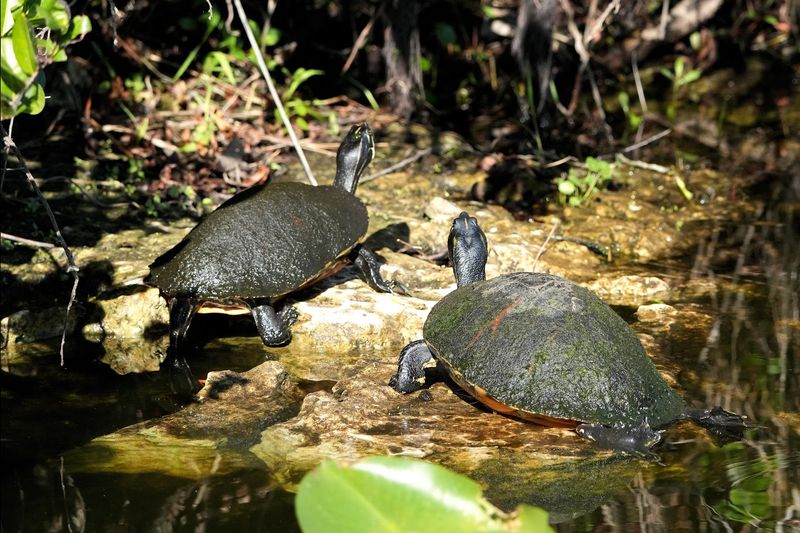
Arrive at 8:30 AM when the gates open and you’ll experience Shark Valley at its photographic finest. Morning light bathes the sawgrass in warm golden tones, temperatures remain tolerable, and wildlife is most active after the cool night. Alligators often bask near the trail edges to warm their cold-blooded bodies, giving you better sightlines than midday when they retreat to shadier spots or deeper water.
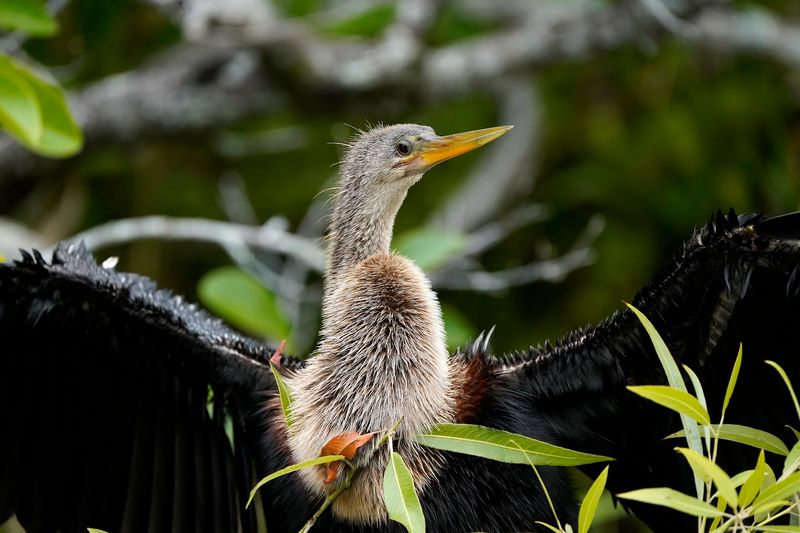
Birds feed aggressively during morning hours too. Herons stalk fish in the shallows, anhingas spread their wings to dry, and you might catch egrets performing their elaborate mating displays if you visit during breeding season. The soft angled light prevents the harsh shadows and blown-out highlights that plague midday photography in bright Florida sunshine.
Early arrival also means thinner crowds, which matters enormously when you’re trying to compose shots. Nothing ruins a pristine wildlife photograph quite like a dozen tourists in neon shirts photobombing your background. By starting early, you’ll have stretches of trail nearly to yourself, allowing you to set up tripods in the middle of the path or wait patiently for that perfect moment without feeling pressured by impatient cyclists wanting to pass.
6. Bring Your Own Bike to Skip the Rental Rush
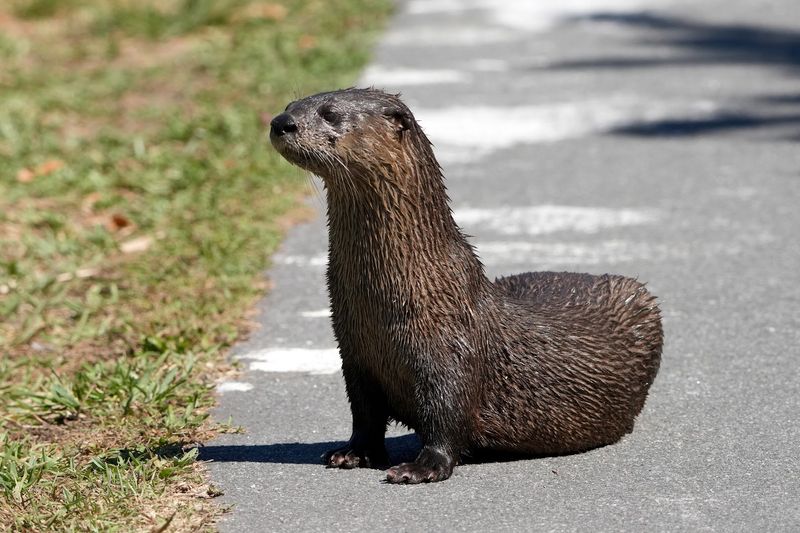
Here’s an insider move that separates locals from tourists: bring your own bicycle and bypass the rental chaos entirely. The trail’s smooth pavement accommodates any bike style, from road bikes to cruisers, and you’ll save the $25 rental fee while guaranteeing you have wheels regardless of when you arrive. Several parking spots near the visitor center can accommodate vehicles with bike racks, though they fill up on busy weekends.
Your own bike also means familiar equipment. You know how your bike handles, where to mount your camera bag securely, and whether those brakes are reliable when you need to stop suddenly for a gator crossing. Rental bikes, while functional, can feel clunky or have quirks that distract from your photography mission.
Plus, you can outfit your personal bike with accessories like a sturdy camera mount or a larger basket for hauling serious photography gear.
The only consideration is the 15-mile distance. Make sure your bike is properly maintained before the trip because there’s no bike repair service out on the trail. A flat tire at mile 10 turns into a very long, very hot walk back to the parking lot while pushing a useless bicycle.
7. Water and Sun Protection Are Non-Negotiable
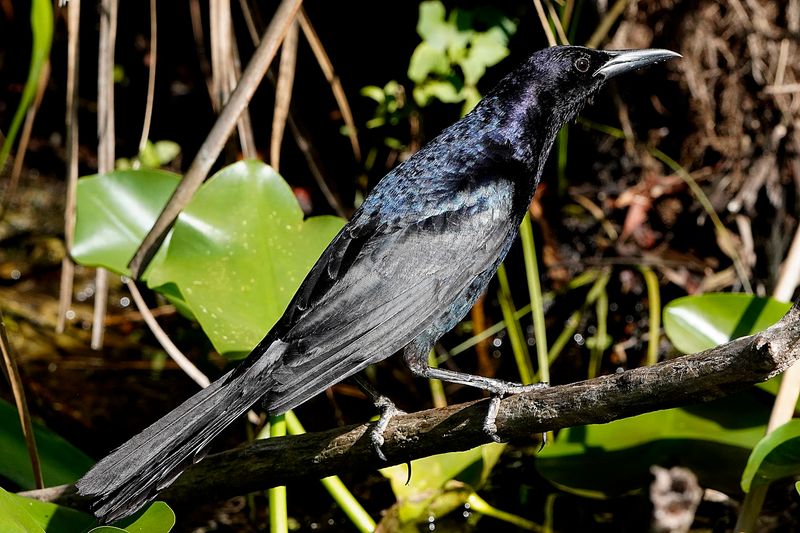
Shark Valley offers virtually zero shade along its exposed paved loop, which means you’re essentially cycling or walking through a solar oven for hours. Multiple trail veterans mentioned in reviews that they underestimated the sun’s intensity and paid for it with sunburns, dehydration, or heat exhaustion. Don’t be that photographer who gets the perfect gator shot but ends up in the emergency room with heatstroke.
Pack way more water than seems reasonable. A single bottle won’t cut it, especially if you’re biking the full loop during warmer months. The only water refill station sits at the observation tower, which means you’re 7.5 miles from additional hydration if you run out before reaching it.
Many experienced visitors bring insulated bottles to keep water cold, plus electrolyte packets to combat the salt loss from sweating buckets in humid Everglades air.
Sunscreen, a wide-brimmed hat, and sunglasses aren’t optional accessories here. They’re survival gear. The sun reflects off that black pavement intensely, hitting you from below while simultaneously beating down from above.
Lightweight, breathable long sleeves actually help more than tank tops by preventing direct sun exposure while allowing sweat to evaporate and cool your skin throughout the ride.
8. Respect Wildlife Distance for Safety and Better Photos
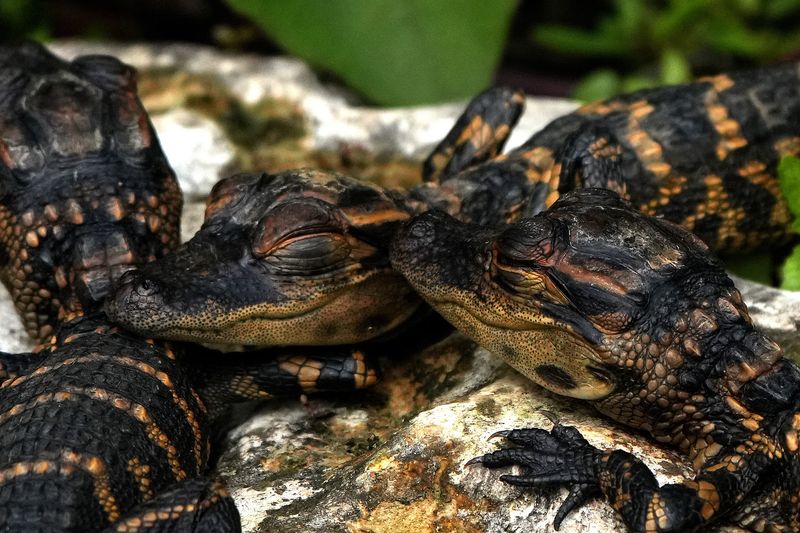
Those alligators lounging beside the trail look deceptively lazy and harmless, but they’re wild predators capable of explosive speed over short distances. Park rangers constantly remind visitors that alligators can run up to 35 mph in brief bursts, and mother gators protecting nests or babies become particularly aggressive. Several reviews mentioned gators positioned so close to the trail you could practically touch them, but please resist any temptation to test that theory.
Maintaining respectful distance isn’t just about your safety. It’s also about capturing more natural, compelling photographs. Animals that feel threatened or harassed display stressed body language, close their eyes, or retreat into water, ruining your shot anyway.
A telephoto lens lets you fill the frame with wildlife details while staying far enough back that animals behave naturally, resulting in more dynamic and authentic images.
The National Park Service recommends staying at least 15 feet from alligators, though photographers with long lenses can work comfortably from even greater distances. When crowds gather around a particularly photogenic gator, be mindful not to block the trail entirely. Other cyclists and walkers need to pass safely, and creating congestion puts everyone at risk if an alligator decides to move suddenly toward the water.