This Free Florida Sanctuary Helps More Than 4,500 Injured Wild Animals Every Year
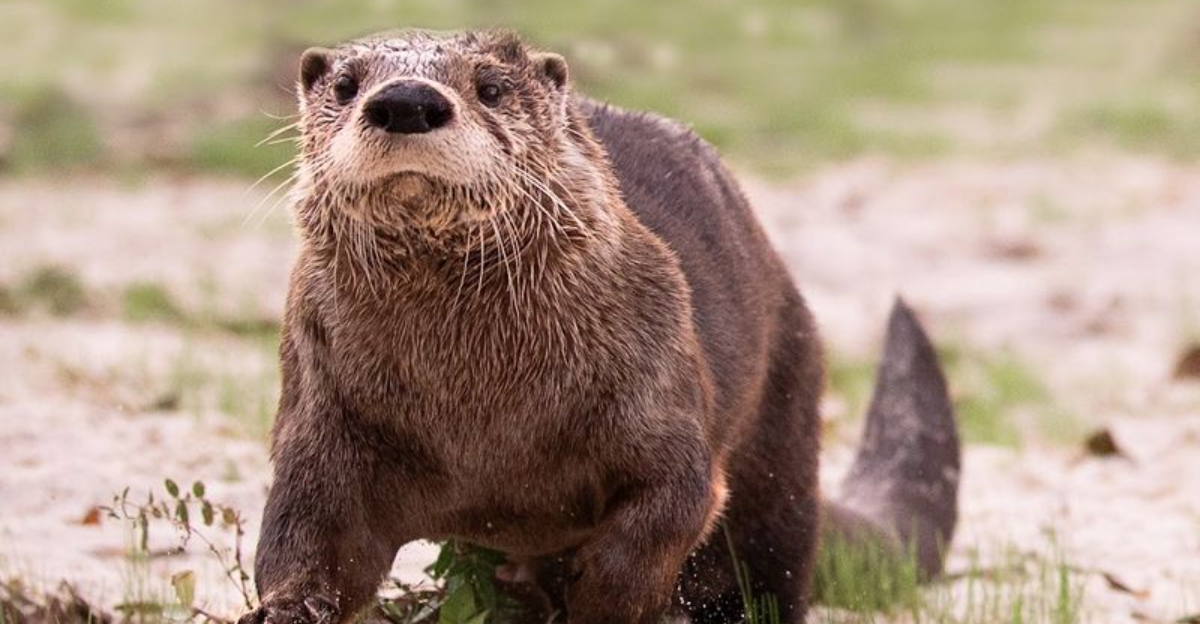
Tucked away on Rocky Pines Road in Jupiter, a remarkable wildlife refuge quietly works miracles for Florida’s injured and orphaned animals. Busch Wildlife Sanctuary treats over 4,500 wild creatures annually, providing expert medical care, rehabilitation, and a second chance at life in the wild. Best of all, this incredible facility welcomes visitors completely free of charge, making it one of South Florida’s most accessible and heartwarming destinations for families and nature lovers alike.
1. A Legacy of Compassion That Started in a Backyard
What began as one woman’s dream in her own backyard has grown into one of Florida’s most respected wildlife rehabilitation centers. The sanctuary’s journey started decades ago when founder Edith Busch began rescuing injured animals right from her Jupiter home. Her passion transformed into a full-scale operation that now occupies a beautiful modern facility designed specifically for wildlife care.
Today, the sanctuary operates from a spacious location that opened in recent years, featuring state-of-the-art rehabilitation facilities and thoughtfully designed habitats. Visitors walk along accessible paved paths that wind through natural Florida landscapes, offering glimpses into the lives of animals who’ve found permanent homes here. The facility includes climate-controlled indoor exhibits, an amphitheater for educational programs, and a wildlife hospital where the real magic happens behind the scenes.
Every element of the sanctuary reflects its nonprofit mission: rescue, rehabilitate, release, and educate. The commitment to keeping admission donation-based ensures that everyone, regardless of financial circumstances, can experience Florida’s native wildlife up close. This accessibility has made the sanctuary a beloved community resource where multiple generations return year after year, creating wildlife enthusiasts one visit at a time.
2. Meet Freddy, The Queen Alligator With Royal Attitude
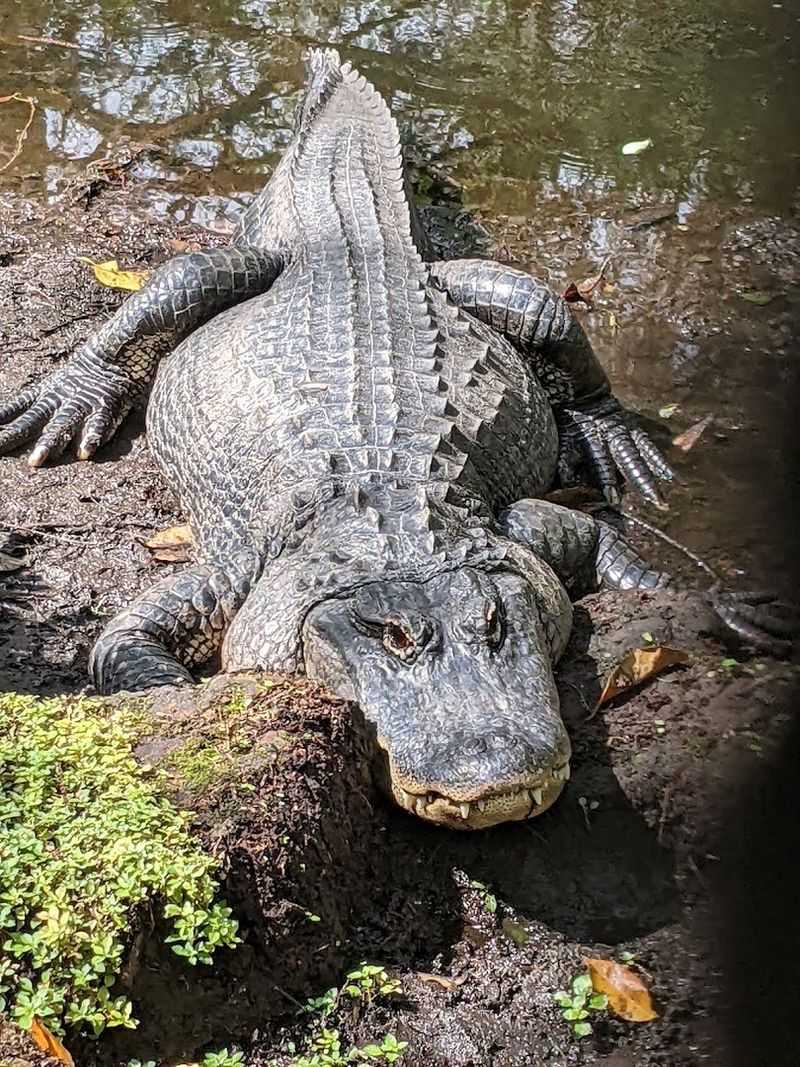
Freddy isn’t your average gator. This impressive female alligator rules her domain with the confidence of Florida royalty, and visitors absolutely adore her. She shares her spacious wetland habitat with a rare snapping turtle that guests consider themselves lucky to spot during visits.
Watching Freddy bask in the sun or glide through her pond offers an unforgettable look at one of Florida’s most iconic predators in a safe, educational setting.
Alligators like Freddy can’t be released back into the wild for various reasons, often because they’ve become too habituated to humans or suffered injuries that would compromise their survival. At the sanctuary, she receives expert care while serving as an incredible ambassador for her species. Staff members share fascinating facts about alligator behavior, conservation efforts, and how Floridians can coexist safely with these magnificent reptiles.
The enclosure design mimics natural Florida wetlands, complete with native plants and plenty of space for Freddy to exhibit natural behaviors. During cooler months, she’s often more active, delighting families who watch her patrol her territory. On hotter days, she demonstrates the classic gator sunbathing pose that’s become synonymous with the Sunshine State’s wild side.
3. Twin Sister Bears Who Redefine Lazy Afternoons
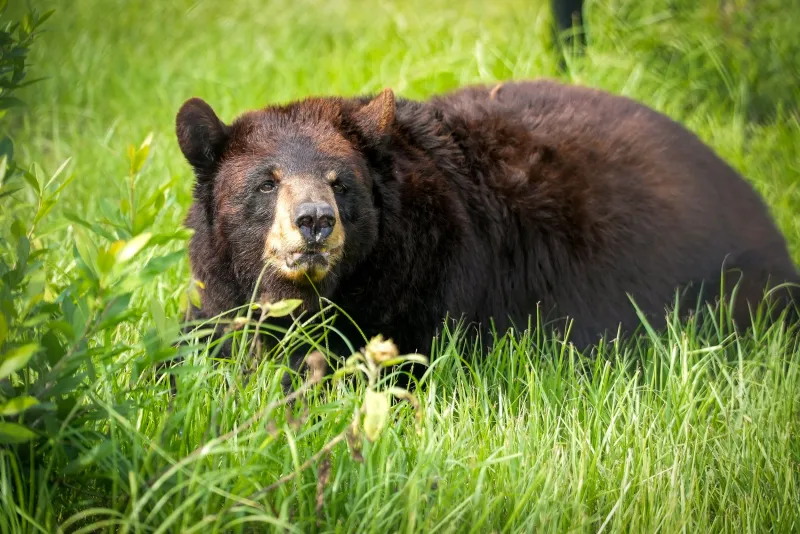
Contrary to popular belief, these sister black bears aren’t lazy at all. Visitors who assume they’ll find sleeping bears often get treated to playful antics, curious investigations of enrichment items, and impressive displays of climbing skills. The dynamic duo arrived at the sanctuary unable to return to the wild, and they’ve since become two of the facility’s most photographed residents.
Black bears in Florida face numerous threats, from habitat loss to vehicle collisions, making sanctuaries like this one crucial for conservation education. These sisters demonstrate natural bear behaviors in their carefully designed habitat, which includes climbing structures, shaded resting areas, and features that encourage their natural foraging instincts. Staff rotate enrichment activities regularly, ensuring the bears stay mentally and physically stimulated.
Watching these bears interact reveals their distinct personalities. One might be boldly exploring while her sister observes more cautiously before joining in. Their habitat allows them to retreat from view when they choose, respecting their need for privacy while still providing excellent viewing opportunities.
The bears’ presence helps visitors understand why protecting Florida’s remaining wild spaces matters so much for these magnificent animals and countless other species.
4. California Cougars Bringing West Coast Beauty to Florida
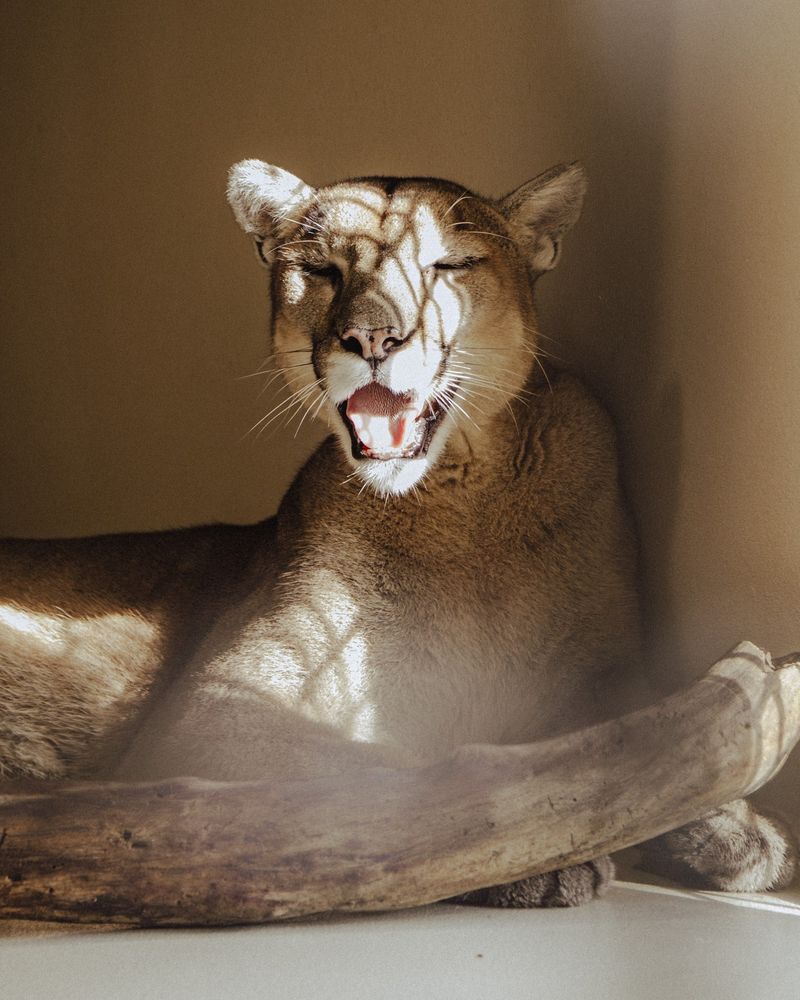
These stunning California cougars might seem out of place in Florida, but their presence tells an important story about wildlife rehabilitation beyond state borders. Sleek, powerful, and absolutely mesmerizing to observe, these big cats command attention with their graceful movements and piercing gaze. Their habitat features multiple levels, rocky outcroppings, and plenty of space to exhibit the behaviors that make cougars such successful predators in the wild.
Visitors often spend considerable time at the cougar enclosure, captivated by these animals’ beauty and strength. The cats demonstrate impressive athleticism, leaping between platforms and surveying their domain from elevated perches. Educational signage explains how cougars hunt, communicate, and survive in their native ranges, drawing parallels to Florida’s own panther population.
The sanctuary’s commitment to providing exceptional care extends to these magnificent felines, who receive specialized diets, veterinary attention, and environmental enrichment tailored to their species. Observing them helps people appreciate the complexity of big cat conservation and the challenges these predators face throughout North America. Their presence also highlights how wildlife sanctuaries collaborate across state lines to provide homes for animals who can’t survive independently in their natural habitats.
5. Florida Panthers Prowling Close Enough to Appreciate
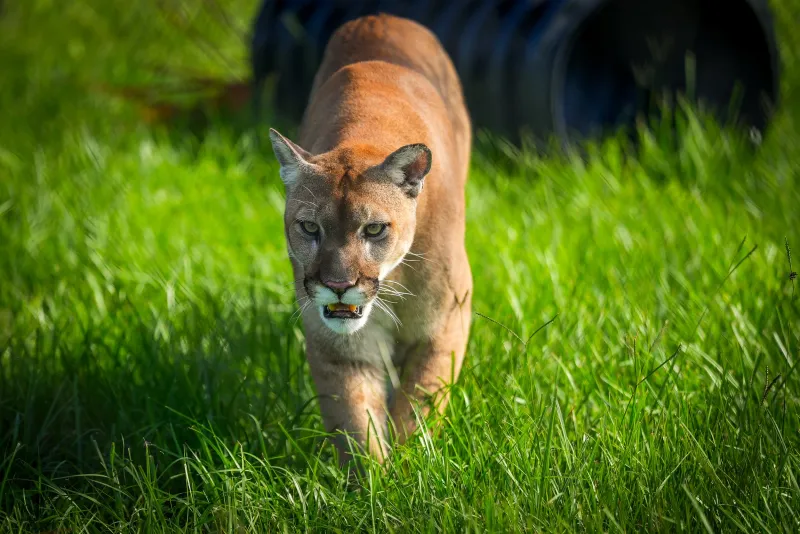
Seeing a Florida panther in the wild requires extraordinary luck and patience. At Busch Wildlife Sanctuary, visitors get an incredible opportunity to observe these critically endangered cats up close, appreciating details impossible to see in fleeting wild encounters. The panthers’ enclosure replicates native Florida habitats with palmetto understory, native trees, and features that encourage natural behaviors.
Florida panthers represent one of the state’s greatest conservation challenges, with fewer than 200 individuals remaining in the wild. Every panther at the sanctuary has a story, whether involving injury, orphaning, or other circumstances preventing their release. Their presence serves a vital educational purpose, helping Floridians understand what makes these cats special and why protecting their remaining habitat matters desperately.
The viewing areas are designed to provide excellent sightlines while maintaining appropriate distance and respect for these powerful predators. Panthers exhibit crepuscular activity patterns, meaning dawn and dusk visits might offer the best action. Staff members share information about ongoing conservation efforts, including wildlife corridors and public awareness campaigns aimed at reducing vehicle strikes, the leading cause of panther deaths in Florida today.
6. Majestic Bald Eagles Soaring Into Hearts
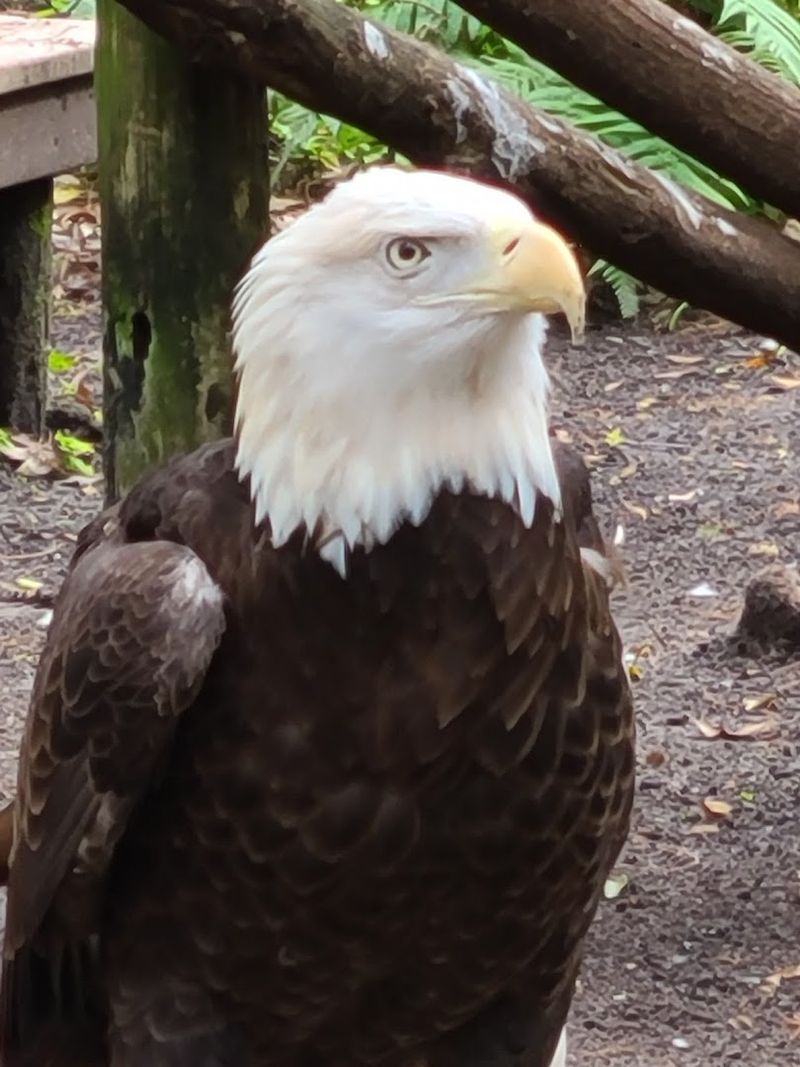
Few sights stir American pride quite like a bald eagle, and the sanctuary’s resident eagles never fail to impress. These magnificent raptors, with their distinctive white heads and powerful builds, represent successful conservation efforts that brought them back from the brink of extinction. Visitors stand in awe beneath the flight enclosure, watching these birds navigate their space with the grace that makes them national symbols.
Eagles at the sanctuary typically suffered injuries preventing successful release, often from vehicle strikes, electrocution on power lines, or gunshot wounds. Their presence offers educational opportunities about raptor biology, migration patterns, and ongoing threats these birds face despite population recovery. The enclosure design allows the eagles to exercise their wings while providing multiple perching options at various heights.
Watching a bald eagle’s piercing gaze or witnessing the impressive wingspan during movement creates unforgettable moments for visitors of all ages. Staff and volunteers share fascinating facts about eagle behavior, including their remarkable fishing techniques and lifelong pair bonding. These birds serve as powerful reminders that conservation works when communities commit to protecting wildlife and natural habitats for future generations.
7. Educational Programs That Inspire Future Conservationists
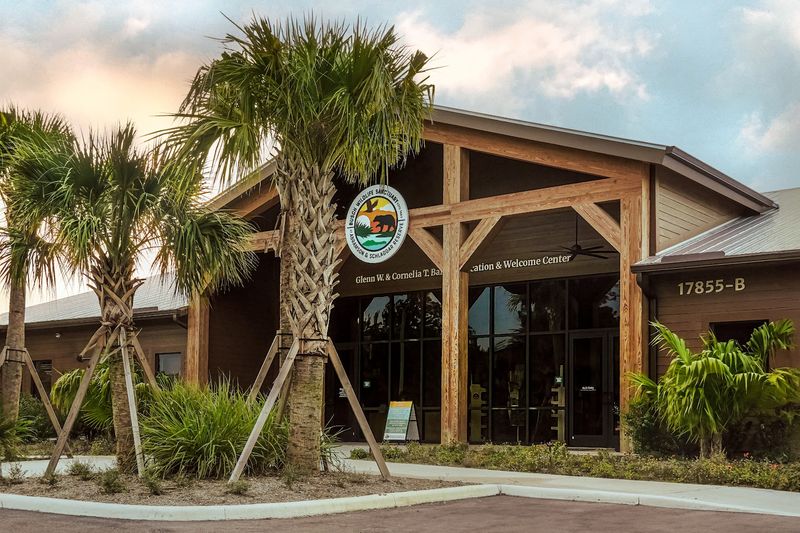
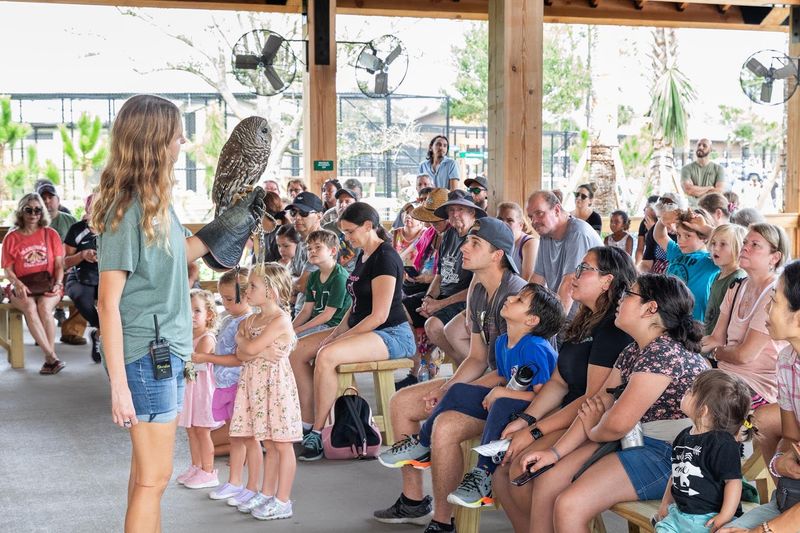
The sanctuary’s educational mission extends far beyond simply viewing animals in habitats. Regular programs in the comfortable amphitheater bring wildlife education to life through close encounters with ambassador animals, including baby alligators, barred owls, corn snakes, and opossums. Each animal has its own backstory, and staff members weave conservation messages into engaging presentations that resonate with audiences from preschoolers to grandparents.
Volunteers like Bob, Bee, and Edward bring incredible knowledge and infectious enthusiasm to every interaction. Their dedication shines through as they answer endless questions, share fascinating animal facts, and help visitors understand Florida’s ecosystems. The amphitheater features excellent fans that make even hot Florida days bearable, ensuring comfort during educational sessions.
Interactive displays throughout the welcome center engage younger visitors with hands-on learning opportunities. Scavenger hunts keep kids actively exploring while absorbing information about native species and conservation challenges. Many families report that sanctuary visits sparked deeper interests in wildlife, with children returning home inspired to create native plant gardens or participate in local conservation efforts.
This ripple effect of education represents the sanctuary’s most important work, creating informed advocates for Florida’s wild creatures and wild places.
8. Behind the Scenes Wildlife Hospital Saving Lives Daily
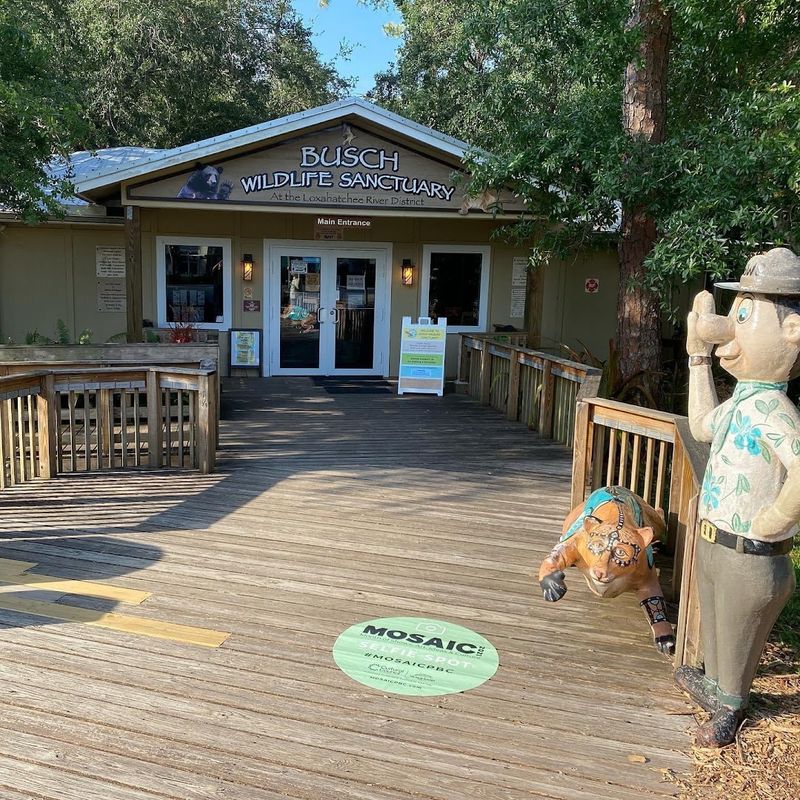
While visitors enjoy observing permanent residents, the sanctuary’s most critical work happens behind the scenes in the wildlife hospital. This facility treats over 4,500 injured, orphaned, and sick wild animals annually, from tiny songbirds to massive raptors. The rehabilitation team works tirelessly to provide medical care, proper nutrition, and safe housing for animals recovering from various traumas including vehicle strikes, window collisions, orphaning, and illegal captivity situations.
Some visitors arrive specifically to drop off injured wildlife they’ve found, and the staff handles these situations with professionalism and compassion. The goal always focuses on rehabilitation and release whenever possible. Animals receive expert veterinary care, appropriate housing during recovery, and gradual conditioning to ensure they can survive independently before release back into appropriate Florida habitats.
Not every animal can return to the wild, and those deemed non-releasable become permanent sanctuary residents or educational ambassadors. This difficult reality underscores why the sanctuary’s prevention-focused education matters so much. Teaching people how to coexist with wildlife, secure trash properly, drive cautiously in wildlife areas, and protect natural habitats reduces the number of animals needing rescue in the first place, creating a healthier Florida for all species.