This Little-Known Florida State Park Has 72-Degree Water And Hardly Any Visitors
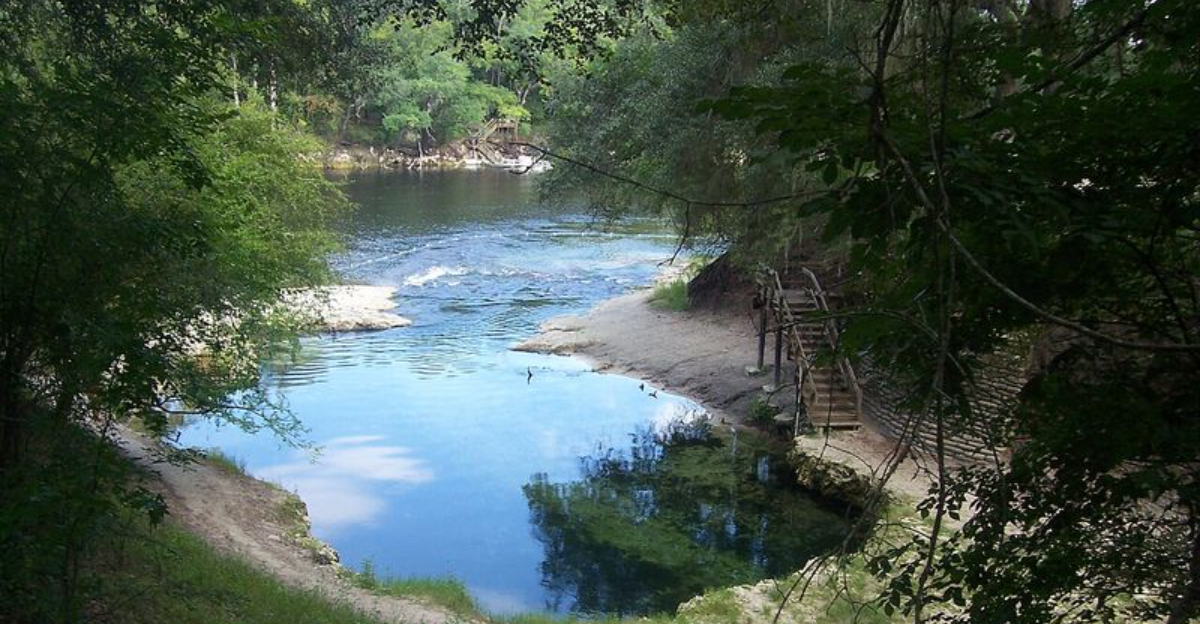
Lafayette Blue Springs State Park remains one of the state’s best-kept secrets. While crowds flock to popular tourist spots, this hidden gem offers crystal-clear springs with a constant 72-degree temperature year-round and plenty of elbow room to enjoy nature. From stunning blue waters to quiet cabins nestled in the woods, this park delivers an authentic Florida experience without the chaos.
1. Crystal-Clear Springs That Stay Perfect Year-Round
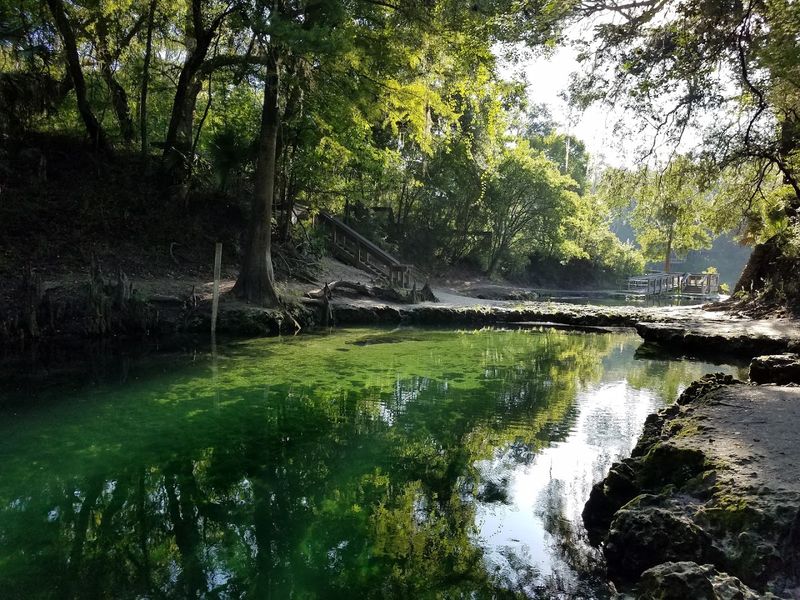
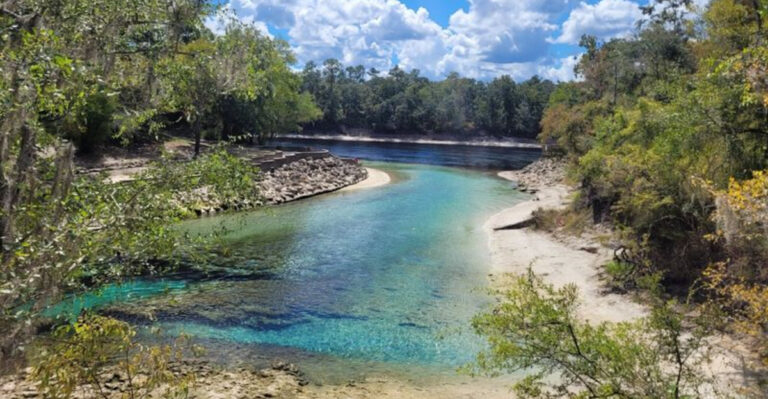
Most Florida springs feel like ice baths in winter and bathtubs in summer, but Lafayette Blue Springs keeps things steady. The water holds at 72 degrees every single day of the year, making it refreshing in July and surprisingly comfortable even in January. You can actually see straight to the bottom thanks to the clarity, watching fish dart around limestone formations while you float.
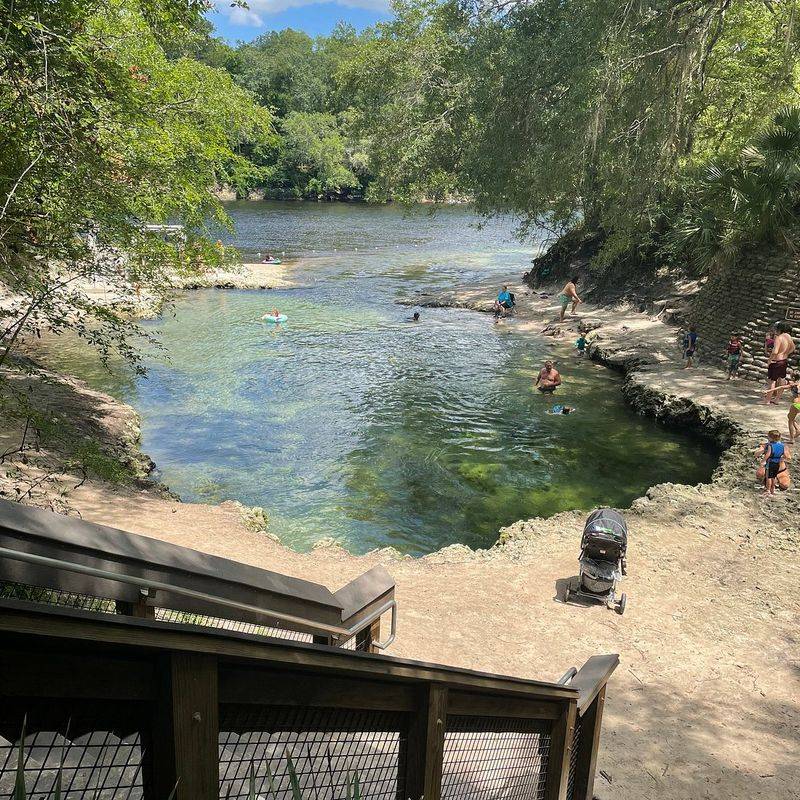
Two springs feed into each other here before joining the Suwannee River, creating a natural playground where you can feel the temperature shift as you swim between spring water and river currents. The contrast makes for an interesting workout if you’re up for it. Families love the sandy shore area along the Suwannee where toddlers can splash safely in shallower water.
One thing to remember is that heavy rain can cause the river to overflow and temporarily close swimming access. The springs get overpowered by murky river water during high flow periods. Calling ahead saves disappointment, especially during Florida’s rainy season when water levels can change quickly and make the normally transparent springs look muddy and uninviting.
2. Cabins That Feel Like Your Own Private Treehouse
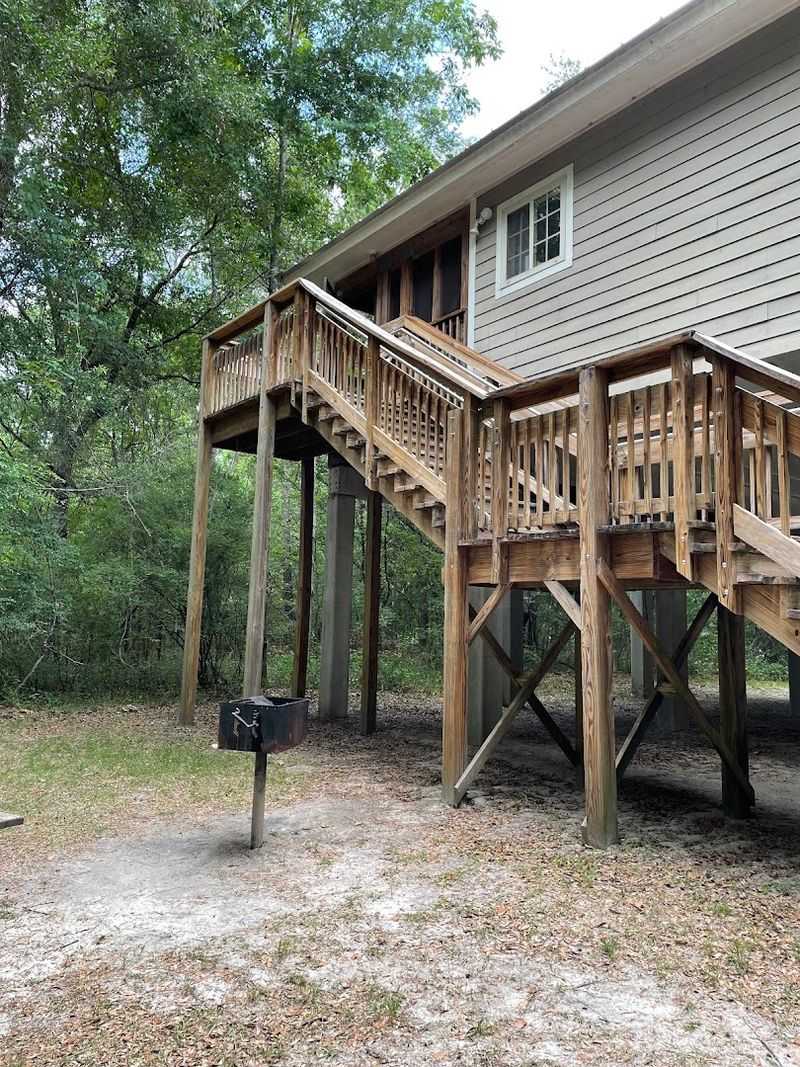
Forget pitching a tent in the heat. Lafayette Blue Springs offers five cabins that come fully loaded with everything you need for a comfortable stay. We’re talking real beds with linens, full kitchens with dishes and utensils, air conditioning, and screened porches perfect for evening swings.
They’re more like small furnished apartments than typical camping accommodations.
Cabin number one gets rave reviews for its layout and proximity to the springs. The second-floor units feature wraparound screened decks that make you feel like you’re living in a treehouse. At night, you can sit outside listening to frogs and crickets without getting eaten alive by mosquitoes, which is basically a Florida miracle.
The catch? No TV or reliable cell phone signal, which some people consider a feature rather than a bug. You’ll need to walk up to the street or down by the boat ramp to get any bars on your phone.
Stock up on groceries in Mayo before arriving since you won’t be ordering delivery. Just bring an oven mitt and a sponge, the two items past guests say are mysteriously missing from an otherwise well-equipped kitchen.
3. A Natural Limestone Bridge You Won’t Find Anywhere Else
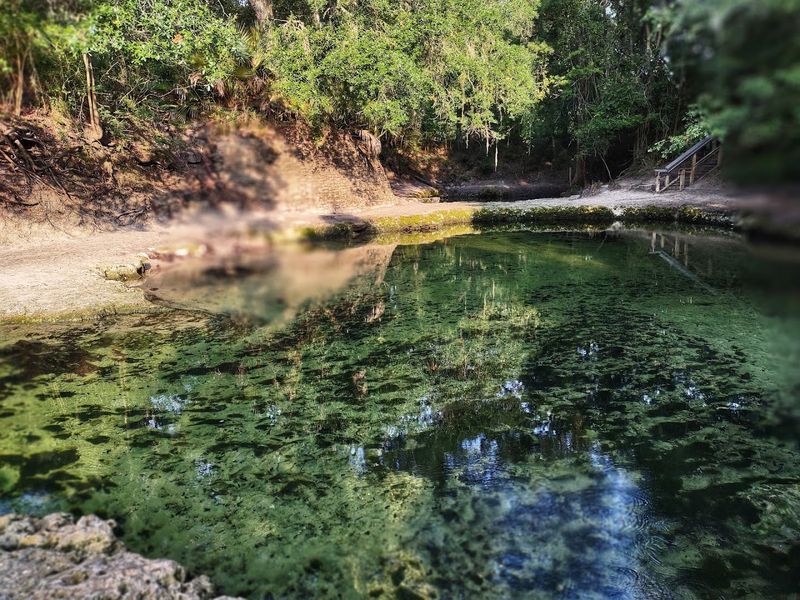
Lafayette Blue Springs isn’t just about swimming. The park features a rare natural limestone bridge, one of those geological oddities that makes Florida’s underground cave systems so fascinating. This karst formation gives you a glimpse into the complex network of sinkholes, springs, and underground rivers that define North Florida’s landscape.
A paved interpretive trail lets everyone access views of the spring while learning about Florida’s unique hydrology. The trail includes educational signs explaining how these springs work and why they’re so important to the ecosystem. It’s short enough that kids won’t complain but informative enough that adults actually learn something new.
For a deeper look at Florida’s karst features, check out the Green Sink Trail, a 1.5-mile loop that takes you past three different types of sinkholes. The trail starts right by the restrooms, so you literally can’t miss it. You’ll see karst windows and sinks connected to the Lafayette Blue Springs system, showing how water moves through limestone in ways that create both springs and sinkholes across the same landscape in a fascinating display of natural engineering.
4. Swimming Areas That Never Feel Overcrowded
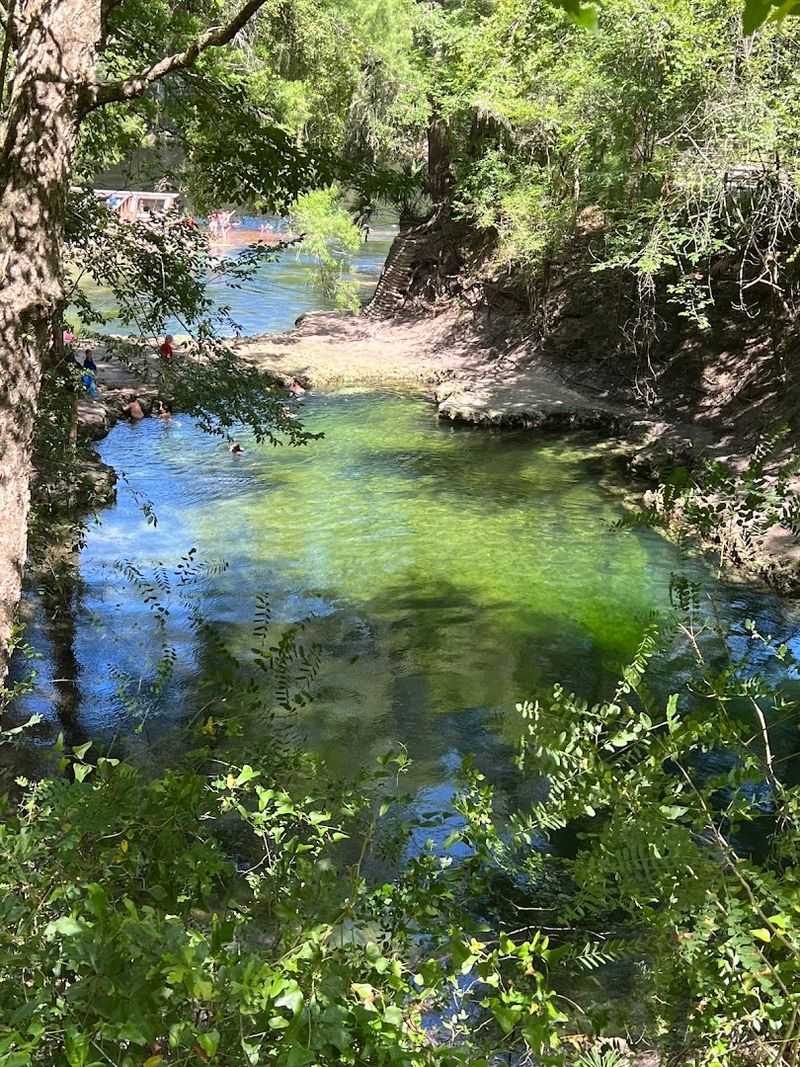
Show up at popular Florida springs on a Saturday and you’ll be swimming shoulder-to-shoulder with hundreds of people. Lafayette Blue Springs? Not so much.
Even on nice weekends, this place maintains a relaxed vibe with plenty of personal space. The springs can handle a healthy number of swimmers thanks to their size, but the remote location keeps the masses away.
Wooden walkways with handrails lead down to the water, making access easier than scrambling over rocks like at some springs. Concrete restroom buildings provide actual facilities rather than porta-potties, and they’re kept surprisingly clean. Multiple picnic areas spread out between the parking lot and swimming zone, both covered pavilions and open tables, so you can claim your own spot without fighting for space.
Dog-friendly picnic areas mean your four-legged family members can join the fun, though they can’t go in the swimming area itself. The $5 per vehicle entry fee feels like highway robbery in reverse when you consider what you get. Or just grab an annual Florida State Parks pass and make this your regular escape from busier tourist traps.
5. Boat Ramp Access to the Legendary Suwannee River
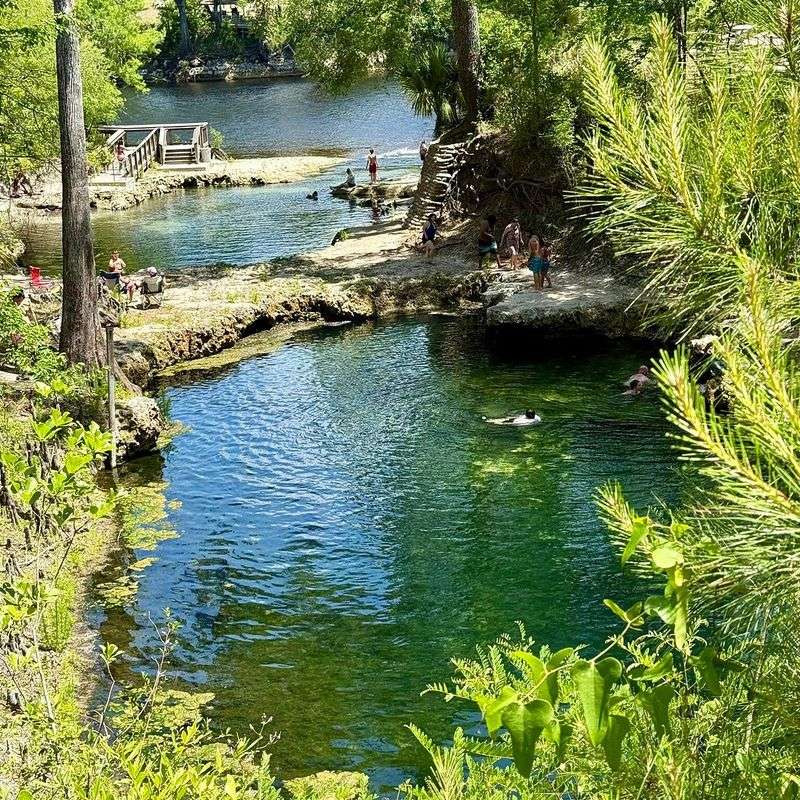
The park’s boat ramp opens directly onto the Suwannee River, giving paddlers and anglers access to one of Florida’s most iconic waterways. The current runs strong here where the springs meet the river, creating distinct temperature zones you can feel while swimming. Boaters love using this as a launch point for longer river trips or fishing expeditions.
Fishing from the ramp area can be tricky with lots of rocks and roots ready to snag your line, plus that fast current to contend with. But the challenge attracts serious anglers who know how to work the conditions. One visitor’s daughter nearly landed a bowfin on her first-ever fishing trip here, which tells you the fish are definitely present and hungry enough to bite.
The Allen Mill Pond Spring run at the North Entrance adds another dimension to the park’s water features. This area carries significant historical value and connects to the same underground system feeding Lafayette Blue Springs. Unfortunately, signage at the north entrance could use improvement since visitors sometimes can’t figure out what’s actually there without exploring on foot or asking rangers for guidance about the various water features.
6. Camping Sites for Those Who Prefer Canvas Over Cabins
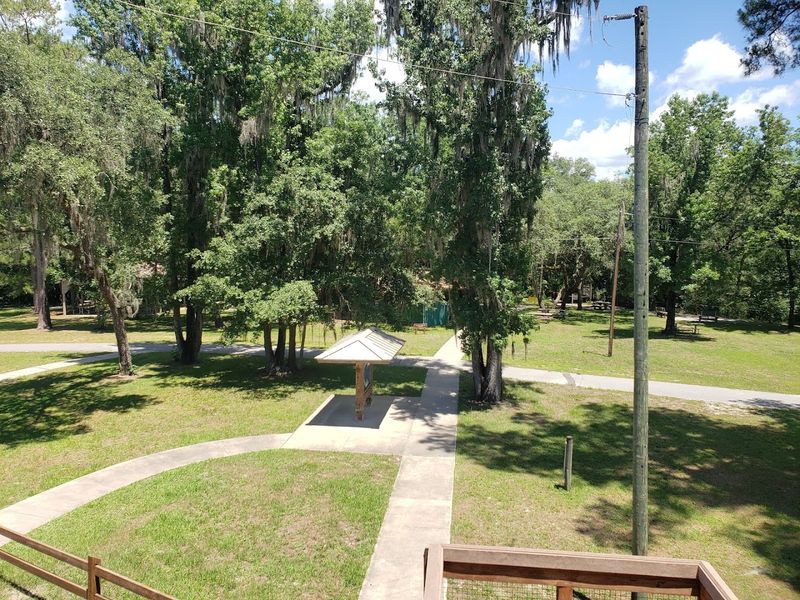
Not everyone wants walls and air conditioning when they visit nature. Lafayette Blue Springs offers traditional camping sites for tent campers and RV owners who prefer sleeping under the stars. The sites run on the smaller side, so plan accordingly if you’re hauling a big rig or lots of gear.
This isn’t a sprawling campground, it’s an intimate setup that keeps things quiet.
If you’re pulling a fifth wheel, take the long way in and skip the dirt roads. The paved route takes longer but saves you from low-hanging branches that can scratch up your rig. Either way, the drive through this part of North Florida offers beautiful scenery with moss-draped oaks and genuine Old Florida charm that’s getting harder to find.
The camping area stays peaceful since there aren’t massive numbers of sites packed together. You won’t hear generators running all night or deal with party crowds. Campers share access to the same springs, trails, and amenities as cabin renters.
Firewood is available for purchase from the rangers, and outdoor fire pits let you enjoy classic camping evenings roasting marshmallows and telling stories while frogs provide the soundtrack from nearby wetlands.
7. Park Rangers Who Actually Know Their Stuff
Here’s something you don’t always get at state parks: rangers who genuinely care and know the land inside out. Visitors consistently praise the staff at Lafayette Blue Springs, especially mentioning rangers by name for going above and beyond. These aren’t just people collecting entry fees, they’re passionate about the park’s ecology, history, and guest experience.
Rangers can tell you exactly when to visit based on river levels, which trails offer the best wildlife viewing, and fascinating details about the spring’s geology that you won’t find on signs. They sell firewood, help with cabin questions, and provide the kind of local knowledge that transforms a good visit into a great one. The camp hosts also get high marks for being helpful and friendly.
One ranger named Susan earned legendary status in reviews for her kindness, humility, and deep knowledge of the springs and surrounding ecosystem. Visitors describe conversations with her as highlights of their trips. Having knowledgeable, enthusiastic staff makes a huge difference when you’re exploring somewhere new.
They can warn you about current conditions, suggest the best times to avoid crowds, and share stories that connect you more deeply to this special place and its natural wonders.
8. Stargazing That Puts City Skies to Shame
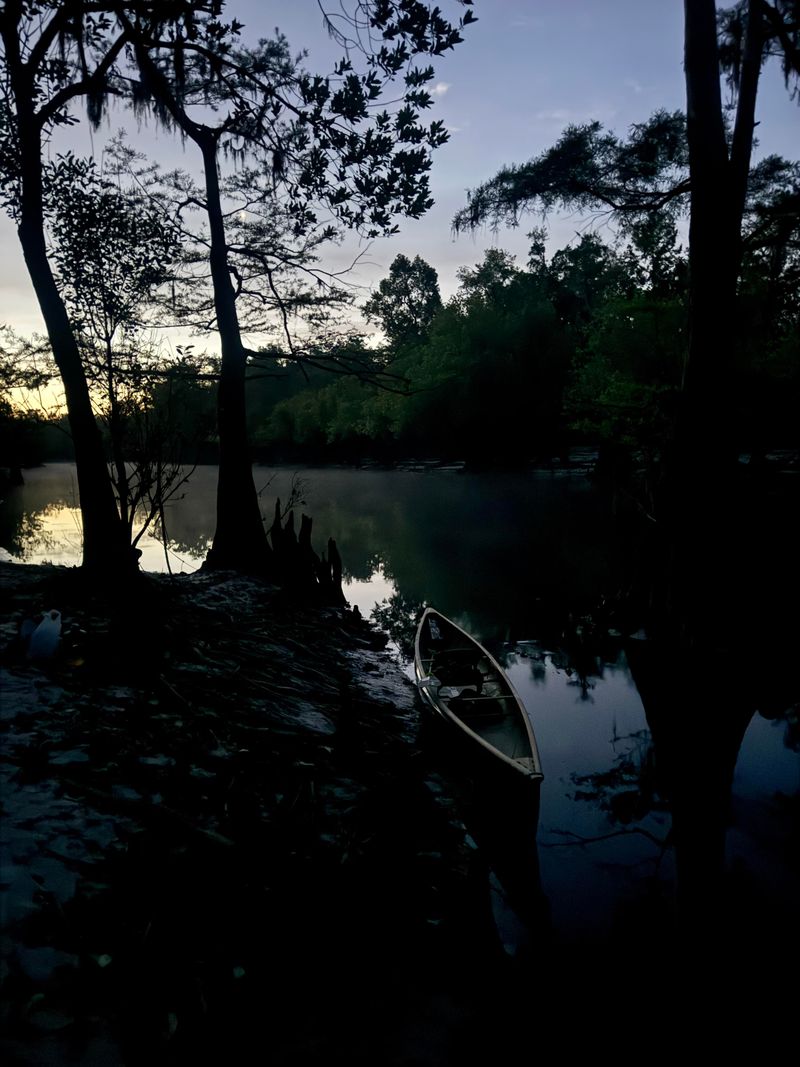
Mayo, Florida doesn’t have much in the way of city lights, which creates a serious advantage after sunset. The darkness out here reveals stars you forgot existed if you’re used to urban skies. Visitors mention the stargazing as a standout feature, especially from those screened cabin porches where you can watch the sky without becoming a mosquito buffet.
The lack of light pollution means you can actually see the Milky Way on clear nights, along with countless stars that disappear in brighter areas. Bring a star chart or astronomy app if you want to identify constellations, though honestly just lying back and soaking in the view works perfectly fine too. The combination of crickets chirping and stars blazing overhead creates the kind of peaceful evening that’s increasingly rare.
No cell phone signal and no TV means you might actually spend time looking up instead of staring at screens. Kids especially benefit from seeing a proper night sky, the kind their grandparents grew up with before light pollution washed out the stars. Pack a blanket, find a comfortable spot away from any remaining lights, and give your eyes twenty minutes to adjust.
You’ll be amazed at how many stars emerge from what initially looked like simple darkness.