This Free Little Tampa Museum Tells the Story of a Neighborhood Once Called “Florida’s Coney Island”
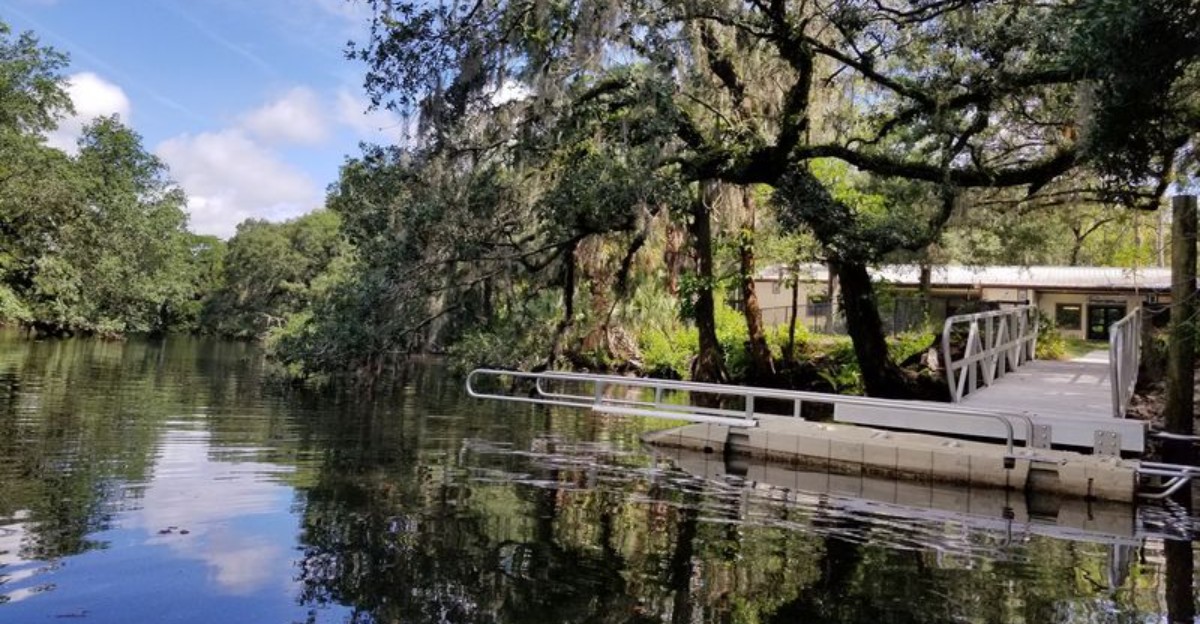
Snugly set beside the Hillsborough River in Tampa sits a tiny museum with a giant story. Sulphur Springs once drew crowds with a water tower, a swimming pool, and big-time fun. Today the museum is free to enter and shares the history of the people who built the neighborhood.
Here are eight reasons to add it to your list.
1. A Neighborhood With a Wild Nickname
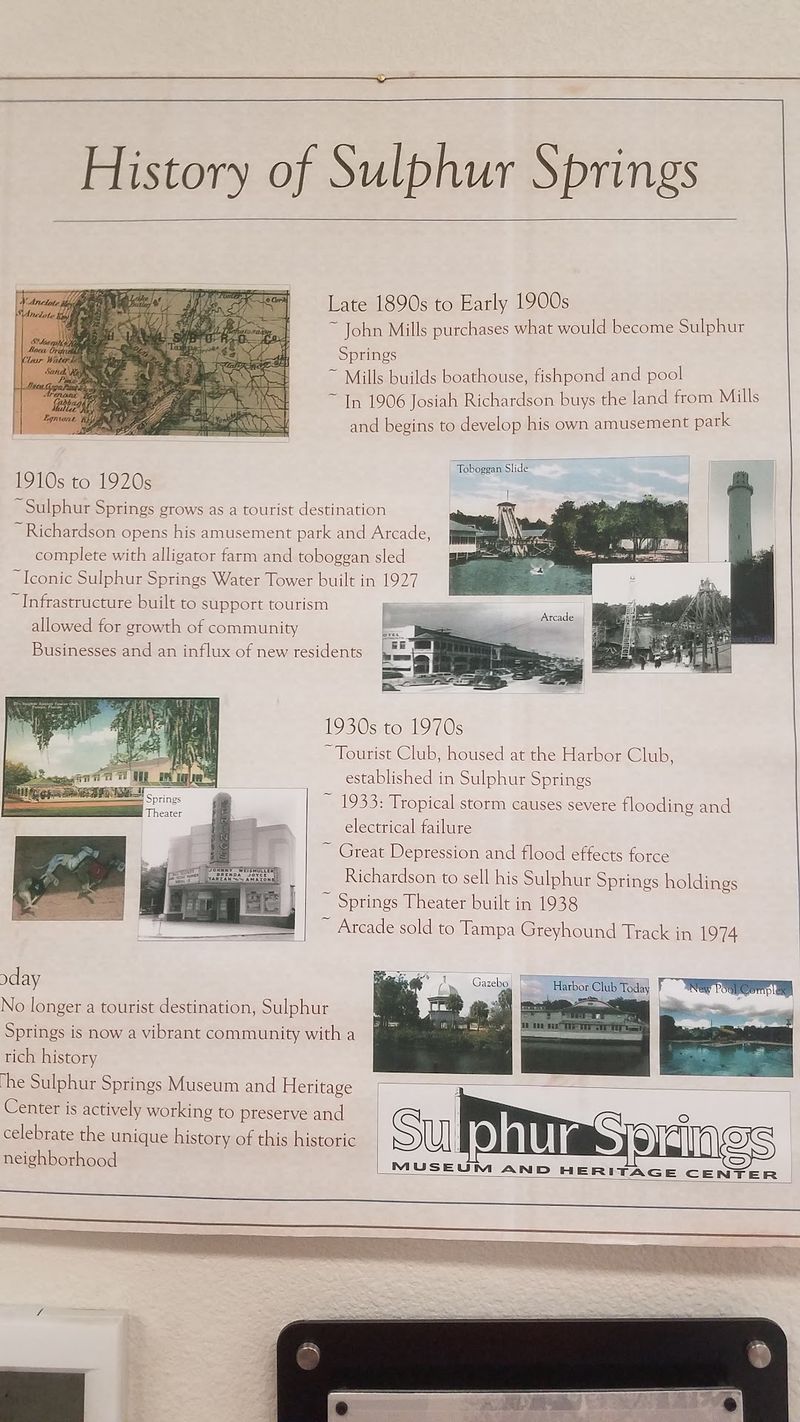
Picture a Florida town where families packed the swimming pool, strolled past fancy attractions, and posed for photos under a tall tower. That was Sulphur Springs in its heyday, and people really did compare it to Coney Island. The museum helps you picture that scene.
Inside, small displays and interpretive panels lay out how the area grew around its natural spring. You learn how the water drew visitors, how businesses popped up, and how the neighborhood changed over the decades. Everything is written in plain language, so you will not need a history degree to follow along.
The museum is compact, which is a perk. You can soak up the big ideas in under an hour and still have time for the park outside. One reviewer called it a nice small community museum, and that is exactly right.
Bring curious kids or a friend who loves old postcards. The stories make a quick walk through the rooms feel like flipping through a family scrapbook of Tampa’s past.
Ask the volunteers for their favorite tidbit. They love sharing, and you might hear something no sign mentions.
2. Admission Costs Nothing

Here is a rare treat: free entry. Visitors have noted that stepping into the Sulphur Springs Museum will not cost a dime. In a state full of pricey attractions, that feels like finding a twenty in your pocket.
Free does not mean flimsy. The exhibits cover local culture, regional history, and rotating topics that keep returning visitors busy. You can pop in on a slow afternoon without worrying about getting your money’s worth.
Plan ahead, though. Museum hours and park hours are not the same, since the park usually runs from sunrise to sunset while the museum keeps its own schedule. A quick call to (813) 935-9402 before you head out can save a wasted trip.
One visitor found the building boarded up and closed on a past visit, so checking first is smart. Pair the stop with a picnic and the whole outing stays budget friendly.
Free museums are the secret handshake of savvy Floridians, and this one deserves a spot in that club.
3. Stories of Florida’s Black History
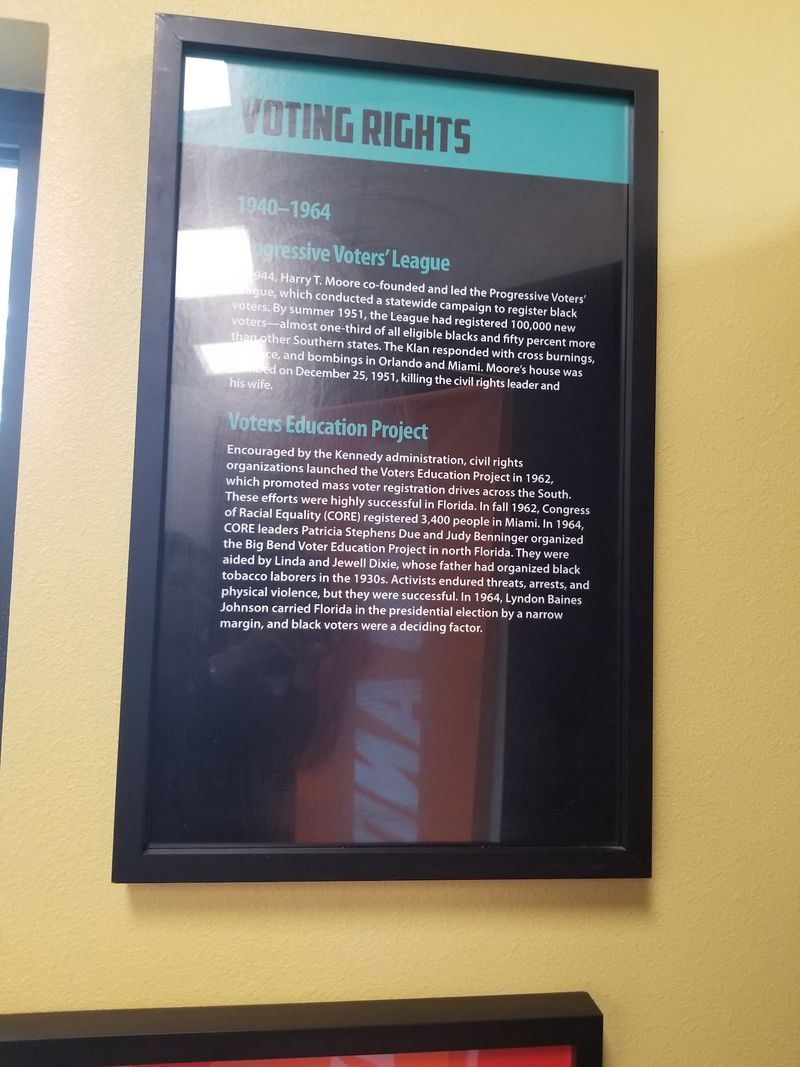
History lives here in a very personal way. Visitors describe the museum as rich in Florida’s Black history, and it shows up in the stories, photos, and talks. One guest left saying Tampa’s history is a shared experience, which sums up the feeling nicely.
The museum has hosted lectures on tough subjects, including Jim Crow laws. Regulars say they learn something new each time they return. That is the sign of a place doing its job.
Fun fact: small community museums often hold the details big museums miss, like how neighbors organized, worked, and celebrated together. You get names and neighborhood moments instead of vague summaries.
Go with an open mind and a few questions. Staff and volunteers are known for being welcoming and eager to chat, and conversation often adds color to what you read on the walls.
Students will find plenty for a school project here, and adults might find the lecture calendar worth following.
4. Smithsonian Exhibits in a Small Space
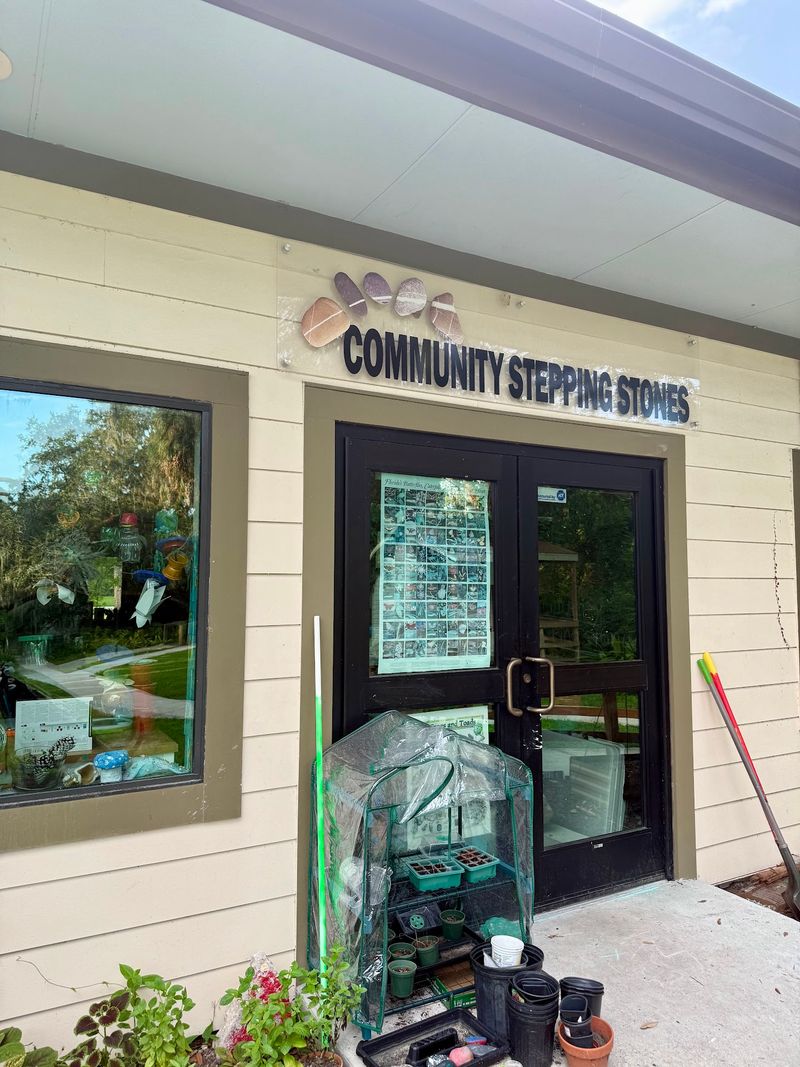
Big-name exhibits sometimes land in small rooms, and this museum proves it. A past visitor noted a larger area given to temporary exhibits from the Smithsonian, while a smaller section covers local history. That mix keeps things fresh.
Because the shows rotate, your visit today may look different from a friend’s next year. One guest caught an interesting display about local Native Americans during a festival. Another enjoyed changing topics that tied national stories to Tampa life.
The layout is simple, so you will not get lost or overwhelmed. Wander at your own speed, read what grabs you, and skip what does not. Volunteers are nearby if you want context.
One reviewer wished for more artifacts, so go in expecting displays and stories rather than a giant collection. Think of it as a friendly sampler platter.
Check for current exhibits before visiting, since the lineup changes and special events sometimes add extra programming.
5. A Riverside Park Right Outside
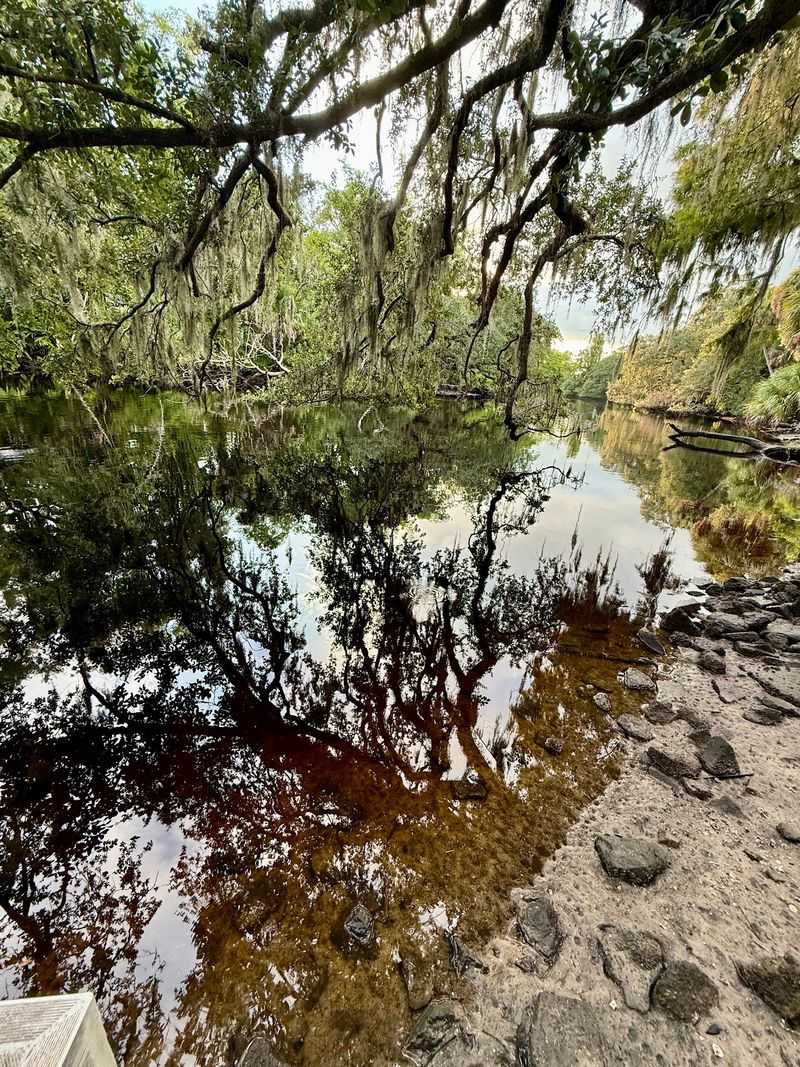
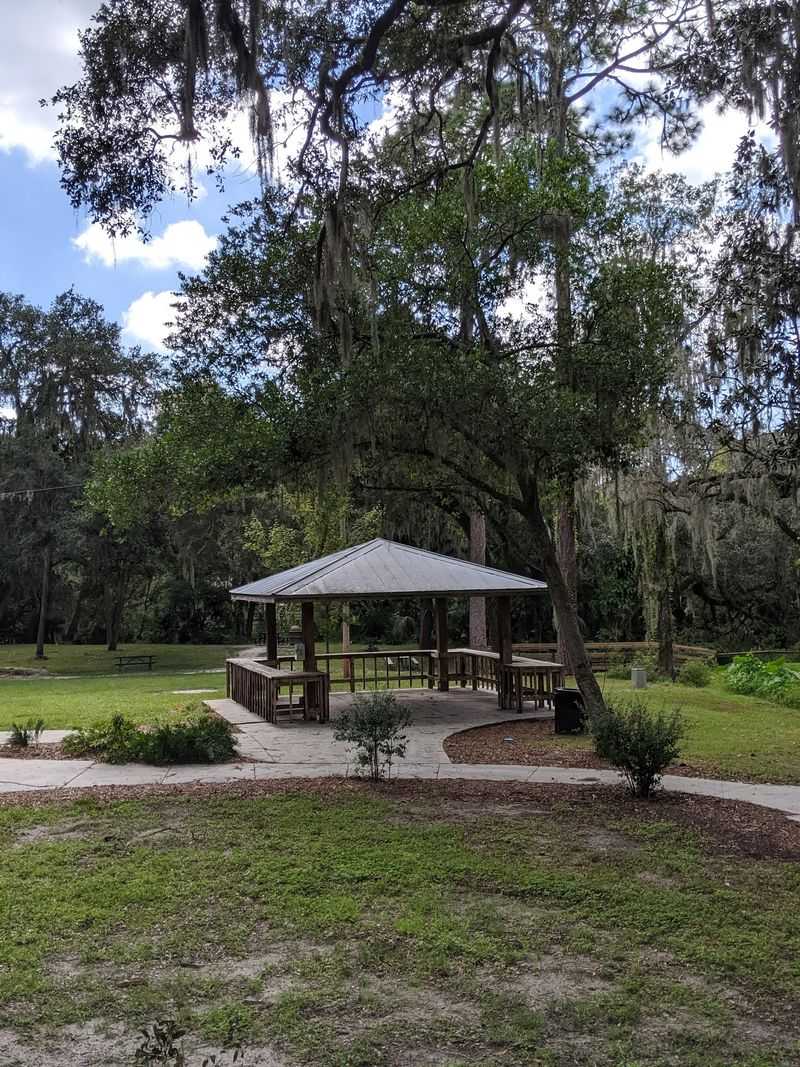
Step out the back door and the Hillsborough River is right there. The park around the museum covers a couple of acres, with shady oaks, open grass, and a calm, old-Florida feel. Reviewers love how peaceful and untouched it seems.
Picnic tables sit close to the water, making this a great lunch stop. Bring sandwiches, a blanket, and a book. Some guests even mention little lending books that people enjoy browsing.
Wildlife sightings are part of the fun. One couple spotted a young alligator, birds bathing in the river, and big fish. Keep a respectful distance and let the critters do their thing.
Expect a quiet crowd, sometimes none at all. A local dog owner says the pup loves it, and another visitor found it perfect for clearing the mind.
Note that some guests saw trash near tables and shoreline erosion, so pack a bag and leave the spot tidy.
6. Paddle Out From the Kayak Launch
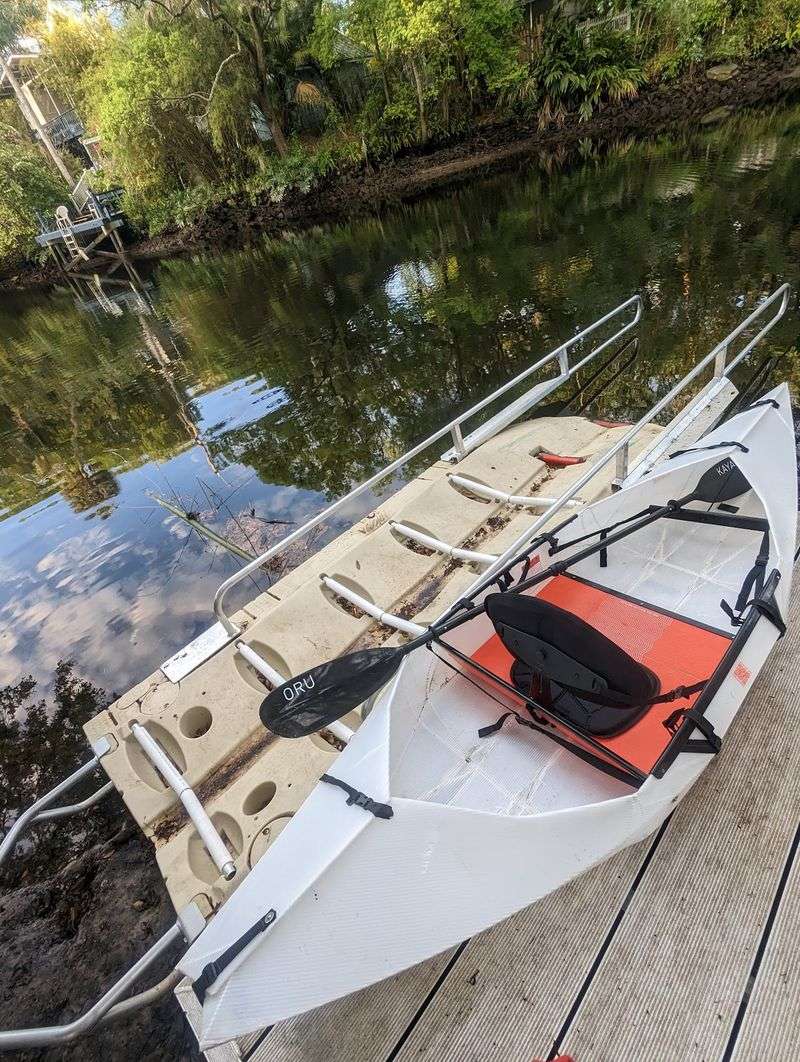
Got a kayak? Good news: the museum grounds include a launch onto the Hillsborough River. Reviewers mention a great dock and easy access, and paddleboarders get in on it too.
Starting from a small park keeps things low stress. There are no crowds fighting for parking or a ramp slot. You carry your gear down, slide in, and you are on the water in minutes.
The river offers a calm, green route with birds overhead and the chance to spot turtles or fish. Go early for softer light and cooler air. Always check weather and water conditions first.
Bring water, sunscreen, and a dry bag for your phone. Since one visitor found no unlocked restrooms, plan a stop before you arrive.
After your paddle, walk up to the museum for a cool, quiet break. It is a neat combo of movement and learning in one stop.
7. Events, Festivals, and Kid Programs

Autumn brings pumpkins, and this museum knows how to use them. Its annual Pumpkin Festival and Health Fair gets guests talking about how much fun they had. Families wander the park, browse booths, and pop into the exhibits.
Kids are a big focus here. A visitor shared that the office offers a free summer camp for ages five and up. Another saw plenty of children running around during daytime programs.
If you want a quieter visit, go when no event is running. The park has a second, calmer half that stays peaceful even on busy days.
The space does not have a playground, and one guest hoped one might come someday. Bring a ball or a nature scavenger hunt list to keep little ones busy.
Follow the museum and county parks pages for dates, since schedules can shift. Events are a fine way to meet neighbors and see the place at its liveliest.
8. Plan Your Visit Like a Local
Address first: 1101 E River Cove St, Tampa, at Mann-Wagnon Memorial Park. The park keeps long daily hours, listed as 8 a.m. to 8 p.m., but the museum runs on its own schedule. Call (813) 935-9402 to confirm.
Give yourself about two hours. Spend part of it inside, then stroll outside. One guest suggested crossing over to the pool area and walking the trail to the gazebo and the tower, which adds a fun bit of Sulphur Springs scenery.
Pack sunscreen, bug spray, water, and a small trash bag. Restrooms may be locked, so plan accordingly. Security cameras around the grounds helped one visitor feel comfortable.
Go on a weekday morning for near-solitude or during an event for a lively crowd. Either way, keep expectations realistic: this is a small, sweet stop, not a giant attraction.
Visitors rate it about 4.6 stars, and many call it a hidden gem. Once you go, you will likely agree.