This Hidden Florida Orchard Lets You Pick Your Own Sweet Persimmons Straight From the Trees
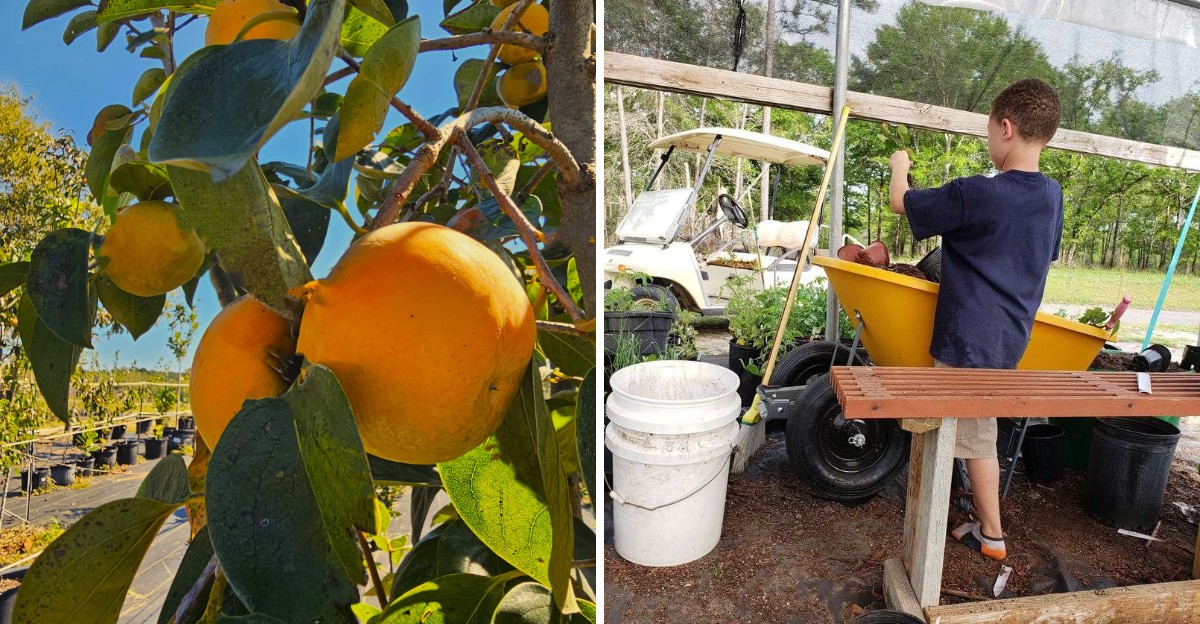
Persimmons in the Florida Panhandle, picked by your own hand, right off the branch. That alone made me stop scrolling. I like fruit that skips the grocery shelf entirely.
The owners will even show you how to choose the best ones. That kind of coaching matters with persimmons. A good pick can taste like honey, and a bad one can pucker your whole face.
The orchard sits inside a working family nursery packed with fruit trees, roses, shrubs, and native plants. So your fruit run can easily turn into a yard makeover. I can’t imagine leaving with only a bag of persimmons.
Florida has plenty of famous farms with long lines and gift shops. This one feels more like a friendly neighbor with a very big backyard. Ready to see what grows out there?
1. Sweet Persimmons You Pick Yourself Are the Real Prize
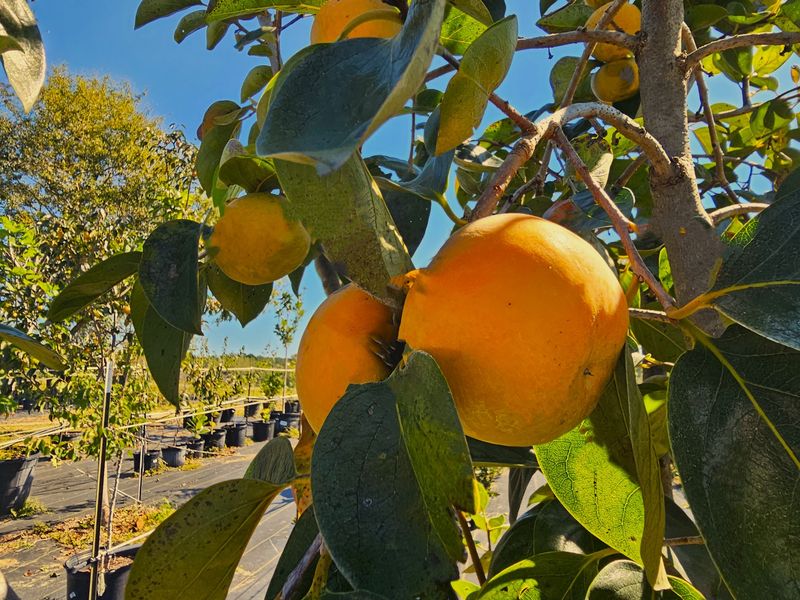
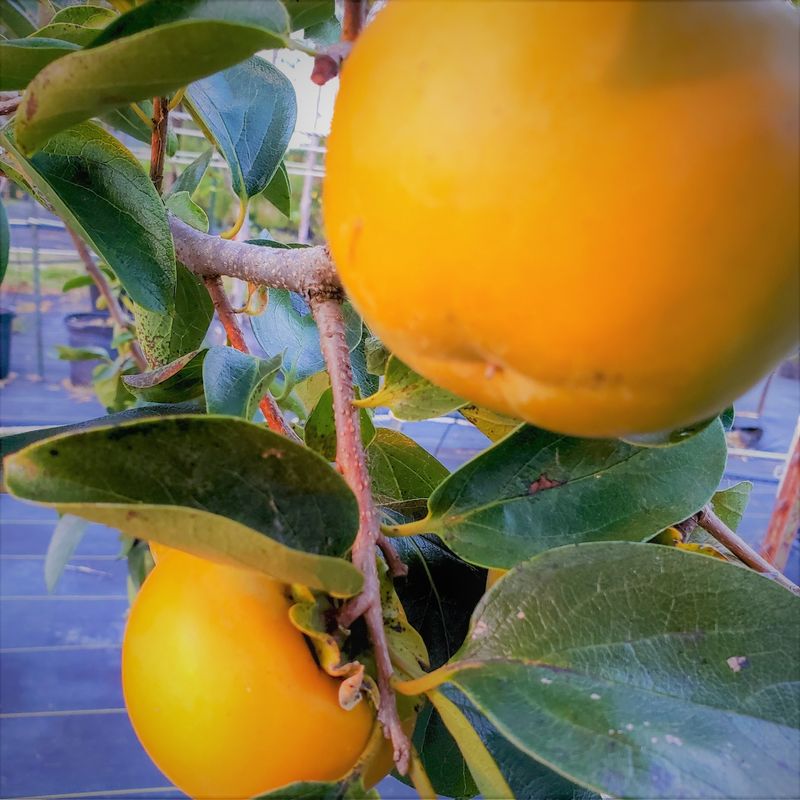
Orange fruit glowing on bare-ish autumn branches is a sight most people never see in person. At Advanced Nursery Growers, persimmon picking turns that sight into a hands-on outing. You get to pluck the fruit straight off the tree.
Persimmons are a bit picky about timing. Pick one too early and some kinds taste chalky and sharp. Pick it right, and the flavor turns sweet and mellow, almost like apricot jam with a hint of spice.
That’s why the guidance here matters so much. The owners have helped visitors learn how to spot the best ones. Think of it as a mini lesson in fruit detective work, with tasty evidence at the end.
Persimmon season usually lands in fall, so plan around cooler months. Before you go, call ahead and ask if fruit is ready for picking. Trees run on nature’s calendar, not ours.
Bring a sturdy bag or a shallow box. Persimmons bruise more easily than apples, so piling them high is a rookie move. Lay them gently, and they’ll ride home happy.
Fun fact: the name persimmon comes from a Native American word for dried fruit. Some folks still dry them today for a chewy, candy-like snack.
2. A Family Team That Treats Visitors Like Old Friends
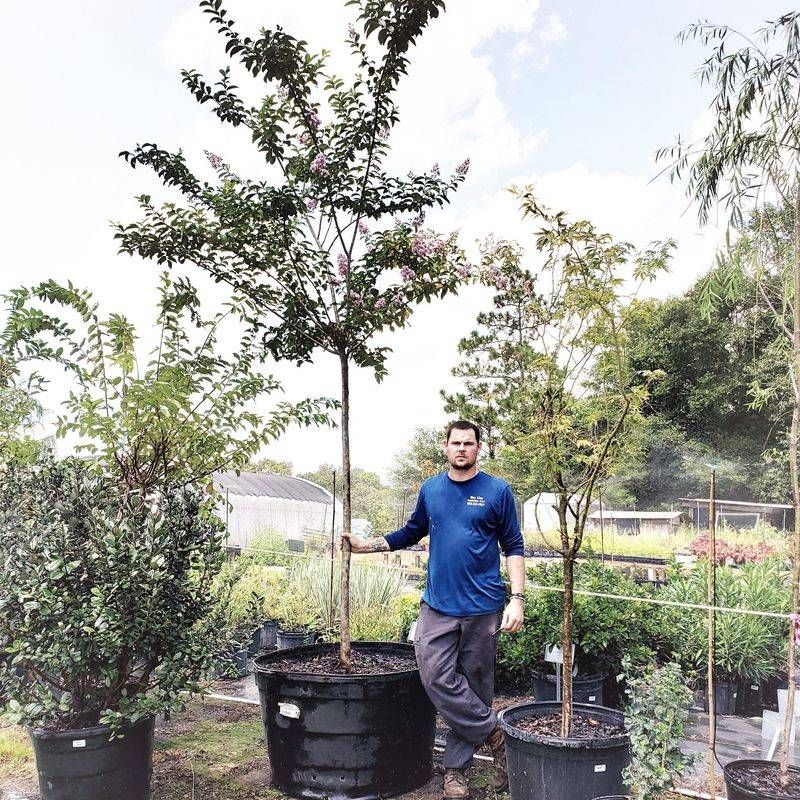
Howard and Beverly run this place, and their names pop up again and again in praise for the nursery. Advanced Nursery Growers is family owned and operated. That shows in the way they handle every visit.
Beverly, often called Bev, has a reputation for knowing her plants inside and out. She’s known for sharing care tips so your new tree has a fighting chance. Howard has been known to show kids around the blooming flowers too.
This isn’t a quick checkout-line kind of stop. Conversations happen here, and questions are welcome. Ask about soil, sunlight, or which tree fits your yard, and you’ll likely get a thoughtful answer.
Got a plant on your wish list they don’t carry? Bev can often order it for you. That’s a handy perk when big-box stores only stock the same ten shrubs.
Her knowledge even stretches beyond local conditions, covering growing zones in other regions. So if you’re shopping for a relative up north, mention it. You might walk away with smarter advice than you expected.
Small family businesses like this keep rural communities lively. Supporting one feels good, and your garden gets an upgrade in the process.
3. So Many Fruit Trees, So Little Yard Space
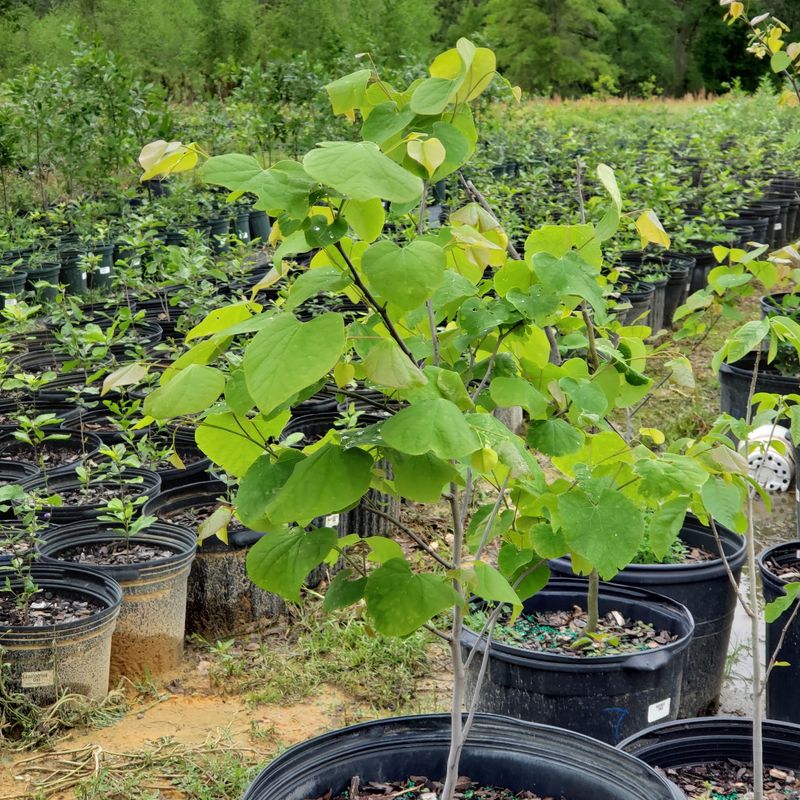
Satsumas, pineapple guavas, blueberries, persimmons. The fruit tree lineup at this nursery reads like a grocery list for your backyard. Good luck sticking to just one.
Fruit trees are a big part of what Advanced Nursery Growers is known for. The selection covers plenty of kinds suited to North Florida’s climate. That matters, because a tree that loves Miami might sulk up here.
Satsumas are a smart choice for the Panhandle. These small, easy-peel citrus fruits handle cooler winters better than many oranges. Pineapple guava is another fun pick, with flowers you can actually eat.
The nursery has offered trees in many sizes, from young starters to mature trees. Smaller trees cost less but need patience. Bigger ones get you fruit sooner, so think about how long you’re willing to wait.
Before buying, check your planting spot. Look at sunlight, drainage, and how wide the tree will grow. Ask the owners about pollination too, since some fruit trees need a buddy nearby.
Once home, loosen any circling roots gently before planting. Container trees can get crowded in pots. A little root care on day one helps your tree settle into real ground faster.
4. You Might Get a Golf Cart Tour of the Grounds

Few plant shopping trips come with a chauffeur. Here, one of the owners has been known to drive visitors around in a golf cart. Shopping for shrubs suddenly feels like a safari.
That ride makes sense once you see the size of the place. This is a large, expanding nursery spread across open country. Walking every row would take a while, especially on a warm Florida afternoon.
The tour isn’t just for fun, either. It’s a chance to learn about different plants as you pass them. You’ll hear which ones love sun, which ones need shade, and which ones bloom when.
Don’t expect a fancy indoor store. The whole setup is open air, with plants arranged outdoors where they grow. Wear comfortable shoes and dress for the weather.
A hat and sunscreen are smart additions too. Panhandle sun can be strong even in cooler months. A water bottle won’t hurt, especially if kids are tagging along.
Bring a notebook or use your phone to snap photos of plant tags. With so much to see, it’s easy to forget the name of that one gorgeous shrub you spotted three rows back.
5. Stop and Actually Smell the Roses Here
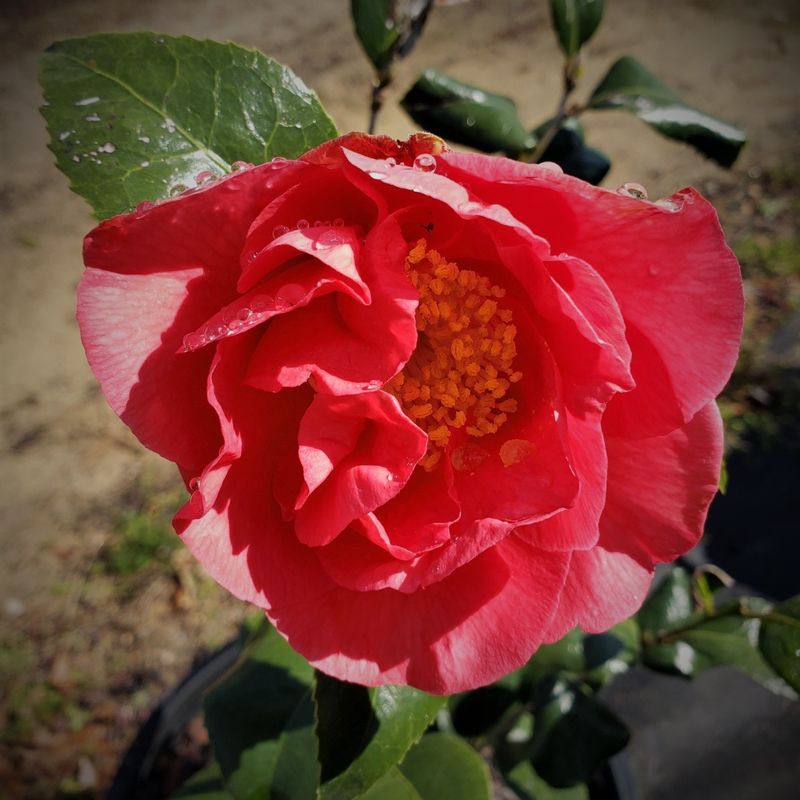
Roses have earned their own fan club at this nursery. Shoppers have picked up roses here alongside trees and shrubs. It’s a sweet bonus after a morning among fruit trees.
Roses can be tricky in Florida. Heat, humidity, and fungus all love to pick on them. Buying from a local grower helps, since you can ask which kinds hold up best in this region.
A potted rose also makes a lovely gift. The nursery has even arranged a delivered rose for Mother’s Day before. Unlike cut flowers, a living rose keeps blooming season after season.
Give your new rose a sunny spot with at least six hours of light. Water at the base, not over the leaves. Wet leaves invite spots and mildew.
Mulch helps keep roots cool and moist during hot spells. Feed your rose during the growing season, and trim off faded blooms. That small habit encourages more flowers to appear.
Kids especially love sniffing their way through the blooms. Some roses smell spicy, others smell fruity, and a few barely smell at all. Make a game of finding your family’s favorite scent.
6. Spring Brings Bare Root Trees Worth Planning Around
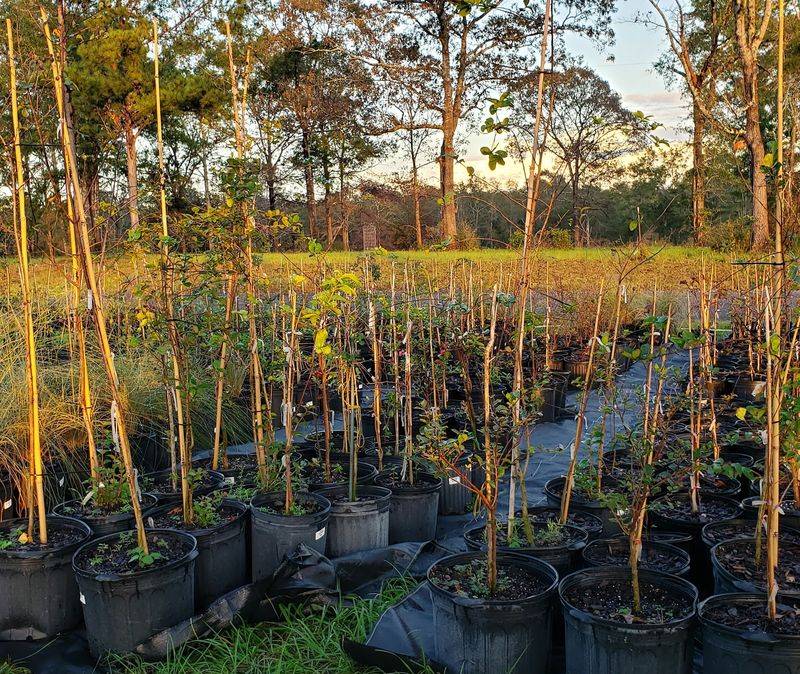
Bare root trees look a little odd at first glance. No pot, no soil, just roots and a trunk. Yet gardeners in the area mark their calendars for them every spring.
Advanced Nursery Growers has offered bare root trees during spring. These trees are sold while dormant, meaning they’re resting and not actively growing. That makes them easier to move and plant.
Why bother with bare roots? They’re often lighter, easier to carry, and simpler to inspect. You can see the roots clearly before you buy, with no mystery hiding inside a pot.
Planting is pretty simple too. Soak the roots in water for a few hours first. Then dig a wide hole, spread the roots out, and backfill with native soil.
Timing really matters with bare root trees. They should go in the ground soon after you bring them home. Letting the roots dry out is the quickest way to disappoint yourself.
Call the nursery in late winter to ask about availability. Popular fruit types can go fast. Showing up early in the season gives you the best shot at your top picks.
7. Native Plants and Shrubs Fill Out the Rest of Your Wish List
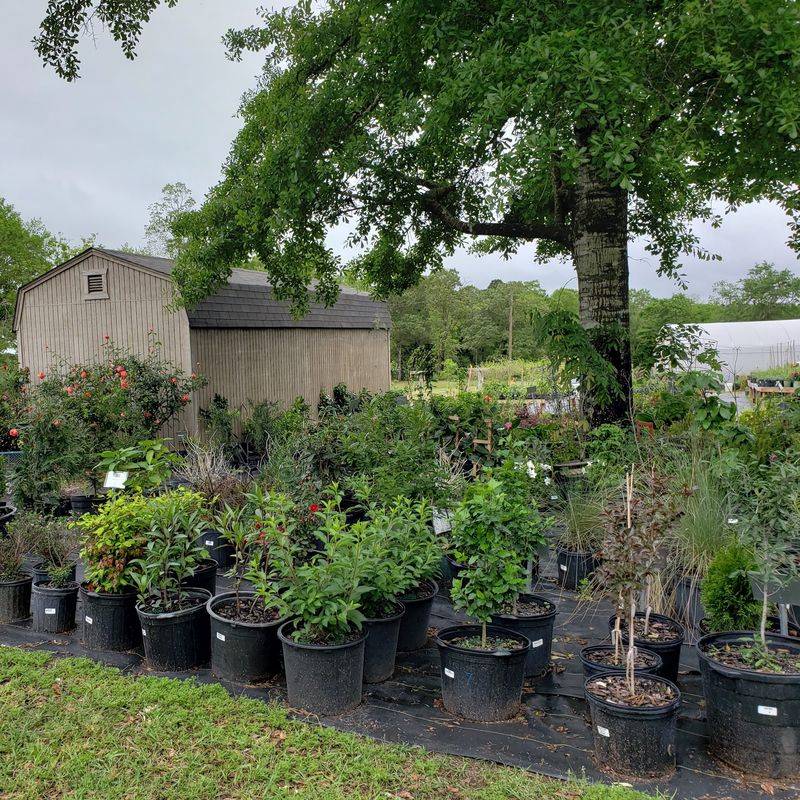
Fruit gets the spotlight, but the supporting cast is huge. Shoppers come for native trees, bushes, flowers, and landscaping plants too. Plenty of yards in the area owe their looks to this nursery.
Native plants are a smart move in Florida. They’re adapted to local heat, rain, and soil. That often means less watering and fewer headaches once they settle in.
They also help wildlife. Bees, butterflies, and birds rely on native plants for food and shelter. Add a few to your yard and you might notice more fluttering visitors.
Shrubs work great for privacy screens and borders. Mix different heights for a layered look. Tall plants in back and short ones in front keeps things tidy and natural.
Plants here are suited to the local area, which big-box stores don’t always manage. Planting the right thing in the right place saves money. It also saves the sad feeling of a shrub that gives up by August.
Got a big project? The nursery has delivered plants to homes before. Ask about that option if your car can’t fit a small forest in the back seat.
8. Country Roads Lead You Right to the Front Gate
Out between DeFuniak Springs and Ponce de Leon, the scenery turns quiet and green. That’s where you’ll find Advanced Nursery Growers. It feels far from town, yet it’s not hard to reach.
The address is 1911 McLeod Rd, DeFuniak Springs, FL 32435. Plug it into your map app and enjoy the drive. Country roads in this part of Florida make the trip part of the fun.
Hours matter here, so check before heading out. The nursery generally opens weekday mornings, takes a midday break, and reopens in the afternoon. Saturdays run shorter, and Sundays are closed.
That lunch break catches people off guard. Arriving at noon could mean waiting around. Morning visits give you the most time to browse, pick, and chat.
Some shoppers drive a couple hours to get here. If that’s you, pack snacks and a cooler for your fruit. Persimmons and warm car trunks aren’t the best partnership.
DeFuniak Springs itself is worth a detour afterward. The town is known for its round, spring-fed Lake DeFuniak. A lakeside stroll makes a pleasant end to your plant-filled day.
9. Kids Get a Tasty Lesson in Where Food Really Comes From
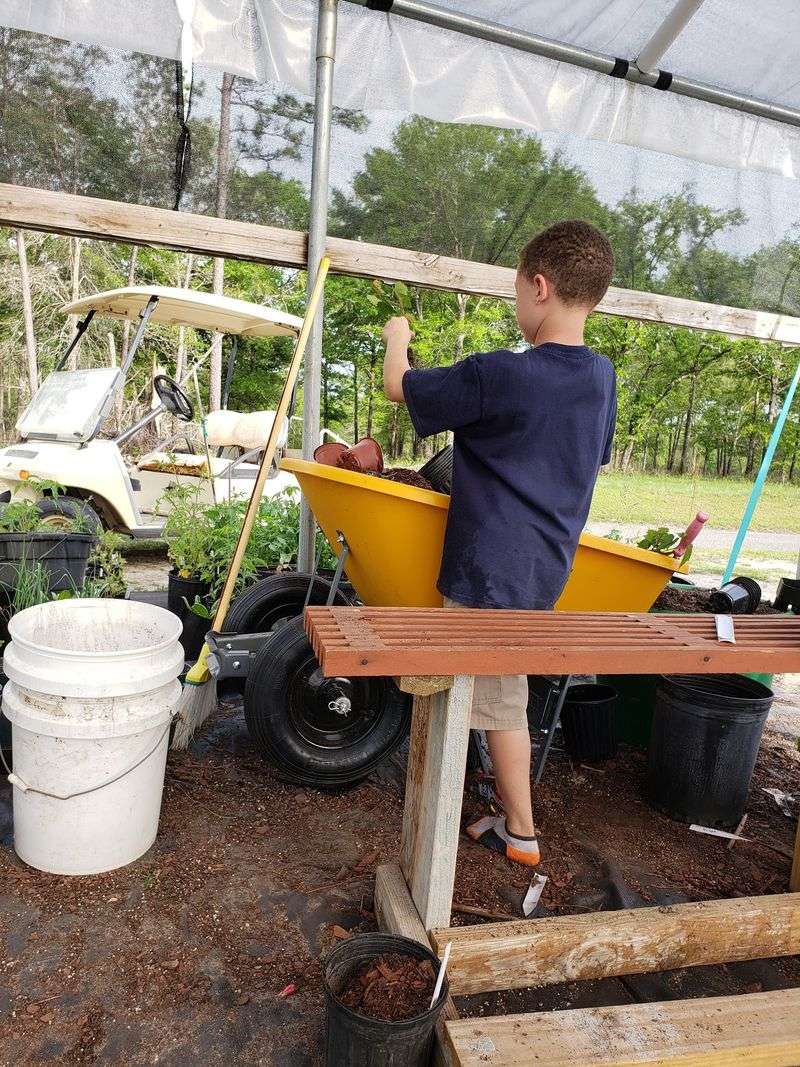
Blueberry samples once made a family visit extra memorable here. Small moments like that turn a plant errand into a real adventure. Kids remember fruit they taste fresh off the bush.
Families have enjoyed wandering the grounds and smelling the blooming flowers. The open-air layout gives little legs room to explore. Just keep an eye on them near rows of young trees.
Persimmon picking makes a great teaching moment. Children learn that fruit grows on branches, not in plastic clamshells. They also learn patience, since only ripe fruit makes the cut.
Let kids choose a plant of their own to bring home. A blueberry bush or small fruit tree gives them a project. Watching it grow year after year builds pride and responsibility.
Pack wipes and a change of clothes for younger ones. Persimmons can be juicy, and garden paths can be dusty. Nobody wants sticky seats on the ride home.
Back home, try baking with your haul. Persimmon bread and cookies are classic fall treats. Let the kids mash the fruit, and Florida’s farm country becomes a delicious family memory.