This Historic Florida Bridge Carries Walkers Two Miles Into the Open Water
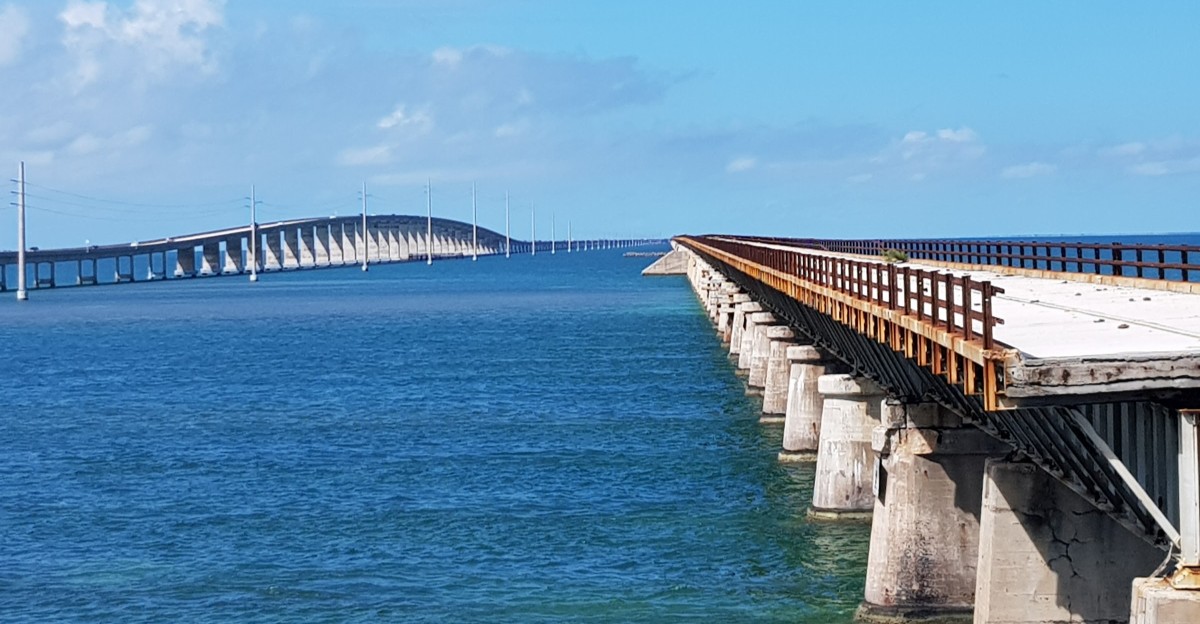
Walking on a piece of Florida history that stretches two miles straight into turquoise water, with the Gulf of Mexico on one side and the Atlantic Ocean on the other. The Old Seven Mile Bridge in Marathon isn’t just a cool photo spot. It’s a refurbished section of Henry Flagler’s legendary Overseas Railroad that now serves as one of the most unique pedestrian and bike paths in the entire state, offering unmatched views, wildlife sightings, and a genuine taste of what makes the Florida Keys so special.
A Bridge Built for the Ages
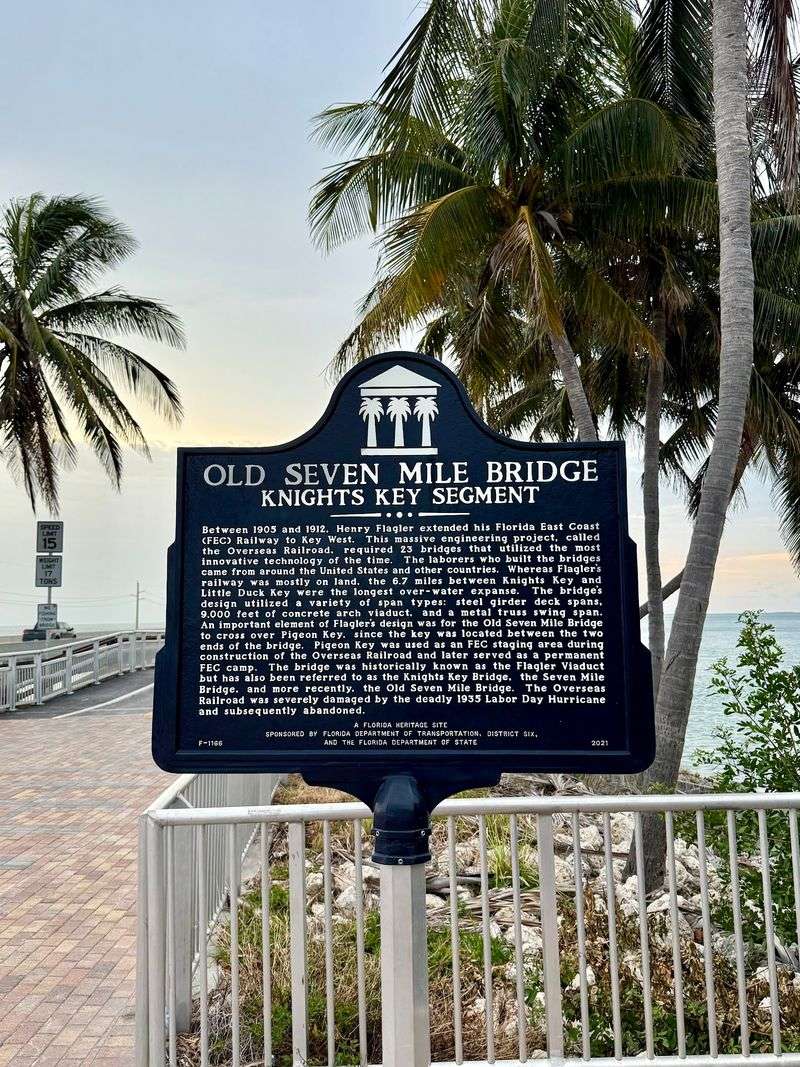
Henry Flagler’s vision to connect the Florida Keys by railroad resulted in what people called the Eighth Wonder of the World back in the early 1900s. The Old Seven Mile Bridge started life as part of that ambitious project, carrying trains across open water in a feat of engineering that seemed impossible at the time. When a devastating hurricane destroyed much of the railroad in 1935, the bridge got a second chance at life when it was converted into a roadway for the new Overseas Highway.
For decades, cars rumbled across this concrete ribbon connecting Marathon to the Lower Keys. Families made memories crossing it, locals used it daily, and tourists marveled at the experience of driving seemingly on top of the ocean itself. When the modern bridge opened alongside it in 1982, the old structure sat mostly abandoned for years, slowly deteriorating under the harsh salt air and relentless sun.
Thanks to millions in restoration funds and the dedication of people who refused to let this piece of history crumble into the sea, the bridge reopened as a pedestrian and bike path. Now it’s part of the Florida Keys Overseas Heritage Trail, giving everyone a chance to experience what travelers felt generations ago. The restoration preserved the character of the original structure while making it safe for modern use.
Walking where trains once rolled and cars once drove creates an incredible connection to Florida’s past. You’re literally following in the footsteps of history, surrounded by the same views that amazed people nearly a century ago. The bridge stands as proof that with enough determination and community support, we can save the landmarks that define our state’s unique story.
Two Miles of Uninterrupted Ocean Views
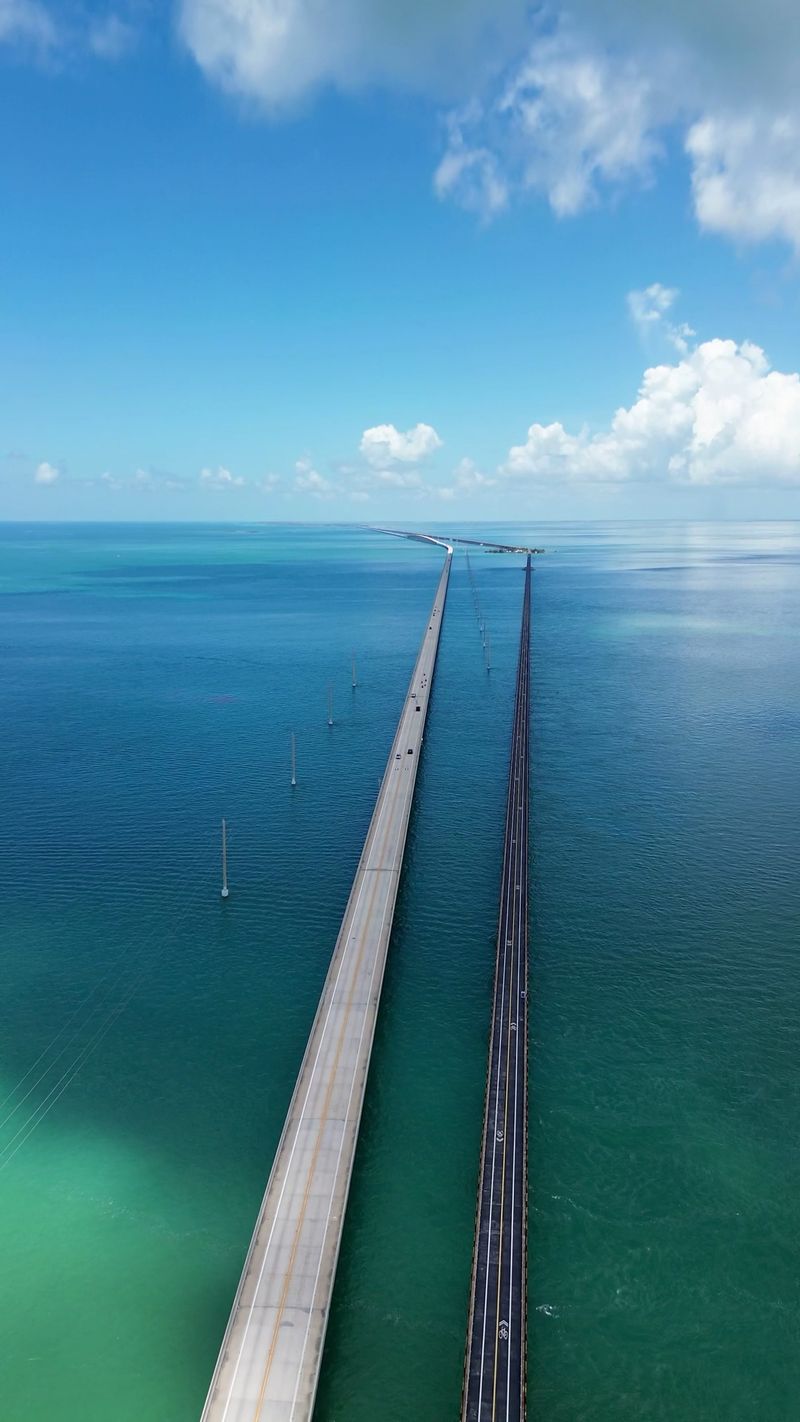
Most walking paths give you glimpses of water through trees or buildings. This bridge puts you smack in the middle of it with nothing but open ocean stretching in every direction. The Gulf of Mexico spreads out on one side while the Atlantic Ocean rolls on the other, and you’re suspended right between them with 360-degree water views that photographers dream about.
The two-mile stretch means you’re genuinely out over deep water, far enough from shore that you feel like you’re walking on the sea itself. On clear days, the water glows in shades of turquoise and emerald that don’t look real until you see them with your own eyes. Boats cruise past close enough to wave at, and the new Seven Mile Bridge runs parallel, giving you a unique perspective on both the past and present of Keys transportation.
Sunrise and sunset turn this place into something magical. Early morning walkers catch spectacular light shows as the sun climbs over the Atlantic, painting the sky in oranges and pinks that reflect off the calm water. Evening visitors get treated to sunsets that sometimes align perfectly between the two bridges, creating photo opportunities that fill up Instagram feeds across the state.
Weather changes the experience dramatically. Calm days let you spot sea life in the crystal-clear water below, while windier conditions bring whitecaps and a wild, exhilarating feeling of being truly exposed to the elements. Even cloudy days have their charm, with dramatic skies and moody lighting that make the bridge feel like something from a movie.
The constant presence of water on all sides creates a sense of peace that’s hard to find anywhere else, making every step of that two-mile journey absolutely worth it.
Wildlife Watching From Above
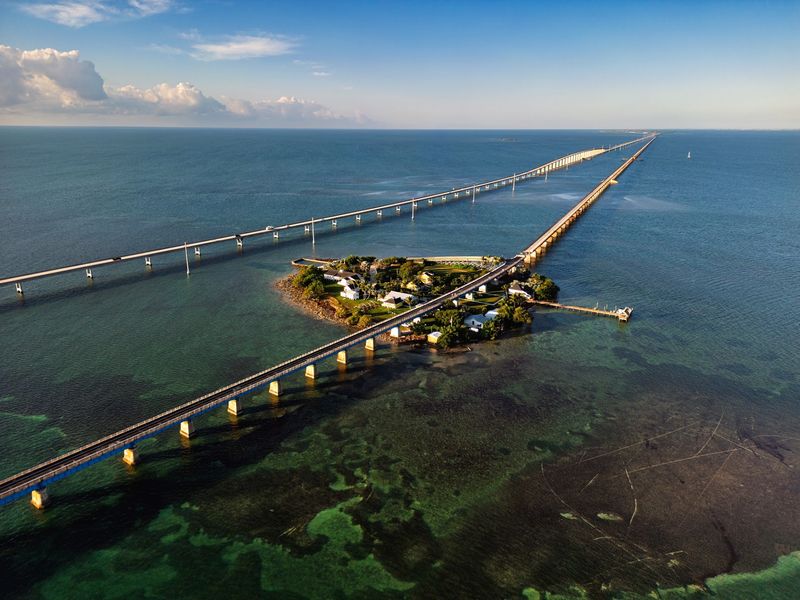
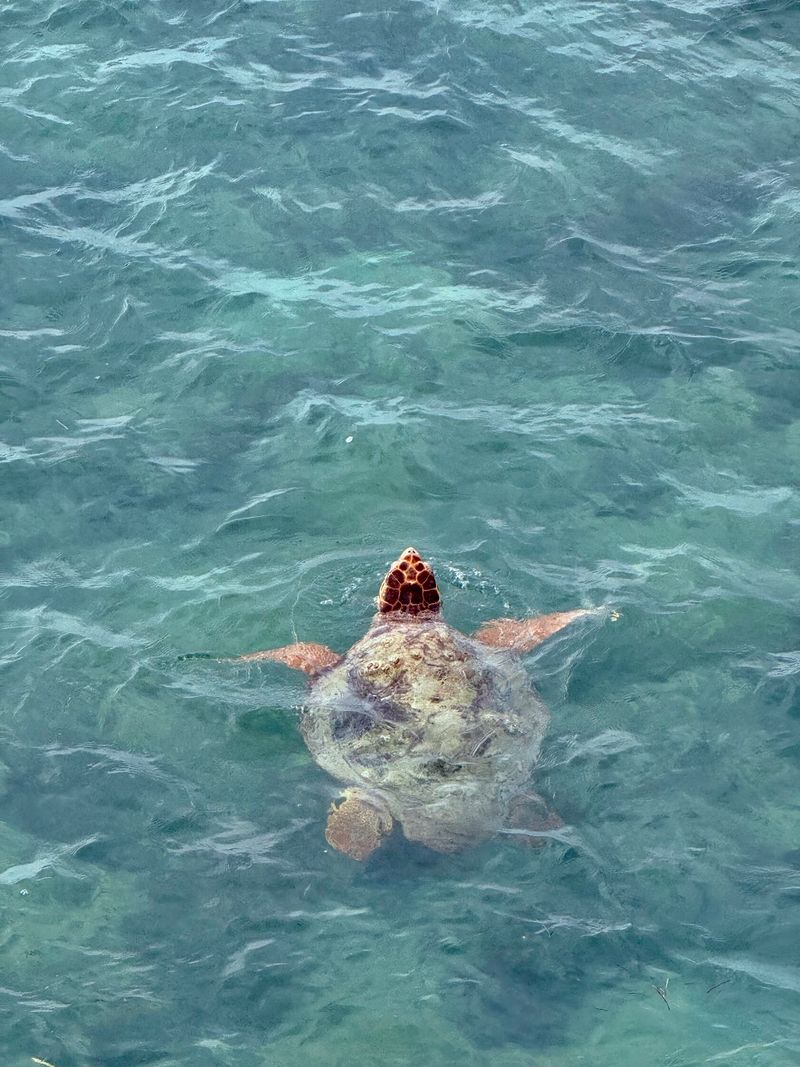
Bring polarized sunglasses and prepare to spot some seriously cool marine life. The clear Keys water around the bridge acts like a giant aquarium, and from your elevated perch on the old bridge, you get a bird’s-eye view of creatures going about their daily business below. Sea turtles pop up regularly, their dark shapes gliding gracefully through the blue-green water as they surface for air.
Nurse sharks cruise the shallows, especially near the pilings where smaller fish gather. These bottom-dwellers look intimidating but are actually pretty chill, and watching them from above gives you a safe, fascinating look at these misunderstood animals. Barracuda hang motionless in the current, their silvery bodies catching the light, while schools of smaller fish dart around in synchronized movements that look like underwater ballet.
Spotted eagle rays sometimes glide past with their distinctive wing-like fins, and if you’re lucky, you might catch a glimpse of grouper lurking near the structure. The bridge pilings create artificial reef habitat that attracts all sorts of marine life, turning the area into a hotspot for fish and the predators that hunt them. Patient observers have reported seeing everything from tarpon to mangrove snapper.
Bird life is equally impressive. Pelicans cruise past at eye level, occasionally diving for fish in spectacular splashes. Ospreys and other seabirds use the old bridge as a hunting perch, and during migration seasons, you might spot species passing through on their way north or south.
The key to wildlife watching here is patience and timing. Early morning often offers the calmest, clearest water conditions, making it easier to see what’s swimming below. Bring binoculars if you’re serious about bird watching, and don’t forget that sunscreen because you’ll want to stop and stare for a while.
Perfect for Biking and Walking
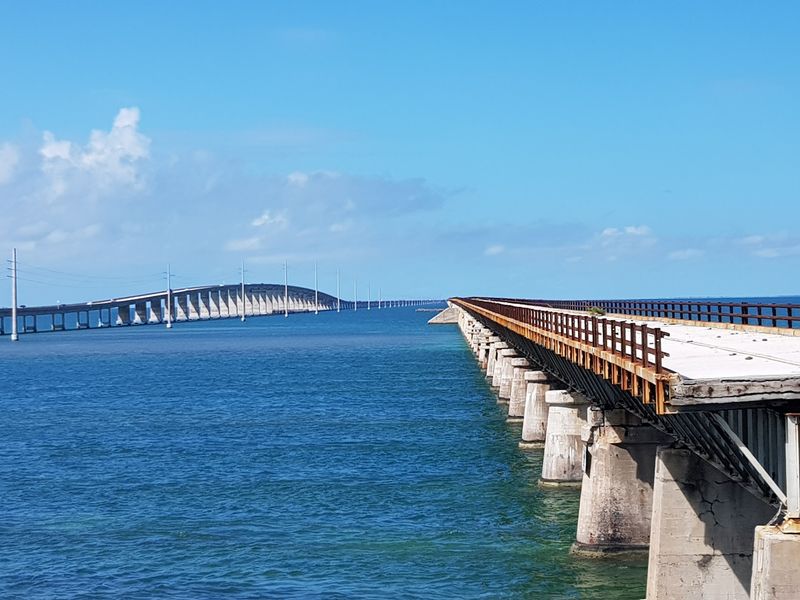
The four-mile round trip works perfectly whether you’re on foot or wheels. Walkers typically take their time, stopping to snap photos and peer into the water, turning the journey into a leisurely hour or more of exploration. The paved surface stays smooth and well-maintained, making it accessible for people of varying fitness levels, though that Florida sun can make the trek more challenging than the flat terrain suggests.
Bikers love this stretch because it offers uninterrupted riding with no cars to worry about. Local bike rental shops near the parking area provide everything from beach cruisers to e-bikes, and reviews consistently mention checking your rental carefully before heading out. Some shops maintain their fleets better than others, so test those brakes and make sure the seat stays up before you commit to the ride.
E-bikes have become increasingly popular here, especially for visitors who want to cover the distance without arriving at Pigeon Key exhausted and sweaty. The electric assist makes the two miles feel effortless, letting you focus on the scenery instead of the exertion. Regular cyclists often make this part of their morning routine, getting in a solid workout with million-dollar views.
Joggers and runners appreciate the flat, predictable surface for training runs. The distance works perfectly for a 5K or longer, and the mental boost from running surrounded by ocean beats any treadmill or neighborhood loop. Just remember that there’s zero shade out here, so early morning or late afternoon runs make more sense than midday attempts.
No matter your speed or chosen method of travel, the bridge accommodates everyone. Garbage cans appear every couple hundred yards, and the width allows faster cyclists to pass walkers safely. Bring water regardless of how you’re tackling it because that sun and reflected heat off the water will dehydrate you faster than you expect.
Pigeon Key Awaits at the End
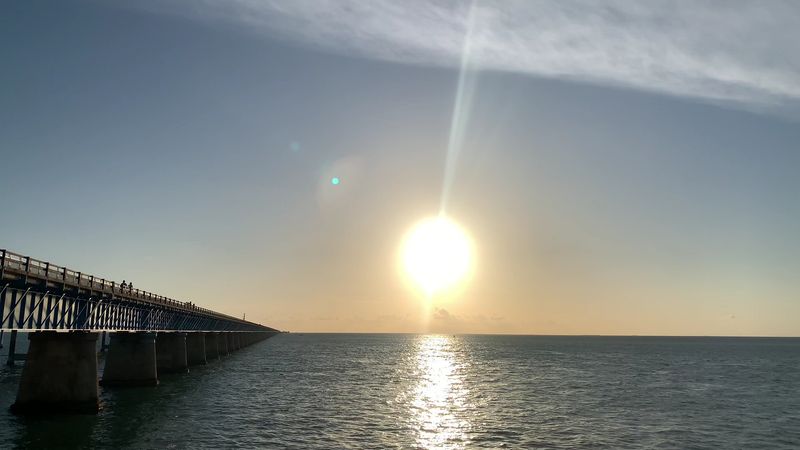
Your two-mile journey ends at a five-acre island that once served as a work camp for the railroad crews building Flagler’s overseas extension. Pigeon Key preserves that history with restored buildings and a small museum that tells the story of the men who accomplished the seemingly impossible task of building a railroad across the ocean. The island offers a fascinating glimpse into early 20th-century life in the Keys.
Getting there on foot or bike gives you a much more authentic experience than the ferry option. You earn your arrival, and that makes exploring the island feel more rewarding. The museum doesn’t charge much, and even if you’re short on time, the exterior views and the chance to walk around this historic spot make the trek worthwhile.
Shade trees on Pigeon Key provide welcome relief after your sun-exposed walk or ride. Benches scattered around let you rest before making the return journey, and the different perspective looking back toward Marathon shows you the bridge from angles you couldn’t see from the starting point. Some visitors pack a lunch and turn the visit into a longer outing.
The island stays relatively quiet compared to other Keys attractions, partly because you have to work a bit to get there. That effort filters out the casual tourists, leaving a more peaceful atmosphere for people who appreciate history and natural beauty. The combination of restored buildings, tropical vegetation, and surrounding water creates a scene that hasn’t changed much in decades.
Photography enthusiasts find endless subjects on Pigeon Key, from weathered wood buildings to native plants to the bridge itself framing the background. The island marks the official end of the pedestrian section, though the old bridge continues beyond. Making it all the way to Pigeon Key gives you bragging rights and a genuine sense of accomplishment that shorter walks just can’t match.
Free Parking and Easy Access
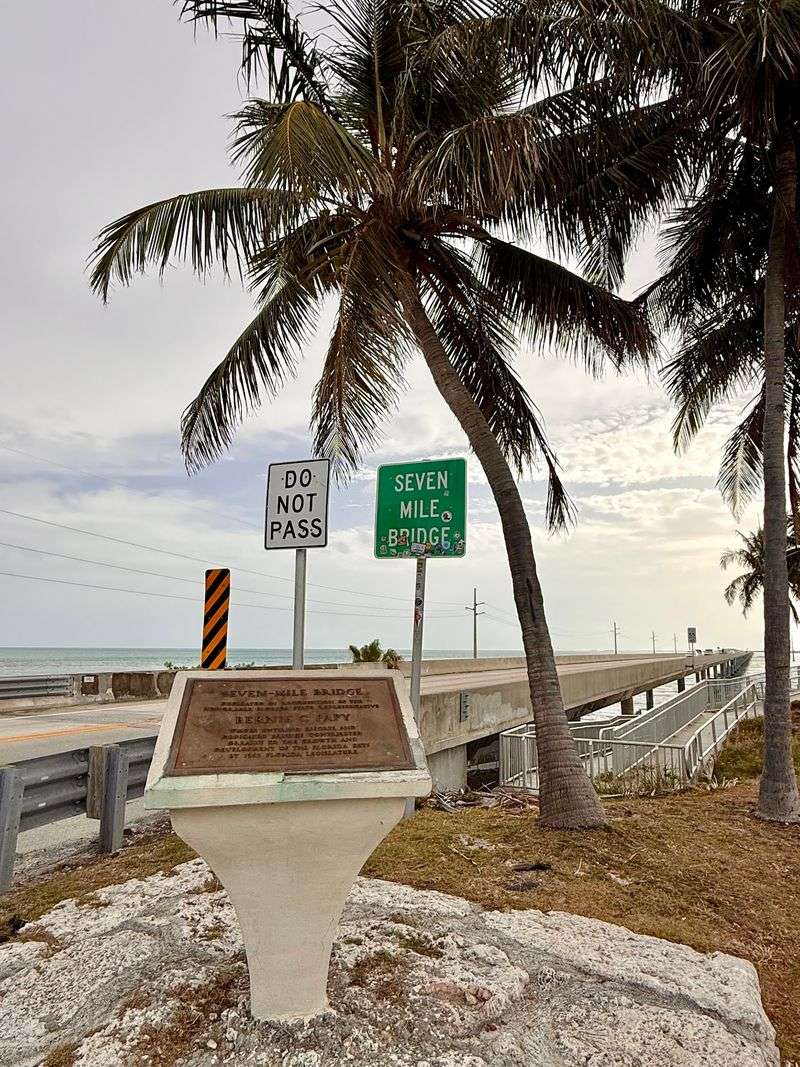
Finding the bridge couldn’t be simpler. The parking lot sits right off US-1 at Mile Marker 47 on the bayside, with space for about 20 vehicles in the main lot and overflow parking across the road when things get busy. Best of all, parking stays free all day, every day, which is refreshing in an area where many attractions charge premium rates for everything.
Weekday afternoons tend to be quieter than weekend mornings when locals and tourists alike flock here for exercise and sightseeing. Arriving around 3 PM on a Tuesday or Wednesday often means you’ll have your pick of spots and a less crowded experience on the bridge itself. Early morning visits reward you with spectacular sunrises and cooler temperatures that make the walk more comfortable.
The bridge stays open 24 hours, giving night owls and insomniacs a unique option for stargazing or moonlit walks. Late evening and very early morning offer solitude you won’t find during peak hours, though you’ll want to bring a flashlight and let someone know your plans if you’re heading out in the dark. The 24-hour access also means you can time your visit around weather, tides, or personal schedule without worrying about gate hours.
Facilities at the parking area include restrooms, which visitors consistently appreciate given the length of the walk. The 7 Mile Grill sits nearby, offering a convenient spot for food before or after your bridge adventure. Many people make a tradition of walking or biking the bridge, then rewarding themselves with a meal and cold drinks while reliving the experience.
The location makes it an easy add-on to any Keys road trip. Whether you’re driving down to Key West or staying in Marathon, the bridge provides a free, accessible activity that delivers big experiences without the typical tourist trap pricing. Just show up, park, and start walking.
Essential Tips for Your Visit
Sunscreen isn’t optional here, it’s absolutely critical. The combination of direct sun and reflection off the water will fry unprotected skin faster than you think possible. Apply before you start, and if you’re planning the full four-mile round trip, bring the bottle with you for reapplication.
A hat with a brim helps tremendously, and sunglasses protect your eyes from the intense glare bouncing off all that water.
Water bottles rank second only to sunscreen in importance. Dehydration sneaks up on you out there with nowhere to refill and no escape from the heat. Bring more water than you think you’ll need, especially if you’re walking rather than biking.
The exercise combined with sun exposure and reflected heat creates a perfect storm for dehydration headaches and exhaustion.
Timing makes a huge difference in your experience. Early morning before 9 AM and late afternoon after 4 PM offer the most comfortable temperatures and often the best lighting for photos. Midday visits from 11 AM to 3 PM can be brutal, with temperatures soaring and shade nonexistent.
If you must go during peak heat, take it slow and consider turning back before Pigeon Key if you’re struggling.
Bug spray helps if you’re visiting at dawn or dusk when mosquitoes and no-see-ums come out to feed. The breeze over the water usually keeps them at bay during the day, but calm evenings can get buggy. Comfortable shoes matter more than you might expect because even though the surface is smooth, two miles is two miles, and fashion footwear will leave you with blisters.
Check the weather before you go, particularly during summer when afternoon thunderstorms roll through regularly. Being caught on an exposed bridge during lightning isn’t fun, and there’s nowhere to shelter once you’re out there. Wind conditions also affect your experience, with strong breezes making the walk more challenging but also more dramatic and exciting.