This Once-Laid-Back Florida Beach Town Is Now Packed With Summer Crowds
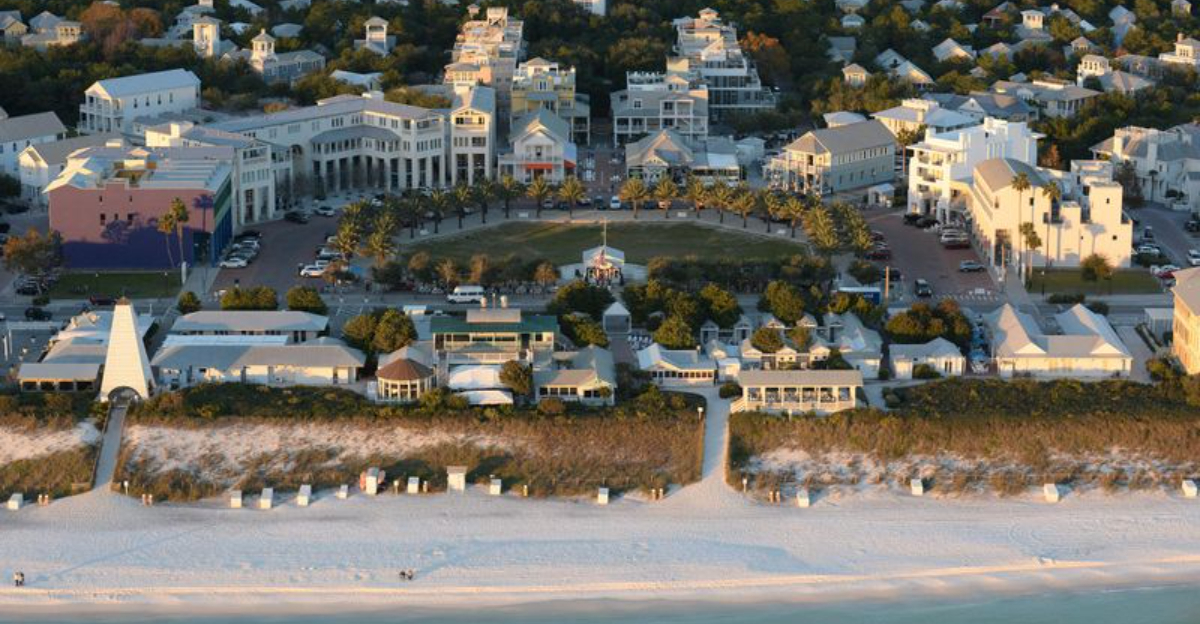
Seaside was once a quiet little secret on Florida’s Panhandle, where families could stroll sandy streets without fighting for parking or waiting in long restaurant lines. But ever since The Truman Show put this pastel paradise on the map in 1998, the summer crowds have grown bigger every year. Now this picture-perfect beach town draws thousands of visitors who come for the iconic architecture, pristine Gulf waters, and that small-town charm that somehow survives even during peak season.
1. The Truman Show Effect Changed Everything
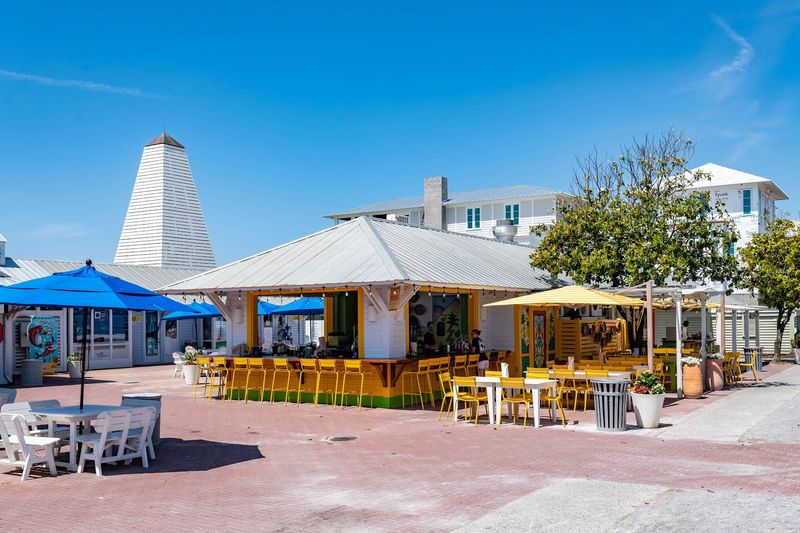
When Jim Carrey filmed The Truman Show here in 1997, Seaside went from hidden gem to must-see destination practically overnight. The movie showcased those dreamy pastel cottages, the town square, and the beachy vibe that made viewers want to pack their bags immediately. Suddenly everyone wanted to experience life in that fictional town of Seahaven.
Before the film, you could rent a cottage for a fraction of what it costs today, and the beaches felt almost private during summer mornings. Locals remember when you knew most faces walking down Quincy Circle. The movie brought international attention, and real estate prices started climbing fast.
Today, peak summer weekends can feel like a completely different place. Parking fills up by mid-morning, and the central green gets packed with picnickers and sunbathers. Restaurant reservations become essential rather than optional.
The town’s fame created a tourism boom that transformed the local economy but also changed the relaxed rhythm that made Seaside special in the first place.
Despite the crowds, the town maintains its architectural charm and strict community guidelines. You still won’t find any chain restaurants or neon signs disrupting the aesthetic. The increased popularity brought better amenities and more dining options, even if it meant sacrificing some of that sleepy beach town solitude.
2. Those Iconic Beach Pavilions Draw Photographers Year-Round
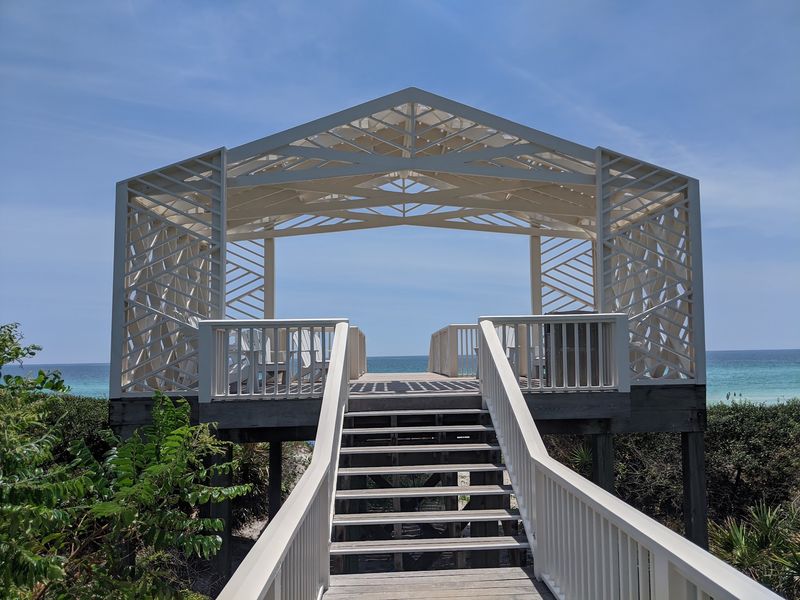
Seaside’s collection of unique beach pavilions has become one of the most photographed features along the entire Gulf Coast. Each one was designed by a different architect, creating a stunning variety of styles that range from whimsical to elegant. These aren’t just functional beach access points but genuine works of art that frame your walk to the sugar-white sand.
During summer months, you’ll find photographers lined up at sunrise trying to capture these structures in perfect light. Instagram influencers treat them like a scavenger hunt, posting their favorite pavilion shots with trending hashtags. What was once a quiet morning ritual for locals has turned into a social media phenomenon.
The pavilions serve an important practical purpose too, providing shade, outdoor showers, and clearly marked public beach access. They’ve become unofficial meeting spots where families gather before heading to the water. Kids love running between them, and many visitors make it a game to photograph all of them during their stay.
Summer crowds mean these spots get busy, especially the most photogenic ones near the town center. Early morning or late afternoon offers your best chance for crowd-free photos. The pavilions remain beautiful regardless of season, but there’s something special about seeing them against a backdrop of packed beach umbrellas and happy vacationers that captures Seaside’s current energy perfectly.
3. Airstream Row Became a Food and Shopping Destination
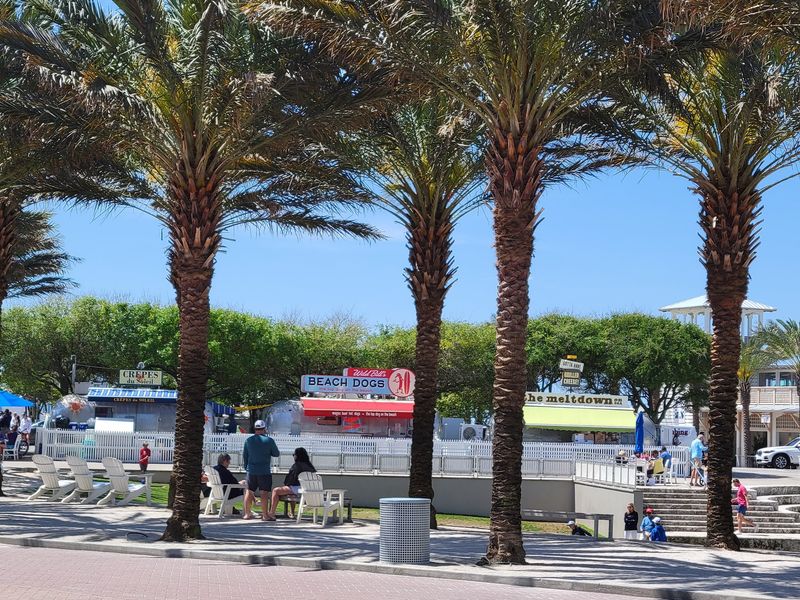
Airstream Row started as a creative solution to provide retail space without traditional storefronts that might clash with Seaside’s architectural vision. These gleaming silver trailers house everything from gourmet popsicle shops to high-end boutiques selling resort wear. The concept feels fresh and fun, perfectly matching the town’s quirky-meets-sophisticated vibe.
On summer weekends, the area gets absolutely mobbed with visitors browsing handmade jewelry, trying on sun hats, and grabbing cold treats. Lines form outside popular spots like the raw bar and coffee trailer. What used to be a leisurely browse has become a shoulder-to-shoulder experience during peak hours.
The Airstreams offer unique shopping you won’t find at typical beach towns. Local artisans sell coastal-inspired artwork, and several trailers feature curated home goods that capture Seaside’s design aesthetic. Foodies appreciate the rotating selection of specialty items and grab-and-go lunches perfect for beach days.
Weekday mornings provide a much calmer shopping experience if you’re visiting during summer. The vendors are friendlier when they’re not slammed, and you can actually have conversations about products. Evening hours bring a different energy as day-trippers head out and overnight guests stroll through with wine from nearby restaurants.
The Airstream concept has been copied by other beach towns, but Seaside’s version remains the original and most charming.
4. Central Square Hosts Constant Activity Now
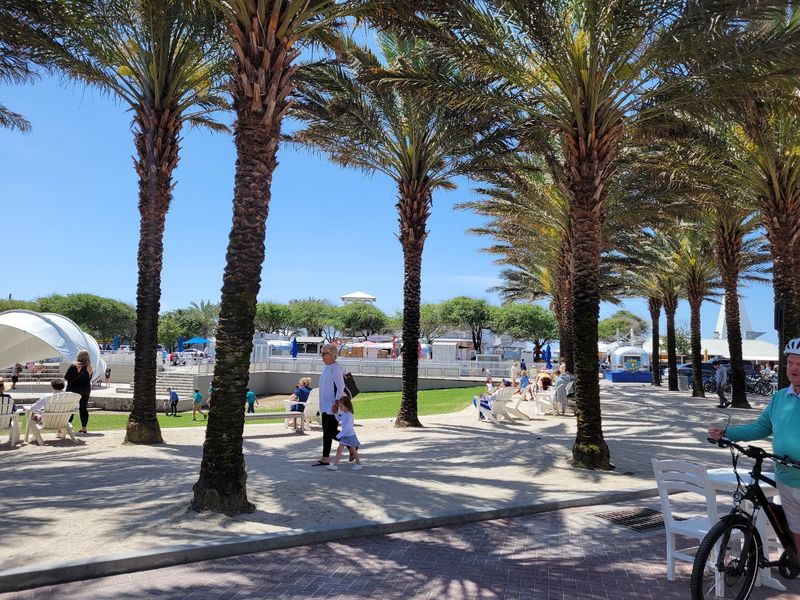
Seaside’s central square used to be where locals gathered for the occasional farmers market or community concert. Now it’s essentially an all-day event space from Memorial Day through Labor Day. Yoga classes, live music, outdoor movies, art fairs, and food festivals pack the calendar.
There’s barely a quiet moment during peak season.
Families claim spots on the lawn early, spreading blankets and setting up for hours of people-watching and relaxation. The grassy area becomes premium real estate on event days. Food vendors circle the perimeter, and the smell of grilled seafood and fresh-baked goods fills the air constantly.
The increased programming brought wonderful cultural opportunities that didn’t exist in Seaside’s early days. Free concerts feature talented musicians, and the outdoor movie nights create magical experiences for kids. Local artists get exposure through regular art shows.
The community calendar offers something for every age and interest.
But longtime visitors sometimes miss the days when the square felt like a peaceful gathering spot rather than a scheduled venue. Finding a quiet corner for reading or conversation requires strategic timing. Early mornings before activities start or late evenings after events wind down offer glimpses of the old tranquil atmosphere.
The energy is undeniably fun, just completely different from the laid-back vibe that originally defined this space.
5. Restaurant Scene Exploded Beyond Bud and Alley’s
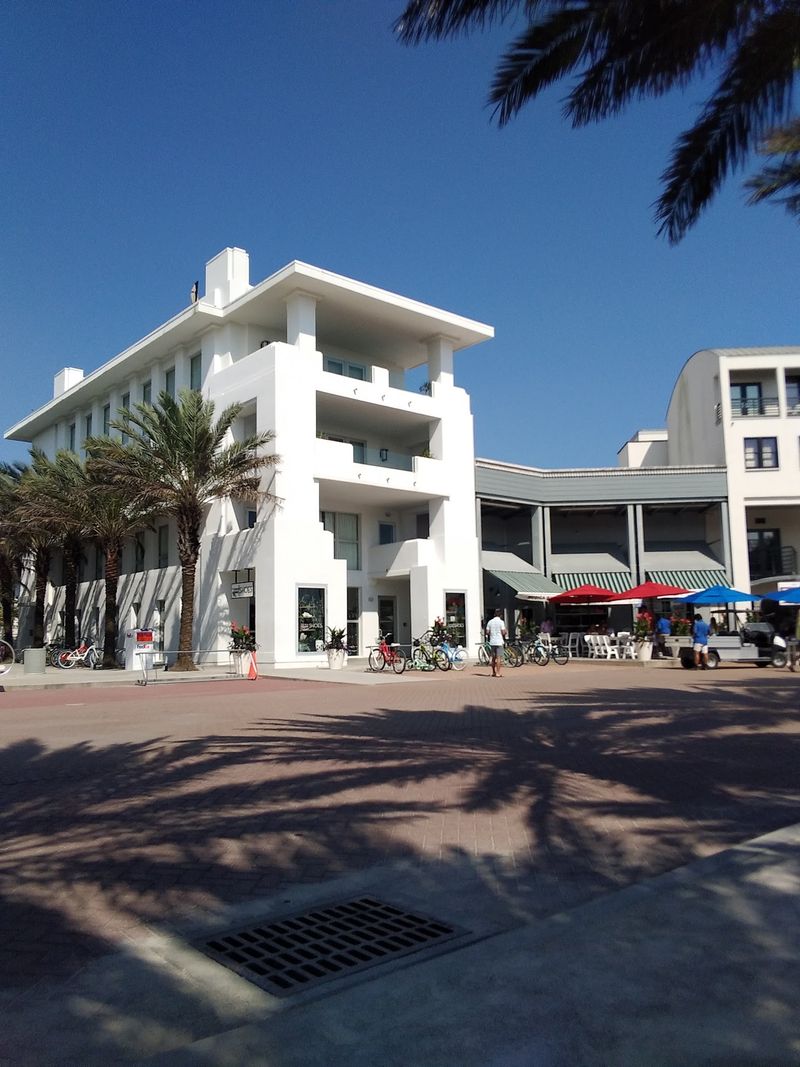
For years, Bud and Alley’s was essentially the only serious dining option in Seaside. Now the restaurant scene has expanded dramatically with nearly a dozen excellent choices ranging from casual tacos to upscale Gulf-to-table cuisine. Summer reservations need to be made days or even weeks in advance for popular spots.
Great Southern Cafe serves comfort food with a Southern twist and typically has hour-plus waits during dinner service. Pickle’s Beachside Grill offers a more laid-back vibe but still fills up fast. Food trucks and pop-up vendors add even more variety, especially during festivals and peak weekends.
The culinary improvements mean visitors can enjoy genuinely excellent meals without leaving town. Fresh seafood dominates most menus, with local catches prepared in creative ways. Several restaurants feature rooftop dining with stunning sunset views over the Gulf.
Wine lists have become more sophisticated, and craft cocktails are now standard rather than special.
Walk-in diners often face frustration during summer months when every restaurant runs on a wait. The days of spontaneously grabbing a table anywhere are mostly gone. Locals recommend eating early or late to avoid the worst crowds.
Some restaurants offer call-ahead seating, which helps but requires planning. The quality and variety have definitely improved, but so has the competition for tables. Bringing snacks or planning beach picnics gives you flexibility when restaurant waits get ridiculous.
6. Real Estate Prices Reflect the Popularity Surge
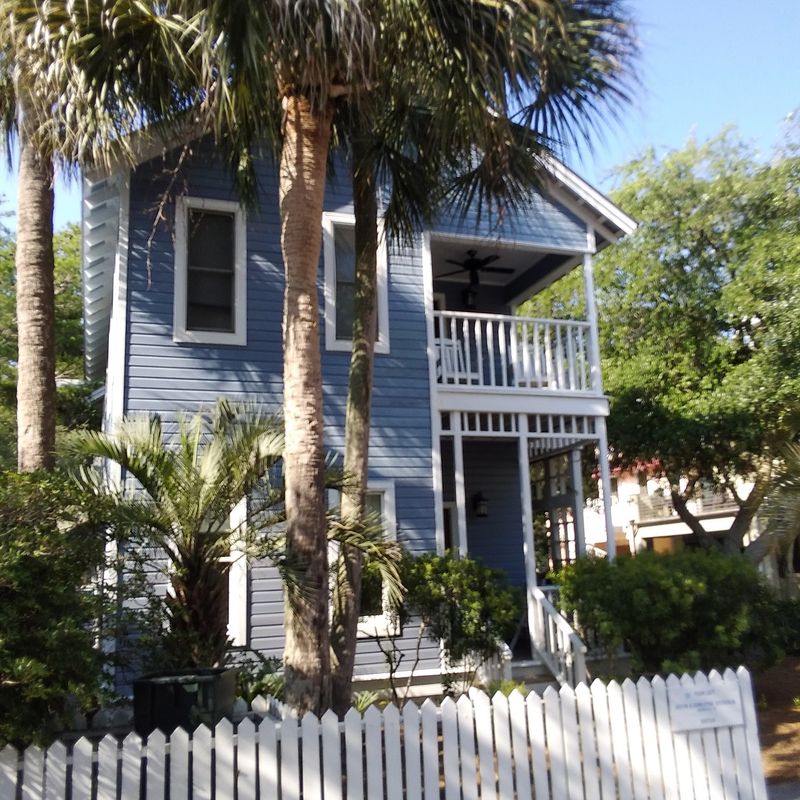
Seaside cottages that sold for reasonable prices in the 1980s and 1990s now command millions of dollars. Even the smallest properties in less desirable locations start well into six figures. The real estate boom mirrors the town’s transformation from quiet experiment to internationally recognized destination.
Rental income potential drives many purchases, with prime properties generating substantial revenue during peak season. Weekly summer rentals often exceed what monthly mortgages cost in many American cities. Investors recognized the opportunity early, and corporate ownership of rental properties has increased significantly.
The high prices have changed the community’s composition somewhat. Fewer young families can afford to buy here as primary residences. Instead, properties serve as vacation homes for wealthy owners or pure investment rentals.
The year-round residential population remains relatively small compared to the summer influx.
Despite the costs, demand stays strong because Seaside maintains strict architectural and community standards. You’re buying into a controlled environment where your investment is protected by design guidelines and active management. The town’s reputation and beauty continue attracting buyers willing to pay premium prices.
Rental properties stay booked solid during summer months, and shoulder seasons have extended as Seaside’s popularity grew. The market shows no signs of cooling, especially as more people discovered the Panhandle’s appeal during recent years when travel patterns shifted dramatically.
7. Beach Access Requires Strategy During Peak Times
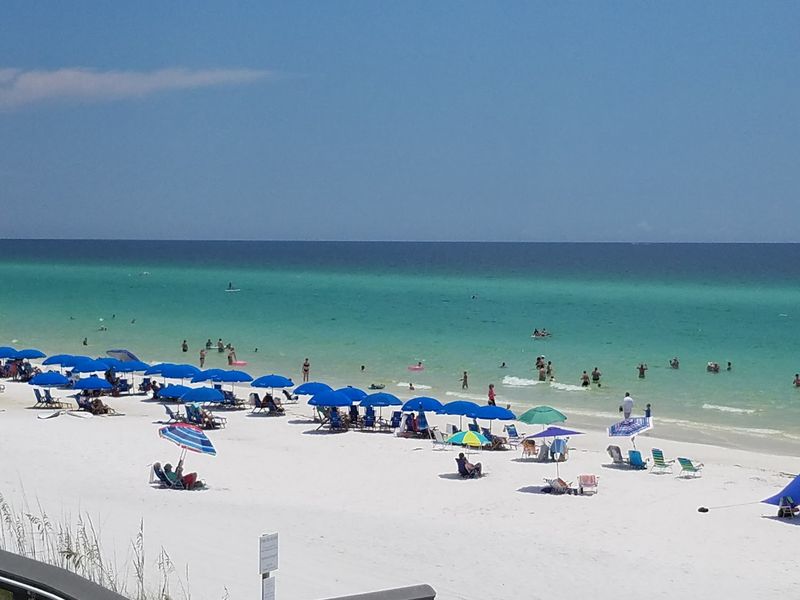
Getting to the actual beach in Seaside used to be as simple as walking out your door or parking anywhere near the pavilions. Summer crowds changed that equation completely. Parking becomes nearly impossible after 10 AM on weekends, and the closest public lots fill up by early morning.
Many visitors now arrive at sunrise to claim their spot, bringing coolers and umbrellas for all-day stays. The beach itself gets packed shoulder-to-shoulder during July and August, especially near the central pavilions. Finding space for your setup requires patience and flexibility.
The town added more parking options and improved beach access points, but demand still exceeds supply during peak periods. Bicycle use has increased dramatically as people realize biking beats searching for parking. Many rental properties include beach cruisers specifically for this reason.
Despite the crowds, the beach itself remains absolutely gorgeous. The sugar-white sand and emerald-green water look like something from a postcard. Water quality stays excellent, and the gentle slope makes it perfect for families with young children.
Lifeguards patrol during summer months, adding safety that wasn’t always available.
Smart visitors adjust their schedules, hitting the beach early morning or late afternoon when crowds thin out. Weekdays offer significantly better experiences than weekends. Some people prefer walking to less central access points where fewer tourists gather, trading convenience for more personal space and a taste of old Seaside’s peaceful beach days.
8. New Urbanist Design Still Inspires Planners Worldwide
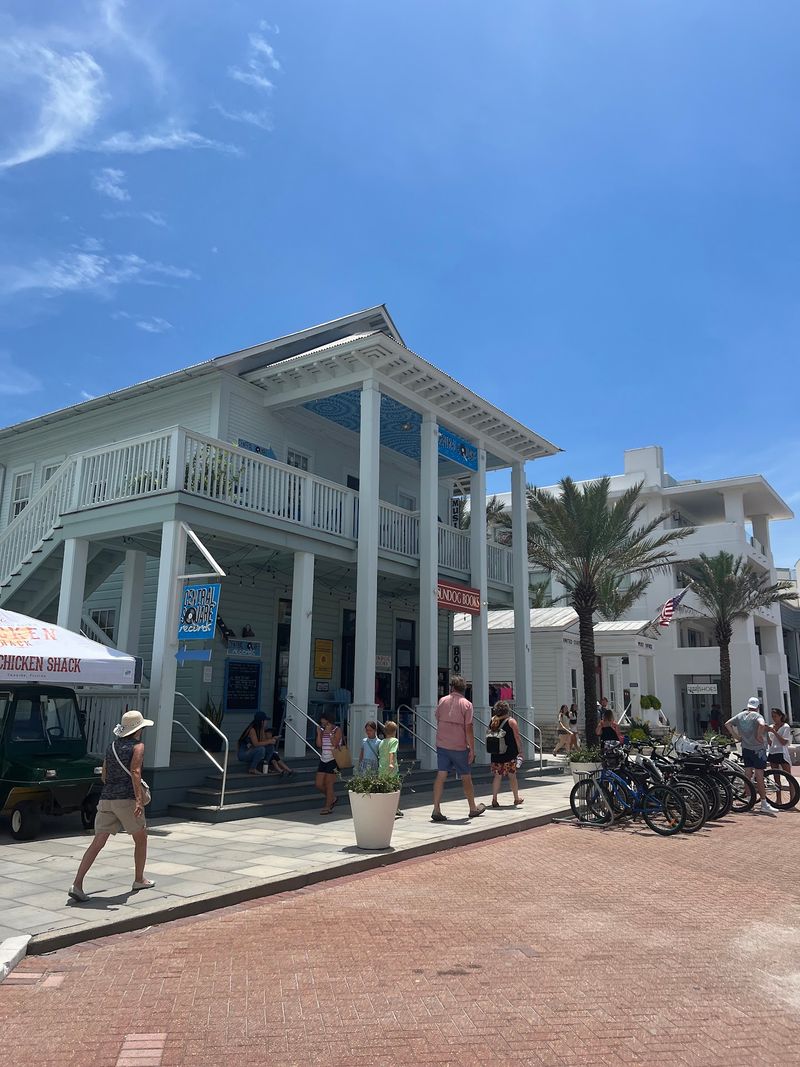
Seaside pioneered New Urbanist principles in the 1980s, creating a walkable community where houses sit close to sidewalks with prominent porches encouraging neighborly interaction. The design intentionally rejected suburban sprawl in favor of traditional town planning. Architects and urban planners still study Seaside as a landmark example of this movement.
The town’s layout makes car-free living actually feasible, with everything within walking or biking distance. Streets are narrow and designed for slow speeds, prioritizing pedestrians over vehicles. Alleys handle utilities and parking, keeping street fronts attractive and welcoming.
This design philosophy created the charming atmosphere that attracts crowds today. The walkability that seemed novel in the 1980s now feels incredibly desirable. People love strolling streets where architectural details reward close attention and where running into neighbors happens naturally rather than by appointment.
Critics argue the design creates an artificial perfection that lacks authentic community development. Strict architectural controls mean every building must conform to specific standards, which some find overly restrictive. The result is undeniably beautiful but also carefully curated in ways that don’t happen organically.
Regardless of debates about authenticity, Seaside proved that New Urbanist principles could create commercially successful communities. Dozens of similar developments followed, though few achieved the same iconic status. The crowds that now fill Seaside validate the appeal of walkable, human-scaled places.
Even packed with summer visitors, the town functions remarkably well because the infrastructure was designed for pedestrian flow and community gathering from the very beginning.