This Sarasota, Florida Aquarium Lets You See Marine Science Happening in Real Time
Most aquariums show you the finished product, but Mote Marine Laboratory flips the script by letting you watch marine scientists at work. Located along Ken Thompson Parkway in Sarasota, this facility combines cutting-edge research with public exhibits that give visitors front-row seats to real scientific discoveries. From watching researchers care for rehabilitating sea turtles to observing coral restoration projects through glass-walled labs, you get an authentic peek behind the curtain of marine conservation.
Working Research Labs You Can Actually Watch
Walking through Mote, you’ll spot something most aquariums hide from view: actual scientists doing their daily work. Large glass panels separate public walkways from active research spaces where marine biologists study everything from coral genetics to fish behavior. You might see someone peering through a microscope at plankton samples or recording data about water chemistry.
These aren’t staged demonstrations or actors pretending to work. The researchers behind the glass are conducting genuine studies that contribute to published scientific papers and conservation efforts. Some days you’ll catch them feeding experimental subjects, other times they’re analyzing samples or having team meetings about ongoing projects.
Educational placards near each lab window explain what research happens in that space and why it matters. Kids especially love pressing their faces to the glass to watch scientists handle specimens or operate specialized equipment. The transparency makes science feel accessible rather than mysterious.
Timing your visit during weekday mornings increases your chances of seeing more activity since that’s when most lab work happens. Weekends and late afternoons tend to be quieter in the research areas. Volunteers stationed nearby can often explain what specific researchers are investigating that day.
What makes this setup powerful is how it demystifies scientific work. Seeing real people in real labs doing meticulous, sometimes repetitive work shows that marine science isn’t just dramatic ocean expeditions. It’s careful observation, detailed note-taking, and patient problem-solving.
The contrast between polished public aquarium exhibits and working lab spaces creates an honest picture of conservation work. You get entertainment value from beautiful displays while understanding the unglamorous effort required to protect marine ecosystems. That combination makes Mote feel more substantial than typical tourist attractions.
Touch Tanks With Rays and Baby Sharks
Forget just looking at marine life through glass. Mote offers multiple touch tanks where you can physically interact with rays, small sharks, and other creatures under staff guidance. The ray pool stays busy with curious cownose and southern stingrays gliding through shallow water, often swimming right up to visitors.
Staff members position themselves at each touch tank to demonstrate proper technique: two fingers only, gentle strokes along the back, and only when animals are moving slowly or stationary. They’re protective of the animals but patient with excited kids who need reminders. The rules exist for good reason since these are living creatures that can get stressed.
Baby sharks in a separate tank feel surprisingly rough to the touch, nothing like the smooth texture most people expect. These small bonnethead and Atlantic sharpnose sharks are juveniles, giving visitors a chance to interact with species that will grow much larger. Feeling their sandpaper-like skin creates a memorable sensory experience.
Starfish and horseshoe crabs occupy another touch area on the lower level, moving much slower than the rays and sharks. Their textured surfaces and prehistoric appearance fascinate younger children who need something less intimidating than fast-swimming fish. Volunteers explain how horseshoe crabs are actually more closely related to spiders than crabs.
Hand-washing stations sit adjacent to every touch tank, making it easy to clean up before and after. The setup keeps things sanitary while encouraging repeated visits to different tanks throughout your tour. Some families circle back to favorite touch tanks multiple times during their visit.
Popular times see crowds three-deep around touch tanks, so arriving at opening or during weekday afternoons improves your access. Summer camp groups flood the facility mid-morning during June and July, creating the busiest conditions. Strategic timing makes the hands-on experiences much more enjoyable.
Manatee Rehabilitation You Can Observe
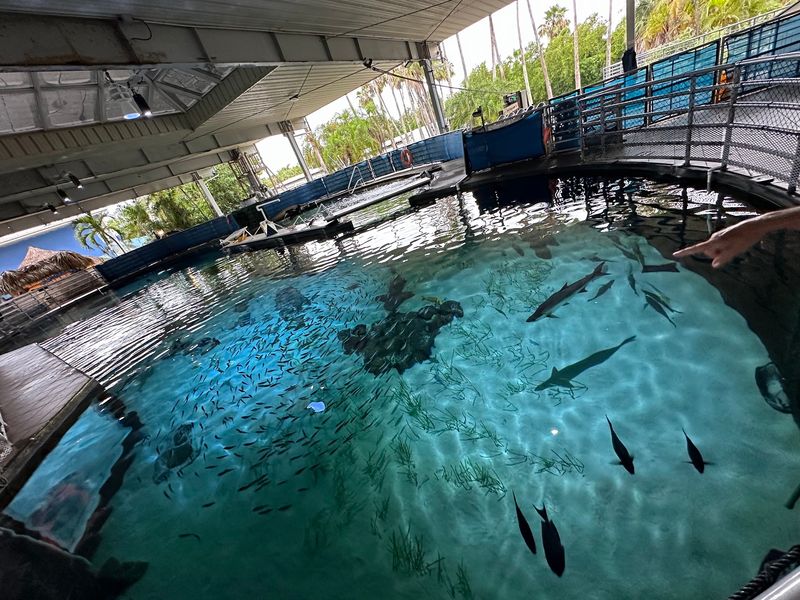
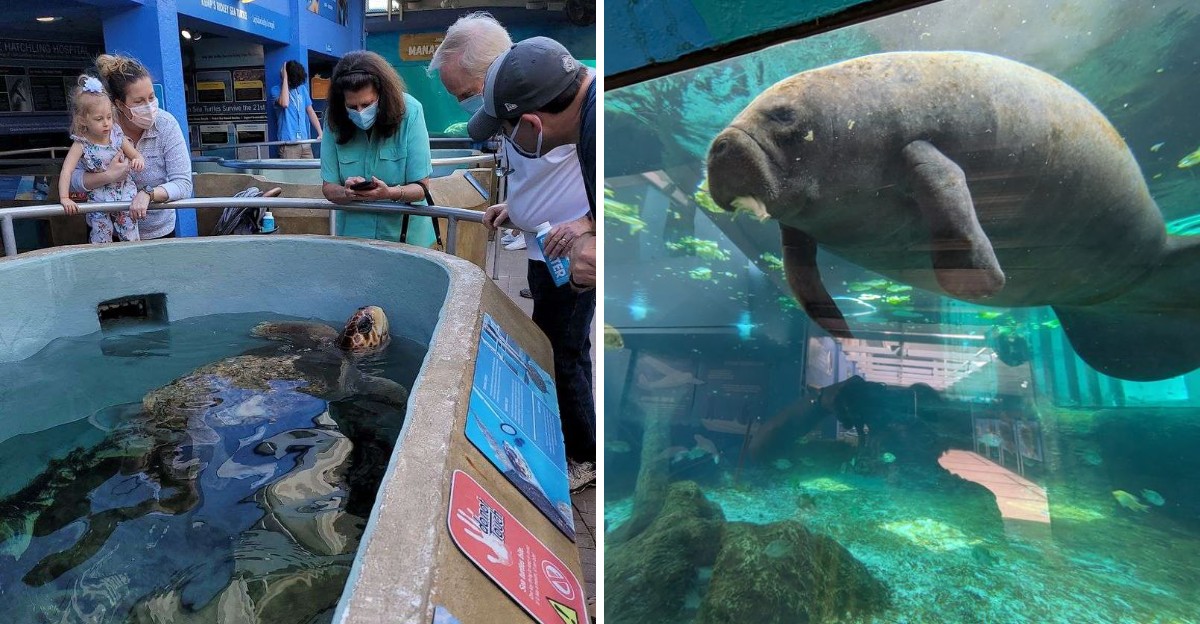
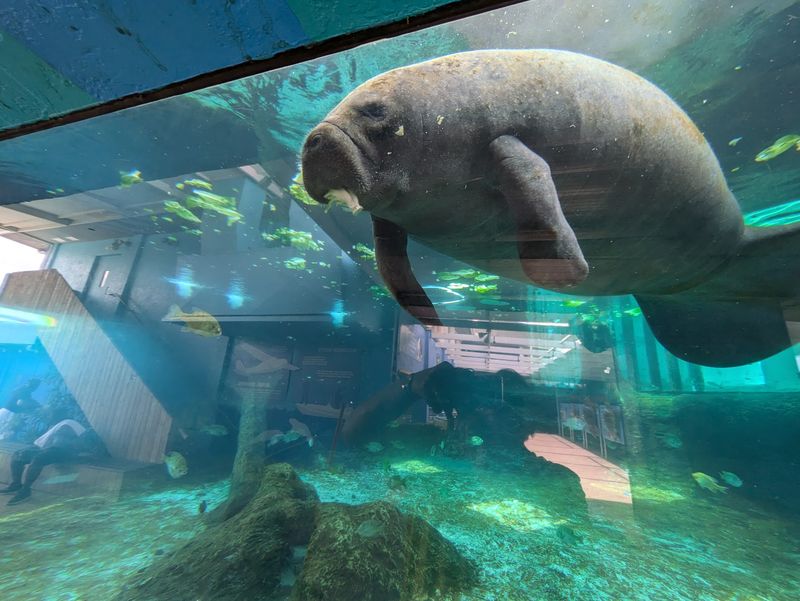
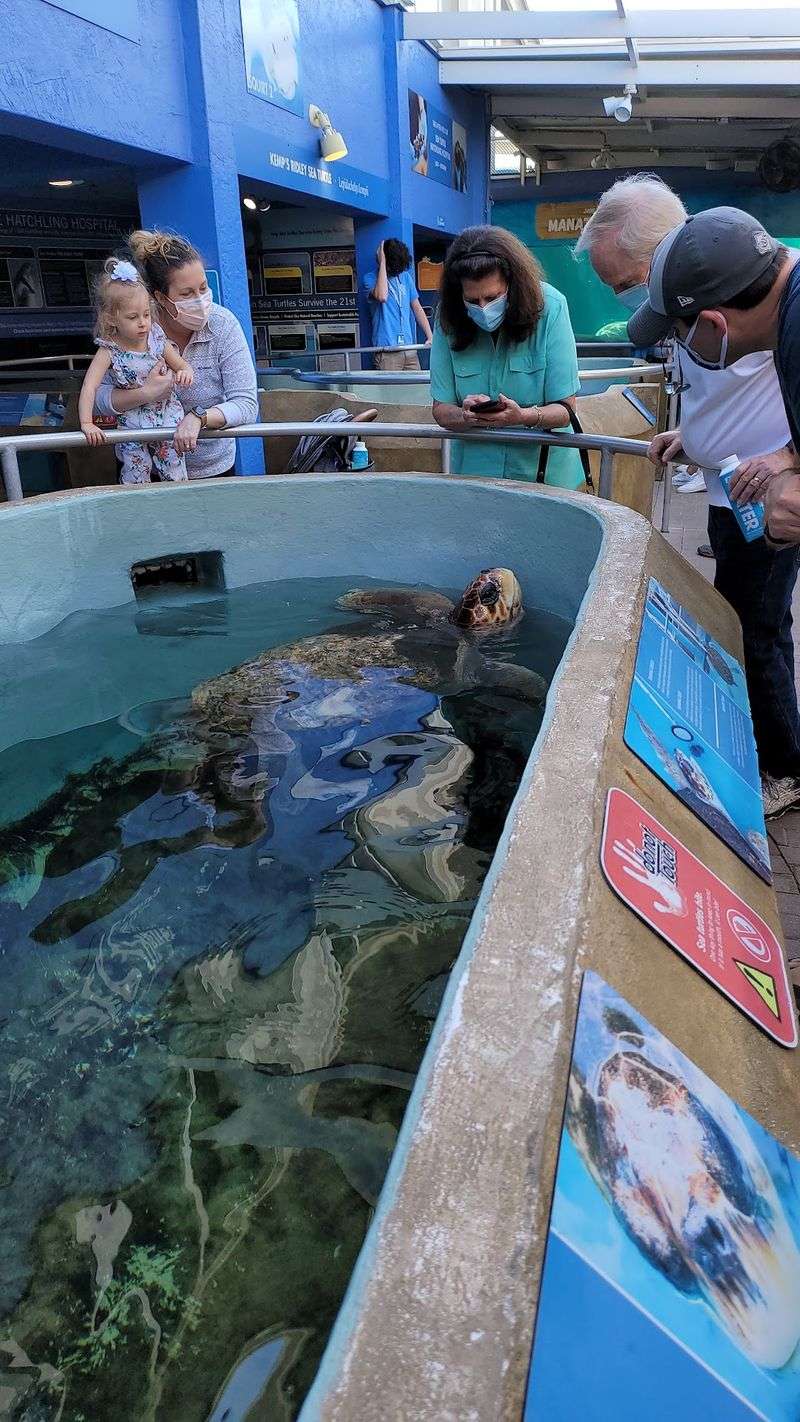
The outdoor third-floor area houses Mote’s manatee rehabilitation center where injured or sick manatees recover before returning to the wild. These gentle giants often arrive with boat strike injuries, cold stress, or orphaned calves too young to survive alone. Watching them heal gives visitors insight into real conservation challenges Florida’s state marine mammal faces.
Unlike permanent zoo exhibits, the manatees at Mote are temporary residents. Once veterinary staff determine they’ve recovered sufficiently, the animals get released back into Florida waters. This revolving population means you might see different individuals on repeat visits, each with unique stories about their rescue and treatment.
Information boards near the viewing area detail each manatee’s name, rescue circumstances, and recovery progress. Reading about a specific animal’s journey from critical condition to nearly ready for release makes the conservation work feel tangible. You’re not just seeing manatees, you’re witnessing a successful rehabilitation program in action.
The outdoor setting provides natural sunlight and fresh air, creating a more authentic environment than indoor tanks. Manatees surface regularly to breathe, often right near the viewing rail where you can hear their exhales. Their calm movements and curious nature make them crowd favorites, especially when they interact with enrichment items staff provide.
Feeding times occasionally happen during public hours, though schedules vary based on each animal’s treatment plan. If you’re lucky enough to witness feeding, you’ll see how staff carefully monitor food intake and behavior. Every meal provides data points that inform decisions about release readiness.
The mammal center also houses sea turtles recovering from similar threats like boat strikes, fishing line entanglement, or tumor-causing diseases. Seeing both manatees and turtles in rehabilitation simultaneously illustrates how human activities impact multiple marine species. The educational message comes through clearly without feeling preachy.
Three-Story Shark and Fish Tank
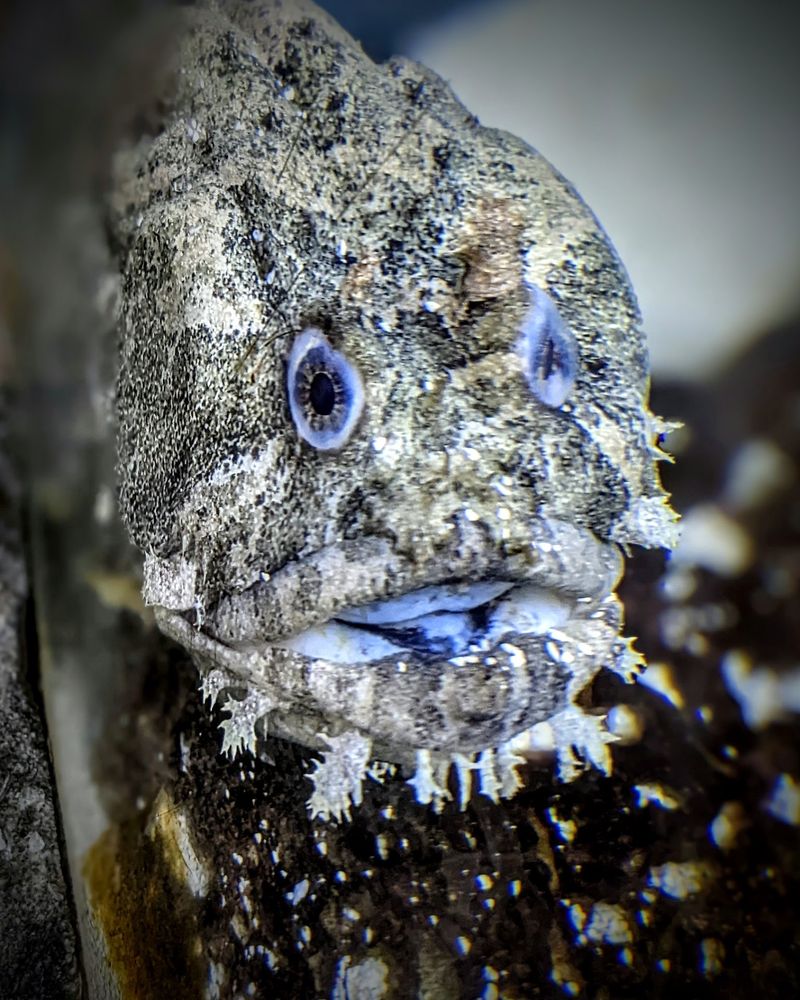
The centerpiece of Mote’s main building is an enormous tank that spans three floors, giving you completely different perspectives depending on which level you’re on. From the top floor you look down on rays and smaller fish near the surface. The middle level puts you at eye level with cruising sharks and large groupers.
The bottom floor creates that classic underwater feeling with fish swimming overhead.
Sand tiger sharks, blacktip reef sharks, and various ray species share this massive habitat that mimics open ocean conditions. The tank holds hundreds of thousands of gallons, providing enough space for these predators to exhibit natural swimming patterns. Watching sharks patrol their territory never gets old, especially when they glide past just inches from the glass.
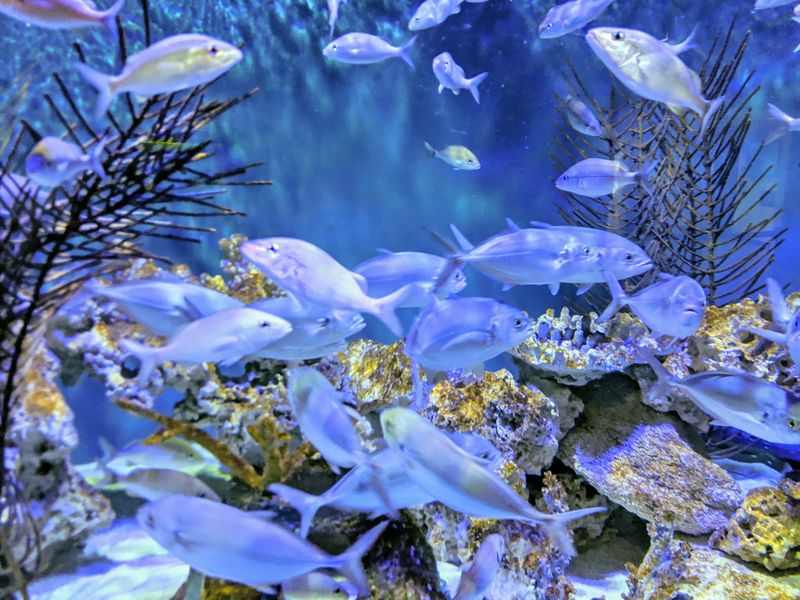
Schools of smaller fish like jacks and snapper move in coordinated groups, creating silvery flashes as they turn simultaneously. Groupers lurk near rock formations, their massive mouths occasionally opening wide enough to swallow basketballs. The diversity packed into this single tank represents a healthy reef ecosystem’s complexity.
The ground floor viewing area doubles as an event space, meaning you can sometimes see the tank with room lights dimmed during private functions. The blue glow from aquarium lighting creates an otherworldly atmosphere. Even during regular visiting hours, comfortable seating lets you park yourself and watch the underwater ballet unfold.
Feeding demonstrations happen on select days, announced through the aquarium’s daily schedule. Divers enter the tank with food, and watching sharks respond to feeding time reveals their speed and precision. The controlled environment lets you observe predatory behavior safely while learning about each species’ diet and hunting strategies.
Photography through the thick acrylic panels works surprisingly well despite occasional glare from overhead lights. The tank’s depth and the variety of swimming levels mean you can capture interesting compositions no matter which floor you’re on. Patient photographers can get shots of sharks swimming directly toward the camera.
Playful River Otters That Perform for Crowds
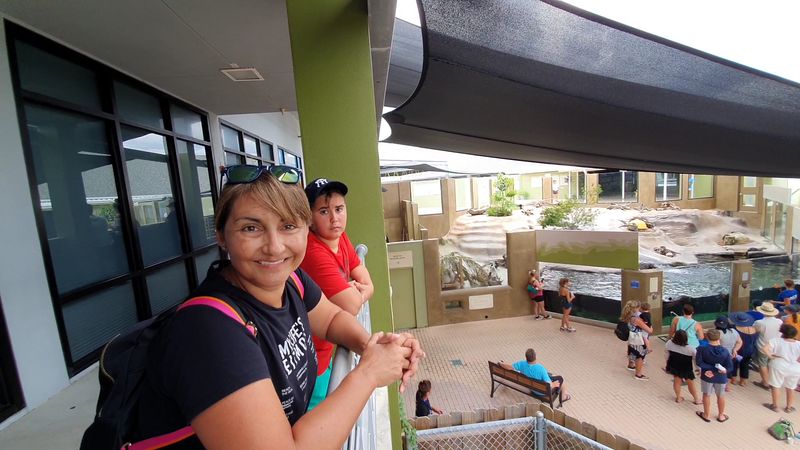
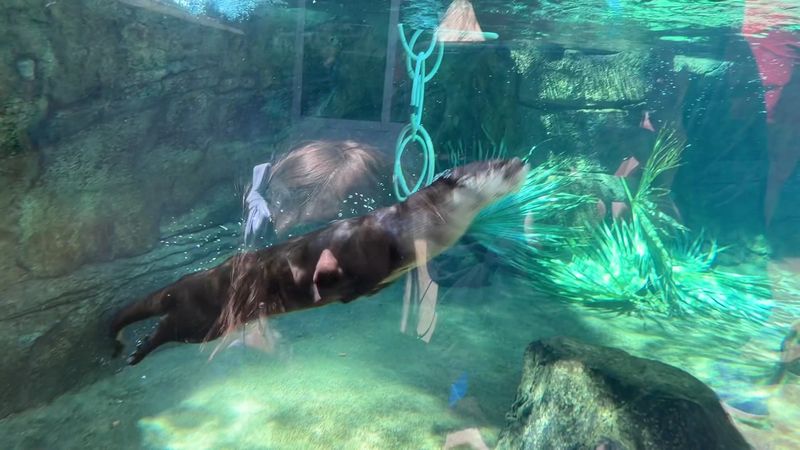
The otter exhibit consistently draws the biggest crowds because these energetic mammals put on a show whether they intend to or not. North American river otters are naturally playful, and Mote’s otters seem to enjoy having an audience. They zoom through their pool, wrestle with each other, and manipulate toys with their dexterous paws.
Visitors often spend 15-20 minutes at the otter habitat because there’s always something happening. One otter might be demolishing a frozen treat while another practices sliding down a rock feature into the water. Their high-energy antics and expressive faces make them endlessly entertaining, especially for kids who can match their enthusiasm.
Staff members enrich the otters’ environment with puzzle feeders, floating toys, and other stimulation that encourages natural foraging behaviors. Watching an otter figure out how to extract fish from a puzzle demonstrates their intelligence and problem-solving abilities. These aren’t just cute animals, they’re clever opportunists that thrive by being adaptable.
The habitat includes both water and land areas with rocks, logs, and vegetation that mimic riverbank environments. Otters alternate between aquatic acrobatics and land-based grooming sessions where they meticulously clean their dense fur. That grooming behavior is critical for maintaining the insulation that keeps them warm.
One visitor review mentioned otters noticing a child’s stuffed animal and responding to it, showing how aware these animals are of their surroundings. They make eye contact with visitors, sometimes swimming right up to the glass as if investigating who’s watching them. That interactivity creates memorable moments families talk about long after leaving.
The outdoor location means natural lighting shows off the otters’ rich brown fur and highlights their underwater swimming skills. They’re incredibly fast and agile in water, able to twist and turn in ways that seem physically impossible. Watching them hunt for hidden food items reveals predatory instincts that might surprise people who only think of otters as adorable.
African Penguins in Climate-Controlled Habitat
Penguins in Florida might seem out of place, but Mote’s climate-controlled penguin habitat keeps these African penguins comfortable year-round. The exhibit maintains temperatures that match their native South African environment, cooler than Florida’s sweltering summers but not as frigid as Antarctic species require. These penguins are built for moderate climates, not ice and snow.
African penguins are smaller than the emperor penguins most people picture, standing about knee-high to an average adult. Their distinctive black and white markings and pink patches above their eyes give them personality. Each bird has unique spot patterns that researchers use to identify individuals, similar to human fingerprints.
The habitat includes a rocky shore area where penguins stand around preening, socializing, and occasionally braying loudly. Their vocalizations sound more like donkeys than birds, earning them the nickname jackass penguins. That surprising call always gets reactions from visitors expecting cute penguin chirps.
A deep pool occupies half the exhibit, and watching penguins transform from awkward land-walkers to graceful swimmers is remarkable. Underwater viewing panels show them rocketing through the water like torpedoes, using their flippers to steer and their feet as rudders. They hunt fish with speed and precision that belies their comical appearance on land.
Educational signage explains that African penguins are endangered in the wild, with populations declining due to overfishing, oil spills, and habitat loss. Seeing these charismatic birds up close while learning about conservation threats creates awareness about species most people assume are thriving in Antarctica. Geography lessons happen naturally when visitors realize penguins live in Africa.
Feeding times bring all the penguins to attention as staff distribute fish and monitor each bird’s food intake. The structured feeding ensures every penguin gets adequate nutrition while allowing staff to assess health and behavior. Visitors watching feeding time see how much care goes into maintaining these birds’ wellbeing.
Coral Reef Restoration Projects on Display
Climate change and ocean acidification are killing coral reefs worldwide, but Mote isn’t just observing the problem. Their coral restoration program actively grows coral fragments that get transplanted onto damaged reefs. Public exhibits show this work in progress, with tanks full of coral at various growth stages.
Seeing baby corals up close reveals details invisible when snorkeling over reefs. The tiny polyps, vibrant colors, and delicate structures become apparent when corals are at eye level in well-lit tanks. Educational panels explain how corals are animals, not plants, and how they form symbiotic relationships with algae that give them color and energy.
The restoration process starts with collecting small coral fragments from healthy colonies. Scientists then grow these fragments in nursery tanks before eventually outplanting them onto degraded reef areas. Mote’s work focuses on faster-growing coral species that can quickly provide habitat for fish and other reef creatures.
The timeline from fragment to transplantable colony takes months to years depending on species.
Interactive displays let visitors understand threats facing coral reefs, from warming ocean temperatures to physical damage from boat anchors. The exhibits don’t shy away from discussing human impacts, but they balance the bad news with solutions and success stories. Seeing actual restoration work happening makes the problem feel less hopeless.
Some tanks showcase the incredible biodiversity that healthy reefs support, with colorful fish, shrimp, crabs, and other creatures living among the corals. These mini-reef ecosystems demonstrate why coral conservation matters beyond just saving pretty underwater scenery. Reefs provide food, income, and storm protection for millions of people globally.
The transparent approach to showing both the science and the challenges creates informed visitors who understand marine conservation’s complexity. You leave knowing that protecting oceans requires sustained effort, funding, and public support. That’s a more valuable takeaway than just enjoying pretty fish tanks.
Jellyfish Galleries With Mesmerizing Displays
The jellyfish exhibits feel more like art installations than traditional aquarium displays. Cylindrical tanks with specialized lighting showcase moon jellies, sea nettles, and other species as they pulse rhythmically through the water. The combination of flowing movement and changing colored lights creates a meditative atmosphere that contrasts with the facility’s busier areas.
Jellyfish tanks require sophisticated filtration and water flow systems because these delicate animals can get damaged by standard aquarium equipment. The gentle circular current keeps jellies suspended and moving without harming their trailing tentacles. Watching them drift effortlessly demonstrates how they’ve survived for over 500 million years despite having no brain, heart, or bones.
Different species on display show the diversity within jellyfish, from tiny transparent moon jellies to larger sea nettles with long stinging tentacles. Educational panels explain how jellyfish sting cells work and why some species are harmless to humans while others can be dangerous. Florida beaches occasionally see jellyfish blooms, so learning to identify species has practical value.
The lighting design deserves special mention because it transforms these simple animals into otherworldly creatures. Blues, purples, and greens illuminate the tanks in slowly changing patterns that highlight the jellies’ translucent bodies. Photographers love these exhibits since the dramatic lighting and movement create striking images.
Kids often press their faces close to the glass, trying to count tentacles or spot the tiny fish that sometimes hide among jellyfish tentacles for protection. Those symbiotic relationships illustrate how even animals as simple as jellyfish play complex roles in ocean ecosystems. Nothing in nature exists in isolation.
The quiet, darkened jellyfish area provides a break from the aquarium’s busier sections. Parents appreciate having a calmer space where overstimulated children can decompress while still seeing interesting animals. The almost hypnotic quality of watching jellyfish pulse through water has a genuinely calming effect that makes this area popular with adults seeking a moment of zen.
Interactive Virtual Reality Ocean Experiences
Technology meets marine education in Mote’s virtual reality station where visitors can experience underwater environments that would be impossible to visit otherwise. The VR setup includes multiple stations with headsets that transport you to coral reefs, kelp forests, or even swimming alongside whale sharks. The immersive quality makes you forget you’re standing in a Florida aquarium.
The shark VR experience gets particular praise in visitor reviews for its educational content combined with thrilling visuals. You watch sharks from a diver’s perspective, learning about different species while virtually swimming through their habitat. The experience balances entertainment with factual information about shark behavior and conservation needs.
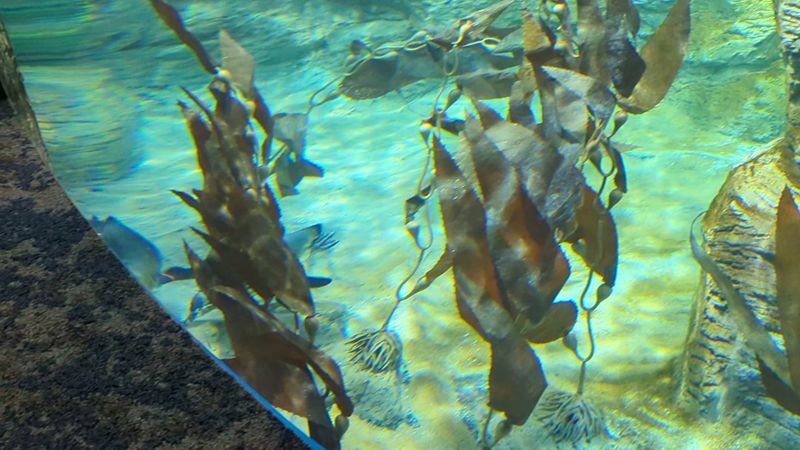
VR technology allows Mote to show environments and animals they can’t physically house. Swimming through a kelp forest or exploring deep ocean trenches would be impossible in traditional exhibits. The virtual experiences complement the live animals by expanding the scope of what visitors can learn during their visit.
The addition of VR appeals to tech-savvy kids and teens who might find traditional aquarium exhibits less engaging. Reviews mention teenagers who weren’t initially excited about the aquarium getting drawn into the VR experiences. Finding ways to connect with harder-to-impress age groups helps aquariums stay relevant.
Some experiences are included with admission while others require an additional fee, so check current pricing before visiting. The VR area has limited capacity compared to other exhibits, meaning waits can develop during peak times. Hitting the VR station early in your visit or during lunch hours typically means shorter lines.
The technology also serves an accessibility function by allowing people with mobility limitations to experience diving and ocean exploration. Someone who can’t physically snorkel or scuba dive can still virtually swim through a reef. That democratization of ocean experiences aligns with Mote’s educational mission of making marine science accessible to everyone.
Educational Programs and Behind-the-Scenes Access
Beyond self-guided touring, Mote offers structured educational programs that provide deeper dives into marine science topics. School groups flood the facility on weekday mornings for curriculum-aligned programs led by educators who connect aquarium animals to broader ecological concepts. These aren’t just field trips, they’re learning experiences designed around educational standards.
Summer camps run throughout June and July, giving kids week-long intensive programs that include behind-the-scenes access to areas closed to regular visitors. Campers might help prepare food for animals, assist with water quality testing, or participate in beach cleanups. Hands-on involvement creates stronger connections to conservation than passive observation.
Special events like yoga classes in the aquarium or evening adult programs expand Mote’s audience beyond families with kids. However, one review noted disappointment when a yoga class advertised as being in the tunnel tank was actually held in an event room with a single viewing window. Accurate marketing of special events matters for maintaining trust with visitors who travel specifically for those experiences.
Behind-the-scenes tours available for an additional fee let small groups access animal care areas, food prep kitchens, and other operational spaces. Seeing where frozen fish and squid get stored or how water filtration systems work demystifies aquarium operations. Understanding the infrastructure required to keep marine animals healthy adds appreciation for the work involved.
Volunteer programs recruit locals who want ongoing involvement with Mote’s mission. Volunteers staff information stations, help at touch tanks, and assist with special events. Their presence throughout the facility means knowledgeable people are always available to answer questions or provide additional context about exhibits.
The combination of public exhibits and active research creates unique educational opportunities. Students don’t just learn about marine biology, they see scientists actually practicing it. That real-world connection between classroom concepts and professional careers can inspire future marine biologists, oceanographers, or conservation advocates.
Mote functions as both aquarium and career preview.