This Stunning 2.7-Mile Florida Boardwalk Trail Winds Through Cypress Swamps And Wild Wetlands
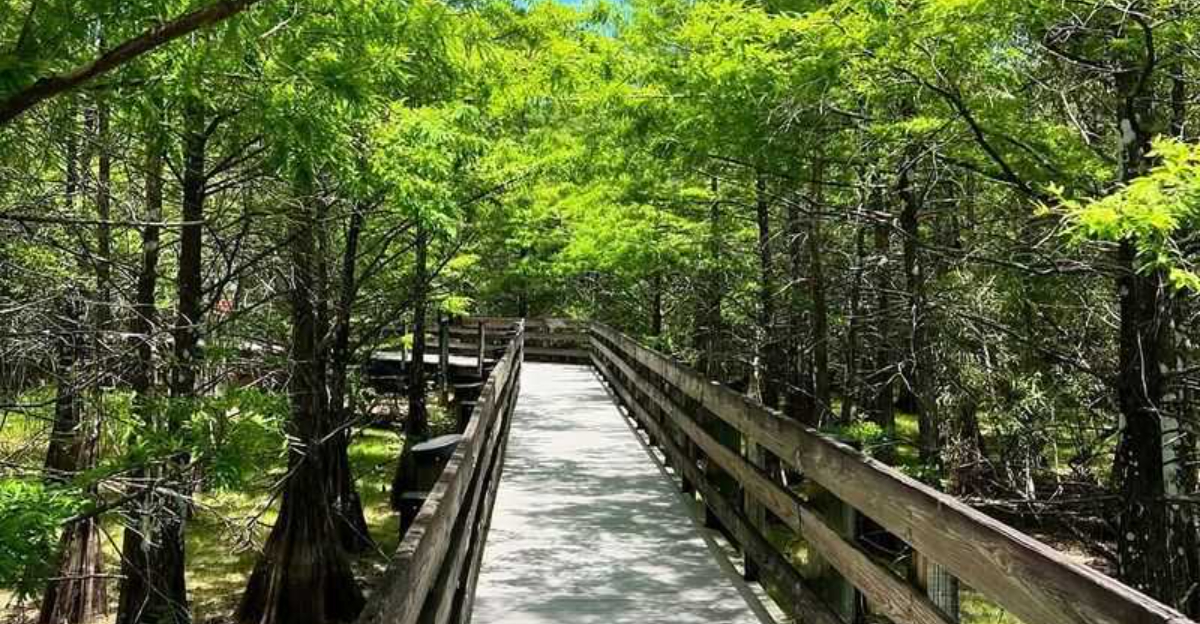
Hidden just off the busy streets of Fort Myers lies a 3,500-acre natural wonder that feels like stepping into prehistoric Florida. Six Mile Cypress Slough Preserve offers visitors a chance to walk among towering bald cypress trees, spot alligators sunbathing on logs, and listen to the calls of native birds echoing through the wetlands. This incredible boardwalk trail winds 2.7 miles through one of Southwest Florida’s most important ecosystems, giving you front-row seats to wildlife without getting your feet wet.
1. A Boardwalk Built for Everyone
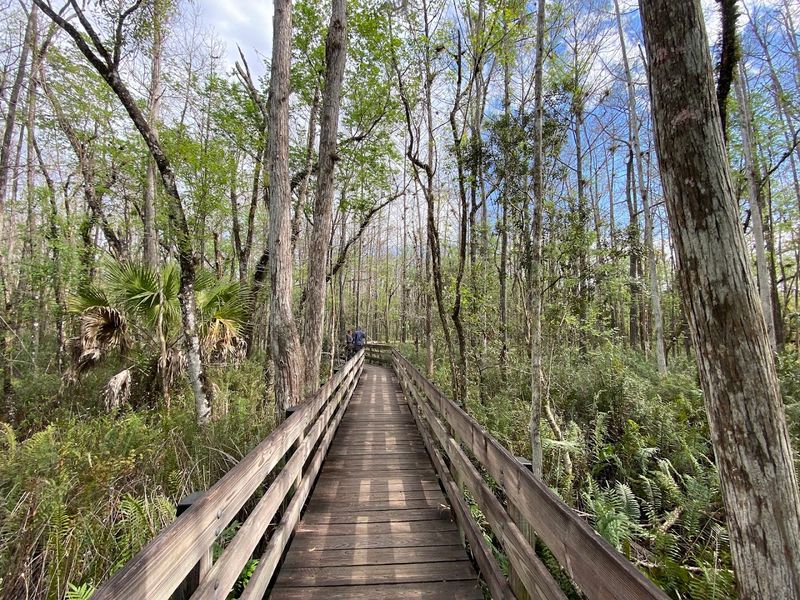
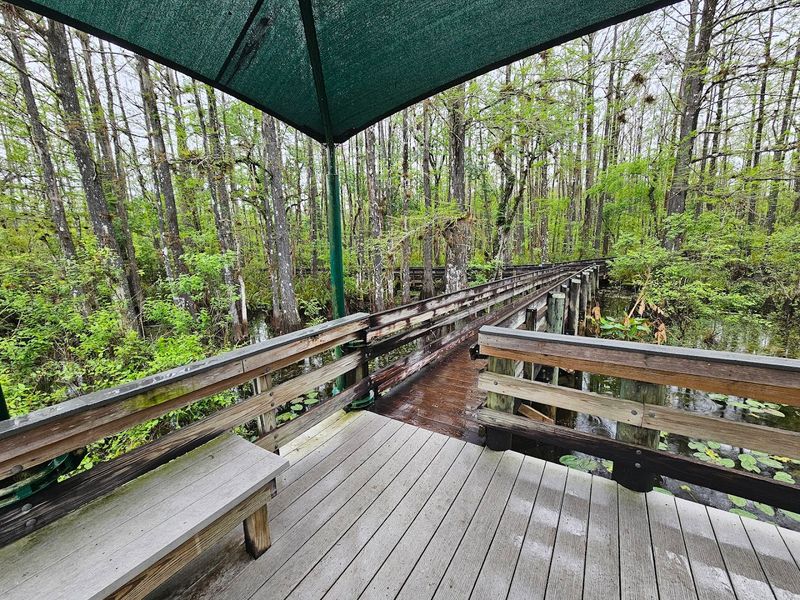
Forget muddy hiking boots and bug spray battles. The preserve’s elevated boardwalk makes exploring Southwest Florida’s wetlands comfortable for just about anyone. The pathway stays dry and level, which means grandparents, young kids, and visitors using wheelchairs can all experience the magic of this ecosystem together.
Most of the trail stays shaded under the canopy of massive cypress trees, keeping things surprisingly cool even on hot Florida afternoons. You’ll find benches scattered along the route where you can sit quietly and watch for wildlife. These rest spots become prime viewing areas when you’re patient enough to let the animals come to you.
The well-maintained surface means you can focus on spotting turtles and birds instead of watching your step. Families with strollers navigate it easily, and the flat terrain won’t leave you exhausted halfway through. Park volunteers keep everything in excellent shape, repairing boards and clearing debris regularly.
Early morning walkers and sunset seekers both love this trail because the boardwalk stays safe and visible throughout the day. The preserve designed this pathway specifically so visitors could access wild Florida without disturbing the delicate habitat below. It’s proof that conservation and accessibility can work beautifully together.
2. Wildlife Watching Paradise
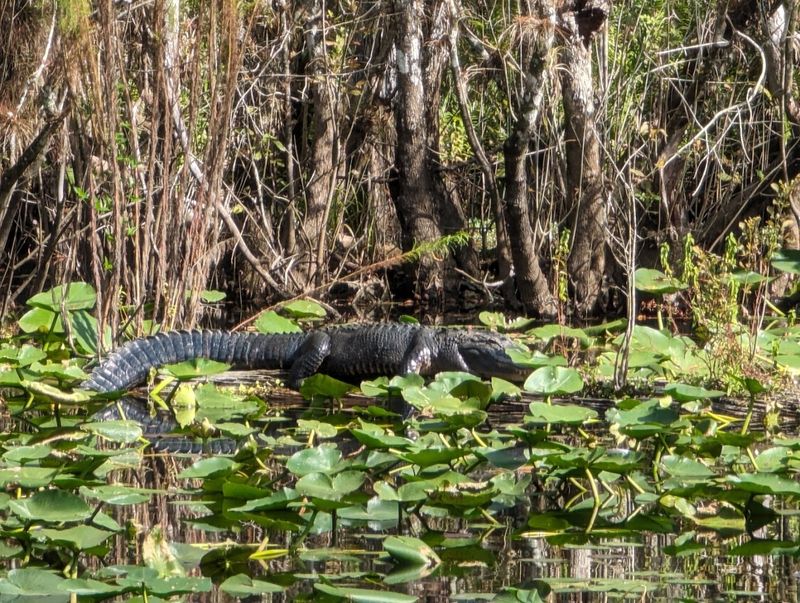
Alligators rule the ponds here, and spotting one never gets old. Visitors regularly see these prehistoric reptiles lounging on logs or gliding through the dark water with just their eyes and snouts visible. The Duck Pond area earns its reputation as the best gator-watching spot, where patient observers often count multiple individuals at once.
Birds steal the show too, with great egrets, herons, and wood storks hunting in the shallows. Lucky visitors catch glimpses of pileated woodpeckers hammering on cypress trunks, their distinctive red crests flashing through the trees. Barred owls sometimes perch in the canopy, watching the boardwalk traffic with curious eyes.
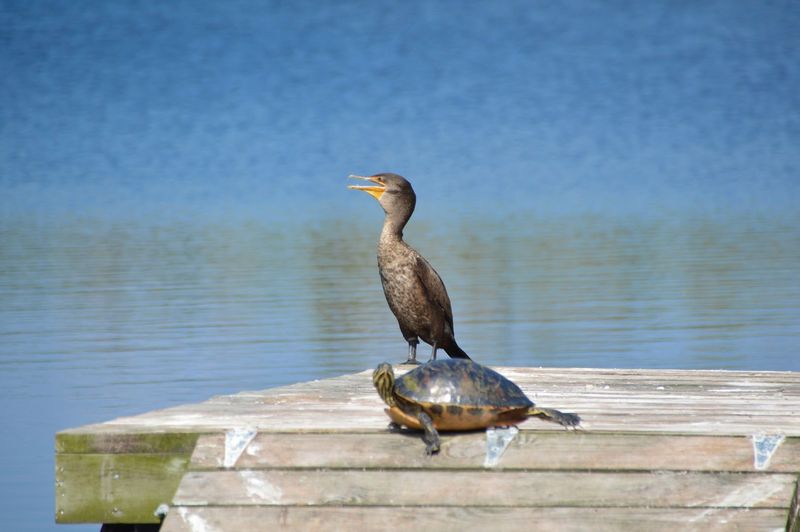
Turtles stack themselves on every available sunny spot, from fallen logs to lily pads. You’ll see Florida softshell turtles, peninsula cooters, and occasionally a gopher tortoise wandering the drier sections. Fish dart through the clear water below, attracting wading birds that stand motionless waiting for the perfect strike.
Arrive early morning or near sunset for the best wildlife action. Animals stay more active during cooler hours, and the lighting makes photography spectacular. Bring binoculars and move slowly—loud groups tend to scare creatures into hiding.
The preserve’s volunteers often position themselves at prime spots, happy to point out camouflaged animals most visitors would miss.
3. The Cypress Cathedral Experience
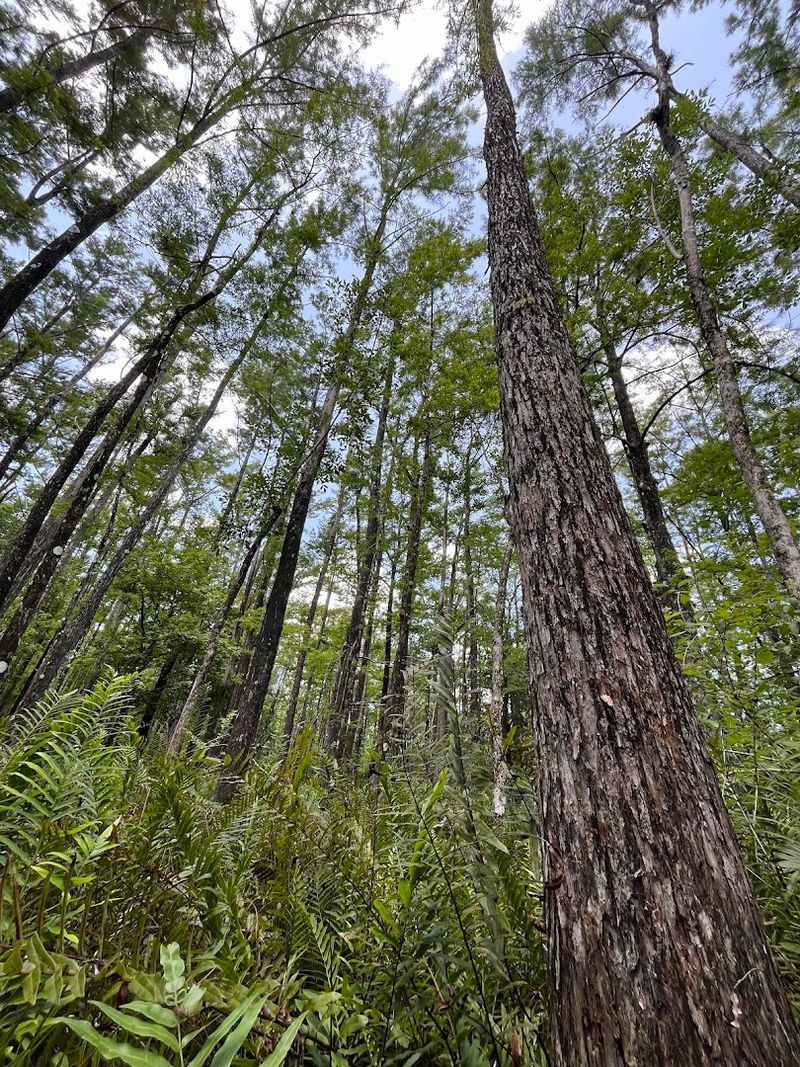
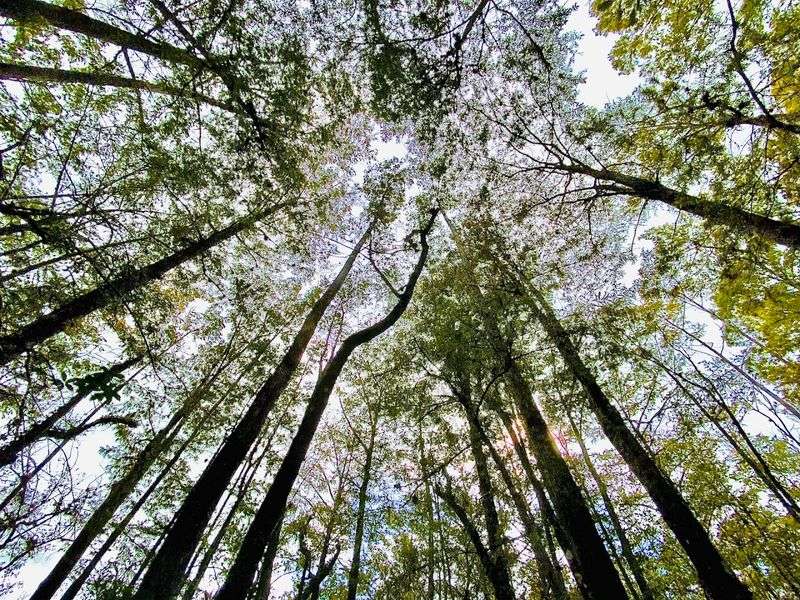
Walking beneath these ancient cypress giants feels like entering a natural cathedral. Some trees tower over 100 feet tall, their massive trunks buttressed at the base and draped with Spanish moss. The way sunlight filters through the canopy creates an almost spiritual atmosphere that photographs can’t quite capture.
Cypress knees poke up everywhere from the water and mucky ground, those weird woody protrusions that look like miniature stalagmites. Scientists still debate their exact purpose, but they add to the otherworldly landscape. Kids love counting them and imagining what creatures might hide behind these natural sculptures.
The preserve protects one of the last intact cypress wetlands in rapidly developing Southwest Florida. These trees act as natural water filters and provide critical habitat for dozens of species. You’re walking through an ecosystem that existed long before Fort Myers became a city.
Air plants and lichens coat the bark with splashes of green and silver, creating living tapestries on every trunk. Look closely and you’ll spot resurrection ferns that appear dead during dry spells but spring back to life after rain. The forest constantly changes with Florida’s wet and dry seasons, offering different experiences throughout the year.
This isn’t just a pretty walk—it’s a functioning ecosystem doing important environmental work.
4. Ridiculously Affordable Adventure
Here’s something rare in Florida tourism: this incredible experience costs almost nothing. The preserve itself charges zero admission, making it accessible to everyone regardless of budget. You only pay for parking, and that runs about one or two dollars per hour through a simple app.
Compare that to theme parks charging over $100 per person, and you’ll understand why locals call this Southwest Florida’s best value. Families can spend an entire afternoon here for less than the cost of movie tickets. The money goes directly toward maintaining the boardwalk and supporting conservation efforts.
The interpretive center offers free educational programs and guided nature walks led by knowledgeable volunteers. These folks share fascinating details about the ecosystem without expecting tips or donations. Kids can grab free wildlife bingo cards that turn the walk into an engaging scavenger hunt.
A small gift shop sells nature books, field guides, and educational toys at reasonable prices, but there’s absolutely no pressure to buy anything. The preserve operates on a philosophy that everyone deserves access to Florida’s natural beauty. Visitors consistently mention the affordability in reviews, shocked that such a well-maintained facility doesn’t charge hefty entrance fees.
It’s refreshing proof that not every Florida attraction needs to drain your wallet.
5. Educational Center and Programs
The Interpretive Center transforms this from a simple walk into a learning experience. Interactive displays explain how slough ecosystems work, why wetlands matter, and which creatures call this place home. Touch-friendly exhibits let kids explore animal skulls, turtle shells, and other natural artifacts safely.
Guided nature tours happen regularly, led by passionate volunteers who’ve been studying this preserve for years. They point out details most visitors would miss—woodpecker ring patterns on trees, lichen varieties, and the best spots to watch for specific animals. These free tours book up quickly during peak season, so arrive early or call ahead.
The center’s small gift shop focuses on educational materials rather than tourist trinkets. You’ll find excellent field guides to Florida wildlife, nature journals, and books about wetland conservation. Proceeds support the preserve’s programs, so purchases directly help protect this special place.
Staff members answer questions enthusiastically and often share recent wildlife sightings to help visitors know what to watch for. They’ll explain the preserve’s origin story—how determined teenagers in 1976 fought to save this land from logging. That grassroots conservation victory created the sanctuary thousands now enjoy.
The center opens before the trails, giving you a chance to learn before you walk and appreciate the ecosystem on a deeper level.
6. Seasonal Changes and Best Times
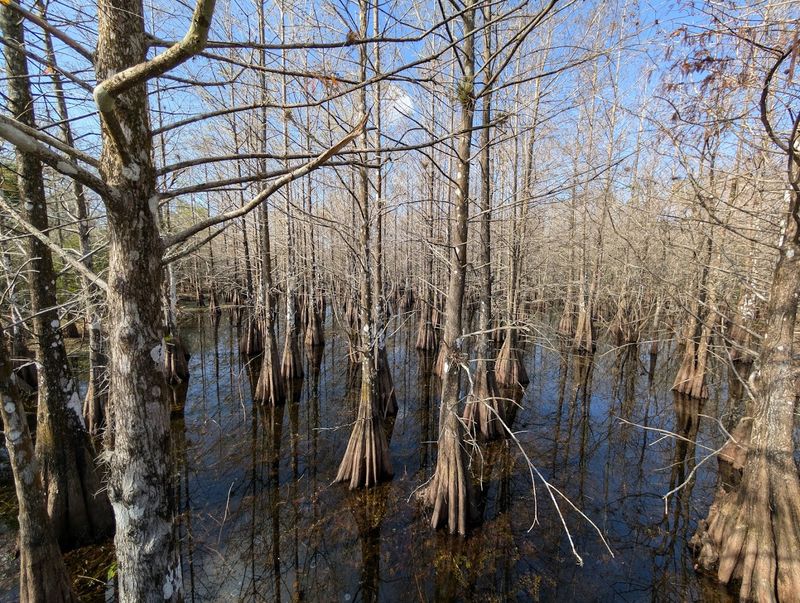
Florida’s wet and dry seasons completely transform this preserve’s personality. During summer’s rainy months, water levels rise and the swamp feels lush and alive with breeding birds. Alligators become more active, and you’ll hear frogs creating an evening chorus that rivals any symphony.
Winter brings drier conditions when water retreats and concentrates wildlife around remaining pools. This makes animal spotting easier since creatures gather at shrinking water sources. Migratory birds arrive from up north, adding species you won’t see during summer months.
Temperatures drop to comfortable levels, making midday walks actually pleasant.
Early morning visits offer the absolute best wildlife viewing regardless of season. Animals stay active before heat sets in, and the lighting creates magical photography conditions. Sunrise walkers often have the boardwalk nearly to themselves, experiencing the preserve in peaceful solitude.
Late afternoon works well too, especially during cooler months when animals emerge for evening activity. Avoid midday summer visits unless you’re prepared for serious heat and humidity. The cypress canopy provides shade, but Florida summers are intense even under tree cover.
Plan two to three hours for a leisurely experience that lets you stop frequently and observe wildlife. Rushing through defeats the purpose—this place rewards patience and quiet observation. Check the preserve’s website for seasonal highlights and special events that might enhance your visit.
7. Conservation Success Story
This preserve exists because determined high school students refused to let developers destroy it. Back in 1976, when Fort Myers was expanding rapidly, a logging company planned to clear-cut this entire cypress forest. Local teenagers organized protests, attended county meetings, and rallied community support to save the slough.
Their grassroots campaign worked against all odds. The land became protected, and those young activists proved that ordinary people can make extraordinary environmental differences. Today’s visitors walk through forests that would have become parking lots and strip malls without that teenage determination.
The preserve now protects 3,500 acres of critical wetland habitat in one of Florida’s fastest-growing regions. It serves as a natural water filtration system, flood control mechanism, and wildlife corridor connecting other conservation areas. The ecosystem provides environmental services worth millions of dollars annually.
Scientists use the preserve to study wetland ecology and climate change impacts on Florida ecosystems. The protected status allows long-term research impossible in developed areas. Educational programs teach thousands of children yearly about conservation and environmental stewardship.
Volunteers continue the preservation work started in the 1970s, maintaining trails, leading tours, and advocating for wetland protection. The preserve stands as proof that conservation victories are possible even in development-heavy Florida. Every visit supports ongoing efforts to protect what remains of wild Southwest Florida for future generations.
8. Practical Visitor Tips
Download the parking payment app before you arrive to avoid fumbling with technology at the trailhead. The ParkMobile app works smoothly once installed, but trying to download it in spotty parking lot reception frustrates everyone. Parking costs stay minimal—usually under five dollars even for extended visits.
Bring water, especially during warmer months. The preserve has limited facilities once you’re on the trail, and Florida humidity dehydrates you faster than you’d expect. Comfortable walking shoes matter more than hiking boots since the boardwalk stays smooth and level throughout.
Binoculars dramatically improve wildlife viewing, letting you observe distant birds and alligators without disturbing them. A camera with decent zoom helps capture memorable moments, though sometimes just watching beats photographing. Keep voices low and movements slow when you want animals to stay visible.
Insect repellent becomes essential during summer months when mosquitoes patrol the shaded areas. The boardwalk elevation helps, but Florida bugs are persistent. Sunscreen matters too, since some trail sections receive direct sunlight despite the canopy coverage.
The trail forms a loop, so you can turn back anytime without retracing your entire route. Restrooms and water fountains are available near the interpretive center. Visit the preserve’s website or call ahead for current conditions, especially after storms when water levels might affect trail access.
Most importantly, leave plenty of time—rushing through means missing the quiet magic that makes this place special.