This Stunning Florida Farm Lets You Experience the 1880s for Just $5
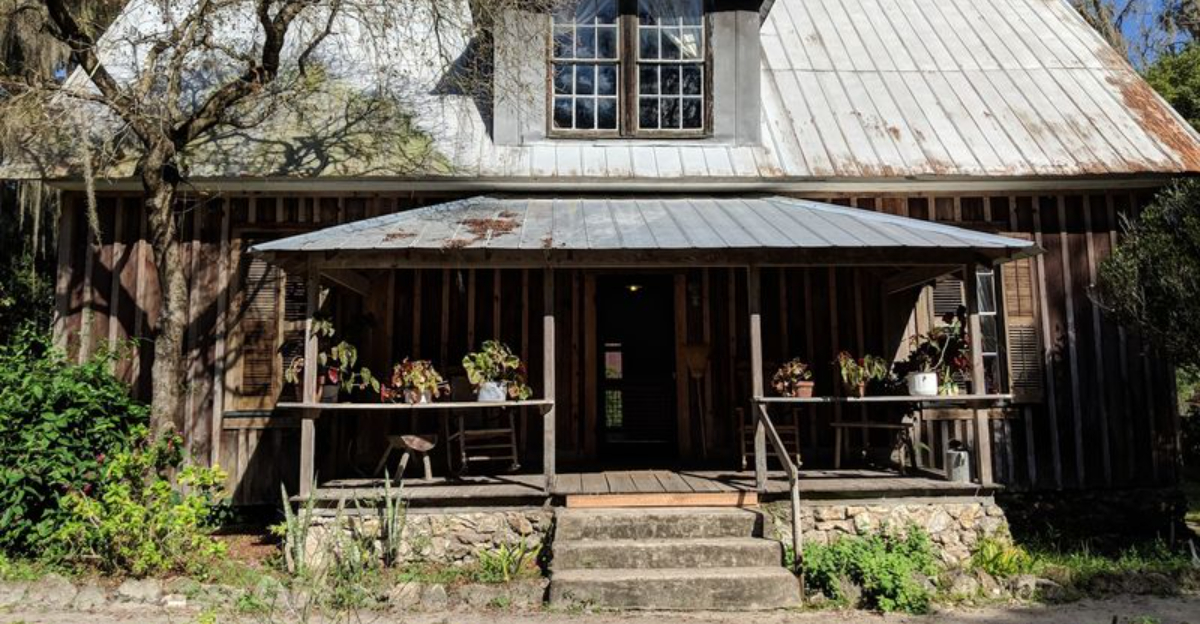
Dudley Farm Historic State Park offers something most museums can’t: a genuine time machine experience for the price of a fancy coffee. This 325-acre working farmstead has been preserved exactly as the Dudley family left it, spanning generations from the 1850s through the 1940s. Walking through the property feels like stepping onto a movie set, except everything here is real, from the creaky floorboards in the farmhouse to the chickens scratching in the yard, and for just five bucks, you get to explore it all at your own pace.
1. The Honor System Entry That Sets the Tone
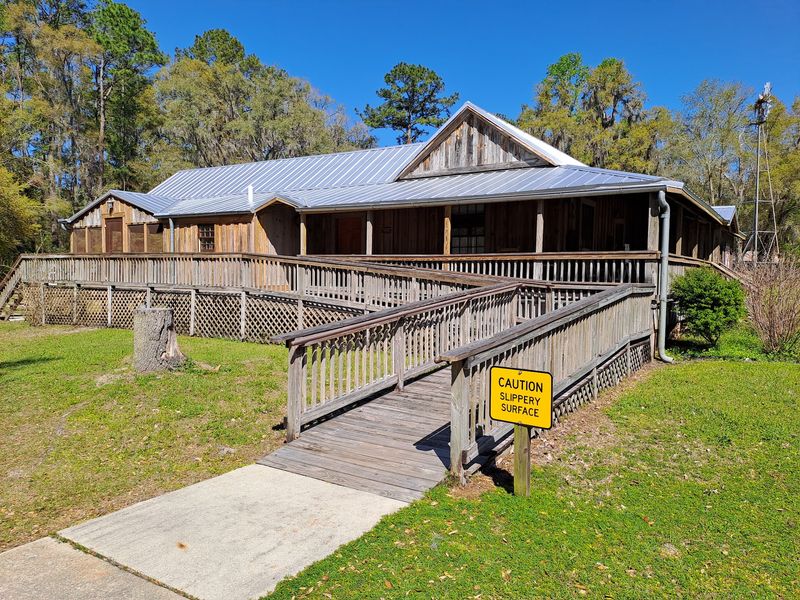
Right from the start, Dudley Farm does things differently. Pull up to the entrance and you’ll find an honor system payment box, no ticket booth, no attendant checking receipts. Drop your five dollars in the slot, grab your windshield pass, and you’re in.
This old-school approach perfectly matches the park’s vibe. It trusts visitors to do the right thing, just like neighbors trusted each other back when the Dudley family worked this land. The parking lot sits under massive shade trees, and clean restrooms greet you immediately, which reviewers consistently praise.
From here, a short trail winds toward the farmstead buildings. The walk takes maybe five minutes, but it works like a decompression chamber. Modern life fades with each step as Spanish moss drapes overhead and bird calls replace traffic noise.
That deliberate transition prepares you for what’s ahead. By the time you reach the first structure, your brain has shifted gears. You’re not just visiting a historic site anymore, you’re entering a different era entirely, and that psychological shift makes everything you see afterward hit differently than typical museum exhibits ever could.
2. Buildings Frozen in Time With Original Belongings
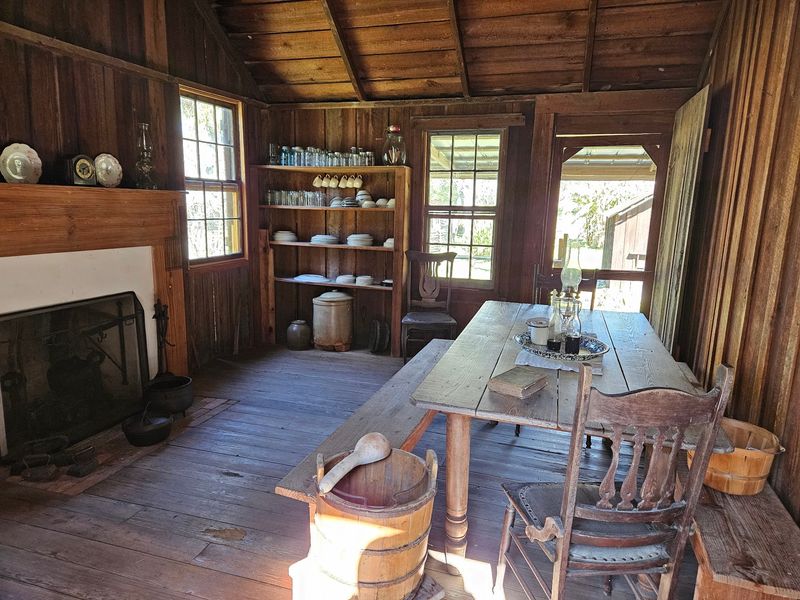
Walking into the Dudley farmhouse feels borderline eerie. Coffee cups sit on tables. Clothes hang in wardrobes.
Tools rest where someone last set them down, possibly decades ago.
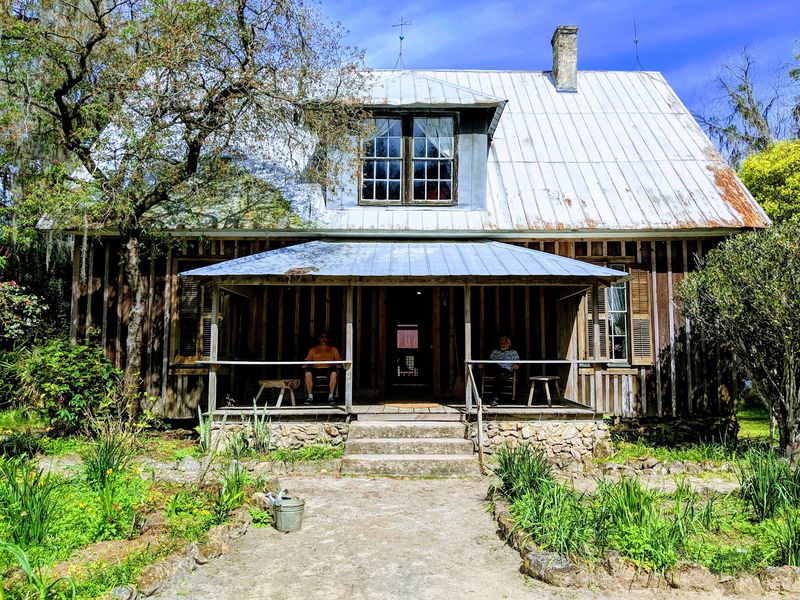
Unlike most historic sites that recreate period rooms with similar artifacts, nearly everything here belonged to the actual Dudley family. When Myrtle Dudley, the last family member, passed away in 1996 at age 94, the state acquired the property with its contents largely intact. That authenticity changes everything about the experience.
You’ll find more than a dozen structures to explore: the main house, separate kitchen building, smokehouse, root cellar, commissary, and various outbuildings. Each tells part of the family’s story across three generations. The kitchen, built separately to keep heat and fire risk away from the main house, still has its wood-burning stove and period cookware.
Volunteers in period dress staff many buildings, answering questions and demonstrating how equipment worked. They’re not actors playing roles, they’re knowledgeable locals who genuinely care about preserving this slice of Florida history. Their passion shows when they explain details like why the root cellar stayed cool or how the family preserved meat before refrigeration existed.
3. Live Animals Bringing the Working Farm to Life
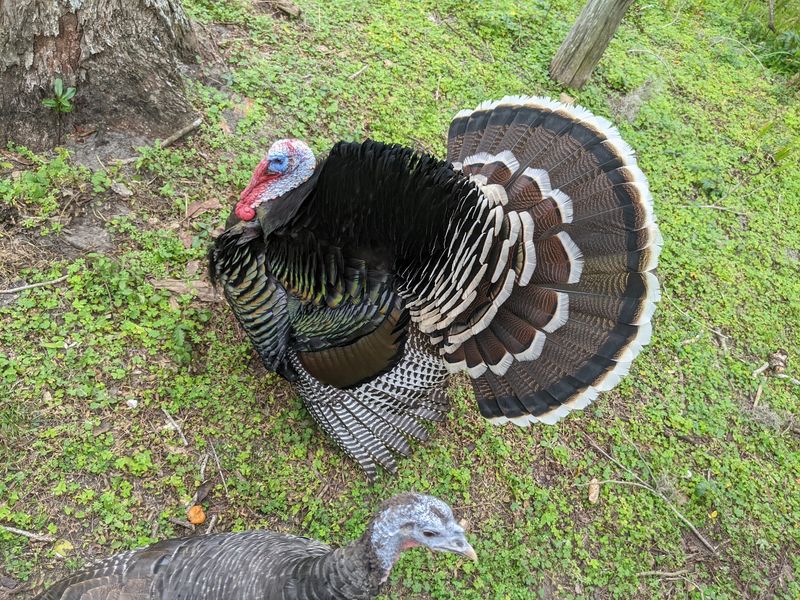
Roosters crow. Turkeys gobble. Horses whinny from the barn.
These aren’t sound effects, they’re the real deal, and they transform Dudley Farm from a static exhibit into something breathing and alive.
The park maintains livestock true to what the Dudley family would have raised: chickens scratching in the dirt, turkeys strutting around, cattle grazing in pastures, and horses in the barn. Kids absolutely lose their minds over the old-fashioned water pump near the farmhouse, which still works and provides endless entertainment. One reviewer mentioned her great-grandkids, both four years old, became so obsessed with pumping water they might need one installed at home.
Staff sometimes let visitors help with feeding, depending on the day and circumstances. That hands-on element, when available, creates memories that stick with families long after they leave. Even without direct interaction, watching animals in their historic setting adds dimension that photos and descriptions never could.
The animals also serve educational purposes, showing kids where food actually comes from and how much work farm life required. Seeing a chicken isn’t remarkable, but seeing one in the context of 1880s farm survival suddenly makes history click in ways textbooks never manage.
4. The Pause and Ponder Trail for Modern Decompression
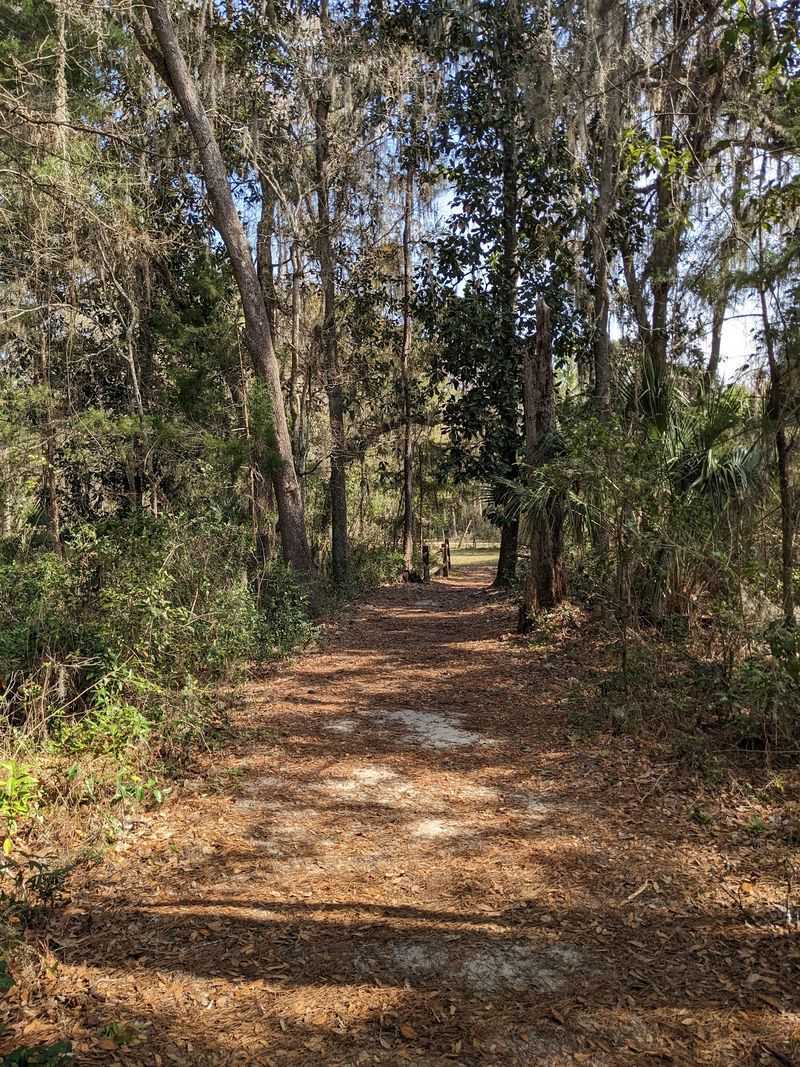
Beyond the farmstead lies something unexpected: a nature trail that one visitor called “one of the best ways to spend a couple hours of my life.” The Pause and Ponder Trail loops through undeveloped acreage, offering a different kind of time travel.
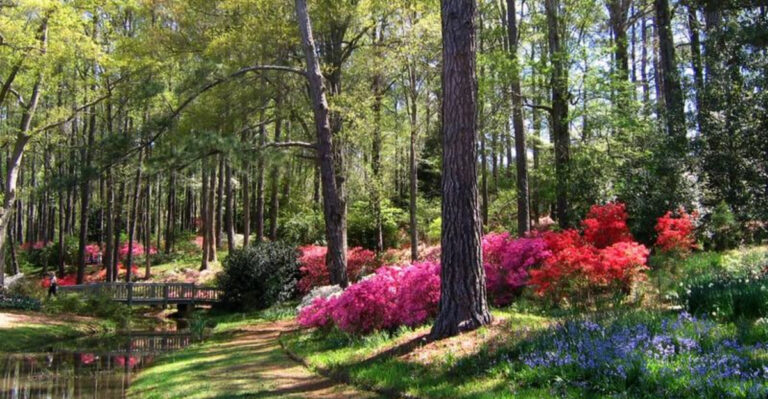
This path showcases what Florida looked like before strip malls and subdivisions. Native plants crowd the edges. Massive oaks create cathedral-like canopies.
The trail surface accommodates wheelchairs with sand-capable wheels, which the visitor center provides free of charge, making this peaceful experience accessible to nearly everyone.
Multiple reviewers specifically mentioned using this trail for anxiety relief and mental decompression. Something about walking through unchanged landscape, knowing it looks much like it did 150 years ago, provides perspective modern life rarely offers. The trail isn’t challenging or long, just restorative.
Dog owners appreciate that pets can join them on this trail, though animals aren’t allowed near the actual farmstead buildings. That compromise lets everyone enjoy the property appropriately. The shade proves crucial during Florida’s brutal summers, breaking the heat enough that visitors consistently report comfortable walks even in warm months.
Bring water anyway, but know the tree cover genuinely helps.
5. Special Events That Showcase Lost Skills
Visit on a regular day and you’ll see plenty. Visit during one of Dudley Farm’s special events and you’ll witness skills most people assume died out with their great-grandparents.
The sugarcane syrup making event in fall draws huge crowds. Staff fires up antique equipment to process cane the old-fashioned way, producing actual syrup visitors can purchase. Watching the entire process unfold, from crushing cane to boiling juice to bottling finished product, connects modern folks to agricultural roots they’ve lost touch with.
Other events feature quilting demonstrations, blacksmithing, period cooking, and fiddle music. One reviewer mentioned a gentleman named Pete playing fiddle during their visit, adding authentic soundtrack to the historic atmosphere. These aren’t staged performances, they’re skill-shares by people who actually practice these crafts.
The park’s website lists upcoming events, and checking before you visit proves worthwhile if special programming interests you. Even without events, volunteers often work on various projects around the farm, doing actual chores because farms require year-round maintenance. That ongoing work, not just preservation but continuation, distinguishes Dudley Farm from typical museums where nothing really happens except looking.
6. The Commissary Offering Authentic Local Products
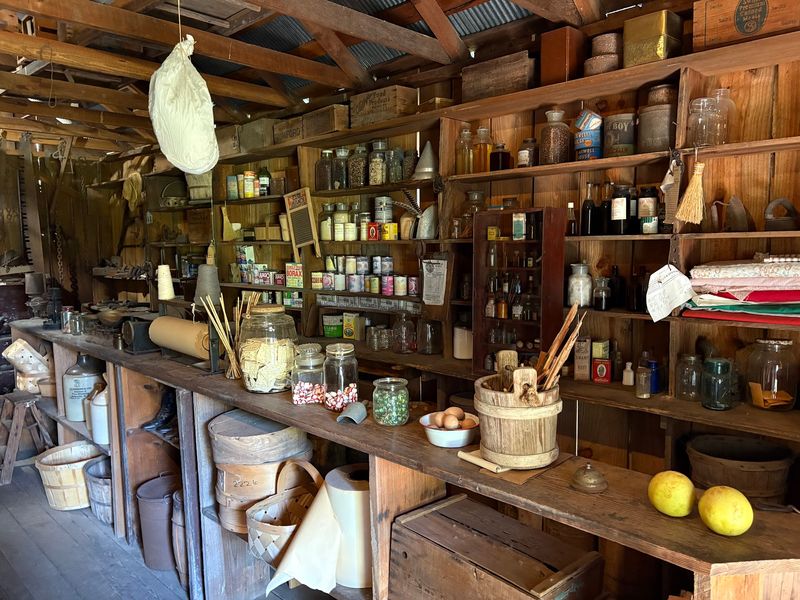
The on-site commissary operates like old-time general stores, stocking locally produced goods that connect to the region’s agricultural heritage. Blackberry jam, pickled okra, local honey, and regional preserves line the shelves alongside handmade crafts.
This isn’t tourist trap merchandise. These are actual products from area producers, many using traditional methods. Buying jam here supports local food artisans while giving you a tangible piece of the experience to take home.
The commissary also sells native plants from an on-site nursery. Want to grow the same fig trees or banana plants you saw around the farmstead? You can purchase starts and recreate a bit of that 1880s Florida landscape in your own yard.
Staff will open the commissary even during off-hours if they’re around, as one reviewer discovered when a kind employee unlocked it specially for his wife. That flexibility and personal service reflects the park’s overall approach, prioritizing visitor experience over rigid rules. Cold drinks available here prove lifesaving on hot days.
The commissary operates on an honor system sometimes, just like the park entrance. Leave payment in the designated spot, take your purchase, and trust works both ways. That old-fashioned trust, increasingly rare in modern transactions, somehow feels appropriate given the setting.
7. Volunteer Staff Who Make History Personal
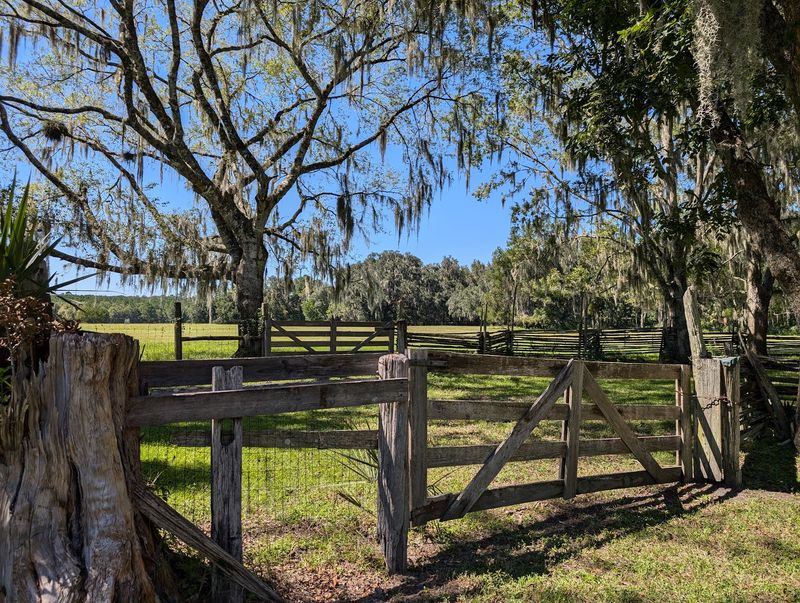
Knowledgeable volunteers transform Dudley Farm from interesting to unforgettable. These aren’t minimum-wage employees counting minutes until their shift ends. They’re passionate locals who volunteer their time because they genuinely care about preserving and sharing this history.
Dressed in period-appropriate clothing, they staff various buildings and answer endless questions without impatience. Reviews consistently praise their friendliness, knowledge, and willingness to go beyond basic tour guide duties. One family’s two-year-old got a personalized experience when a staff member spent extra time showing them around and letting the child help feed animals.
These volunteers know stories textbooks never capture. They’ll explain why Mr. Dudley built structures certain ways, share anecdotes about family members, and demonstrate how equipment actually worked. Their enthusiasm proves contagious, making history feel relevant rather than dusty.
Many volunteers practice period crafts like sewing, quilting, and woodworking on-site. Watching skilled hands work while chatting with them creates organic learning moments. They often teach interested visitors basic techniques, passing along knowledge that might otherwise disappear.
That living history approach, where skills continue rather than just being displayed, gives Dudley Farm its special character that repeatedly brings visitors back for return trips.
8. Accessibility and Family-Friendly Features That Welcome Everyone
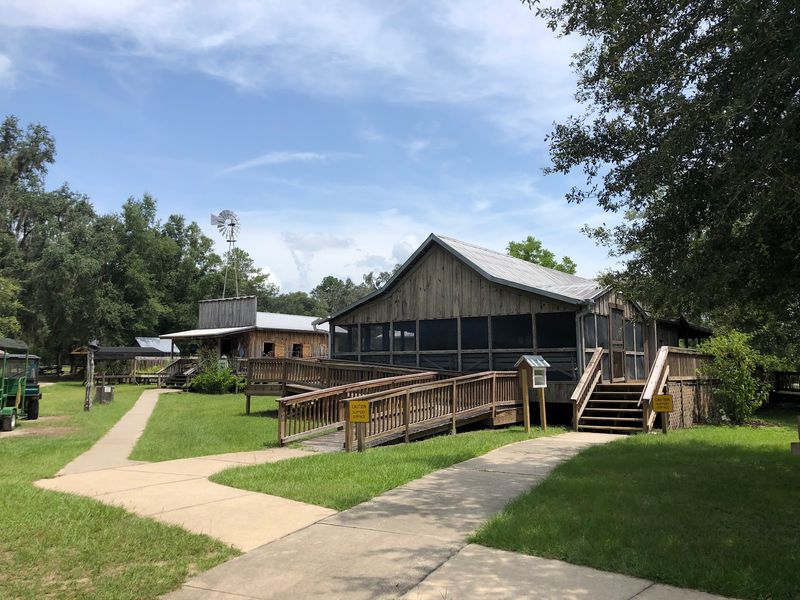
Dudley Farm works hard ensuring everyone can experience this slice of history, regardless of physical limitations or age. The visitor center provides sand-capable wheelchairs free of charge, allowing mobility-impaired guests to navigate the grounds comfortably.
Trails accommodate these specialized wheelchairs, and the short distance from parking to farmstead buildings keeps walking manageable for those with limited stamina. Multiple reviewers specifically mentioned the excellent accessibility, which many historic sites struggle to provide without compromising authenticity. Plenty of shaded areas offer rest spots, crucial for both accessibility and surviving Florida heat.
Families with young children find the farm particularly welcoming. The hands-on elements like the working water pump, live animals, and open spaces for kids to explore make this educational without feeling like a lecture. Teachers regularly bring field trips here, and the park accommodates groups smoothly.
Clean bathrooms, mentioned repeatedly in reviews, matter more than many realize when planning family outings. Knowing facilities are well-maintained removes a major source of stress for parents and makes longer visits feasible. The combination of educational value, entertainment for kids, reasonable pricing, and practical amenities explains why families return multiple times despite the farmstead itself not changing much between visits.