This Tampa Farm Lets You Become a Nanny for Baby Goats in Pajamas
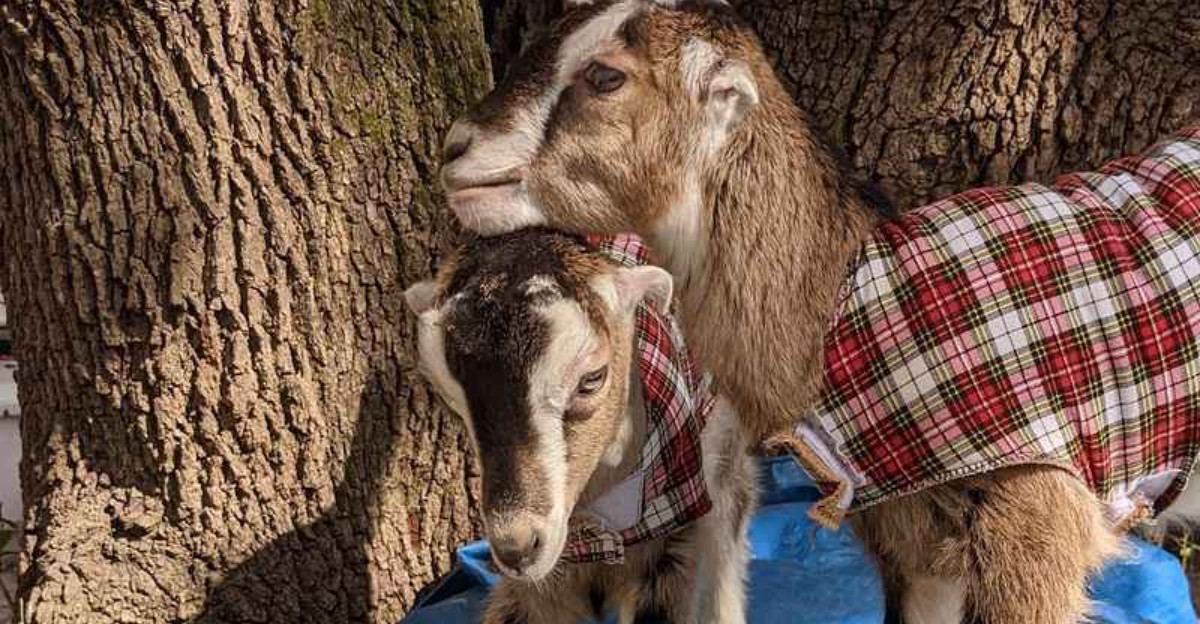
In the Tampa suburbs, The Dancing Goat offers an experience you won’t find anywhere else in Florida. This small dairy farm invites visitors to cuddle baby goats, bottle-feed adorable kids, and even volunteer as a goat nanny for the day. Owner Pam has created a slice of country heaven where families can connect with farm animals, learn about sustainable agriculture, and leave with fresh goat milk, eggs, and handmade soaps.
1. Snuggle Sessions with Baby Goats in Adorable Outfits
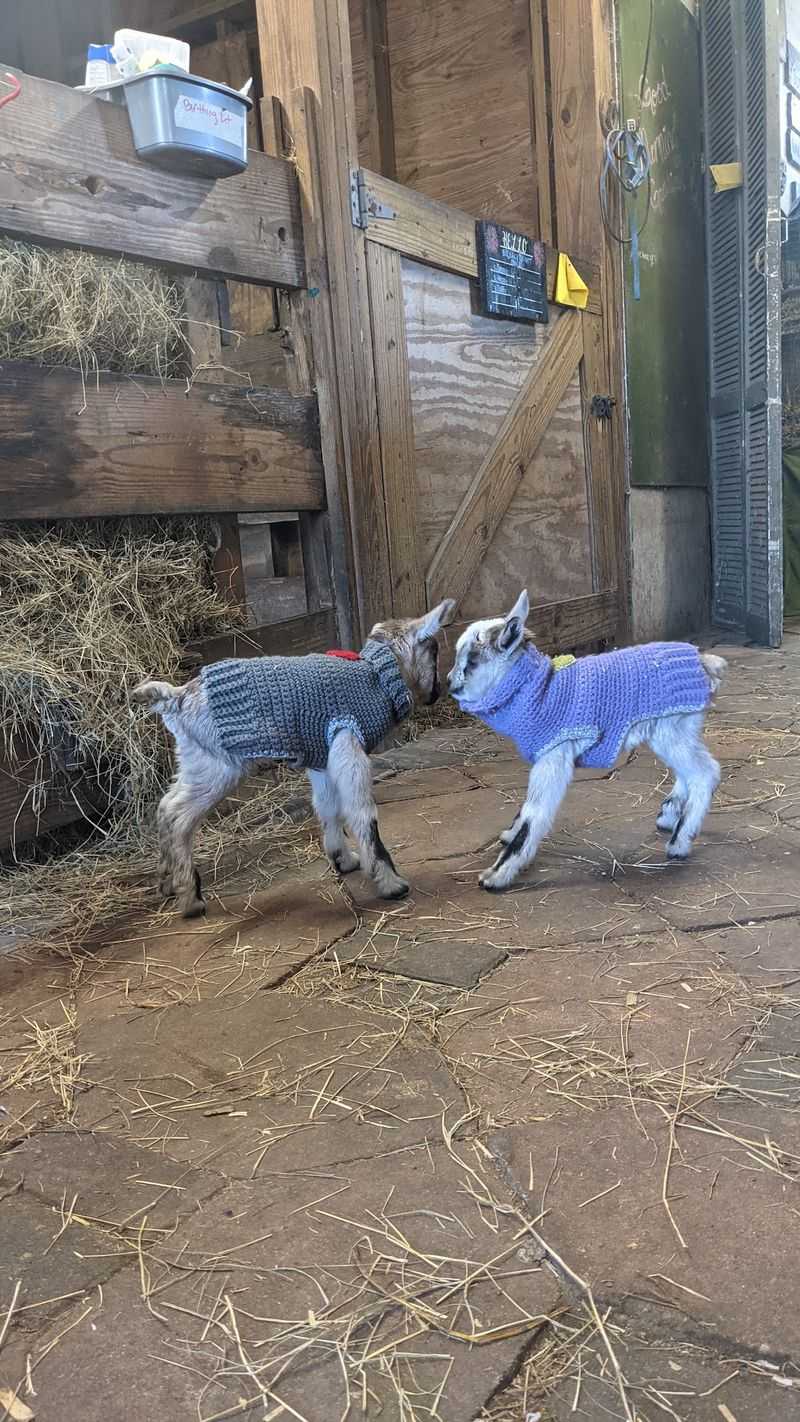
Baby goats at The Dancing Goat don’t just melt hearts with their tiny bleats and playful hops. They do it while wearing the most ridiculously cute pajamas and sweaters you’ve ever seen. Pam dresses the youngest kids in soft fabrics to keep them warm, and the result is pure Instagram gold.
Visitors get hands-on time with these pint-sized cuties during open hours on Sundays and Wednesdays. You can hold them, bottle-feed them, and watch them bounce around like tiny acrobats. The goats are friendly and used to human interaction, making this perfect for families with young children.
Each baby has its own personality. Some are bold and curious, climbing onto laps without hesitation. Others are shy at first but warm up quickly once they spot a bottle of milk.
The farm rotates which babies come out for visits, so every trip offers something new.
Photography is encouraged, and trust me, you’ll want proof of the moment a goat in polka-dot PJs falls asleep in your arms. The experience is included with your farm visit, and no reservations are needed during regular hours. Just show up ready to fall in love with the fluffiest, most fashionable farm babies in Tampa.
2. Volunteer as a Goat Nanny and Learn Farm Life
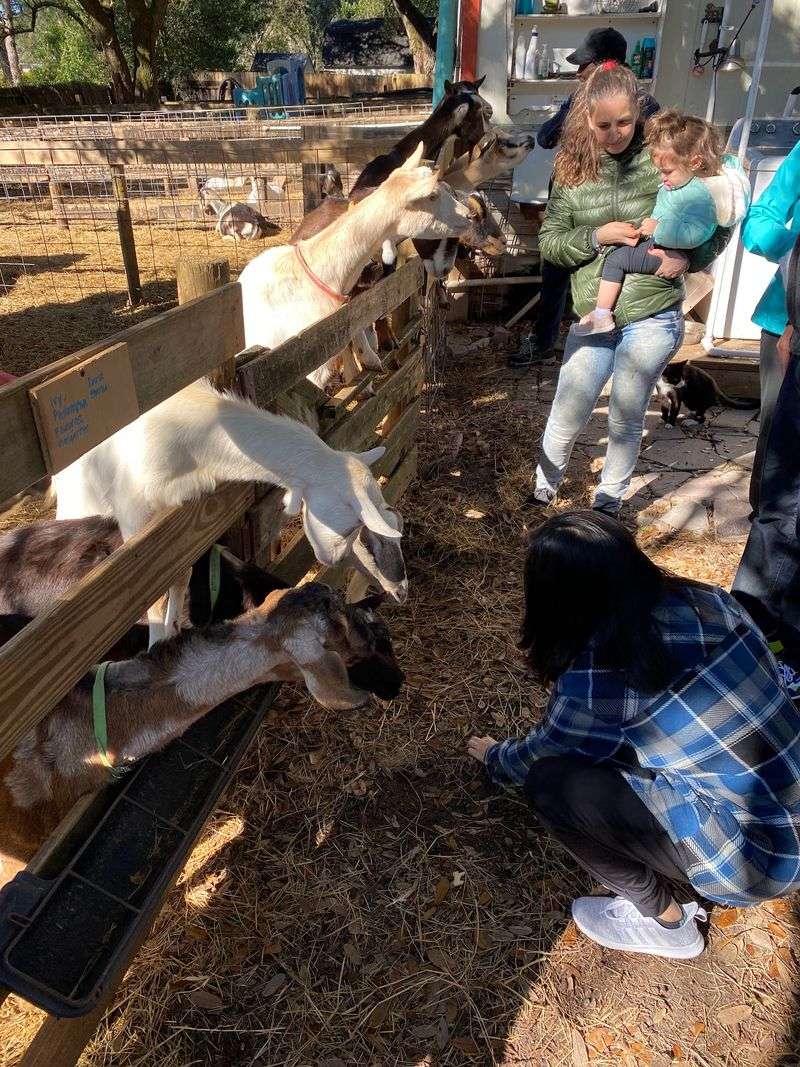
Becoming a goat nanny at The Dancing Goat means rolling up your sleeves and diving into real farm work. Volunteers are the backbone of this operation, helping with feeding schedules, cleaning pens, milking goats, and socializing the animals. Pam welcomes helpers of all ages and experience levels, though kids should come with a parent.
A typical volunteer shift involves preparing bottles for baby goats, mucking out stalls, refreshing water buckets, and spending quality time with the herd. You’ll learn how to properly hold a kid, recognize signs of health or distress, and understand the daily rhythms of dairy farming. It’s educational, therapeutic, and surprisingly addictive.
Many volunteers return week after week, forming bonds with specific goats and becoming part of the farm family. The work is physical but rewarding, and you’ll leave with dirt under your nails and a smile on your face. One long-time volunteer described it as “the best free therapy session” you can get.
Interested helpers should call ahead to arrange a volunteer day. Wear clothes you don’t mind getting messy, bring gloves if you have them, and prepare for an experience that might just change how you think about where your food comes from. The farm operates primarily on volunteer power, so your help truly makes a difference.
3. Fresh Goat Milk That Tastes Nothing Like the Store Version
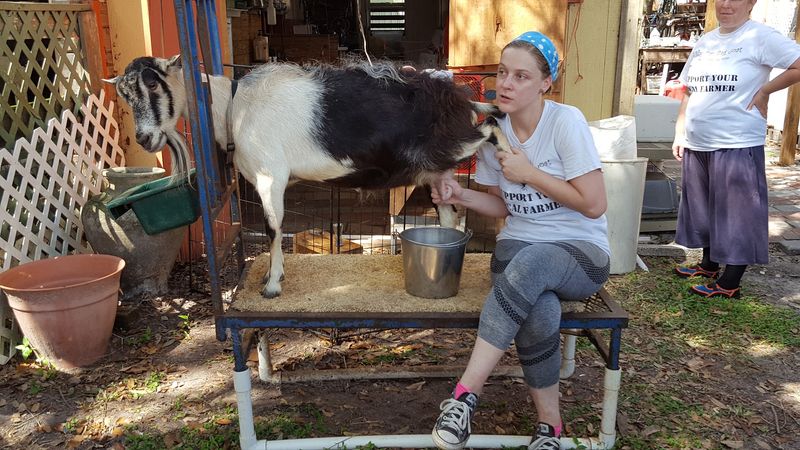
If you’ve only tried goat milk from a grocery store carton, prepare to have your mind blown. The Dancing Goat’s fresh, raw goat milk tastes completely different from the shelf-stable version. It’s creamy, slightly sweet, and lacks that strong “goaty” flavor many people associate with commercial goat milk.
Customers drive up to an hour each way just to stock up on this liquid gold. Some buy it for health reasons, others because their pets thrive on it, and many simply because it tastes incredible in coffee, smoothies, or straight from the glass. The milk comes from Nigerian Dwarf goats that graze on quality feed and receive excellent care.
Pam is transparent about her farming practices and happy to answer questions about how the milk is produced. The goats are milked by hand or with small machines, and the milk is immediately chilled and bottled. You can taste the difference that fresh, careful handling makes.
Regular customers often pre-order their weekly supply to ensure they get their share, especially during times when production is lower. The farm also makes yogurt, kefir, and cheese from the milk. Bring cash or use Zelle for payment, and don’t be surprised if your cat goes absolutely bonkers for it too.
4. Farm-Fresh Eggs from Chickens, Ducks, and Quail
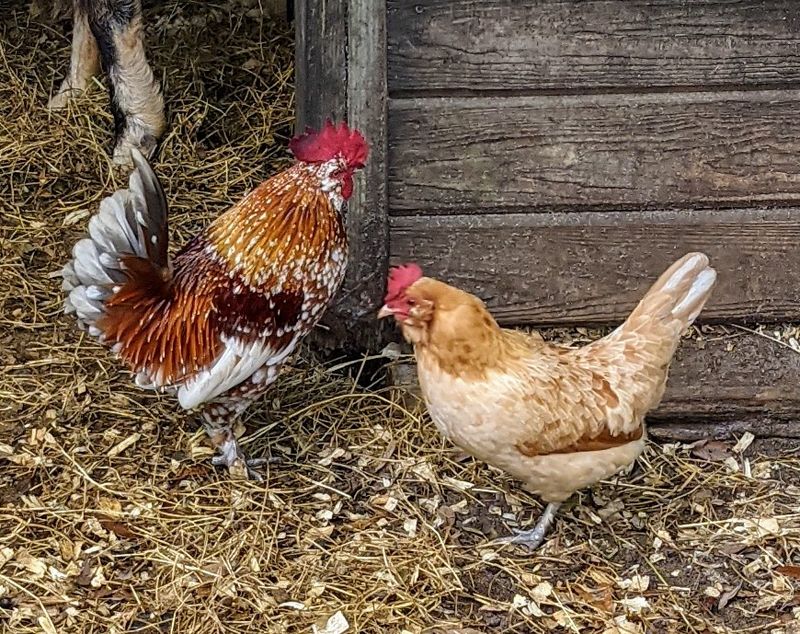
The egg selection at The Dancing Goat reads like a fancy brunch menu. You can choose from regular chicken eggs, rich duck eggs perfect for baking, or tiny quail eggs that pack surprising flavor. Each type offers different nutritional benefits and culinary uses, and all taste worlds better than anything from a supermarket.
The chickens roam freely around the property, scratching in the dirt and living their best lives. Roosters crow as you walk up to the farm stand, and if you’re lucky, you might spot a hen proudly announcing she’s just laid an egg. The ducks waddle around their pond area, and the quail are housed in cozy coops designed for their specific needs.
Loyal customers have been buying eggs from Pam for over a decade, some making weekly trips without fail. During shortages, she prioritizes these regulars to ensure they’re not left scrambling (pun intended). The eggs sell out quickly, especially on market days, so arriving early or pre-ordering is smart.
Fresh eggs have firmer whites, brighter yolks, and richer flavor than store-bought versions. They’re also laid by birds you can actually see living happy, healthy lives. Bring your own carton if you have one, or purchase eggs in recycled containers from the farm.
5. Handmade Goat Milk Soap and Skincare Products
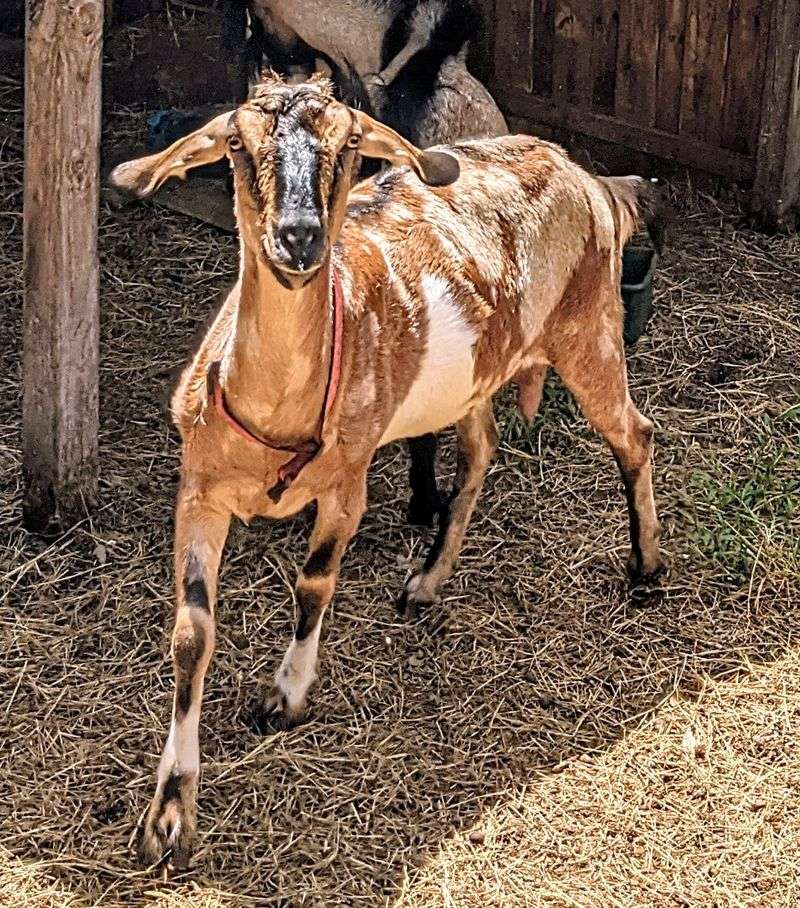
The Dancing Goat’s handmade soaps have developed a cult following among customers who swear by their skin-soothing properties. Made with fresh goat milk from the farm’s own herd, these bars are gentle enough for sensitive skin yet effective for everything from eczema to seasonal dryness. The natural fats in goat milk create a creamy lather that leaves skin soft without stripping natural oils.
Each batch is crafted in small quantities using traditional methods and natural ingredients. Scents range from lavender and oatmeal to unscented options for those with allergies or fragrance sensitivities. The bars last longer than commercial soaps because they’re cured properly and contain no fillers or harsh detergents.
One enthusiastic customer mentioned getting a “goat milk facial” from a volunteer nicknamed Cat Daddy, who apparently shows up occasionally and shares his skincare wisdom. Whether or not you encounter this mysterious soap evangelist, the products speak for themselves. People buy them for their families, their pets, and as gifts for friends dealing with skin issues.
The soap is available at the farm during open hours and at various Saturday markets around the Tampa Bay area. Prices are reasonable considering the quality and the fact that you’re supporting a small, local operation. Stock up when you visit because once you try it, you’ll never want to go back to regular soap.
6. Meet the Rescue Cats Who Run the Farm
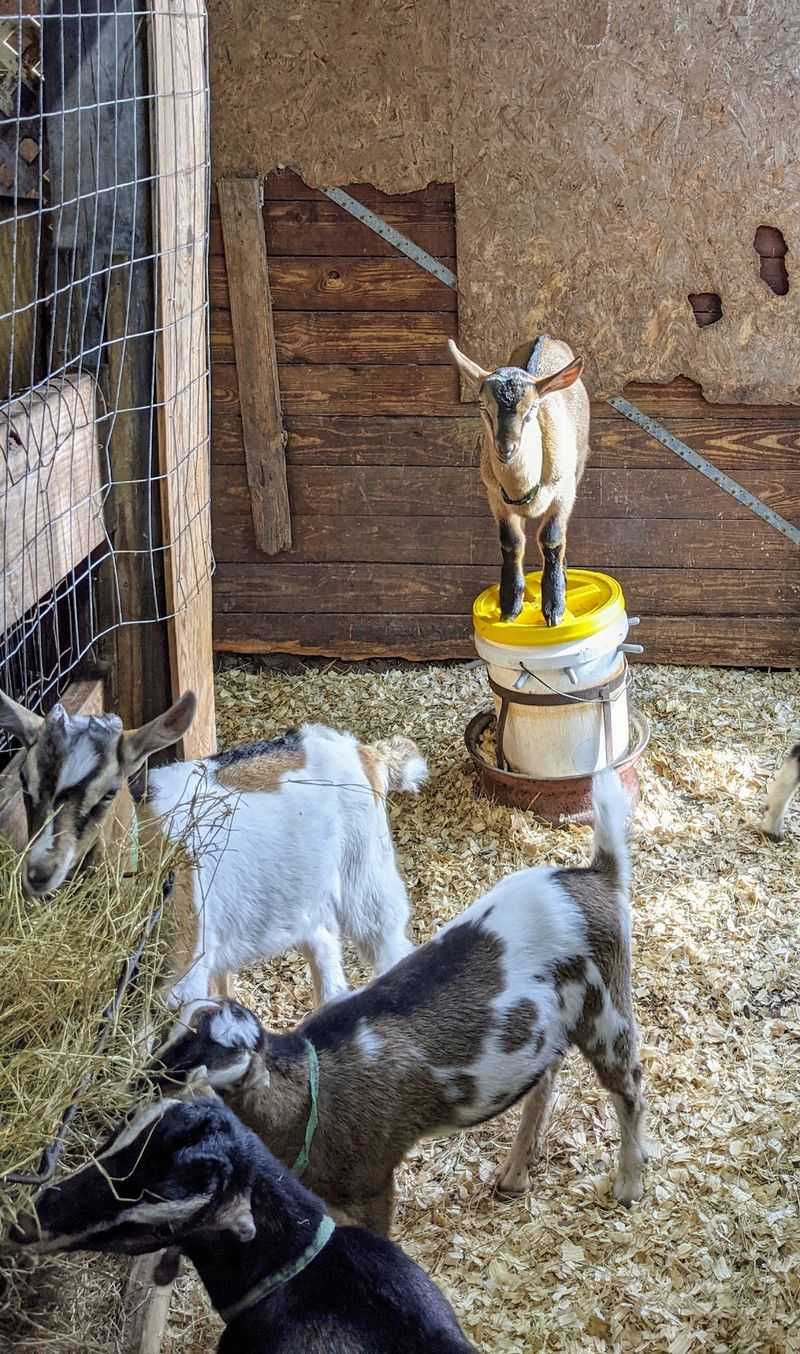
The Dancing Goat isn’t just a haven for goats and poultry. It’s also home to a crew of rescue cats who basically own the place. These felines were saved from various situations and given a permanent home where they can live out their days in safety.
They lounge on hay bales, patrol the barns for mice, and demand attention from every visitor who walks through the gate.
Each cat has its own personality and backstory. Some are social butterflies who’ll rub against your legs and purr for scratches. Others prefer to observe from a distance, content to supervise farm operations from their favorite sunny spots.
One reviewer mentioned that petting the kitties was their favorite part of visiting the farm.
The cats serve an important role in the farm ecosystem, keeping rodent populations in check naturally. In return, they get food, veterinary care, and all the love they can handle. It’s a win-win situation that reflects Pam’s commitment to animal welfare across species.
If you’re a cat person, bring some extra time to your farm visit. These furry residents are just as much a part of the experience as the goats. They’re proof that The Dancing Goat is more than a dairy operation.
It’s a genuine animal sanctuary where every creature gets a second chance.
7. Free Manure for Your Garden (Bring Your Own Shovel)
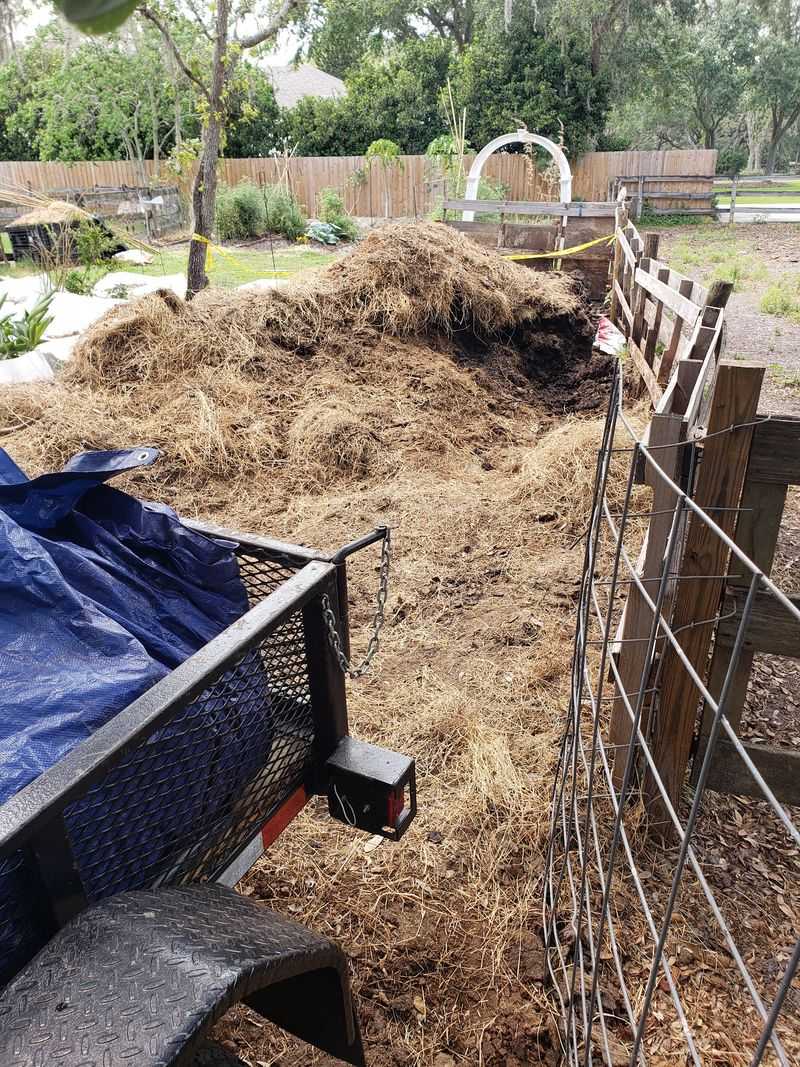
Gardeners, this one’s for you. The Dancing Goat offers free manure to anyone willing to do the work of loading it themselves. All you need is a shovel, some buckets or bags, gloves, and what one reviewer called “a strong constitution.” Leave your Sunday shoes at home and prepare to get a little dirty in exchange for black gold for your garden.
Animal manure is one of the best natural fertilizers you can use. It enriches soil with nutrients, improves drainage and water retention, and feeds beneficial microorganisms. The farm produces plenty of it thanks to the goats, chickens, ducks, and other animals on the property.
Rather than let it go to waste, Pam makes it available to the community.
Call ahead to confirm hours and availability before showing up with your truck and tools. The manure area is accessible, but you’ll be doing all the loading yourself. Think of it as a free workout combined with free fertilizer.
Your tomatoes and peppers will thank you come harvest time.
This offering perfectly captures the farm’s community-focused philosophy. Nothing goes to waste, neighbors help each other out, and sustainable practices benefit everyone. Whether you’re growing vegetables, flowers, or trying to revive a sad lawn, this nutrient-rich amendment will make a noticeable difference.
Just remember to compost it properly before applying it to edible plants.
8. Australian Birds and Other Unexpected Farm Residents
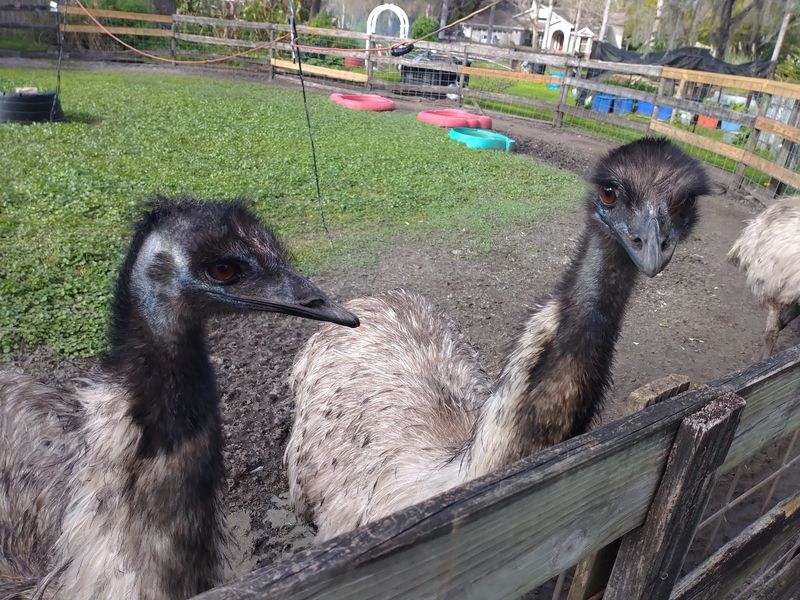
Just when you think you’ve seen everything The Dancing Goat has to offer, you spot an emu strutting around like it owns the place. This Tampa farm is home to several Australian birds that add an exotic twist to the typical farm experience. Visitors are often surprised to encounter these large, curious birds alongside the more traditional farm animals.
Emus are flightless birds native to Australia, and they’re surprisingly well-suited to Florida’s climate. They’re intelligent, social, and have personalities that range from friendly to hilariously aloof. Watching them interact with the goats and other animals is entertainment in itself.
One reviewer specifically mentioned how cool it was to see Australian birds so close to downtown Tampa.
The farm also houses other unexpected residents beyond the emus. The mix of animals creates a mini wildlife sanctuary where visitors can learn about species they wouldn’t normally encounter. It’s educational for kids and adults alike, sparking conversations about biodiversity, animal care, and conservation.
This eclectic animal collection reflects Pam’s passion for providing homes to creatures that need them. Whether they’re traditional farm animals or more unusual species, every resident receives the same level of care and attention. The result is a farm experience that’s anything but ordinary, where every visit brings the possibility of meeting someone new and feathered.