This Underrated Florida Town Is Quietly Becoming the State’s Next Big Destination
Dunedin is shedding its quiet reputation and emerging as one of the state’s most exciting destinations. While tourists flock to crowded theme parks and overdeveloped beaches, this charming town offers something refreshingly different: authentic Scottish heritage, pristine island parks, and a thriving downtown that feels more like a friendly neighborhood than a tourist trap. With its award-winning craft breweries, stunning natural beauty, and walkable streets lined with local shops, Dunedin is proving that sometimes the best vacation spots are the ones you haven’t heard about yet.
1. Downtown Dunedin’s Main Street Magic
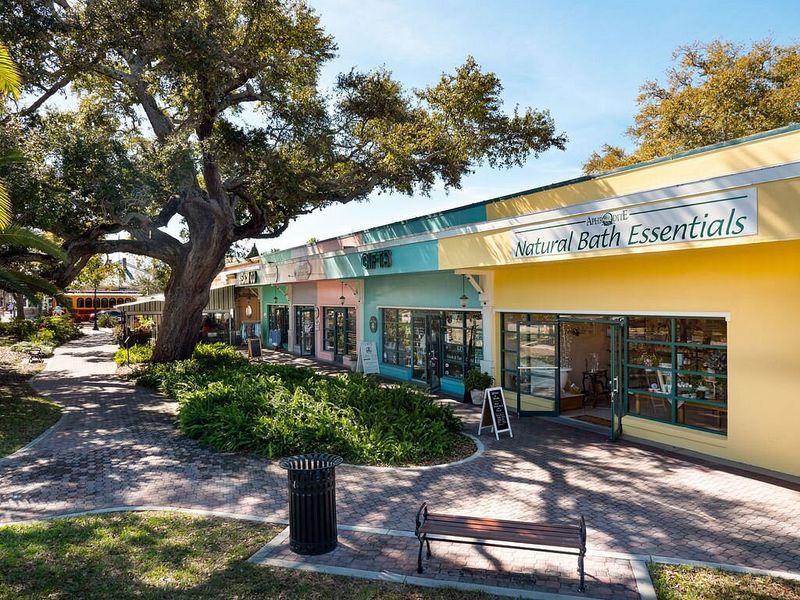
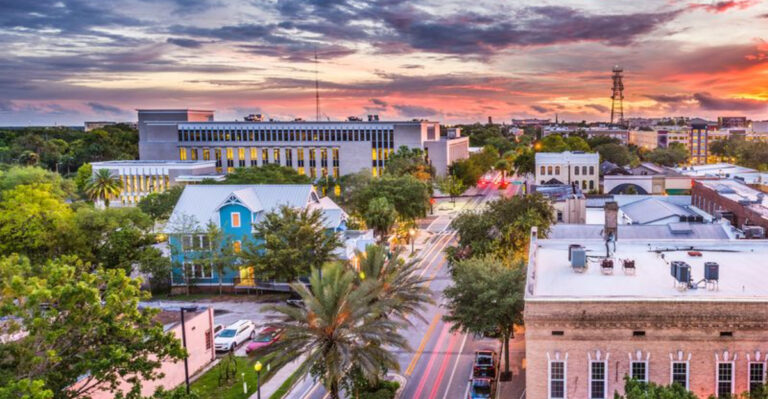
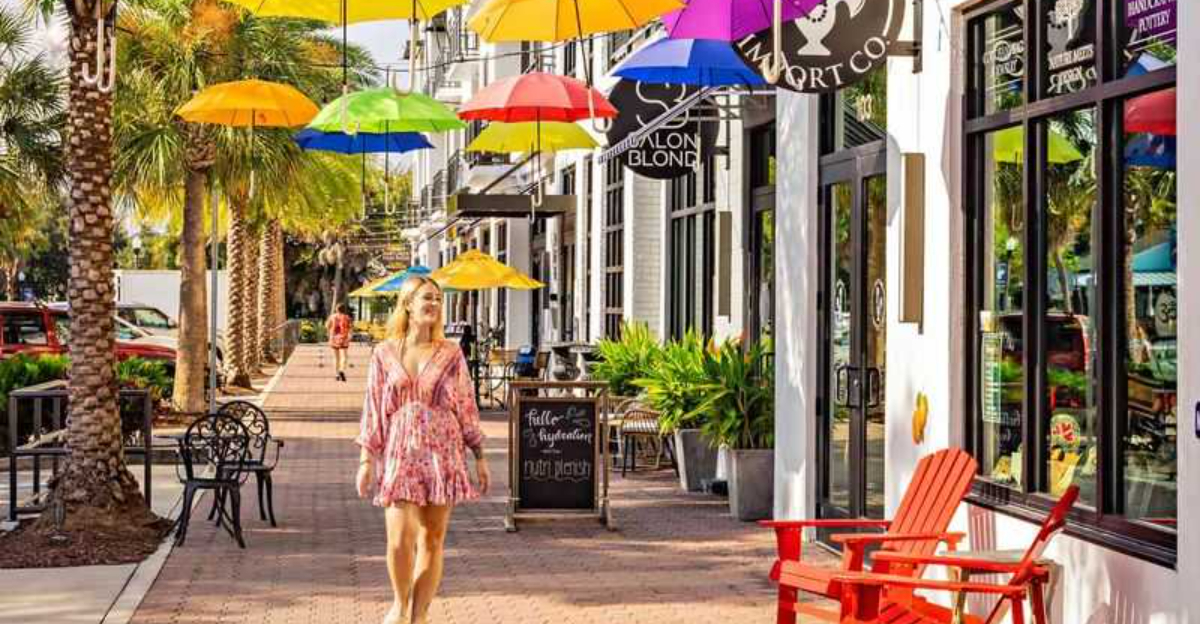
Walking down Main Street in downtown Dunedin feels like stepping into a storybook version of Old Florida mixed with Scottish charm. The street stretches for blocks, packed with locally owned boutiques, art galleries, and restaurants that actually care about what they serve. You won’t find the usual chain stores here—just real businesses run by people who live in town and know your name after one visit.
The Scottish heritage shows up in unexpected ways, from bagpipe performances during festivals to the annual Highland Games that bring kilts and caber tosses to the Gulf Coast. But it’s not all tartan and tradition. The downtown has evolved into a foodie paradise with farm-to-table restaurants, craft cocktail bars, and coffee shops that roast their own beans.
Street parking is free, which is practically unheard of in popular Florida beach towns. The sidewalks are wide enough for comfortable strolling, and there are plenty of benches and shaded spots to rest. Thursday evenings bring live music to the streets, and the vibe is more community gathering than tourist spectacle.
Local shops sell everything from handmade jewelry to vintage vinyl records. The owners are usually there working, happy to chat about their products or recommend other spots in town worth visiting.
2. Honeymoon Island State Park’s Untouched Beaches
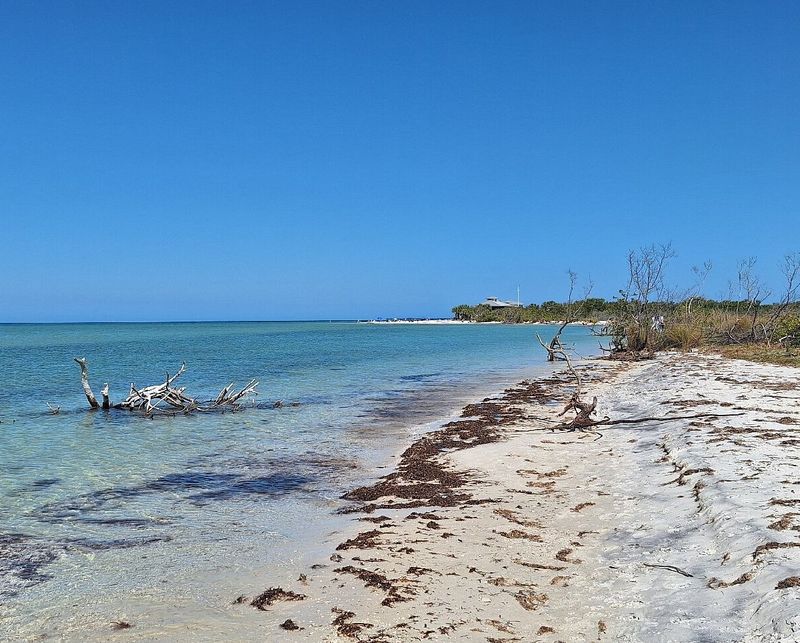
Most Florida beaches have been paved, developed, and packed with high-rise condos until they barely resemble nature anymore. Honeymoon Island stands as a beautiful exception. This 385-acre barrier island remains largely wild, with four miles of beaches that look almost exactly as they did centuries ago.
The sand is soft white powder that squeaks under your feet. The water transitions from pale turquoise to deep blue as you wade out, and it’s usually calm enough for kids to splash around safely. Unlike crowded tourist beaches, you can actually find a spot to spread your towel without sitting on top of strangers.
The island got its name in the 1940s when it was marketed as a honeymoon destination with thatched-roof bungalows. Those are long gone, but the romantic appeal remains. Couples walk the shoreline at sunset while ospreys circle overhead, fishing in the shallow waters.
Beyond the beach, nature trails wind through coastal hammocks where gopher tortoises lumber across the path and armadillos rustle in the underbrush. The north end of the island is a designated critical wildlife area where shorebirds nest undisturbed. Bring binoculars if you’re into birdwatching—over 200 species have been spotted here, including bald eagles and peregrine falcons during migration season.
3. Dunedin Brewery and the Craft Beer Boom
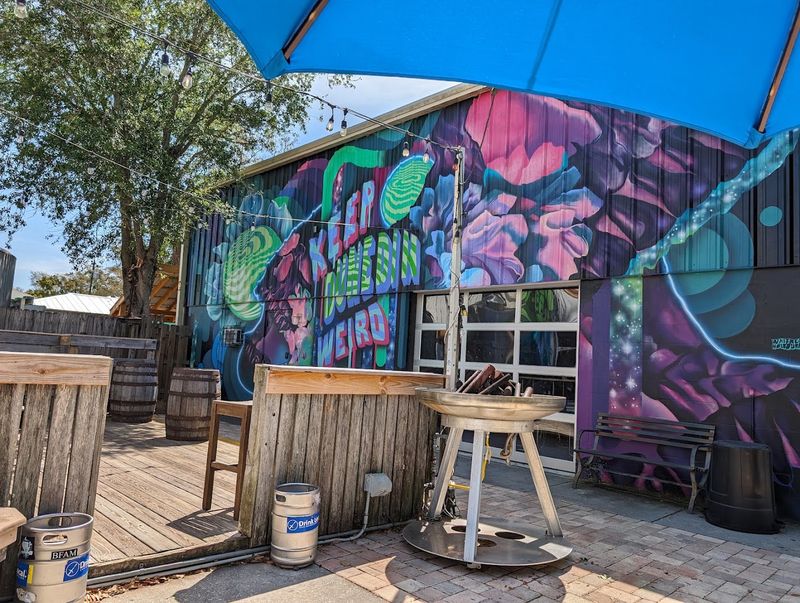
Dunedin Brewery opened in 1996 as Florida’s oldest microbrewery, back when craft beer was still a weird hobby for beer snobs. Now it’s a destination that draws beer lovers from across the state, and it kicked off a brewing renaissance that’s transformed the town into a legitimate craft beer hub.
The brewery itself occupies a converted warehouse with a laid-back taproom where locals and visitors mix easily. The flagship Apricot Peach Ale has won national awards, but the rotating seasonal selections show real creativity—sour beers, barrel-aged stouts, and experimental IPAs that push boundaries without getting gimmicky. Food trucks park outside most evenings, solving the age-old problem of what to eat with your beer.
What makes Dunedin special isn’t just one brewery, though. Within walking distance of downtown, you’ll find several other craft breweries, each with its own personality. Caledonia Brewing leans into the Scottish theme with traditional ales.
Cueni Brewing focuses on Belgian-style beers. The scene feels collaborative rather than competitive, with brewers sharing ingredients and ideas.
Beer festivals happen regularly, including the Dunedin Beer Festival that takes over downtown each winter. The crowds are enthusiastic but not obnoxious—more beer appreciation than beer pong. Between the quality, variety, and chill atmosphere, Dunedin has become Florida’s answer to craft beer towns like Asheville or Portland.
4. Pinellas Trail for Biking and Walking
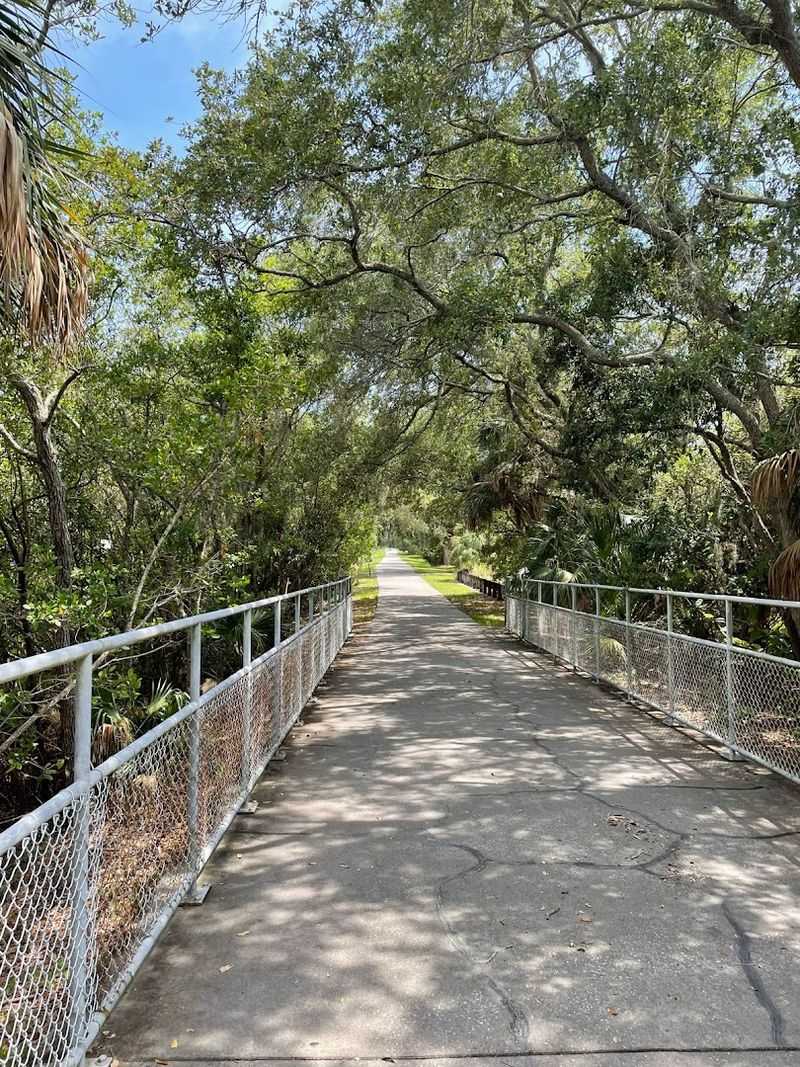
The Fred Marquis Pinellas Trail runs 47 miles from Tarpon Springs to St. Petersburg, and some of the most scenic stretches pass right through Dunedin. This paved multi-use path follows an old railroad corridor, separated from car traffic and lined with trees that provide shade during hot summer rides.
Dunedin embraces the trail like few other towns along the route. Downtown businesses cater to cyclists with bike racks, water stations, and trail-friendly menus. You can rent bikes from several shops if you didn’t bring your own, including options for tandem bikes, electric-assist models, and even specialty recumbent bikes.
The trail connects Dunedin to Honeymoon Island via the Dunedin Causeway, creating a car-free route from downtown to the beach. Riding over the causeway offers stunning views of St. Joseph Sound, with dolphins often visible in the water below. Early morning rides might reward you with manatee sightings in the shallow areas.
Local cyclists treat the trail as a social hub, not just transportation. Group rides happen regularly, from casual Sunday morning coffee rides to faster-paced training sessions. The trail also hosts organized events like charity rides and fun runs throughout the year.
For visitors, the trail provides easy access to explore beyond downtown without dealing with Florida’s notoriously car-centric infrastructure. You can bike to nearby towns, beaches, and parks, turning a simple ride into a full day of exploration.
5. Caladesi Island’s Kayaking Paradise
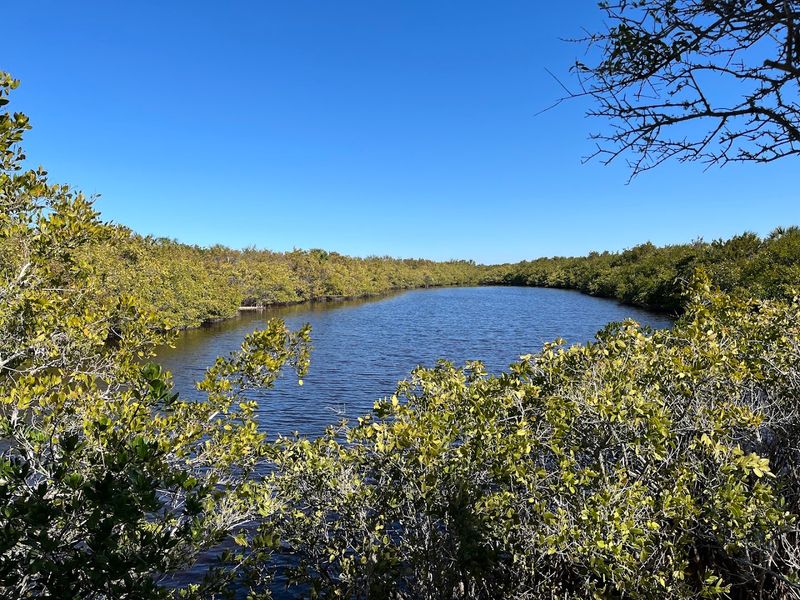
Accessible only by boat, Caladesi Island State Park represents Florida’s wild side—the version that existed before developers paved everything. The island consistently ranks among America’s best beaches, but the real magic happens in the mangrove forests that fringe its interior waters.
Kayaking through these mangrove tunnels feels like entering another world. The twisted roots create natural archways overhead, filtering sunlight into dappled patterns on the water. The channels wind through the forest in a maze that’s easy to get lost in, though marked trails help paddlers find their way.
The water is so clear you can watch fish dart beneath your kayak and spot blue crabs scuttling along the bottom.
You can rent kayaks on Honeymoon Island and paddle across to Caladesi, or take the ferry if you prefer. The three-mile kayak trail through the mangroves takes about two hours at a relaxed pace, with plenty of spots to pause and watch for wildlife. Dolphins sometimes follow kayakers, curious about the colorful boats invading their territory.
Birdwatchers love Caladesi because the mangroves shelter species you won’t see elsewhere. Roseate spoonbills wade through shallow water, their pink plumage brilliant against the green foliage. Great blue herons stand motionless, waiting to strike at passing fish.
During nesting season, the trees fill with white ibis and various egret species.
6. Year-Round Festivals and Community Events
Small towns either die quietly or they build community through shared celebrations. Dunedin chose the latter, packing its calendar with festivals that bring residents and visitors together in genuine celebration rather than manufactured tourist experiences.
The Highland Games each spring transform the town into a Scottish playground. Athletes compete in traditional events like caber toss and stone put, while bagpipe bands fill the air with music that’s surprisingly moving even if you have no Scottish ancestry. Vendors sell meat pies, shortbread, and other Scottish treats alongside booths explaining clan histories and tartans.
Thursday night concerts on Main Street happen throughout the year, featuring local and regional musicians playing everything from blues to reggae. People bring lawn chairs or blankets, grab food from nearby restaurants, and settle in for free entertainment. Kids run around while adults chat with neighbors—it’s small-town America at its best.
The Dunedin Fine Art Center hosts regular exhibitions and art festivals, showcasing work from local artists alongside nationally recognized names. The Mardi Gras celebration rivals bigger cities for enthusiasm, with parades, beads, and king cake, but maintains a family-friendly vibe. Fall brings Oktoberfest, naturally, given the town’s brewing culture.
These aren’t events designed to extract money from tourists. They’re genuine community gatherings that welcome visitors as guests rather than wallets. The authenticity makes all the difference.
7. Affordable Waterfront Dining with Gulf Views
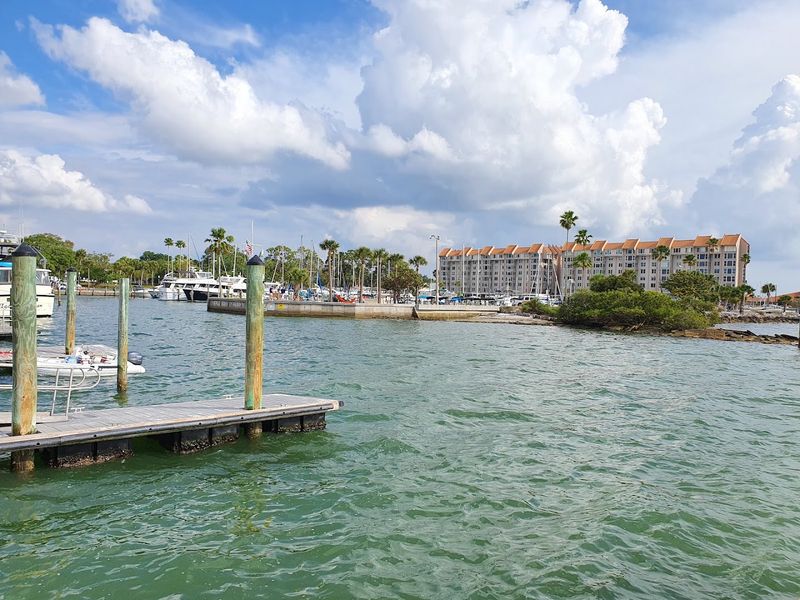
Finding waterfront dining in Florida usually means choosing between overpriced tourist traps serving frozen food or exclusive restaurants requiring reservations weeks in advance. Dunedin offers a refreshing alternative: casual waterfront spots where the food is actually good and the prices won’t ruin your vacation budget.
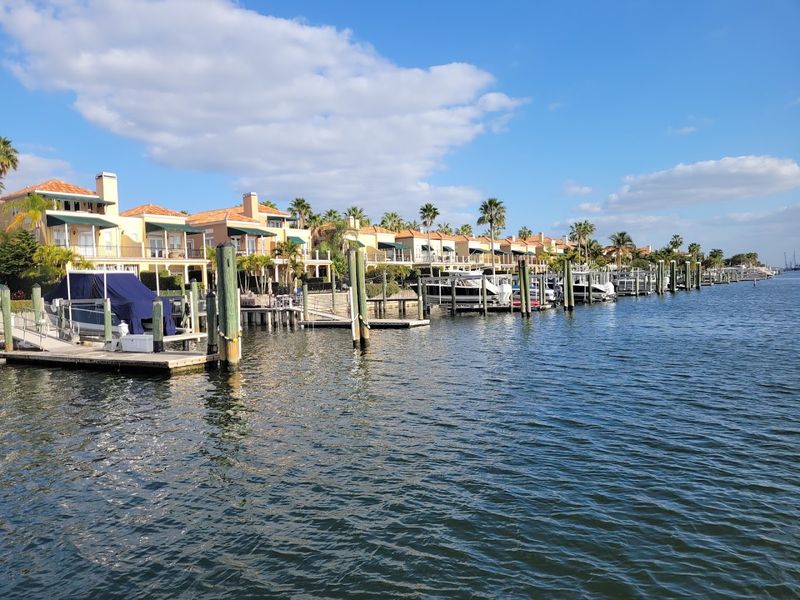
Several restaurants line the marina and waterfront areas with outdoor seating that catches Gulf breezes and offers views of boats bobbing in their slips. You can watch pelicans dive for fish while eating grouper sandwiches that were swimming in local waters yesterday. The atmosphere is flip-flops and shorts, not jackets required.
Bon Appetit sits right on the water with a menu that changes based on what’s fresh. Their seafood comes from local fishermen, and they’re not shy about telling you exactly where your dinner was caught. The prices are reasonable enough that families can afford to eat there multiple times during a week-long visit.
Kelly’s Caribbean Bar Grill and Brewery combines craft beer with island-inspired food on a deck overlooking the marina. Sunset happy hour draws crowds for half-price appetizers and drink specials, but even regular prices won’t shock you. The grouper tacos and conch fritters consistently earn praise from locals who know good seafood.
These restaurants succeed because they serve the local community first, not just tourists passing through. That keeps quality high and gimmicks low.
8. Growing Arts Scene and Cultural Attractions
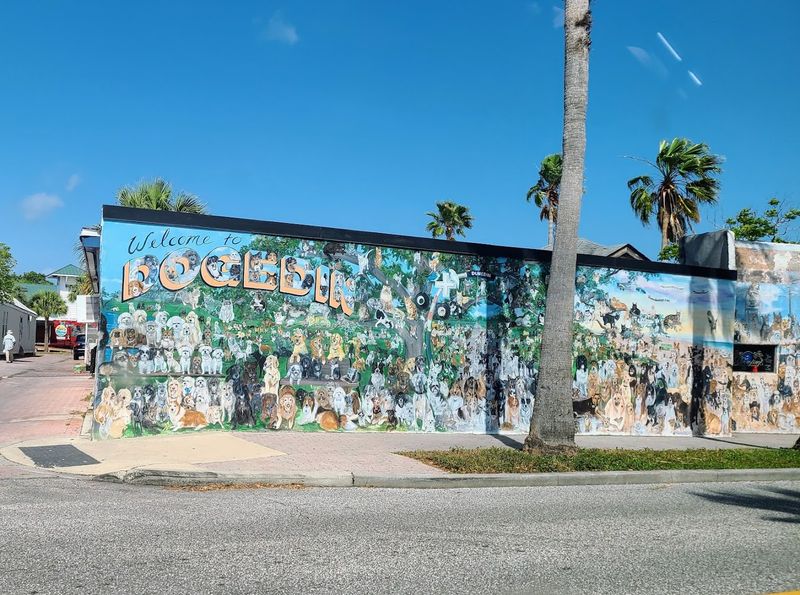
Arts communities often struggle in beach towns where tourism and development push out everything that isn’t immediately profitable. Dunedin has somehow managed to nurture a thriving arts scene that adds depth to the town’s appeal without feeling forced or artificial.
The Dunedin Fine Art Center anchors the cultural landscape with rotating exhibitions, classes, and workshops. The building itself is architectural eye candy, and the galleries showcase everything from traditional landscapes to cutting-edge contemporary work. They offer classes for all skill levels, so visitors can take a painting workshop or pottery lesson during their stay.
Smaller galleries dot Main Street, many run by working artists who create in studios behind the retail space. You can watch painters, jewelers, and sculptors at work, then buy pieces directly from the people who made them. The quality ranges from affordable prints to investment-worthy originals.
Street murals have transformed ordinary walls into public art installations. A walking mural tour takes you past dozens of these works, each telling stories about Dunedin’s history, ecology, or culture. Local and visiting artists contribute new pieces regularly, keeping the outdoor gallery fresh.
The Dunedin History Museum preserves the town’s past in a restored train depot. Exhibits cover everything from Native American settlements to the Scottish immigrants who gave the town its name. It’s small but well-curated, offering context that helps visitors understand what makes Dunedin unique beyond just beaches and beer.