Touch an Iceberg and Explore the Titanic at This Must-Visit Florida Exhibition
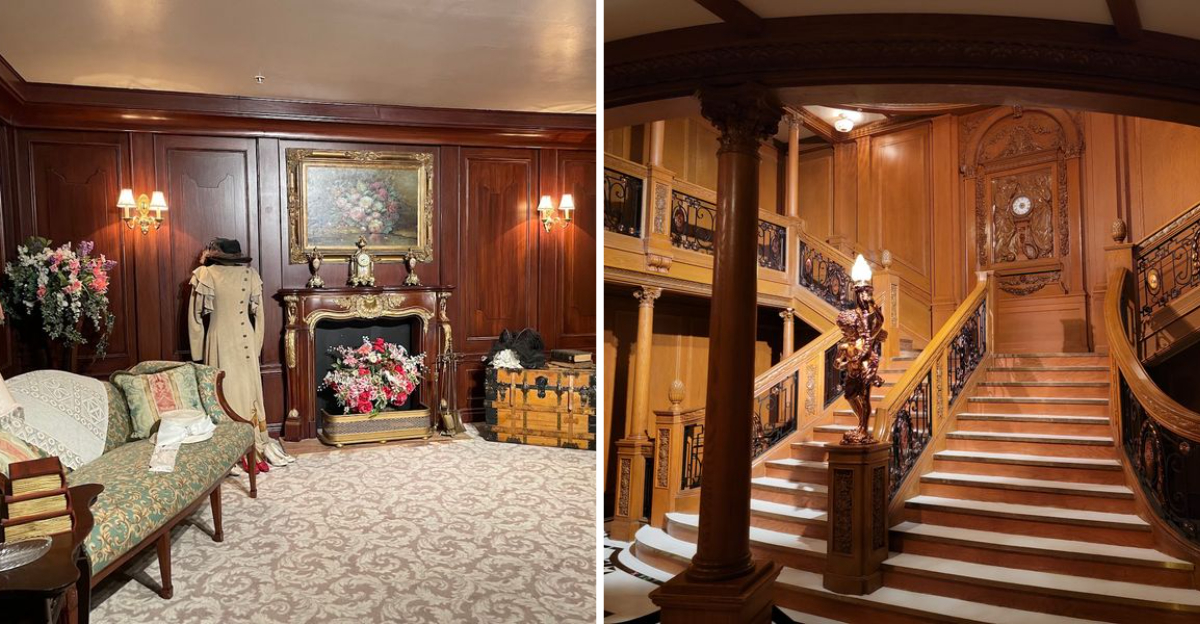
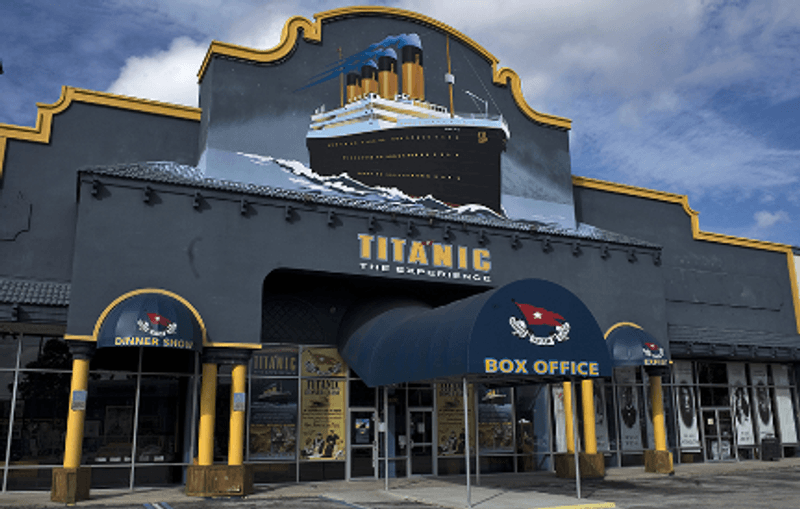
Walking through the doors of Titanic: The Artifact Exhibition in Orlando feels like stepping back to April 1912, when the world’s most famous ship set sail on its maiden voyage. Located on International Drive, this museum brings history to life with real artifacts recovered from the ocean floor, full-scale room recreations, and interactive experiences that transform visitors into passengers aboard the legendary vessel. Whether you’re a history buff, a movie fan, or just looking for an unforgettable way to escape Florida’s summer heat, this exhibition offers a powerful journey through one of the most compelling stories ever told.
Receive Your Boarding Pass and Become a Real Passenger
Right when you walk in, staff members hand you a boarding pass with the name of someone who actually sailed on the Titanic. This isn’t just a ticket stub. It’s your personal connection to history, complete with details about your assigned passenger’s age, traveling class, and reason for boarding the ship.
Reading about your passenger makes everything that follows feel incredibly personal. You might get a first-class socialite traveling with trunks full of designer clothes, or a third-class immigrant seeking a new life in America. Some passengers were famous millionaires, while others were crew members just doing their jobs.
The genius of this approach becomes clear as you move through the exhibition. Instead of reading about nameless statistics, you’re walking in someone’s actual footsteps. You start wondering about their hopes and dreams, what they packed, who they were traveling with.
Throughout the museum, you’ll spot mentions of various passengers in the displays and hear their stories during guided tours. You might even find your passenger’s name on artifacts or in photographs. The anticipation builds because you don’t know yet whether your person survived.
This boarding pass stays with you the entire visit. Keep it handy because you’ll need it at the end to discover your passenger’s fate. Many visitors report this simple piece of card stock completely changed how they experienced the exhibition.
The emotional impact hits differently when history has a face and a name. Children especially connect with this interactive element, asking questions and genuinely caring about “their” passenger. It transforms what could be just another museum visit into something deeply moving.
First-time visitors often say they weren’t expecting to feel so invested in a stranger from over a century ago. That’s exactly the point. By the time you reach the memorial wall listing all passengers and crew, you’re not just reading names anymore.
Walk the Grand Staircase Recreation
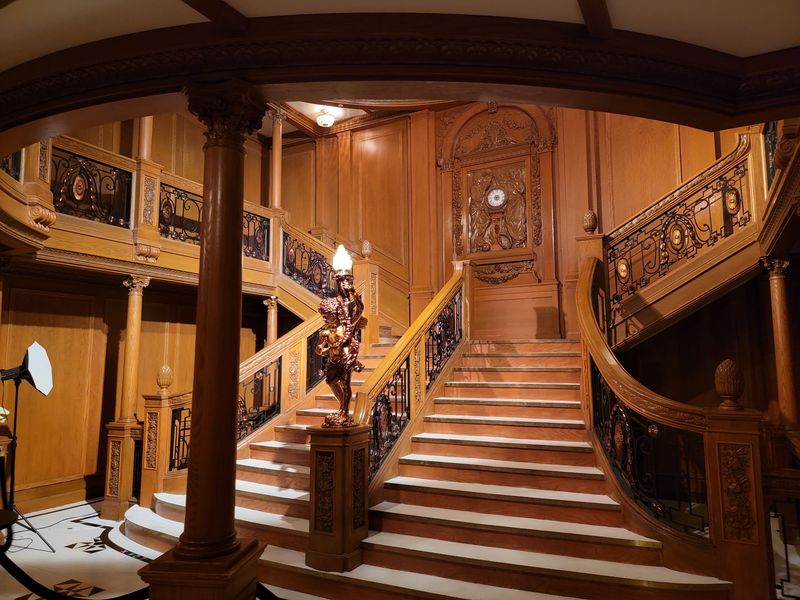
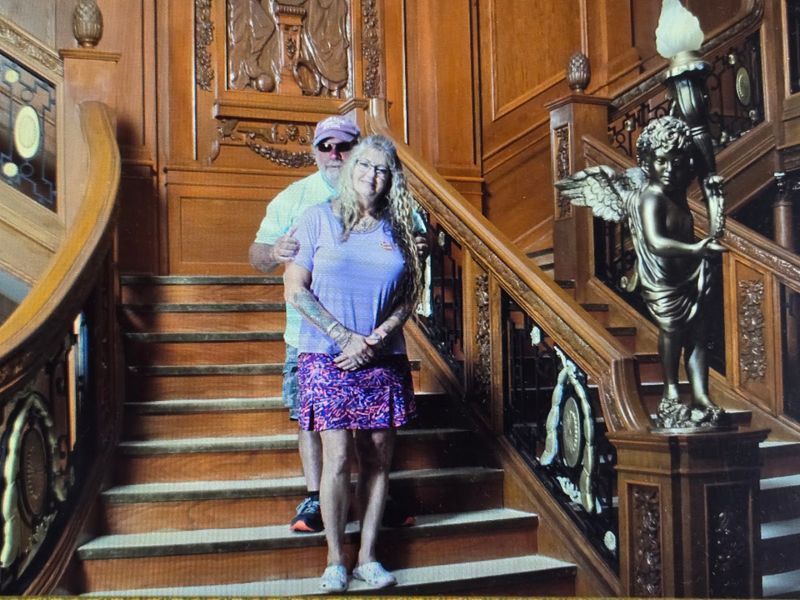
Standing at the base of the recreated Grand Staircase feels surreal, especially if you’ve seen the movie. The craftsmanship mirrors the original down to the smallest details. Carved oak paneling, ornate clock, gleaming railings that invite you to imagine wealthy passengers descending in evening wear.
This isn’t a small display tucked in a corner. The staircase stands full-scale, allowing you to actually climb the steps and feel the grandeur that made Titanic the most luxurious ship of its era. Photography is encouraged here, and staff members often offer to take pictures so your whole group can pose together.
The lighting captures that early 1900s elegance, with fixtures designed to match the originals that illuminated the real ship. You can almost hear the rustle of silk gowns and the murmur of conversation from passengers gathering before dinner. The attention to historical accuracy makes you appreciate the wealth and extravagance that defined first-class travel.
Many visitors spend significant time here, taking multiple photos and soaking in the atmosphere. It’s one of the most Instagram-worthy spots in Orlando, but more importantly, it helps you understand the stark contrast between the ship’s beauty and its tragic end.
Children love running their hands along the polished wood, while adults often pause to reflect on how this very staircase became an escape route during the sinking. The juxtaposition of luxury and disaster becomes visceral when you’re standing in a recreation of the actual space.
Tour guides share fascinating details about who used these stairs and what happened in this area as the ship went down. First-class passengers gathered here in confusion as crew members tried to maintain order. Some of the most heart-wrenching stories from that night took place on these very steps.
The Grand Staircase serves as the exhibition’s centerpiece, reminding visitors that Titanic represented the pinnacle of human achievement before becoming a symbol of tragedy.
Touch a Real Iceberg
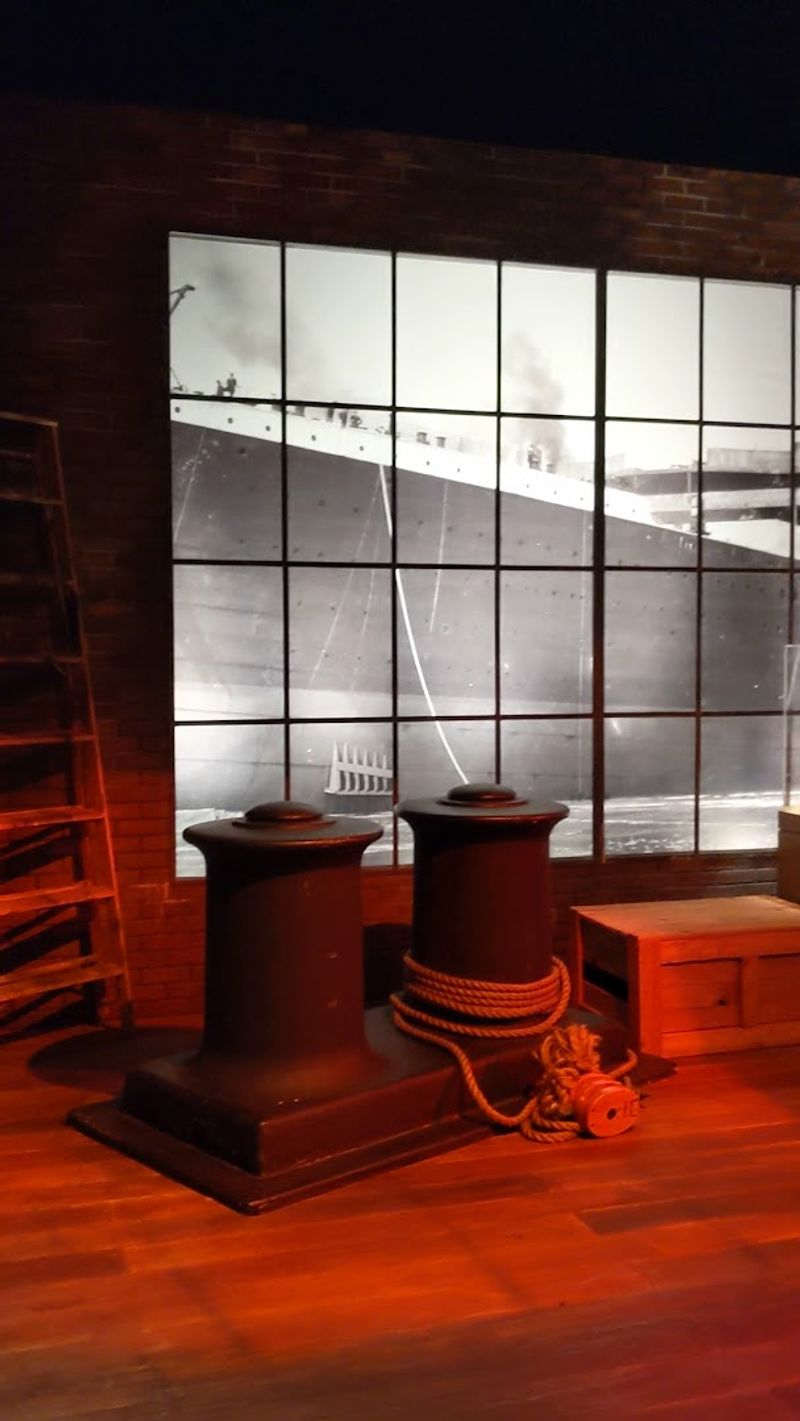
One of the most talked-about experiences involves placing your bare hands on a massive block of ice maintained at 28 degrees Fahrenheit. This simulates the temperature of the North Atlantic water on that fatal April night. Staff members encourage everyone to see how long they can keep their hands pressed against the frozen surface.
Most people last about 15 seconds before the burning cold becomes unbearable. That’s when the reality sinks in. Passengers and crew who ended up in the water faced these temperatures for minutes or even hours, wearing nothing but their nightclothes in many cases.
The iceberg display sits in a dimmed room, creating an atmosphere that helps you imagine the darkness surrounding the ship when it struck ice. Visitors often go silent here, the playful museum chatter fading as the physical sensation drives home the horror of what happened.
Children find this particularly impactful because it’s something they can actually feel rather than just read about. Parents watch as their kids yank their hands back, then explain that people in the water couldn’t simply walk away from the cold. The lesson resonates in a way that facts and figures never could.
This interactive element appears in nearly every five-star review of the exhibition. People remember the cold long after they leave, and many say it fundamentally changed how they think about the Titanic disaster. What seemed like a distant historical event suddenly feels immediate and real.
The exhibit includes information about hypothermia and how quickly it sets in at these temperatures. Most victims didn’t drown but rather succumbed to the cold within 15 to 30 minutes. Understanding this timeline while your own hands ache from brief contact creates an unforgettable teaching moment.
Staff members are always nearby to share additional context and answer questions. They explain that the actual ocean temperature that night would have felt even colder due to wind chill and the shock of sudden immersion.
View Authentic Artifacts from the Wreckage
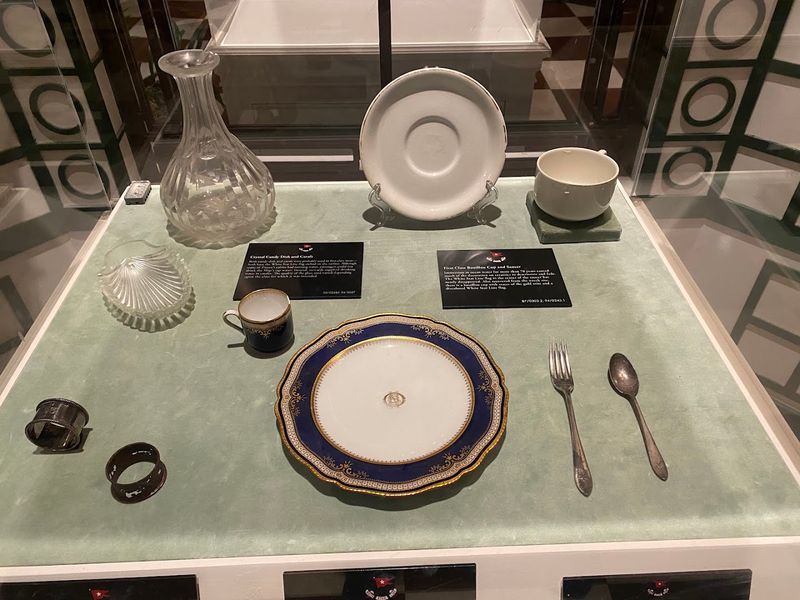
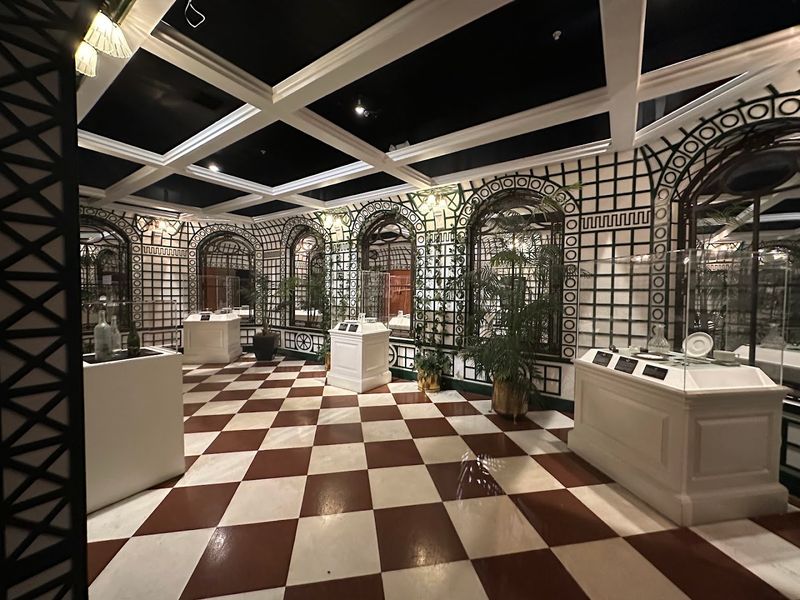
Walking past glass cases filled with items pulled from the ocean floor over two miles down creates an almost sacred feeling. These aren’t replicas or artist interpretations. They’re actual pieces of Titanic, preserved and displayed with the reverence they deserve.
You’ll see everything from ornate china bearing the White Star Line logo to passengers’ personal belongings like jewelry, eyeglasses, and luggage tags. Each artifact comes with detailed information about where it was found and, when known, who it belonged to. The stories behind these objects bring individual passengers to life.
Some of the most moving pieces include items that survived intact despite spending decades on the ocean floor. A perfume vial still sealed, leather shoes remarkably preserved in the cold deep water, a child’s toy that makes you wonder about the young passenger who once played with it.
The exhibition clearly marks authentic artifacts with special designation, distinguishing them from the recreated elements. This transparency helps visitors appreciate which items made the incredible journey from ship to ocean floor to museum display. The White Star emblem serves as authentication for company property recovered from the site.
Many artifacts reveal details about daily life aboard the ship. Cooking implements from the kitchens, navigation tools from the bridge, decorative elements from various rooms. Together they paint a picture of how the ship functioned and what made it special beyond its tragic fate.
Visitors often spend the most time studying personal effects because they create the strongest emotional connections. A passenger’s calling card, someone’s reading glasses, a piece of jewelry that someone chose to wear that night. These small items carry enormous weight.
The preservation work required to stabilize and display these artifacts represents years of scientific effort. Information plaques explain the recovery process and the challenges of bringing items up from such extreme depths and pressures.
Explore Full-Scale Room Recreations
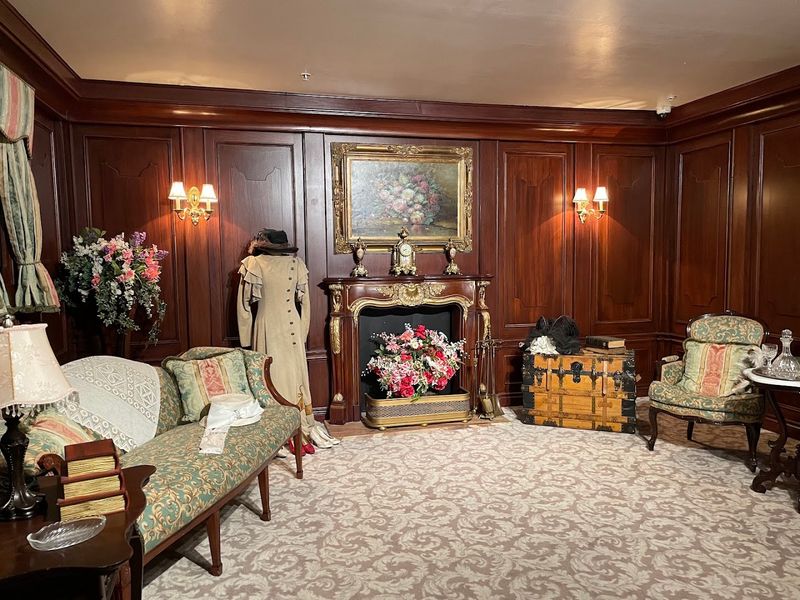
Step inside painstakingly recreated cabins that show the dramatic differences between traveling classes. First-class rooms feature rich wood paneling, elegant furniture, and luxurious touches that justified the astronomical ticket prices. Third-class accommodations, while clean and respectable by 1912 standards, paint a very different picture.
The contrast illustrates the rigid class system that governed everything about the voyage, including who had access to lifeboats when disaster struck. Walking from a first-class suite to a third-class cabin makes the inequality impossible to ignore. This wasn’t just about comfort during the voyage but about survival when it mattered most.
Each room includes period-accurate furniture, bedding, and personal items that help you imagine actually staying in these spaces. The attention to detail extends to the smallest touches like the style of light fixtures, the pattern on the wallpaper, and the type of wood used for trim.
Tour guides share stories about specific passengers who occupied similar rooms, bringing the spaces to life with anecdotes about their daily routines. You learn about the social rules governing interactions between classes, the meal times and dress codes, the entertainment options available to different passengers.
Children particularly enjoy seeing the size differences between cabins. First-class passengers had room to spread out with separate sleeping and sitting areas, while third-class families might share a small cabin with multiple bunks. These visual comparisons teach history lessons that stick.
The recreations also include crew quarters, showing where staff members lived during the voyage. These hardworking individuals kept the ship running smoothly, yet their stories often get overlooked. Seeing their cramped living conditions adds another layer to understanding the full picture of life aboard Titanic.
Photography is allowed in these spaces, so visitors can document the experience and share what they learned. Many people report that walking through these rooms made the Titanic feel like a real place rather than just a movie set or historical footnote.
Join a Guided Tour with Expert Storytellers
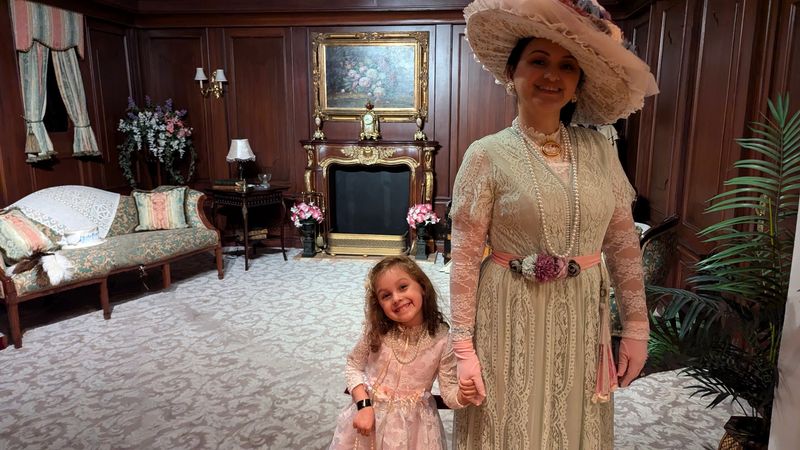
Opting for the guided tour transforms your visit from good to exceptional, according to countless reviews. Knowledgeable guides like Chris, who gets mentioned by name repeatedly, share stories that don’t appear on the information plaques. Their passion for the subject matter shines through in every word.
These aren’t dry recitations of facts and dates. Guides weave together personal narratives about passengers and crew, explaining the social dynamics, the decisions made that night, and the aftermath that changed maritime safety forever. They encourage questions and foster genuine conversation rather than just lecturing.
The tours typically last about 90 minutes, though the time flies because the storytelling keeps you engaged. Guides pace the group through the exhibition, stopping at key points to share context that helps you understand what you’re seeing. They know which artifacts have the most compelling backstories.
Many guides incorporate dramatic elements into their presentations, using vocal inflection and pauses to build tension when describing the collision and sinking. They help you imagine the confusion, the cold, the difficult choices people faced. Their respect for the tragedy comes through clearly.
Self-guided visitors can still have a wonderful experience, but those who spring for the tour consistently report it was worth every penny. The guides add layers of meaning that you’d miss on your own. They point out details in artifacts and recreations that you might walk past without noticing.
Tours accommodate different group sizes and can adapt to visitor interests. If your group includes children, guides adjust their language and focus on age-appropriate stories. For adult groups deeply interested in maritime history, they can go into greater technical detail about the ship’s construction and what went wrong.
The investment in a guided tour pays dividends in understanding and emotional connection. Visitors frequently mention in reviews that their guide made them cry, laugh, and see the Titanic story in completely new ways.
Experience the VR Titanic Adventure
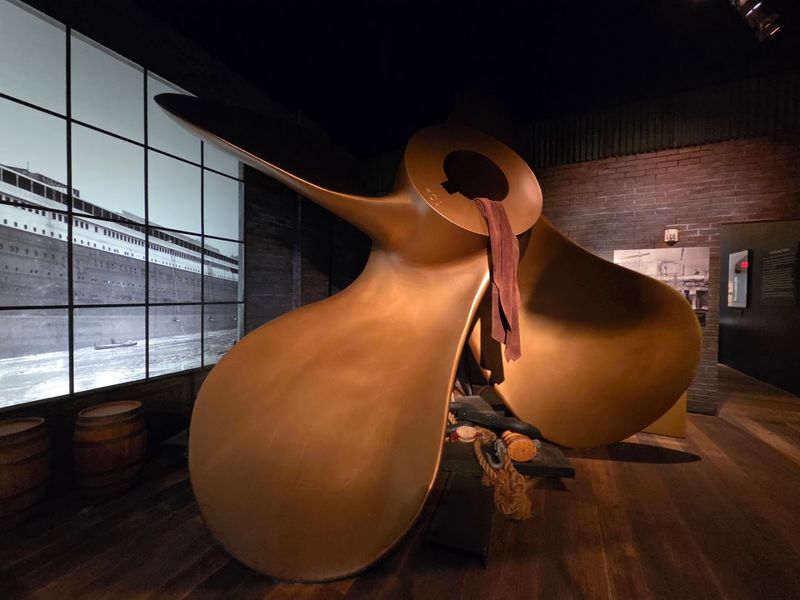
The VR experience represents the newest addition to the exhibition, offering a 360-degree virtual tour of the ship in its glory days and during the sinking. You strap on a headset and suddenly find yourself walking the decks, exploring areas of the ship that no longer exist except in digital recreation.
The graphics transport you back to 1912, showing the ship as passengers would have seen it. You can look in any direction, taking in details of the architecture, watching virtual passengers go about their activities, and getting a sense of the ship’s massive scale. The immersive nature makes you feel present in a way that photographs never could.
Some reviewers note that the graphics occasionally look a bit dated or jaggy, especially as VR technology continues advancing rapidly. However, most visitors still find the experience worthwhile and fascinating. It’s one thing to read that Titanic was huge, another to virtually stand on the deck and feel dwarfed by the ship’s size.
The VR component comes as an add-on to regular admission, and packages vary in price. Many visitors recommend budgeting for it if you’re already investing in the full experience. Combined with the guided tour, it creates a comprehensive understanding of the ship from multiple angles.
Children and teens particularly enjoy the VR element because it speaks their language. Instead of just looking at static displays, they get to interact with history through technology. Parents report that kids who initially dragged their feet about visiting a museum became completely engaged once they tried the VR.
The experience includes both the ship in its prime and dramatic recreations of the sinking, though the latter is handled respectfully given the real lives lost. You get a sense of the chaos and confusion without gratuitous disaster-movie treatment.
Staff members assist with the VR equipment and answer technical questions. The experience typically lasts around 15-20 minutes, providing a substantial addition to your visit without overwhelming you with too much virtual reality time.
Discover Your Passenger’s Fate at the Memorial Wall
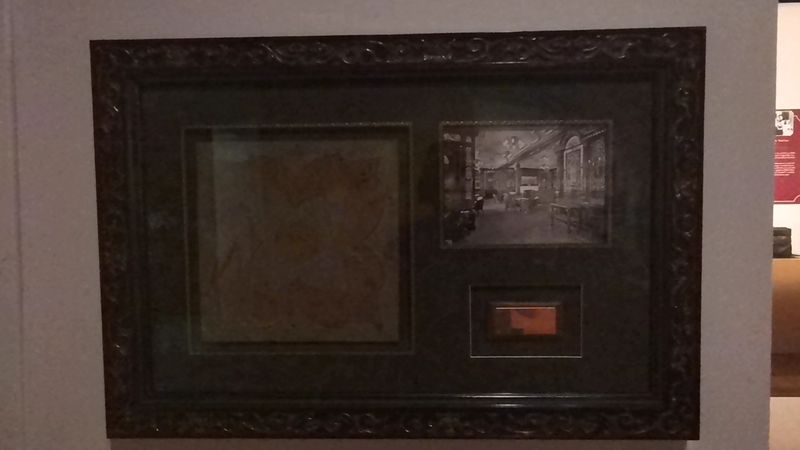
The emotional climax of your visit comes when you reach the memorial wall listing every passenger and crew member who sailed on Titanic. Here you finally learn whether the person on your boarding pass survived or perished. You scan your ticket at an interactive display that reveals their fate along with additional information about what happened to them.
This moment hits visitors hard, especially if they’ve spent the past hour or more thinking about their assigned passenger. Seeing that they didn’t survive creates a personal grief that honors their memory. Learning they made it into a lifeboat brings relief, though often complicated by survivor’s guilt knowing so many others didn’t.
The memorial wall itself stands as a powerful tribute, with all 2,208 names illuminated. Seeing them listed together drives home the scale of the tragedy in a way that numbers alone cannot. Each name represents a complete human life with relationships, dreams, and a future that was cut short or forever altered.
Families often gather around the display together, comparing their passengers’ fates and discussing what they learned during the visit. Children who received boarding passes for victims sometimes cry, which opens important conversations about empathy, history, and how we remember those who came before us.
The interactive element makes this more than just reading names off a wall. The technology provides closure to the narrative arc that began when you received your boarding pass. You feel like you’ve completed a journey alongside your passenger, learning their story and honoring their memory.
Many visitors report needing a moment to compose themselves after this experience. The museum thoughtfully places this near the end of the exhibition, allowing people to process their emotions before heading to the gift shop. Staff members respect that this can be an intense moment for many guests.
The memorial wall serves as a reminder that Titanic wasn’t just a ship or a historical event but a human tragedy involving real people whose names and stories deserve to be remembered.
Touch an Actual Piece of the Titanic
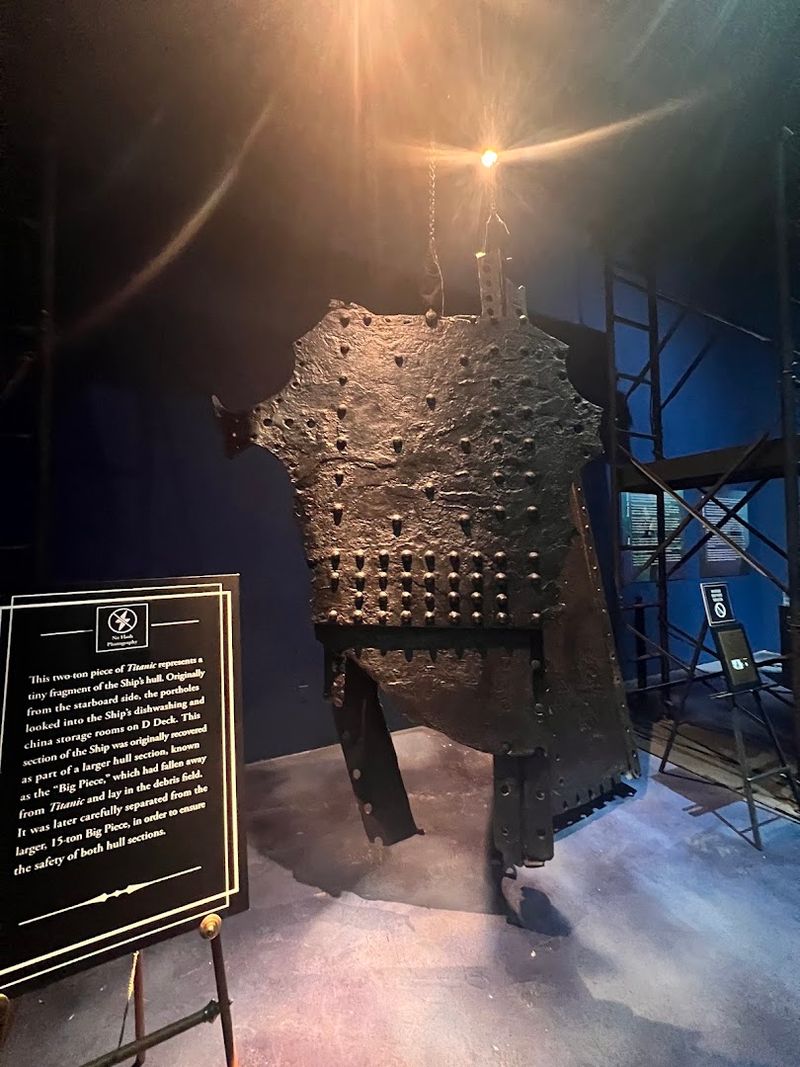
Near the exit, easily missed if you’re not paying attention, sits one of the most remarkable experiences the museum offers. You can actually place your hands on a piece of metal from Titanic’s hull, recovered from the wreck site and preserved for public interaction.
Running your fingers across this artifact creates an almost electrical connection to history. This metal was forged over a century ago, shaped into part of the world’s most famous ship, and survived both the sinking and decades on the ocean floor. Now it rests under your palm, solid and real.
Many visitors walk right past this opportunity because it’s not prominently featured like some other exhibits. Reviews consistently mention that it’s located on the left-hand side just before the gift shop entrance. Staff members sometimes point it out, but if you’re on a self-guided tour, you need to watch for it.
The ability to touch this piece adds a tactile dimension to your understanding. You’ve seen artifacts behind glass, walked through recreated rooms, and learned countless facts. But touching the actual ship makes everything click into place.
This was real. This happened. This metal proves it.
Photographers aren’t allowed to take pictures of most artifacts, but many visitors capture the moment of touching this piece of history. The rules seem slightly more relaxed here, perhaps because the act of touching creates such a meaningful memory that deserves documentation.
The metal itself shows signs of its journey, with corrosion and weathering visible on its surface. Information nearby explains the recovery process and the scientific analysis performed on various pieces of the wreck. Understanding what this metal endured makes touching it even more profound.
This hands-on element particularly resonates with people who learn through physical interaction. Reading about Titanic is one thing, but touching a piece of it creates a memory that will last forever. Visitors frequently cite this as their single most memorable moment from the entire exhibition.
Enjoy the Titanic Dinner Experience
For those wanting to go beyond the standard museum visit, the Titanic Dinner Experience combines a multi-course meal with live theatrical performance. Actors in period costume portray actual passengers and crew members, staying in character throughout the evening while you dine on food inspired by Titanic’s menus.
This isn’t cheap entertainment, with tickets running significantly more than basic admission. However, reviews from people who’ve attended consistently describe it as worth every dollar. The combination of quality food, talented performers, and historical immersion creates something special that you won’t find at typical Orlando attractions.
The meal includes appetizers, salad, soup, bread, entree choices like salmon and steak, and chocolate pudding for dessert. You also receive a small glass of champagne, adding to the first-class passenger experience. The portions satisfy without being overwhelming, leaving you comfortable enough to enjoy the performance.
Actors weave between tables, interacting with guests while telling stories from their characters’ perspectives. They balance entertainment with education, making you laugh while teaching you about life aboard the ship. Their commitment to staying in character throughout the entire evening impresses guests and adds authenticity to the experience.
The performance remains respectful of the tragedy while still being engaging and fun. This balancing act requires skill, and reviews indicate the cast handles it beautifully. You learn about the passengers’ hopes and dreams, their reasons for sailing, and eventually their fates, all presented with dignity and care.
The dinner experience works well for date nights, special occasions, or anyone who wants a unique way to connect with history. It’s particularly popular with couples and adult groups rather than families with young children, though older kids who can sit through a longer meal would likely enjoy it.
Reservations are required and tend to book up in advance, especially during peak tourist seasons. The experience typically runs several hours, so plan accordingly and arrive ready to settle in for an evening of good food and compelling storytelling.
Shop for Unique Souvenirs Including Titanic Coal
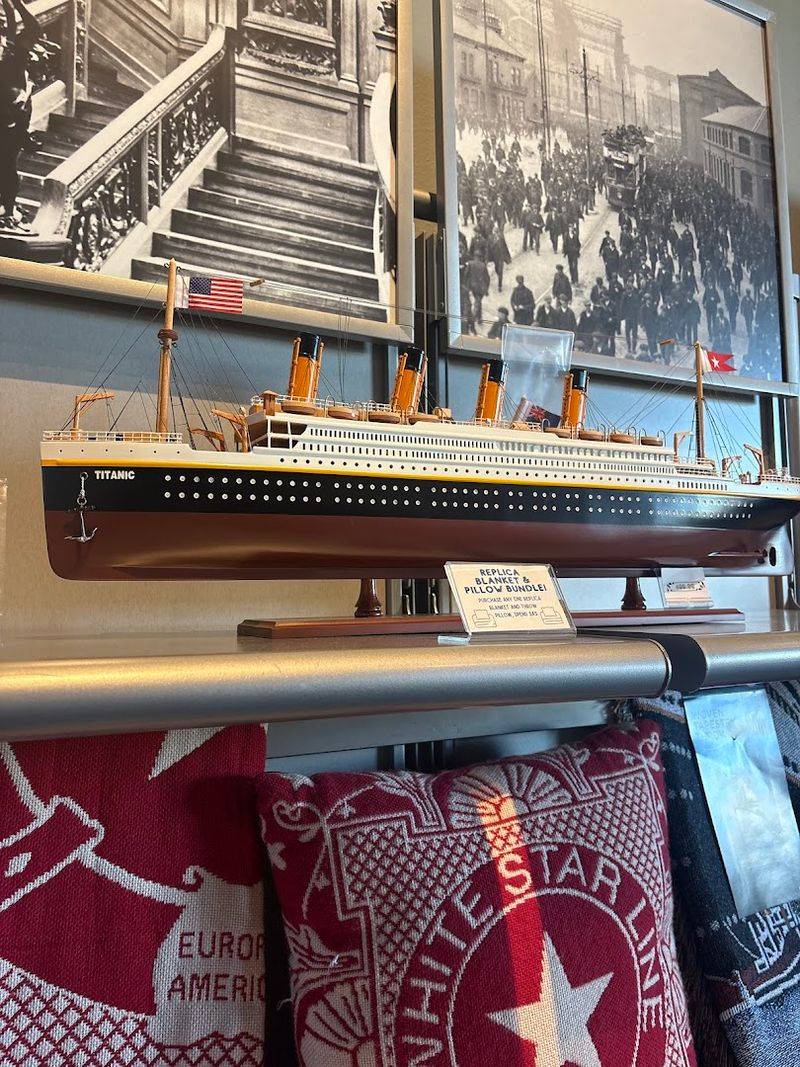
The gift shop offers far more than typical tourist trap merchandise. Among the standard books, postcards, and t-shirts, you’ll find genuinely unique items including pieces of coal recovered from the wreck site. Owning a piece of coal that once fueled Titanic’s engines represents a tangible connection to history you can take home.
Prices throughout the shop run more reasonable than you might expect from a major Orlando attraction. Reviews frequently mention being pleasantly surprised by the affordability of items and the quality of the merchandise. The shop clearly aims to enhance your experience rather than just maximize profits.
Beyond coal, you’ll find replica artifacts, period jewelry similar to what passengers would have worn, detailed model ships, and educational materials for all ages. The selection includes items for serious collectors as well as simple mementos for casual visitors who want something to remember their trip.
Professional photos taken at the Grand Staircase are available for purchase here at reasonable prices. Many visitors buy these as meaningful souvenirs that capture their visit better than a selfie could. The quality justifies the cost, with proper framing options available.
The shop layout allows you to browse comfortably even when the museum is busy. Staff members are helpful without being pushy, answering questions about products and helping you find specific items. They clearly know the merchandise and can make recommendations based on your interests.
For children, the selection includes age-appropriate books, toys, and educational kits that extend the learning beyond the museum visit. Parents appreciate finding quality items that aren’t just cheap plastic junk. The shop stocks materials that genuinely teach kids more about the Titanic story.
Consider budgeting some money for the gift shop when planning your visit. While you certainly don’t need to buy anything to have a complete experience, many visitors report finding items they treasure long after returning home. A piece of Titanic coal or a well-chosen book can keep the memories alive for years.
Beat the Florida Heat with Hours of Indoor Exploration
Orlando summers can be brutal, with temperatures soaring into the 90s and humidity making outdoor activities nearly unbearable. The Titanic Exhibition offers a perfect escape, with hours of comfortable climate-controlled exploration. You can easily spend two to three hours here, or even longer if you do the guided tour and VR experience.
The location on International Drive makes it convenient to reach from most Orlando hotels and vacation rentals. You don’t need to drive to a theme park or plan elaborate logistics. Just head to I-Drive and enjoy air-conditioned comfort while learning something fascinating.
Unlike outdoor attractions where you’re constantly battling heat, sun exposure, and weather interruptions, the museum provides consistent comfort. This makes it ideal for families with young children who wilt in the heat, older adults who can’t handle extended sun exposure, or anyone who just needs a break from Florida’s intense summer conditions.
The museum opens at 10 AM daily and stays open until 8 PM most days, giving you flexibility in timing your visit. You can stop by during the hottest part of the afternoon when other activities become uncomfortable. The extended hours also work well if you want to visit after a morning at a theme park or before evening dinner plans.
Visitors consistently mention the heat relief as an unexpected bonus of their visit. They came for the history but appreciated the comfortable environment that let them take their time without rushing or suffering. Being able to read every placard and examine every artifact without sweating makes the experience more enjoyable.
The indoor setting also means weather never cancels or diminishes your plans. Rain, extreme heat, or afternoon thunderstorms won’t affect your visit. This reliability makes it easier to schedule during your Orlando vacation without worrying about backup plans.
For the price of admission, you get several hours of entertainment, education, and comfort. That value proposition beats many outdoor activities that cost more and leave you exhausted from heat exposure. The museum offers substance along with shelter from the elements.