We Went Inside This Massive Florida Grocery Store and Couldn’t Believe the International Selection
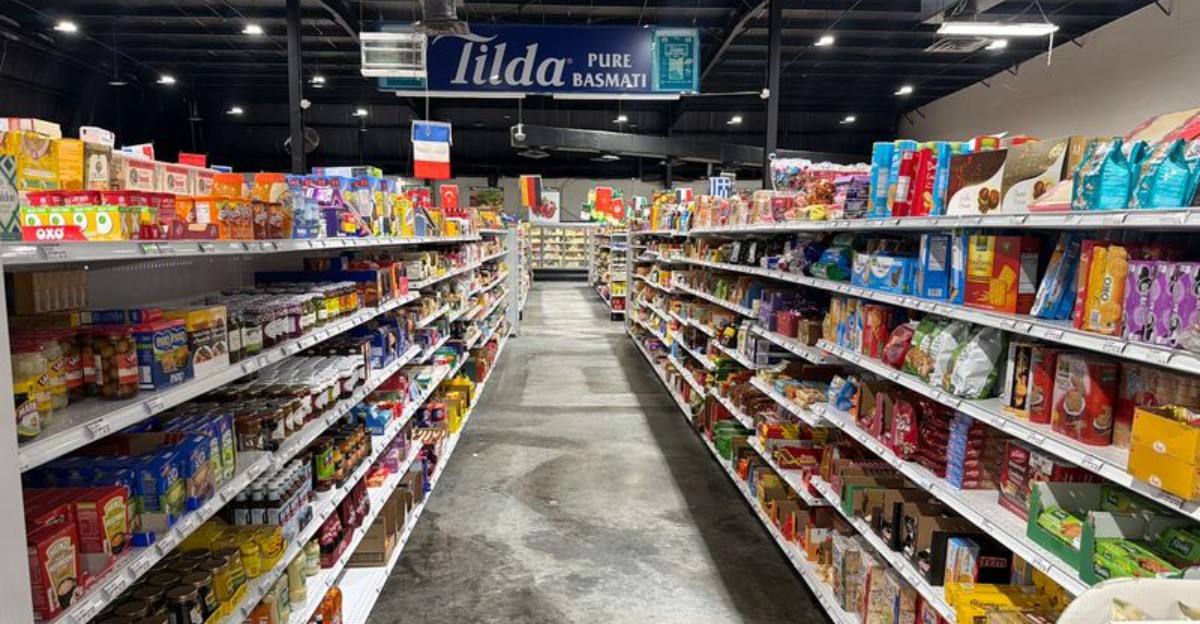
Walking into International Food Club on L B McLeod Road feels like stepping into a culinary passport office where every aisle stamps you into a different country. This massive Orlando grocery store spans enough space to house products from over 20 nations, all under one roof with zero jet lag required. Whether you’re hunting for hard-to-find spices from Lebanon, craving authentic Turkish sweets, or just tired of the same old supermarket routine, this place delivers an shopping adventure that turns grocery runs into genuine exploration.
The best part is discovering flavors you never knew existed while friendly staff offer complimentary Turkish coffee as you browse.
1. Mediterranean Deli with Authentic Shawarma and Fresh Pita
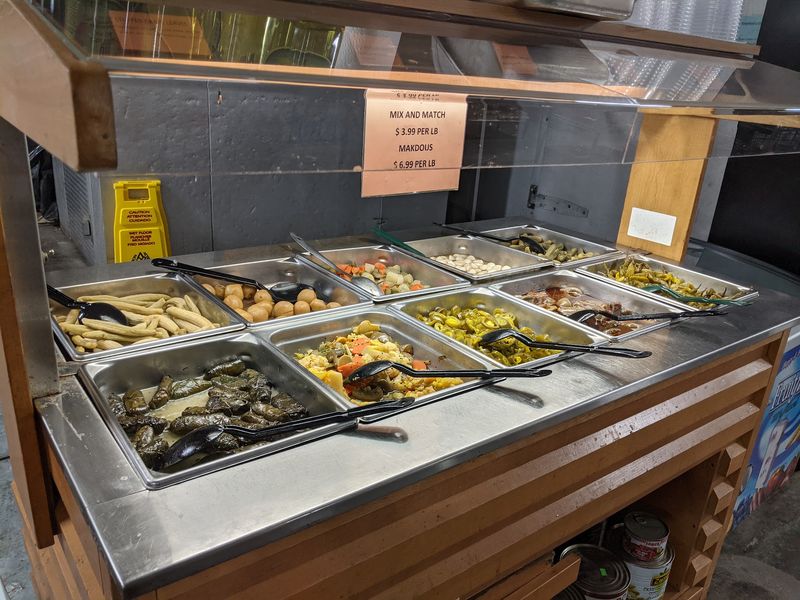
Forget everything you think you know about grocery store food courts. The Mediterranean deli tucked inside International Food Club serves up shawarma wraps and falafel sandwiches that rival standalone restaurants across Central Florida.
Customers consistently rave about the authentic flavors coming from this little kitchen. The shawarma gets slow-roasted throughout the day, creating those crispy edges everyone fights over. Fresh pita bread comes warm, pillowy, and perfect for scooping up creamy hummus that tastes nothing like the refrigerated tubs at regular supermarkets.
What makes this deli special is the family running it. They prepare everything fresh daily using recipes passed down through generations. You can actually watch them assemble your order right in front of you, layering ingredients with the kind of care that shows they take pride in every sandwich.
The falafel arrives golden and crunchy on the outside while staying tender inside. Pair it with their house-made sauces and you’ve got lunch sorted for under ten bucks. Many shoppers plan their grocery trips around mealtime specifically to grab food here.
Seating areas let you enjoy your meal right there in the store. It’s become a local gathering spot where people from different backgrounds bond over good food. Some customers admit they come for the shawarma and leave with a cart full of groceries they didn’t plan on buying.
2. Turkish Hospitality with Complimentary Coffee Service
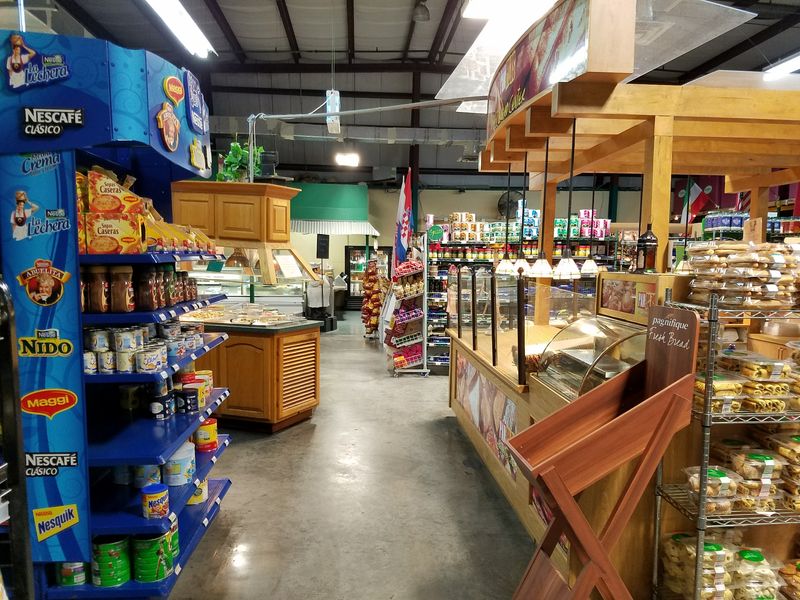
Shopping at International Food Club comes with an unexpected perk that most American grocery stores would never dream of offering. The Turkish owners serve complimentary coffee to shoppers, creating an experience that feels more like visiting a friend’s home than running errands.
This isn’t your standard drip coffee either. They brew authentic Turkish coffee using traditional methods, resulting in a rich, aromatic cup that packs serious flavor. It’s self-serve, so you can help yourself whenever you visit without feeling awkward about asking.
The owners, Ferhan and Dilek, often personally greet customers and offer treats alongside the coffee. One reviewer mentioned receiving Turkish sponge cakes for free while another got hard-to-find tea as a gift. This level of generosity isn’t a marketing gimmick but genuine Turkish hospitality transplanted to Orlando.
Kids get little toys sometimes, making even reluctant young shoppers happy to tag along. The gesture transforms a mundane grocery trip into something memorable. Regular customers now schedule their visits partly for the warm welcome they know awaits them.
This hospitality creates a community atmosphere rare in modern retail. Strangers strike up conversations over coffee, sharing recipe tips and product recommendations. The owners remember faces and preferences, asking about your last visit and whether you found what you needed.
For anyone missing the personal touch that big chain stores lost decades ago, this coffee service represents everything right about small business ownership.
3. Massive Selection of Middle Eastern Spices and Seasonings
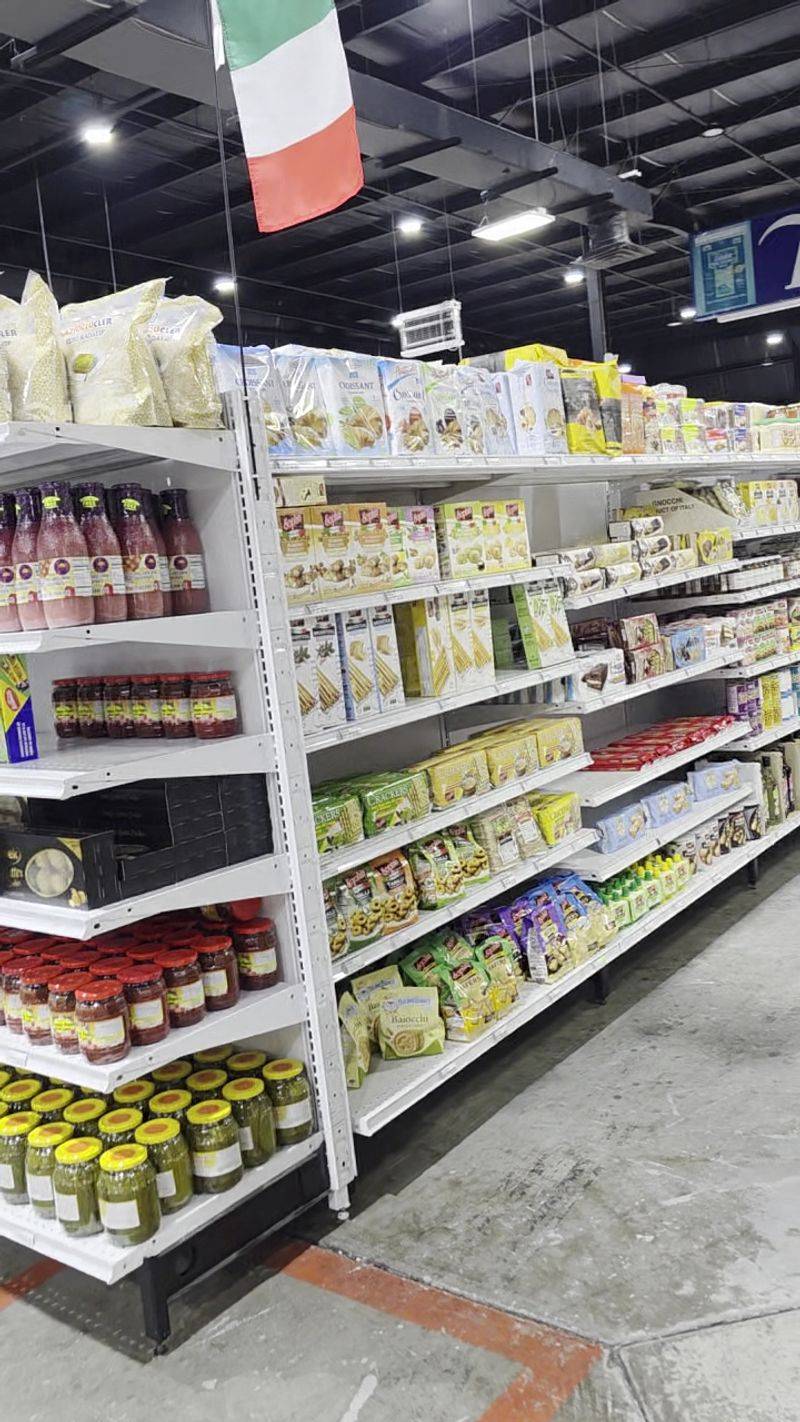
Anyone who cooks Middle Eastern food knows the frustration of hunting through regular grocery stores for proper spices. International Food Club solves that problem with an entire section dedicated to seasonings you won’t find at Publix or Walmart.
The spice aisle stretches impressively long, stocked with everything from common staples like cumin and coriander to specialty blends like za’atar and baharat. You’ll spot saffron threads at prices that won’t require a second mortgage. Sumac, that tangy purple powder essential for fattoush salad, sits right next to dried mint and rose petals for Persian rice.
What separates this selection from others is the authenticity and freshness. These aren’t dusty jars sitting on shelves for months. The store moves inventory quickly thanks to a loyal customer base that cooks traditional meals regularly.
Many packages come directly from countries of origin rather than through multiple distributors.
The variety extends beyond Middle Eastern options too. You’ll discover Turkish spice mixes, South Asian masalas, and Mediterranean herb blends all organized by region. Clear labeling helps even novice cooks figure out what goes in which dish.
Prices beat specialty stores significantly while quality remains high. Buying in bulk becomes an option for ingredients you use frequently. Home cooks and restaurant owners alike stock up here, knowing they’re getting restaurant-quality spices without restaurant-supplier minimums.
For anyone exploring new cuisines or trying to recreate grandmother’s recipes from memory, this spice section provides the essential building blocks.
4. International Chocolate and Sweets from Multiple Countries
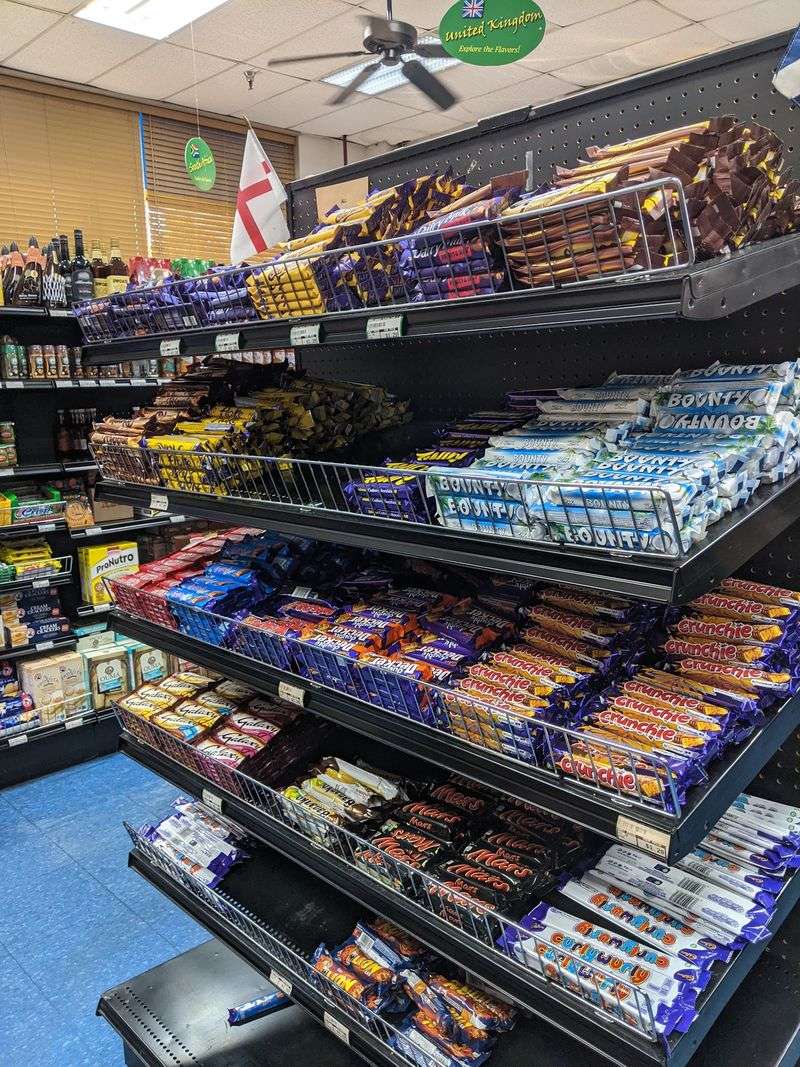
The candy aisle at International Food Club makes American chocolate sections look boring by comparison. Shelves overflow with sweets from Turkey, Greece, Lebanon, and beyond, offering flavors most Floridians have never experienced.
Turkish chocolate dominates much of the selection, featuring brands like Ulker and Eti that Europeans consider superior to mass-market American options. The chocolate tastes richer and less waxy thanks to different manufacturing standards. Hazelnut-filled varieties fly off shelves faster than staff can restock them.
Beyond chocolate bars, you’ll discover Turkish delight in more flavors than you knew existed. Rose, pistachio, pomegranate, and lemon versions sit alongside traditional plain cubes dusted with powdered sugar. These aren’t the stale tourist-trap versions but fresh imports that actually taste like something worth eating.
Greek pasteli (sesame seed bars with honey) provide a healthier sweet option that still satisfies cravings. Middle Eastern halva comes in blocks you can slice yourself, offering that unique crumbly texture and nutty sweetness impossible to find elsewhere in Orlando.
The selection extends to cookies, wafers, and biscuits from various countries. British shortbread shares shelf space with Italian biscotti and Lebanese maamoul cookies filled with dates or nuts. Each package represents authentic recipes rather than Americanized adaptations.
Parents love introducing kids to international treats here. It becomes an edible geography lesson where children learn that different cultures create sweets in wildly different ways. Just expect your grocery budget to expand once you start sampling everything.
5. Fresh Produce Section with Competitive Prices
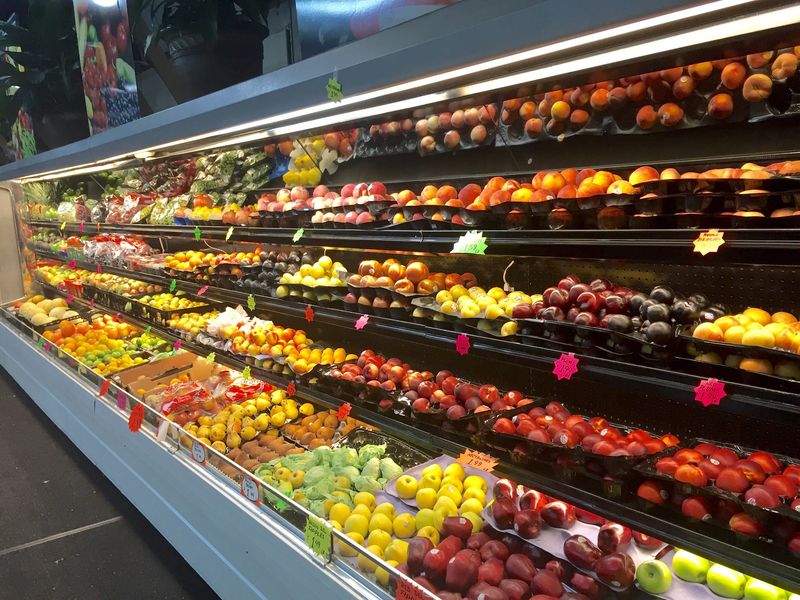
While International Food Club built its reputation on imported packaged goods, the produce section deserves equal attention. After acquiring a well-known Orlando produce supplier, the store now stocks fresh vegetables daily at prices that challenge even discount chains.
The selection focuses on produce essential for Mediterranean and Middle Eastern cooking. You’ll find perfect eggplants for baba ganoush, bundles of fresh parsley and mint for tabbouleh, and varieties of peppers you won’t recognize from regular supermarkets. Persian cucumbers, smaller and crunchier than American types, show up consistently.
What makes this section valuable is finding specialty items without driving to multiple stores. Need fresh fava beans for ful medames? They’ve got them.
Looking for grape leaves for dolma? Check the refrigerated section nearby. This convenience saves time and gas money for anyone cooking ethnic recipes regularly.
Recent management changes brought improvements to how produce gets displayed and rotated. Everything looks fresher and more organized than in previous years. The addition of frozen vegetables expands options for shoppers who want convenience without sacrificing authenticity.
Prices genuinely compete with budget grocery chains while quality often exceeds them. Regular customers mention scoring deals on items that cost significantly more elsewhere. The store clearly prices produce to move quickly rather than maximize margins on every sale.
Even if you’re not cooking international cuisine, the produce section offers better value than you’d expect from a specialty store. Fresh ingredients at fair prices benefit everyone’s kitchen.
6. Organized Store Layout with Country-Specific Sections
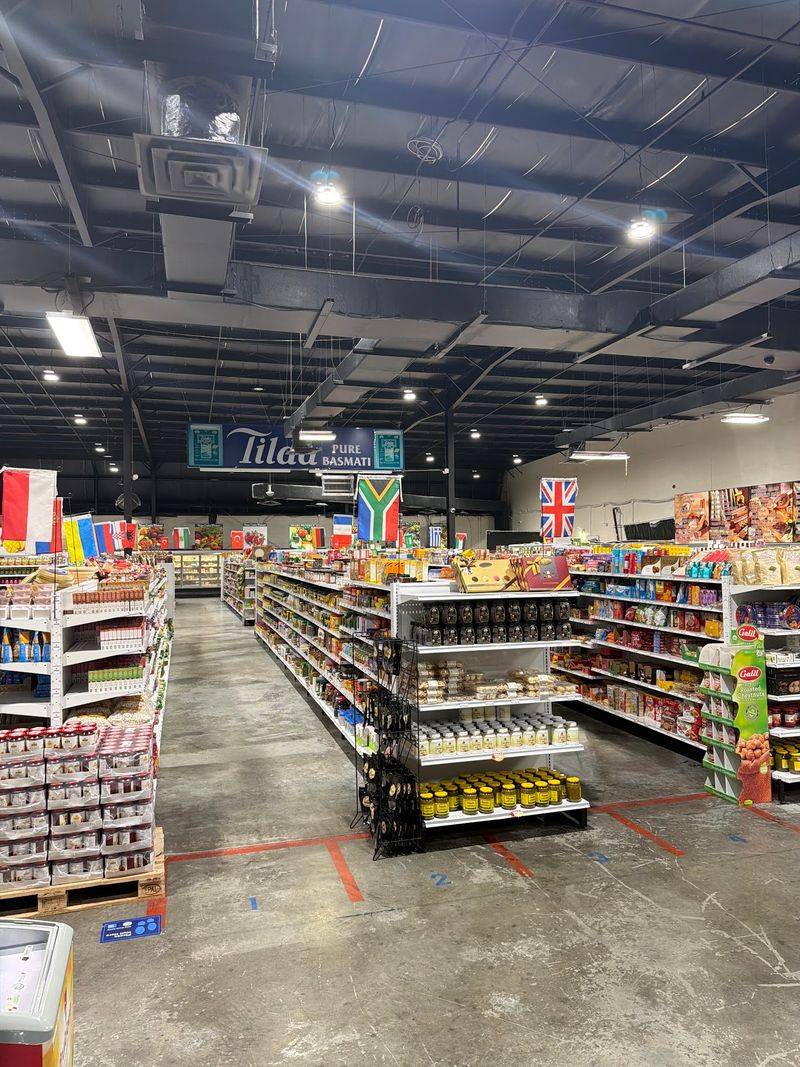
One customer complained about losing country-specific organization, but current shoppers will find that International Food Club still maintains clear sections marked by national flags. The new owners reorganized certain areas while preserving the cultural groupings that make shopping here intuitive.
Walking through the store, you’ll spot flags hanging above aisles indicating Turkish, Lebanese, Greek, and other national sections. This visual system helps shoppers navigate directly to familiar products without wandering aimlessly. Someone seeking British tea knows exactly where to head.
The reorganization actually improved shopping flow in most cases. Related products now sit closer together even if they come from different countries. Pasta from Italy appears near Greek pasta, making comparison shopping easier.
The logic focuses on how people actually cook rather than rigid geographic boundaries.
Cleanliness and organization have improved dramatically under new management. Shelves stay well-stocked and clearly labeled. Products face forward rather than sitting haphazardly.
The overall presentation feels more professional without losing the international market charm.
For first-time visitors, the layout might seem overwhelming given the sheer size and variety. Staff members gladly help locate specific items or suggest alternatives if something’s out of stock. They understand that not everyone recognizes products by packaging alone.
The store’s size allows for dedicated space to each region without cramping selections. You won’t find token international aisles like at mainstream supermarkets. Instead, entire sections provide depth within each cuisine category.
Turkish products alone occupy multiple aisles rather than a single shelf.
This thoughtful organization respects both the diversity of products and the shopping experience customers deserve.
7. Hard-to-Find British and European Products
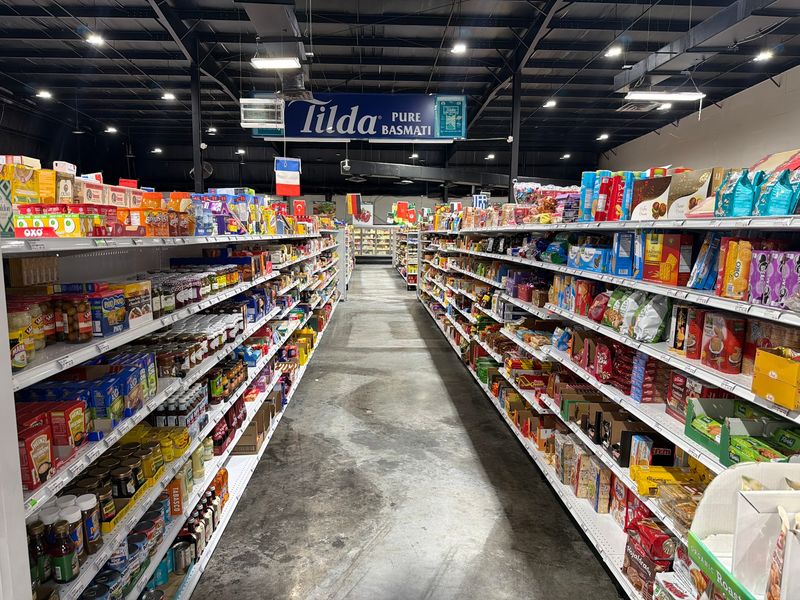
Expats from the UK and Europe often struggle finding comfort foods from home in American stores. International Food Club addresses that problem with a solid selection of British biscuits, teas, and other items that trigger nostalgia for rainy afternoons in London.
The British section includes proper digestive biscuits, not the sad American approximations. You’ll discover Cadbury chocolate manufactured in the UK rather than the Hershey-licensed version that tastes completely different. PG Tips and Yorkshire Tea boxes sit ready for anyone who takes their tea seriously.
European products extend beyond British items. German chocolates, Italian pastas, and Eastern European specialties occupy their own spaces. While the Eastern European selection has decreased according to some longtime customers, management indicated they’re working to expand those offerings based on feedback.
What you won’t find here are inflated tourist-trap prices that some specialty importers charge. The store prices international products fairly, understanding that their customer base includes people buying for regular consumption rather than occasional treats. This pricing philosophy builds loyalty among expat communities.
Availability varies on some items depending on import schedules and supply chains. Popular products sometimes sell out quickly, though staff work to restock favorites promptly. Calling ahead about specific items saves disappointment if you’re making a special trip.
The European selection might not match dedicated British shops in larger cities, but for Central Florida, it’s impressively comprehensive. Most expats consider it their go-to source rather than ordering expensive shipments from overseas. Having these products locally makes adjusting to American life slightly easier for international residents.
8. Friendly Staff and Exceptional Customer Service
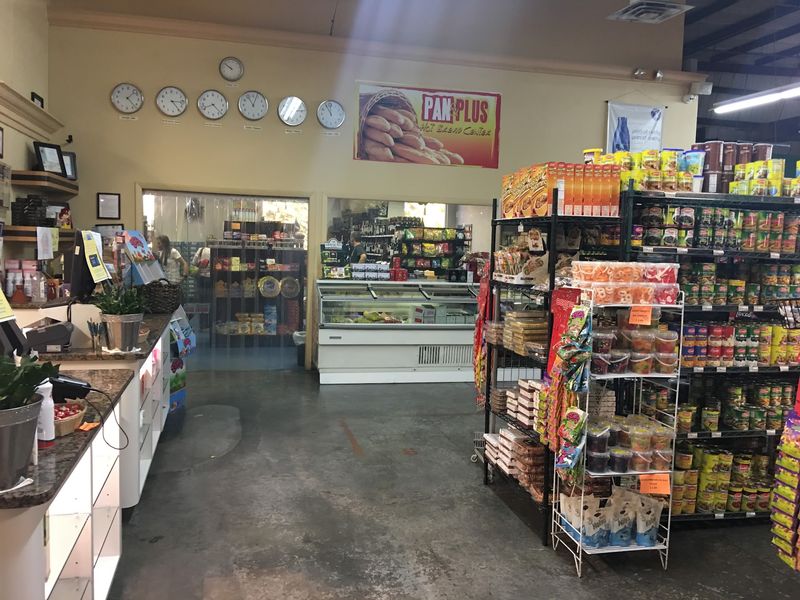
Customer service can make or break any retail experience, and International Food Club excels in this department. Reviews consistently mention the friendly, helpful staff who genuinely care about helping shoppers find what they need.
The owners themselves often work the floor, greeting customers personally and checking whether everyone’s finding everything okay. This hands-on approach creates accountability that corporate chains can’t replicate. When the boss is right there, service quality stays consistently high.
Staff members know their inventory well enough to suggest alternatives if something’s unavailable. They understand that customers might not speak English as their first language and show patience during communication. Many employees speak multiple languages themselves, helping bridge cultural gaps.
The welcoming atmosphere extends beyond basic politeness into genuine hospitality. Offering free coffee and treats isn’t about upselling but about making people feel valued. This approach builds community rather than just processing transactions.
Even negative reviews receive thoughtful responses from ownership, showing they take feedback seriously. They explain decisions, clarify misunderstandings, and invite dissatisfied customers back to see improvements. This level of engagement demonstrates real commitment to customer satisfaction.
For shoppers tired of self-checkout lanes and disinterested employees at big chains, the personal service here feels refreshing. Someone actually notices when you walk in. Staff remember regular customers and their preferences.
Questions get answered thoroughly rather than with vague gestures toward an aisle.
This customer-first mentality transforms grocery shopping from a chore into something almost enjoyable. The human connection makes all the difference.