You Don’t Have to Drive South to Find the Everglades – There’s a Piece of It in Palm Beach County
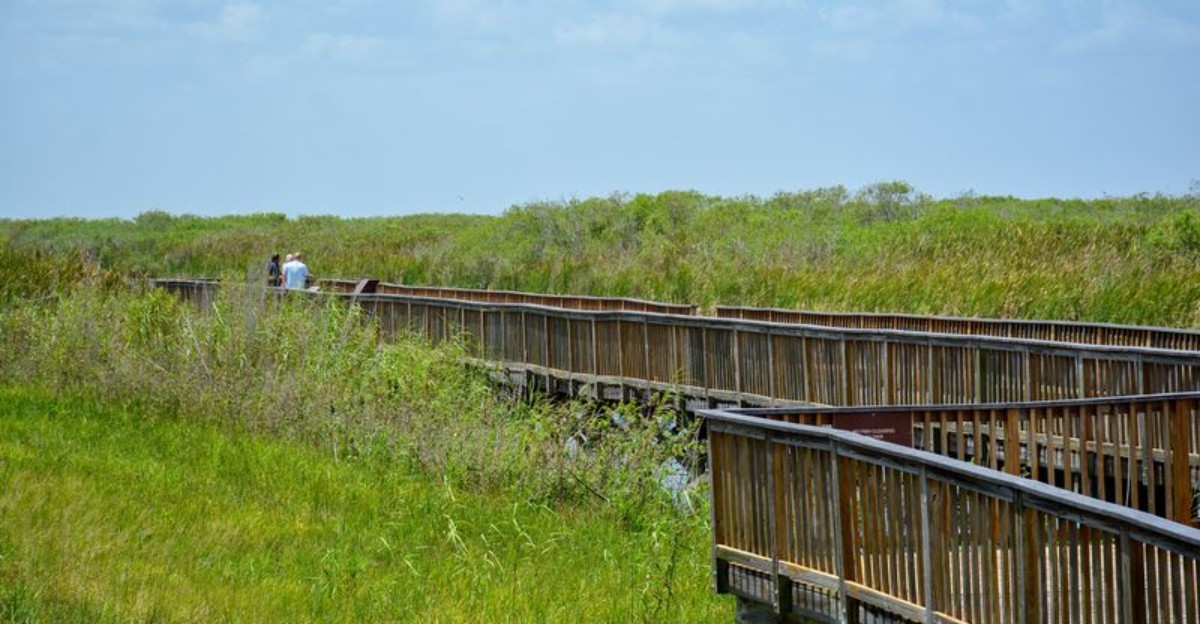
You do not have to drive deep into South Florida to get a real taste of the Everglades. Hidden in Boynton Beach, the Arthur R. Marshall Loxahatchee National Wildlife Refuge protects a vast stretch of wetlands where alligators bask along the banks, wading birds stalk the shallows, and the horizon seems to go on forever.
You can wander a shaded cypress boardwalk, hike open marsh trails, launch a kayak, cast a fishing line, or stay late enough to watch the sunset spill across the water. It is wild, surprisingly accessible, and close enough for an easy day trip.
If you want to see a quieter, more natural side of Florida without driving for hours, this refuge delivers.
1. Start at the Visitor Center
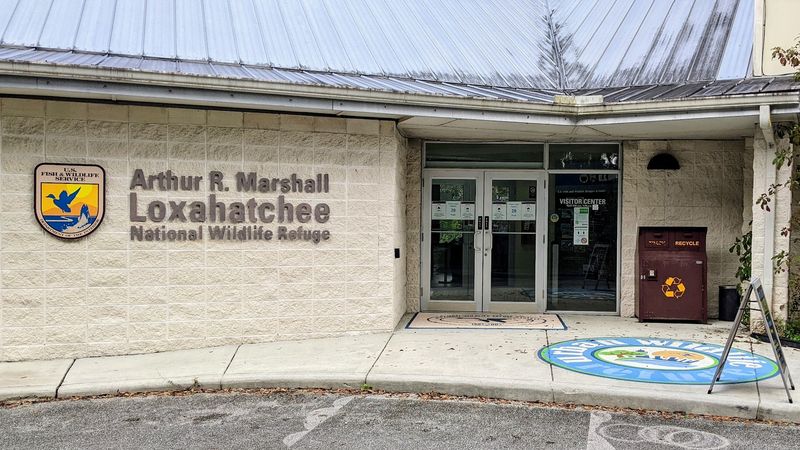
Park the car, stretch your legs, and head inside before you do anything else. The staff and volunteers here are known for being warm and full of useful tips. One visitor said a staffer pointed them to a huge gator near the fishing dock, and sure enough, there it was.
Ask what other guests have spotted lately. Another visitor learned where a pair of sandhill cranes were walking with a chick, all thanks to a quick chat at the desk. That kind of fresh intel can turn a good walk into a great one.
The building itself is small but packed. Interactive exhibits tell the story of the wetland, and a 360 degree room wraps you in narration. There is even an airboat ride simulator that kids tend to love, plus a little gift shop for souvenirs.
Need the practical stuff? Restrooms are inside, and you can refill your water bottle at the fountain, which matters on a sunny day. Collectors of National Wildlife Refuge passport stamps will find the Blue Goose cancellation stamp at the desk.
Plan on about thirty minutes here. Grab a map, pick up the self-guided pamphlet for the boardwalk, and ask about tram tours if you want a ride around the refuge. It is the best warm-up you can get before stepping onto the trails.
2. Stroll the Cypress Swamp Boardwalk
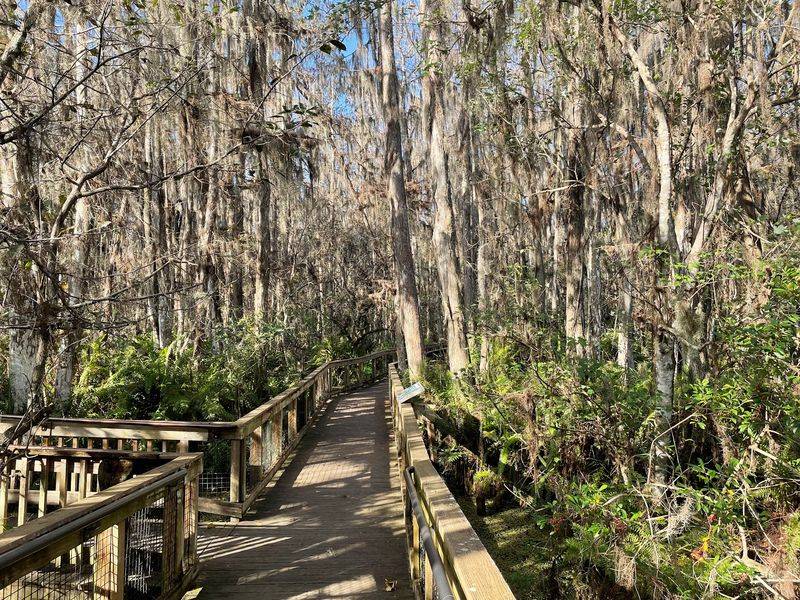
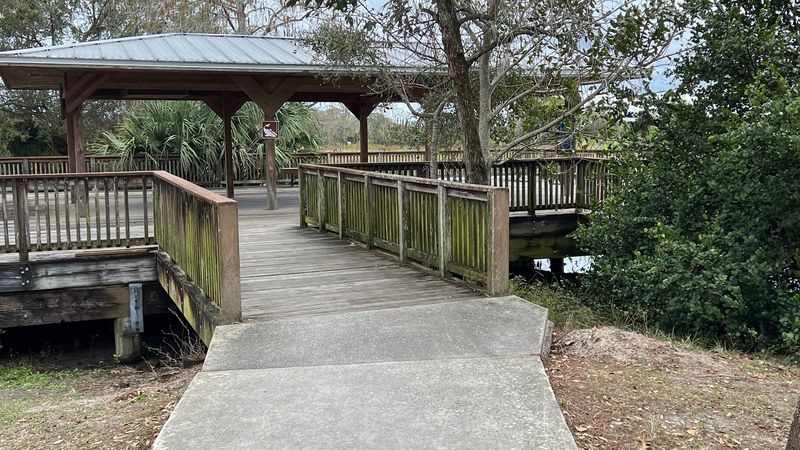
Step out the back doors of the visitor center and the air changes. Shade drops over you, the water turns dark and still, and bald cypress trees stand around like old giants. This short loop is the easiest way to feel the swamp without getting your shoes wet.
The boardwalk runs about four tenths of a mile, with benches along the way. It is flat and wide enough for strollers and wheelchairs, so nearly everyone can enjoy it. Visitors often compare the mood to Congaree National Park in South Carolina.
Birds are the stars here. Look up for woodpeckers, and keep an eye on the water for ripples that might mean a turtle or a fish. Visitors also mention how few bugs they met on cooler days.
One heads-up: the boardwalk has needed repairs at times, and some guests found sections closed or worn. Check with the staff before you go so you know what is open. Dogs are not allowed on the boardwalk, so leave your pup at home for this one.
Take it slow. Walk counterclockwise like one family did and you might have the whole loop nearly to yourself. Bring the pamphlet and match its notes to what you see around you.
3. Hunt for Gators in the Open Marsh
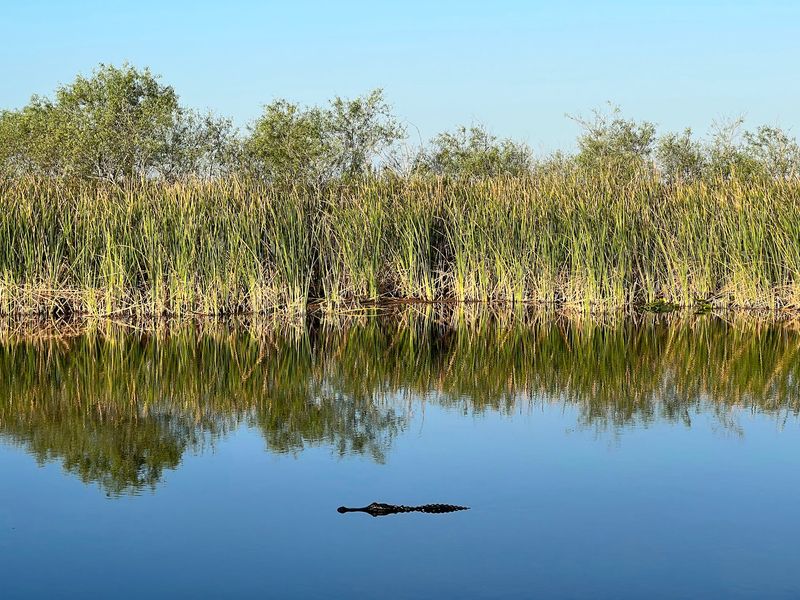
Alligators earned the most mentions in visitor reviews, and for good reason. This is gator country, plain and simple. One reviewer figured there must be hundreds when the sun is out, judging by all the slides worn into the banks.
Timing matters. Cooler months are a sweet spot because the reptiles crawl out to warm up. A family with a two-year-old got close views of sunbathing gators in that kind of weather, while an overcast day left others with fewer sightings.
Scan the canal edges, the muddy banks, and the water near the fishing dock. Look for a pair of eyes and a bumpy snout just above the surface. Stay back, keep kids close, and never feed them.
Gators mostly want to be left alone. Another visitor noted that bobcats, raccoons, marsh rabbits, and gators tend to glance at you and go on their way. Calm and quiet is the best approach.
Bring binoculars or a zoom lens so you can enjoy the show from a safe distance. Patience pays off here. Stand still for a few minutes, and a log you walked past might suddenly blink.
4. Walk the Marsh Trail and Levee
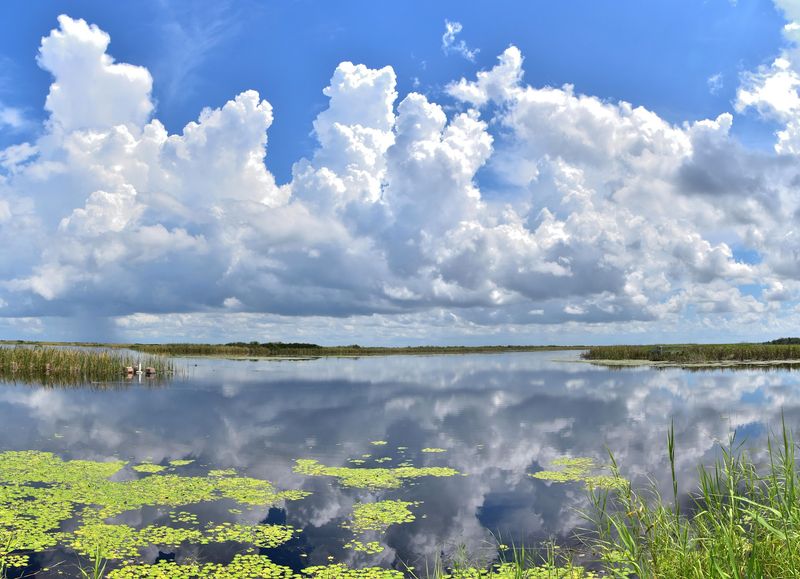
Out here, the sky takes over. The Marsh Trail opens into wide wetlands where the horizon feels a mile away. It is the part of the refuge that feels most like the Everglades you picture in your head.
A loop of around a mile circles a drainage area, and more paths connect toward the main reserve at the end of the road. Plan on two to three hours if you want to see the whole area on foot. Bird variety jumps once you leave the boardwalk, with sightings like purple gallinules and cormorants.
There is almost no cover, so dress like you mean it. A hat, sunscreen, bug spray, and sun-protective clothes are not optional. Water is a must, and plenty of it.
Water levels change with the seasons. One longtime visitor saw many areas dry on a recent trip, so conditions are never exactly the same. That is part of the fun, since every visit looks a little different.
Dogs are allowed in the open wetland walking areas, just not on the boardwalk. Weekday middle-of-the-day visits can feel wonderfully quiet. Bring a snack, find a bench or picnic table, and let the marsh do its thing.
5. Paddle a Canoe or Kayak
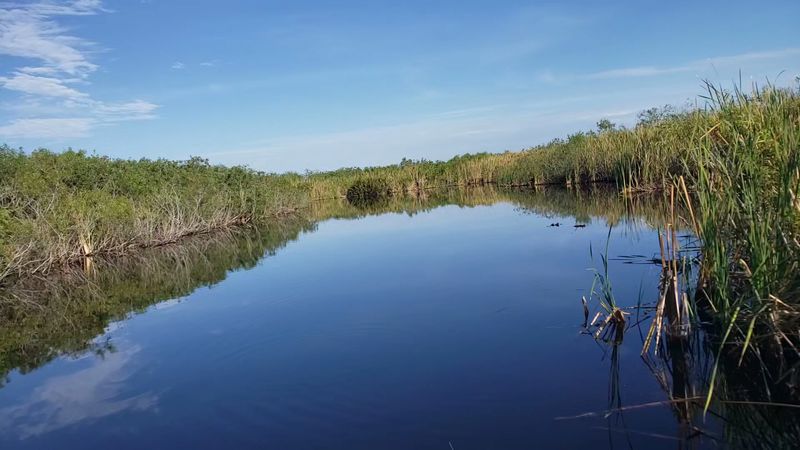
Want to see the wetland from gator level? Grab a paddle. Kayaking pulled over a hundred mentions in visitor reviews, so you will not be the first to try it.
Rentals are self-service and paid online, and a route map shows where wildlife is most likely to appear. That map is handy for first timers. One visitor admitted the idea felt a little scary and saved the paddle for next time, which is a perfectly fine approach.
If you have your own boat, the refuge has a large ramp. Plenty of people launch here for fishing as well. The water is calm, the scenery is wild, and the only traffic jam is a line of turtles on a log.
Start small. Choose a calm, sunny day with light wind, and stay close to the shoreline while you get comfortable. Cold windy days can make paddling less pleasant, though visitors still spotted lots of wildlife.
Pack a dry bag for your phone, wear a hat, and bring more water than you think you need. Keep your hands and feet inside the boat when a gator drifts by. Respect the distance and you will come home with a great story.
6. Cast a Line at the Fishing Spots
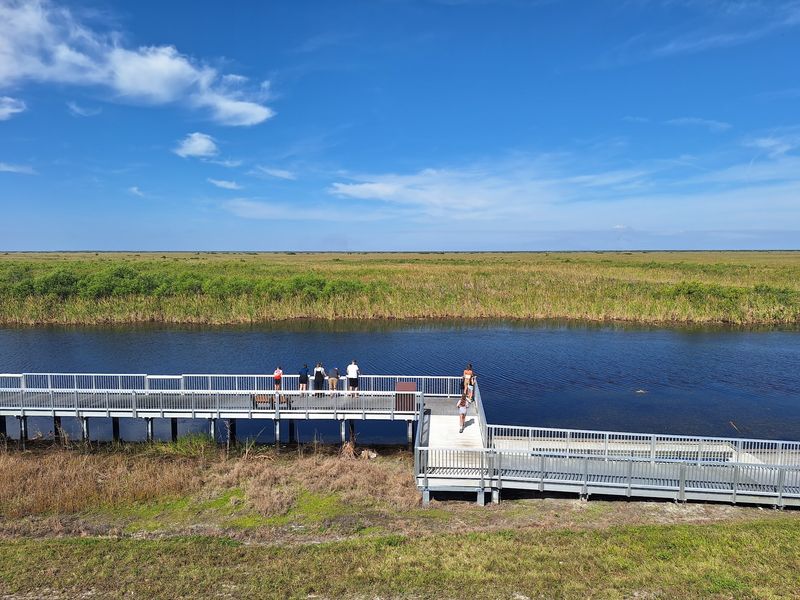
Fishing here comes with a side of scenery. Visitors describe a large boat ramp with plenty of anglers, and others mention great fishing spots scattered along the canals. It is a relaxed way to spend a morning.
The fishing dock is also a hot spot for wildlife watching. One guest was told to check there for a gator and found a giant one. Keep that in mind while you cast, and stay aware of what is moving near the water.
Early hours are a bonus, since the gates open at 5 AM. One reviewer wished they lived closer so they could catch every sunrise. Mornings tend to be cooler, calmer, and quieter, which suits a patient angler.
Pack the basics: a hat, sunscreen, bug spray, drinking water, and a small cooler for snacks. Check the refuge website or call the office at 561-734-8303 for current fishing rules before you head out. Regulations can change, so a quick check saves trouble.
Not into fishing? Just sit nearby and watch the action. Ducks, fish, and birds put on a show, and you can people-watch while the sun climbs.
7. Catch a Sunset by the Water
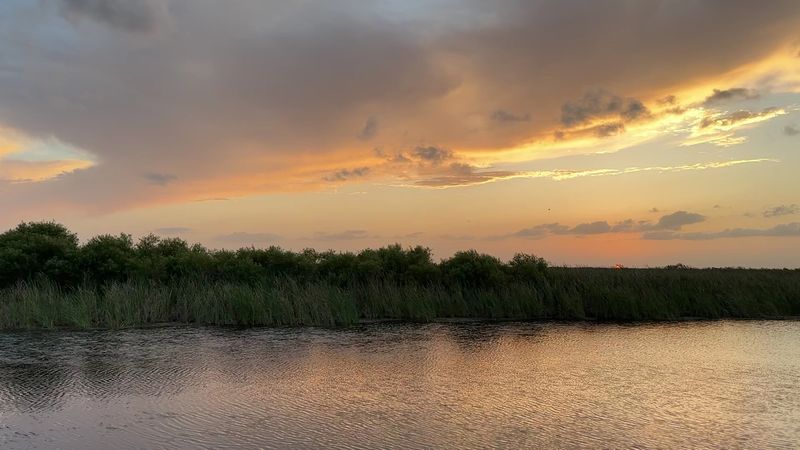
Sunset might be the refuge’s best-kept trick. With a 10 PM closing time, you can stay after the daytime crowds fade. Reviews call it totally worth it, with sunset views earning dozens of mentions.
Drive down toward the lake and find a bench. One visitor sat on the boardwalk on a cool evening and watched ducks and fish play in the water. Even with clouds blocking the big color show, the place felt peaceful and beautiful.
Wide open space means the sky does all the work. Gold light spreads across the marsh, and birds head home in lazy lines. Photographers love it.
Do plan ahead for bugs. As the sun drops, mosquitoes can wake up, so bring repellent. A light jacket helps in cooler months, and a flashlight makes the walk back easier.
Entry is about ten dollars per vehicle. If no one is at the gate, you can pay online. Frequent visitors can look into the yearly pass, which one reviewer listed at twenty-five dollars per carload.
Park passes like the National Park Pass and the Every Kid Outdoors pass also work.
8. Plan Your Visit Like a Local
A little planning goes a long way. The refuge sits at 10216 Lee Rd in Boynton Beach and is open daily from 5 AM to 10 PM. Entry runs about ten dollars per vehicle, and you can reach the staff at 561-734-8303.
Weekends can draw more people than you expect, especially in winter. A Monday midday visit felt very quiet to one guest. If you crave calm, aim for a weekday.
Pack smart. Think hat, sunscreen, bug spray, lots of water, and comfy shoes. Binoculars make birds and gators far easier to enjoy.
Restrooms are found at the visitor center and near the trail ends.
Seasons shape your day. Cool months bring sunbathing gators and fewer bugs, while summer heats up fast. Some trails may be closed for repairs, so ask at the center before you set out.
The gate staff often share good tips and a big welcome, and one even made a fourth grader feel like a star at the Every Kid Outdoors pass check. Reviewers rate the refuge 4.7 stars from over two thousand reviews. Go with patience, curiosity, and respect for the wildlife, and the Everglades will meet you halfway.