Wander Among Some Of Florida’s Oldest Tropical Plants At This Botanical Wonder
A plumber drained a shallow lake back in 1903 and started planting. More than a century later, his backyard project holds over 50,000 tropical and subtropical plants.
Some of those plants are older than your great-grandparents. A rainbow eucalyptus tree towers over a hundred feet, its trunk streaked like someone spilled a box of crayons. Royal palms planted as seedlings in 1930 now stretch past 80 feet.
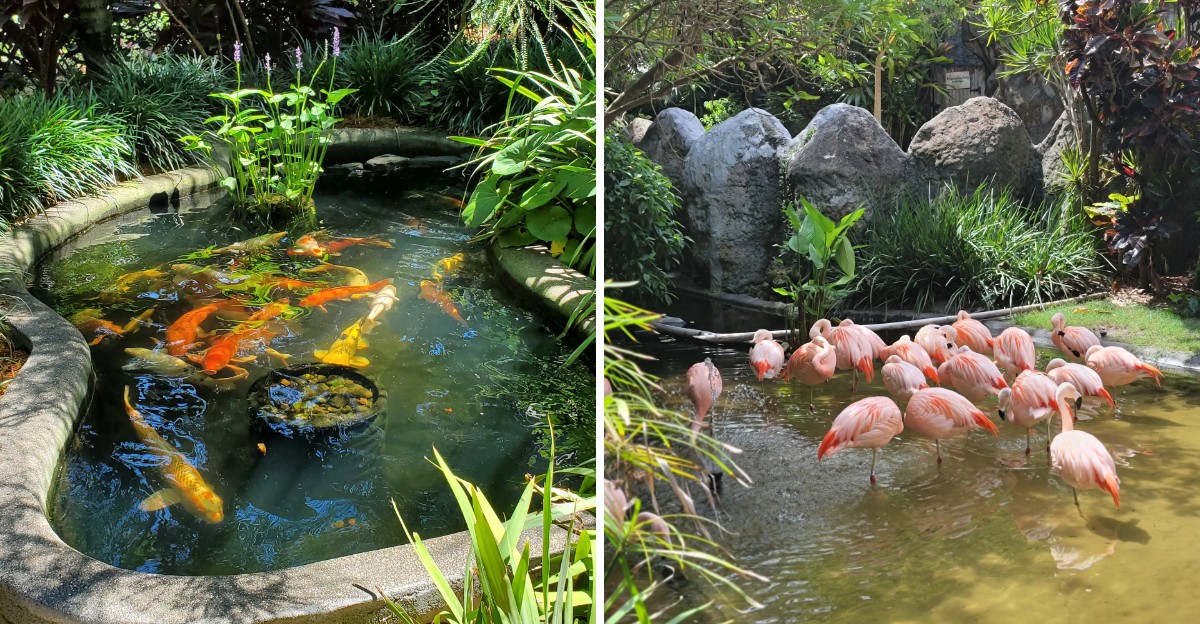
I love that this spot sits right in the middle of a busy Florida city. You step down into the green, and the traffic noise seems to fade. Then a flock of pink flamingos shows up, because apparently the plants needed backup.
I can’t imagine a better way to spend a slow afternoon. So how did a drained sinkhole become one of the most charming gardens in the state?
A Plumber’s Backyard Became A Garden You Can Still Explore
Sunken Gardens started with a pipe wrench, not a fancy design plan. In 1902, plumber George Turner Sr. purchased 4.1 acres that included a large sinkhole.
He drained the sinkhole and began planting a private garden in the rich soil left behind. That dip in the ground is where the name “sunken” comes from.
By the early 1930s, Turner was charging visitors 15 cents to stroll through the garden. By the mid-1930s, the garden was developing into a formal roadside attraction, officially opening to the public in 1936.
The official opening as an attraction came in 1936. It’s now considered one of Florida’s original roadside attractions and one of the oldest on the west coast.
The Turner family put Sunken Gardens up for sale in 1989 but continued operating it until the City of St. Petersburg purchased the property in 1999.
That’s a pretty sweet detail when you think about it. Local residents literally voted to keep this place growing.
Today it’s a designated local historic landmark. You can learn more inside the on-site History Center, which is worth a few minutes before you wander off chasing flamingos.
Bring Your Neck Muscles For This Candy-Striped Giant
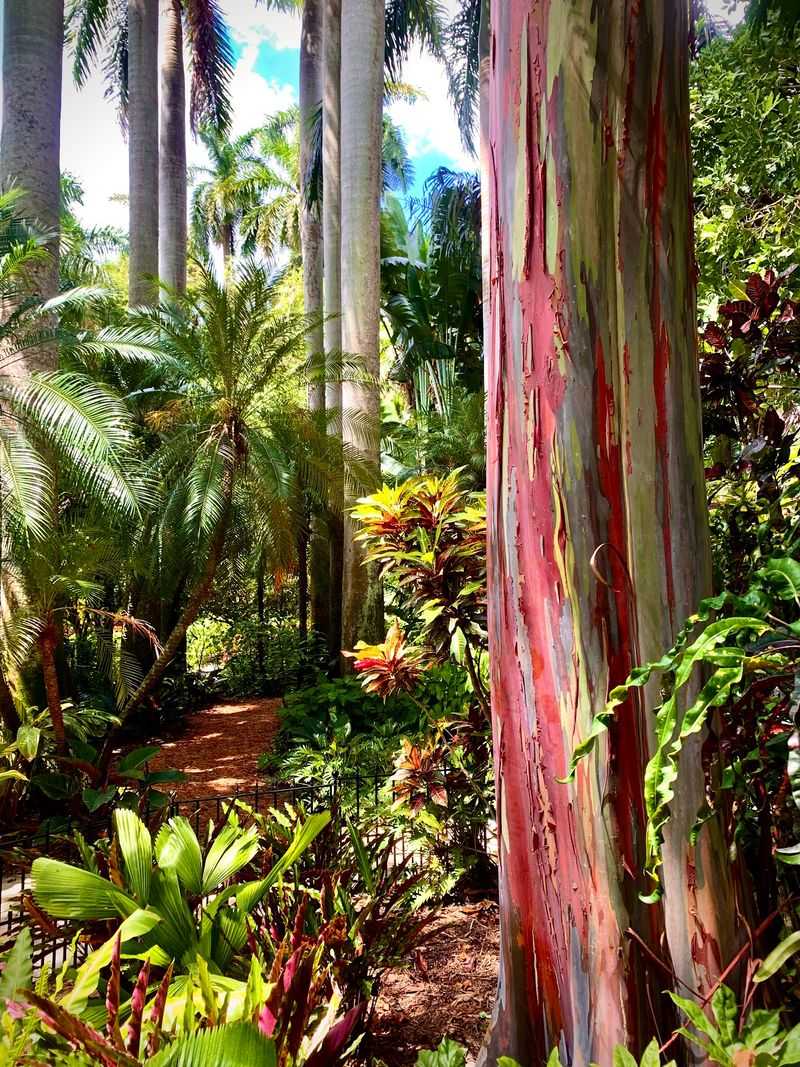
Bark is usually brown and boring. The rainbow eucalyptus at Sunken Gardens did not get that memo.
Its trunk shows off streaks of color that look almost painted on. The rainbow eucalyptus is native to parts of the Philippines, Indonesia, and Papua New Guinea, and this specimen now stands more than 100 feet tall.
It ranks among the oldest and most unusual plants in the whole garden. Standing next to it makes you feel pleasantly tiny.
Photographers, this is your moment. The colorful trunk makes a great close-up, so look down at the bark as well as up at the canopy.
Kids usually want to know if someone colored it. The honest answer is way cooler, since nature handled the artwork all by itself.
Here’s a smart tip for your visit. Plant labels throughout the garden help you match names to what you’re seeing, so you won’t need to guess.
Take your time around this one. It took decades of care and protection to grow this big in Florida.
Honestly, it might be the most patient work of art in St. Petersburg. Few paintings can claim they were still growing while you looked at them.
Old Trees Here Have Seen More Birthdays Than Anyone You Know
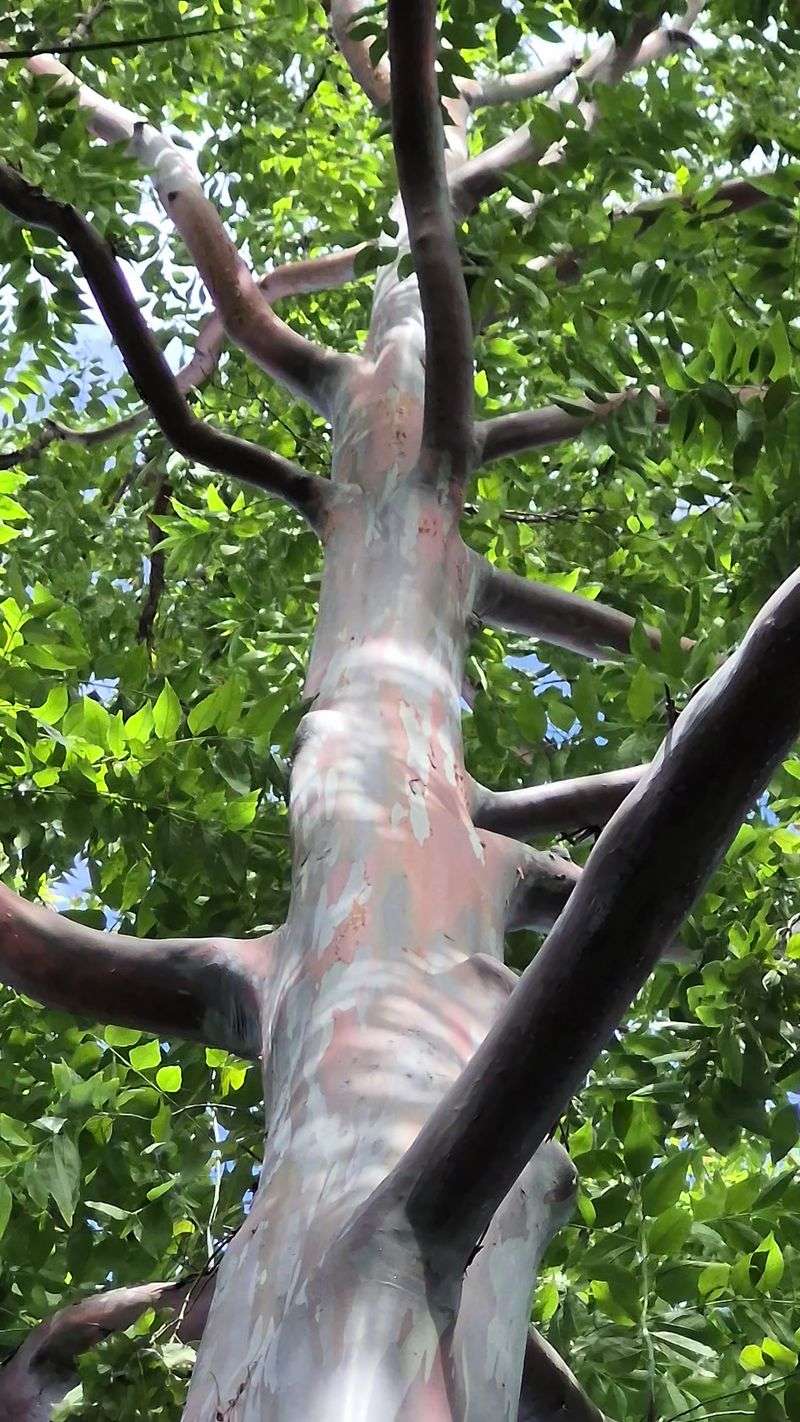
About 150 years. That’s the estimated age of the southern live oak growing in this garden.
Its limbs spread more than 150 feet across. The National Arborist Association recognized this tree back in 1977.
Then there are the royal palms. George Turner Sr. and his son planted them as small seedlings in 1930.
Some now rise over 80 feet into the sky. Not bad for plants that started out small enough to carry by hand.
The bougainvillea vines deserve their own applause. Many were planted in 1953 or earlier, and their stems have grown as thick as tree trunks.
I like how these old plants tell the story better than any sign could. Each one shows what nearly a century of steady care looks like.
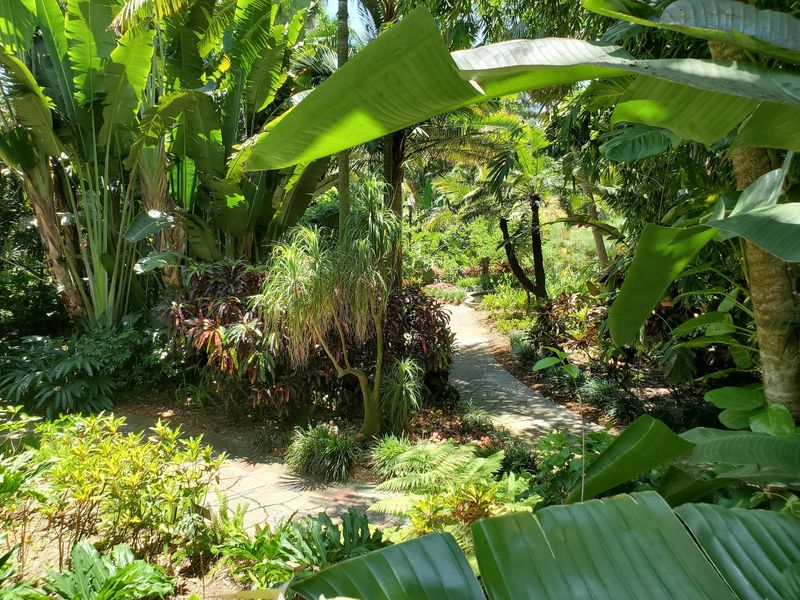
Across the four acres, you’ll find more than 500 species. Some specimens here have passed the 100-year mark.
So slow down a bit on the paths. These trees took their sweet time getting here, and they’ve earned a long look.
Pink Feathers Have Ruled This Garden Since 1956
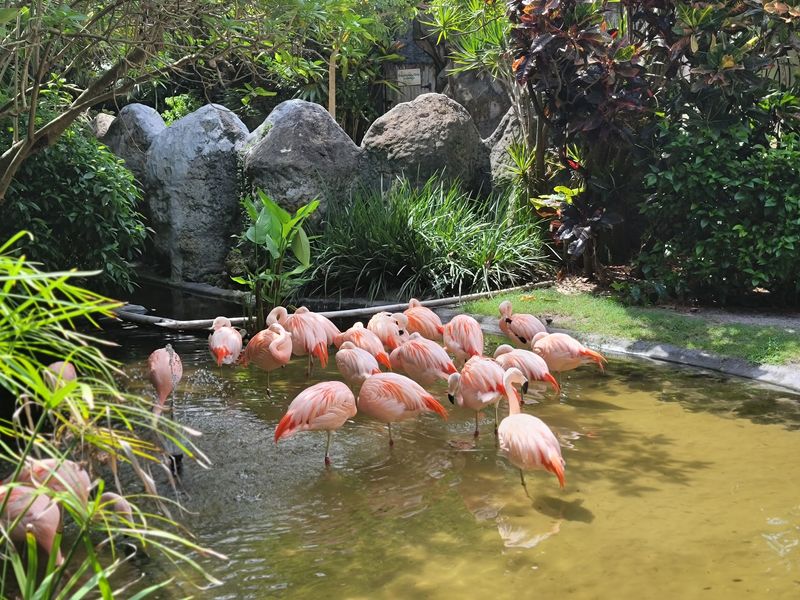
Flamingos and Florida go together like sunshine and sunscreen. At Sunken Gardens, a flamingo flock has been part of the scene since 1956.
These are Chilean flamingos, with that famous pink color and those impossibly skinny legs. In 2016, the garden welcomed a young flock of 20 birds from the San Antonio Zoo.
That fresh group helps keep the tradition going for future visitors. It’s a nice handoff between generations of pink.
Plan your trip with Florida heat in mind. Arriving close to opening time means cooler air for you, which makes lingering much easier.
The flamingos have plenty of room in their area. They stay separated from the walkways, so you can enjoy the view while they do their thing.
Bring a camera with a decent zoom if you have one. Those curved necks and balancing acts make for fun photos.
Watching a flamingo stand on one leg never gets old. Kids will probably try it too, and the flamingos will absolutely win that contest.
A Cockatoo Might Greet You Better Than Your Relatives Do
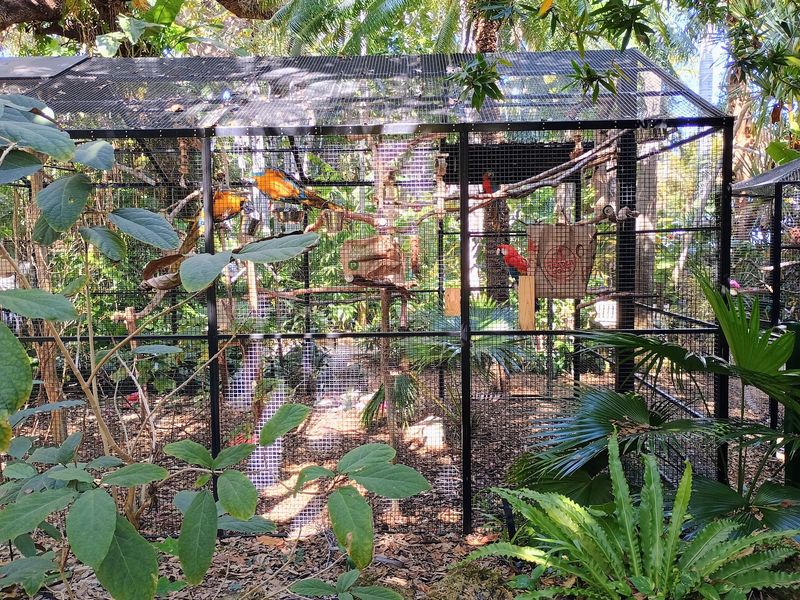
“Hello, baby.” Those friendly words come from Mindy, a 32-year-old white cockatoo who lives at the garden.
She’s one of many rescued birds here. Sunken Gardens specializes in rehabilitating exotic birds, and every one of them is a rescue.
You’ll find macaws, cockatoos, kookaburras, and parrots around the grounds. Their bright feathers almost compete with the flowers.
I believe that rescue mission makes the visit feel more meaningful. These birds got a second chance in one of the prettiest homes possible.
The kookaburra is a fun one to spot. Many people only know it from songs, so seeing one in person is a treat.
Shelled residents live here too. Tortoises, turtles, and an alligator snapping turtle add a slower pace to the animal lineup.
One heads-up about weather in Florida. During rain, staff may move some birds indoors to keep them safe and dry.
A sunny day gives you the best shot at seeing everyone. And if Mindy says hello, feel free to answer back.
Find A Quiet Seat Near The Waterfalls And Koi
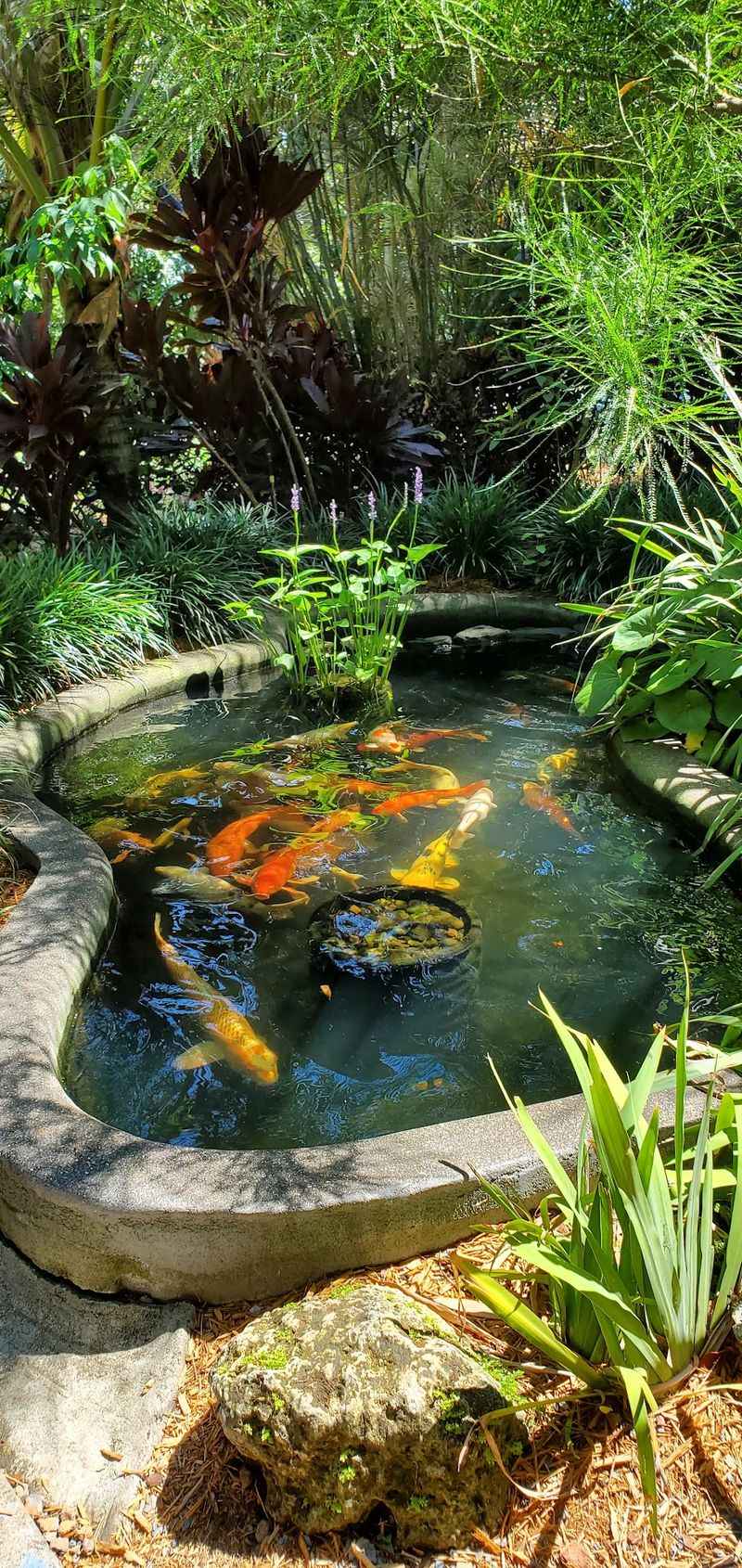
Water changes the whole mood of a garden. Here, cascading waterfalls and winding paths make the space feel calm and tucked away from city life.
The Japanese koi pond is a favorite stop. Staff sometimes give educational talks there, and kids can feed the fish.
Those koi are colorful and fun to watch glide around. They seem to know exactly when snack time is coming.
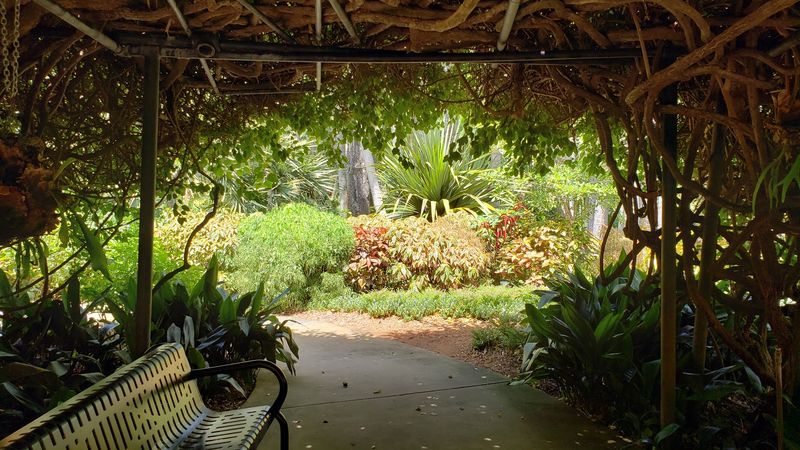
Gazebos around the grounds offer peaceful places to pause. Seating is limited, so grab a bench when you spot an open one.
Then there’s the Growing Stone. This fossilized limestone rock came from the center of the original sinkhole.
Legend says sitting on it brings tranquility, inner harmony, and the talent to make things grow. Got a sad houseplant at home? It can’t hurt to try.
Themed areas add even more variety. Look for the Orchid Arbor, Japanese garden, cactus garden, and succulent garden as you wander.
Each one feels like a small new chapter. Water lilies and shrimp plants show up along the way too.
Little Explorers Get Plenty Of Room To Roam
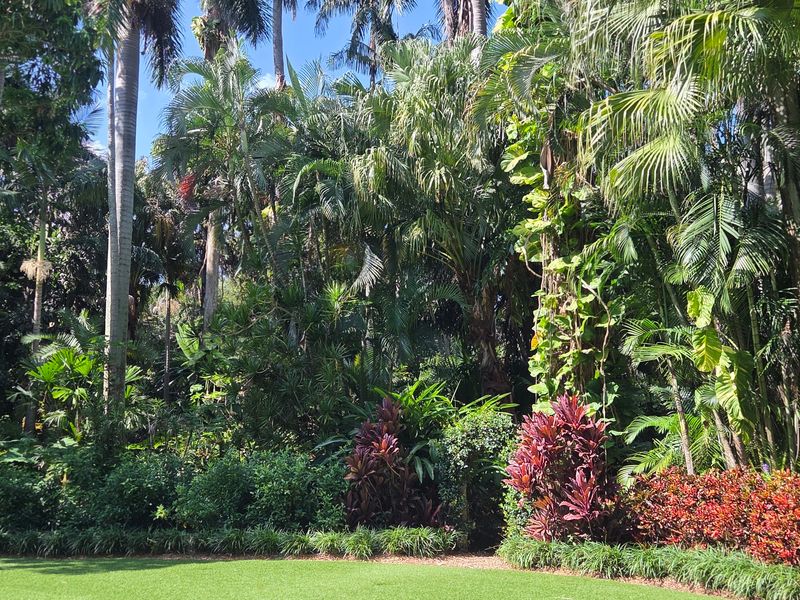
Kids and quiet gardens don’t always mix. Sunken Gardens solves that with a large open yard where children can run off some energy.
The pollinator garden is another winner. Native butterflies flutter around the blooms, which feels a little like a live nature show.
Feeding the koi is a hands-on highlight for younger visitors. Ask about staff talks at the pond to make it extra educational.
Field trips and educational programs also happen here. Teachers and homeschool families can find a real outdoor classroom.
Picnic lunches are allowed inside the gardens, and there’s a picnic area. Packing sandwiches can save you from hungry, cranky moods halfway through the visit.
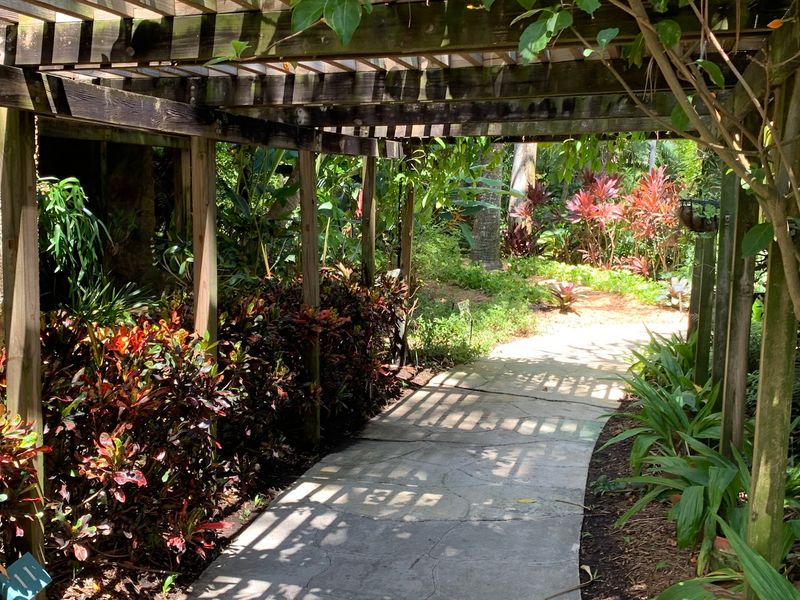
Strollers make sense for little ones on the paths. Several historic paths are ADA-accessible, covering three-fourths of a mile.
Need even more fun nearby? The Great Explorations Children’s Museum sits in the same historic entrance building.
That makes it easy to turn a garden trip into a full family day. Tired kids sleep well, and that’s a bonus for parents everywhere.
The Front Door Has A Fizzy Past Of Its Own
Most garden entrances are simple gates. This one is a 1926 Spanish Revival building with a surprising résumé.
It once housed the Sanitary Public Market. Later, it served as a Coca-Cola bottling plant.
Now it welcomes garden visitors and holds a gift shop. The Great Explorations Children’s Museum and Carrabba’s Italian Grill share the building too.
You’ll find it all at 1825 4th St. N., St. Petersburg, FL 33704. Parking is free, which always feels like a small win.
Hungry after your walk? Besides Carrabba’s, Panera Bread and Outback Steakhouse sit right across 4th Street.
The gift shop is a fun last stop. It’s a handy place for a souvenir before heading back out into Florida sunshine.
The building also hosts some bigger moments. Weddings use the Wedding Lawn and Garden Room, and private and corporate rentals are available.
I like how one old structure has done so many jobs over the years. It went from groceries to soda to gardens, and it still looks great doing it.
A Few Smart Moves Make Your Visit Even Better
Timing matters in a Florida garden. Sunken Gardens opens at 10 a.m. Monday through Saturday and at noon on Sunday.
Everything closes at 4:30 p.m., with last admission at 4 p.m. Arrive early if you want cooler temperatures for strolling.
Tickets are sold in person on the day of your visit. You can’t buy them online ahead of time, so just show up ready.
Discounts are available too. AAA members, military with valid ID, and anyone celebrating a birthday with ID can save a little.
Plan around a few closed days. The garden shuts down on Thanksgiving, Christmas Eve, and Christmas Day.
Comfortable shoes are a must for the paths. Wheelchairs and walkers are welcome, though the garden doesn’t provide them.
Accessible parking, accessible restrooms, and zero-step entry help make things easier. Guided garden tours can add extra stories to your walk.
Bring water, a hat, and a little patience for the heat. Then wander slowly, because a century of growth deserves more than a quick glance.