You’d Never Guess This Strange Building Near Orlando Is One of Florida’s Rarest Historic Landmarks
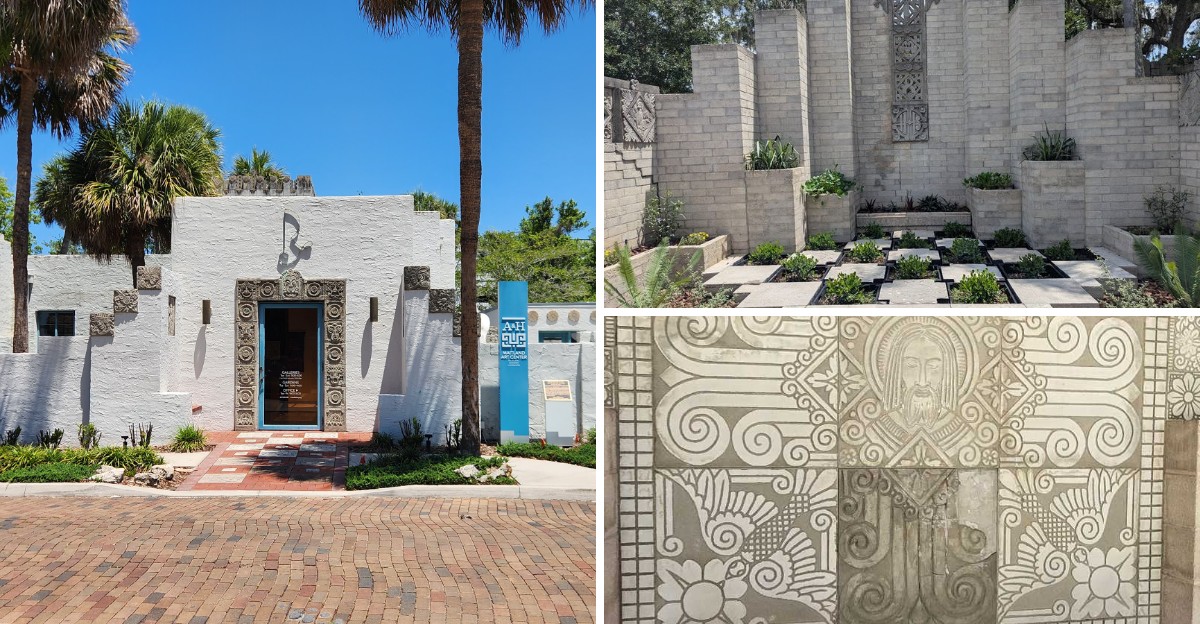
In a quiet street in Maitland, just north of Orlando, sits a cluster of buildings that looks like it was borrowed from an ancient Mayan city. It was built in the 1930s as a home for working artists, and it is still standing today. Inside, you will find carved walls, hidden courtyards, and art that tells a surprising story.
Here are eight reasons this odd little landmark deserves a spot on your Florida list.
1. An Artist Colony Born in the 1930s
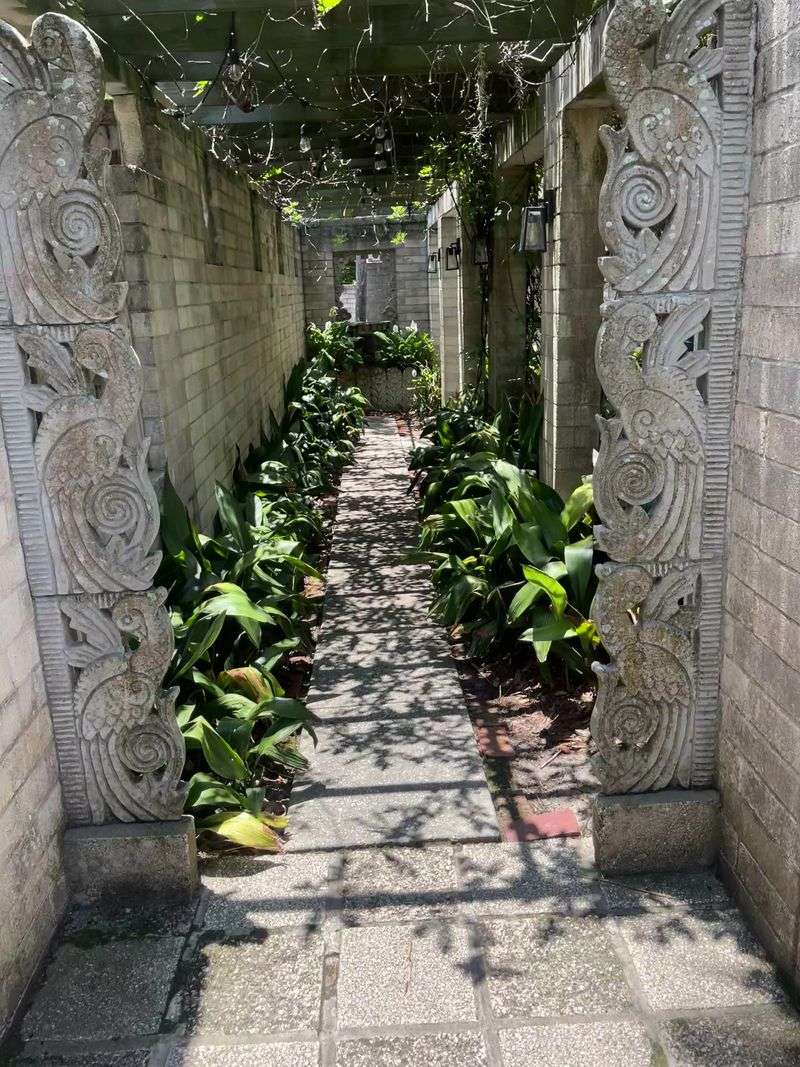
Picture this: it is the 1930s, the country is struggling, and one artist decides to build a whole village just for creating. That artist was J. Andre Smith, a World War I veteran and trained architect who moved to Florida looking for a fresh start.
With help from a patron named Mary Curtis Bok, he built a research studio where artists could live and work in peace. The place opened in 1937 and was meant to feel like a retreat away from the noise of daily life.
Today the site is a National Historic Landmark, which is a rare honor. Very few places in Florida carry that title, and even fewer look like this one.
Smith wanted creative people to have room to think, so he mixed studios, gardens, and shady walkways into one campus. Every path seems planned to slow you down.
Visitors often say the peaceful mood hits them the moment they step through the gate. Reviewers call it a hidden gem, and many are surprised such a place exists in Maitland at all.
Plan to wander without a strict schedule. The story of the colony is easiest to feel when you are simply strolling and looking up at the details.
2. Mayan Style Carvings Everywhere
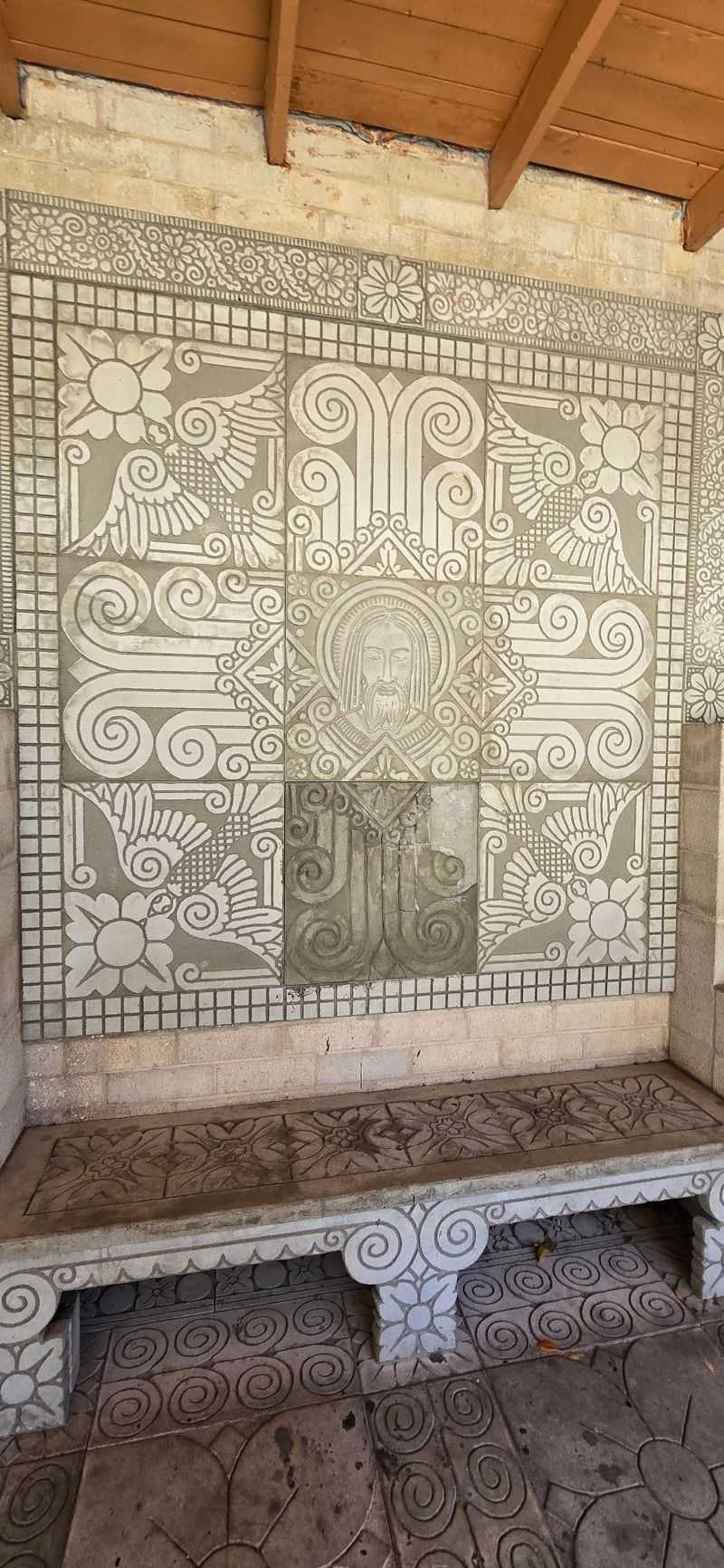
Look closely at the walls and you will spot faces, symbols, and patterns pressed into concrete. Nothing here was made in a factory.
Smith shaped the panels by hand, and the designs echo Mayan and other ancient American art. One visitor said the blocks reminded them of a trip to Peru, and another compared them to the textured blocks Frank Lloyd Wright used at Hollyhock House.
Here is a fun twist: the buildings are not copies of any single ancient place. Smith blended ideas from many cultures with Art Deco lines and even Taos style stairs, creating something you will not see anywhere else in Florida.
Bring your phone and zoom in on small details. The corner window at the end of the large courtyard gets special praise, and the steel low profile windows add a sleek twist.
Morning and late afternoon light make the carvings pop, because shadows sink into every groove. Midday sun can flatten them, so time your visit if you love photography.
Take a slow lap around each building. Every wall seems to hold a different pattern, and it is easy to miss half of them if you rush.
3. The Courtyards and Garden Spaces
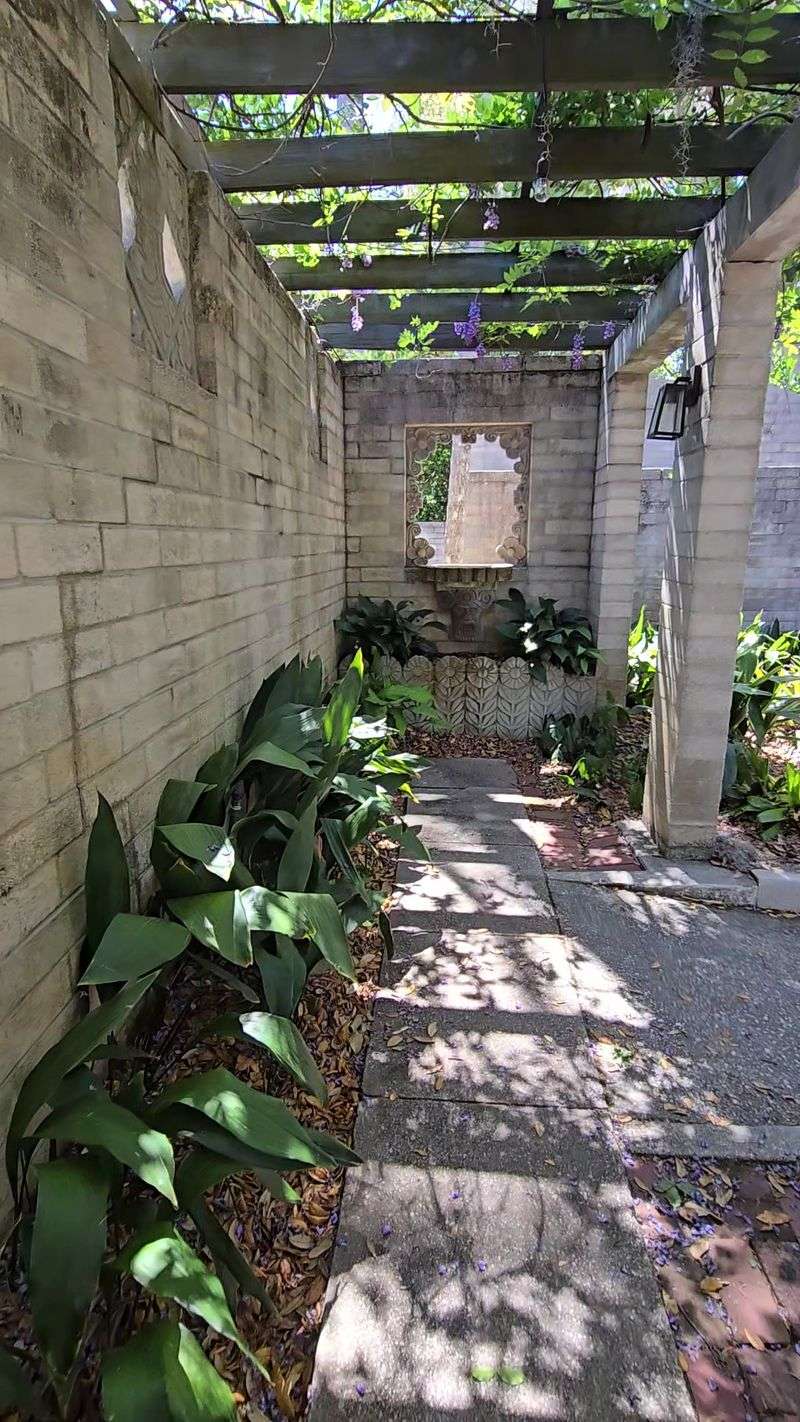
Some places feel ten degrees cooler the second you walk in, and these courtyards are one of them. Giant live oaks stretch overhead, and the plants seem to grow right into the architecture.
One visitor invented a word for it, calling the mix of greenery and buildings horti-tecture. It fits, because vines, pergolas, and stone all seem to lean on one another.
The large main garden is spacious enough for gatherings, while smaller nooks feel private. Reviewers describe the atmosphere as quiet and tranquil.
You will also find sculptures tucked among the greenery, so keep your eyes open as you wander. Benches invite you to sit and just listen to the leaves.
There is a pond area too, with lily pads, though one guest hoped it would get some fresh attention and maybe a few koi. It is a reminder that old landmarks need care.
Wear comfortable shoes, bring water in summer, and check the schedule first. Outdoor areas can be locked on days the center is closed, and that disappointed at least one traveler.
4. Three Museums in One Visit
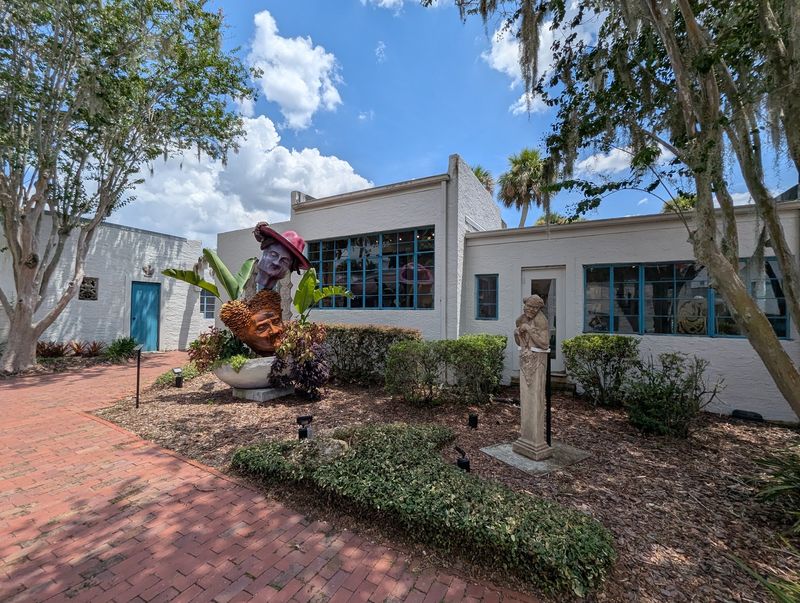
Six dollars does not usually buy much these days, yet here it opens the door to a surprisingly full afternoon. Adults pay that amount, while seniors and students get in free, according to one recent visitor.
First comes the art gallery, where work by J. Andre Smith takes center stage. His etchings and prints are packed with fine detail, and one reviewer called the level of craft mesmerizing.
Next is a local history display. It shares stories of Florida from Indigenous peoples to early settlers, using objects that feel personal rather than dusty.
The third piece is the Telephone Museum, which we will get to in a moment.
The exhibits are small, and some guests admit that. The building itself is the bigger star, so treat the galleries as one stop along a larger walk.
Give yourself about an hour or two. Rotating shows mean the art changes, so a second visit can feel brand new.
5. The Quirky Telephone Museum Next Door
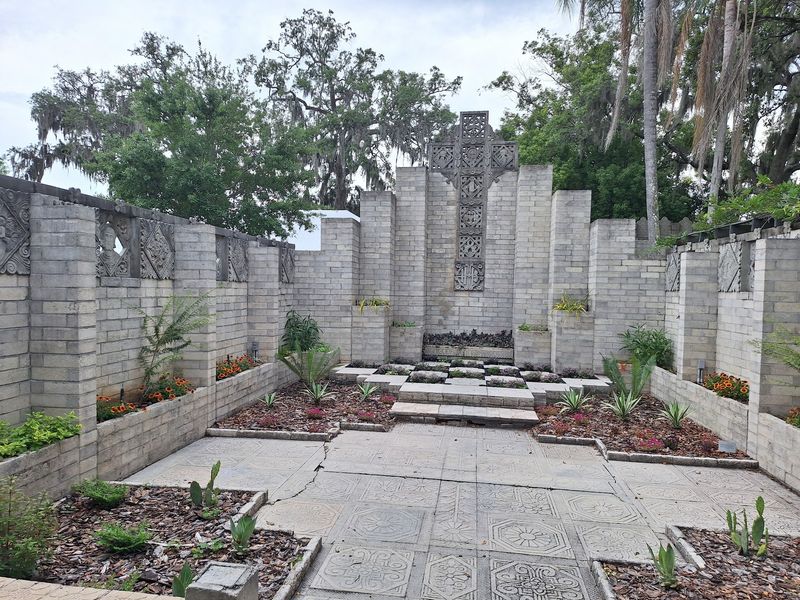
Rotary dials, heavy black handsets, and old switchboards: this is where your grandparents’ communication world comes back to life. The Telephone Museum sits right beside the art buildings and often surprises first timers.
It was mentioned again and again by reviewers, which tells you it leaves a mark. One visitor simply said to check out the phone museum next door.
Kids who have never seen a phone with a cord will likely stare in disbelief. Adults may find themselves saying they had one just like it.
The collection shows how calls traveled long before smartphones existed. It is a neat contrast to the handmade art just steps away.
Fun pairing idea: after the phone displays, walk back into the carved courtyards. The jump from technology history to art history is oddly satisfying.
Ask the staff about hours, since the whole campus can close on certain days. A quick check saves a wasted trip.
6. A Chapel That Feels Ancient
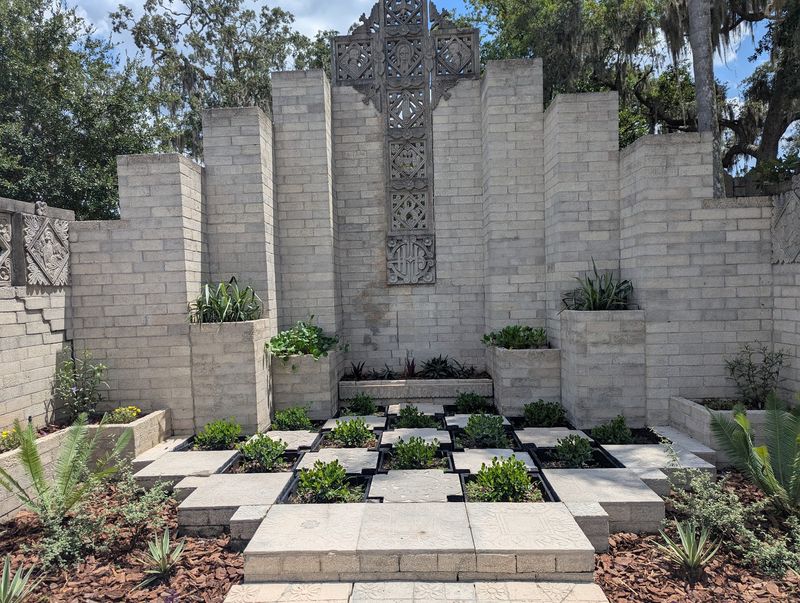
Step inside the little chapel and it feels like you have wandered into a forgotten temple. Carved stone details and a hushed mood set it apart from everything else nearby.
One reviewer called it an ancient stone chapel and praised the serene lily pad gardens outside. Another loved its Mayan style design.
The space is tiny, and that is part of its charm. Guests who have attended ceremonies here say it is best for an intimate group, and one estimated it fits about fifty at most.
Candles and string lights glow after dark, and late afternoon sun pours warm color across the courtyard. A wedding guest described the scene as romantic and perfect.
Even if you are not marrying anyone, the chapel is worth a quiet pause. Stand still for a minute and listen.
Curious about how the room works for events? Chairs and standing spots need careful planning, so ask the events team early.
7. Weddings and Photo Shoots
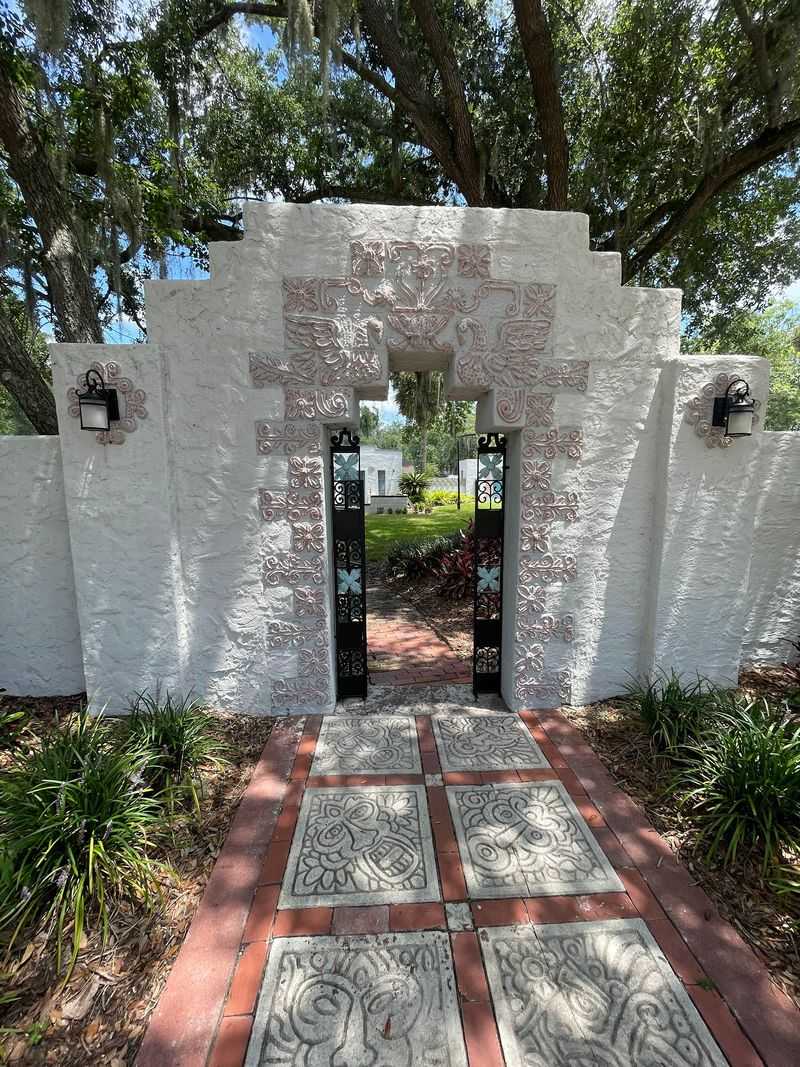
Ask locals where to get unforgettable photos, and many will point here. Wedding venue was the most mentioned topic in reviews, and the praise keeps rolling in.
Couples love the mix of garden, stone, and romantic lighting. A mother who watched her daughter marry here called it fantastic, with tons of photo chances.
Options are flexible. The chapel suits small crowds, the large garden holds more, and a covered venue can be rented as well.
One bride thanked the events coordinator for making planning easy and working smoothly with her wedding planner. Good service matters as much as a pretty backdrop.
Non wedding photographers are welcome to explore too. Portraits, family sessions, and artsy selfies all look great against the textured walls.
Tip: check the rules and book early for busy seasons. Popular dates fill up fast.
8. Classes, Events, and Planning Your Visit
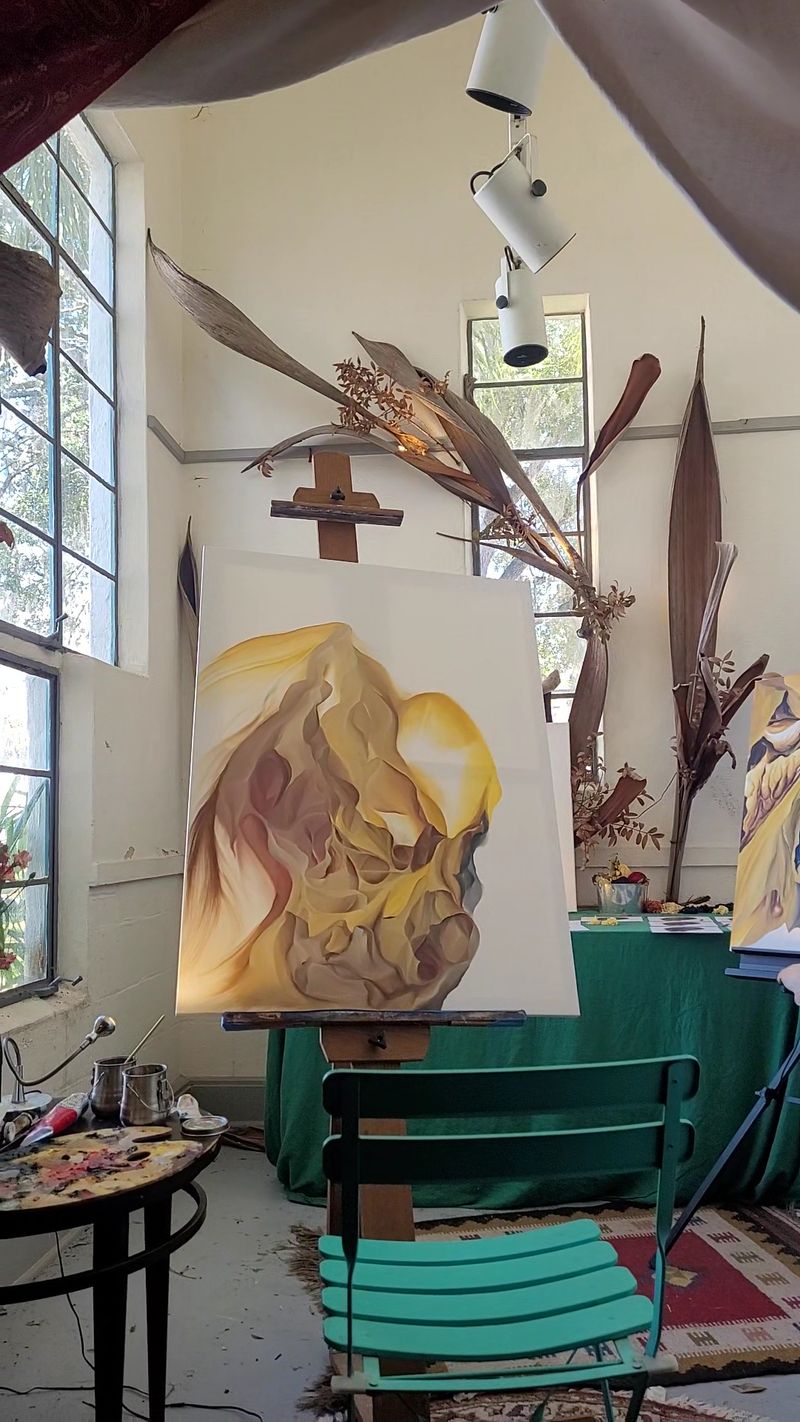
Here is your practical cheat sheet. The center sits on West Packwood Avenue in Maitland, and it holds a 4.7 star rating from visitors.
Check the calendar before you go. The campus runs art classes, and guests mention things like ceramics and sculpture. Experiences vary, so read details and expectations before signing up.
Newer buildings on the grounds include restrooms, a kitchen, and a meeting space that holds a large group. Smaller rooms host classes, and the little gallery there is lovely.
Most important: hours matter. A traveler arrived on a Monday, found parking full but gates locked, and left disappointed. Confirm days and times on the official website first.
Wear walking shoes, pack sunscreen, and bring a camera. Give yourself time to sit under the oaks.
Whether you love art, history, or just odd buildings, this Maitland landmark rewards curiosity. Consider it a small adventure near Orlando that feels a world away.