10 Hidden Florida Swimming Holes That Feel Like Local Secrets
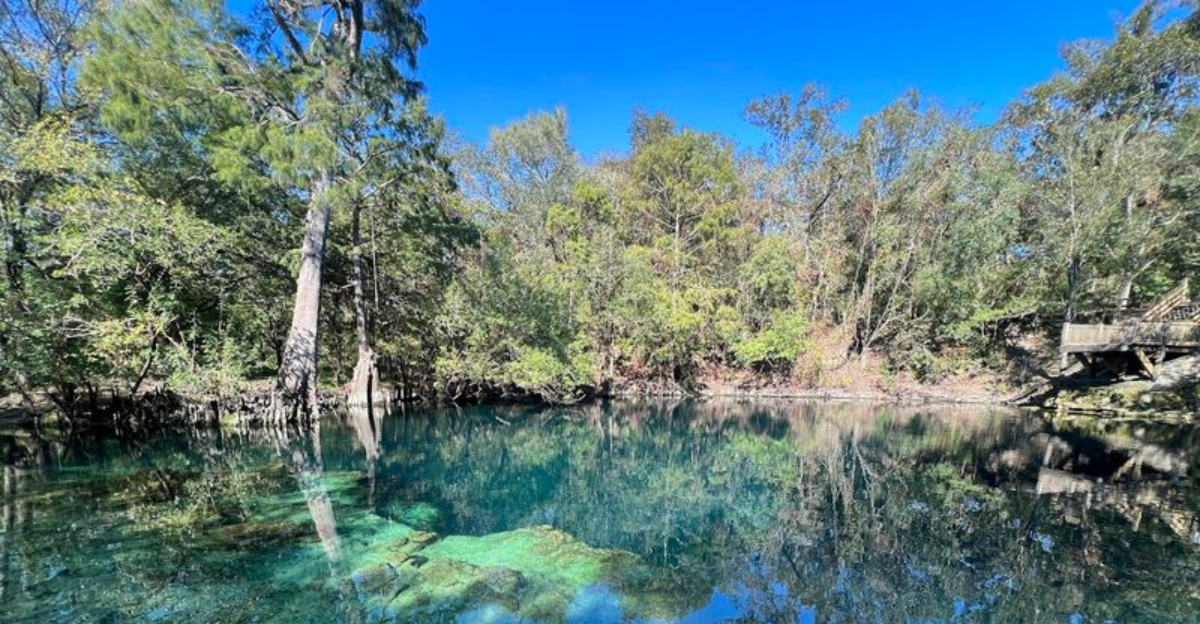
Florida is famous for theme parks and ocean beaches, but the real magic hides in its springs. Tucked beneath cypress trees and along winding rivers, the state’s natural swimming holes offer crystal-clear water that stays around 68 degrees year-round.
Most locals guard these spots like family recipes — shared only with people they trust. Pack a towel, grab your snorkel, and get ready to discover Florida’s coolest, clearest, and most underrated places to swim.
1. Royal Springs — O’Brien / Live Oak Area
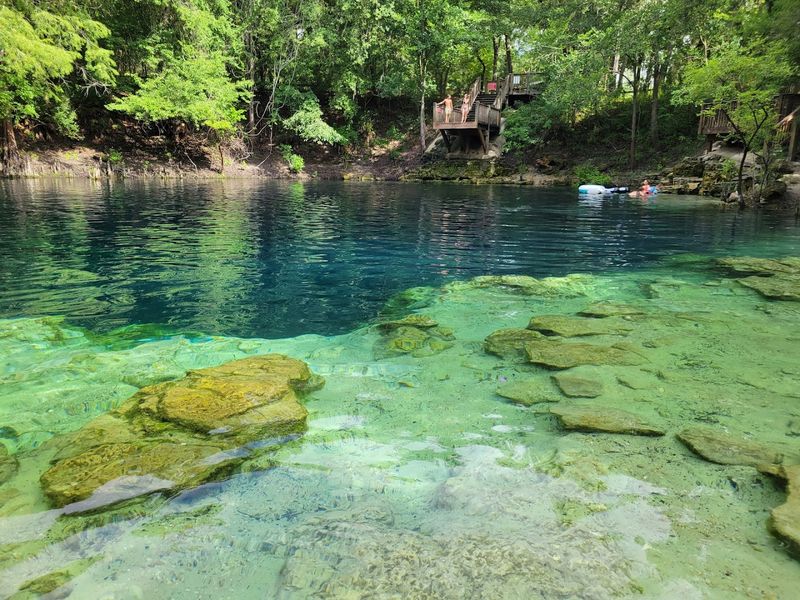
There’s something almost theatrical about watching a spring boil push water up from the earth like a slow, bubbling performance. Royal Springs, tucked inside a county park near O’Brien in the Live Oak area, gives you front-row seats to exactly that.
The spring boil here is visible right from the water’s edge, making it one of the more visually dramatic spots in North Florida.
The park is clean, well-maintained, and genuinely welcoming. Concrete stairs make getting in and out of the water easy, which is a small but meaningful detail when you’re hauling snorkel gear or wrangling excited kids.
The water is strikingly clear, and the cool temperature hits you all at once — that first plunge is always a little shocking, no matter how ready you think you are.
Swimming and diving are both allowed here, so the crowd tends to be a mix of casual floaters and people in full snorkel masks investigating the spring vent up close. The depth near the boil gives brave swimmers room to explore below the surface.
Bring water shoes because the bottom near the edges can be slippery.
What keeps Royal Springs feeling like a local secret is its size. It’s not enormous, and it doesn’t try to be.
There’s no gift shop, no admission booth with a long line, and no loudspeaker announcing the next guided tour. Just a spring, some shade, and the kind of quiet that reminds you why people fall in love with Florida’s natural side.
Weekday visits are especially peaceful. If you’re road-tripping through Suwannee County, this one deserves a stop — and probably a second one on the way back.
2. Rum Island Spring — Fort White
Rum Island Spring has the kind of name that makes you want to visit before you even know what it looks like. Fortunately, the reality lives up to the imagination.
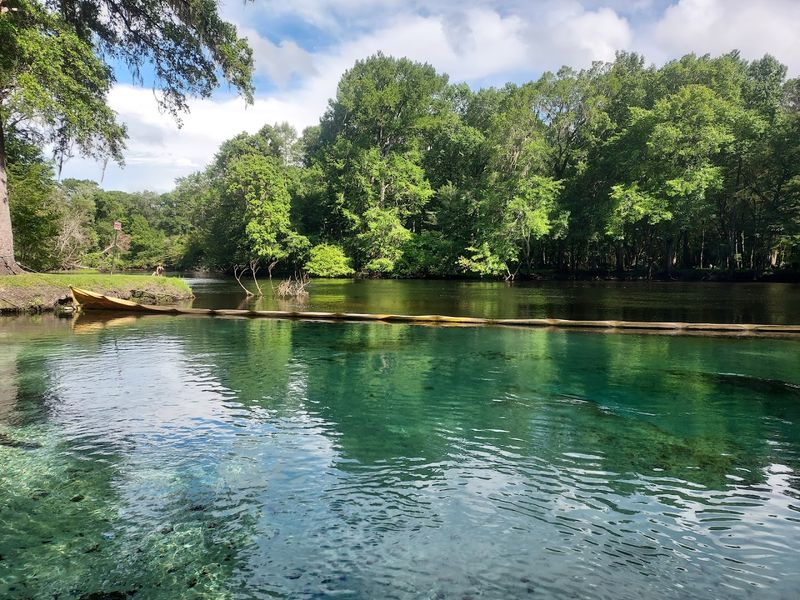
Located along the Santa Fe River near Fort White, this small spring feeds into one of Florida’s most beloved paddling rivers, giving swimmers a cool, clear spot to rest and refresh mid-adventure.
The swimming area is roped off from the main river channel, which is a smart setup that keeps the experience calm and safe. The spring itself is modest in size, but the water quality is exceptional — you can see the bottom clearly even when other swimmers are splashing around nearby.
That kind of clarity never gets old, especially on a sweltering Florida afternoon when the water looks almost unnaturally blue-green against the riverbank.
Getting here is part of the fun. Many visitors arrive by canoe or kayak, paddling downstream from nearby launch points along the Santa Fe River.
If you’re driving in, the access road is narrow and unpaved, so keep that in mind if you’re driving a low-clearance vehicle. It’s worth a little extra effort, though — the payoff is a spring that feels genuinely off the beaten path even on busy weekends.
Rum Island attracts a loyal crowd of locals, paddlers, and tubers who know the Santa Fe corridor well. You’ll often find people lounging on the grassy bank, snorkeling near the spring vent, or simply floating in the current just outside the roped area.
There are no major amenities here, so bring everything you need — water, snacks, sunscreen, and a dry bag for your phone. Rum Island rewards the prepared visitor with one of the most laid-back spring experiences in all of North Central Florida.
3. Troy Spring — Near Branford
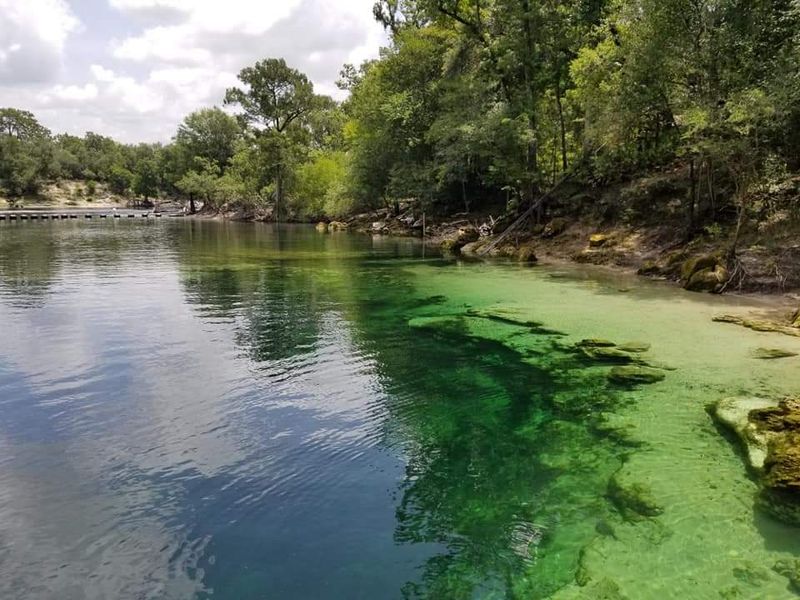
Troy Spring has been pulling in swimmers for generations, and once you see the water, you’ll understand why the tradition stuck. Located near Branford along the Suwannee River, this spring sits inside a state park that manages to feel both accessible and wonderfully unhurried.
The water is the kind of clear that makes you second-guess whether you’re actually looking at liquid or just really clean air.
Here’s a detail that sets Troy Spring apart from nearly every other swimming hole in Florida: there’s a sunken Civil War-era steamboat resting beneath the surface. The vessel — the Madison — was scuttled in 1863 to prevent Union forces from capturing it.
Snorkelers and divers can still see the wooden hull today, which turns a regular swim into something closer to a history lesson with fins. Not many swimming holes come with that kind of backstory.
The spring run connects to the Suwannee River, so the experience shifts slightly depending on river conditions. When the Suwannee is running low and clear, the spring run is gorgeous.
During periods of high water, the river can push tannin-stained water toward the spring, reducing visibility. Checking conditions before you go is always a good move.
Facilities at Troy Spring State Park are simple but functional — restrooms, picnic tables, and a parking area. The spring platform and swimming area are well-defined, and the park staff keeps things orderly without being overly strict.
Crowds tend to build on summer weekends, but arrive early and you might have the spring nearly to yourself. Troy Spring is the rare spot that rewards both the casual swimmer looking for a cool dip and the curious explorer who wants something more beneath the surface — literally.
4. Lafayette Blue Springs — Mayo
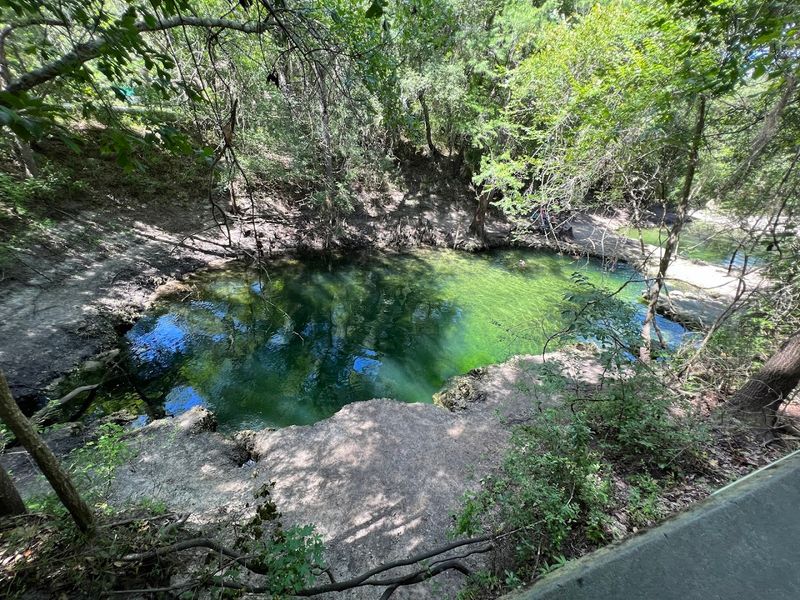
Lafayette Blue Springs earns its name honestly. The water here runs a shade of blue-green so vivid it looks like someone cranked up the saturation in a photo editor — except this is the real thing.
Situated near Mayo in Lafayette County, this first-magnitude spring pumps out millions of gallons of water daily, keeping the pool full, cool, and endlessly inviting.
First-magnitude springs are the heavy hitters of Florida’s spring system, producing at least 64 million gallons per day. That designation matters to swimmers because it means the flow is strong and consistent, keeping the water exceptionally clear even on crowded days.
Lafayette Blue Springs delivers that clarity with style — the spring vent is dramatic and visible, and the surrounding landscape of limestone and cypress gives the whole place a slightly prehistoric feel.
Swimming here is straightforward and genuinely enjoyable. The park has a designated swim area, and the spring run offers a natural lazy river experience for those who want to float rather than swim laps.
Snorkeling is popular near the vent, where fish dart in and out of the flow and the underwater landscape gets interesting fast. During winter months, manatees sometimes cruise into the warm spring water, turning the whole experience into something unexpected and magical.
The park charges a modest entrance fee, and facilities include restrooms, picnic areas, and a canoe launch. Lafayette County doesn’t get nearly as much spring tourism traffic as Gilchrist or Alachua counties, which means Lafayette Blue Springs often feels quieter than its quality deserves.
That’s genuinely good news for anyone who prefers their swimming holes with fewer crowds and more elbow room. Mayo is a small town, so fuel up and grab snacks before you head out — convenience stores are limited in the area.
5. Morrison Springs — Ponce de Leon Area
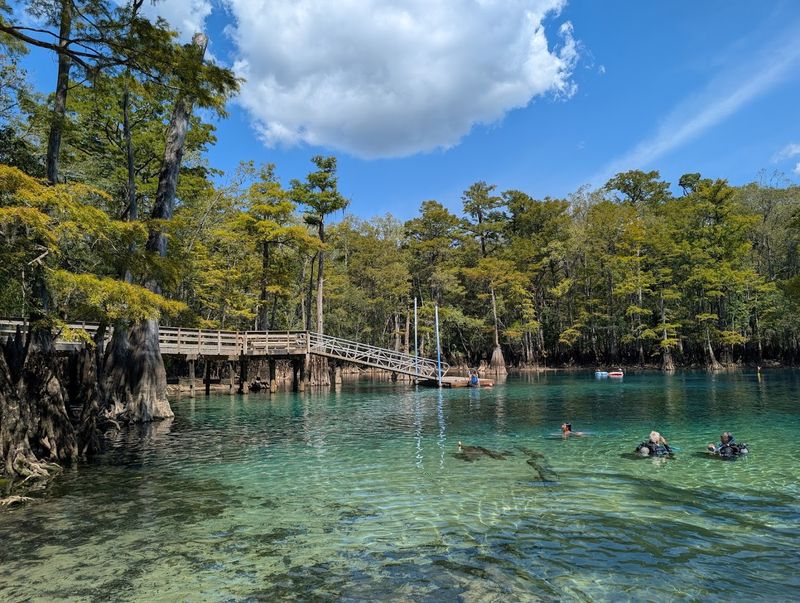
Morrison Springs is the kind of place that converts skeptics into spring fanatics. Located near Ponce de Leon in the Florida Panhandle, this county park sits in a region that doesn’t always get the spring tourism spotlight — but locals know exactly what they have here.
The water clarity is exceptional, the spring basin is deep and dramatic, and the surrounding park is genuinely well-kept.
The spring is a favorite among the diving community, and for good reason. The main vent drops into a cave system that certified divers can explore, while snorkelers stay in the shallower areas and still get a jaw-dropping view of the underwater world below.
Swimmers who don’t snorkel or scuba are equally welcome — the surface swimming area is spacious and the water temperature stays comfortable year-round at that classic spring-fed 68 degrees.
What makes Morrison Springs particularly appealing is its setting. Tall hardwoods shade the banks, a sandy beach area gives families a comfortable place to spread out, and the overall atmosphere feels more like a mountain lake retreat than a typical Florida park.
The Panhandle landscape here is distinctly different from Central or North Florida spring parks, with rolling terrain and denser forest adding to the sense of discovery.
Walton County manages the park and keeps the facilities in solid shape. Restrooms, picnic tables, and parking are all available, and the entrance fee is reasonable.
Summer weekends draw bigger crowds, but the park handles the volume well. If you’re traveling through Northwest Florida and wondering whether to detour off the highway for a spring swim, Morrison Springs is absolutely worth the extra miles.
Few spots in the Panhandle combine this level of natural beauty with this much swimming and diving versatility in one location.
6. Cypress Springs — Vernon / Holmes Creek
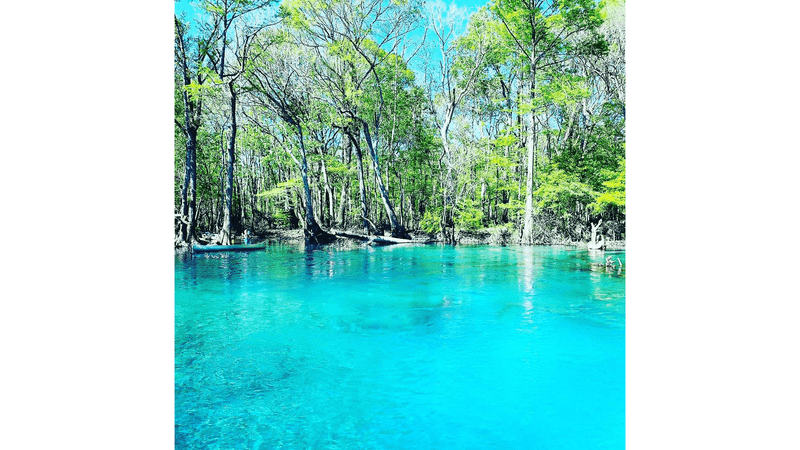
Cypress Springs is the swimming hole you have to earn, and that’s exactly what makes it so worth it. Nestled along Holmes Creek near Vernon in Washington County, this crystal-clear spring is only reachable by water — kayak, canoe, or paddleboard.
There’s no road access to the spring itself, which is precisely why it still feels like a secret even as its reputation quietly grows among paddlers.
The paddle to Cypress Springs is an experience all on its own. Holmes Creek winds through a canopy of cypress trees draped in Spanish moss, with the water shifting from dark tannin-brown to startling clarity as you approach the spring.
That transition — from river water to spring water — is one of those moments that makes you stop paddling just to stare. The contrast is genuinely striking every single time.
Once you arrive, the spring itself is a reward for the effort. The water is cold, clear, and beautifully blue-green, with a sandy bottom that glitters in the filtered sunlight.
Swimming here feels private in a way that drive-up springs simply can’t replicate. Because access requires a paddle, the crowd self-selects — you’re surrounded by people who planned ahead and made the effort, which tends to create a more respectful, relaxed atmosphere.
Launch points along Holmes Creek are available in the Vernon area, and several outfitters nearby offer kayak and canoe rentals if you don’t have your own gear. The paddle distance varies depending on your launch point, so check current conditions and plan accordingly.
Bring everything you need in a dry bag — snacks, water, sunscreen, and a towel. Cell service along the creek can be spotty.
Cypress Springs rewards the adventurous spirit with one of the most genuinely unspoiled spring experiences in all of Northwest Florida.
7. Pitt Spring at Pitt & Sylvan Springs — Youngstown / Econfina Creek
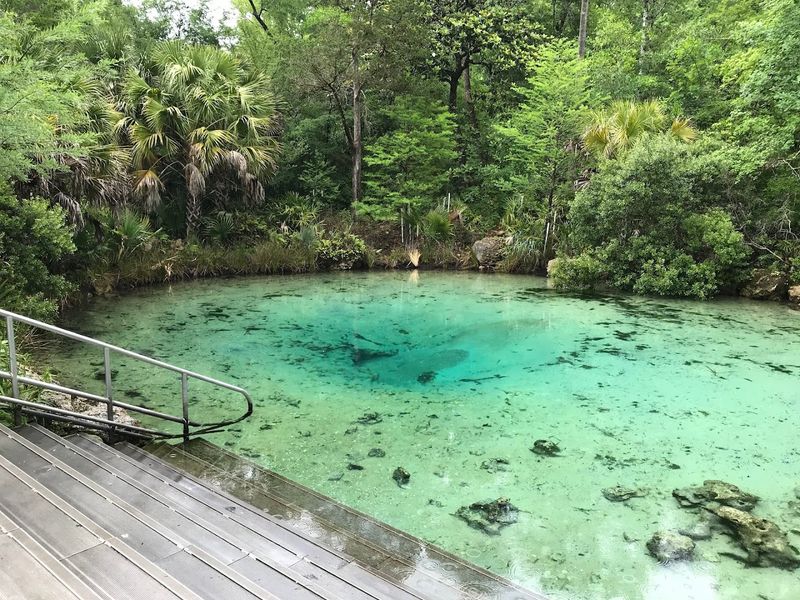
Pitt Spring sits along one of Florida’s most celebrated paddling corridors — Econfina Creek — and yet it still manages to feel like a discovery rather than a destination. Located near Youngstown in Bay County, this water-management district site offers direct swimming access via steps built right into the spring bank, a thoughtful touch that makes getting in and out of the water genuinely easy.
Econfina Creek is already famous among kayakers and canoeists who treasure its tea-colored water and dense forest scenery. Pitt Spring adds a cool, clear reward partway through the paddle, giving visitors a reason to stop and stay awhile.
The spring water contrasts beautifully with the surrounding creek — clear and cold against the tannin-stained river flow — and the swimming here is described by regulars as some of the best along the entire Econfina corridor.
The steps into the spring are a practical and appreciated feature. Natural spring banks can be slippery and awkward to navigate, especially with young swimmers or anyone carrying gear.
Having a structured entry point keeps things safer and more comfortable for a wider range of visitors. The spring basin itself is scenic, with the kind of underwater visibility that makes you want to linger longer than planned.
Sylvan Springs, nearby on the same site, adds another dimension to the visit. Together, Pitt and Sylvan create a multi-spring experience that’s unusual even by Florida’s generous spring standards.
The area is managed by the Northwest Florida Water Management District, which keeps access open but also helps protect the ecosystem. Crowds here tend to be lighter than at state-managed spring parks, partly because the location requires a bit of local knowledge to find.
That lower profile is a genuine advantage — bring a paddling map, pack your gear, and enjoy the kind of spring day that rarely needs a filter.
8. Jackson Blue Spring — Marianna
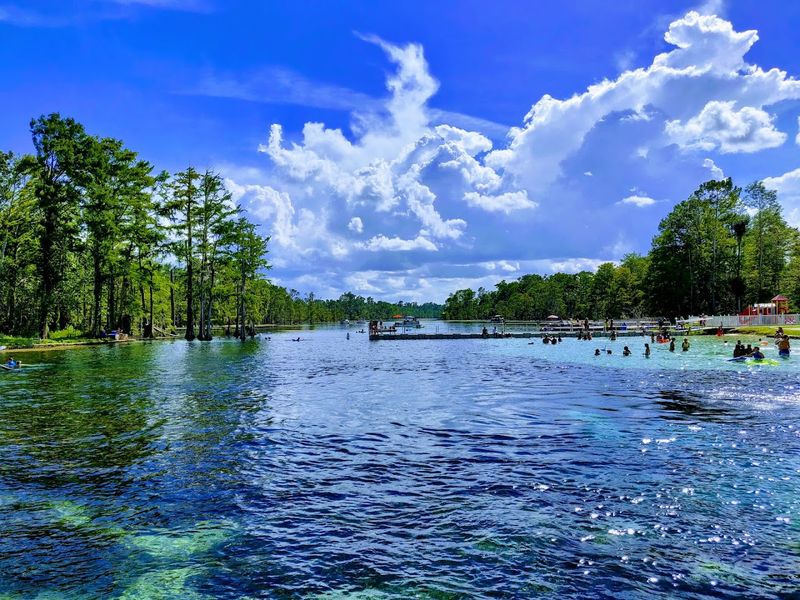
Jackson Blue Spring near Marianna is the kind of place that makes you wonder why it isn’t more famous. The water is an almost electric shade of blue-green, the flow is powerful, and the spring basin is large enough that it never feels cramped even when the crowd shows up.
As a first-magnitude spring, it produces an impressive volume of water daily, keeping the pool consistently clear and refreshingly cold.
The recreation area is managed thoughtfully, with swimming, picnicking, and limited scuba all permitted on-site. Swimmers get a spacious area to enjoy, and the spring run offers a natural current to float against or with, depending on your energy level.
Scuba divers who are certified for cave diving have access to an extensive underwater cave system beneath the spring, though surface swimmers will find more than enough to appreciate without ever going below the surface.
Marianna is a small city in Jackson County, and the spring sits just outside of town — close enough to make a day trip easy, far enough that the setting still feels natural and uncrowded most weekdays. The surrounding landscape is distinctly North Florida Panhandle, with rolling hills and mixed hardwood forest giving the area a character that’s different from the flat, palm-dotted scenery of South Florida.
It’s a refreshing change of pace in more ways than one.
Parking is available, facilities are functional, and the atmosphere at Jackson Blue tends to be friendly and easygoing. Families, college students, and serious divers all share the spring without much friction — a sign that the space is well-designed and well-managed.
If you’re passing through the Panhandle and need a reason to pull off the interstate, Jackson Blue Spring is one of the strongest arguments for taking the scenic detour. Bring a picnic and plan to stay the whole afternoon.
9. Big Blue Spring on the Wacissa River — Wacissa
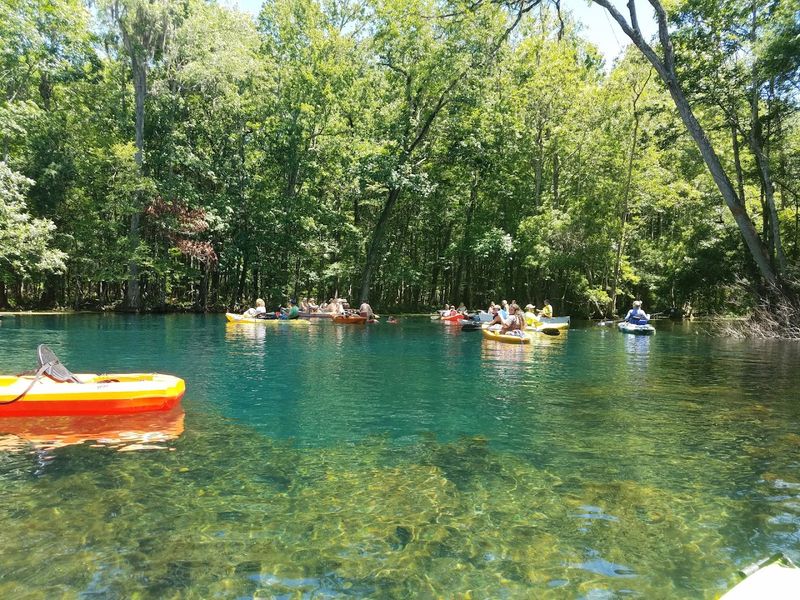
Big Blue Spring on the Wacissa River is not the kind of place you stumble into by accident. Getting there requires launching a kayak or canoe from Wacissa Springs County Park and paddling downstream through one of Florida’s most hauntingly beautiful river systems.
The Wacissa is lined with springs and wildlife, and the paddle itself is an event worth planning for — but Big Blue is the destination that anchors the whole trip.
The Wacissa River is spring-fed from top to bottom, which means the water stays unusually clear for a Florida river. As you paddle downstream from the county park, you pass other spring boils and vents along the way, each one adding a pulse of cold, clear water to the flow.
By the time you reach Big Blue, you’re already deep in a stretch of river that feels genuinely wild — no roads, no houses, just cypress, Spanish moss, and the sound of water moving.
Big Blue itself lives up to the name. The spring pool is wide and deeply blue, with strong upwelling that creates that mesmerizing shimmer effect just below the surface.
Swimming here is a full sensory experience — cold water, quiet surroundings, and the occasional anhinga or great blue heron watching from a nearby branch. Wildlife sightings on the Wacissa are common enough that you should keep your eyes open the entire paddle.
Jefferson County doesn’t see the same tourist volume as more well-known spring regions, which is part of the charm. The Wacissa area has a devoted following of paddlers and naturalists who return year after year.
Rentals and launches are available near the county park. The paddle to Big Blue is manageable for intermediate paddlers, though beginners should check current conditions and plan the trip with enough time to return before dark.
This one rewards patience and planning in equal measure.
10. Madison Blue Spring — Lee
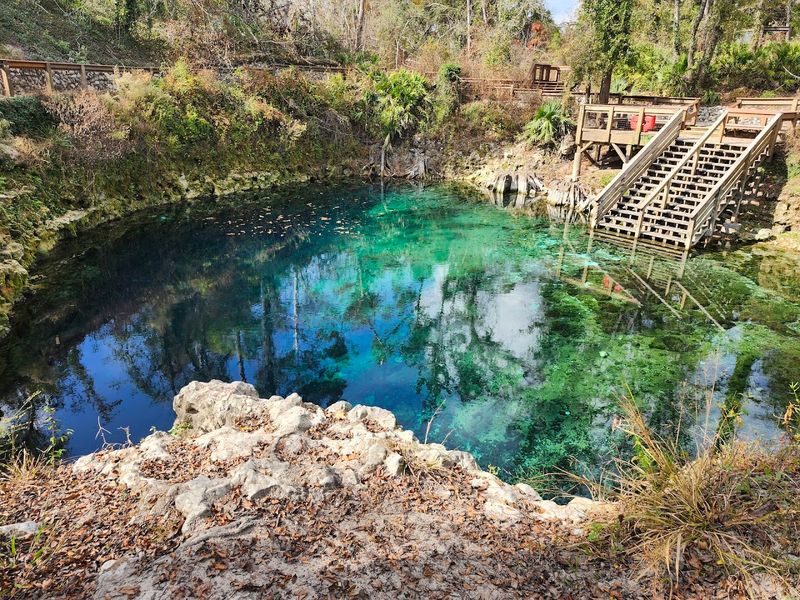
Madison Blue Spring has an official endorsement that most swimming holes can only dream of — state park managers literally describe it as ideal for swimming. Located near the small town of Lee in Madison County, this spring sits inside a state park that punches well above its weight in terms of natural beauty and recreational quality.
The spring pool is wide, the water is brilliantly clear, and the spring run that flows toward the Withlacoochee River (North) is one of the more scenic short paddles in the region.
The spring pool itself has a personality that’s hard to define without seeing it. The water color shifts between shades of blue and green depending on the light and angle, and the limestone bottom gives everything a luminous, almost otherworldly quality.
Snorkelers who peer below the surface find fish, aquatic plants, and the spring vent itself — a dark opening that pulls your eye and your curiosity simultaneously. It’s the kind of underwater scenery that makes you glad you remembered to pack a mask.
Madison County is often overlooked by travelers moving quickly between Tallahassee and the I-10 corridor, which means Madison Blue Spring enjoys a quieter reputation than many equally beautiful springs in North Florida. That relative anonymity keeps the experience feeling unhurried and genuine, even during summer months when spring parks statewide tend to fill up fast.
The state park has restrooms, a picnic area, and a canoe launch for those who want to explore the spring run. Entrance fees are modest and consistent with other Florida State Parks.
Scuba diving is also permitted for certified divers, adding another layer of appeal for those who want to explore the underwater cave system. Madison Blue Spring is the rare combination of accessibility and authenticity — easy to reach, but still feeling like a place only the right people know about.