11 Florida Abandoned Places You Can Actually Visit Legally
Florida holds more than beaches and theme parks. Hidden across the state are crumbling sugar mills, forgotten forts, and ghost towns frozen in time. Best of all, these abandoned places welcome visitors legally, so you can explore history without trespassing or breaking any rules.
1. Bulow Plantation Ruins Historic State Park
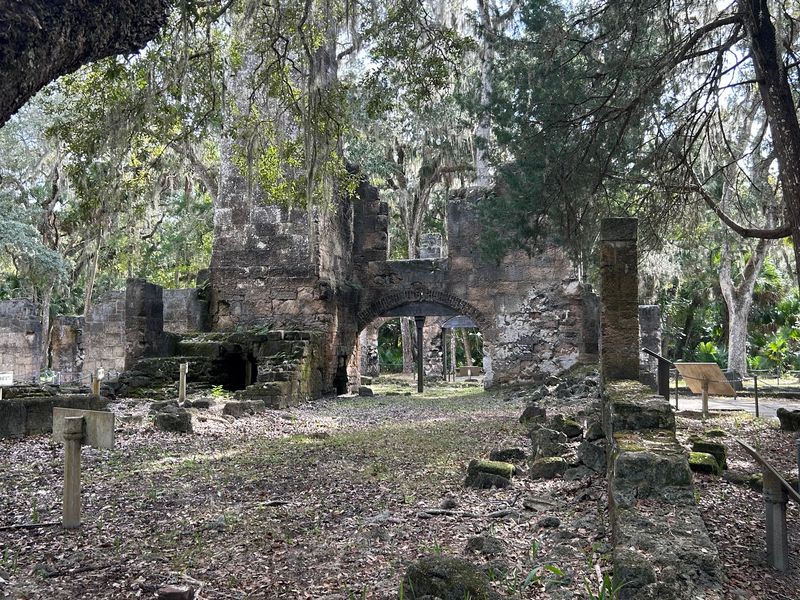
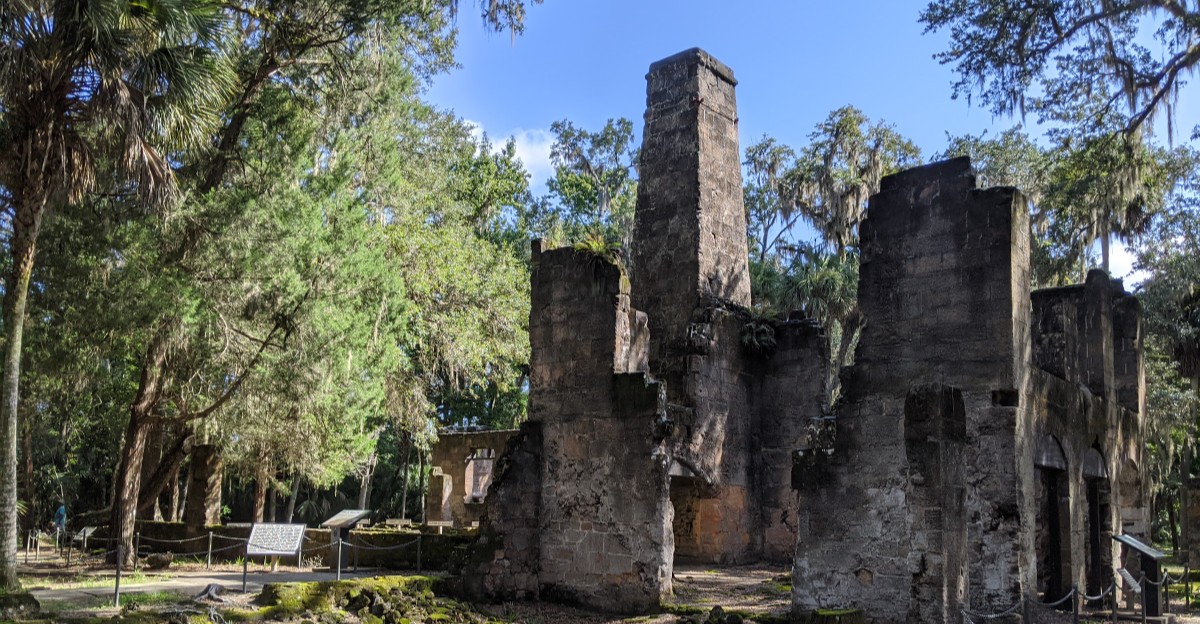
Walking through Bulow Plantation feels like stepping into a history book that got left out in the rain. The massive coquina walls stand nearly two stories tall in places, their shells and limestone weathered by almost two centuries of Florida storms. You can still see the old sugar mill chimney reaching toward the sky, a monument to the plantation’s past as one of the largest sugar operations in territorial Florida.
The Seminole Wars ended this place in 1836 when warriors burned the buildings during a raid. Owner John Bulow never rebuilt, and nature slowly reclaimed what fire left behind. Today the park protects these ruins along with miles of trails that wind through coastal hammock forests.
Interpretive signs explain what each crumbling structure once did. The spring house kept things cool before refrigeration existed. The sugar works processed cane into molasses and rum.
Even the slave cabins left traces you can identify if you look carefully.
Admission costs just a few dollars per vehicle, and the park opens every day from sunrise to sunset. Bring water and bug spray because the mosquitoes consider this their territory too. The ruins sit about a mile from the parking area, so wear comfortable shoes for the sandy trail.
2. Dummett Sugar Mill Ruins
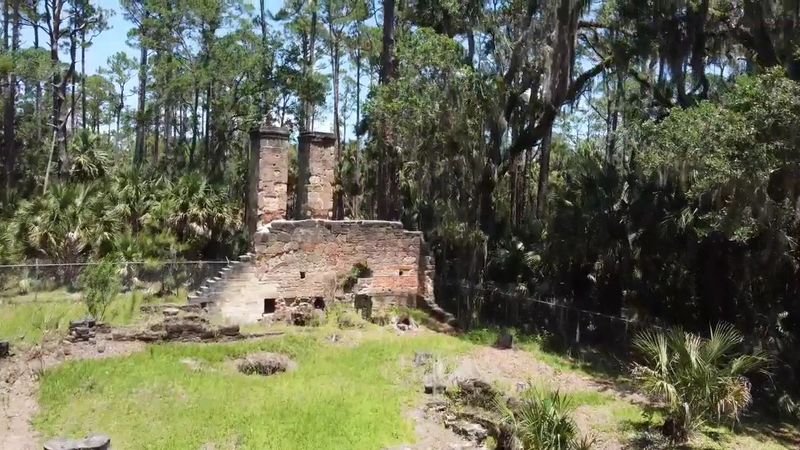
These ruins tell the story of a sugar empire that lasted barely a decade. Thomas Dummett built this mill in the 1820s when sugar meant serious money in territorial Florida. The coquina blocks he used came straight from the earth, each one packed with tiny fossilized shells that sparkle when sunlight hits them just right.
The same Seminole raid that destroyed Bulow Plantation also torched this mill in 1836. Dummett tried rebuilding once but gave up after another attack. What remains today shows impressive engineering for its time, with thick walls that were designed to support heavy grinding equipment and boiling kettles.
The site sits in a small public park with interpretive panels explaining the sugar-making process. Protective fencing keeps visitors from climbing on the fragile walls, but you can walk right up to them and peer through the openings where doors and windows once stood. The ruins measure about 40 feet long and still reach nearly 20 feet high in sections.
Parking is free and the site stays open during daylight hours. It takes maybe 20 minutes to see everything and read all the signs. The location is easy to miss if you are not looking for it, tucked into a residential area off Old Dixie Highway just north of Granada Boulevard.
3. New Smyrna Sugar Mill Ruins
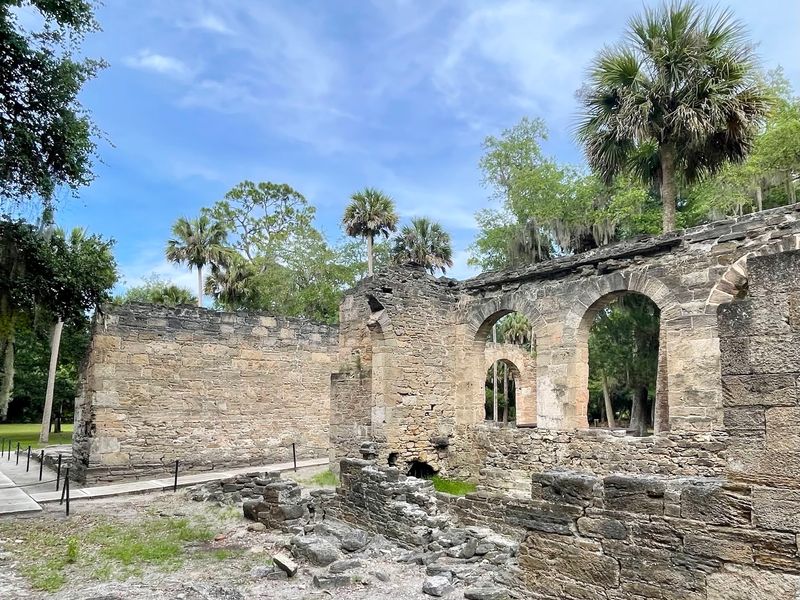
This might be the most photogenic sugar mill ruin in Florida. The coquina walls glow golden in afternoon light, and the main structure stands impressively tall with its chimney still intact. Unlike some ruins that are just piles of rocks, this one clearly shows its original shape and purpose.
Built in the late 1700s during the British period, the mill processed sugar cane grown along Turnbull Creek. After changing hands several times, it finally shut down for good in the early 1800s. The thick walls survived because coquina is surprisingly durable, almost like natural concrete made from compressed seashells and coral.
The ruins sit in a lovely county park that costs nothing to visit. Wooden boardwalks lead around the structure so you can view it from multiple angles without damaging the historic fabric. Interpretive signs explain how workers fed cane through rollers, boiled the juice in huge kettles, and crystallized sugar in the final stages.
The park opens daily from sunrise to sunset. Picnic tables scatter under shade trees if you want to pack lunch. Parking is plentiful and the whole site is wheelchair accessible via the boardwalk system.
Plan about 30 minutes to explore everything, though photographers often linger longer waiting for perfect light.
4. Yulee Sugar Mill Ruins Historic State Park
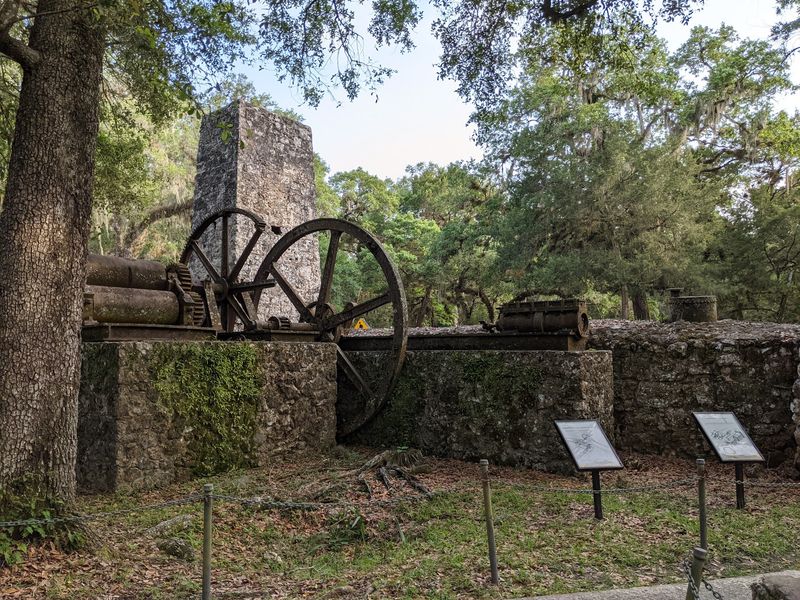
David Yulee built this mill right before the Civil War destroyed his dreams of a sugar fortune. The 40-foot brick chimney still dominates the site, standing like a sentinel over the iron gears and limestone walls below. What makes this ruin special is how much machinery survived, including the massive metal cane press that once crushed thousands of pounds of sugar cane every day.
The mill operated for only about four years before Union forces raided the area in 1864. Yulee never returned to restart production after the war ended. His loss became our gain, because the abandoned mill got preserved instead of demolished for scrap metal like so many others.
You can walk right up to the machinery and see how the gears meshed together to transfer power from a steam engine to the crushing rollers. The kettle foundations show where workers boiled cane juice down to syrup. Even the limestone walls retain their original mortar in places.
The state park charges no admission and maintains the grounds beautifully. A short paved path loops around the ruins with benches for resting. The site is small, maybe half an acre total, but absolutely packed with history.
It is open from 8 AM until sundown every day of the year except Christmas.
5. Koreshan Settlement
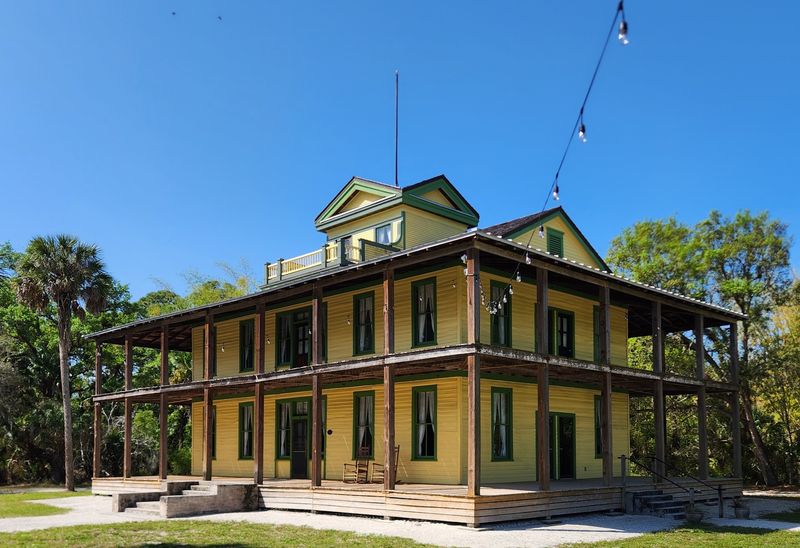
Cyrus Teed convinced his followers that we live inside a hollow Earth, and they built an entire town in Estero to prove it. The Koreshan Unity arrived in 1894 and constructed more than a dozen buildings where they practiced celibacy, shared all property, and studied Teed’s unusual cosmology. The community peaked at about 250 members before slowly fading after Teed died in 1908.
Today you can explore nearly a dozen original structures that the state park has carefully preserved. The Planetary Court housed the leadership. The Art Hall hosted concerts and lectures.
The Bakery still has its massive brick ovens. Each building tells part of the story of people who genuinely believed they were creating a new Jerusalem in the Florida wilderness.
The grounds feel peaceful rather than spooky, with tropical gardens the Koreshans planted over a century ago still blooming. You can walk through most buildings and see period furniture, tools, and personal items. The machine shop contains equipment they used to be self-sufficient.
The general store displays products they sold to neighbors.
Park admission runs about six dollars per vehicle. Rangers offer guided tours on weekends that dive deep into the strange beliefs and daily life of the community. The site also has camping, kayaking, and hiking trails if you want to make a full day of it.
6. Fort Dade Ruins on Egmont Key
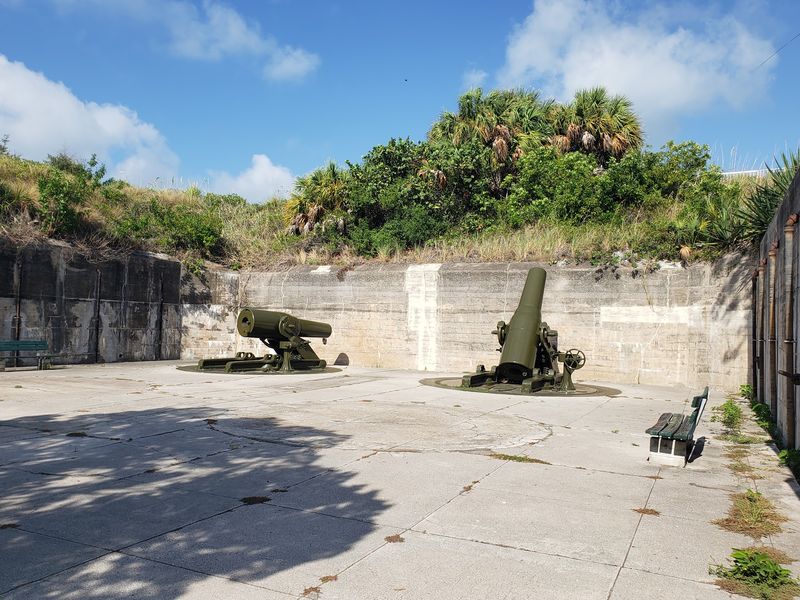
Getting to Fort Dade requires a boat ride, which immediately makes it feel like a proper adventure. The island sits at the mouth of Tampa Bay, accessible only by private boat or ferry from Fort De Soto Park. Once you land, you will find the scattered remains of a military community that housed hundreds of soldiers during the Spanish-American War.
Brick roads still crisscross the island, though tree roots have buckled them in places. Building foundations mark where barracks, officers quarters, and support structures once stood. The fort itself shows massive gun emplacements that were designed to defend Tampa Bay from naval attacks that never came.
By World War II the fort was already obsolete, abandoned in favor of newer coastal defenses.
Egmont Key reopened in August 2026 after hurricane repairs, but visitors must respect closure signs on unstable structures. You can explore the exterior ruins, walk the old roads, and imagine what life was like for soldiers stationed on this isolated island. Gopher tortoises now own the place, waddling across paths without any concern for human visitors.
The island also functions as a wildlife refuge and state park. Bring everything you need because there are no facilities beyond restrooms. The ferry costs about 35 dollars round trip and runs several times daily in good weather.
Plan at least three hours to explore the ruins and enjoy the pristine beaches.
7. Nike Missile Site HM-69
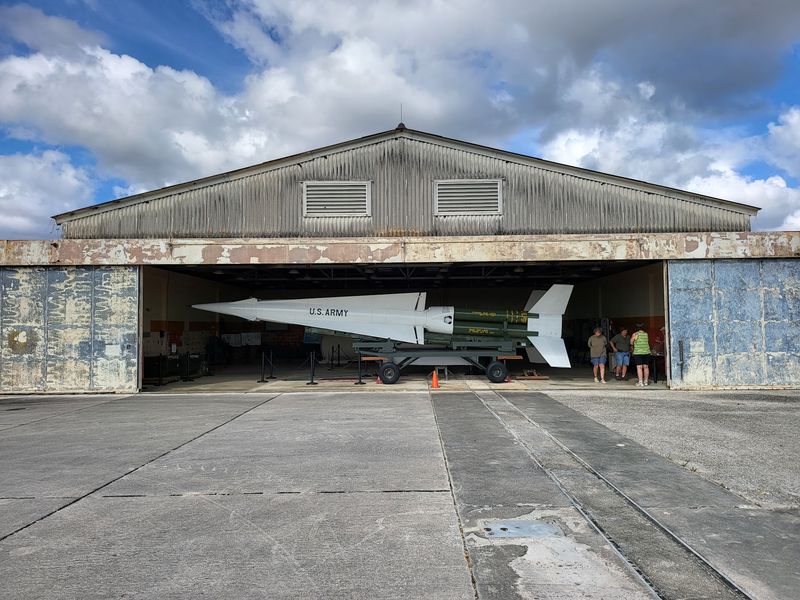
During the Cold War, the military ringed American cities with Nike missile sites ready to shoot down Soviet bombers. HM-69 protected Miami from 1965 until 1979, when improved technology made these ground-based missiles obsolete. The site sat abandoned in the Everglades until the National Park Service began offering public tours.
You cannot just show up and wander around. Access happens only during special ranger-led programs, usually offered a few times per month during winter. The tours take you inside the missile barns where nuclear-tipped rockets once waited on underground elevators.
You will see the barracks where soldiers lived in constant readiness. The control rooms still have their 1960s equipment, frozen in time like a museum of atomic anxiety.
Rangers explain the technology and the tense political climate that made Americans think they needed missiles in the swamp. The site housed both Ajax and Hercules missiles, the latter capable of carrying a nuclear warhead with a 20-kiloton yield. Knowing that much destructive power sat here in the wetlands feels surreal when you are surrounded by wading birds and alligators.
Check the Everglades National Park website for the current tour schedule. Reservations fill up quickly because group sizes are limited. The tours last about two hours and require moderate walking.
Admission is free but you need to pay the park entrance fee to reach the site.
8. Fort Pickens and Its Abandoned Coastal Batteries
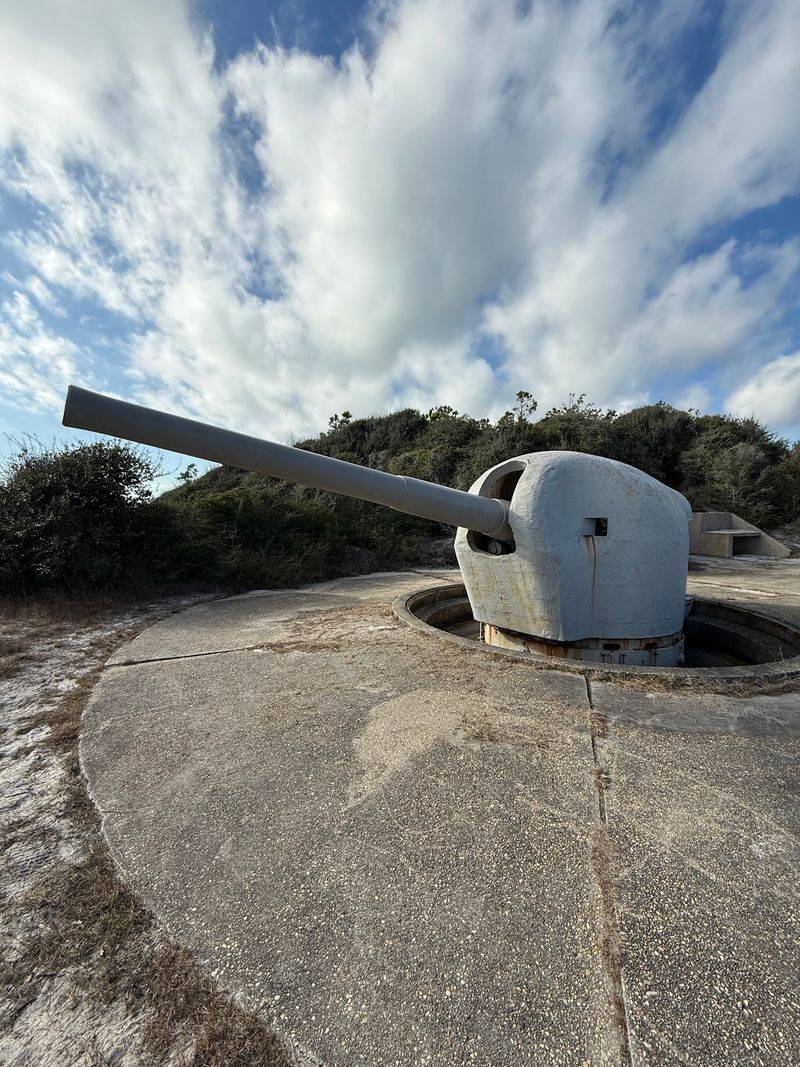
Fort Pickens started in 1829 and kept evolving through World War II, which means exploring it feels like walking through 120 years of military architecture. The original brick fort surrounds a parade ground where soldiers once drilled. Massive walls and arched casemates were designed to withstand cannon fire from wooden ships, technology that became outdated before construction even finished.
The really interesting stuff sits outside the main fort. Concrete gun batteries from World War II sprawl across the landscape like brutalist sculptures. Battery Langdon held two 12-inch disappearing rifles that could fire half-ton shells at enemy warships.
Battery 234 contained huge seacoast guns that fortunately never fired a shot in anger. You can climb on and through these batteries, exploring magazines, plotting rooms, and observation posts.
The fort is also famous for holding Apache leader Geronimo as a prisoner in 1886. The cell where he stayed is marked and open for viewing. The whole complex sits inside Gulf Islands National Seashore, which means pristine beaches surround the historic ruins.
Park admission costs 15 dollars per vehicle and is good for seven days. The fort and batteries are open for self-guided exploration during daylight hours. Bring a flashlight if you want to peer into the darker rooms and tunnels.
The site is huge, so budget at least two hours to see everything properly.
9. Fort Jefferson
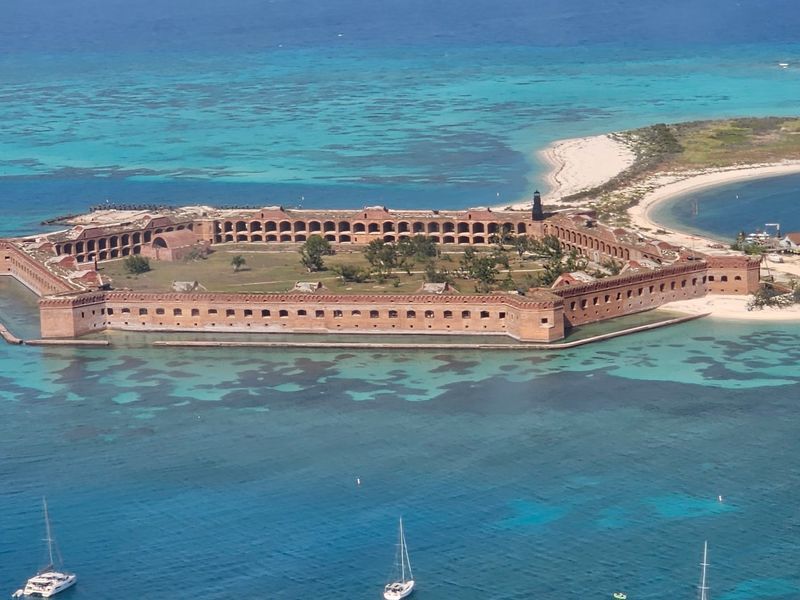
Fort Jefferson might be the most ambitious military project that never quite worked. The Army spent 30 years building this massive hexagonal fortress on a remote island 70 miles west of Key West. They used over 16 million bricks to create walls that rise 50 feet high and measure eight feet thick.
The fort could theoretically hold 450 guns and 1,500 soldiers to control the Gulf of Mexico shipping lanes.
Except it never got finished. Engineers discovered the foundation was sinking into the sandy island. New rifled cannons made brick walls obsolete before construction stopped.
The fort served mainly as a military prison during and after the Civil War, most famously holding Dr. Samuel Mudd, who treated John Wilkes Booth’s broken leg.
Today you can explore nearly all of the fort during daylight hours. Walk the ramparts for incredible ocean views. Peer into the cells where prisoners suffered in tropical heat.
Climb the spiral staircases to upper gun rooms. The scale is simply staggering when you remember every brick arrived by sailing ship.
Reaching Fort Jefferson requires either a seaplane or a ferry from Key West. The ferry costs about 190 dollars round trip and takes two hours each way. The boat includes breakfast, lunch, and snorkeling gear.
You get about four hours on the island, which is barely enough to see everything and enjoy the amazing beaches and snorkeling.
10. San Marcos de Apalache Ruins
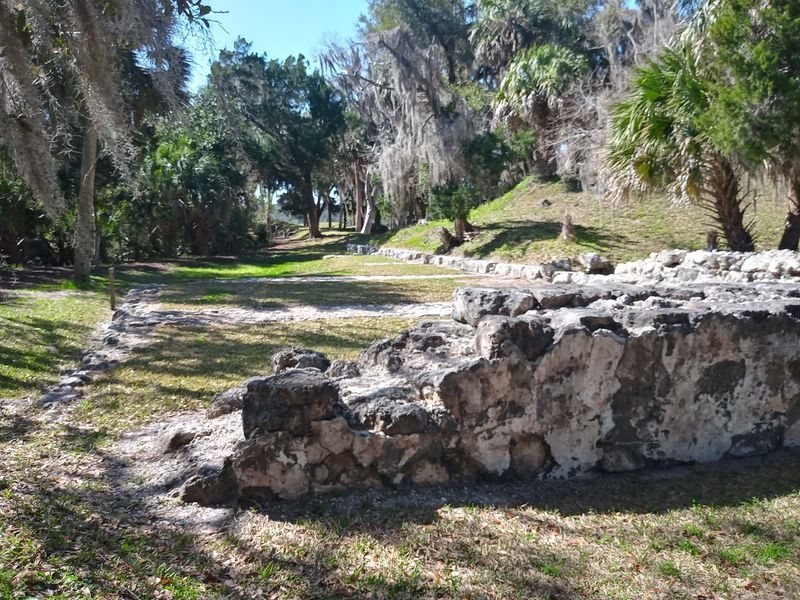
Four different nations built forts on this spot over 300 years, each one crumbling before the next arrived. Spanish colonists constructed the first wooden fort in 1679 to control the junction of two rivers. The British took over in 1763 and rebuilt it.
Spain reclaimed it in 1783 and upgraded to stone. Finally, Confederate forces occupied the ruins during the Civil War and added earthworks.
What survives today is a fascinating archaeological layer cake. You can see Spanish stone foundations, American period modifications, and Confederate earthen berms all in the same small area. The museum displays artifacts from every era, including Spanish coins, British buttons, American cannonballs, and Confederate rifle parts.
An interpretive trail winds through the fort ruins and along the riverbank. Signs explain what stood where and why this location mattered so much for so long. The rivers provided transportation into the interior, making this spot strategically valuable despite being mosquito-infested and prone to flooding.
Controlling San Marcos meant controlling access to the Apalachee region.
The state park charges five dollars per vehicle for admission. The museum opens Thursday through Monday from 9 AM to 5 PM. You can walk the grounds anytime during park hours even when the museum is closed.
The whole site is compact, maybe 10 acres total, so an hour covers everything unless you are a serious history enthusiast who wants to read every sign.
11. Columbus Ghost Town Remnants
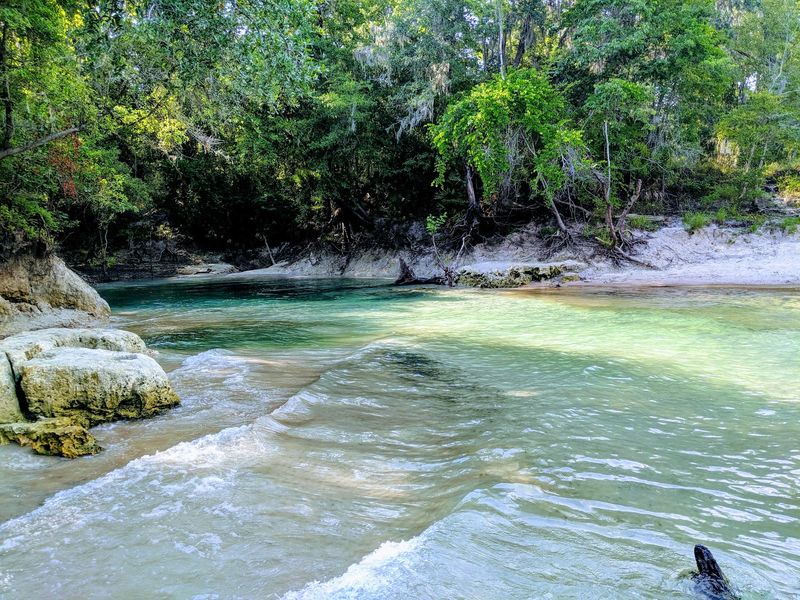
Columbus thrived as a river port in the 1800s when steamboats carried cotton and timber down the Suwannee River. The town had stores, hotels, a cotton warehouse, and about 100 residents at its peak. Then the railroads arrived and bypassed Columbus completely.
By 1900 the town was essentially dead, its buildings abandoned and its residents scattered to places with better prospects.
Today you can find traces of Columbus scattered through Suwannee River State Park. The cemetery still stands with headstones dating back to the 1830s, some so weathered the names have vanished. Confederate earthworks from the Civil War snake through the woods, built to defend the river crossing from Union gunboats that never came this far inland.
Old roadbeds are visible if you know where to look, worn into the earth by wagon wheels and foot traffic.
The park itself remains open though the River Trail and some day-use facilities are currently closed for repairs. You can still access the cemetery and earthworks via other trails. Rangers sometimes lead history walks that point out features you might otherwise miss, like foundation stones hidden under leaf litter or the remains of the old ferry landing.
Park admission costs six dollars per vehicle. The grounds are open from 8 AM until sundown every day. Bring bug spray because the river corridor breeds mosquitoes with enthusiasm.
The ghost town remnants are spread out, so plan to hike at least a mile or two to see everything.