This Florida Town Makes It Possible To Cover The Basics For Just $1,300 A Month
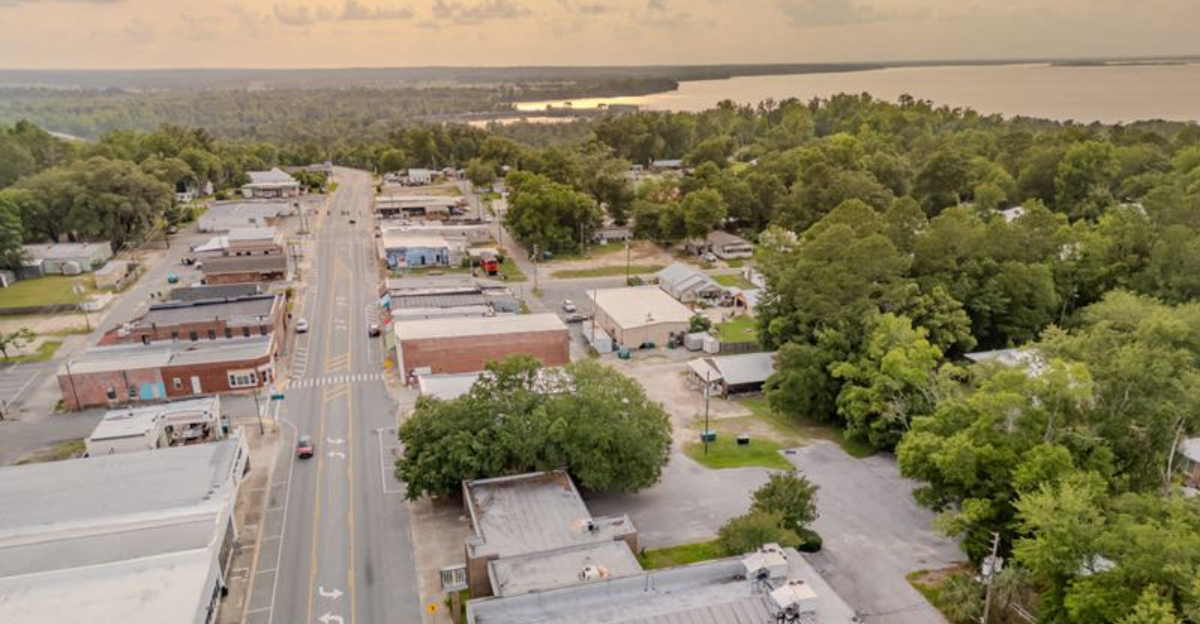
Living on a tight budget doesn’t mean you have to sacrifice comfort or community. Chattahoochee, a small riverside city in Gadsden County, Florida, proves that affordable living is still possible in the Sunshine State. With a population hovering around 3,000 and a laid-back atmosphere along the Apalachicola River, this hidden gem offers remarkably low costs that make stretching your dollars easier than you’d think.
1. Housing That Won’t Drain Your Wallet
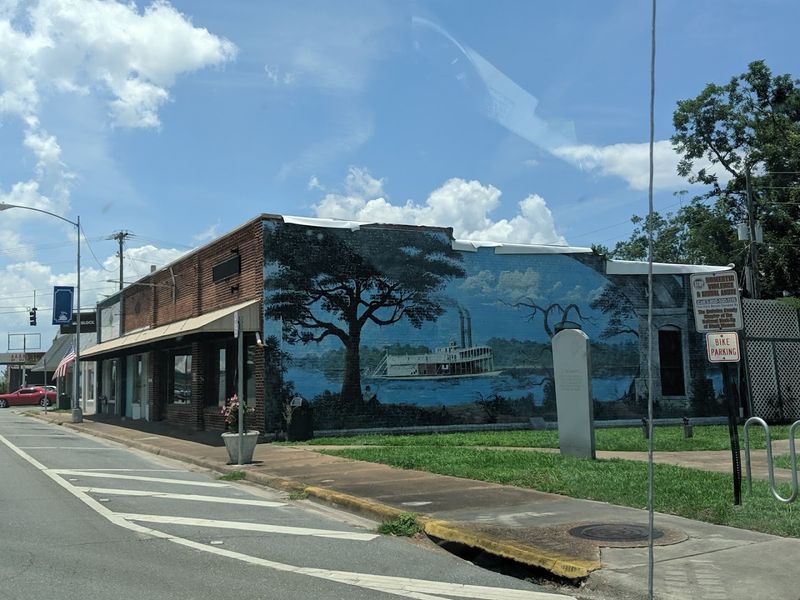
Rent in Chattahoochee runs significantly lower than most Florida cities, with modest apartments and small homes available for $400 to $600 monthly. Many residents find comfortable two-bedroom units that keep their housing costs well under half of that $1,300 budget. The slower pace and smaller population mean landlords aren’t charging Miami or Orlando prices.
Mobile homes represent another popular option here, offering even more affordable monthly payments. Some folks purchase older manufactured homes outright for under $20,000, eliminating rent altogether. Property values remain accessible because Chattahoochee hasn’t experienced the explosive growth seen in other Florida markets.
The city’s proximity to the river and its historic roots create a unique charm that doesn’t come with a premium price tag. Neighborhoods stay quiet and safe, with neighbors who actually know each other’s names. You won’t find luxury amenities or gated communities, but you will discover honest, no-frills housing that lets you keep money in your pocket.
For anyone tired of watching half their paycheck disappear into rent, Chattahoochee offers genuine relief. The trade-off for lower costs is a smaller town experience, but that’s exactly what draws people here.
2. Grocery Shopping Without the Sticker Shock
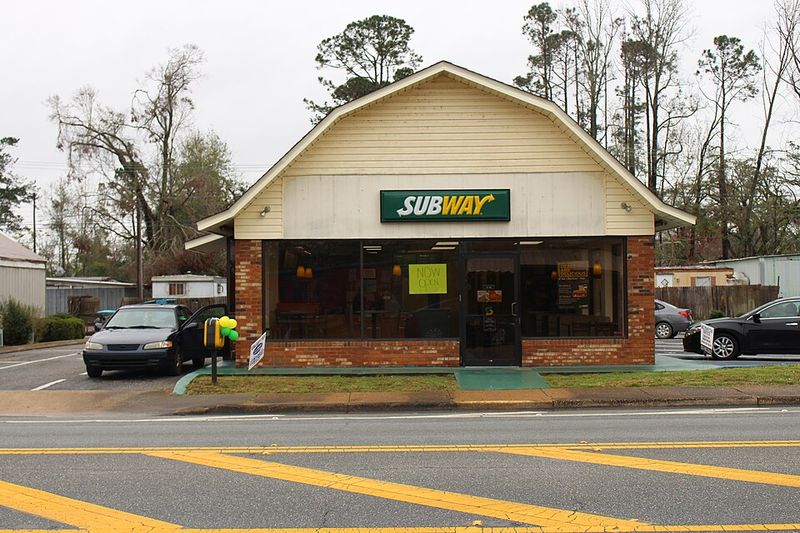
Forget fancy organic markets and trendy food halls. Chattahoochee keeps grocery shopping simple and affordable with dollar stores, small local markets, and a short drive to larger chains in nearby Quincy or Marianna. Most residents spend between $200 and $300 monthly on groceries, especially when they shop smart and avoid impulse purchases.
Dollar General and Family Dollar serve as go-to spots for pantry staples, cleaning supplies, and frozen basics. These stores stock surprisingly decent selections of canned goods, pasta, rice, and household essentials at prices that actually make sense. Fresh produce might require a trip to a neighboring town, but the savings on shelf-stable items balance things out.
Local fishing along the Apalachicola River adds free protein to many dinner tables. Folks who know how to cast a line regularly catch catfish, bass, and bream without spending a dime. Community gardens and backyard vegetable patches also help residents stretch their food budgets further throughout the growing season.
Meal planning becomes easier when you’re not tempted by expensive convenience foods at every corner. The limited shopping options actually work in your favor, encouraging home cooking and reducing wasteful spending. With a little creativity and willingness to cook from scratch, feeding yourself or a small family stays well within budget.
3. Utilities That Stay Predictable
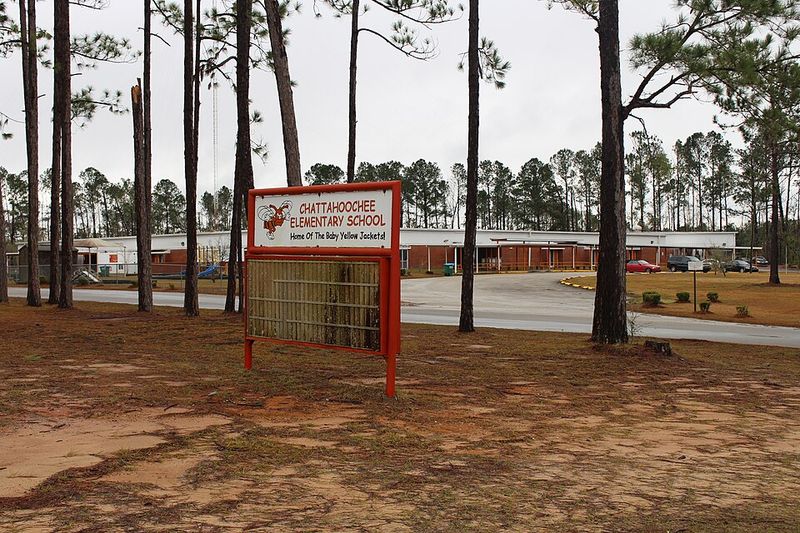
Electric bills in Chattahoochee typically range from $80 to $150 monthly, depending on how much you run the air conditioning during Florida’s sweltering summers. Smaller living spaces mean less square footage to cool, which translates directly into lower power consumption. Many older residents remember life before central air and still use window units strategically to keep costs down.
Water and sewer services run affordable compared to larger cities, often bundled together for under $60 per month. The city maintains its own utilities infrastructure, keeping rates reasonable for residents. Trash pickup gets included in many rental agreements, eliminating another potential expense from your monthly calculations.
Internet service exists but isn’t universally high-speed throughout town. Basic plans run around $50 monthly, though some folks skip home internet entirely and rely on smartphone data plans instead. The trade-off between connectivity and cost becomes a personal choice based on your work and entertainment needs.
Natural gas isn’t widely available, so most homes use electric stoves and water heaters. Propane tanks serve some properties for cooking or heating, adding another small expense to consider. Overall, keeping the lights on and water running rarely exceeds $200 monthly for a single person or couple living modestly.
Predictable utility costs remove much of the financial anxiety that comes with surprise bills in more expensive markets.
4. Transportation on a Shoestring
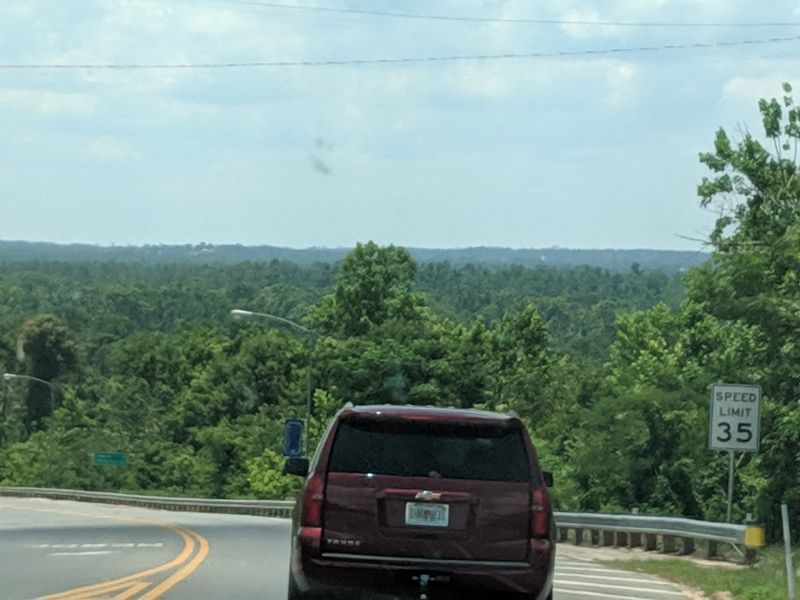
Public transportation doesn’t exist in Chattahoochee, so owning a vehicle becomes necessary for most residents. The good news? Used cars sell cheap in rural North Florida, and you don’t need anything fancy to get around town.
A reliable older sedan or pickup truck handles everything you need without monthly payments that crush your budget.
Gas expenses stay minimal because nothing sits far away in a town this size. Most errands happen within a five-mile radius, and commutes to work rarely exceed ten minutes. Spending more than $100 monthly on fuel would be unusual unless you’re driving to Tallahassee regularly for work or shopping.
Car insurance rates in Gadsden County run lower than in South Florida’s congested metro areas. Maintaining liability-only coverage on an older paid-off vehicle keeps monthly premiums under $80 for many drivers. Repair costs also stay reasonable since several local mechanics charge fair rates for basic maintenance and fixes.
Some residents carpool to Tallahassee for work, splitting gas costs and reducing wear on their vehicles. Others find employment right in town or in neighboring communities, eliminating long commutes entirely. The lack of traffic, tolls, and parking fees creates savings that city dwellers can only dream about.
Walking and biking work for some errands when weather permits, though Florida’s summer heat and afternoon thunderstorms limit that option seasonally.
5. Healthcare Access That’s Manageable
Chattahoochee hosts Florida State Hospital, a major psychiatric facility that’s been part of the community since 1876. While this specialized hospital serves a specific population, it also means medical professionals and support services exist locally. Basic healthcare needs can be addressed at nearby clinics in Quincy, just fifteen minutes away, or at federally qualified health centers that offer sliding-scale fees.
Many residents qualify for Medicaid or Medicare, significantly reducing out-of-pocket healthcare expenses. For those without insurance, community health centers provide primary care, dental services, and prescription assistance based on income. Emergency situations require a trip to Tallahassee Memorial or a hospital in Dothan, Alabama, but urgent care facilities in neighboring towns handle most non-emergency issues.
Prescription medications cost less when filled at major chain pharmacies in Quincy or through mail-order programs. Generic drugs remain affordable, and assistance programs help low-income residents access necessary medications. The slower pace of small-town life also contributes to lower stress levels, potentially reducing some health issues associated with urban living.
Dental and vision care require more planning since specialists aren’t located directly in town. However, dental schools in Tallahassee offer discounted services, and vision centers in surrounding areas frequently run promotions on eye exams and glasses. Budgeting $100 to $150 monthly for healthcare needs covers most situations for relatively healthy individuals.
6. Entertainment That Doesn’t Cost a Fortune

You won’t find movie theaters, shopping malls, or entertainment complexes in Chattahoochee. What you will discover is the Apalachicola River, offering endless free recreation right in your backyard. Fishing, kayaking, and simply enjoying sunset views over the water provide entertainment that costs nothing but your time.
Nature becomes your playground when you live in a place this beautifully situated.
Community events happen throughout the year, bringing neighbors together without admission fees. Local churches host fish fries, potlucks, and holiday celebrations that welcome everyone. High school football games offer Friday night excitement for just a few dollars, and the sense of community makes these simple gatherings feel special.
Tallahassee sits only thirty minutes away for those times when you crave more variety. Museums, parks, college sports, and cultural events provide occasional diversions without requiring you to live in a larger city full-time. A monthly entertainment budget of $50 to $100 covers fishing supplies, the occasional dinner out, and gas for trips to bigger attractions.
Reading, gardening, and outdoor hobbies thrive here because the pace allows time for them. Many residents find they watch less television and spend more time on porches or by the river. The lack of expensive entertainment options initially feels limiting but ultimately encourages a simpler, more connected lifestyle that saves money naturally.
7. Food Options for Penny-Pinchers
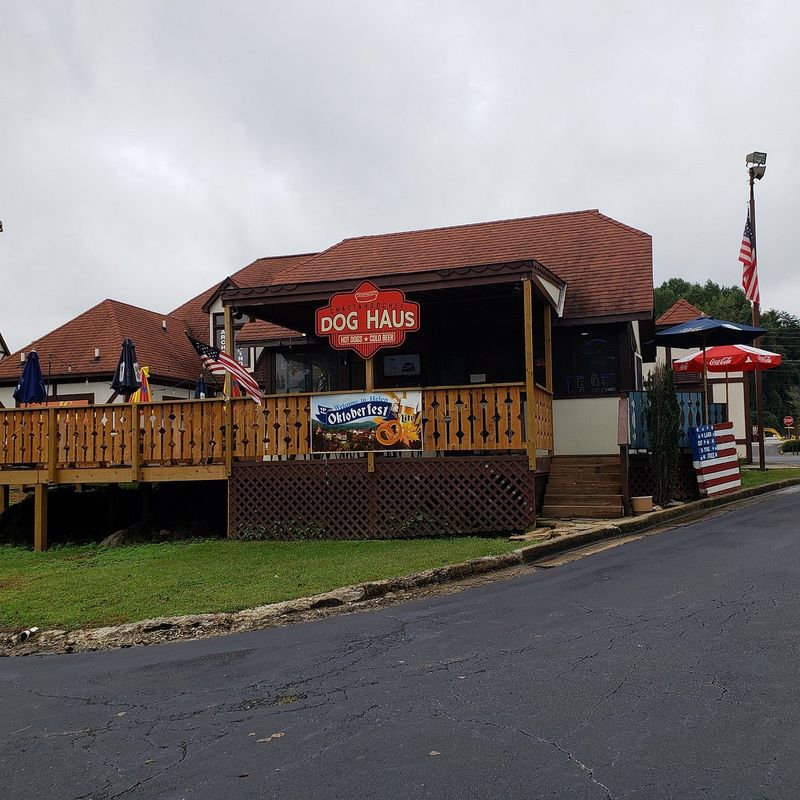
Dining out in Chattahoochee means visiting small local spots serving hearty Southern cooking at prices that seem frozen in time. Plate lunches with meat and three vegetables rarely exceed $8, and breakfast at the local diner costs less than a fancy coffee in bigger cities. These aren’t trendy farm-to-table restaurants with artisan menus—they’re honest, filling meals that locals have enjoyed for decades.
Fast food options exist along the highway, though many residents save money by cooking at home most nights. When you do grab takeout, even a family meal from a chain restaurant costs significantly less than in metropolitan areas. The absence of upscale dining actually protects your budget from the temptation of frequent splurges.
Community fish fries and church suppers offer incredibly affordable meals while doubling as social events. For $5 to $10, you get a full dinner plus the chance to connect with neighbors. These gatherings happen regularly enough that they can supplement your meal planning without feeling like you’re mooching.
Nearby Quincy and Marianna expand your dining options when you want something different, with Mexican restaurants, barbecue joints, and regional chains all priced for working-class budgets. Keeping restaurant spending under $100 monthly feels achievable when a nice dinner out costs $15 instead of $50. The food might not win culinary awards, but it’s satisfying and affordable.
8. A Community That Stretches Your Dollar Further

Beyond the raw numbers, Chattahoochee offers something increasingly rare: a community where people help each other. Neighbors share garden produce, tools, and knowledge that reduces everyone’s costs. When your lawnmower breaks, someone down the street might fix it for free or lend you theirs.
This informal economy of mutual support stretches dollars in ways that spreadsheets can’t capture.
The slower pace means less pressure to keep up with trends or impress anyone. Nobody cares if you drive a fifteen-year-old car or wear clothes from the thrift store. This freedom from social competition removes a massive source of unnecessary spending that plagues people in status-conscious communities.
Your worth isn’t measured by your possessions here.
Local knowledge gets shared freely—where to find the best deals, which mechanics charge fairly, when the river’s running high for fishing. Longtime residents welcome newcomers who respect the town’s character and contribute to its tight-knit atmosphere. Building relationships takes time, but once you’re accepted, you gain a support network that money can’t buy.
Living this affordably requires trade-offs. You sacrifice convenience, variety, and anonymity. Job opportunities remain limited, and entertainment options feel sparse compared to cities.
But for those willing to embrace a simpler lifestyle, Chattahoochee proves that covering your basic needs on $1,300 monthly isn’t just possible—it’s a genuine path to financial breathing room.