This Florida City Is Hosting The World Cup, But Its Beaches, Food, And Nightlife Make The Trip Even Better
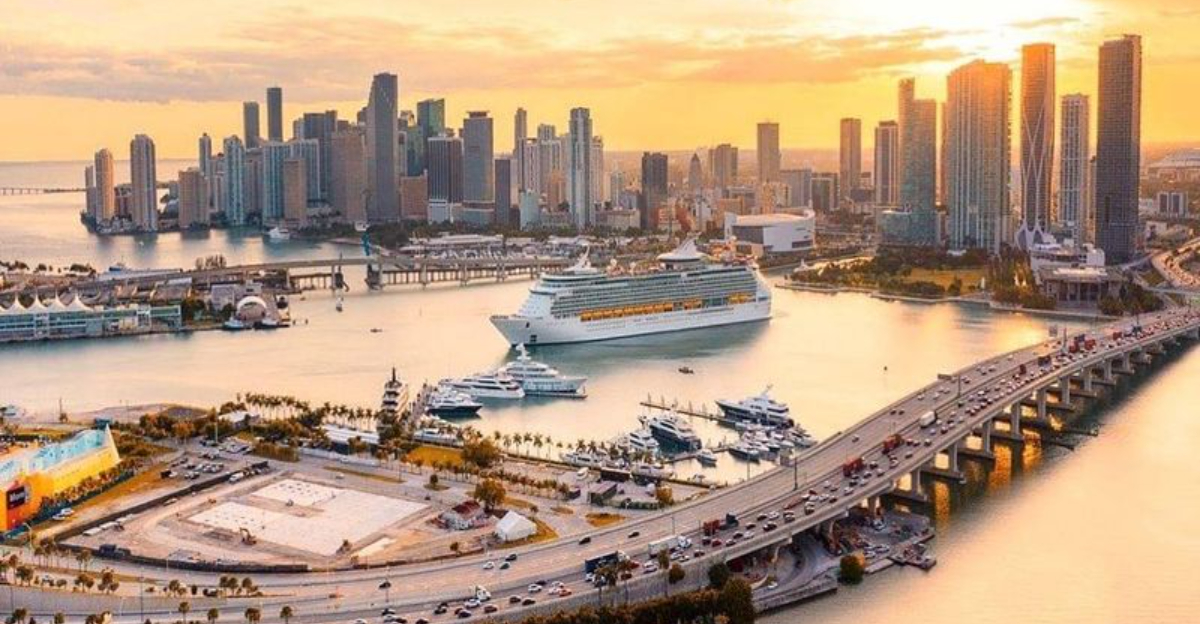
Miami is gearing up to welcome soccer fans from around the globe as one of the host cities for the World Cup, but the tournament is just one reason to visit this vibrant coastal paradise. Beyond the matches, you’ll find powder-soft beaches stretching along turquoise waters, a food scene that blends Latin American flavors with fresh seafood, and nightlife that pulses with energy until sunrise. Whether you’re cheering in the stadium or exploring the city’s colorful neighborhoods, Miami offers an unforgettable experience that goes far beyond the game.
1. South Beach: Where Sand Meets Sizzle
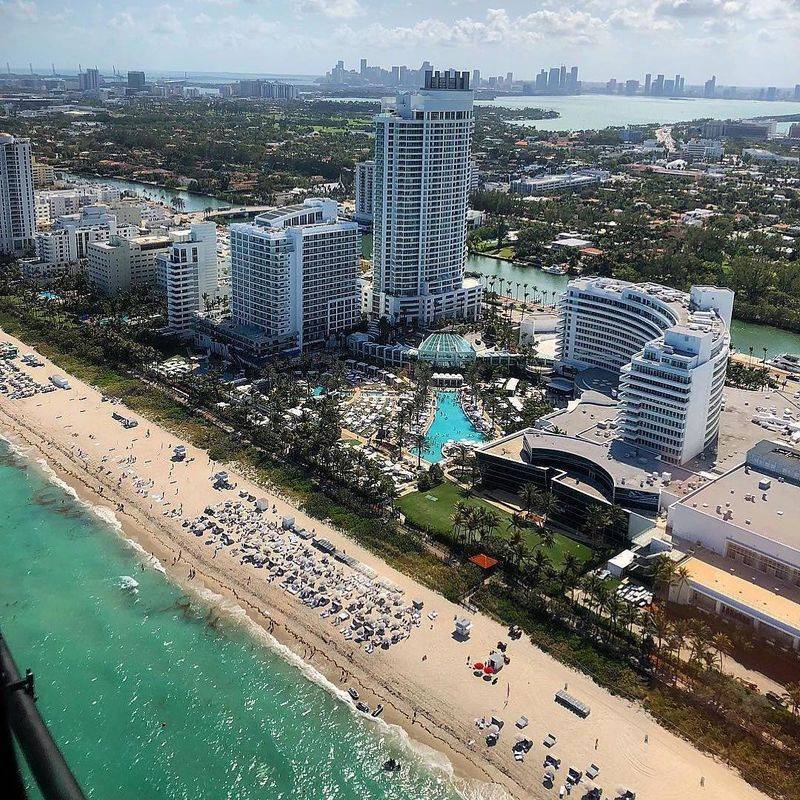
Picture yourself stepping onto some of the softest sand you’ve ever felt, with the Atlantic Ocean stretching endlessly before you in shades of blue and green. South Beach isn’t just any beach—it’s an iconic stretch where people come to see and be seen, surrounded by pastel-colored Art Deco buildings that look like they’re straight out of a vintage postcard. The wide shoreline gives you plenty of room to spread out a towel, play volleyball, or simply wade into the warm, welcoming water.
Early mornings bring a quieter vibe, perfect for jogging along the shore or watching the sunrise paint the sky in brilliant oranges and pinks. As the day heats up, beach vendors set up colorful umbrellas and chairs for rent, while lifeguards keep watch from their distinctive white towers. The energy shifts throughout the day, from peaceful morning strolls to lively afternoon beach games.
Ocean Drive runs parallel to the sand, lined with outdoor cafes where you can grab a cold drink and watch the constant parade of interesting characters. Street performers, rollerbladers, and tourists from every corner of the world create a carnival-like atmosphere. When the sun finally dips below the horizon, the beach transforms again, with the Art Deco buildings lighting up in neon glow, signaling the start of Miami’s famous nightlife just steps from where you spent your day.
2. Little Havana: A Cuban Feast for Your Senses
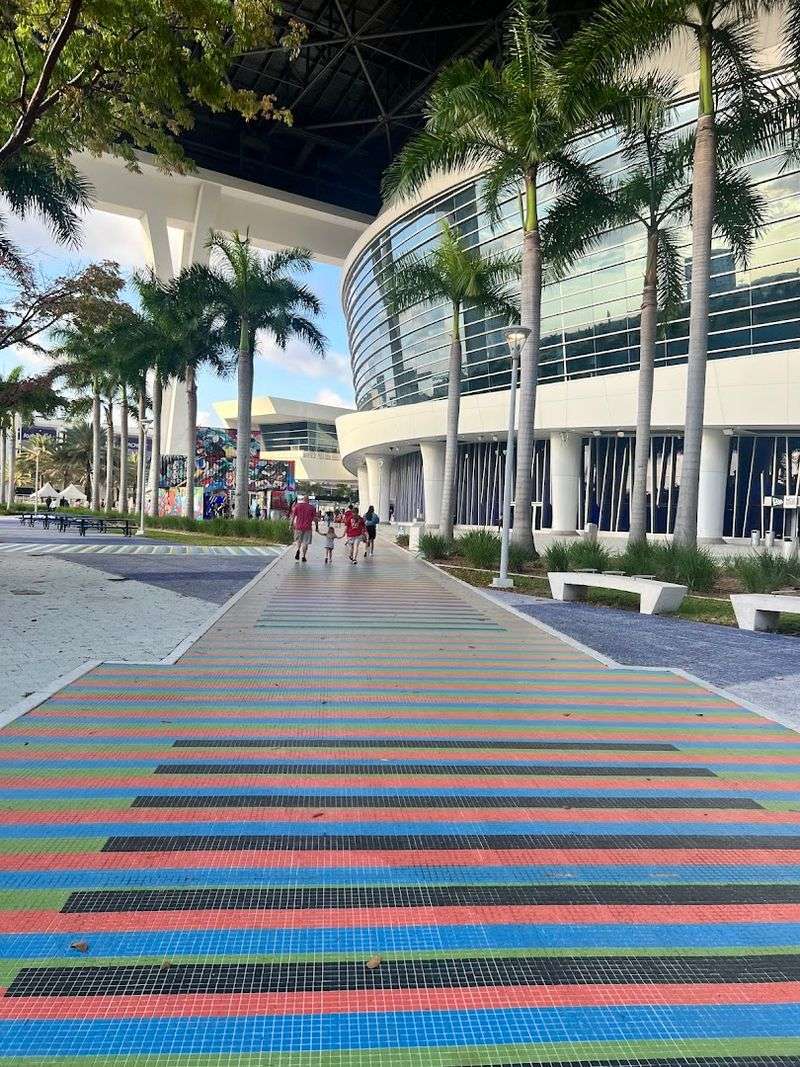
Walking down Calle Ocho feels like stepping into Havana itself, where Spanish conversations float through the air and the smell of roasting coffee beans pulls you toward tiny ventanitas—walk-up windows serving authentic Cuban espresso. This neighborhood became the heart of Miami’s Cuban community in the 1960s, and it still thrives today with family-owned restaurants, cigar shops, and fruit stands selling tropical treats you might not recognize. Elderly gentlemen gather in Domino Park, slapping tiles on tables with friendly trash talk flying in rapid-fire Spanish.
The food here tells stories of tradition and family recipes passed down through generations. You’ll find medianoche sandwiches—sweet bread pressed with roasted pork, ham, Swiss cheese, pickles, and mustard—that locals swear taste better at 2 a.m. Ropa vieja, which translates to “old clothes,” is shredded beef simmered in tomato sauce until it’s fall-apart tender.
Don’t skip the tostones, twice-fried plantains that arrive crispy and golden, perfect for dipping in garlicky mojo sauce.
Friday nights transform the neighborhood into a street party called Viernes Culturales, where galleries open their doors, musicians perform salsa on corners, and vendors sell handmade crafts. The celebration of Cuban culture isn’t just for show—it’s genuine, lived daily by the community that calls this colorful district home.
3. Wynwood Walls: Street Art That Stops You in Your Tracks
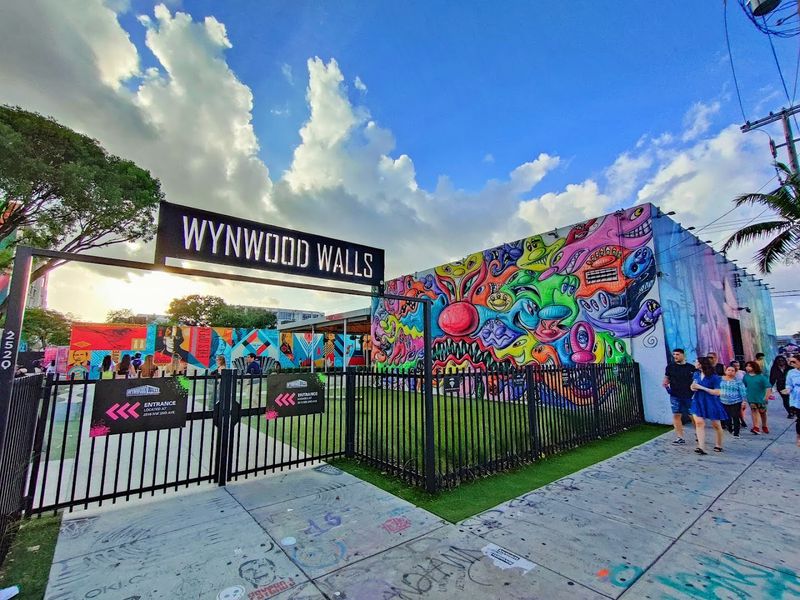
What used to be a warehouse district filled with abandoned buildings has transformed into an outdoor museum where world-famous artists have turned entire walls into jaw-dropping masterpieces. Wynwood Walls showcases massive murals that burst with color, creativity, and messages that make you think. Artists from Brazil, France, Japan, and beyond have left their mark here, creating a constantly evolving gallery where new works appear regularly, replacing older pieces with fresh visions.
You don’t need to understand art history to appreciate the sheer scale and talent on display. Some murals stretch three stories high, featuring everything from abstract patterns to realistic portraits to whimsical creatures that seem to leap off the concrete. The best part?
It’s completely free to walk through the outdoor spaces and take as many photos as your phone can hold. Visitors pose in front of their favorite pieces, creating Instagram-worthy shots that capture Miami’s creative spirit.
The surrounding neighborhood has grown alongside the art scene, with trendy restaurants, craft breweries, and boutique shops filling the streets. On weekends, food trucks park near the walls, offering everything from gourmet tacos to Venezuelan arepas. The area comes alive at night too, when galleries host openings and bars spill out onto sidewalks.
This isn’t stuffy museum culture—it’s accessible, exciting art that belongs to everyone who walks by.
4. Bayside Marketplace: Waterfront Shopping and Live Entertainment
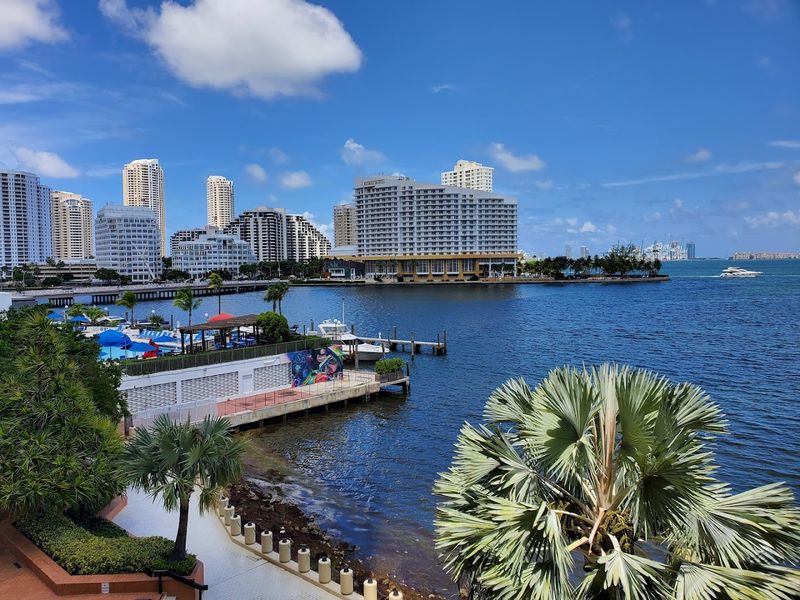
Right on Biscayne Bay sits a sprawling open-air marketplace where shopping meets entertainment against a backdrop of bobbing yachts and sparkling water. Bayside Marketplace isn’t your typical mall—tropical breezes flow through the corridors, live bands play everything from reggae to rock on multiple stages, and the smell of international cuisines drifts from dozens of restaurants. Palm trees sway overhead while street performers juggle, dance, or paint portraits for crowds gathering to watch.
The shopping covers all bases, from souvenir shops selling Miami-themed T-shirts and sunglasses to jewelry stores showcasing handcrafted pieces. You’ll find stores specializing in swimwear (because you’ll probably want another bathing suit), leather goods, and Cuban cigars. Kids love the candy shops with colorful displays, while adults browse through boutiques offering everything from casual beachwear to dressier options for night out.
When hunger strikes, the Hard Rock Cafe overlooks the water, but don’t overlook smaller spots serving Cuban sandwiches, fresh ceviche, or classic American burgers. After eating, consider booking one of the sightseeing cruises that depart from the adjacent marina—these tours glide past the homes of celebrities and offer stunning views of the Miami skyline from the water. As evening approaches, the marketplace lights up, the music gets louder, and the energy somehow increases even more, making it clear why both tourists and locals keep coming back.
5. Stone Crab Season: Miami’s Most Delicious Tradition
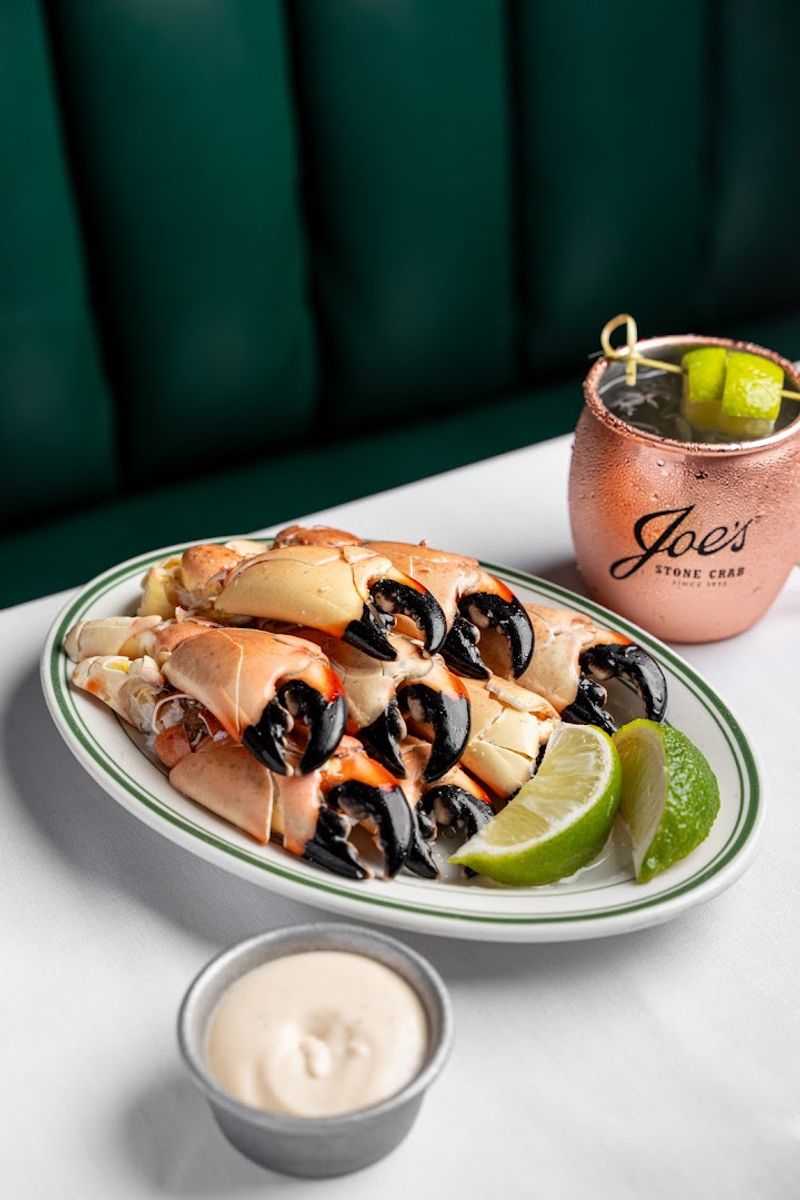
From October through May, Miami restaurants celebrate a beloved ritual that draws seafood lovers from everywhere: stone crab season. These creatures have a unique claim to fame—fishermen harvest only one claw and return the crab to the ocean, where it regenerates a new one over time. This sustainable practice means you’re eating seafood that’s harvested responsibly, and the sweet, tender meat inside those distinctive black-tipped claws is worth every bit of the wait.
Joe’s Stone Crab, a Miami Beach institution since 1913, serves them the classic way: chilled on ice, already cracked, with creamy mustard sauce and melted butter on the side. The meat pulls away easily, requiring just a gentle tug, and the flavor is delicate yet rich, tasting like the ocean without any fishiness. First-timers often worry about the cracking process, but restaurants do the hard work for you, leaving only the enjoyable task of dipping and eating.
Beyond Joe’s, dozens of waterfront restaurants feature stone crabs on their menus during season, often at lower prices than the famous spots. Local markets also sell them by the pound if you’re staying somewhere with a kitchen and want to prepare your own feast. Pair them with key lime pie for dessert, and you’ve experienced two of Florida’s signature flavors in one meal.
Just remember—when season ends in May, you’ll have to wait until October for your next fix.
6. Ocean Drive After Dark: Neon Lights and Endless Energy
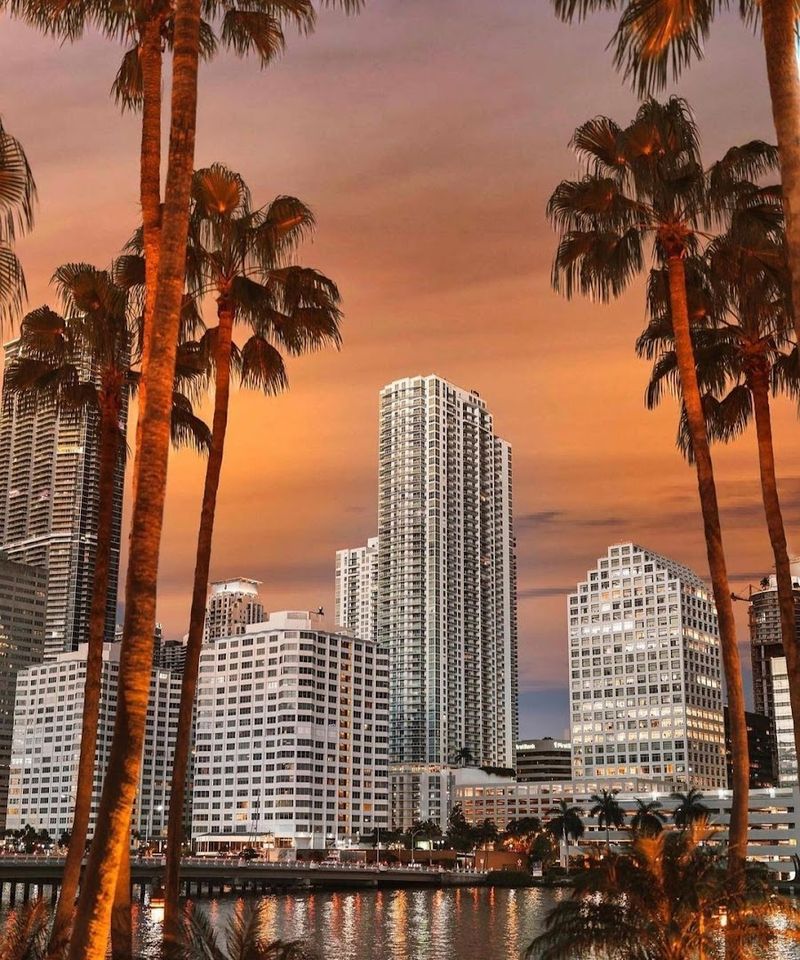
When the sun goes down, Ocean Drive transforms from a pretty beachfront street into Miami’s most photographed nighttime destination. The Art Deco hotels lining the road switch on their neon lights—electric blues, hot pinks, and lime greens that make the entire street glow like a movie set. Classic cars often cruise slowly past, their chrome catching the light, while outdoor restaurant patios fill with diners enjoying fresh seafood and people-watching that rivals any show.
Music spills from every direction: salsa from one club, electronic beats from another, live bands playing covers on restaurant stages. The sidewalks stay packed with tourists and locals alike, creating a constant flow of interesting faces and conversations in multiple languages. Street vendors sell roses, light-up toys, and cold water to the crowds, while artists sketch caricatures under streetlamps.
Unlike some nightlife districts that feel exclusive or intimidating, Ocean Drive welcomes everyone. You can dress up or stay casual in your beach clothes—nobody judges. Some spots have bouncers and cover charges, but plenty of restaurants and bars let you walk right in and grab a seat.
The energy peaks around midnight but continues well into the early morning hours. Grab a mojito, find a spot where you can see both the neon-lit buildings and the dark ocean beyond, and soak in the electric atmosphere that makes Miami’s nightlife legendary worldwide.
7. Vizcaya Museum and Gardens: European Elegance in the Tropics
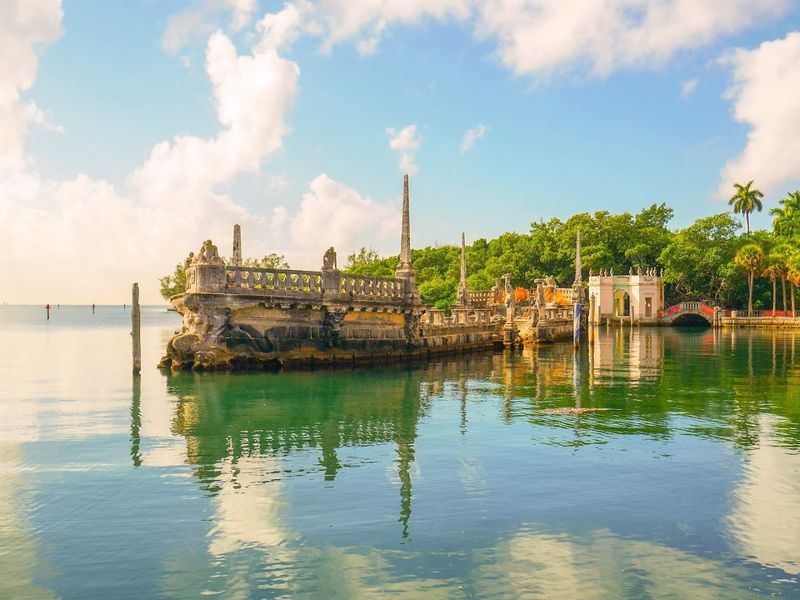
Imagine an Italian Renaissance palace transported to Miami’s waterfront, complete with formal gardens, marble sculptures, and rooms filled with centuries-old European treasures. Vizcaya was built in the 1910s as a winter retreat for industrialist James Deering, who spared no expense creating his vision of Old World grandeur in tropical Florida. Today, it stands as a National Historic Landmark where you can wander through 34 decorated rooms showcasing furniture, paintings, and decorative objects spanning 2,000 years of European craftsmanship.
The gardens steal the show for many visitors. Ten acres of formal landscapes feature geometric hedges, secret grottos, fountains, and terraces overlooking Biscayne Bay. Stone pathways lead past ancient-looking statues, through shaded arcades, and into garden rooms that feel like outdoor living spaces.
The combination of Italian and French garden design with tropical plants creates something unique—classical European style adapted to Miami’s climate and light.
Photography enthusiasts love Vizcaya, and it’s easy to see why. Every corner offers another picture-perfect view, from the grand entrance courtyard to the boat landing on the bay. The estate also hosts weddings and special events, taking advantage of its romantic atmosphere.
Plan to spend at least two hours exploring, and visit during the cooler months if possible, since walking the gardens in summer heat can be challenging. Guided tours offer fascinating stories about Deering and the estate’s construction, but self-guided visits work perfectly fine too.
8. Brickell: Where Miami Does Business and Pleasure
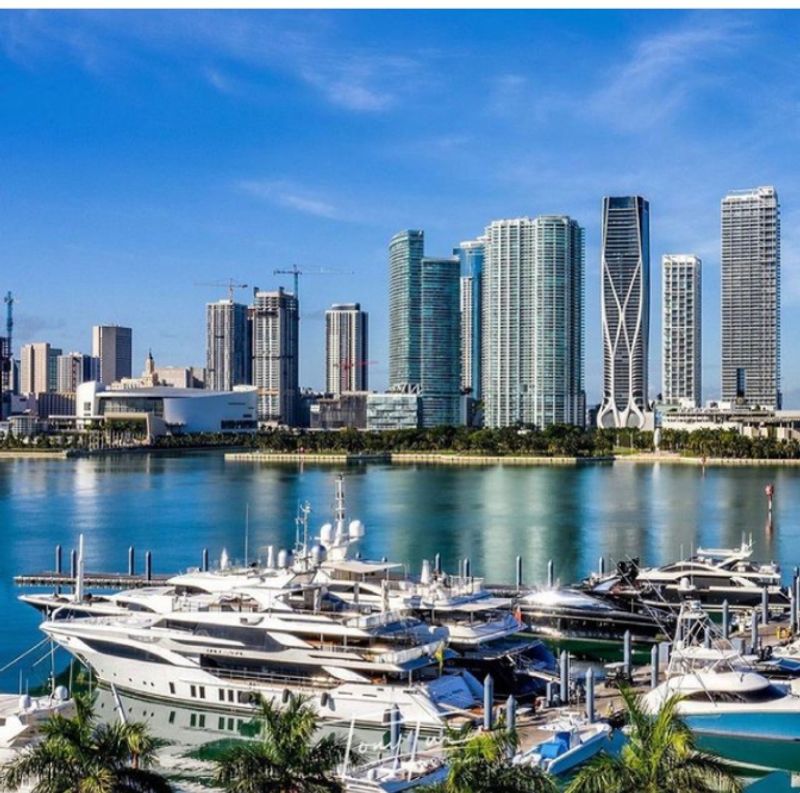
Miami’s financial district doesn’t sleep when the stock market closes—Brickell transforms from business hub to nightlife destination faster than you can change out of your work clothes. Gleaming skyscrapers house international banks and corporate offices by day, but their ground floors hide some of the city’s best restaurants, cocktail bars, and rooftop lounges. Young professionals flood the streets after work, heading to happy hours that stretch late into the evening at spots serving everything from craft cocktails to authentic Peruvian ceviche.
The neighborhood has exploded in recent years with luxury high-rises offering stunning views of Biscayne Bay and the downtown skyline. Many buildings include rooftop pools and bars that welcome guests, creating sky-high party spots where you can sip drinks while watching the city lights sparkle below. Brickell City Centre, an upscale shopping and dining complex, provides air-conditioned relief with designer stores, a movie theater, and restaurants representing cuisines from around the world.
For a different perspective, walk along the Miami River where it cuts through Brickell, watching yachts navigate the waterway while downtown rises dramatically behind them. The neighborhood feels more polished and less touristy than South Beach, attracting visitors who want to experience Miami’s cosmopolitan side. When you’re ready to dance, clubs in Brickell stay open until the early morning, playing Latin music, hip-hop, and electronic beats for crowds that know how to party.
It’s proof that Miami’s appeal goes beyond beaches—the city knows how to mix business with serious pleasure.