Just 45 Minutes From Tampa, This Florida Island Feels Like a World Away
Caladesi Island sits just off the coast near Dunedin, offering a slice of untouched paradise that feels impossibly remote despite being less than an hour from Tampa. This pristine barrier island boasts powdery white sand, crystal-clear Gulf waters, and thriving mangrove forests that shelter wildlife you won’t find anywhere else in the area.
Whether you arrive by ferry, kayak, or private boat, stepping onto Caladesi means leaving the hustle behind and entering a world where nature sets the pace and the only sounds are waves and birdsong.
Ferry Adventure Through the Mangroves
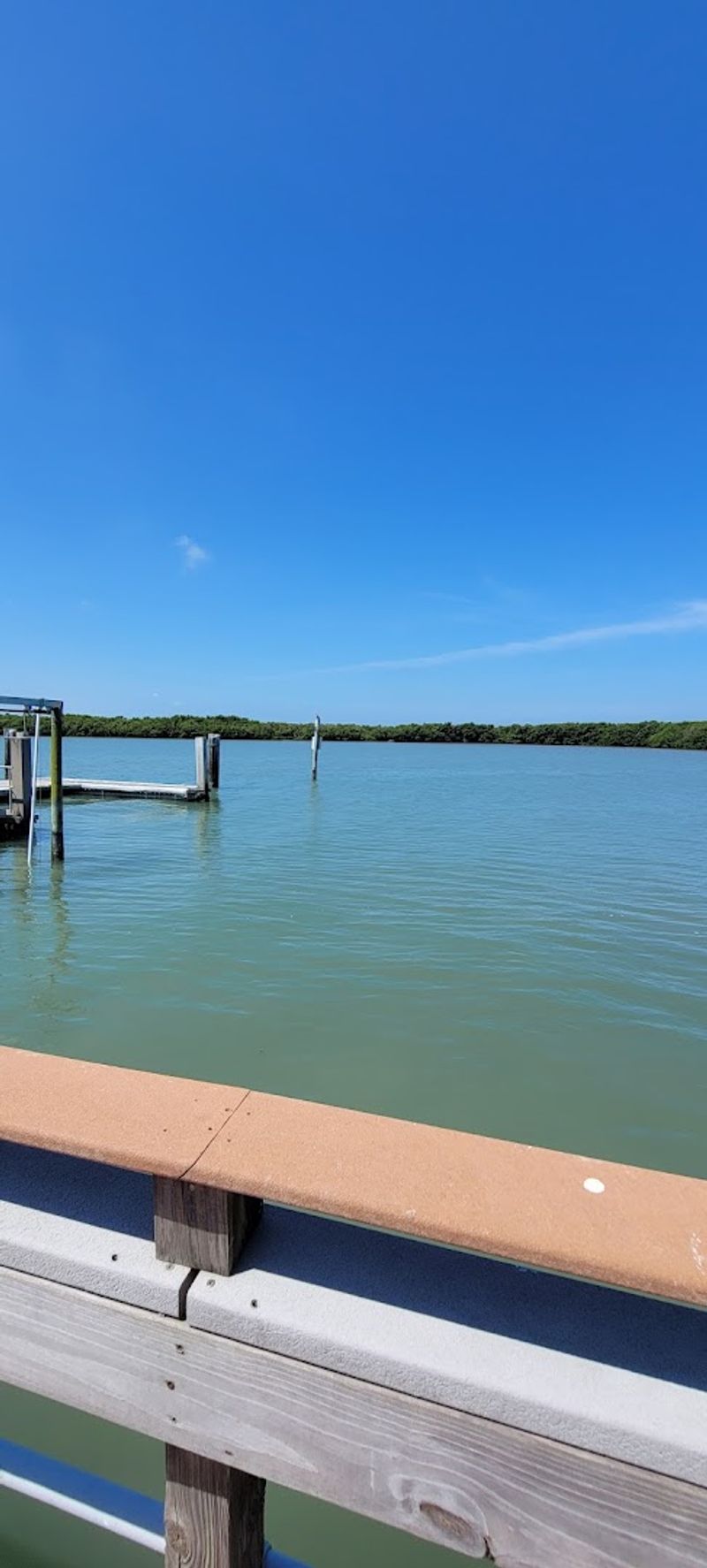
Catching the ferry from Honeymoon Island State Park ranks as one of the most charming parts of visiting Caladesi. The 20-minute ride winds through narrow mangrove channels where the water shifts from emerald to sapphire depending on the depth.
Captain Peter and other experienced captains share fascinating tidbits about local wildlife, pointing out osprey nests tucked into the branches and explaining how these tangled roots create nurseries for fish.
Dolphins frequently escort the ferry, surfacing alongside the boat with playful curiosity that makes even seasoned Floridians grin like kids. The crew genuinely loves what they do, and their enthusiasm makes the journey feel special rather than just transportation.
Watching the mangroves give way to open water as the island comes into view builds anticipation perfectly.
Tickets run about $18 per person and operate on a first-come, first-served basis, so arriving early helps avoid long waits during peak season. The ferry runs on a four-hour turnaround schedule, giving you plenty of time to explore without feeling rushed.
Some visitors mention waiting over an hour for tickets during busy weekends, but most agree the experience justifies the patience.
Getting there through Honeymoon Island means paying an $8 entrance fee per vehicle before reaching the ferry dock. The combined cost adds up, but it supports park maintenance and keeps visitor numbers manageable.
Unlike crowded mainland beaches where finding parking becomes a battle, this controlled access preserves the tranquil atmosphere that makes Caladesi worth the trip.
Pristine Beach That Stays Uncrowded
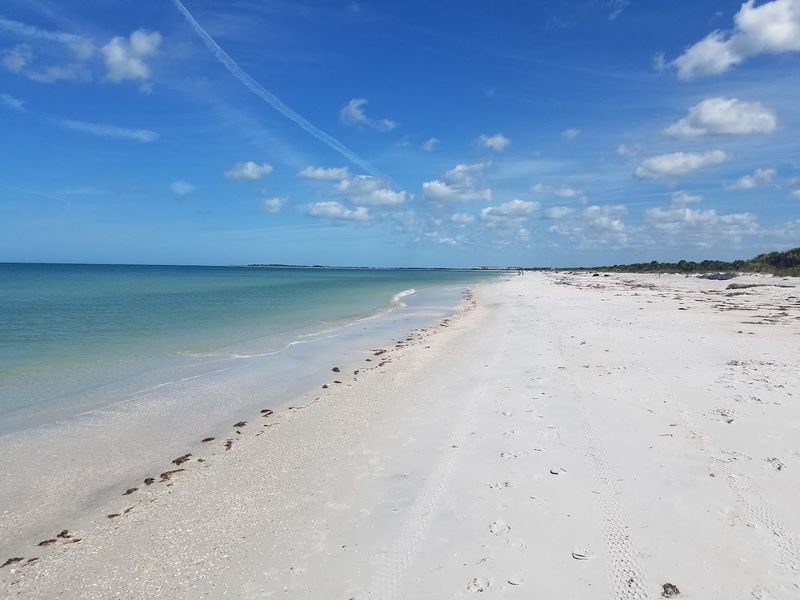
Caladesi’s beach stretches for three miles of powder-soft sand that squeaks underfoot when you walk. The state park limits daily visitors, which means you can actually claim a spot without elbowing through throngs of tourists fighting for real estate.
Early morning arrivals often find themselves with vast stretches of shoreline practically to themselves, watching herons stalk the shallows while sipping coffee.
The Gulf water here shimmers in shades ranging from pale aquamarine near shore to deeper turquoise farther out. Clarity exceeds what you’ll find at most Tampa Bay area beaches, letting you spot fish darting around your ankles and observe how the sandy bottom creates rippling patterns.
Water temperatures stay comfortable most of the year, warm enough for extended swimming sessions without turning your lips blue.
Natural dunes dotted with sea oats frame the beach, creating a buffer between the sand and interior trails. These fragile ecosystems provide crucial habitat for shorebirds and help protect the island during storms.
Wooden boardwalks cross sensitive areas, letting visitors access the beach without trampling vegetation that took decades to establish.
Chair and umbrella rentals run $35 for two chairs plus shade, which some visitors find steep but others consider worthwhile for avoiding the schlep of hauling gear. Bringing your own equipment works fine if you don’t mind carrying it from the ferry dock.
The beach café sells drinks and snacks, though prices reflect the captive audience situation common at isolated locations.
Kayaking Paradise Through Coastal Waters
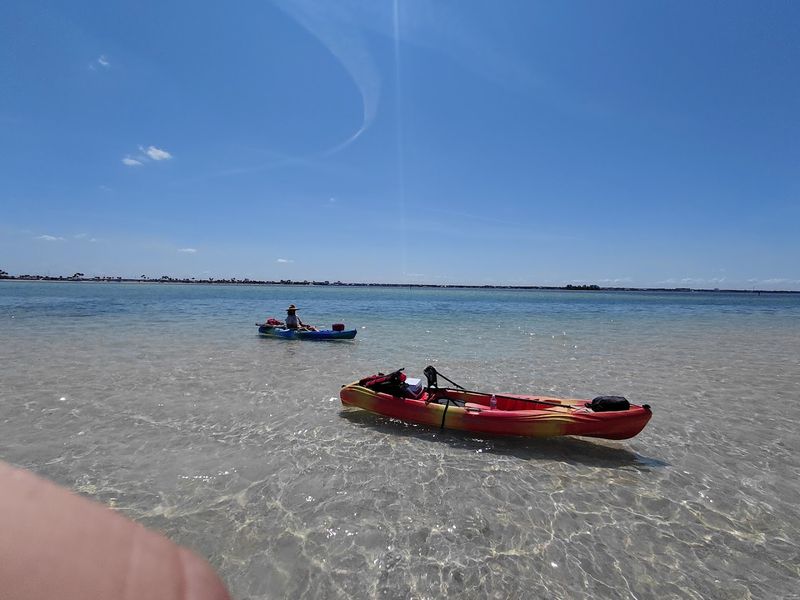
Paddling to Caladesi from Honeymoon Island’s causeway offers adventurous souls a free alternative to the ferry while delivering an intimate encounter with the Gulf ecosystem. The channel crossing spans roughly 15 minutes for moderately experienced kayakers, though conditions vary dramatically based on tides and wind.
Outgoing tides can turn the return trip into a workout that humbles even confident paddlers.
Rental shops near Honeymoon Island provide single and tandem kayaks for reasonable hourly rates, with staff offering route suggestions and tide warnings. The guys running these operations know the waters intimately and won’t hesitate to recommend postponing if weather looks sketchy.
Their local expertise prevents countless mishaps for visitors unfamiliar with how quickly Gulf conditions can shift.
Once on the water, you’re gliding through an aquarium teeming with life. Dolphin pods patrol these channels daily, sometimes approaching kayaks with enough curiosity to make your heart race.
Stingrays shuffle across sandy shallows, and if you paddle quietly through the mangroves, you might spot manatees grazing on seagrass beds.
Low tide exposes sandbars that create temporary islands perfect for rest stops, though you’ll want to monitor water levels to avoid getting stranded. Some kayakers report having to walk their boats back across these flats when they misjudge timing.
Checking tide charts before launching saves you from an embarrassing slog through ankle-deep water while dragging your kayak behind you like a reluctant dog.
Nature Trails Through Maritime Forest
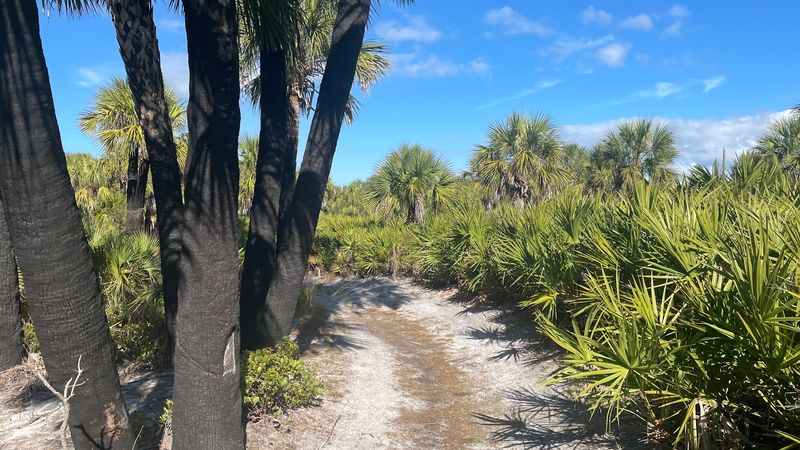
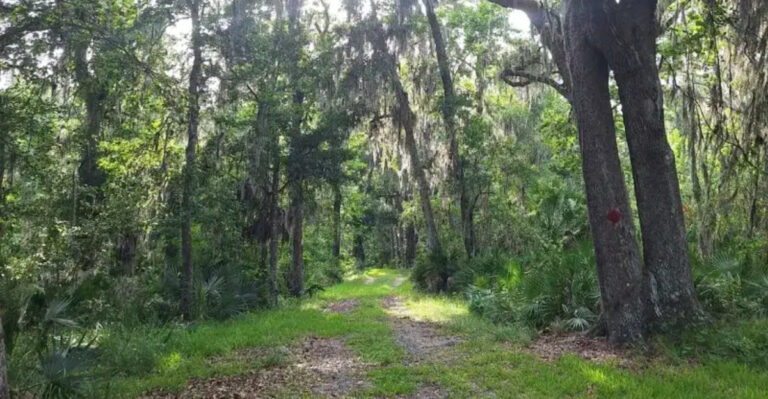
Beyond the beach, Caladesi hides a three-mile network of nature trails that wind through maritime hammock rarely seen by visitors who stick to the sand. These shaded paths offer welcome relief from the relentless Florida sun while showcasing plant communities that have thrived here for centuries.
Slash pines tower overhead, their needles carpeting the trail with a fragrant cushion that muffles footsteps.
Wooden boardwalks traverse wetland areas where cabbage palms and saw palmettos create jungle-like tangles. Interpretive signs identify native species and explain how this ecosystem functions as a living filter, cleaning water before it reaches the Gulf.
Birders bring binoculars hoping to spot painted buntings, roseate spoonbills, and the occasional bald eagle surveying its domain from high branches.
The trails stay relatively cool even during summer thanks to the canopy cover, making them ideal for midday exploration when the beach becomes a griddle. Mosquitoes can be aggressive in warmer months, so bug spray ranks as essential gear rather than optional.
Long pants help too, though most visitors arrive in beach attire and tough it out for the sake of experiencing this hidden side of the island.
Walking these paths feels meditative, with only rustling leaves and distant waves providing soundtrack. You’ll encounter far fewer people here than on the beach, sometimes going entire stretches without seeing another soul.
This solitude lets the island reveal itself slowly, rewarding patient observers with glimpses of gopher tortoises, armadillos, and raccoons going about their business undisturbed.
Shell Collecting Bonanza
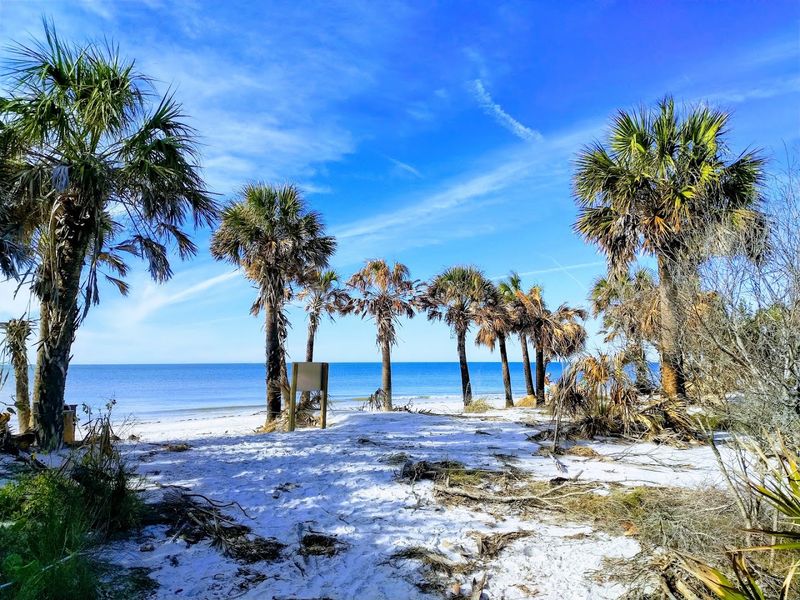
Serious shellers consider Caladesi one of Florida’s premier hunting grounds, with Gulf currents depositing treasures that send collectors into raptures. Lightning whelks, fighting conchs, and alphabet cones wash up with regularity that makes casual beachcombers feel like professional treasure hunters.
Low tide reveals the best pickings, when receding water exposes fresh deposits that haven’t been picked over.
Unlike heavily trafficked beaches where finding an intact shell feels like winning the lottery, Caladesi offers abundance that seems almost unfair. Visitors report discovering specimens they’d only seen in guidebooks, including rare varieties that make seasoned collectors do double-takes.
The limited visitor numbers mean shells don’t get trampled into fragments before someone claims them.
Early morning walks yield the biggest hauls, before the day’s ferry arrivals stake their claims. Some dedicated shellers arrive on the first boat and immediately start patrolling the wrack line where storms deposit the choicest specimens.
Bringing a mesh bag lets you collect without worrying about pockets overflowing or losing prizes in the sand.
State park regulations allow reasonable collecting for personal use, though taking live shells with creatures still inside is prohibited and unethical. Most shells you’ll find are empty homes left behind when their former occupants moved on or became someone’s lunch.
Rinsing your finds in Gulf water before packing them prevents unpleasant surprises when you get home and discover something dead was hiding inside that pretty conch.
Beach Café and Island Amenities
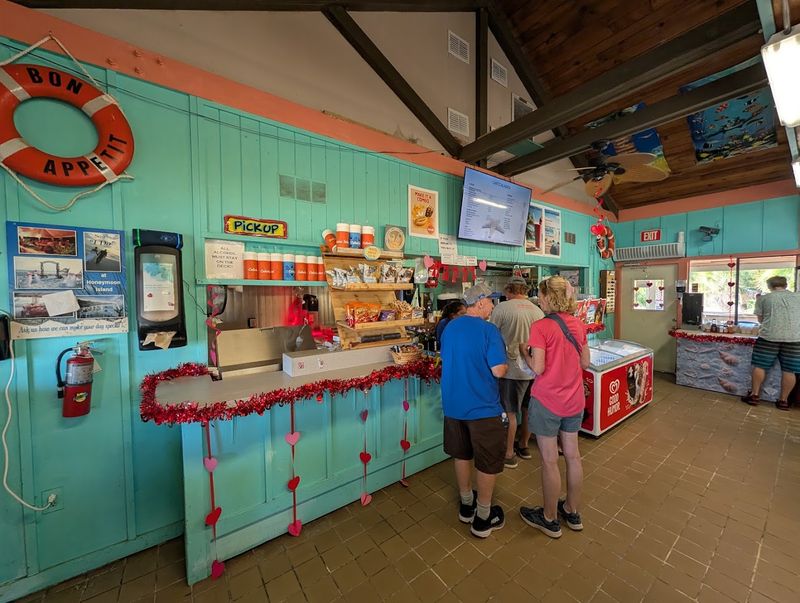
The island’s modest café serves as the only food source unless you pack provisions, offering burgers, sandwiches, and cold drinks that taste exponentially better when you’re sun-drenched and salty. Prices reflect the captive market situation, with a bacon cheeseburger and fries running around $16.
Quality doesn’t necessarily justify the premium, but the convenience factor and the friendly staff who run the place with genuine warmth make up for mediocre cuisine.
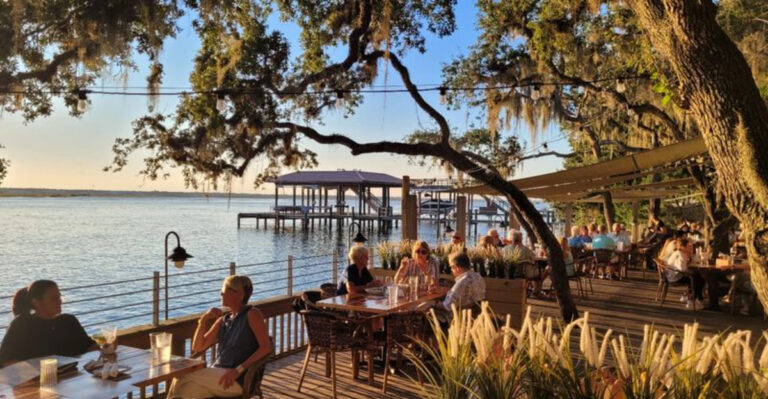
Cold beer and piña coladas flow from the counter, transforming a simple lunch into a proper island experience. Sitting at the outdoor tables under shade while watching pelicans dive-bomb for fish creates moments worth savoring.
The cook and counter staff treat visitors like welcomed guests rather than transaction numbers, chatting about the island and offering tips for making the most of your visit.
Clean restrooms near the café rank as surprisingly nice for a remote island facility, with running water and regular maintenance that exceeds expectations. Outdoor showers let you rinse off salt and sand before the ferry ride back, which fellow passengers appreciate.
These basic amenities might seem unremarkable until you consider the logistics of maintaining them on an island accessible only by boat.
The small gift shop stocks sunscreen, hats, and souvenirs for folks who forgot essentials or want mementos. Prices run high but not outrageously so given the circumstances.
Rangers stationed nearby answer questions and provide information about wildlife, tides, and the island’s history as a once-private retreat that became public treasure.
Private Boat Access and Marina
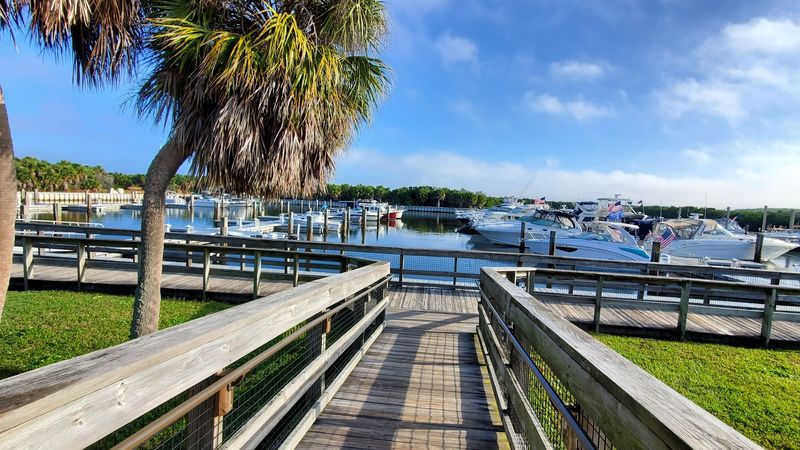
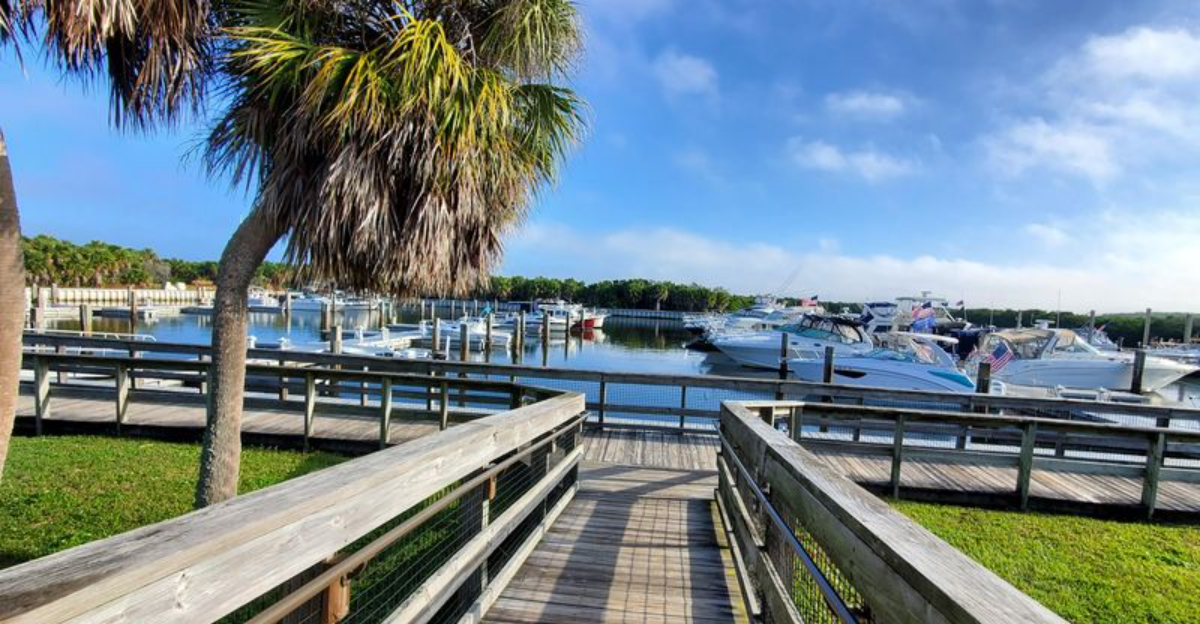
Boaters who own their own vessels can bypass the ferry entirely and dock at Caladesi’s marina for just $6 per day, one of Florida’s better bargains for accessing paradise. The marina accommodates boats up to moderate size, with slips filling quickly on weekends when the weather cooperates.
Arriving early secures better spots and ensures you won’t get turned away when capacity maxes out.
This access method appeals to locals who keep boats at nearby marinas and can zip over for impromptu afternoon escapes. The freedom to come and go on your own schedule rather than dancing around ferry times transforms the experience from structured excursion to spontaneous adventure.
Some boaters make Caladesi a regular weekend ritual, claiming favorite spots and timing visits around tides for optimal swimming or shelling.
Private charters offer another option for groups wanting customized experiences without the ferry’s fixed schedule. Captain Ryan from Clearwake Watersports gets mentioned repeatedly in reviews for delivering exceptional tours that combine transportation with wildlife watching and local expertise.
Charter captains know hidden coves, best shelling beaches, and where dolphins tend to congregate, adding value beyond simple transportation.
Navigation requires some attention since sandbars shift and channels can be tricky for unfamiliar boaters. Local knowledge helps tremendously, and checking nautical charts before attempting the trip prevents embarrassing groundings.
The approach from Clearwater or Dunedin offers scenic cruising through the Intracoastal Waterway, with dolphin sightings practically guaranteed and manatees common during warmer months.
Wildlife Watching Opportunities
Dolphins steal the show as Caladesi’s most charismatic residents, patrolling the channels and Gulf waters with enough regularity that spotting them becomes expected rather than lucky. Pods often approach boats and kayaks, surfacing close enough to make eye contact and remind you that you’re visiting their home.
Watching them hunt cooperatively in the shallows demonstrates intelligence that makes you reconsider what we mean by consciousness.
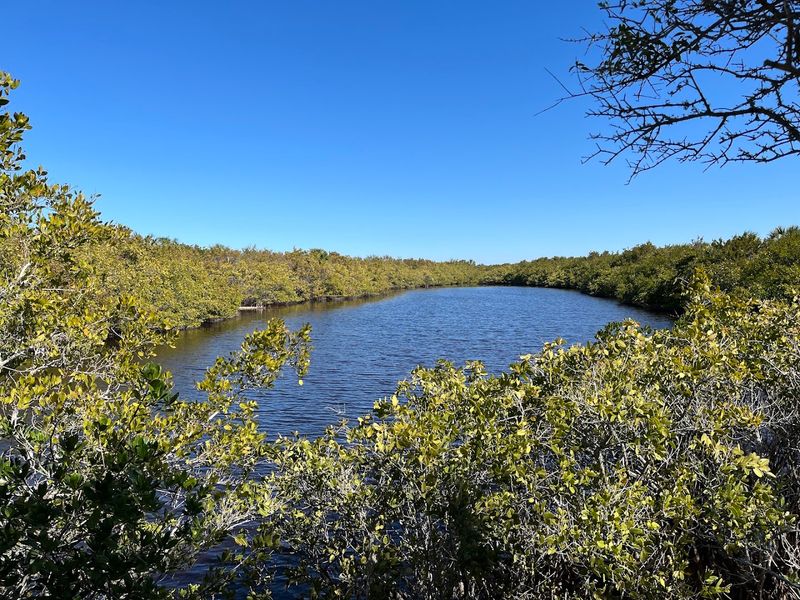
Wading birds populate the mangroves and shoreline in remarkable diversity, from statuesque great blue herons to comical roseate spoonbills sweeping their bills through shallow water. Ospreys maintain massive stick nests atop dead trees, diving spectacularly to snatch fish from the surface.
Patient observers might spot reddish egrets performing their distinctive feeding dance, spreading wings and zigzagging through shallows like drunken ballerinas.
Sea turtles nest on Caladesi’s beaches during summer months, with loggerheads being the most common species. Rangers mark nests to protect them from disturbance, and lucky visitors occasionally witness hatchlings making their frantic dash to the Gulf.
These moments carry emotional weight that transcends simple wildlife viewing, connecting you to ancient cycles that predate human presence on these shores.
The mangrove forests function as nurseries for juvenile fish, and snorkeling the shallows reveals schools of mullet, snook, and snapper seeking shelter among the roots. Stingrays glide across sandy bottoms like underwater flying carpets, and hermit crabs conduct their endless search for better housing.
Even the most nature-indifferent visitors find themselves drawn into observation, discovering fascination they didn’t know they possessed.
Walking From Clearwater Beach
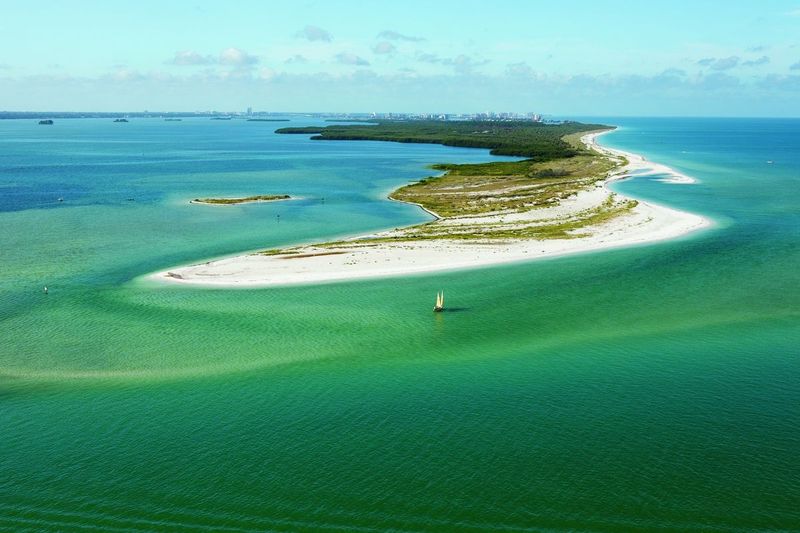
Ambitious hikers can walk from Clearwater Beach to Caladesi Island during low tide, covering roughly 2.5 to 3 miles of beach and sandbars that emerge when water recedes. This route appeals to adventurers seeking bragging rights and free access, though nearly everyone who attempts it offers the same advice afterward: take the ferry instead.
The trek involves more challenge than most anticipate, with hot sand, limited shade, and sections requiring wading through water that sometimes smells strongly of sulfur from decaying organic matter.
The famous shell tree marks the midpoint, a Australian pine draped with shells left by previous hikers in a folk art installation that photographs beautifully. Reaching it provides a psychological boost, though the realization that you’re only halfway can deflate enthusiasm quickly.
Beyond this landmark, conditions often worsen as you enter zones where brown, odorous water becomes unavoidable.
Bringing copious amounts of water ranks as absolutely critical since dehydration sneaks up fast under the relentless Florida sun. Proper footwear helps too, as the sand gets scorching enough to blister bare feet.
Some hardy souls complete the journey and feel accomplished, while others arrive at Caladesi looking like extras from a zombie movie, questioning their life choices.
The return trip looms as an additional mental hurdle since you’ll retrace the same challenging route after spending hours on the island. Timing matters tremendously, as getting caught by incoming tide can strand you or force unpleasant detours.
Most people who walk once never repeat the experience, opting for ferry comfort on subsequent visits while entertaining friends with stories of their foolhardy expedition.
Why Caladesi Beats Other Tampa Bay Beaches
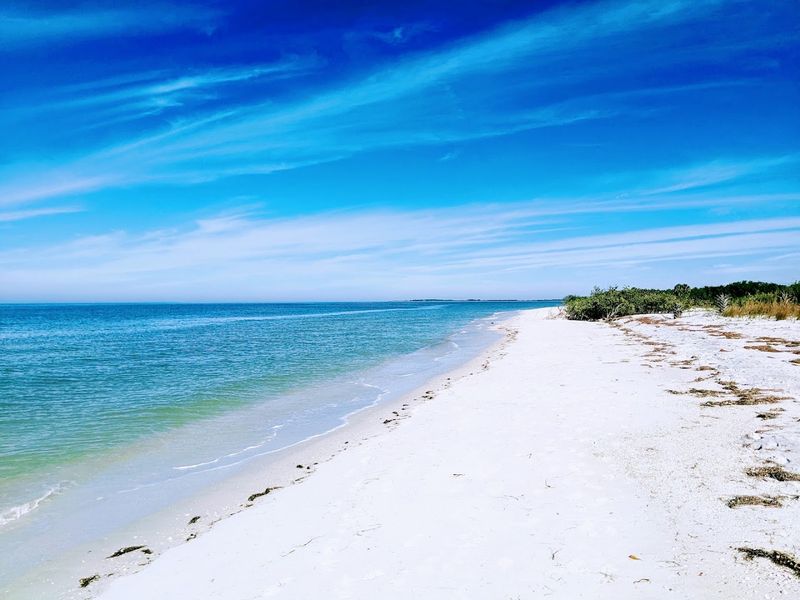
Caladesi Island earned recognition as one of America’s best beaches not through marketing hype but by delivering an increasingly rare commodity: authentic unspoiled nature within reach of major population centers. While Clearwater Beach and St. Pete Beach offer easy access and abundant amenities, they sacrifice tranquility to crowds that pack the sand shoulder-to-shoulder during peak season.
Caladesi’s controlled access preserves the experience people imagine when dreaming of Florida beaches.
The absence of high-rise condos, beach bars blasting music, and aggressive vendors hawking parasailing rides creates atmosphere that feels genuinely removed from modern chaos. You can actually hear waves and identify individual bird calls rather than drowning in the white noise of urban beach scenes.
This quietude carries value that many visitors didn’t realize they were craving until experiencing it.
Fort De Soto gets mentioned frequently as Caladesi’s main competitor for