You Can Walk 9 Miles on This Florida Beach Without Passing a Single High-Rise
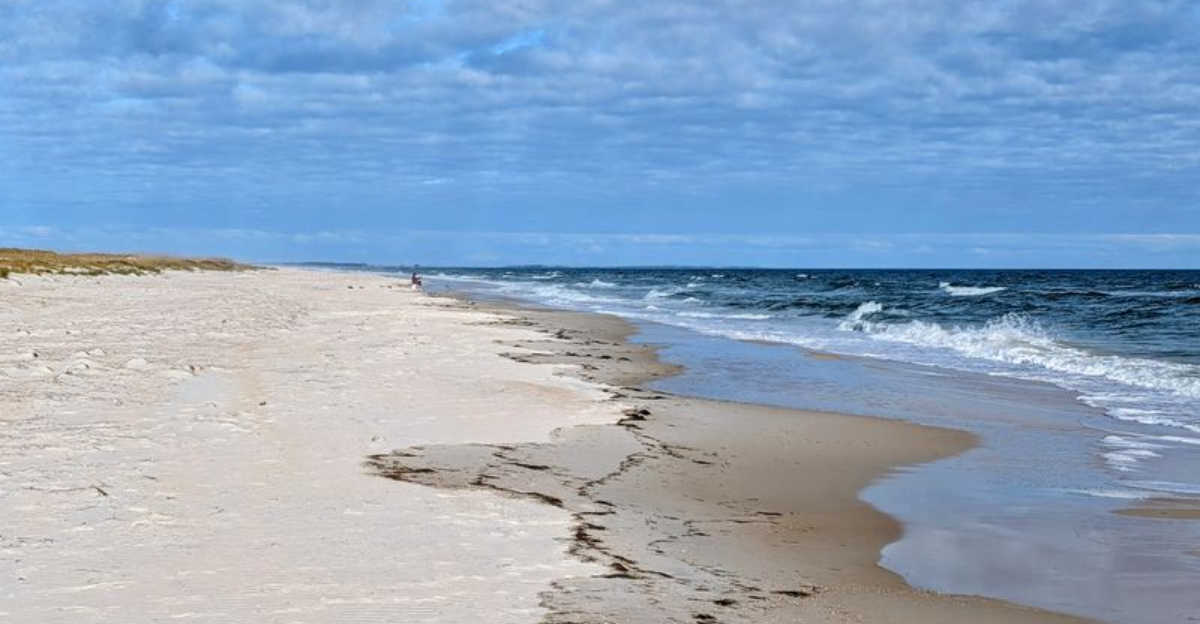
Finding a stretch of undeveloped coastline in Florida can feel impossible these days, but St. George Island State Park delivers exactly that. This remarkable barrier island park protects nine miles of pristine Gulf shoreline where nature still calls the shots and concrete towers have never taken root. Whether you crave solitude, wildlife encounters, or just a beach experience that feels authentically wild, this slice of Florida’s Forgotten Coast offers something increasingly rare in the Sunshine State.
1. Nine Uninterrupted Miles of Natural Shoreline
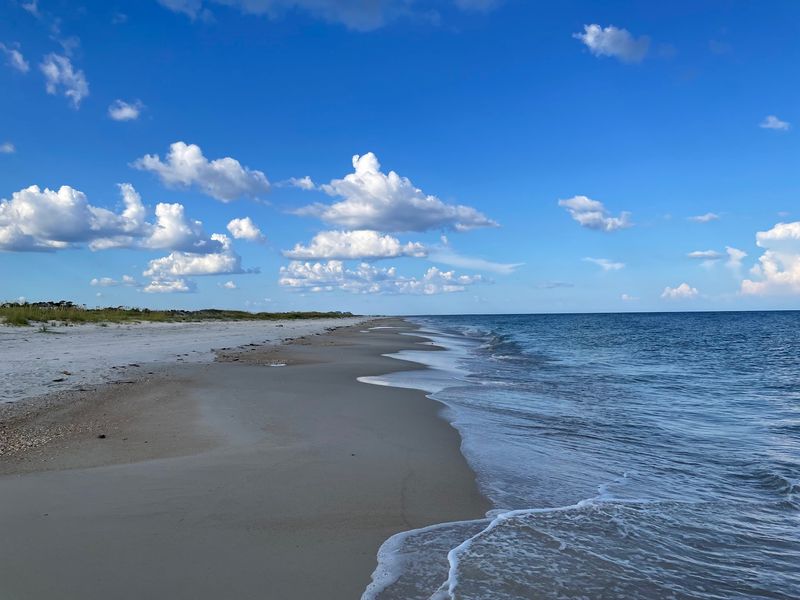
Most Florida beaches come with a skyline of condos and hotels blocking the horizon, but Dr. Julian G. Bruce St. George Island State Park breaks that mold completely. The park protects the entire eastern end of the island, giving you nine full miles of beach where the tallest structures are sand dunes and pine trees.
Walking from one end to the other takes a few hours, and you might spot dolphins before you spot another person.
The absence of development means the beach functions like it did centuries ago. Sea turtles nest without streetlights confusing their hatchlings. Shorebirds feed along the waterline without dodging beach umbrellas every three feet.
The sand stays white because there’s no runoff from parking garages or pool decks.
Visitors from Clearwater and Panama City often describe feeling transported when they first arrive. The quiet hits differently when you’re used to beach music and jet ski engines. You can actually hear waves breaking and wind moving through the dunes, sounds that get drowned out at developed beaches.
This stretch belongs to everyone but feels like your private discovery, especially if you walk toward the less-traveled eastern sections where even park visitors thin out considerably.
2. Campground Steps from Gulf Waters
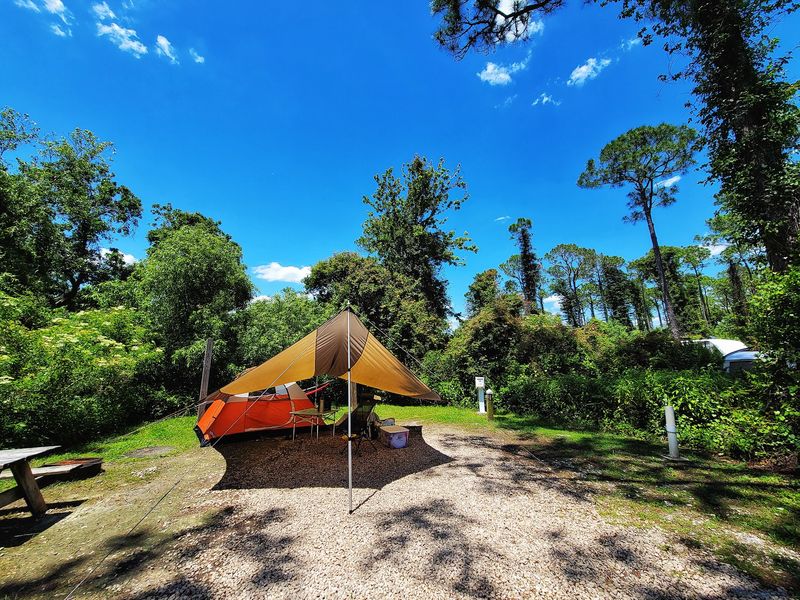
Sixty campsites sit tucked between maritime forest and open beach, giving you the rare chance to fall asleep to waves and wake up with sand between your toes within minutes. Unlike cramped campgrounds where RVs park bumper-to-bumper, these sites spread out with trees and shrubs creating natural privacy screens. You won’t be staring into your neighbor’s dinner preparations or listening to every conversation three sites over.
Each spot comes with a fire ring, picnic table, and those clever hammock posts that reviewers keep mentioning. Two large bathhouses serve the campground with hot showers and flush toilets, a step up from primitive camping but still miles away from resort-style glamping. Rangers rake sites between guests and empty fire pits, maintaining standards that keep repeat visitors coming back year after year.
The location makes everything easy. Beach access sits directly across the road. Nature trails start right behind the campground loop.
You can bike, fish, swim, or just sit without driving anywhere or dealing with day-tripper crowds that descend on public beaches.
Fall and spring book up fast because temperatures stay comfortable and bugs calm down. Summer brings heat and mosquitoes. Winter occasionally surprises with chilly nights, but that Thanksgiving week crew from the reviews proved it works beautifully for gatherings.
3. Towering Sand Dunes Meeting Forest
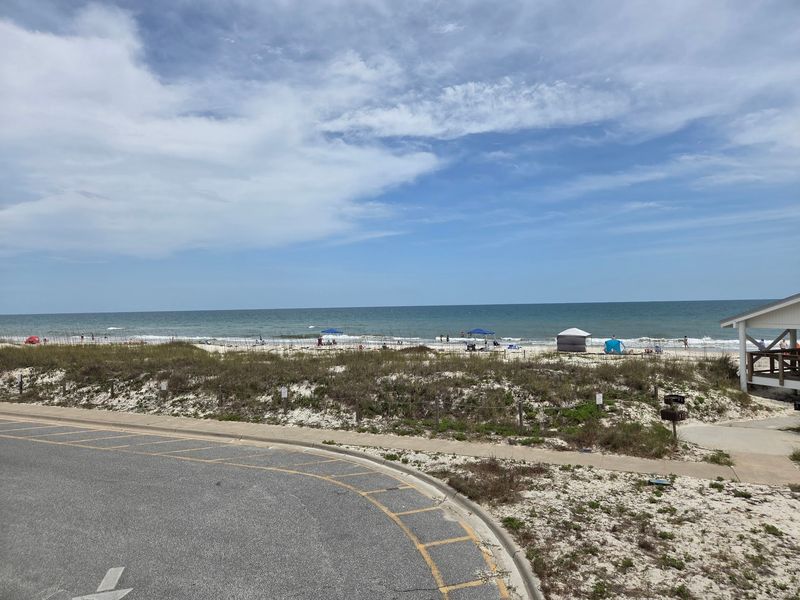
Florida doesn’t usually do dramatic topography, but St. George Island’s dunes rise higher than most visitors expect. These aren’t the gentle bumps you step over at typical Gulf beaches. We’re talking genuine hills of sand that required climbing effort, crowned with sea oats and scrub vegetation that anchors everything in place against wind and storms.
The transition zone where forest meets beach creates something visually striking. Slash pines and live oaks grow almost to the dune line, then suddenly give way to open sand and sky. That contrast between shaded woodland and bright coastal exposure makes for memorable scenery, the kind that stops people mid-walk to just absorb the view.
These dunes serve critical ecological functions beyond looking impressive. They buffer the island interior during hurricanes and storm surges. They provide nesting habitat for beach mice and safe zones for plants that can’t survive in the surf zone.
The height creates microclimates where different species thrive at different elevations.
Trails wind through the dune systems, letting you explore without damaging fragile vegetation. Stay on marked paths because trampling destroys the root systems that hold dunes together. One careless shortcut can trigger erosion that takes years to repair naturally.
4. Wildlife Watching Without Crowds
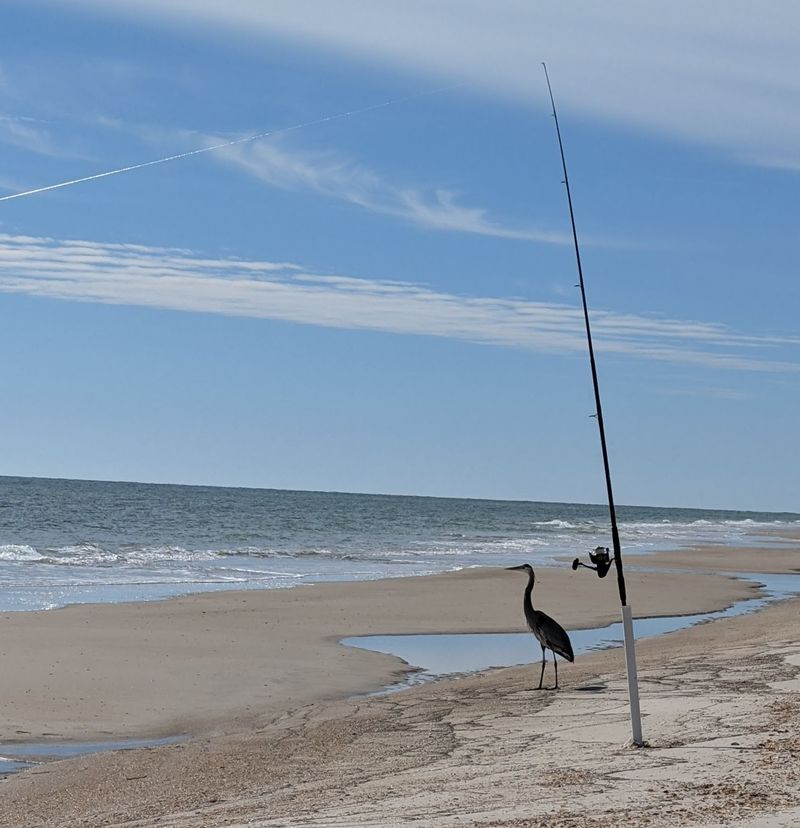
When beaches stay undeveloped, animals stick around instead of fleeing to quieter territory. St. George Island State Park hosts an impressive roster of wildlife precisely because it hasn’t been paved over or packed with people. Dolphins cruise the nearshore waters hunting fish.
Ospreys and bald eagles patrol from above. Ghost crabs scuttle across sand at dusk. During nesting season, loggerhead and green sea turtles haul themselves ashore after dark.
Shorebird diversity impresses birders who make special trips just to add species to their life lists. Depending on season, you might spot piping plovers, least terns, black skimmers, or Wilson’s plovers. The park’s importance for threatened and endangered species means certain areas close temporarily during critical nesting periods, a small trade-off for keeping populations viable.
Stingrays and small sharks swim in shallow water, visible if you wade out and watch carefully. Reviewers mentioned catching fish and crabs, which happens regularly for anyone who brings appropriate gear. The marine ecosystem stays healthier here than at heavily fished tourist beaches.
Early morning and late afternoon offer prime viewing windows when animals are most active and human activity stays minimal. Bring binoculars for distance viewing and respect wildlife space, especially during nesting seasons when disturbance can cause nest abandonment.
5. Nature Trails Through Coastal Ecosystems
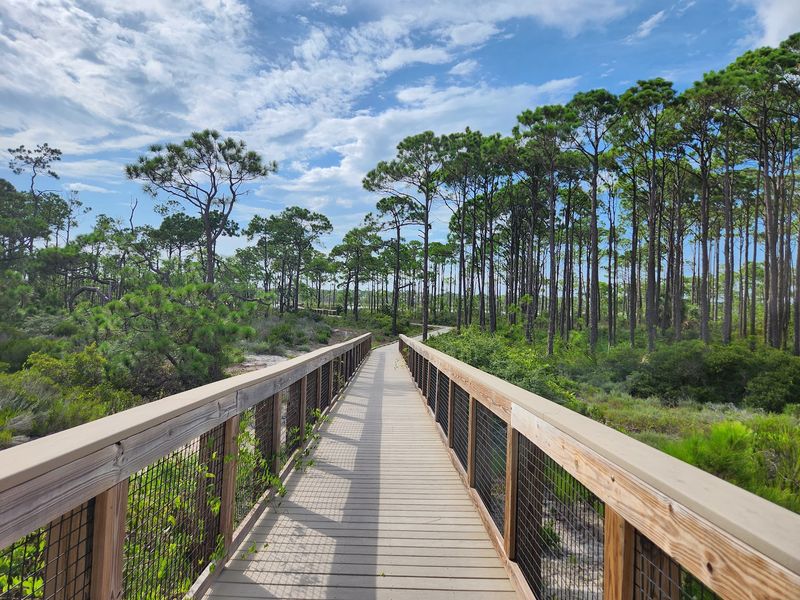
Over two miles of trails snake through the park’s interior, showcasing plant communities and habitats you’d miss if you only hit the beach. The main trail starts near the campground and works its way through maritime forest, dune systems, and salt marsh edges. It’s flat enough for casual walkers but long enough to feel like actual exercise, especially in summer heat.
Bikers use these trails too, though soft sand sections require some muscle and skill to navigate without bogging down. The packed areas ride smoothly while looser stretches demand lower gears and determination. Reviewers noted the main road works better for serious cycling, with trails serving walkers and nature observers more effectively.
Plant diversity surprises people expecting just palm trees and beach grass. You’ll find rosemary, yaupon holly, wax myrtle, and dozens of wildflower species depending on season. Interpretive signs explain ecological relationships and point out features easy to overlook without guidance.
The trail system provides welcome shade during midday when beach sun becomes relentless. It also offers quiet separation from even the modest beach crowds, giving solo hikers and contemplative types space to decompress completely. Mosquitoes can be fierce during warm months, so bug spray isn’t optional if you plan extended trail time.
6. Pristine Water Quality and Visibility
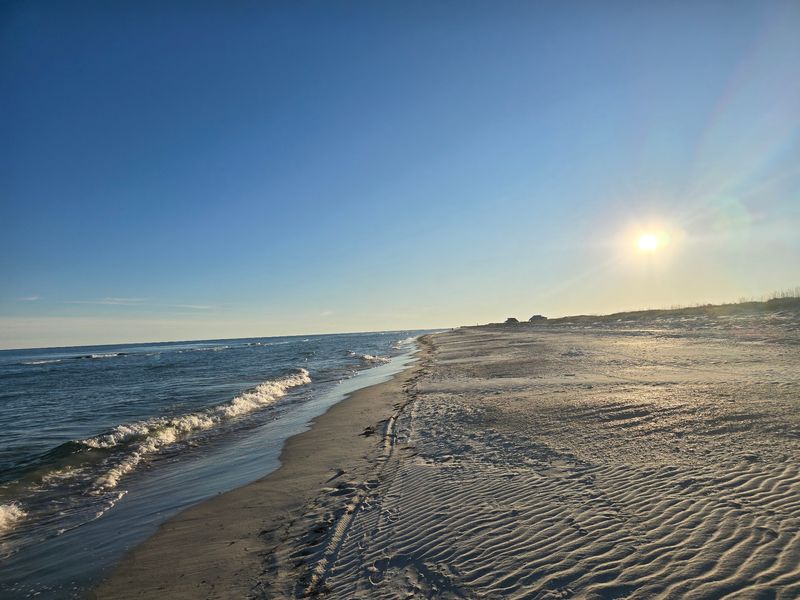
Water clarity at St. George Island often surprises first-time visitors expecting the murky green-brown typical of many Gulf beaches. The lack of coastal development means no stormwater runoff carrying sediment and pollutants. No high-rises means no construction erosion.
The result is water that stays cleaner and clearer than you’ll find at built-up beach towns.
Color shifts with weather and currents, ranging from pale aqua to deeper blue-green. After calm periods, visibility improves enough to watch fish swimming around your ankles in knee-deep water. Kids love this because they can actually see what they’re wading through instead of guessing what might brush their legs.
Temperature stays warm enough for comfortable swimming from late spring through early fall. Winter months cool down considerably, though hardy souls still take quick dips. The gradual slope creates safe conditions for families with young children, giving toddlers shallow areas to splash without parents panicking about sudden drop-offs.
Water quality testing consistently rates excellent because the park maintains natural filtration systems through preserved wetlands and dunes. When barrier islands get overdeveloped, those natural filters disappear and water quality tanks. St. George Island avoided that fate, keeping its Gulf waters swimmable and appealing for generations to come.
7. Facilities That Balance Comfort and Conservation
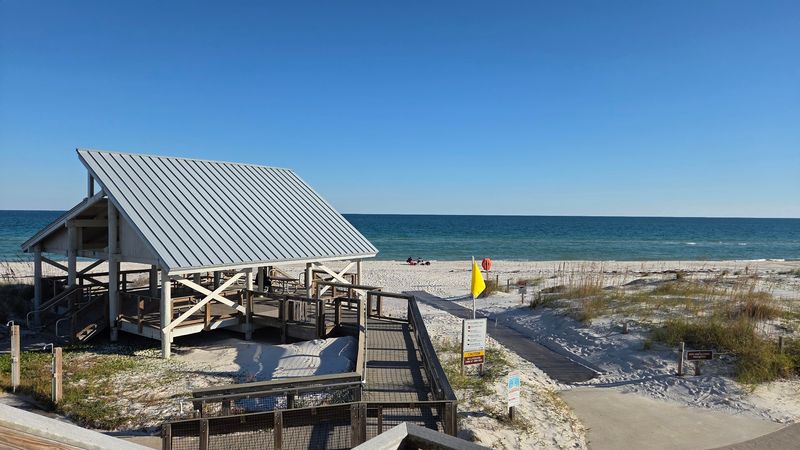
State parks walk a tricky line between providing visitor amenities and preserving natural character. St. George Island manages this balance reasonably well with bathhouses, outdoor showers, and picnic pavilions that serve practical needs without overwhelming the landscape. The facilities won’t wow anyone accustomed to resort luxury, but they work reliably and stay cleaner than many beach bathrooms.
Reviewers consistently praise cleanliness and maintenance, though a few noted occasional plumbing issues that come with aging infrastructure in harsh salt environments. The park acknowledged needed renovations and planned expansions, including thirty additional campsites and a new bathhouse to handle growing visitor numbers without sacrificing experience quality.
Picnic areas with grills let families spend full days without leaving for meals. Pavilions provide shade during peak sun hours. The park sells firewood and ice at the entrance, covering camping basics so you don’t have to haul everything from town twenty minutes away.
Accessibility features include paved paths to some beach access points and ADA-compliant restrooms, though the natural terrain limits how much can be modified without damaging ecosystems. The park tries to accommodate diverse visitors while respecting the wild character that makes the place special in the first place.
8. Affordable Access to Premium Beach Experience
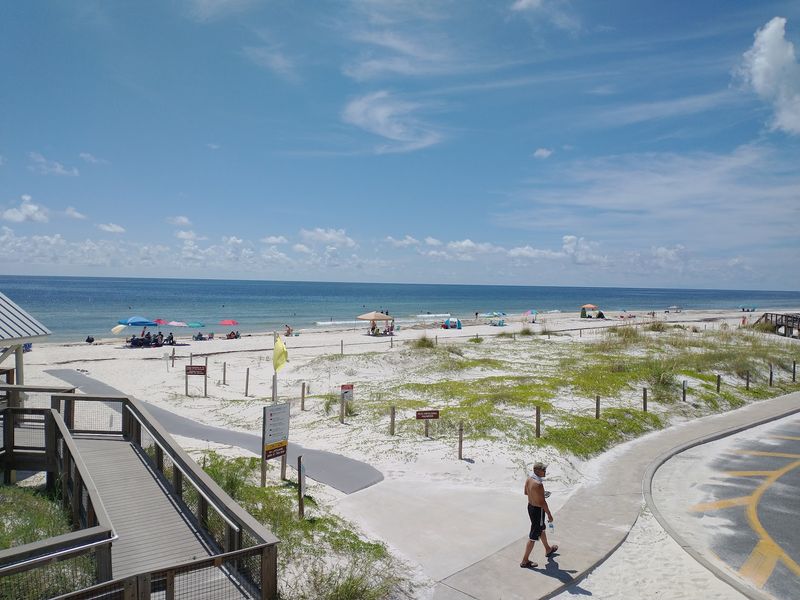
Six dollars gets a carload into one of Florida’s finest beach experiences, a bargain that seems almost ridiculous compared to private beach access fees or resort day passes elsewhere. The state park system keeps entry fees affordable specifically to ensure public access regardless of income level. Everyone deserves quality beach time, not just people who can afford beachfront rentals.
That low entry cost doesn’t reflect low quality. You’re getting the same white sand, clear water, and natural beauty that private developments charge premium prices to access. The difference is public ownership and conservation priorities that value preservation over profit maximization.
Annual passes make even more financial sense for Florida residents who visit multiple times per year. The pass covers entry to all Florida state parks, turning into significant savings for families who make outdoor recreation a regular habit rather than occasional splurge.
Camping fees run higher than day use but remain reasonable compared to private campgrounds or hotel stays. You’re paying for maintained sites, bathhouses, and the privilege of sleeping steps from protected Gulf beaches. Many families find the camping experience more memorable and meaningful than standard beach vacations spent in generic condos watching the same cable channels available at home.