This $90 Million St. Petersburg, Florida Museum Celebrates the Incredible Art of Handmade Craft
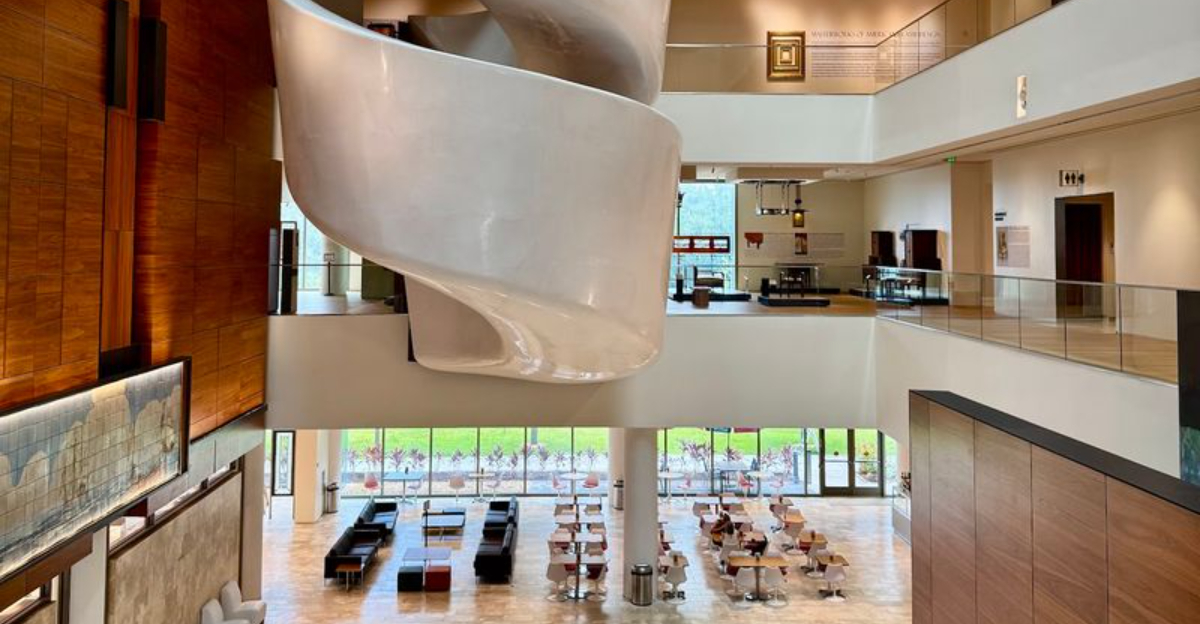
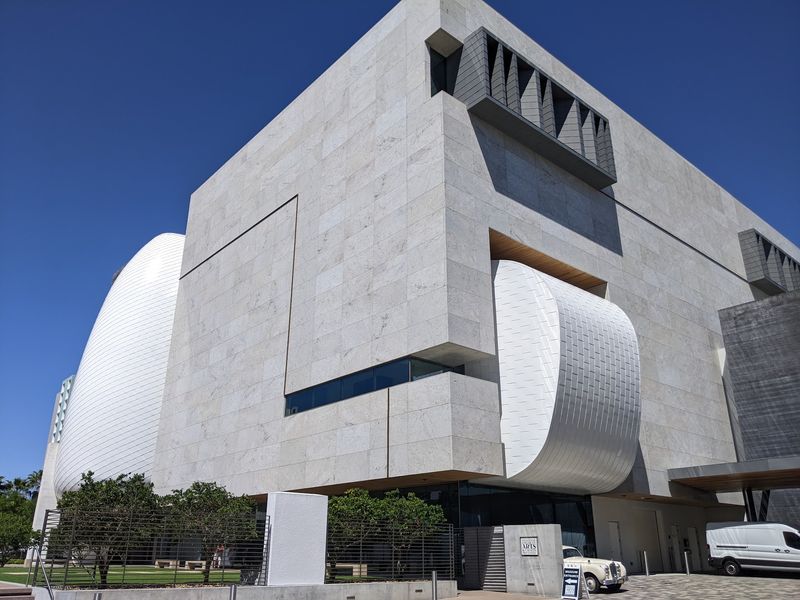
Downtown St. Petersburg is known for its impressive arts scene, but the Museum of the American Arts and Crafts Movement offers an experience unlike anything else in the city. Housed inside a striking five-story building, this ambitious museum is dedicated to the American Arts and Crafts movement, celebrating an era when skilled workmanship, thoughtful design, and beautiful everyday objects were valued as works of art. The museum’s expansive galleries showcase an impressive collection of furniture, pottery, ceramics, metalwork, lighting, textiles, photography, and decorative arts from the late 19th and early 20th centuries.
Instead of concentrating on a single medium, the exhibits reveal how the Arts and Crafts philosophy influenced everything from the chair someone sat in to the vase displayed on a table. Pieces associated with influential makers and designers help visitors understand why the movement became such an important response to mass industrial production. The building itself adds significantly to the experience.
Reported to have cost around $90 million, the museum was designed as much more than a collection of traditional galleries. Its dramatic atrium, sweeping architectural details, carefully arranged exhibition spaces, and period-inspired installations create an environment where visitors can appreciate both individual objects and the broader design principles behind them. Even people who don’t consider themselves experts in decorative arts may find plenty to admire.
Intricate craftsmanship becomes fascinating when viewed up close, particularly when you begin noticing the hand-finished details that distinguish these pieces from factory-made goods. For anyone exploring St. Petersburg beyond its beaches and waterfront, the Museum of the American Arts and Crafts Movement offers a compelling look at creativity from another era. It’s a place where furniture, pottery, architecture, and everyday objects tell a larger story about American design—and where the beauty of making something carefully by hand receives the spotlight it deserves.
A Building That Rivals the Collection Inside
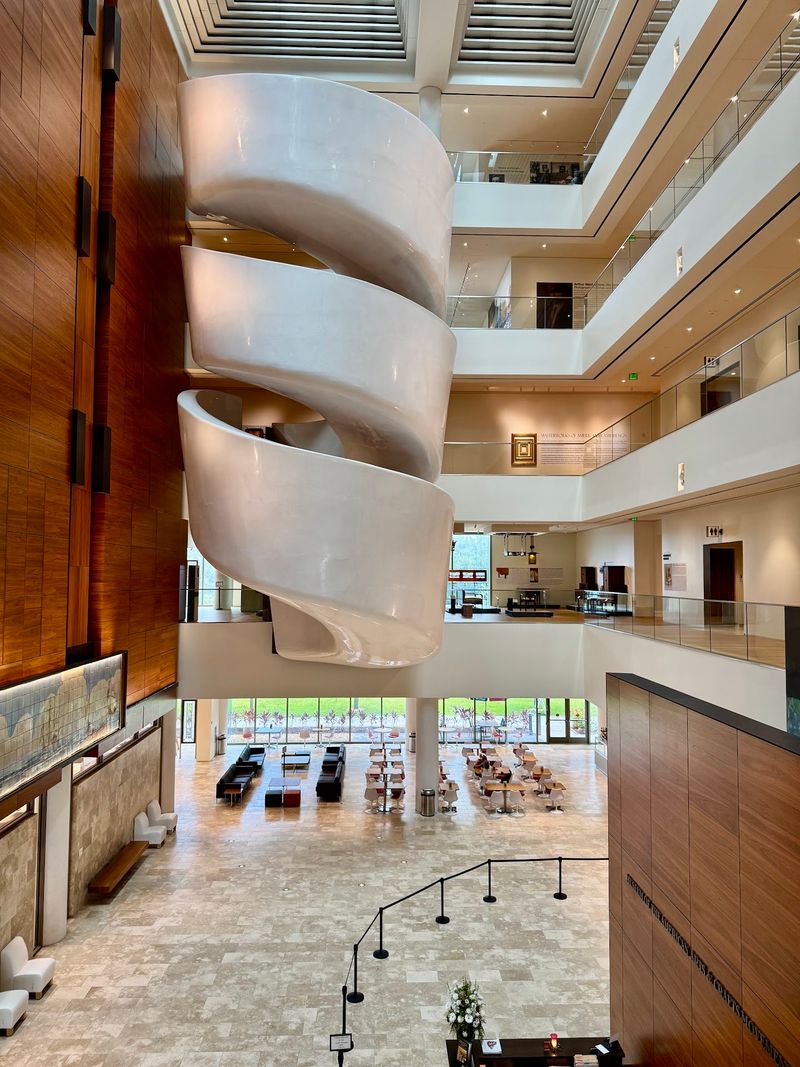
The museum building itself deserves its own exhibit label. Visitors constantly compare the interior to New York’s Guggenheim, thanks to the soaring atrium that pulls your eyes upward the moment you step inside. Natural light floods through carefully positioned windows, illuminating the galleries in ways that make each piece glow.
Spanning five full floors, the structure was designed with both beauty and function in mind. Every level features accessible bathrooms, water fountains, and plenty of benches for when your feet need a break. The open layout encourages exploration while the sight lines keep you oriented, so you never feel lost despite the massive square footage.
Construction of a new addition has been underway, showing the museum’s commitment to growth. The original design incorporated elements that echo the Arts and Crafts philosophy, with clean lines and honest materials that let the craftsmanship speak for itself. Walking through feels like moving through a piece of art rather than just looking at one.
The atrium serves as the heart of the building, with galleries radiating outward on each floor. This central space creates dramatic views both up and down, giving you glimpses of other levels and teasing what’s to come. The architecture never competes with the collection but instead provides the perfect backdrop.
Parking couldn’t be easier with an on-site garage that takes the stress out of downtown visits. The location at 355 4th Street North puts you within walking distance of other St. Petersburg attractions, making it simple to build a full day around your museum trip. The building’s exterior presents a modern face to the street while the interior transports you back to an era when every object received careful attention from skilled hands.
The Pottery Collection That Spans an Entire Era
Pottery takes center stage across multiple floors, representing one of the museum’s strongest holdings. From simple earthenware bowls to elaborate vases with complex glazes, the ceramic collection tells the story of American potters who elevated clay into fine art. Each piece carries the fingerprints of its maker, literally and figuratively.
The variety stuns first-time visitors who might expect uniform brown pots. Instead, you’ll find pieces in deep blues, rich greens, warm ambers, and creamy whites. Some potters focused on matte finishes that feel like river stones, while others perfected glossy surfaces that catch and reflect light like mirrors.
What makes this collection special is the context provided alongside each piece. You learn about the individual artists, their studios, and the techniques they developed. Many were women who found creative and financial independence through their pottery work, challenging the gender norms of their time.
The display cases use lighting that brings out the subtle variations in glaze colors. You can spend minutes studying a single vase, noticing how the color shifts from the rim to the base or how a drip of glaze created an accidental but beautiful effect. These weren’t mass-produced items but unique creations that required skill and patience.
Regional differences become apparent as you move through the galleries. California potters worked differently than their East Coast counterparts, influenced by available materials and local aesthetics. The museum captures these geographic variations while showing how certain ideas and techniques spread across the country through magazines and exhibitions.
Standing before a case of perfectly preserved pottery, you realize these aren’t just old dishes but evidence of a movement that valued the maker’s hand over the machine’s efficiency.
Lamps and Lighting That Still Take Your Breath Away
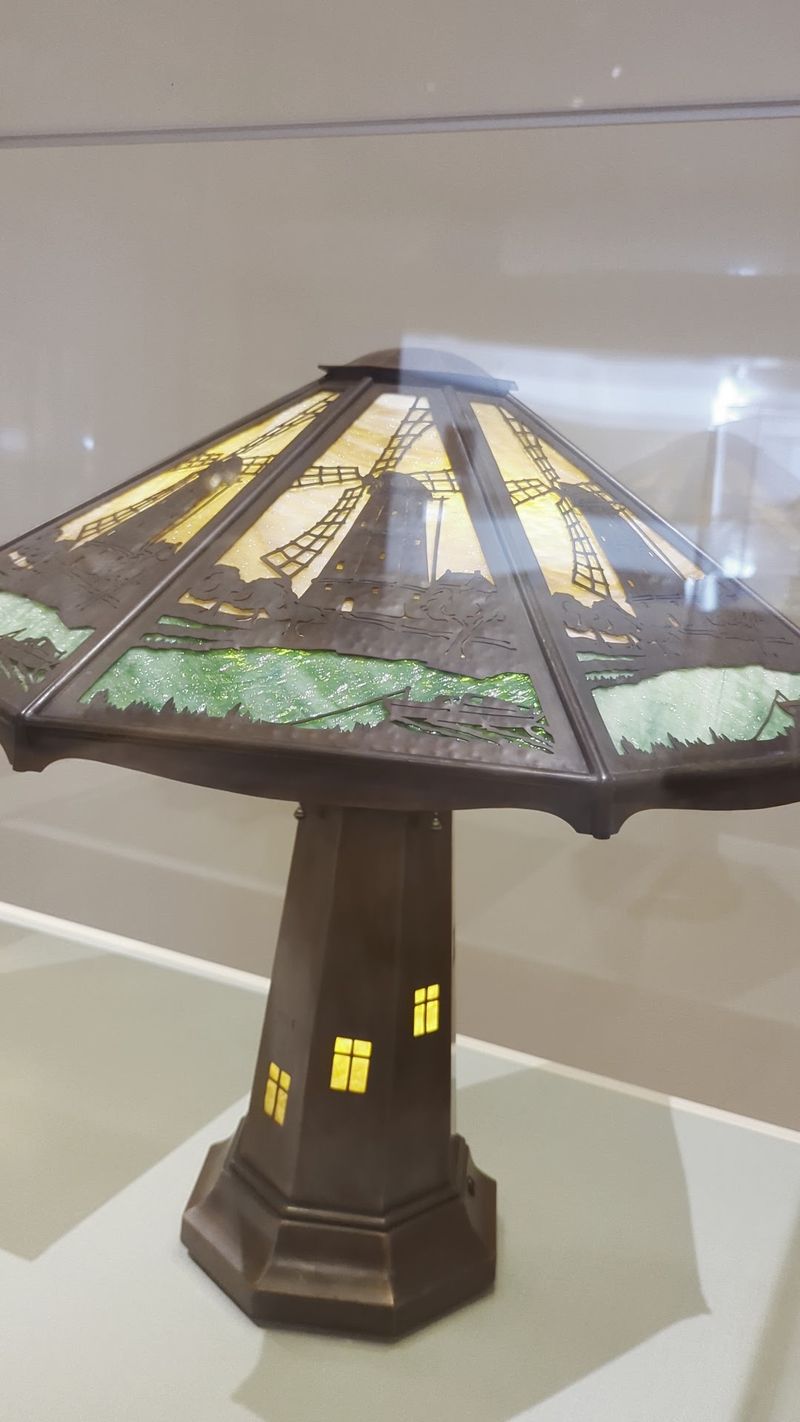
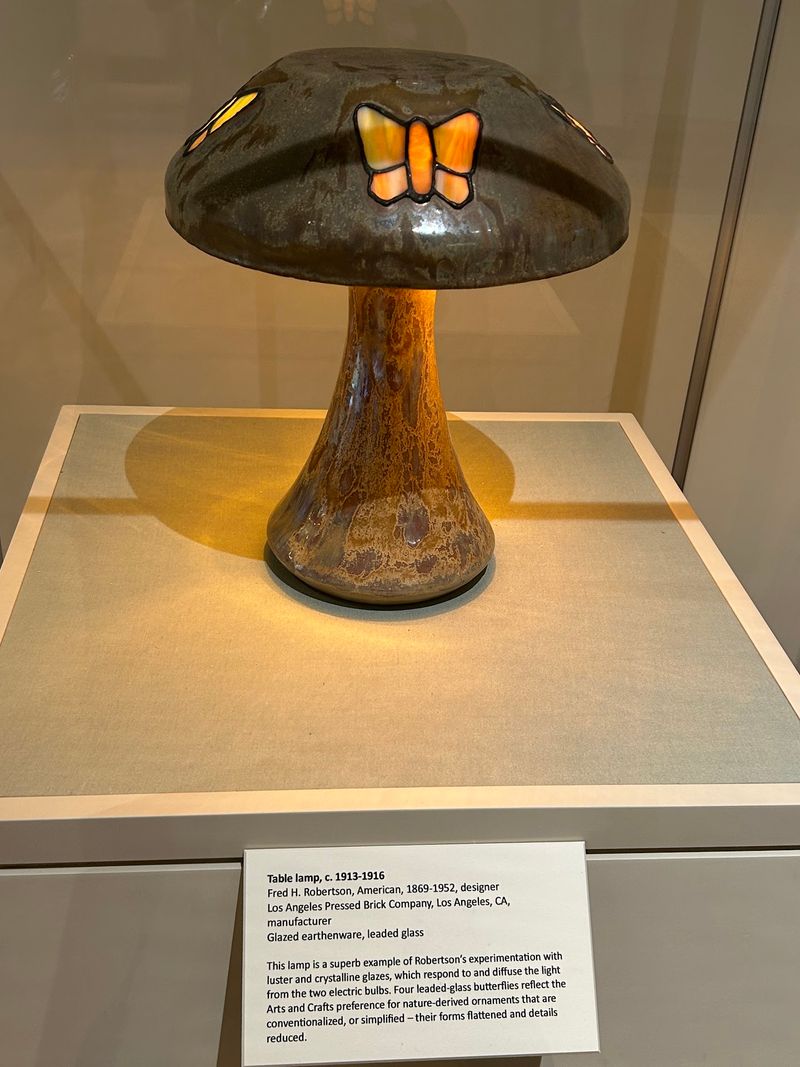
Walking into the lamp galleries feels like stepping into a jewel box. The collection includes over 35 different lighting fixtures, from small table lamps to towering floor models that once lit the parlors of wealthy families. When the museum lights them properly, the stained glass shades transform into glowing works of art.
Tiffany pieces anchor the collection, but you’ll also discover lesser-known makers who deserve equal attention. Some designers favored geometric patterns with clean lines and bold colors, while others created naturalistic scenes with flowers, trees, and landscapes. The variety shows how many different artistic visions flourished during the Arts and Crafts period.
The bases receive as much attention as the shades. Craftsmen worked bronze, copper, and iron into forms ranging from simple columns to elaborate sculptural pieces. Some incorporated ceramic elements or inlaid wood, creating mixed-media objects that showcase multiple skills in one lamp.
Museum staff position the lamps at eye level when possible, letting you examine the construction details up close. You can see how individual pieces of glass fit together, held by strips of copper foil or lead came. The precision required to create these shades becomes obvious when you study the tiny cuts and careful assembly.
Certain lamps demonstrate how designers drew inspiration from nature without simply copying it. A dragonfly might be abstracted into a pattern of wings and body segments, recognizable but stylized. Water lilies become circles and curves that suggest the flower without depicting every petal.
This balance between representation and abstraction defines much of Arts and Crafts design. The lighting collection alone could justify a visit, offering a masterclass in how functional objects become fine art through thoughtful design and skilled execution.
Tiles That Prove Walls Can Be Canvases
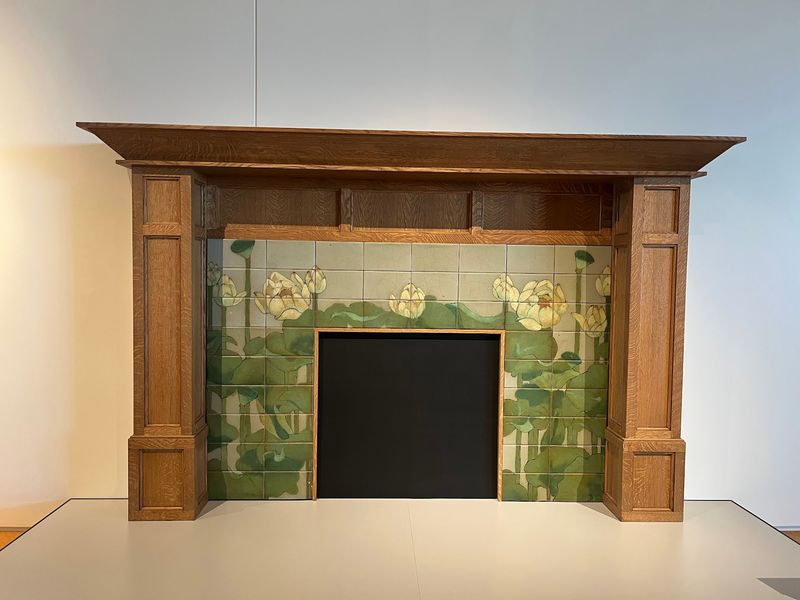
Most museums don’t dedicate significant space to tiles, but this one understands their importance. The tile collection includes 27 different examples, ranging from single decorative pieces to complete installations that show how they worked together. These aren’t bathroom basics but handcrafted artworks meant to transform architectural spaces.
California tile makers dominate this section, having perfected techniques for creating durable, beautiful pieces suited to the climate. You’ll see tiles depicting California poppies, mission bells, sailing ships, and abstract patterns that play with color and form. Each tile was pressed, glazed, and fired by hand, making every one slightly unique.
The complete bathroom installation stands as a highlight, showing how tiles could transform a functional room into an artistic environment. Water lily motifs cover the walls in a coordinated design that demonstrates both planning and execution skill. Seeing tiles in context rather than isolated in cases helps you understand their original purpose.
Fireplace surrounds represent another major use for decorative tiles. The museum displays several mantles where tiles frame the firebox, often depicting flames, nature scenes, or geometric patterns that complement the room’s overall design. These installations show how Arts and Crafts designers thought holistically about interior spaces.
Color variations fascinate tile collectors, and the museum’s examples span the spectrum. Some makers favored earthy tones that harmonized with wood furniture and natural materials. Others experimented with bright blues, greens, and yellows that added visual punch to neutral rooms.
The glazing techniques created surfaces from matte to glossy, each with different light-reflecting properties. Standing before a wall of tiles, you start to see them not as individual squares but as components in larger artistic visions that elevated everyday architecture into something special.
Furniture That Defines an American Style

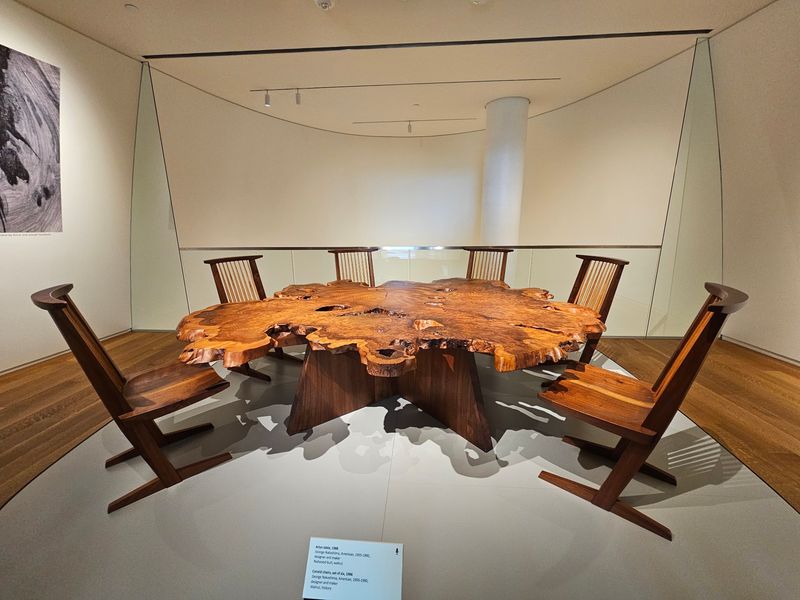
Furniture fills the galleries with solid oak pieces that have survived over a century while still looking sturdy enough for daily use. The collection showcases the movement’s philosophy that good design serves function without sacrificing beauty. Chairs, tables, cabinets, and desks demonstrate how American craftsmen adapted European ideas into distinctly American forms.
Mission-style pieces dominate, characterized by straight lines, visible joinery, and minimal ornamentation. Makers like Gustav Stickley believed furniture should be honest about its construction, so wooden pegs and mortise-and-tenon joints remain visible rather than hidden. This transparency about craft became a defining characteristic of American Arts and Crafts furniture.
The variety surprises people expecting uniform brown rectangles. Some pieces incorporate inlaid designs using contrasting woods or metals. Others feature leather upholstery secured with decorative tacks or woven rush seats that showcase basketry skills.
Hardware like hinges and pulls received as much design attention as the furniture itself.
Scale ranges from massive sideboards that dominated dining rooms to delicate plant stands and small tables. The museum arranges pieces in room-like settings where possible, helping visitors imagine how they functioned in actual homes. You can see how a Morris chair invited reading, how a dining table gathered families, how a bookcase organized a personal library.
Wood selection mattered to these craftsmen, who favored quarter-sawn oak for its distinctive grain patterns and structural stability. The museum’s pieces show how different finishing techniques brought out the wood’s natural beauty, from dark fuming processes to lighter wax finishes. Many furniture makers signed or labeled their work, and the museum preserves these marks that connected maker to object.
Examining a well-crafted chair or table, you understand why these pieces remain desirable today, their quality and design transcending trends and fashion.
Metalwork That Hammers Home the Handmade Philosophy
Copper and iron works shine throughout the museum, literally and figuratively. The metalwork collection includes everything from small bookends to large architectural elements, all showing the hammer marks and surface textures that prove human hands shaped them. These pieces reject the machine-perfect surfaces of mass production in favor of character and individuality.
Copper pieces glow with warm reddish-brown patinas developed over decades. Bowls, vases, candlesticks, and decorative plates demonstrate various techniques from simple hammering to elaborate repousse work where designs are raised from the back. Some pieces incorporate other materials like wood handles or enamel decoration, showing how metalworkers collaborated across craft boundaries.
The ironwork tends toward architectural applications like fireplace tools, light fixtures, and decorative hinges. Blacksmiths working in the Arts and Crafts tradition forged pieces that balanced strength with grace, creating functional objects that enhanced rather than cluttered spaces. You can see how a simple door handle received thoughtful design attention.
Many metalworkers were women who found the craft accessible and profitable. The museum highlights these female artisans, correcting historical narratives that often overlooked their contributions. Their work equals or exceeds that of their male contemporaries in both technical skill and artistic vision.
Surface treatments vary widely across the collection. Some coppersmiths preferred bright polished finishes while others developed patinas through chemical processes that created rich, varied colors. Ironwork might be left with a natural rust-resistant finish or painted black for contrast against lighter walls.
The diversity of approaches shows how individual makers developed signature styles. Studying a hand-hammered copper bowl, you can follow the maker’s process through the visible marks, understanding metalwork not as a finished product but as evidence of skilled labor and artistic intention.
The Complete Experience Beyond the Galleries
The museum experience extends beyond the galleries into spaces designed for comfort and connection. The Arts Cafe serves food and drinks that exceed typical museum fare, with outdoor seating that lets you process what you’ve seen while enjoying Florida weather. Multiple visitors specifically praise the coffee and the reasonable prices.
Starting on the fifth floor and working downward comes recommended by veterans of the museum. This approach lets you begin with context and overview before descending into more detailed explorations. The elevator makes this strategy accessible to everyone regardless of mobility, and taking breaks on benches scattered throughout means you can pace yourself.
Plan for at least two to three hours if you want to see everything properly. Many visitors report spending even longer, losing track of time while studying individual pieces or reading the educational materials. The museum closes at 4 PM most days and noon on Sundays, earlier than many institutions, so arriving early makes sense.
The museum store offers items that connect to the collection without feeling generic. You can find books about specific artists, reproduction tiles, and craft supplies that encourage visitors to try making their own pieces. Staff members throughout the building provide helpful information without hovering, striking a good balance between available and intrusive.
Admission costs reflect the quality of the experience, with discounts for educators and seniors. NARM members enter free, making membership programs worth investigating if you visit museums regularly. The investment in this particular museum pays off through the breadth and depth of what you encounter.
Weekday visits offer the best chance of having galleries nearly to yourself, creating an almost private museum experience. The combination of world-class collection, stunning architecture, quality amenities, and manageable crowds makes this St. Petersburg destination worth planning a trip around. Whether you arrive as an Arts and Crafts devotee or simply curious about handmade objects, you’ll leave with new appreciation for the skill and vision that defined an era.