There’s a Real WWII Warship Hiding in Plain Sight at This Florida Museum

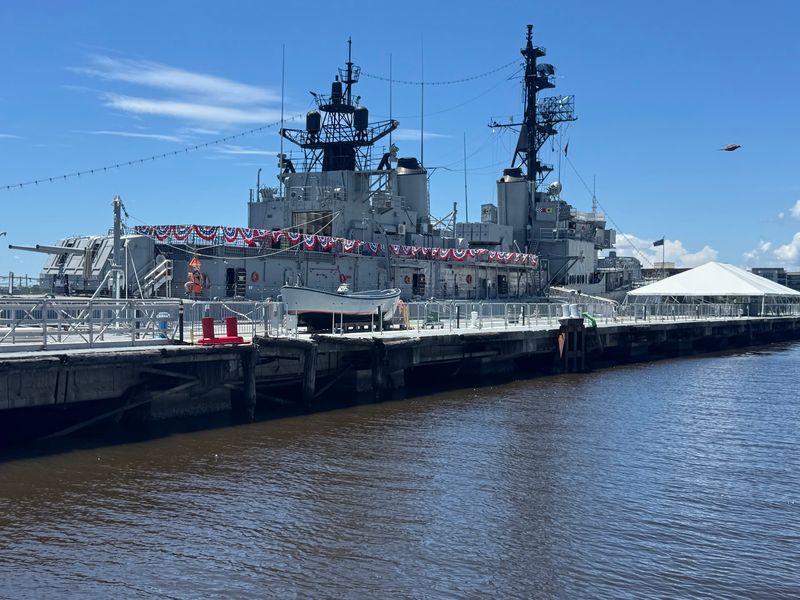
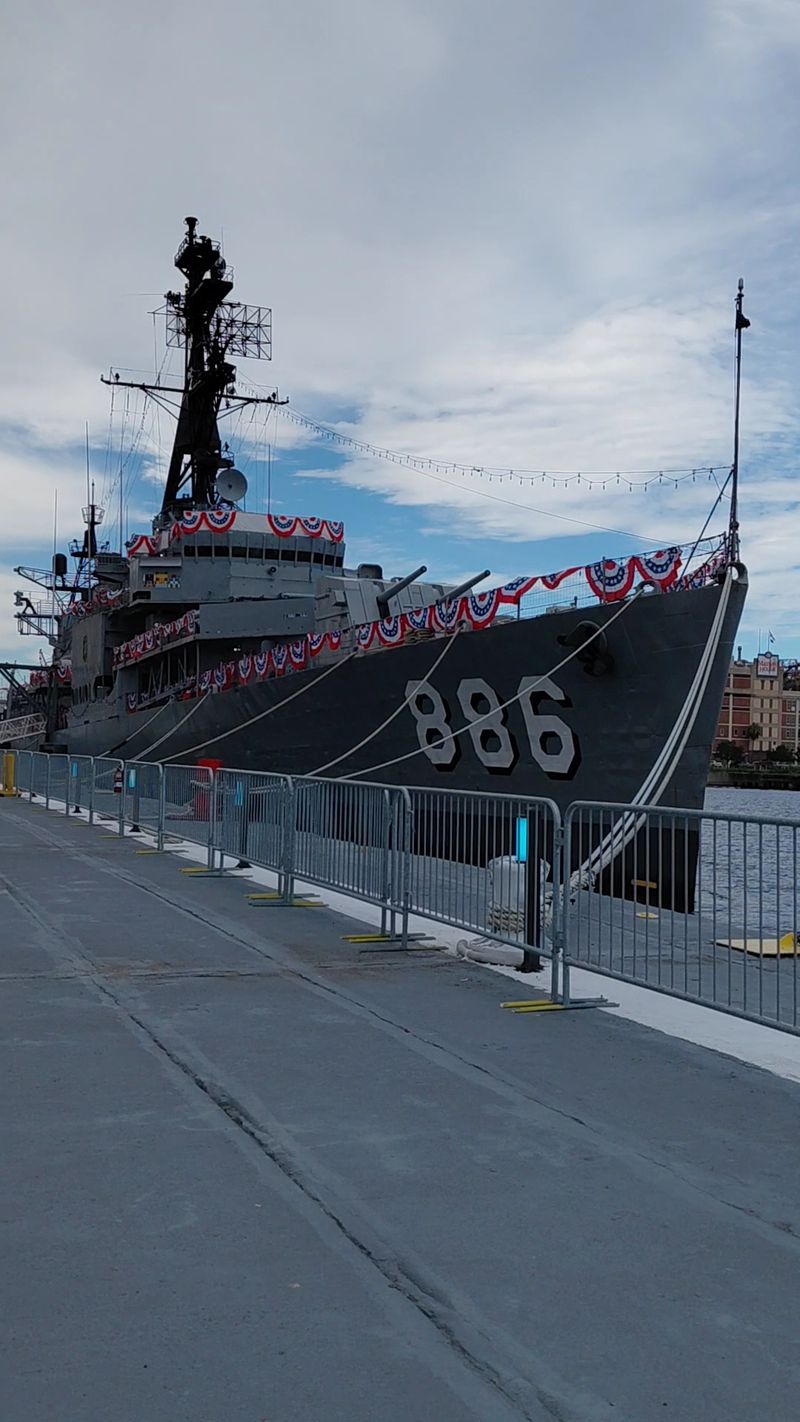
Jacksonville’s riverfront holds an incredible secret that most people drive right past without a second glance. The USS Orleck, a genuine World War II-era destroyer, sits proudly on the St. Johns River, open for anyone brave enough to climb aboard. This isn’t some replica or Hollywood prop (though it did star in a Tom Hanks movie).
It’s the real deal, a battle-tested warship that earned its stripes in Korea and Vietnam, and now you can walk the same decks where sailors once prepared for combat.
1. A Hollywood Star With Real Battle Scars
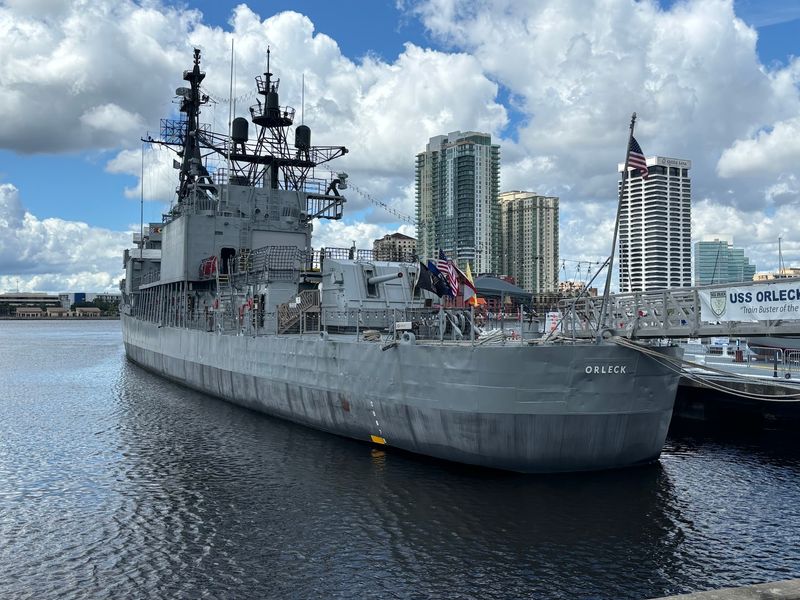
Most museum ships can brag about their service record, but the Orleck takes it up a notch. This destroyer didn’t just see combat in Korea and Vietnam, it also played a starring role in the 2020 Tom Hanks film Greyhound. Walking the decks feels surreal when you realize you’re standing on an actual movie set that also happens to be a genuine war veteran.
The ship earned a rare distinction during its service as a “train smasher,” part of an elite club of vessels that took out enemy railroad infrastructure. That’s not something you see mentioned in every museum brochure. The combination of Hollywood glamour and gritty military history makes for stories you won’t find anywhere else.
Knowledgeable volunteers stationed throughout the ship love sharing these tales at no extra cost. They’ll point out exactly where certain scenes were filmed and explain what made the Orleck such a formidable fighting machine. The gift shop even sells movie memorabilia alongside traditional naval souvenirs.
Between the film connection and combat credentials, this destroyer offers bragging rights that go way beyond typical museum visits. You’re literally walking through a piece of cinema and military history at the same time.
2. Self-Guided Freedom With Expert Backup
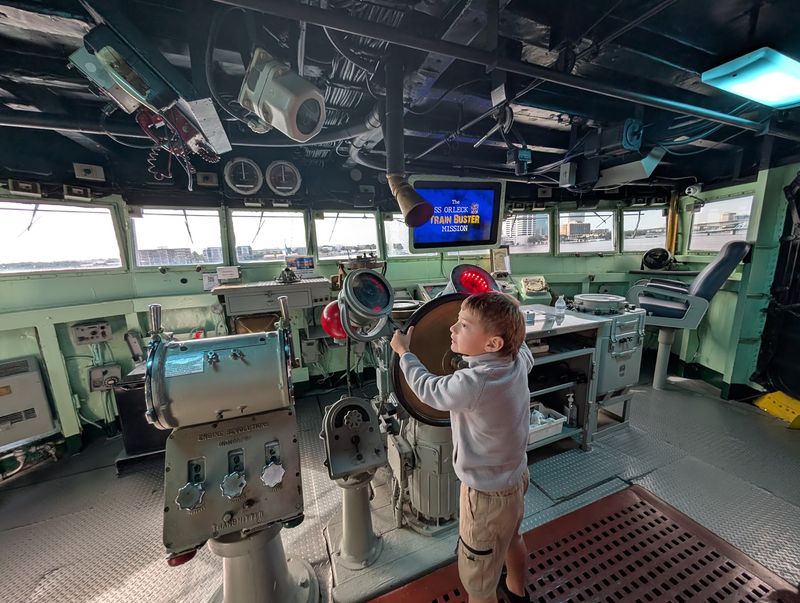
Forget being herded around in a group on someone else’s schedule. The Orleck lets you explore at your own pace, which means you can spend twenty minutes in the galley if cooking equipment fascinates you, or breeze through areas that don’t grab your attention. Audio guides, video stations, and detailed written descriptions keep you informed without a tour guide breathing down your neck.
But here’s the beautiful part. Passionate volunteers are stationed throughout the ship, ready to answer questions whenever curiosity strikes. These aren’t just friendly faces, they’re genuinely knowledgeable about naval history and this specific destroyer’s service record.
The route through the ship is incredibly intuitive, with clear markers guiding you from bow to stern and top to bottom. You won’t get lost or wonder if you missed something important. Air-conditioned sections provide relief on brutal Florida summer days, letting you cool off before tackling the next area.
This hybrid approach gives you independence while ensuring expert help is always nearby. Spend two hours or four, nobody’s rushing you. Read every single placard or skim the highlights, it’s completely up to you.
That flexibility makes the experience feel personal rather than packaged.
3. Authentic Tight Quarters Experience
Hollywood makes warships look spacious, with wide corridors and roomy quarters. The Orleck shatters that illusion immediately. Stairs between decks are steep and narrow, more like ladders than traditional staircases.
Doorways require big steps over raised bulkheads, and some passages feel tight even for average-sized adults.
This isn’t a design flaw, it’s authentic naval architecture. Destroyers were built for speed and combat efficiency, not passenger comfort. Experiencing these cramped conditions firsthand makes you appreciate what sailors endured during months at sea.
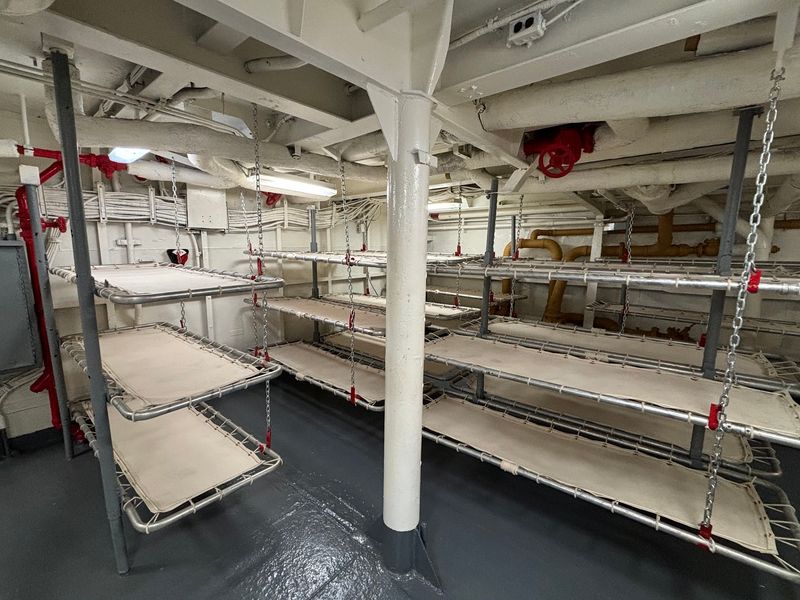
Certain areas feel genuinely claustrophobic, especially below deck where crew members slept in stacked bunks with barely any personal space. The cook’s quarters showcase just how small working areas were. Visitors over six feet tall or carrying extra weight might find some spots challenging to navigate.
But that’s exactly what makes this museum special. You’re not looking at recreations behind velvet ropes, you’re climbing through the actual spaces where real sailors lived and worked. Kids think it’s an adventure, adults gain newfound respect for naval service members.
Just wear sensible shoes with good grip. Flip-flops and heels are terrible ideas when you’re climbing ladder-style stairs all day.
4. Unprecedented Access Throughout The Ship
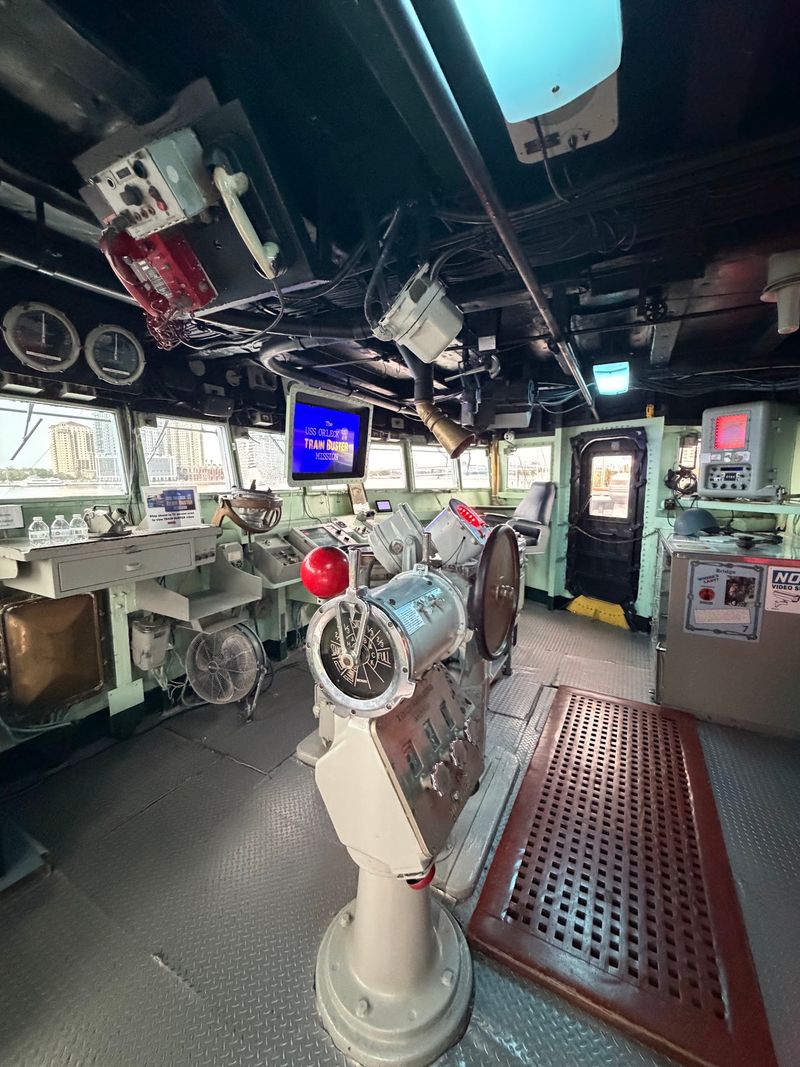
Most naval museums rope off entire sections, leaving you to peer through windows at spaces you can’t enter. The Orleck flips that script. You get access to nearly every area of this destroyer, from the bridge where officers commanded operations down to the engine room where mechanics kept everything running.
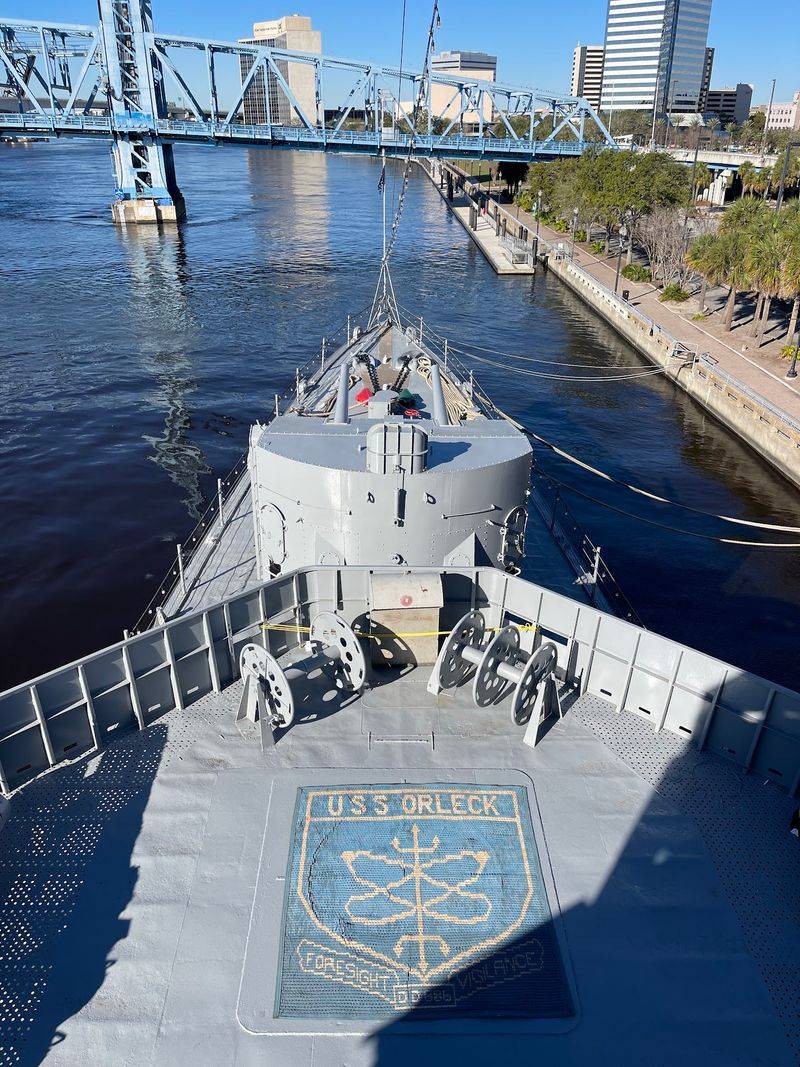
Climbing into the 5-inch gun turret at the rear requires some flexibility, especially for larger visitors, but it’s absolutely worth the effort. Standing inside actual weapons systems beats reading about them in textbooks any day. The bridge offers stunning views of Jacksonville’s riverfront while letting you imagine directing a ship through combat situations.
Below deck, you can explore crew quarters, the galley, communications rooms, and mechanical spaces that usually stay off-limits. This level of access is genuinely rare among museum ships. It transforms a simple visit into an immersive experience where you truly understand how destroyers operated.
Interactive portions scattered throughout encourage hands-on learning rather than passive observation. Models and displays complement the real equipment, helping visitors connect historical context with physical artifacts. Even veterans who’ve toured multiple naval museums consistently praise the Orleck’s exceptional access and well-marked routes.
5. Volunteer Crew With Serious Knowledge
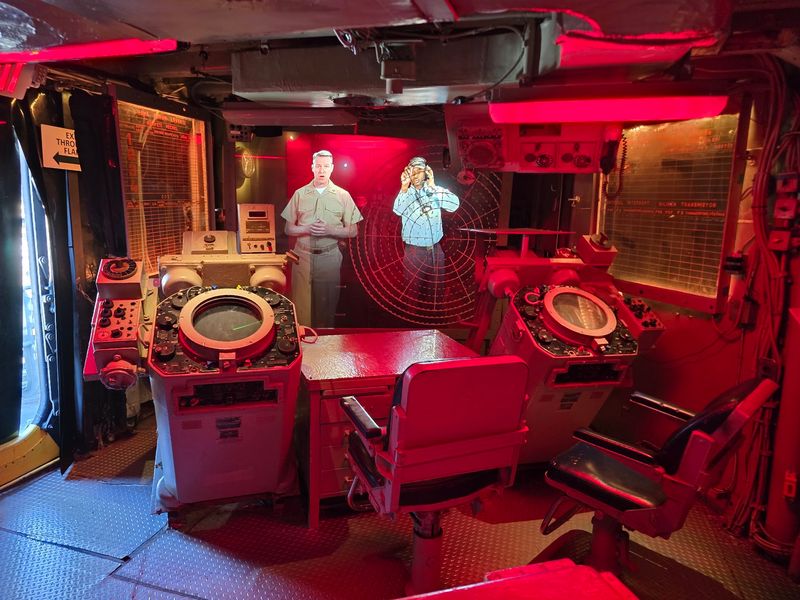
The people manning this museum aren’t just volunteers killing time, they’re genuinely passionate about naval history and the Orleck’s specific story. Many are veterans themselves, bringing firsthand military experience to their explanations. Their enthusiasm is contagious and their knowledge runs deep.
Every single staff member visitors encounter seems eager to share information and answer questions. They don’t just recite memorized facts, they engage in real conversations about naval operations, the ship’s combat record, and what daily life was like aboard destroyers. Some actually served on similar vessels during their military careers.
Reviews consistently highlight how helpful and welcoming the crew makes everyone feel. They’re attentive without being overbearing, available when you need them but never hovering. Their friendliness extends to families with children, making sure even young visitors leave with new knowledge and appreciation.
The volunteers put everything into perspective, explaining the ship’s capacity, its various deployments, and the significance of its “train smasher” designation. They’ll point out details you’d otherwise miss and share stories that bring the metal and machinery to life. This human element transforms the Orleck from a static exhibit into a living memorial to naval service.
6. Surprisingly Affordable Naval History
Major museum ships often charge premium prices that make families think twice. The Orleck keeps admission remarkably affordable, with children’s tickets around seven dollars and reasonable rates for adults. Compared to other naval museums on both coasts, this ranks among the least expensive, which is wild considering the quality of the experience.
Free parking in the side lot next to the ship eliminates another common tourist expense. No hunting for street parking or feeding meters every two hours. Just pull up, park, and walk straight to the gangway.
Downtown Jacksonville construction sometimes complicates access, but once you arrive, everything’s straightforward.
The value proposition here is outstanding. You’re getting access to nearly an entire destroyer, knowledgeable volunteers at no extra charge, interactive exhibits, video presentations, and a well-stocked gift shop, all for less than you’d spend on a mediocre lunch. Families can easily enjoy several hours aboard without breaking the budget.
The museum operates on donations and admission fees, so every dollar directly supports preservation and educational programs. Your ticket helps maintain this piece of history for future generations. That makes the already-reasonable price feel even better, knowing you’re contributing to something meaningful beyond just your own entertainment.
7. Perfect Length For Attention Spans
Some museums demand full-day commitments that leave everyone exhausted. The Orleck hits a sweet spot, offering enough content for a satisfying visit without requiring marathon endurance. Most people spend two to three hours exploring, which keeps kids engaged without triggering meltdowns and gives adults enough time to appreciate everything without feeling rushed.
The self-paced nature means you control the timing. Racing through in ninety minutes is possible if you’re on a tight schedule. Lingering for four hours works too if you’re a serious history buff who reads every placard and watches every video.
The ship doesn’t dictate your schedule.
This manageable timeframe makes the Orleck perfect for combining with other Jacksonville activities. Visit in the morning, grab lunch downtown, and still have your afternoon free. Or make it an after-lunch adventure before dinner plans.
It fits into vacation itineraries without dominating entire days.
Families especially appreciate that kids can thoroughly explore without getting bored or overtired. The climbing, tight spaces, and hands-on elements keep young visitors engaged throughout. Parents leave happy because their children actually learned something instead of just complaining about sore feet.
That’s a rare museum victory worth celebrating.
8. Year-Round Comfort Despite Florida Heat
Touring a metal ship in Florida sounds like a recipe for heatstroke, but the Orleck’s team thought ahead. Strategic air-conditioning throughout certain sections provides blessed relief when temperatures soar. You can explore for a while, duck into a cooled area to recover, then continue your tour without melting.
Visiting on cooler days or when breezes blow off the river obviously makes for more comfortable exploring. But even on brutal summer afternoons, the experience remains manageable thanks to those climate-controlled spaces. The ship’s design also creates natural shade in many areas, blocking direct sun exposure.
Winter visits offer their own advantages, with mild Florida temperatures making outdoor deck exploration pleasant while interior spaces stay comfortable. The museum stays open year-round except Mondays and Tuesdays, giving you flexibility to choose ideal weather conditions. Rainy days can actually enhance the atmosphere, making you feel even more connected to what sailors experienced at sea.
The combination of air-conditioned areas, covered sections, and strategic planning makes the Orleck accessible in any season. Just bring water, wear sunscreen if you’re visiting in summer, and take advantage of those cooled spaces. The museum proves you don’t have to wait for perfect weather to enjoy outstanding naval history.