Ever Wonder Who Anne Was? The Story Behind Florida’s Anne’s Beach
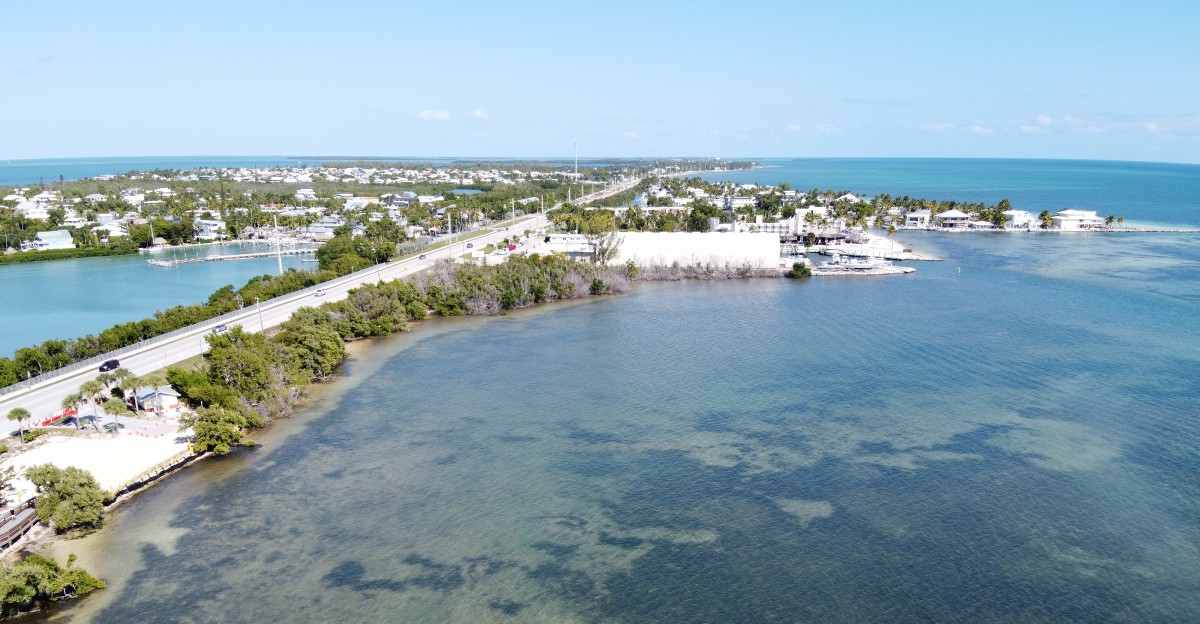
Anne’s Beach in Islamorada is known for shallow turquoise water, mangroves, and a laid-back Florida Keys atmosphere, but the name carries a story of its own. The beach was named in honor of Anne Eaton, a longtime local environmental advocate who worked to help protect the natural character of the Keys. That connection gives the beach more meaning than its quiet shoreline might suggest. Visitors come for the warm, shallow water, boardwalks, picnic areas, and easy access to the coast, but the name serves as a reminder of the people who helped preserve places like this for future generations.
Anne’s Beach is especially popular with families, paddlers, and anyone looking for a gentler alternative to busier Florida beaches. At low tide, the water can remain shallow far from shore, creating a peaceful place to wade and take in the scenery. For travelers passing through Islamorada, this small roadside beach is more than a quick stop. It is a scenic piece of the Florida Keys with a personal history tied to conservation and community.
Meet Anne Eaton, the Woman Behind the Name
Some beaches get their names from old shipwrecks or rich landowners. This one got its name from a neighbor. Anne Eaton was a Lower Matecumbe Key resident who cared deeply about the land and water around her home in Islamorada.
Locals remember her as an environmental activist before that was a trendy label. She spoke up for mangroves, seagrass, and the small creatures that most tourists drive right past. To her, the Keys were not just a pretty backdrop for vacations. They were a living place that needed people willing to defend it.
Anne was involved in local conservation efforts and pushed for careful, thoughtful use of the shoreline. She believed regular folks deserved access to the water without wrecking it in the process. That balance of sharing and protecting is a big reason her name fits this spot so well.
After she passed away, the community decided to honor her by dedicating this stretch of public shoreline in her memory. Instead of a statue or a plaque tucked in a building, she got something she probably would have liked better. A free, open, wild little beach that anyone can enjoy.
Here’s a fun way to think about it. Every time a kid spots a hermit crab or a family eats sandwiches under a pavilion, Anne’s idea is still working. Her legacy isn’t locked in a museum. It’s out there in the tide pools and sea grass.
Details about her private life are fairly limited, and that feels fitting too. Anne wasn’t famous for being famous. She was known for caring about her corner of the world and taking action to protect it.
So the next time someone in your car asks, who was Anne anyway, you’ll have an answer. She was a local who loved the Keys enough to fight for them. The beach is her thank-you note from the community.
Knowing that makes a quick stop feel a little more special. You’re not just visiting a beach. You’re visiting a tribute.
Why a Beach Makes the Perfect Tribute
Picture two ways to honor an environmentalist. You could name a parking garage after her, or you could protect a piece of shoreline in her name. The Keys community clearly picked option two, and it was the right call.
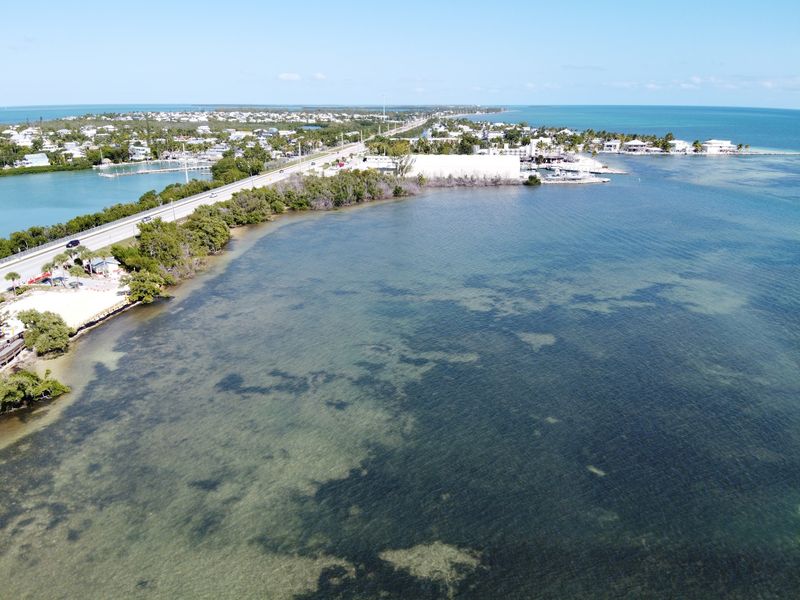
Anne’s Beach sits at roughly Mile Marker 73.5, oceanside, on Lower Matecumbe Key. It’s a narrow strip wedged between the Overseas Highway and the Atlantic side waters. Without protection, a spot like this could easily have become private property or another roadside development.
Instead, it stays public and free. That matters a lot in the Keys, where true sandy beaches are rare and many waterfront spots are owned by hotels or homes. Here, anyone can pull in, park, and walk down to the water without paying a cent.
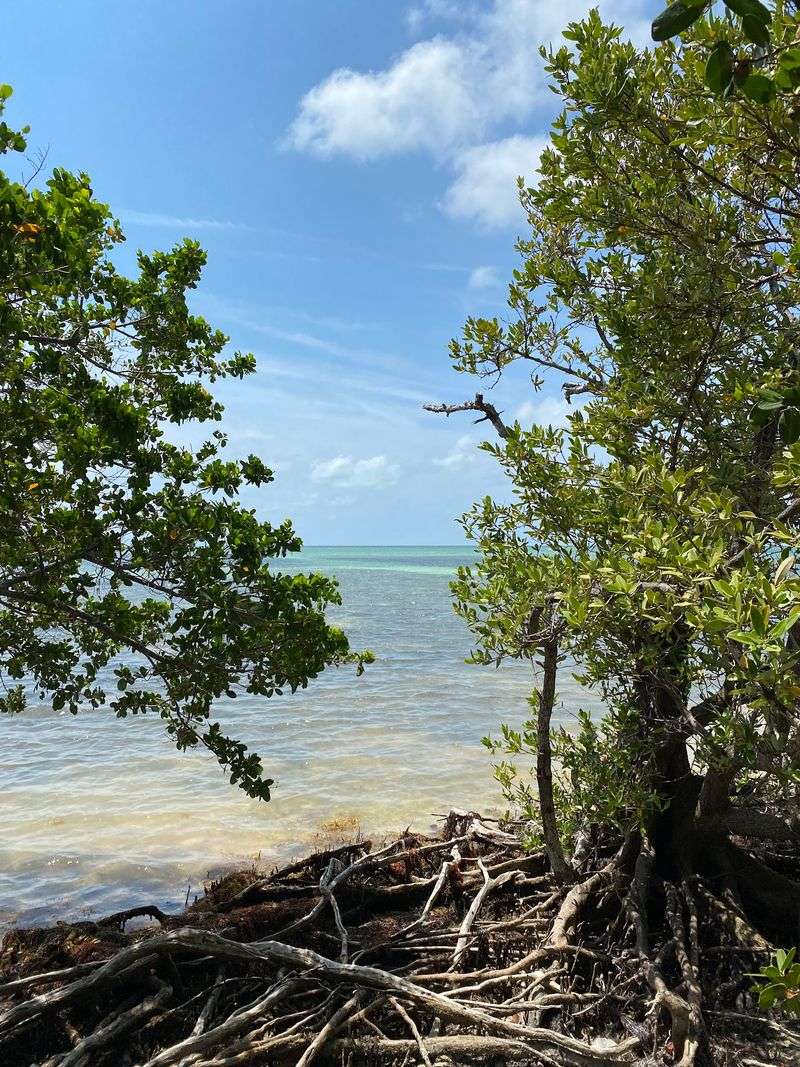
The dedication also shaped how the beach looks today. Rather than bulldozing the mangroves to make a big open sand patch, the area keeps its natural character. You’ll find clusters of trees, sea grass, and small coves instead of a wide resort-style beach.
Some visitors expect a postcard stretch of white sand and feel surprised. That’s understandable. But once you know the backstory, the wilder look starts to make sense. It’s a nature spot first and a sunbathing spot second.
Think of it as a living memorial. The fiddler crabs, wading birds, and swaying mangrove roots are all part of the tribute. They’re the exact things Anne wanted people to notice and value.
Here’s a local-style tip for families. Before you walk the boardwalk, tell your kids a little about Anne. Ask them to look for the animals she would have wanted to protect. It turns a quick pit stop into a mini scavenger hunt with a purpose.
A beach that stays wild, open, and free is a pretty powerful way to say thank you. It keeps her values visible every single day. And it lets thousands of travelers share in her love for the islands, even if they never learn her name.
The Boardwalk That Steals the Show
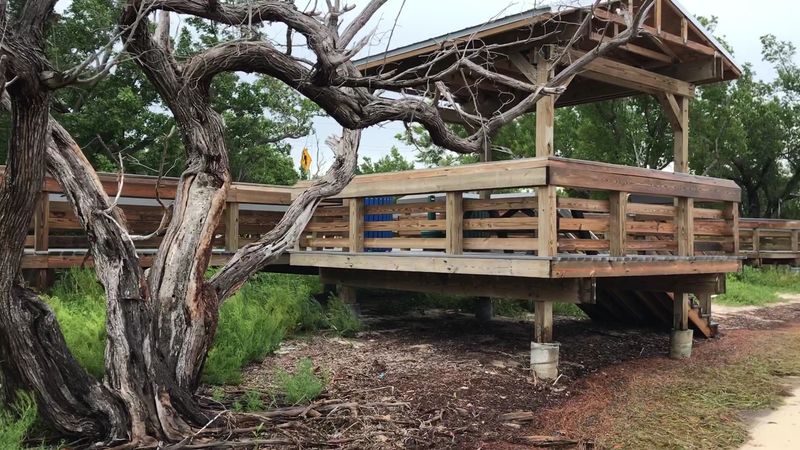
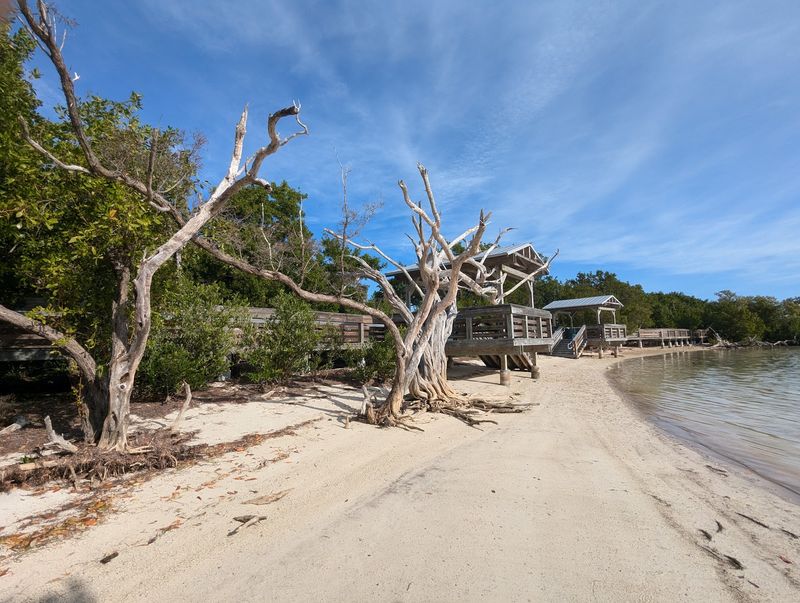
Ask ten visitors what they loved most, and a big chunk will say the boardwalk before they even mention the water. It’s the real star here. The elevated wooden path links the north and south parking areas and winds right along the shoreline.
After damage from past hurricanes, the boardwalk was rebuilt, and it shows. The planks, railings, and platforms feel fresh and sturdy. Several reviewers call it brand new looking, and they aren’t exaggerating.
Walking it feels a bit like exploring. You cross cute little bridges over tidal channels and pass through pockets of mangrove shade. Every so often, stairs drop you down to a small sandy cove, and each one has its own slightly different vibe.
That’s the fun part. Instead of one big beach, you get a string of tiny ones. You can wander until you find the cove that feels right, then claim it for a while.
Covered pavilions sit along the route too. They’re shaded, have picnic tables, and give you a front-row view of the water without roasting in the sun. On a hot Keys afternoon, that shade is worth its weight in gold.
Accessibility is another win. A blue mat runs from the parking lot toward the beach, making it easier for wheelchairs and strollers to get close to the action. Not every Keys beach can say that.
Plan on walking slowly. Stop at the railings and look down into the clear shallows, where small fish and crabs often move around. Birds like herons tend to stalk the edges too, especially early in the day.
Photographers will love it at golden hour. The warm light on the wooden rails and green mangroves makes for easy, pretty shots without any editing tricks.
Even if you never set foot in the water, the boardwalk alone justifies the stop. It’s a stroll, a nature walk, and a picnic hunt rolled into one. Anne would probably approve of a path that lets you enjoy the shore without trampling it.
Shallow, Calm Water With a Wild Side
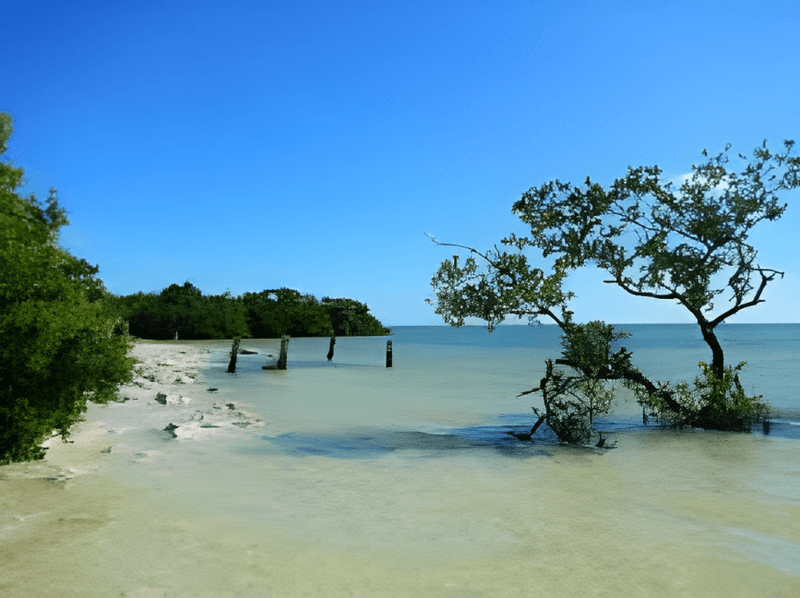
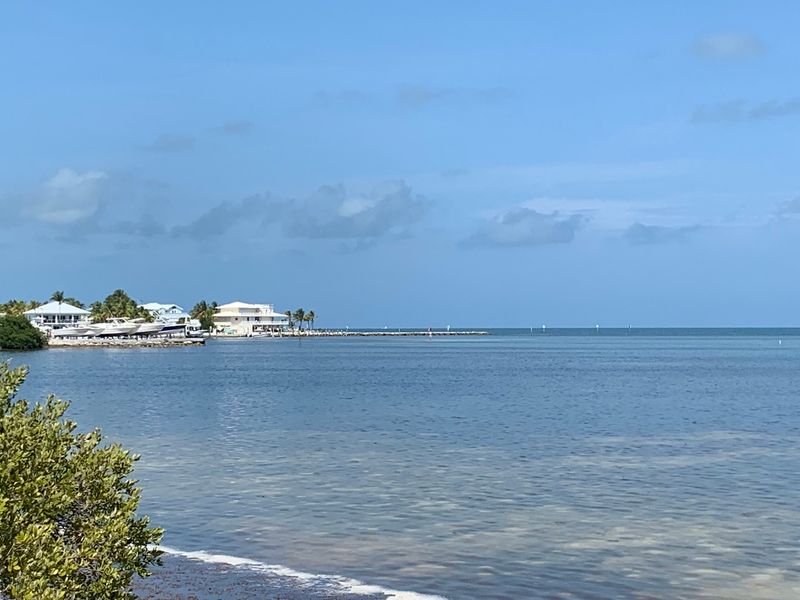
Here’s the honest truth, local to reader. The water at Anne’s Beach is super shallow and super calm, but it isn’t a swimming pool. It’s a sea meadow, and that changes everything about how you should enjoy it.
You can wade out a long way and still be only knee or waist deep. That’s great news for little kids and nervous swimmers. There are no crashing waves here, just gentle ripples lapping at the shore.
The bottom, though, is a mix of seagrass, soft muck, and some rocky patches. Seaweed washes up often, especially at low tide. A few visitors describe a strong salty, marshy smell, which is simply what healthy coastal wetlands smell like.
So what’s the trick? Water shoes. Seriously, pack them. Several people found the entry slippery and muddy, and a pair of cheap aqua socks makes the whole experience way more pleasant.
Think of the water as a place to wade, float, and look around rather than swim laps. Standing still in the shallows, you might spot small fish darting through the grass. Kids tend to get hooked on this fast.
Tides make a big difference. At high tide, the water looks fuller and more inviting, and the little beaches feel more like beaches. At low tide, you’ll see more exposed seaweed and sand flats. Checking a tide chart before you go is a smart move.
Snorkelers should adjust expectations. This isn’t reef territory, so you won’t find colorful coral gardens here. For that, you’d book a trip out to the reef from a nearby marina.
Also, don’t expect bright white sand everywhere. Some spots have packed, hard sand, and a folding chair makes sitting much comfier than a towel.
Once you accept what it is, the water here is kind of magical. It’s peaceful, warm, and full of life. And that living, grassy bottom is exactly the kind of habitat Anne cared about protecting.
Critter Spotting for Curious Kids
One seven-year-old loved Anne’s Beach so much that she begged her parents to come back the very next day. The reason? Animals. Lots of small, wiggly, fascinating animals.
This beach is a nonstop nature show if you slow down. Fiddler crabs scuttle along the muddy edges, waving their one oversized claw. Hermit crabs shuffle around in borrowed shells, and snails cling to rocks and roots.
Look up and you might see herons, egrets, or pelicans hunting in the shallows. Look near the boardwalk and you could catch a lizard sunbathing on the rail. The mangroves act like a busy apartment building for all of it.
Why so much life? Mangroves and seagrass are nurseries for tons of sea creatures. Baby fish hide in the roots, and crabs feed in the mud. Fun fact: mangrove roots help trap sediment and protect the shoreline during storms, which is a big deal in the Keys.
Want to make it a game? Give kids a simple checklist before you arrive. Crab, bird, fish, snail, lizard. Whoever spots all five first picks the picnic spot.
A few ground rules keep everyone happy. Look, but try not to pick up animals, especially hermit crabs, which need their shells and homes. Never take live shells or creatures home, and leave the mangroves untouched.
A small magnifying glass or a clear plastic cup can help kids observe up close for a moment before gently returning things. Early morning often brings the most activity and the fewest people.
Here’s where Anne comes back into the picture. Teaching kids to notice and respect these creatures is exactly the kind of lesson she stood for. You’re raising little conservationists without giving a single lecture.
Plenty of adults end up just as hooked. There’s something relaxing about watching a crab go about its day. Bring patience, and the beach will reward you.
Picnic Pavilions With a View
Forget the drive-thru. Some of the best lunch views in the Upper Keys come with a free picnic table and a sea breeze at Anne’s Beach.
Along the boardwalk, you’ll find several covered pavilions and gazebos. Each one usually has a picnic table and just enough room for a family or small group. The roof keeps you out of the harsh sun while the water sparkles a few steps away.
Many visitors say this is actually the main reason to stop. One reviewer summed it up nicely, saying they’d return for a picnic with a view even if they skipped swimming. That’s a pretty good endorsement.
A couple of the pavilions sit near the largest sandy patch, roughly midway down the boardwalk. Those tend to go first. If you arrive early, grab one of those for the best mix of shade and sand.
What should you pack? Keep it simple and Keys-flavored. Cuban sandwiches, fresh fruit, and a thermos of cold drinks work great. Grab key lime pie from a nearby bakery for dessert, because you’re in Islamorada and it would be rude not to.
Bring a small trash bag too. There aren’t a ton of bins right along every stretch, and packing out your garbage keeps the area clean for wildlife. Birds and raccoons will happily investigate any leftovers.
Wind can pick up on the water, so bring clips or something heavy for napkins and plates. A lightweight tablecloth also helps if the tables are sandy.
If you’re planning a bigger gathering, it’s smart to check with local Islamorada village offices about whether permits are needed. For regular family picnics, you can simply show up and settle in.
There’s something calming about eating in the shade while the tide shifts in front of you. It slows the whole road trip down in the best way. And it’s a lovely way to spend time in a place set aside in honor of someone who treasured this shoreline.
Parking Secrets and Hidden Coves
Pro move number one: know that there are two parking lots. A lot of people don’t, and that’s why they end up circling in frustration.
The north lot is the popular one, partly because it has the restrooms. It fills up fast, especially on weekends and holidays. Just south of it sits a second lot that anchors the other end of the boardwalk, and many visitors never realize it exists.
So if the first lot is packed, keep driving a little. Odds are good you’ll find space at the southern end. And as one reviewer wisely put it, if you see a spot, take it.
Timing helps too. Arriving around 9 or 9:30 in the morning often means near-empty lots and a peaceful shoreline. Afternoons, especially in winter high season, get much busier.
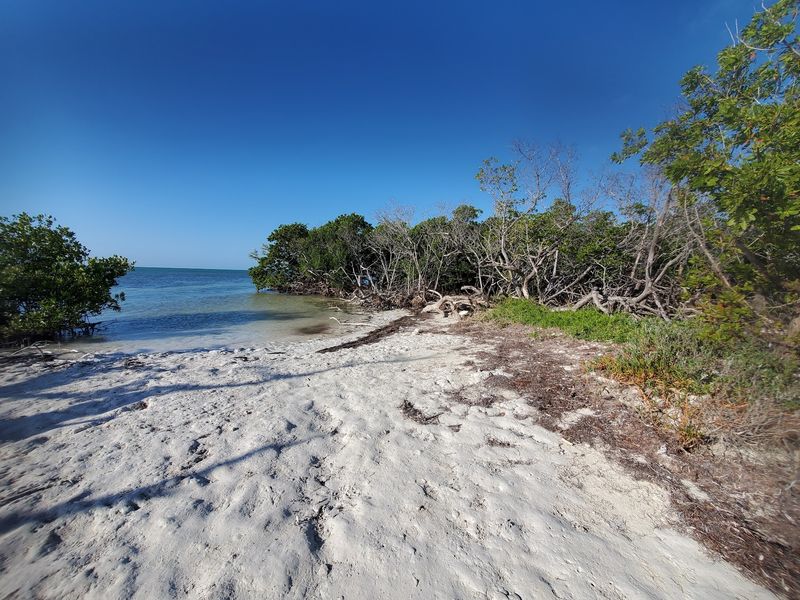
Now for the fun secret. Past the southern parking lot, there’s a series of tiny, quiet coves. Walk beyond the big mangrove tree near the south end, and you’ll see the first one. Keep going and more appear.
One family spent their whole second day back there without seeing another soul, even while the north lot was jammed. Having a small beach entirely to yourself in the Keys feels like winning a prize.
A few tips for exploring these spots. Wear water shoes or sturdy sandals, since the ground can be rocky and uneven. Bring everything you need, because there are no facilities out there.
Stay respectful as you wander. Avoid stepping on mangrove roots or disturbing nesting birds. Leave each cove as clean as you found it, or cleaner.
Also stay alert near the highway. The Overseas Highway runs close by, and traffic moves fast. Keep kids and pets close when walking between lots or along the road edge.
These little hideaways feel like the purest version of what Anne hoped for. Quiet shoreline, open to everyone, full of nature. Finding them feels like being let in on a local secret.
Planning the Perfect Pit Stop
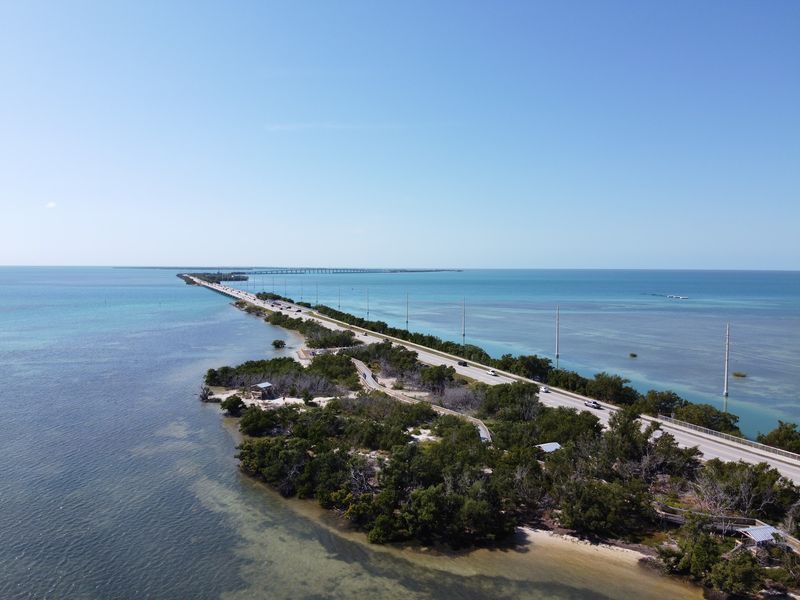
Most folks treat Anne’s Beach as a quick break on the long drive to Key West. That’s honestly a great way to use it. With a little planning, a 30-minute stop can become a highlight of the trip.
Start with the basics. It’s free, located around Mile Marker 73.5 oceanside, and easy to reach right off the Overseas Highway. Restrooms and a cold outdoor rinse shower sit near the north lot, though facilities may close on some holidays.
Next, set expectations. This isn’t a big resort beach with soft white sand and snack bars. Think nature walk plus tiny coves plus shaded picnic spots. If you want a classic wide beach day, Sombrero Beach in Marathon is a better fit.
Packing smart makes a huge difference here. Toss water shoes, a folding chair, sunscreen, bug spray, and plenty of drinking water into your bag. A small cooler with snacks turns the visit into an easy picnic.
Paddlers, good news. There’s a spot where kayaks and paddleboards can launch into the calm water. Gliding along the shoreline is a relaxing way to see mangroves from a new angle.
Dog owners and families with toddlers often love it, thanks to the gentle water and quiet setting. Just follow posted rules, clean up after pets, and keep an eye on little ones near the road.
Expect some highway noise. The beach sits close to traffic, so it isn’t totally silent. Walking farther along the boardwalk usually helps the sounds fade into the background.
Here’s a final idea for making it meaningful. Before you leave, take a moment at the water’s edge and remember whose name is on the sign. Anne Eaton helped make sure this shoreline stayed open and wild for strangers like you.
Leave only footprints, pick up any stray litter you see, and share her story with your travel buddies. Small acts like that keep her legacy growing. Then hop back in the car, a little sandier and a lot more curious about the Keys.