Beginner Hikers Can Enjoy Serious Scenery on These 12 Florida Trails
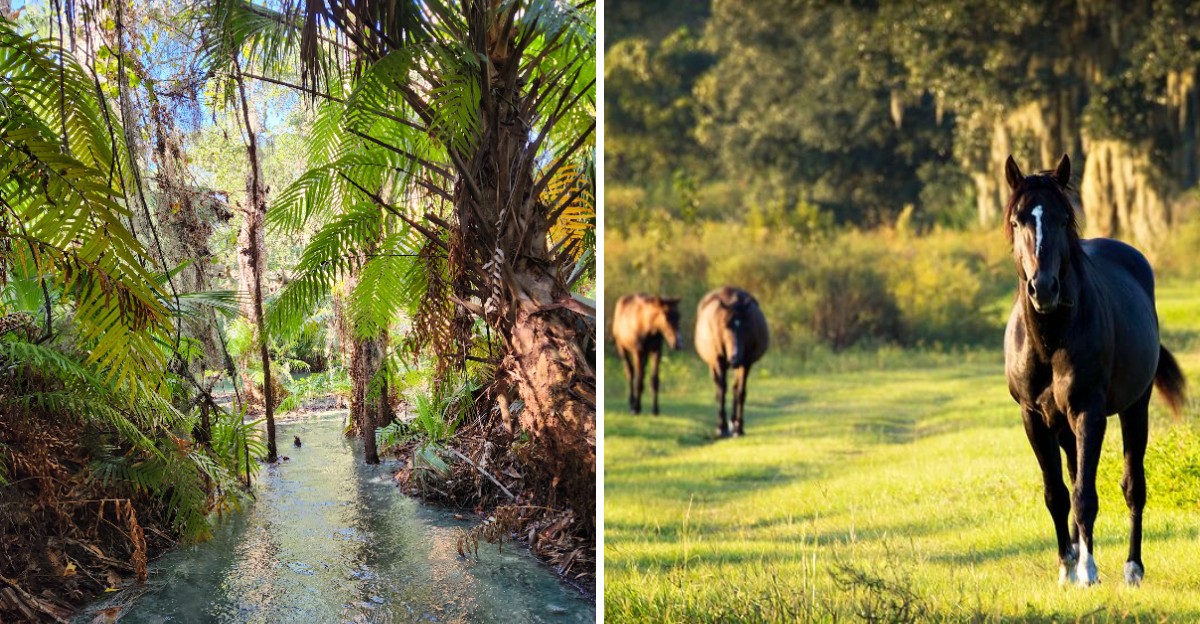
Florida might be famous for its beaches and theme parks, but hidden throughout the state are incredible hiking trails that offer stunning scenery without requiring expert skills. From boardwalks that wind through ancient cypress swamps to coastal paths with ocean breezes, these trails prove you don’t need to climb a mountain out West to experience natural beauty. Whether you’re new to hiking or just looking for a relaxing outdoor adventure, Florida’s beginner-friendly trails deliver amazing views, wildlife encounters, and peaceful moments in nature that will make you fall in love with the Sunshine State all over again.
1. Green Mountain Scenic Overlook & Trailhead – Minneola
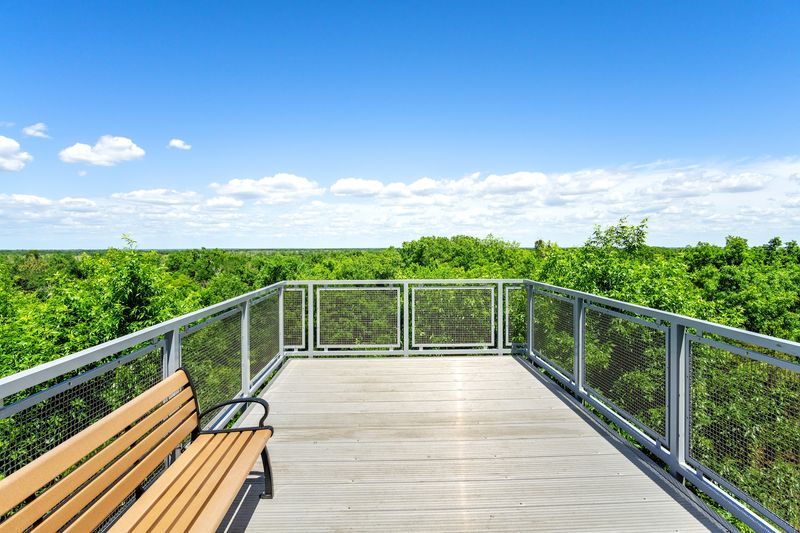
Most people don’t think of hills when they picture Florida, but this trail changes that perspective completely. Sitting at one of the highest points in peninsular Florida, the path rewards hikers with sweeping views that stretch for miles across Lake County’s rolling terrain. The elevation gain is gentle enough for beginners, yet the payoff feels like something you’d expect from a much more challenging hike.
The trail winds through beautiful oak hammocks and scrubby flatwoods, creating a diverse ecosystem that shifts as you walk. Native plants line the pathway, and if you visit during spring, wildflowers add splashes of color to the landscape. Birds are abundant here, making it a favorite spot for anyone who enjoys wildlife watching while getting some exercise.
What makes this trail particularly beginner-friendly is its well-maintained surface and clear markers throughout. You won’t worry about getting lost or stumbling over rough terrain. The loop design means you can decide how far you want to go, and there are several spots to pause and take in the scenery without feeling rushed.
Sunrise and sunset transform this place into something magical. The changing light across the hills creates photo opportunities that rival any coastal scene. Parking is easy to find, and the trailhead has basic facilities, so you can focus on enjoying your hike rather than logistics.
For anyone who thought Florida was flat and boring, this trail serves as a delightful surprise that proves the state’s natural diversity extends far beyond its famous coastline.
2. Hobe Mountain Trail – Hobe Sound
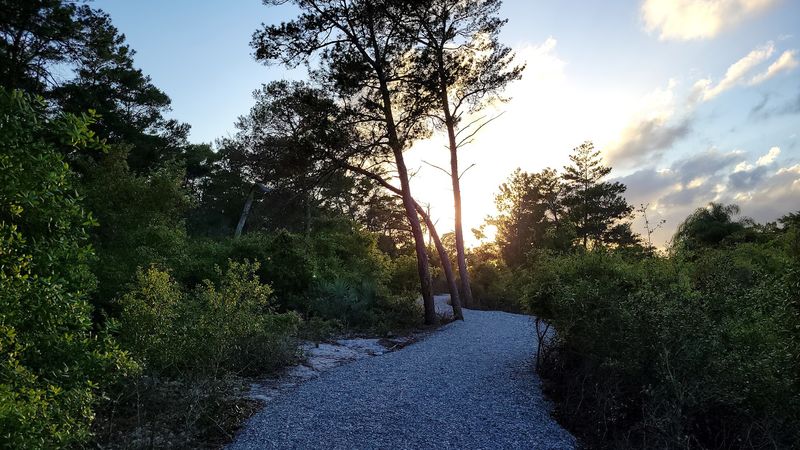
Climbing to the top of an ancient sand dune might sound intimidating, but this trail makes it surprisingly accessible. The path leads to one of the highest natural points on Florida’s east coast, and the views from the observation tower at the summit are absolutely worth every step. On clear days, you can see both the Atlantic Ocean and the Jupiter Inlet Lighthouse, creating a panoramic scene that captures Florida’s coastal beauty perfectly.
The trail itself is short but sweet, winding through scrub habitat that’s home to unique plant species adapted to sandy conditions. Gopher tortoises often make appearances along the path, slowly crossing from one patch of vegetation to another. The sandy surface does require a bit more effort than paved trails, but the distance is manageable even for those just starting their hiking journey.
What truly sets this experience apart is the tower at the top. After the climb, you’ll ascend the wooden structure to reach an elevated platform that offers 360-degree views. The breeze at the summit provides natural air conditioning, making even summer visits more comfortable than you’d expect.
Interpretive signs help you identify landmarks and learn about the area’s ecology.
Early morning visits bring cooler temperatures and softer light that makes the landscape glow. The parking area is small, so arriving early also ensures you’ll find a spot during busy weekends. This trail proves that big views don’t always require big mountains, and Florida’s natural high points deliver scenery that rivals any coastal destination in the country.
3. La Chua Trail – Gainesville
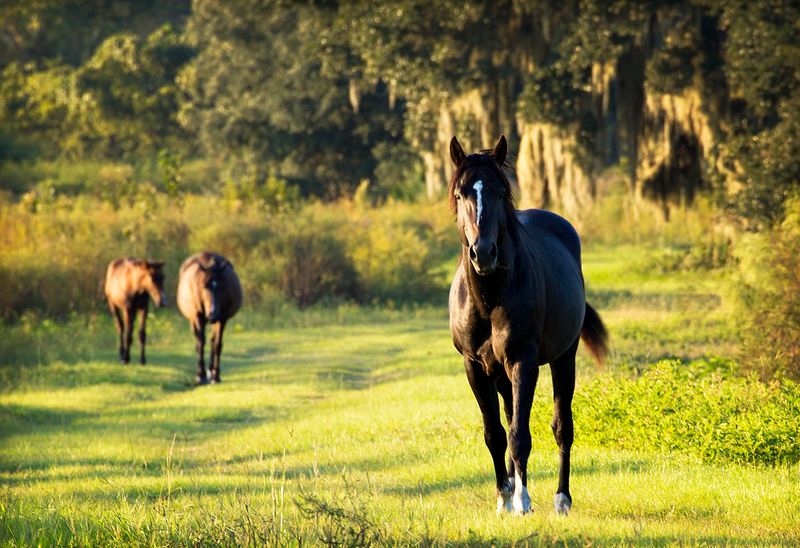
Few trails in Florida offer such reliable wildlife viewing as this boardwalk path through Paynes Prairie. Alligators sunbathe along the edges of the marsh, sometimes so close you can hear them hissing and bellowing during mating season. Wading birds stalk through shallow water hunting for fish, while bison and wild horses roam the distant prairie in scenes that feel more like the American West than the Southeast.
The trail is completely flat and paved for most of its length, making it perfect for beginners or families with young children. Observation platforms are strategically placed along the route, giving you elevated views over the wetlands where wildlife congregates. Bring binoculars if you have them, though many animals come close enough to see clearly with the naked eye.
What makes this trail educational as well as scenic is the variety of ecosystems you’ll pass through. Starting in shaded forest, the path opens to expansive marshland that stretches to the horizon. Interpretive signs explain the prairie’s unique ecology and the reintroduction programs that brought bison back to Florida.
You’ll learn while you walk, making it an enriching experience beyond just exercise.
Timing matters here more than on many trails. Early morning and late afternoon bring the most animal activity, as creatures emerge to feed during cooler hours. Summer afternoons can be hot and buggy, so plan accordingly.
The trailhead has ample parking and facilities, and the entire route is accessible, ensuring everyone can enjoy this remarkable window into Florida’s wild side without needing advanced hiking skills or special equipment.
4. Big Cypress Bend Boardwalk – Ochopee
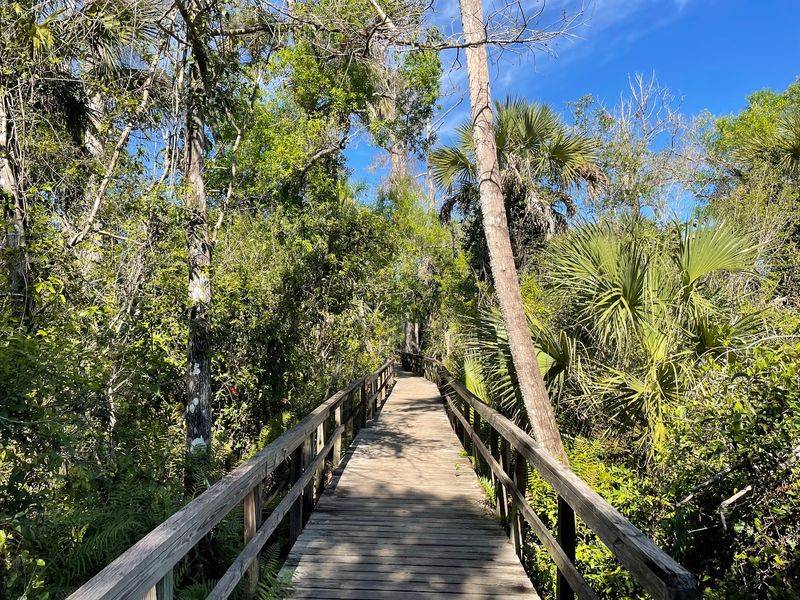
Walking among ancient cypress trees that have stood for centuries creates a sense of timelessness you won’t find anywhere else. This boardwalk trail loops through a primordial swamp where massive tree trunks rise from dark water, their knobby knees breaking the surface in otherworldly formations. Spanish moss drapes from branches overhead, filtering sunlight into soft, green-tinted rays that make the whole scene feel enchanted.
The entire trail is an elevated boardwalk, meaning you’ll stay dry while experiencing one of Florida’s most iconic ecosystems up close. No muddy boots or wet feet here, just easy walking on a stable surface that winds through the heart of the swamp. Interpretive signs along the way explain the ecology of cypress domes and the creatures that call this watery forest home.
Wildlife encounters happen regularly on this trail. Alligators glide silently through the water below, turtles sun themselves on fallen logs, and wading birds fish in the shallows. The sounds of the swamp create a natural soundtrack, with frogs croaking, birds calling, and water lapping gently against cypress knees.
It’s an immersive sensory experience that goes beyond just visual beauty.
The boardwalk is short enough that even young children can complete it without complaint, yet interesting enough that adults will want to linger at every viewing platform. Photographers love the moody lighting and reflections in the still water. Visit during the wet season when water levels are high for the most dramatic scenery, or in winter when cooler temperatures make walking more comfortable and wildlife more active during daylight hours.
5. Manatee Springs State Park – Chiefland
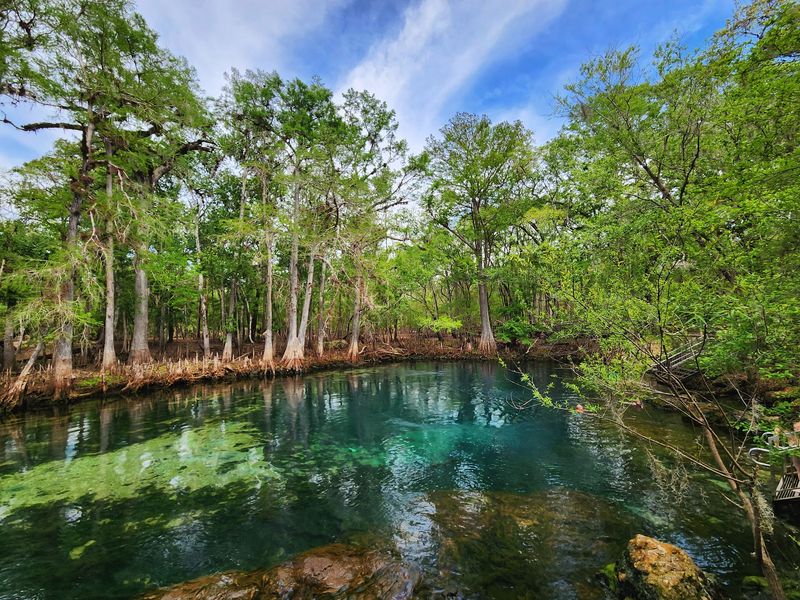
Crystal-clear water bubbles up from underground at a constant 72 degrees, creating a first-magnitude spring that serves as a winter refuge for manatees. The trails here wind along the Suwannee River and around the spring run, offering multiple opportunities to spot these gentle giants along with countless other species. The combination of aquatic and terrestrial habitats makes every walk here feel like an expedition into Florida’s wild heart.
Multiple trail options mean beginners can choose their own adventure based on energy and interest. The boardwalk along the spring run is the easiest option, providing close-up views of the incredibly clear water where you can see every pebble on the bottom. Longer trails venture into hardwood hammocks and along the river, where cypress trees create cathedral-like canopies overhead.
Winter brings the highest concentration of manatees as they seek the spring’s warm water to escape cold river temperatures. Watching these massive creatures swim gracefully through the crystal water is an unforgettable experience that connects you to Florida’s unique wildlife in a profound way. Even without manatees, the spring itself is stunning, with its blue-green water and lush vegetation creating a tropical paradise.
The park offers more than just hiking, with swimming allowed in designated areas and picnic facilities for making a full day of your visit. The trails are well-marked and maintained, with benches placed at scenic overlooks where you can rest and absorb the peaceful atmosphere. Bring a camera because the scenery here is postcard-perfect, and the wildlife encounters happen often enough that you’ll want to be ready to capture the moment.
6. Lake Okeechobee Scenic Trail – South Bay
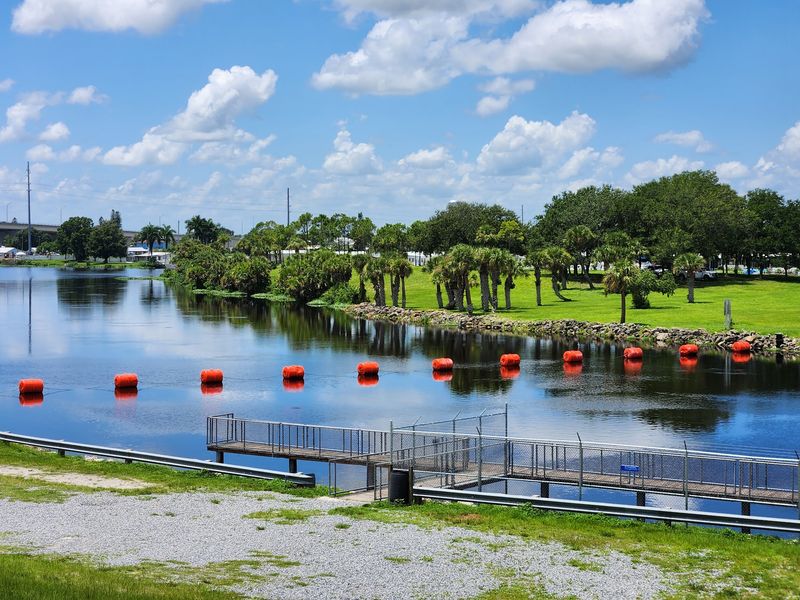
Stretching along the massive dike that contains Florida’s largest lake, this paved trail offers endless horizons and big sky views that feel more like the Great Plains than typical Florida scenery. The flatness makes it ideal for beginners, and you can walk as far as you want before turning back, making distance completely customizable to your fitness level. The lake spreads out on one side while agricultural lands and wetlands extend on the other, creating a unique landscape that showcases Florida’s working countryside.
Birdwatchers consider this trail a goldmine because the wetlands attract hundreds of species throughout the year. Herons, egrets, ibis, and countless ducks populate the marshes, while hawks and eagles soar overhead scanning for prey. The open terrain makes wildlife easy to spot, and the lack of trees means nothing blocks your views of the expansive sky, especially dramatic during sunrise and sunset.
The trail surface is smooth and wide, perfect for walking, running, or cycling. Its paved nature means you won’t deal with mud, roots, or uneven ground that can trip up inexperienced hikers. Shade is limited, so sun protection is essential, but the trade-off is unobstructed views that extend for miles in every direction.
What makes this trail special is its sense of solitude and scale. Even on weekends, you might walk for long stretches without seeing another person, creating a meditative experience where you can truly disconnect from daily stress. The wind often blows across the open water, keeping temperatures slightly cooler than inland areas and creating gentle waves that lap against the shore in a soothing rhythm.
7. Green Springs Park – Enterprise
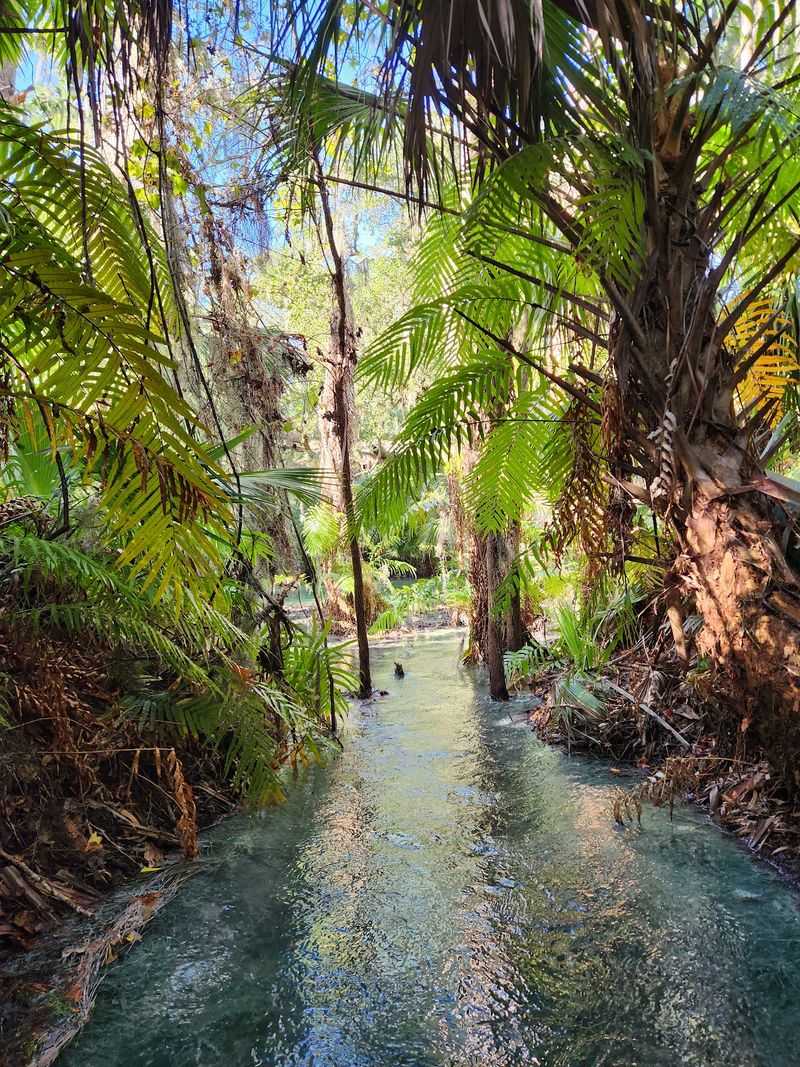
Hidden in Volusia County, this park protects a beautiful first-magnitude spring and the old-growth forest surrounding it. The trails here are short but pack impressive scenery into every step, with towering hardwoods creating a shaded canopy that keeps temperatures comfortable even during summer. The spring itself flows with remarkably clear water, its blue-green color contrasting beautifully with the darker tannin-stained creek it feeds into.
Boardwalk sections wind through wetland areas where cypress knees poke up from the water and ferns grow in thick clusters along the edges. The forest feels ancient here, with massive oaks and magnolias that have stood for generations. Spanish moss sways gently in the breeze, and the filtered sunlight creates a peaceful, almost mystical atmosphere that makes you forget you’re just minutes from civilization.
The trail system is well-designed for beginners, with clear signage and gentle terrain throughout. Observation platforms provide perfect spots to pause and watch for wildlife, which includes everything from turtles and fish in the spring to woodpeckers and owls in the trees. The sounds of the forest create a natural soundtrack that enhances the hiking experience without overwhelming it.
What sets this park apart is how it combines multiple Florida ecosystems in a compact area. You’ll transition from spring run to hardwood hammock to wetland in just a short walk, seeing how different plants and animals adapt to each habitat. Educational signs explain the ecology without being intrusive, making this trail both relaxing and informative.
The park rarely gets crowded, offering a peaceful escape where nature takes center stage and the outside world fades away.
8. Eco-Walk Trailhead Crystal River Preserve State Park – Crystal River
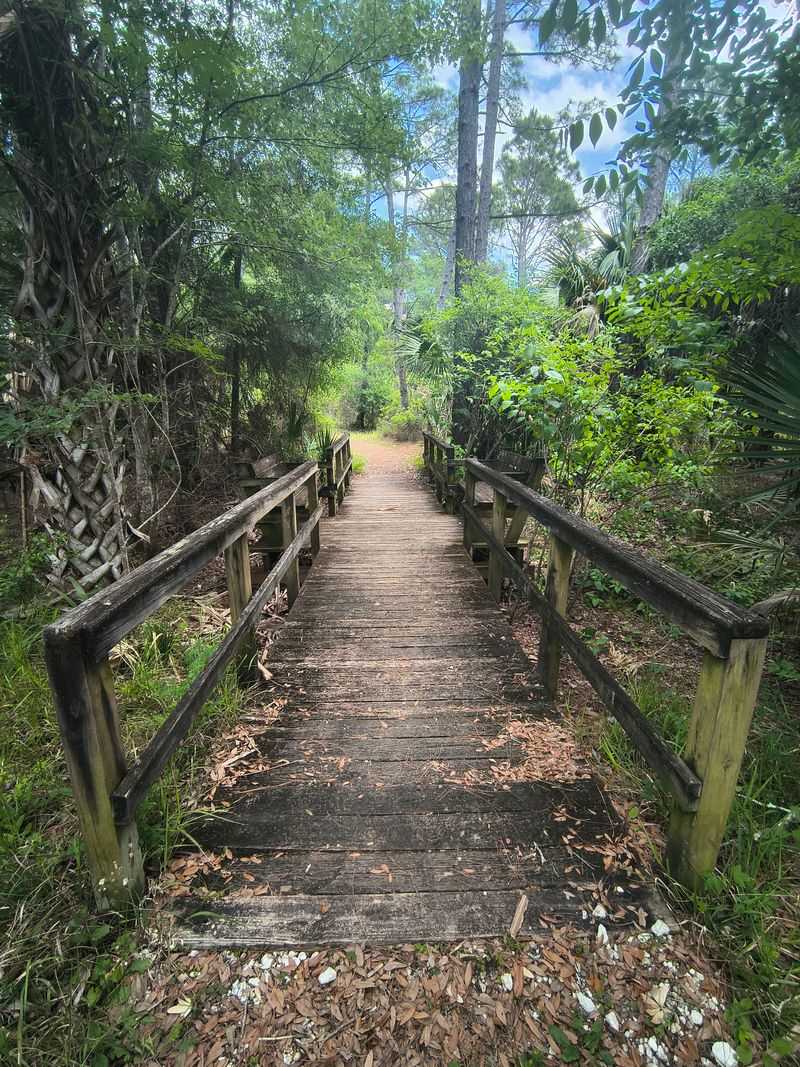
Where freshwater springs meet the Gulf of Mexico, this trail system explores a unique transition zone between terrestrial and marine ecosystems. Salt marshes stretch toward the horizon, their grasses waving in the coastal breeze, while palm hammocks provide shaded pockets of tropical vegetation. The trails here are flat and easy, perfect for beginners who want to experience Florida’s coastal wilderness without venturing onto challenging terrain.
Multiple loop options let you customize your hike based on available time and energy. The shortest loops take less than an hour, while combining trails can create longer adventures for those who want more. All paths are well-maintained with clear markers, so navigation is straightforward even for first-time visitors.
Boardwalk sections cross over wetland areas, keeping your feet dry while providing elevated views of the marsh ecosystem.
Wildlife viewing opportunities abound here because the mixing of fresh and salt water creates incredibly productive habitat. Manatees often swim in the channels, dolphins sometimes venture into the shallows, and countless bird species hunt for fish and crustaceans in the marsh. Bring binoculars to spot distant wildlife, though many creatures come close enough to observe without magnification.
The coastal setting means you’ll enjoy steady breezes that keep insects at bay and temperatures more moderate than inland trails. Sunrise and sunset paint the sky in spectacular colors that reflect off the water, creating photo opportunities that capture Florida’s coastal beauty perfectly. The preserve protects over 27,000 acres of pristine habitat, ensuring that your hike takes you through truly wild landscapes where nature operates according to its own rhythms rather than human schedules.
9. Maritime Hammock Nature Trail – Port St. Joe
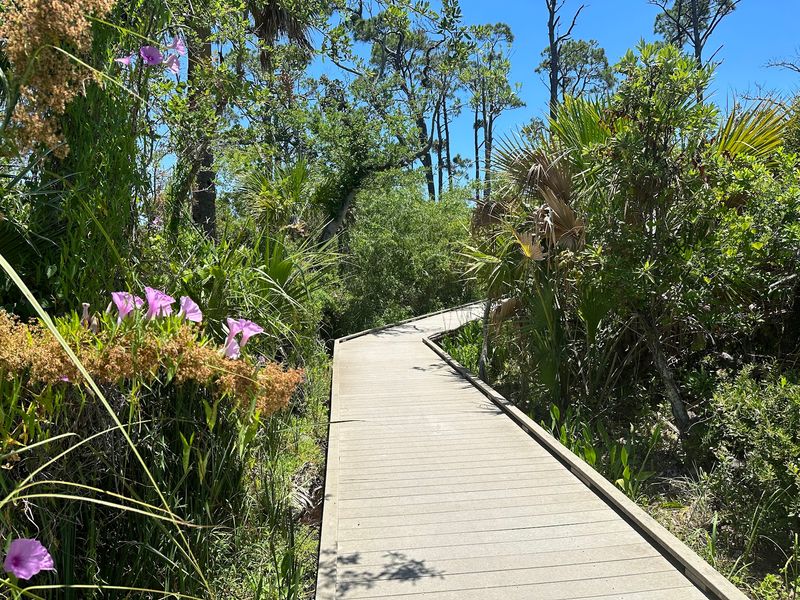
Tucked between the Gulf of Mexico and St. Joseph Bay, this trail winds through a coastal forest shaped by salt spray and sea breezes. Maritime hammocks are special ecosystems found only in narrow bands along the coast, where hardy trees and shrubs have adapted to survive in sandy soil and salty conditions. Walking here feels like discovering a secret garden, with twisted oaks forming a canopy overhead and native palms adding tropical flair to the understory.
The trail is short enough for beginners but interesting enough to hold your attention throughout. Interpretive signs explain how plants have adapted to coastal conditions, from waxy leaves that resist salt damage to deep root systems that tap into freshwater below the sand. You’ll learn to recognize native species and understand the delicate balance that allows this forest to thrive in such a challenging environment.
Wildlife encounters happen frequently because the hammock provides shelter and food for countless species. Birds nest in the canopy, lizards scurry across the path, and deer sometimes appear in the early morning or evening. The proximity to water means you might hear waves crashing in the distance, adding a soothing soundtrack to your walk through the forest.
What makes this trail special is its sense of intimacy and discovery. The narrow path winds between trees, creating the feeling that you’re exploring rather than just walking. Sunlight filters through the canopy in dappled patterns, and the air carries the scent of salt and vegetation.
It’s a short hike that delivers an outsized sense of adventure, proving that great trails don’t need to be long or difficult to provide memorable experiences in nature.
10. Satinleaf Trail – North Palm Beach
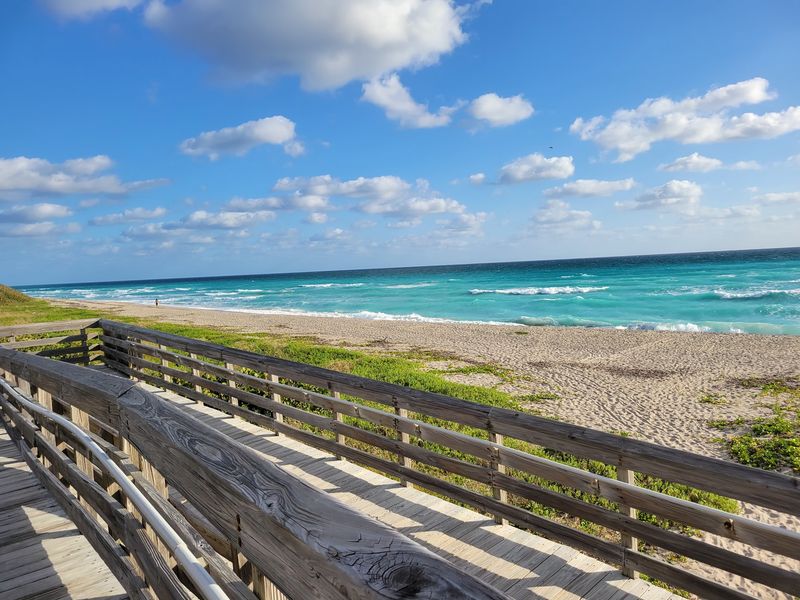
Named after a native coastal plant with distinctive silvery leaves, this trail explores the scrubby coastal ecosystem that once covered much of southeast Florida’s shoreline. Short but packed with interest, the path winds through vegetation adapted to survive in nutrient-poor sand and intense sunlight. It’s a completely different landscape from the tropical image many people associate with Palm Beach County, revealing the natural communities that existed before development transformed the coast.
The trail is easy to navigate with a sandy surface that’s firm enough for comfortable walking. Native plants line the path, and interpretive signs help you identify species and understand their ecological roles. Gopher tortoises dig their burrows in the sandy soil here, and if you’re lucky, you might spot one of these ancient reptiles slowly making its way across the trail.
What makes this trail valuable for beginners is how it combines education with exercise in a low-pressure environment. The short distance means you won’t feel overwhelmed, but the variety of plants and the peaceful setting create a rewarding experience. The scrub ecosystem is increasingly rare in developed South Florida, making this preserve an important refuge for native species and a window into the region’s natural heritage.
The coastal location means sea breezes keep temperatures slightly cooler than inland areas, and the open canopy allows plenty of sunlight to filter through. Morning visits offer the best wildlife viewing and most comfortable temperatures. The trail connects to other paths in the preserve, so you can extend your hike if you’re feeling energetic, or keep it short and sweet for a quick nature break that still delivers genuine connection to Florida’s coastal ecosystems.
11. Coastal Strand Trail – Ormond Beach
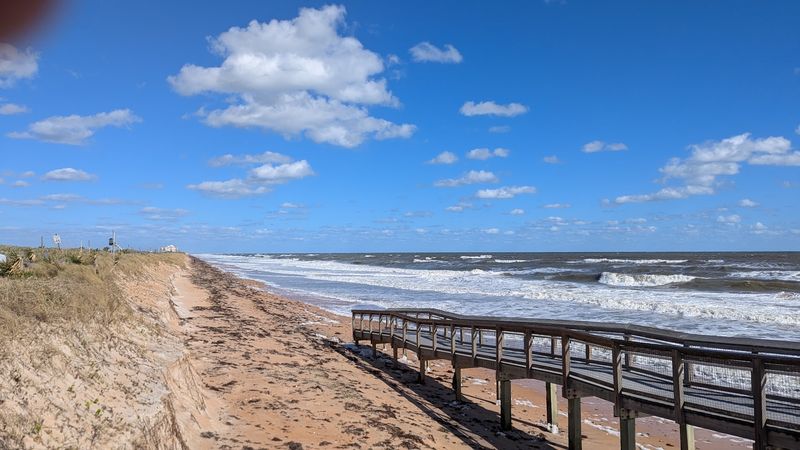
Right along the Atlantic coast, this trail explores the narrow band of vegetation that stabilizes Florida’s dunes and protects inland areas from storms. Sea oats wave in the ocean breeze, their roots holding sand in place while their graceful seed heads nod with each gust. The sound of waves provides a constant backdrop, and glimpses of blue water appear between the dunes, reminding you that the beach is just steps away.
The trail is flat and easy, perfect for beginners who want to experience coastal ecosystems without challenging terrain. Boardwalk sections protect fragile dune vegetation while providing elevated views over the landscape. You’ll see how plants have adapted to survive in this harsh environment where salt spray, strong winds, and shifting sand create constant challenges.
Wildlife adapted to coastal conditions makes appearances throughout your walk. Shorebirds probe the sand for invertebrates, butterflies visit flowering plants, and ghost crabs scurry between their burrows and the surf. The mixing of land and sea ecosystems creates habitat for species found nowhere else, making every walk here an opportunity to observe unique adaptations and behaviors.
What makes this trail special is its accessibility and proximity to the beach. You can combine a nature walk with beach time, getting the best of both experiences in a single visit. The trail is exposed to sun and wind, so bring protection for both, but the ocean breeze keeps temperatures more moderate than inland locations.
Sunrise walks are particularly magical, with golden light painting the dunes and waves, and far fewer people than you’ll encounter later in the day when beachgoers arrive in force.
12. Deer Lake State Park – Santa Rosa Beach
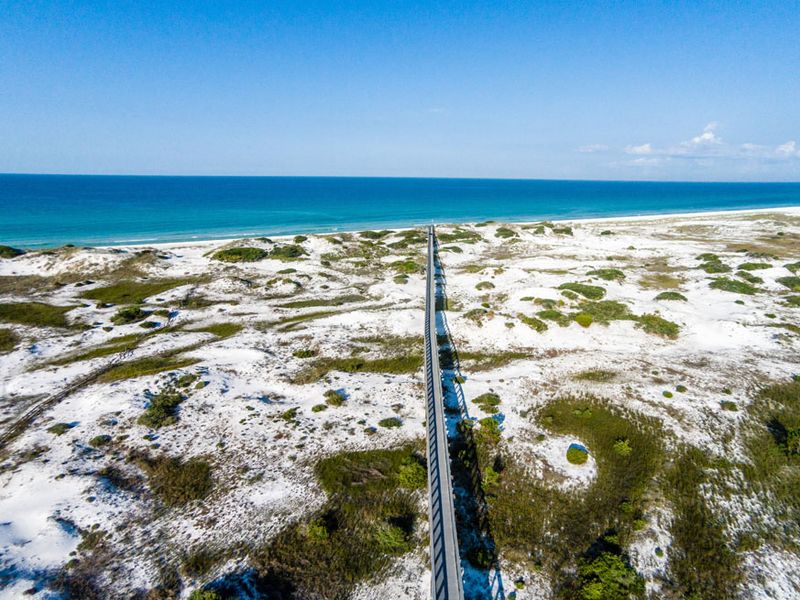
Rare coastal dune lakes give this park its name and its unique character. These unusual water bodies form when depressions between ancient dune ridges fill with fresh water, creating ecosystems found in only a few places worldwide. The trail here winds through scrub vegetation and over white sand dunes before reaching the lake and eventually the Gulf of Mexico, offering a complete cross-section of coastal environments in a single easy hike.
The sugar-white sand is stunning but can be challenging to walk through in spots, though boardwalk sections help in the deepest areas. The effort is worth it because the scenery is absolutely spectacular. Emerald-green lake water contrasts with bright white sand and the darker Gulf waters beyond.
Native vegetation including rosemary and scrub oaks dots the landscape, having adapted to survive in nutrient-poor sand with little fresh water.
The trail is relatively short, making it manageable for beginners, though the sand does require more effort than paved trails. You can swim in both the lake and the Gulf, making this an excellent destination for combining hiking with water activities. The beach at the end of the trail is often less crowded than nearby public accesses, rewarding hikers with a more peaceful coastal experience.
What sets this park apart is its pristine condition and the rarity of the ecosystems it protects. Development has eliminated most coastal dune lakes, making the ones that remain incredibly valuable for both ecology and recreation. The stark beauty of white sand against blue water creates scenes that belong on postcards, and the sense of discovery as you crest the final dune to see the Gulf is genuinely thrilling even though the hike itself isn’t difficult.