Beyond The Venetian Pool, Coral Gables Is One Of Florida’s Most Enchanting Destinations
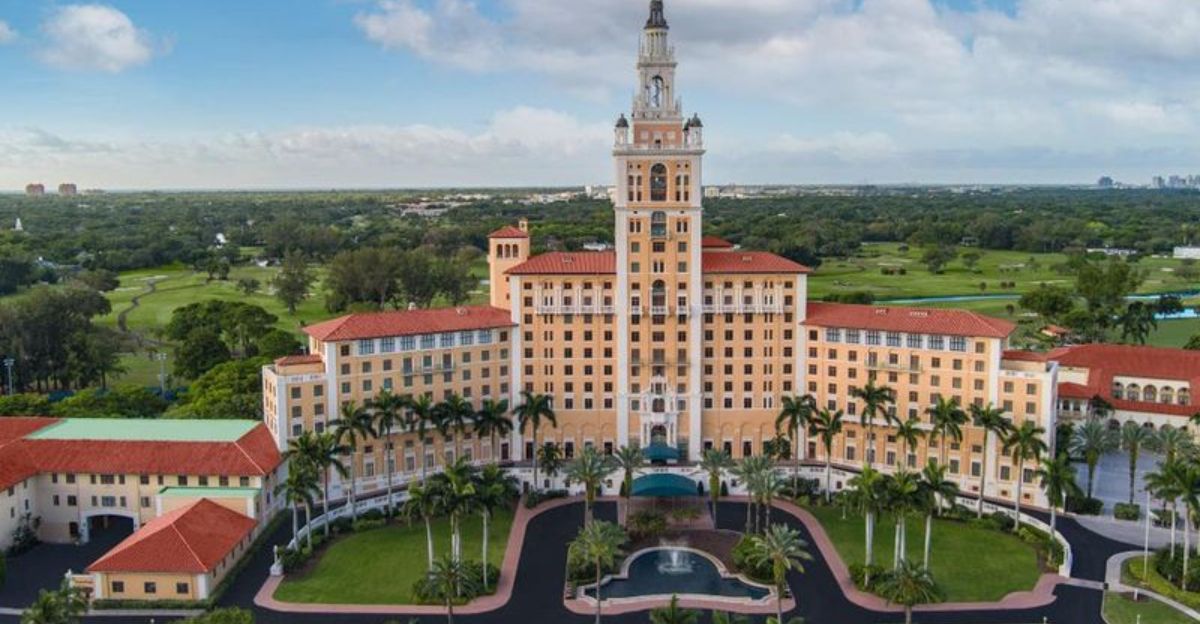
Coral Gables isn’t just another Florida city with palm trees and sunshine. This Mediterranean Revival gem stands out with its tree-canopied streets, historic landmarks, and a charm that feels worlds away from Miami’s hustle despite being right next door. While the Venetian Pool gets most of the attention, the real magic happens when you explore the rest of what locals call the City Beautiful.
1. The Biltmore Hotel: A Jazz Age Palace That Still Dazzles
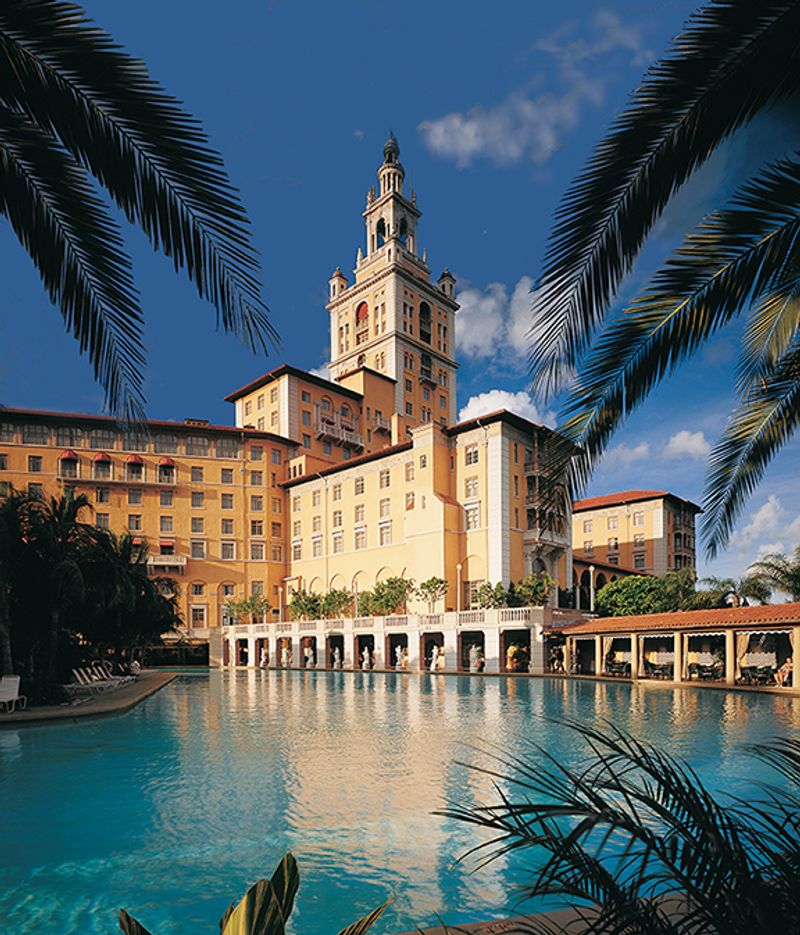
Walking into the Biltmore feels like stepping into a 1920s movie set, except everything is real and still operating. The towering hotel opened in 1926 and quickly became the playground for celebrities, politicians, and anyone who wanted to see and be seen. Its massive pool hosted synchronized swimming shows and even alligator wrestling back in the day.
The copper-clad tower rises 315 feet and was modeled after the Giralda bell tower in Seville, Spain. You can spot it from miles away, making it Coral Gables’ most recognizable landmark. The hotel survived being a military hospital during World War II and years of neglect before a massive restoration brought back its original glory.
Today, you can tour the property for free on Sunday afternoons, exploring the grand lobby with hand-painted ceilings and intricate tile work. The golf course wraps around the grounds, designed by Donald Ross himself. Even if you’re not staying overnight, grab a cocktail at the Cascade Bar or take a Sunday brunch that feels properly fancy.
The hotel hosts ghost tours too, because naturally a place this old has stories. Guests report seeing a man in 1920s attire wandering the halls, and staff members have their own collection of unexplained experiences that add to the building’s mystique.
2. Miracle Mile: Shopping and Dining With European Flair
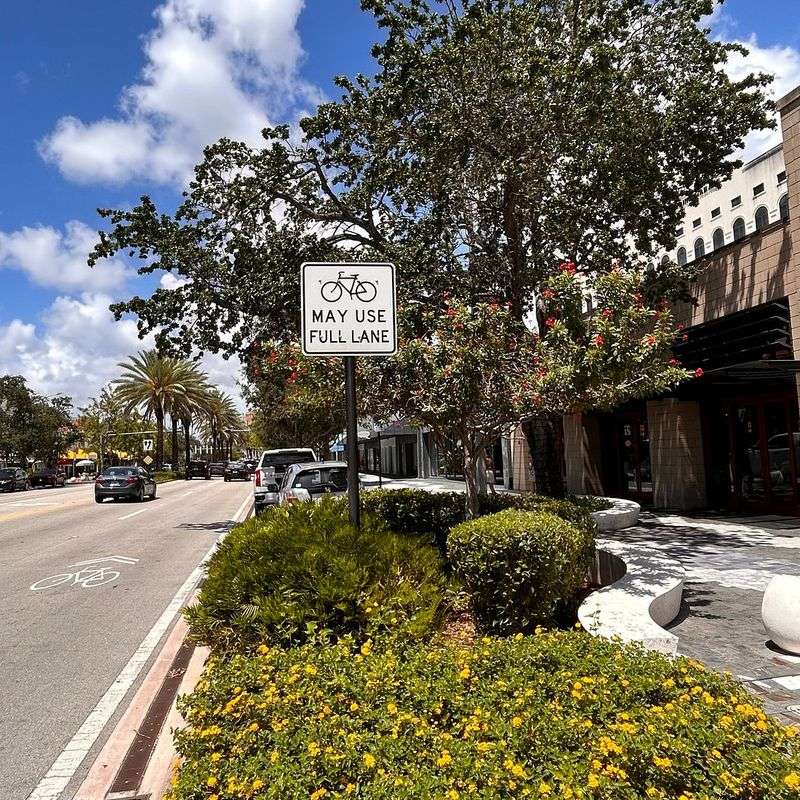
Miracle Mile isn’t actually a mile long, but don’t let that stop you from spending hours here. This half-mile stretch of Coral Way transforms into a pedestrian paradise lined with boutiques, galleries, restaurants, and cafes that feel more Barcelona than Florida. The name came from a 1940s developer who thought the street’s transformation was nothing short of miraculous.
Bridal shops dominate several blocks, earning the area its nickname as South Florida’s bridal district. But you’ll also find independent bookstores, art galleries showcasing local artists, and shops selling everything from handmade jewelry to Cuban guayaberas. The mix of old-school establishments and newer concepts keeps the street from feeling too polished or theme-park-ish.
Food options run the spectrum from quick Cuban cafecito windows to white-tablecloth dining rooms. Seasons 52 offers fresh seasonal menus, while Havana Harry’s serves up traditional Cuban dishes that locals swear by. On weekends, the sidewalks buzz with families, couples, and groups of friends hopping between restaurants and gelato shops.
The city hosts events here throughout the year, including the Coral Gables Art Cinema’s film festivals and holiday celebrations that close down streets for live music and vendor markets. Free parking garages make it easy to spend an afternoon without feeding meters every hour, which honestly makes a huge difference when you’re exploring.
3. Fairchild Tropical Botanic Garden: 83 Acres of Living Art
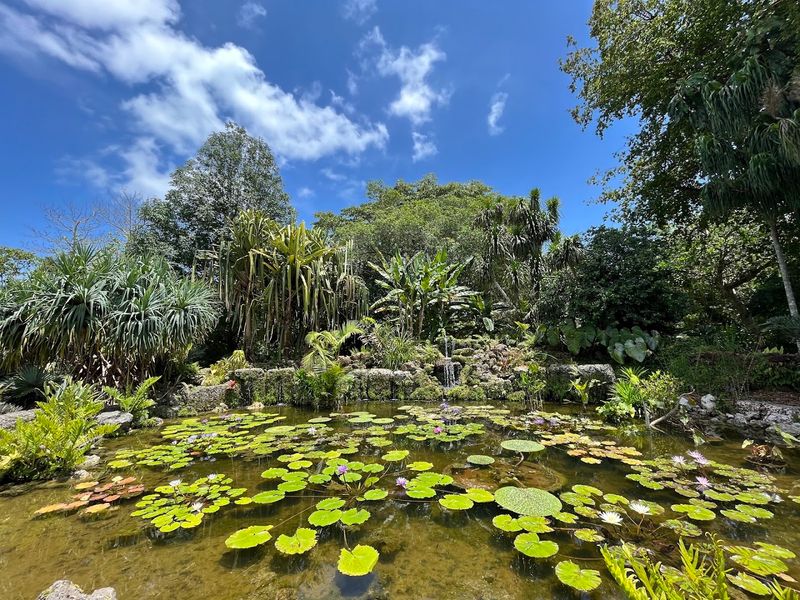
Fairchild isn’t your typical botanical garden with neat rows of labeled plants. This place sprawls across 83 acres of lakes, rainforest sections, and rare palm collections that make you feel like you’ve teleported to somewhere far more exotic. Founded in 1938, it’s named after plant explorer David Fairchild, who spent his life introducing new species to American soil.
The butterfly conservatory alone is worth the admission price. Hundreds of butterflies from around the world flutter through a climate-controlled habitat, landing on visitors who stand still long enough. Kids absolutely love this part, though adults find themselves equally mesmerized watching the delicate creatures up close.
Wander through the Wings of the Tropics exhibit during butterfly season, or explore the Rainforest exhibit where a canopy walkway lets you experience the ecosystem from above. The garden also houses one of the world’s most extensive collections of cycads, ancient plants that have survived since dinosaur times. Some specimens here are critically endangered in the wild, making Fairchild’s conservation work genuinely important.
Monthly events include moonlight garden tours, plant sales where you can buy rare specimens, and concerts on the lawn. The Glasshouse Café serves surprisingly good food with garden views, perfect for refueling between sections. Serious plant nerds can join specialized tours focusing on specific collections or botanical topics led by actual horticulturists.
4. Books & Books: An Independent Bookstore With Serious Character
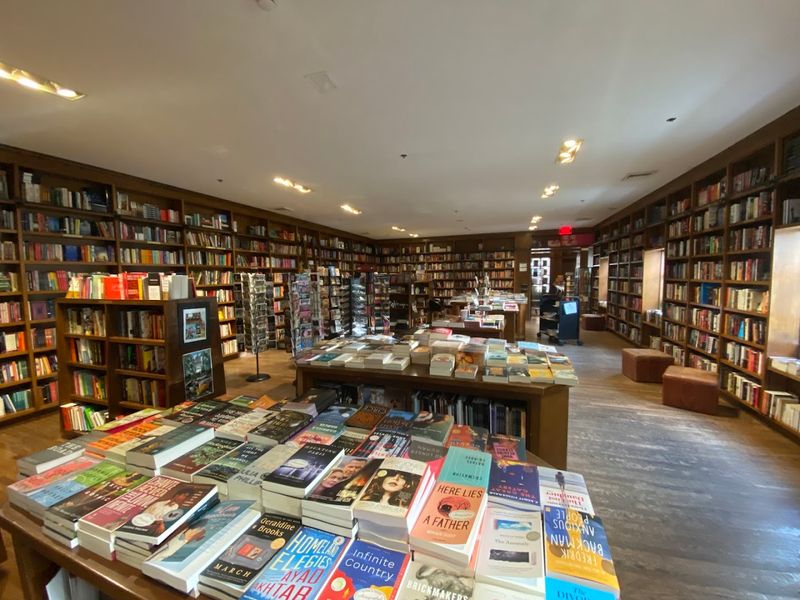
Independent bookstores are rare treasures these days, and Books & Books on Aragon Avenue is one of the finest examples anywhere. Mitchell Kaplan opened this literary haven in 1982, and it’s become a cultural cornerstone for South Florida’s reading community. The Mediterranean-style building features a courtyard cafe where you can sip coffee surrounded by bougainvillea while cracking open your latest purchase.
Author readings happen almost weekly, drawing big names and debut writers alike. The staff actually reads books and can recommend titles based on your tastes rather than just pointing you toward bestseller displays. You’ll find carefully curated sections for local authors, Spanish-language books, and subjects you didn’t know you were interested in until you started browsing.
The children’s section deserves special mention because it’s designed to encourage kids to explore and discover rather than just grab the latest movie tie-in. Story times bring families together on weekends, and the selection of picture books and middle-grade novels reflects genuine care about what young readers need.
Grab a table in the courtyard and you’ll likely see local writers tapping away on laptops between customers stopping by for signed copies of their work. The cafe serves decent pastries and strong coffee, making it easy to lose track of time while you preview potential purchases. It’s the kind of place that reminds you why physical bookstores matter.
5. Coral Gables Museum: History Housed in the Old Police Station
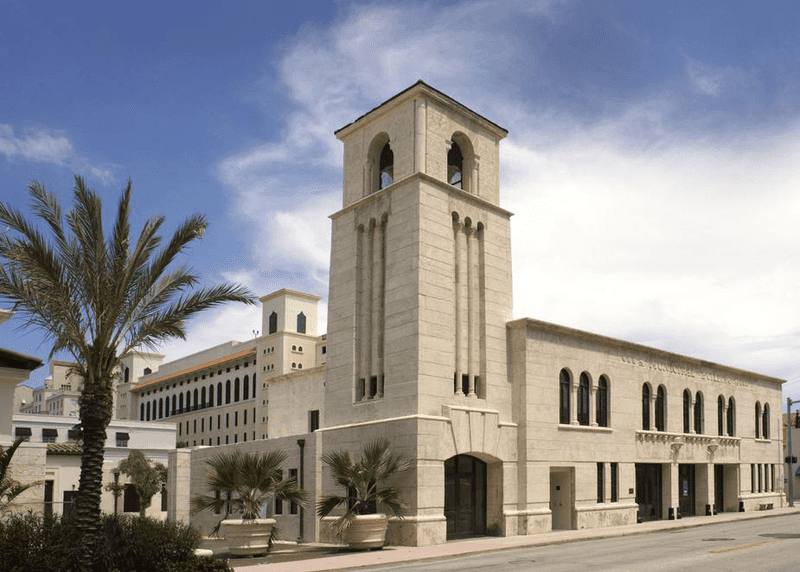
History museums can feel stuffy, but the Coral Gables Museum manages to make local history actually engaging. Housed in the city’s original 1939 police and fire station, the building itself tells stories through its coral rock construction and Art Deco details. The location on Aragon Avenue puts you right in the heart of downtown, making it an easy stop during a walking tour.
Permanent exhibits focus on city founder George Merrick’s vision for creating a planned community during the 1920s real estate boom. You’ll see original architectural drawings, photographs of construction, and artifacts from the era when Coral Gables was being literally carved out of rock and pine forest. The Mediterranean Revival style that defines the city wasn’t accidental but part of Merrick’s comprehensive design plan.
Rotating exhibitions bring in contemporary art, photography, and cultural displays that connect past to present. Recent shows have explored everything from Cuban exile experiences to architectural preservation challenges. The museum partners with local schools for educational programs that teach kids about urban planning and historic preservation through hands-on activities.
Admission is reasonable, and the museum is small enough to explore thoroughly in about an hour without feeling rushed. The gift shop stocks locally made items and books about South Florida history that you won’t find in typical tourist traps. First Fridays often feature extended hours with live music and special programming that draws neighborhood crowds.
6. The Merrick House: Where City Beautiful Began
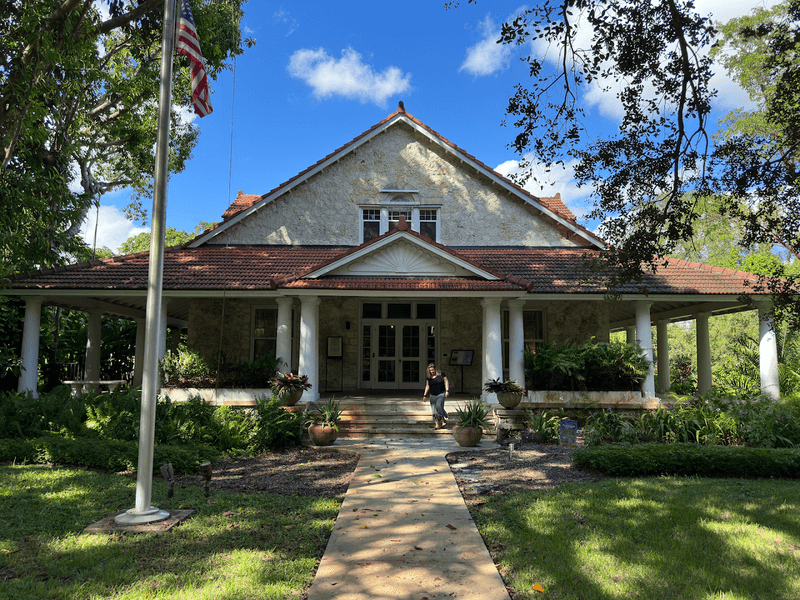
George Merrick grew up in this modest coral rock house, dreaming of the grand city he’d eventually create. Built by his father Solomon in 1906, the house started as a simple structure that the family expanded over the years as their citrus grove business prospered. Today it stands as a museum showing how the Merrick family lived during Coral Gables’ founding era.
Tours take you through rooms filled with original family furniture, photographs, and personal items that bring the early 1900s to life. You’ll see George’s childhood bedroom, the dining room where the family gathered, and the porch where he’d sit planning his future city. The house feels lived-in rather than overly restored, giving you a genuine sense of daily life during that period.
The grounds include the original family grapefruit grove, with some trees planted over a century ago still producing fruit. Coral rock walls and native plantings show what South Florida landscaping looked like before modern development. During growing season, visitors can sometimes sample fruit straight from the historic trees, connecting directly to the agricultural roots that funded Merrick’s later ambitions.
Docents share stories about the Merrick family’s struggles and successes, including how George’s father lost his sight but continued managing the property. The house is small, and tours don’t take long, but the personal connection to the city’s founder makes it worthwhile for anyone interested in understanding how Coral Gables came to be.
7. Granada Golf Course: Public Links With Private Course Quality
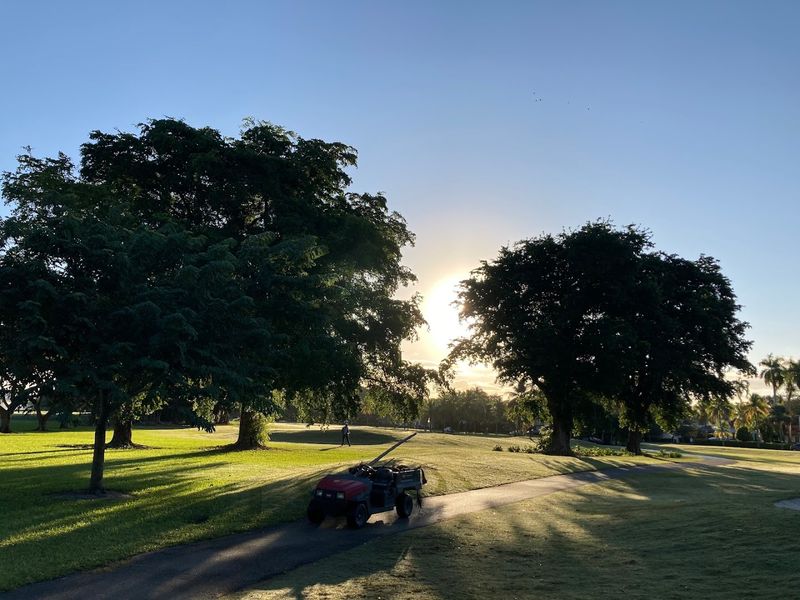
Finding quality public golf in South Florida can be challenging, but Granada Golf Course delivers without the country club price tag or attitude. Opened in 1922, it’s one of Florida’s oldest courses and has hosted everyone from casual weekend players to PGA professionals over the decades. The Donald Ross design features tree-lined fairways, strategic bunkers, and greens that require actual thought rather than just power.
The course plays shorter than modern championship layouts at around 6,600 yards, but don’t mistake that for easy. Mature trees frame every hole, and water comes into play enough to keep things interesting without being punishing. The layout rewards accuracy and course management over distance, making it enjoyable for players of various skill levels.
Rates remain reasonable compared to resort courses in the area, and the twilight fees offer serious value for late-afternoon rounds. The practice facility includes a driving range and putting green where you can warm up before your tee time. The pro shop stocks essentials without pushing expensive gear, and the staff treats first-timers and regulars with equal respect.
The clubhouse restaurant serves breakfast and lunch with a menu that goes beyond typical golf course fare. Grab a table on the patio overlooking the 18th green, and you’ll understand why locals consider this their neighborhood course. The city maintains it well, with consistent conditioning that rivals many private clubs in the region.
8. Actors’ Playhouse: Professional Theater in an Intimate Setting
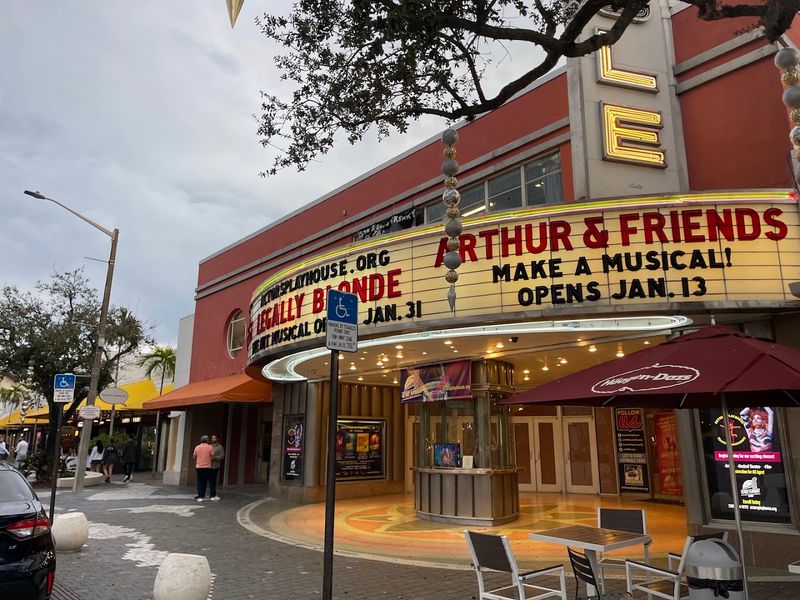
Professional theater thrives at Actors’ Playhouse, housed in the beautifully restored 1948 Miracle Theatre. The Art Deco movie palace got a second life when converted to a performing arts venue, and now it hosts Broadway-quality productions year-round. The main stage seats 600, while the more intimate Balcony Theatre upstairs holds 300, giving productions options for different show sizes.
The season typically includes musicals, dramas, and comedies that mix well-known titles with lesser-known gems. Productions feature professional actors, elaborate sets, and full orchestras when shows call for it. The quality consistently surprises visitors who expect community theater and instead find performances that could hold their own in much larger markets.
The Children’s Theatre program introduces young audiences to live performance with age-appropriate shows that don’t talk down to kids. Many productions encourage audience participation, making theater accessible and fun for children experiencing it for the first time. Summer camps and classes train the next generation of performers in a professional environment.
Ticket prices remain affordable, especially compared to touring Broadway shows in downtown Miami. Subscription packages offer even better value for regular theatergoers. The theater’s location on Miracle Mile means you can easily combine a show with dinner at nearby restaurants, making it a complete evening out.
Parking in city garages is free after 6 PM, removing one more barrier to enjoying quality live theater.