This Florida Beach Town Is Known As The Shark Tooth Capital Of The World
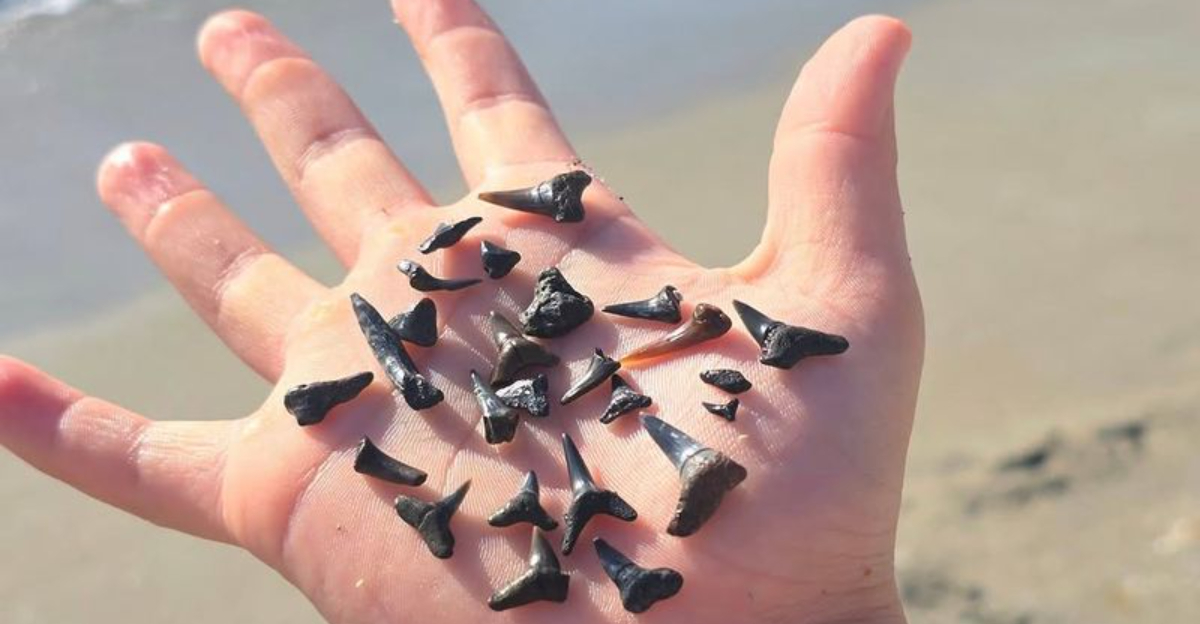
Venice, Florida has earned a reputation that makes beachcombers from across the globe pack their bags and head to its shores. This charming Gulf Coast town sits on some of the richest fossil beds in the entire state, where ancient shark teeth wash up by the thousands every single day. What makes Venice so special is that you don’t need fancy equipment or expert knowledge to find these prehistoric treasures—just a keen eye, a little patience, and a willingness to get your feet wet.
1. Caspersen Beach: The Ultimate Shark Tooth Hunting Ground
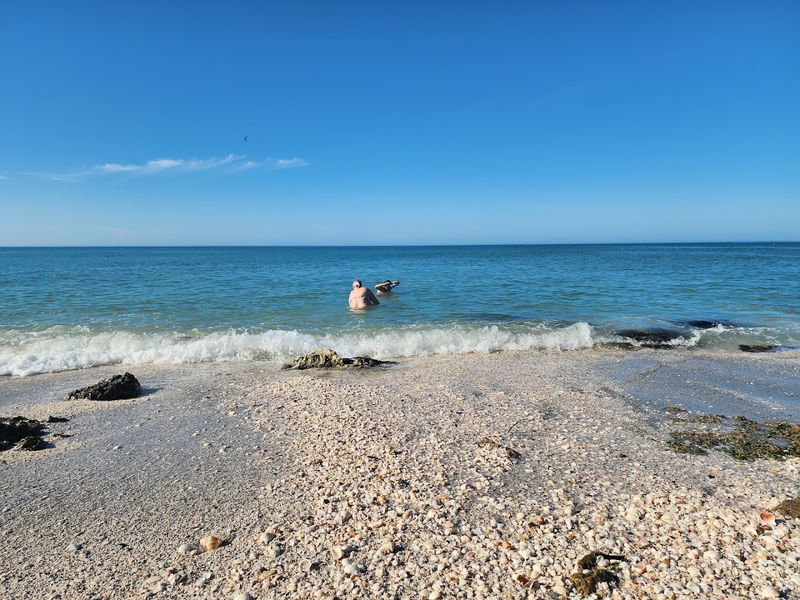
Walk along Caspersen Beach and you’ll notice something different right away—the sand here has a darker hue than most Florida beaches. That’s because this stretch of coastline is loaded with tiny fossils, shell fragments, and yes, shark teeth galore. The beach sits at the southern end of Venice, where ancient deposits from the Peace River mix with Gulf currents to create a fossil hunter’s paradise.
Early morning offers your best shot at finding teeth before other collectors arrive. Low tide exposes more of the surf line where teeth accumulate overnight. Many hunters bring small sifting screens to sort through the shell hash more efficiently, though plenty of people find impressive specimens just by scanning the sand.
The teeth you’ll discover range from tiny modern shark teeth to massive fossilized specimens from extinct species like the megalodon. Some teeth are jet black, polished smooth by centuries of tumbling in the waves. Others show shades of brown, gray, or even white depending on the minerals they absorbed over millions of years.
2. Venice Beach: Downtown Fossil Finds
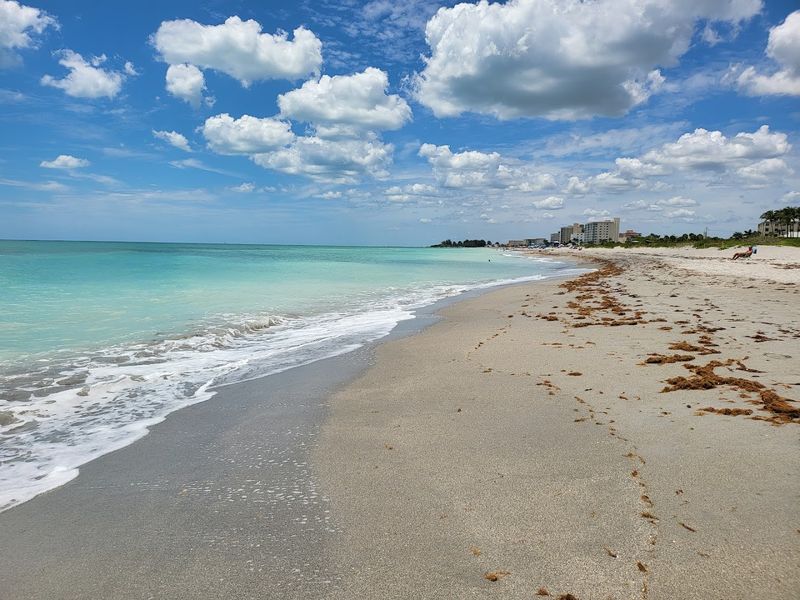
Right in the heart of town, Venice Beach gives you easy access to shark tooth hunting without driving to remote locations. The iconic fishing pier stretches out over the Gulf, serving as a landmark you can spot from miles down the coast. Park in the municipal lot, grab your gear, and you’re searching for fossils within minutes.
This beach sees more foot traffic than Caspersen, but that doesn’t mean the teeth disappear. Fresh specimens wash in with every tide, and storms can bring exceptional finds. The convenience factor makes Venice Beach perfect for families or anyone who wants to combine fossil hunting with other beach activities like swimming or picnicking.
Local shops near the beach sell specialized scoops and screens designed specifically for shark tooth hunting. You’ll also find identification guides to help distinguish between different shark species. The area around the pier tends to accumulate shells and fossils where the structure disrupts normal water flow, creating natural collection points worth checking carefully.
3. Venetian Waterway Park: Nature Trail With Fossil Surprises
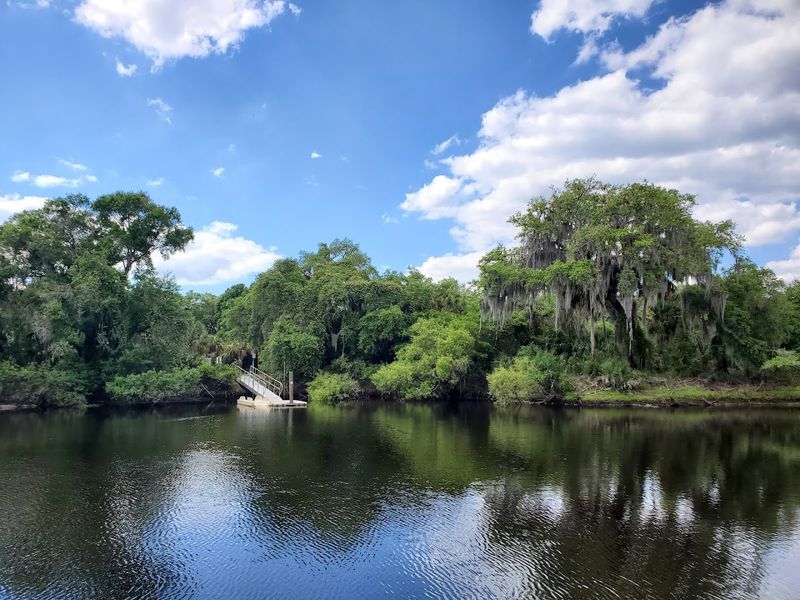
Most visitors focus solely on the beaches, but Venetian Waterway Park offers something different—a chance to stretch your legs while staying connected to Venice’s fossil heritage. This linear park follows the Intracoastal Waterway for miles, providing paved trails perfect for walking, jogging, or cycling. Native plantings attract birds and butterflies, making it a nature lover’s escape right in town.
While you won’t find shark teeth along the trail itself, the park connects various beach access points where you can hop down to the water. The trail system makes it easy to explore multiple hunting locations in a single outing without moving your car. Shaded benches and picnic areas let you take breaks between fossil hunting sessions.
Locals use these trails year-round, and you’ll often strike up conversations with other fossil enthusiasts who share tips about recent finds. The park also hosts community events throughout the year. After a morning spent bent over searching the surf line, the flat, easy walking here provides a welcome change of pace while keeping you in the Venice beach zone.
4. Sharky’s On The Pier: Fuel Up Before The Hunt
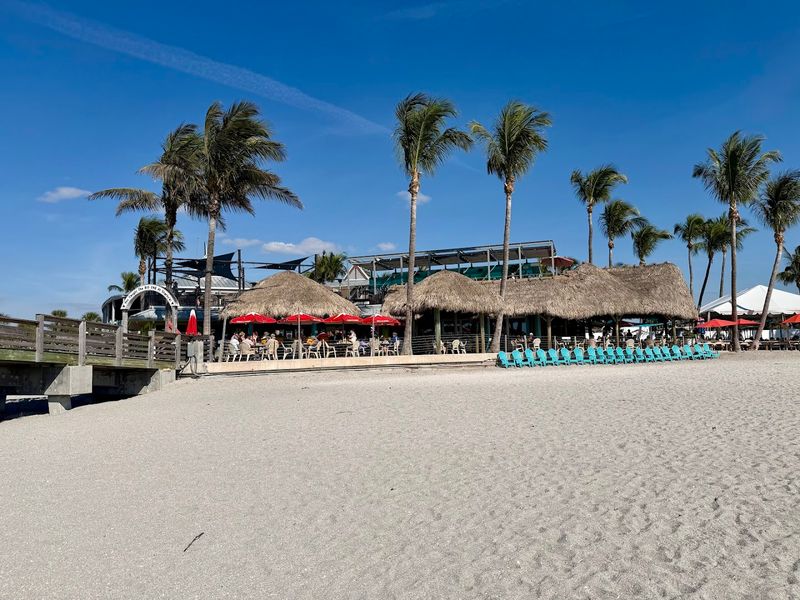
Perched right on the Venice Fishing Pier, Sharky’s serves as the unofficial headquarters for the town’s fossil hunting community. Grab breakfast here before hitting the beaches, and you’ll likely overhear conversations about that morning’s tide conditions or someone’s latest megalodon tooth discovery. The casual atmosphere and waterfront views make it a Venice institution.
The menu covers all the basics—fresh seafood, burgers, salads, and cold drinks. Nothing fancy, just solid beach food served with a side of local character. The outdoor seating lets you watch pelicans dive for fish while you eat.
During peak season, expect crowds, but service moves at that relaxed Florida Gulf Coast pace that reminds you there’s no need to rush.
Many hunters make Sharky’s their post-beach stop too, celebrating successful finds over lunch or comparing their hauls with other collectors. The staff has seen every size shark tooth imaginable and won’t bat an eye when you pull out your morning’s treasures to show off. It’s this blend of good food and shared passion for fossils that keeps people coming back visit after visit.
5. Venice Area Audubon Rookery: Where Nature Meets History
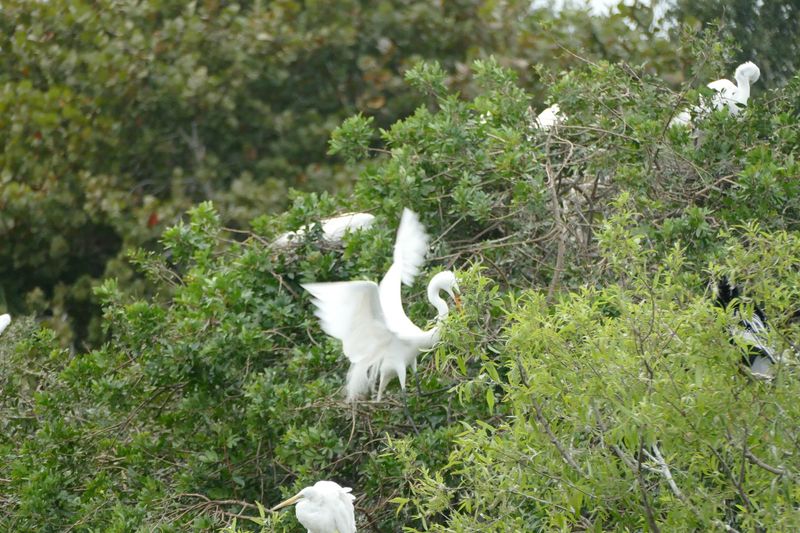
Just off the main tourist path, the Venice Area Audubon Rookery provides a glimpse into the natural systems that helped create the town’s famous fossil beds. Wading birds nest here by the hundreds during breeding season, and the shallow waters teem with the same kinds of fish that sharks have hunted in these waters for millions of years. A short boardwalk trail lets you observe without disturbing the wildlife.
Understanding the ecology helps you appreciate why Venice became such a hotspot for shark teeth. The Peace River flows down from central Florida, carrying fossilized remains from ancient marine environments inland. When this sediment reaches the Gulf, currents sort and deposit it along Venice’s beaches in concentrated bands.
Bird photography enthusiasts love this spot, especially during nesting season when great blue herons, egrets, and roseate spoonbills raise their young. The rookery operates thanks to local volunteers who maintain the trails and educate visitors. It’s a quick stop that adds context to your fossil hunting adventures, showing how Venice’s present-day ecosystem connects to its prehistoric past through an unbroken chain of predator and prey.
6. Oscar Scherer State Park: Scrub Habitat And Fossil Creek
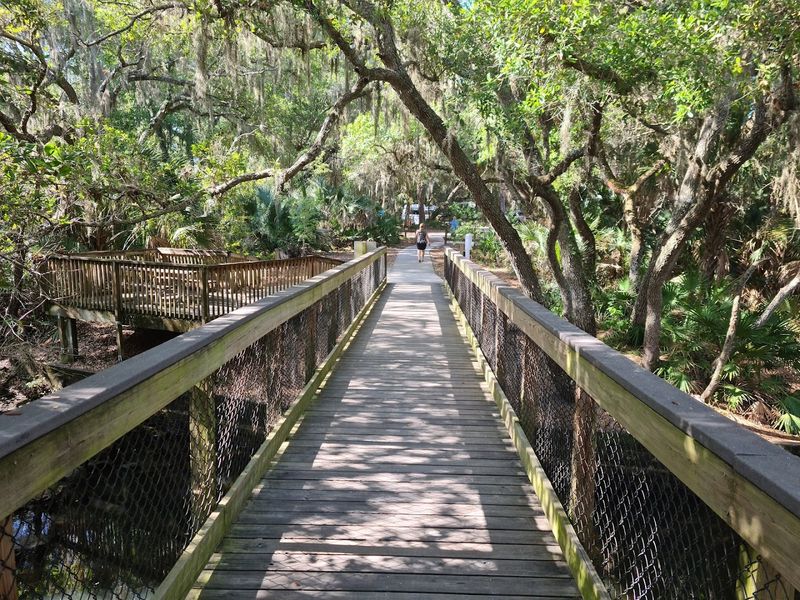
About fifteen minutes north of downtown Venice, Oscar Scherer State Park protects one of Florida’s increasingly rare scrub ecosystems. The park is famous for its Florida scrub jays, a threatened species found nowhere else on Earth. These bold, intelligent birds often approach visitors along the trails, especially near the park entrance where they’ve learned that humans sometimes mean peanuts.
South Creek flows through the park, and while it’s not a major shark tooth location, patient searchers occasionally find small fossils in the creek bed. The real draw here is experiencing the landscape that existed when ancient sharks dominated these waters. Hiking trails wind through sand pine scrub and oak hammocks, giving you a sense of old Florida before development.
The park offers camping, kayaking, and swimming in addition to hiking. Lake Osprey provides a designated swimming area that’s especially popular with families. After spending your mornings hunched over on crowded beaches, the quiet trails here offer a refreshing contrast.
You can spot gopher tortoises, bobcats, and dozens of bird species. It’s a reminder that Venice offers more than just shark teeth—though those teeth remain the main attraction for most visitors.
7. Venice Museum And Archives: Learn The Science Behind The Teeth
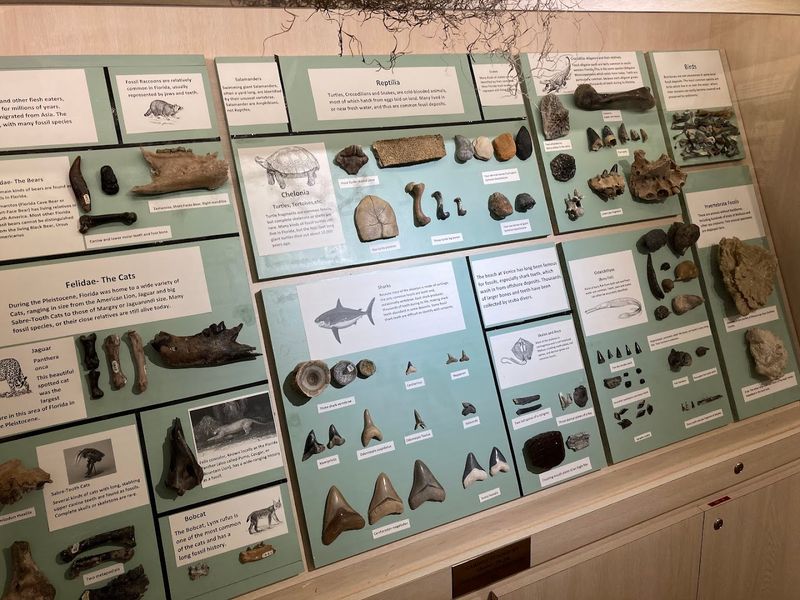
Before you hit the beaches, stop by the Venice Museum and Archives to understand what you’re actually finding. This small but informative museum covers local history, including extensive displays about the area’s paleontological significance. You’ll see examples of various shark species’ teeth, learn how to identify different types, and discover why this particular stretch of coastline produces such abundant fossils.
The museum explains how Venice’s fossil beds formed millions of years ago when this area sat underwater as part of a shallow sea. As sea levels changed over time, ancient marine deposits became exposed to erosion. The Peace River system continually brings new fossils from inland deposits, while Gulf currents sort and concentrate them along local beaches.
Knowledgeable volunteers staff the museum and happily answer questions about fossil hunting techniques and locations. They can help you identify unusual finds and provide context about the ancient ecosystems these teeth represent. The museum also houses archives documenting Venice’s development from a small fishing village to the shark tooth capital it is today.
Admission is affordable, and the knowledge you gain here makes your beach hunting more rewarding and scientifically meaningful.
8. Nokomis Beach: Less Crowded Alternative Hunting Ground
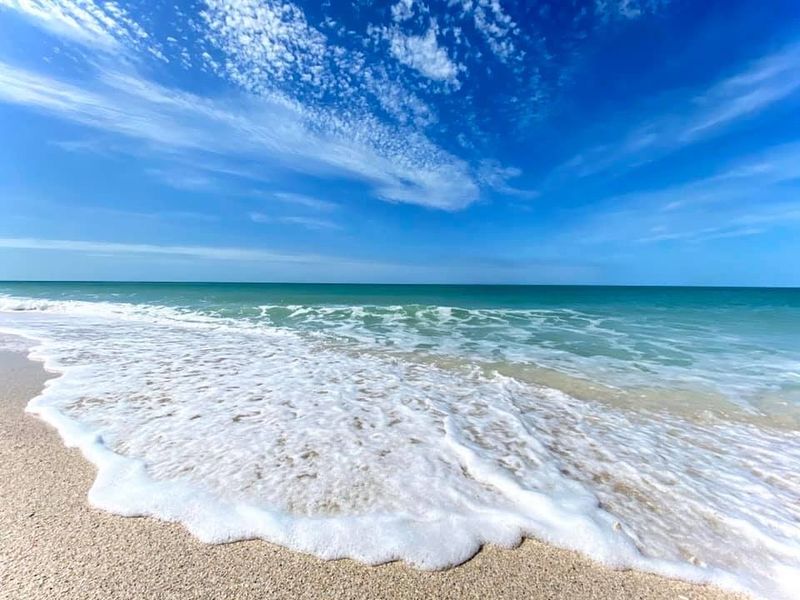
Just north of Venice proper, Nokomis Beach provides another excellent shark tooth hunting location without the crowds that pack Caspersen and Venice Beach during peak season. The same geological forces that make Venice famous extend up the coast, depositing fossils here in similar concentrations. You’ll find the same dark sand patches that signal good hunting spots.
The beach features ample parking, clean facilities, and a more laid-back vibe than its southern neighbors. Families appreciate the gentler slope into the water and the playground equipment near the parking area. Fossil hunters appreciate having more elbow room to work the surf line without constantly dodging other collectors.
Like other area beaches, timing matters here. Early morning low tides produce the best results, especially after storms that churn up offshore sediments. Bring a mesh bag to collect your finds, and consider water shoes since shell fragments can be sharp.
The beach also offers excellent swimming and shelling opportunities, so even if the shark tooth hunting proves slow, you’ll still enjoy your time. Many serious collectors work Nokomis systematically, checking different sections of beach to see where teeth are concentrating on any given day.