It Looks Like Someone Poured Gold Into This Florida Panhandle River
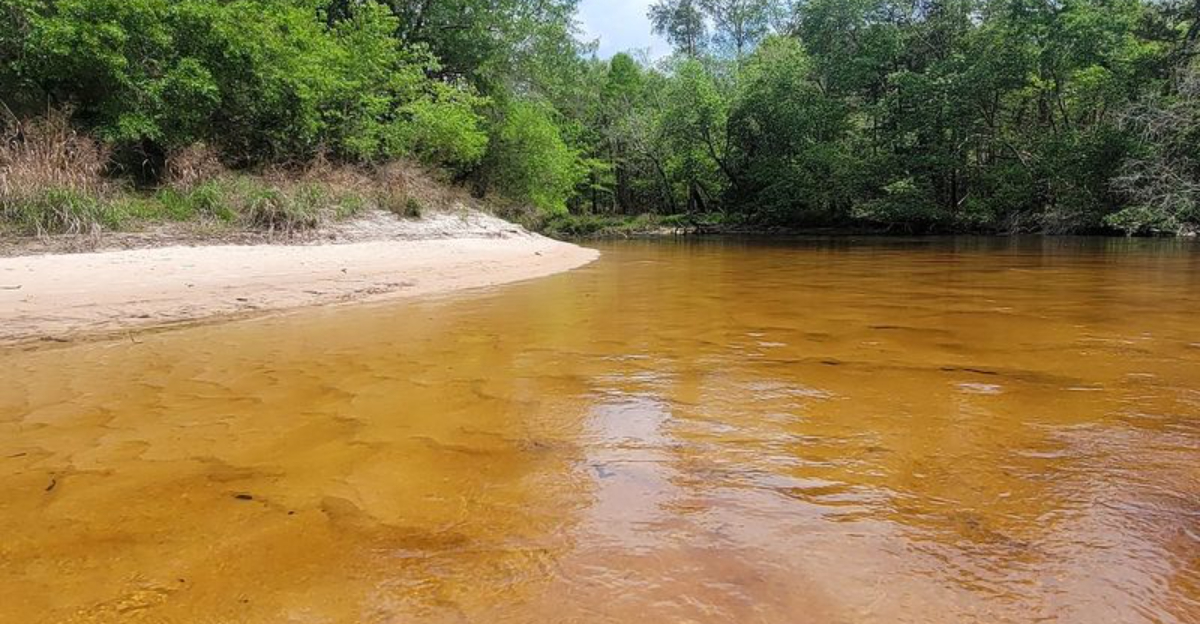
The Blackwater River earns its name from the tannic, tea-colored waters that shimmer like liquid gold under the Florida sun. Located in the Panhandle near Holt, this pristine waterway flows through one of the purest sand-bottom rivers in the world, creating a landscape that feels almost otherworldly. Whether you’re paddling through golden currents or relaxing on sugar-white beaches, Blackwater River State Park offers an escape into nature that’s both breathtaking and surprisingly accessible.
1. That Stunning Golden Water Everyone Talks About
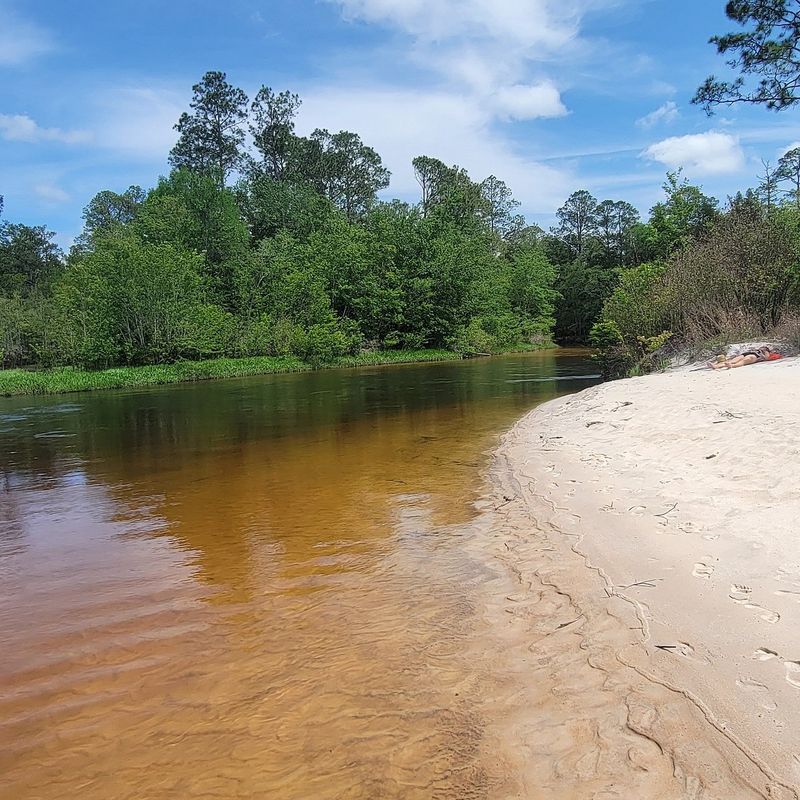
Blackwater River gets its signature golden hue from tannic acid released by decaying leaves and vegetation upstream. The result is water that looks like someone melted down amber and poured it through Northwest Florida. On sunny days, the river practically glows, creating photo opportunities that’ll make your friends think you used a filter.
The tannic water is completely safe for swimming and actually softer on your skin than regular river water. Many visitors describe it as feeling silky smooth. The clarity is remarkable too, you can often see straight to the sandy bottom even in deeper sections.
This natural phenomenon occurs because the river originates in the Conecuh National Forest in Alabama and flows through dense swamplands before reaching the park. The slow-moving current allows sediment to settle, leaving behind that distinctive golden clarity. It’s one of the cleanest rivers in the state, which explains why people travel from all over Florida just to see it.
The color shifts throughout the day as sunlight hits the water at different angles. Early morning produces deeper amber tones, while midday sun creates almost honey-colored shallows near the banks. Photographers absolutely love the golden hour here.
2. Paddling Through Liquid Gold
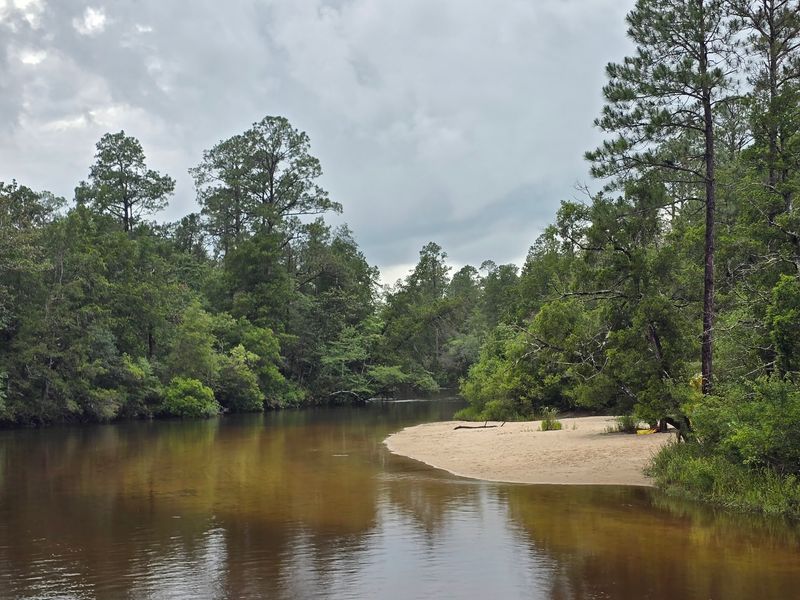
Kayaking the Blackwater River ranks among Florida’s most peaceful paddling experiences. The gentle current does most of the work, letting you focus on the scenery instead of wrestling with rapids. First-timers find it forgiving, while experienced paddlers appreciate the serene beauty and wildlife sightings.
The river averages just three to four feet deep in most sections, with a soft sand bottom that makes accidental groundings no big deal. You’ll glide past towering longleaf pines and white cedar trees that lean over the water like natural archways. Sandbars appear frequently, perfect for pulling over to stretch your legs or have a snack.
Several outfitters near the park offer rentals and shuttle services if you want to do a longer float. A typical three-hour paddle covers about six miles and costs around twenty-five dollars per person. The park itself provides easy launch points right from the campground and day-use areas.
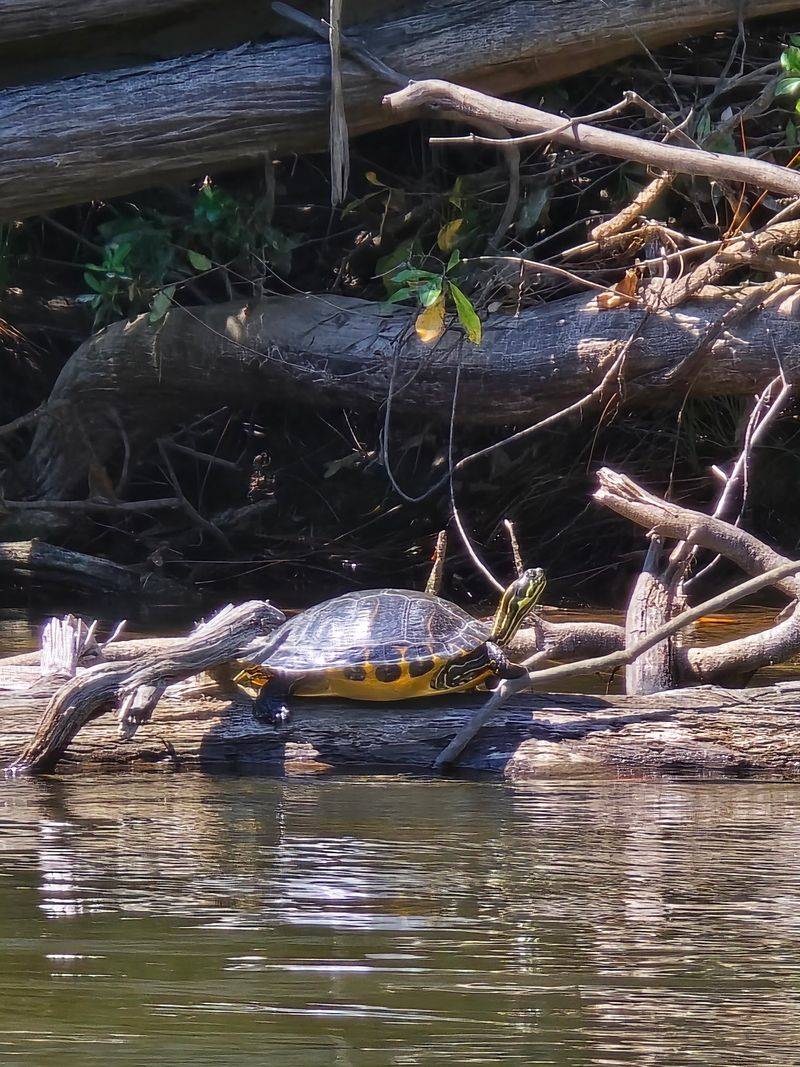
Wildlife spotting happens constantly on the water. Turtles sunbathe on fallen logs, herons stalk the shallows, and if you’re quiet enough, you might spot deer coming down to drink. The river stays cool even in summer, making it a refreshing escape from Florida’s heat.
3. Sugar-White Beaches That Rival the Coast
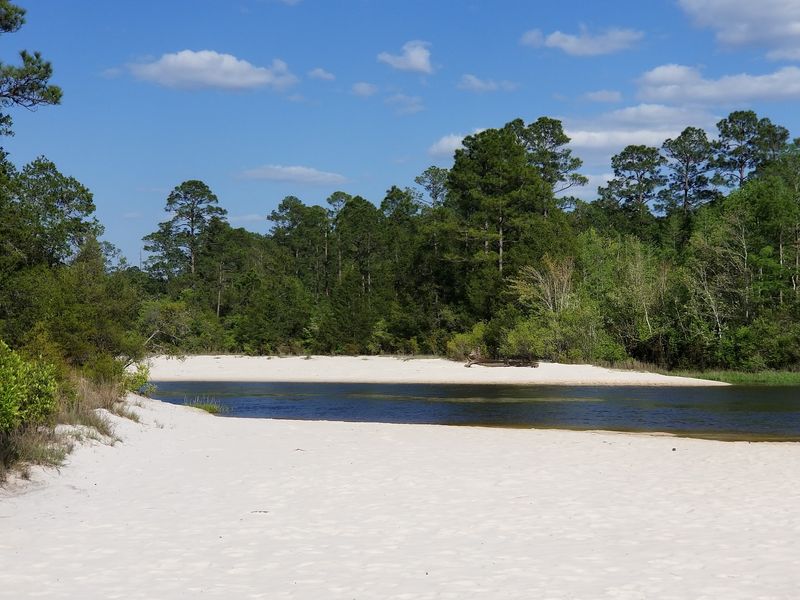
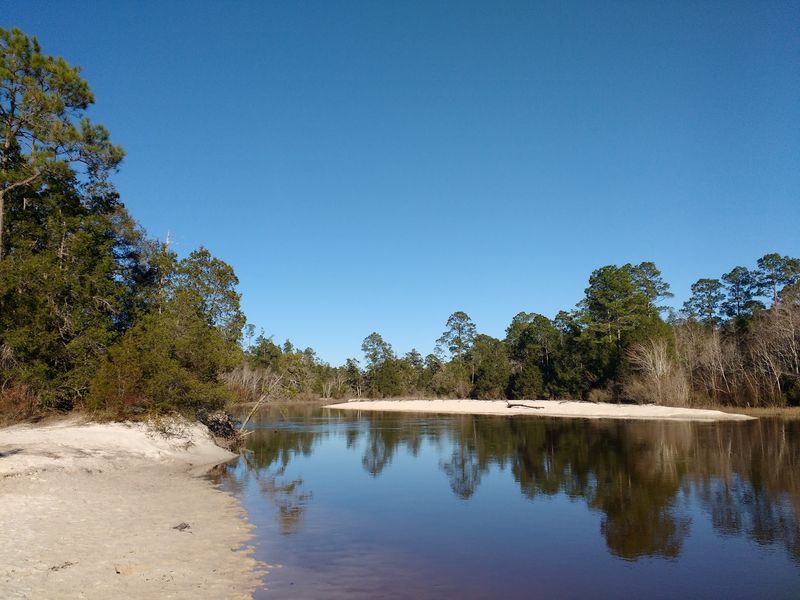
The beaches along Blackwater River surprise visitors who expect typical muddy riverbanks. Instead, you’ll find powder-soft white sand that feels like walking on flour. These aren’t ocean beaches, they’re freshwater sandbars that formed naturally over thousands of years as the river carved its path through ancient dunes.
The main beach area near Deaton Bridge offers the easiest access, with parking just steps away and picnic pavilions nearby. Families spread out blankets while kids build sandcastles and wade in the shallow water. The gentle slope into the river makes it ideal for young children, with depths that gradually increase.
These riverside beaches stay significantly less crowded than Gulf Coast destinations, even during peak summer weekends. You can actually find a quiet spot to yourself, something nearly impossible at Pensacola or Panama City beaches. The four-dollar admission per vehicle makes it one of Florida’s best bargains.
The sand stays surprisingly cool underfoot thanks to shade from surrounding pines. Many visitors bring floating tubes and simply drift in the gentle current before walking back upstream to start again. It’s low-key entertainment that never gets old, especially on hot afternoons when the golden water sparkles in the sunlight.
4. Camping Under Ancient Pines
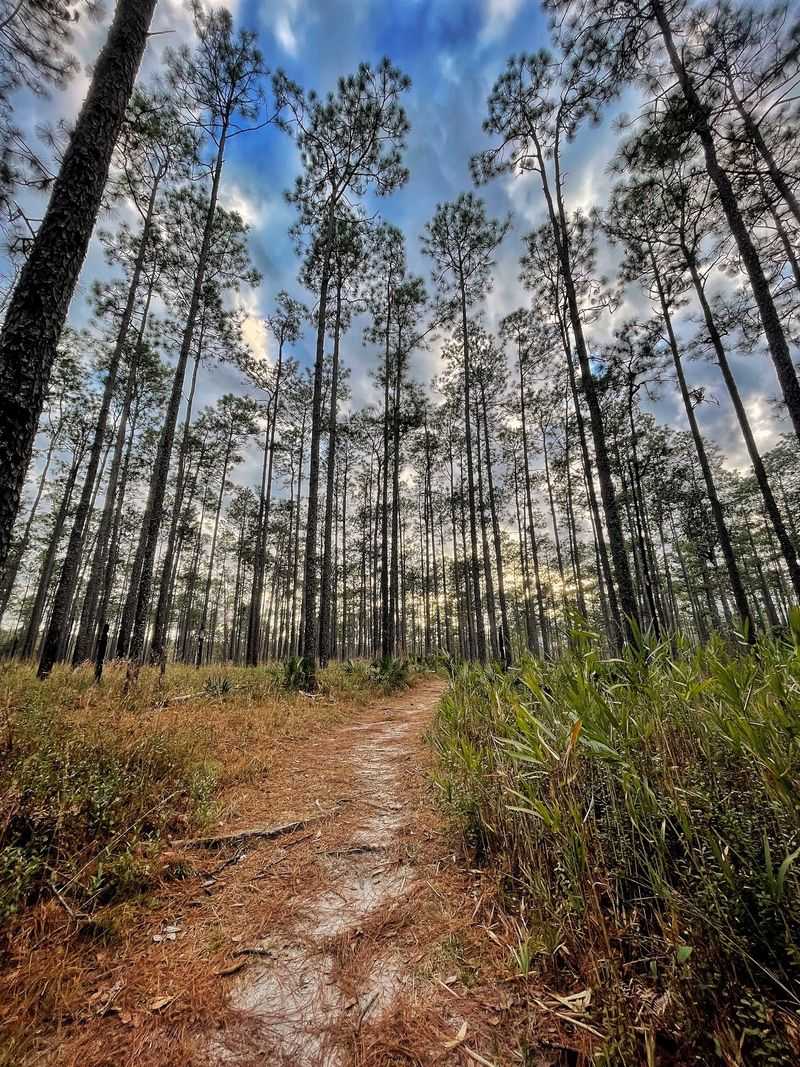
Blackwater River State Park operates thirty immaculately maintained campsites that feel more like a private retreat than a public campground. Each site sits on crushed white gravel that drains perfectly after rain and stays clean enough to walk barefoot. Longleaf pines tower overhead, providing natural shade and that wonderful piney scent.
Full hookups include water, electric (50-amp available), and sewer connections at every site. You’ll also get a charcoal grill, fire ring, picnic table, and even clotheslines for air-drying towels and swimsuits. The spacing between sites offers genuine privacy, with natural vegetation creating visual barriers between neighbors.
Two spotless bathhouses serve the campground, featuring hot showers, clean restrooms, and climate control that actually works. Park rangers collect trash daily, driving through each morning so you don’t have to haul bags to a distant dumpster. These small touches add up to a camping experience that feels thoughtfully managed.
Reservations book quickly for weekends, especially during spring and fall when temperatures perfect themselves. Weekday availability runs higher, and you might snag a last-minute spot by calling ahead. Sites five and six offer concrete pads if you prefer that over gravel.
The campground stays remarkably quiet after the 10 PM cutoff, enforced consistently by attentive staff.
5. Hiking Trails Through Untouched Wilderness
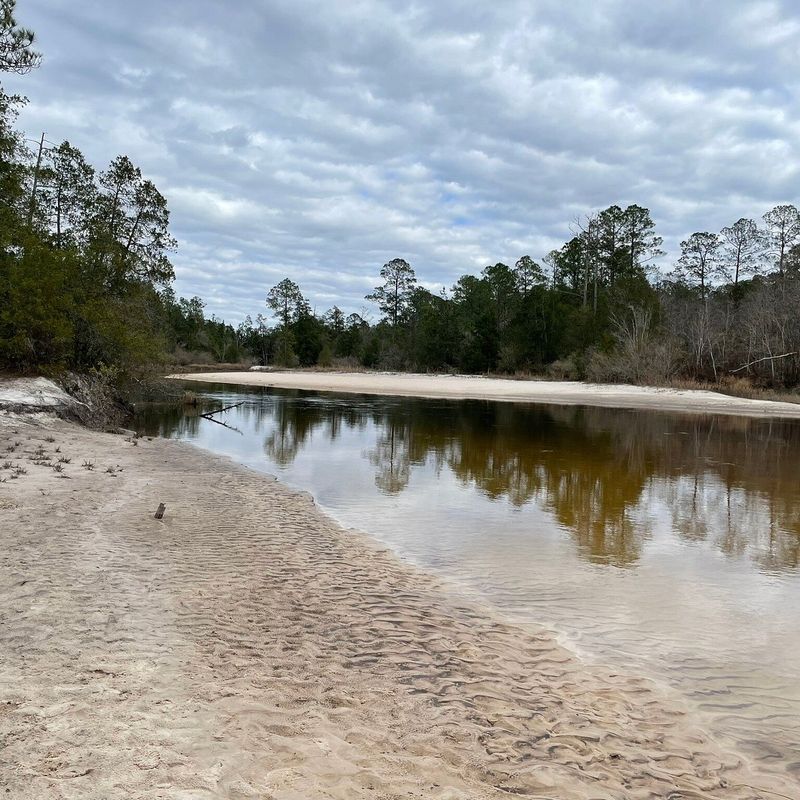
The park’s trail system winds through ecosystems you won’t find just anywhere. The Juniper Creek Trail stretches about three miles through one of Florida’s largest stands of Atlantic white cedar, an increasingly rare tree that thrives in these wet bottomlands. The boardwalk sections keep your feet dry while letting you peer into swampy areas teeming with life.
Chain of Lakes Trail offers easier walking for families with younger kids or anyone wanting a shorter loop. This path connects several small lakes and wetlands, with benches positioned at scenic overlooks. Bird watchers bring binoculars here because the habitat diversity attracts everything from woodpeckers to wading birds.
Most trails stay relatively flat, following the natural contours of the landscape rather than climbing hills. The sandy soil and pine needle carpet make for soft walking, though you’ll want closed-toe shoes for the longer routes. Trail markers appear frequently enough that getting lost would take real effort.
Spring wildflowers transform the understory into colorful displays, while fall brings migrating birds passing through on their way south. Summer hiking works best early morning or late afternoon when temperatures drop and wildlife becomes more active. You’ll often have entire trail sections to yourself, creating that rare feeling of genuine solitude in nature.
6. Historic Deaton Bridge Views
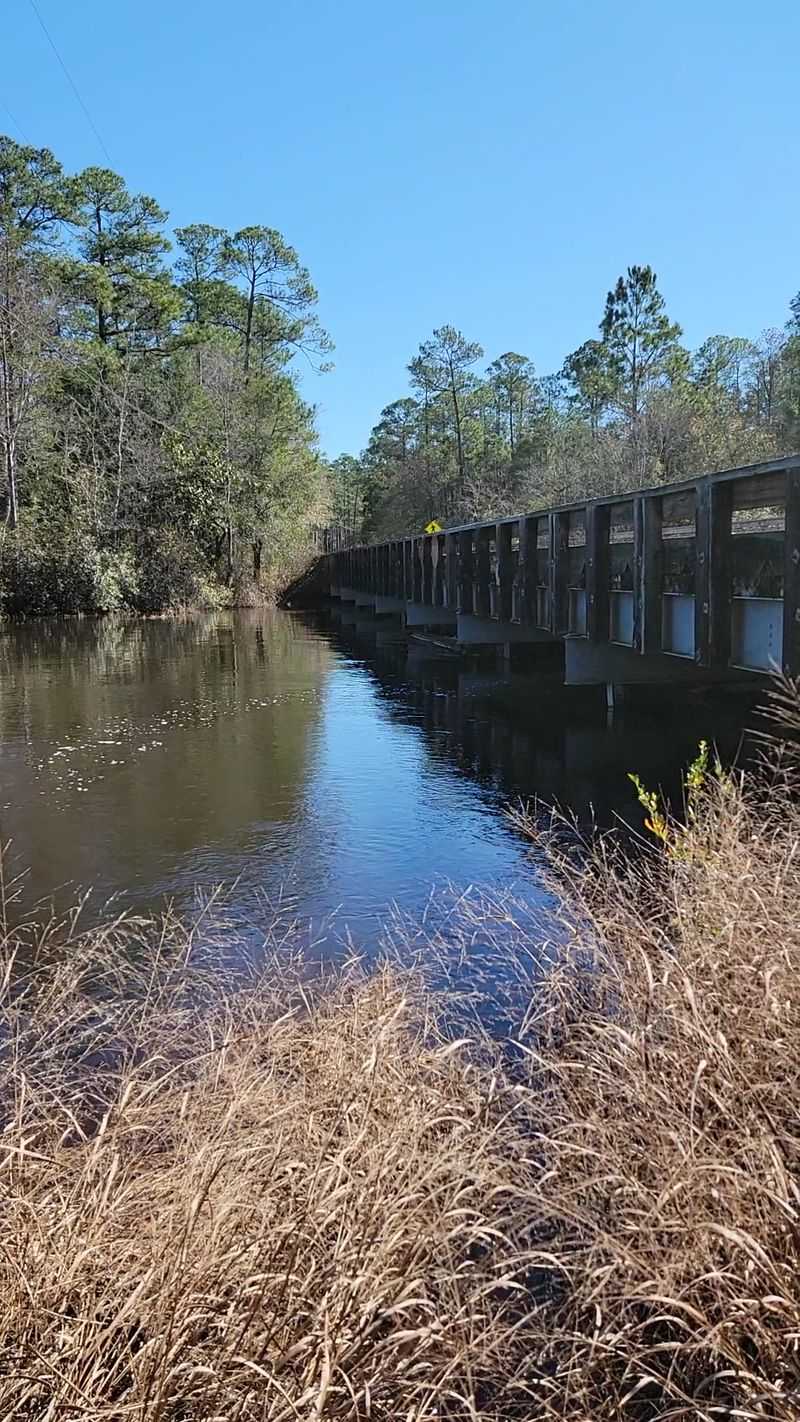
Deaton Bridge serves as the park’s most photographed landmark, spanning the Blackwater River at a spot where the golden water and white sandbars create postcard-perfect views. The bridge itself dates back decades and provides an elevated vantage point that reveals the river’s true beauty. Stand at the railing and watch kayakers glide beneath you while turtles sun themselves on nearby logs.
This location marks the main day-use area, with parking, restrooms, and picnic facilities clustered near the bridge. A short walk down leads to the primary beach area where families gather. The elevation change isn’t dramatic, but it’s enough to give you perspective on how the river winds through the landscape.
Photographers arrive at sunrise to catch the river glowing in early light, when mist sometimes rises from the water’s surface. Sunset works equally well, with golden hour living up to its name as the amber water seems to catch fire. Even midday shots turn out beautifully thanks to the contrast between white sand and dark water.
The bridge area gets busier than remote trail sections, but it never feels overcrowded. People come, take their photos, maybe wade in the river, then move on. It’s the perfect introduction to the park if you’re only stopping for a quick visit on your way through the Panhandle.
7. Wildlife Watching in Every Direction
Blackwater River State Park functions as a wildlife sanctuary where animals go about their business largely undisturbed by human activity. White-tailed deer appear so frequently that spotting one becomes expected rather than exciting. They’re often seen near the river in early morning or at dusk, completely unfazed by quiet observers.
The river itself hosts healthy populations of turtles, including soft-shell varieties that poke their snouts above water like tiny periscopes. Bass and bream swim in the clear shallows, visible against the sandy bottom. Alligators do live here, though sightings remain uncommon compared to other Florida waterways, likely because the cooler water temperatures don’t suit them as well.
Bird enthusiasts keep busy identifying species in the diverse habitats. Great blue herons stalk the shallows with prehistoric patience. Woodpeckers hammer away at dead pines.
Ospreys occasionally dive for fish, creating dramatic splashes. During migration seasons, warblers and other songbirds pass through in impressive numbers.
The key to successful wildlife watching here involves moving slowly and staying quiet. Animals tolerate your presence when you’re not crashing through the woods or shouting. Bring binoculars for distant viewing, and consider downloading a bird identification app before your visit.
The park’s relatively undeveloped nature means wildlife populations stay robust and active throughout the day.
8. That Unbeatable Four-Dollar Adventure
The entire park experience costs just four dollars per vehicle for a full day of access. That single fee covers parking at any of the lots scattered along the entrance road, use of all trails, beach access, picnic facilities, and restrooms. It’s the kind of value that seems impossible in modern Florida tourism.
Your four dollars buys entry for everyone in your vehicle, not per person. A family of six pays the same as a solo visitor. The fee station operates on an honor system when rangers aren’t present, you drop cash in an envelope and display your receipt on the dashboard.
This old-school approach somehow still works.
Compare that to Gulf Coast beach parking that can hit twenty-five dollars or more, or theme parks charging triple digits per person. Blackwater River State Park delivers genuine natural beauty, well-maintained facilities, and memorable experiences for less than a fancy coffee costs. It’s one of Florida’s last true bargains.
The affordable entry makes the park accessible to families on tight budgets who still want quality outdoor time. You can visit multiple times without breaking the bank, and many locals do exactly that, treating it as their regular weekend escape. Even camping rates stay reasonable at around twenty-four dollars per night with full hookups, far below private campground prices in the area.