No Boat Needed to Spot Wild Manatees at These 10 Florida Locations
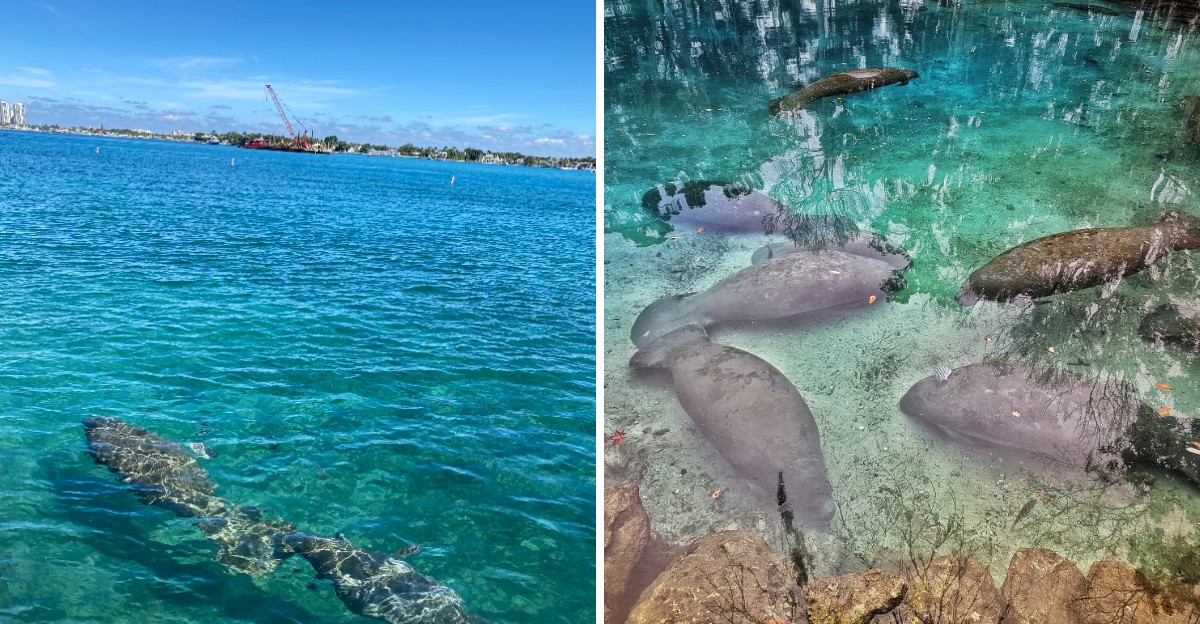
Manatees are some of Florida’s most beloved and gentle creatures, and you don’t need a boat or special tour to see them up close. Across the state, there are several spots where these amazing animals swim right up to shore, letting you watch them from boardwalks, observation decks, and park trails. Whether you’re visiting during the cooler months when manatees gather in warm springs or exploring year-round habitats, these accessible locations make it easy for anyone to experience the magic of meeting a manatee face-to-face.
1. Blue Spring State Park – Orange City
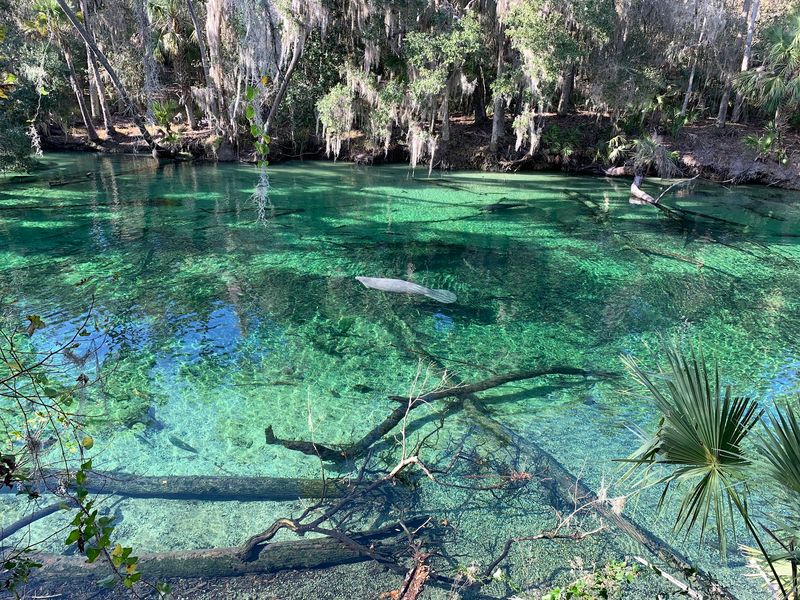
Every winter, hundreds of manatees make their way to Blue Spring, turning this quiet state park into one of the best manatee-watching spots in Florida. The spring stays a steady 72 degrees year-round, which feels like a warm bath to manatees when the outside water gets cold. From November through March, you can stand on the boardwalk and count dozens of these gentle giants floating, rolling, and snoozing just a few feet below.
The park has a raised wooden walkway that follows the spring run all the way from the spring head to the St. Johns River. Rangers are usually stationed along the path with counting tools, and they’re happy to answer questions about the manatees you’re seeing. Some visitors bring binoculars, but honestly, the manatees get so close you can see their whiskers and the algae on their backs without any help.
Arriving early in the morning gives you the best chance to see large groups. Manatees tend to be most active at dawn, and the park can get crowded later in the day, especially on weekends. There’s a small entrance fee per vehicle, and the park also has trails, picnic areas, and a museum if you want to make a full day of it.
Blue Spring is about 30 minutes north of Orlando, making it an easy day trip if you’re visiting the theme parks but want a break from the crowds. Just remember that swimming isn’t allowed during manatee season to protect the animals.
2. Three Sisters Springs – Crystal River
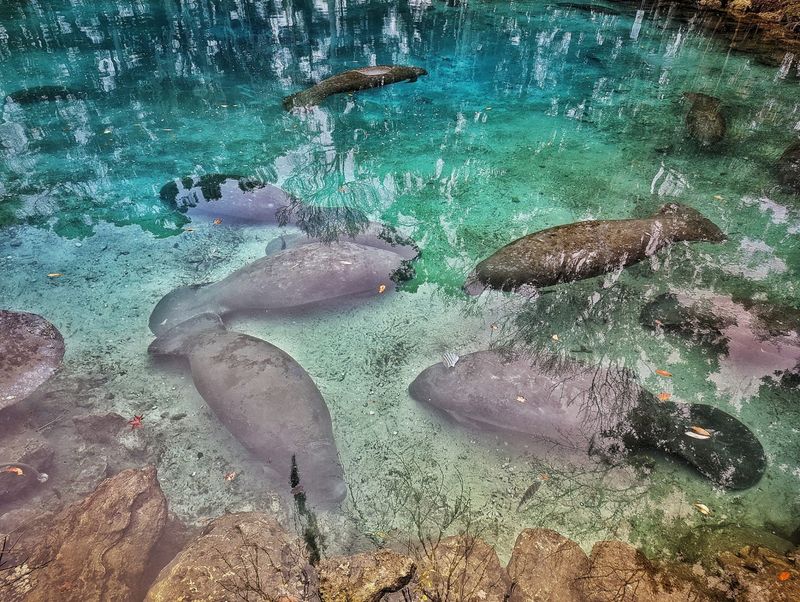
Three Sisters Springs is famous worldwide as the place where manatees and people can share the same water. During the colder months, over 500 manatees crowd into this small spring system, creating one of the most incredible wildlife scenes you’ll ever witness. Even if you don’t want to get in the water, the elevated boardwalk offers stunning views straight down into the springs where manatees rest, nurse their babies, and interact with each other.
The boardwalk winds through the spring area and has several observation platforms where you can stop and watch. On sunny days, the water is so clear you can see every detail, from the scars on older manatees to the tiny babies staying close to their mothers. Interpretive signs along the path explain manatee behavior and the importance of protecting their habitat.
If you do want to snorkel or kayak with manatees, Crystal River is one of the only places in the United States where it’s legal, but strict rules apply. You can’t touch, chase, or disturb them in any way. Many visitors are perfectly happy just watching from above, where the view is honestly just as good and you don’t have to worry about getting cold or wet.
The springs are managed by the U.S. Fish and Wildlife Service, and there’s no entrance fee for the boardwalk area. Parking can fill up fast during peak manatee season, so arriving early or visiting on a weekday helps.
The nearby town of Crystal River has restaurants and shops within walking distance.
3. Manatee Park – Fort Myers
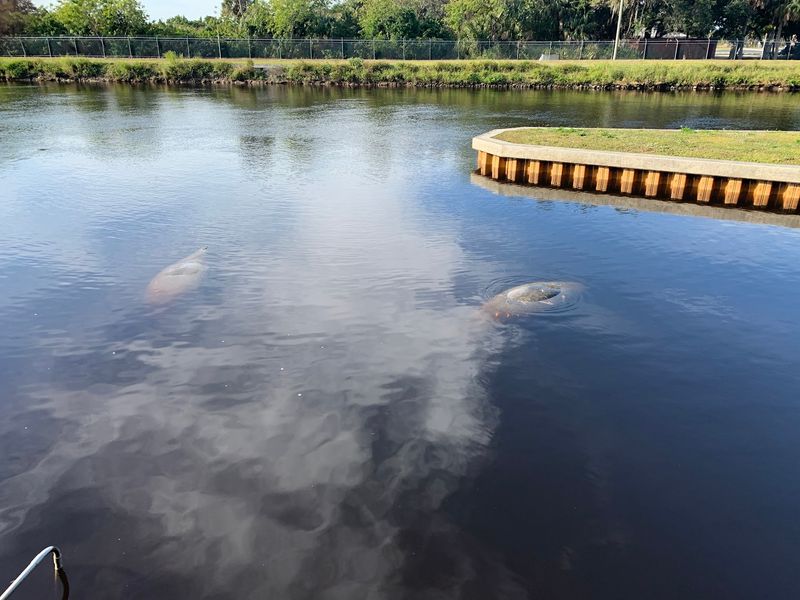
Manatee Park sits right next to a power plant, which might sound strange until you learn that manatees love the warm water that flows out of the plant’s cooling system. When temperatures drop, manatees leave the chilly Gulf of Mexico and head straight for this artificial hot spot. The park has built viewing areas, boardwalks, and an education center specifically for visitors who want to see these animals without disturbing them.
The main observation deck overlooks the canal where manatees gather, sometimes stacking up like logs as they soak in the warmth. On the coldest days, you might see 300 or more manatees in one spot. Park staff and volunteers are usually on hand to point out interesting behaviors and answer questions about individual manatees they recognize.
Besides the manatee viewing, the park has kayak and canoe rentals if you want to paddle the nearby Orange River, though you have to stay away from the manatee zone during season. There are also nature trails, a butterfly garden, and picnic pavilions, making it a nice spot for families. Kids especially love the hands-on exhibits in the education center.
Admission to Manatee Park is free, but there’s a small parking fee. The best viewing happens from November through April when the water elsewhere gets too cold for manatees. During warmer months, the manatees spread out into the Gulf and rivers, so you might not see any at all.
Check the park’s manatee count online before you visit.
4. Manatee Lagoon – West Palm Beach
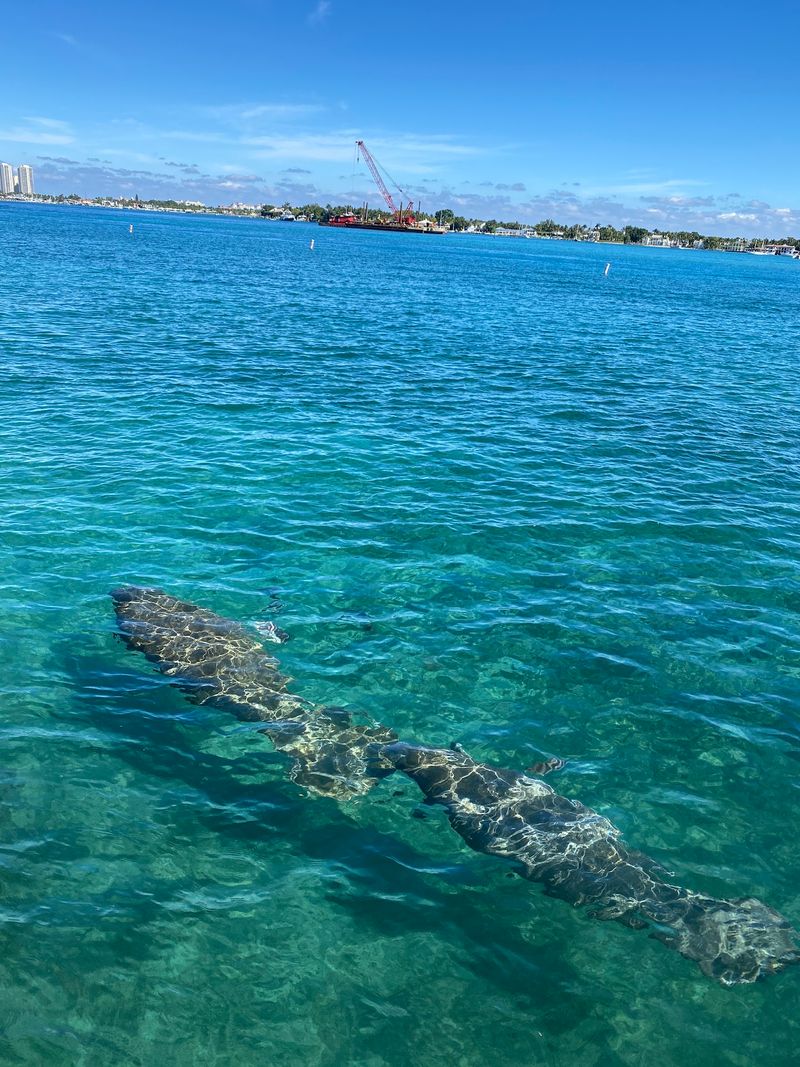
Manatee Lagoon is part education center, part viewing platform, and completely free to visit. Built by Florida Power and Light, this modern facility sits right on the Intracoastal Waterway where warm water from the nearby power plant attracts manatees by the dozens. Floor-to-ceiling windows let you watch manatees while staying comfortable in air conditioning, which is a nice bonus on hot Florida days.
Inside, interactive exhibits teach you about manatee biology, threats they face, and conservation efforts to protect them. There’s a kids’ area with games and activities, plus a rooftop deck that offers a bird’s-eye view of the lagoon. When manatees are present, you can see them surfacing to breathe, mothers teaching their calves, and sometimes even playful behavior between younger animals.
The center also has live cameras that stream underwater footage, so even if the manatees are hanging out in deeper water, you can still get a close look. Staff members give regular talks about manatee habits and answer questions from visitors. There’s a small gift shop if you want to pick up a manatee-themed souvenir.
Peak manatee season runs from November through March, but the center is open year-round with other exhibits about Florida’s coastal environment. It’s located just off the main highway in Riviera Beach, making it easy to stop by even if you’re just passing through. Free admission and free parking make this one of the best bargains for manatee watching in Florida.
5. Manatee Springs State Park – Chiefland
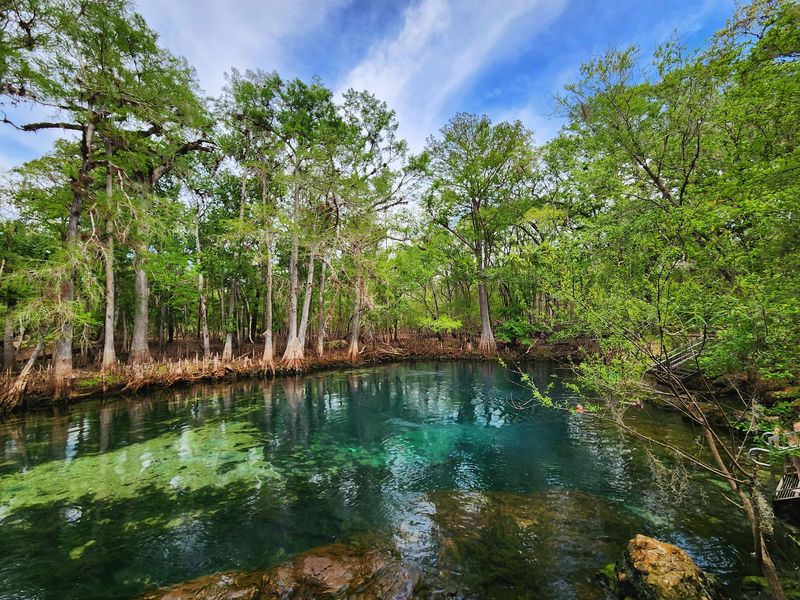
Manatee Springs pumps out 100 million gallons of crystal-clear water every single day, creating a first-magnitude spring that stays 72 degrees no matter what the weather does. The spring forms a short run that flows into the Suwannee River, and manatees travel up from the river to warm up during cold snaps. A boardwalk follows the spring run, giving you a perfect view of any manatees that decide to visit.
Unlike some other manatee spots, this park doesn’t always have manatees present. They show up mainly when the Suwannee River gets cold, usually from late fall through early spring. On warmer days, you might not see any, but the spring itself is worth the trip even without manatees.
The water is so clear you can see fish, turtles, and underwater plants in amazing detail.
The park allows swimming in the spring during warmer months when manatees aren’t around, and it’s a popular spot for snorkeling and diving. When manatees are present, swimming is restricted to protect them. There are also hiking trails, a campground, and picnic areas scattered throughout the park’s 2,075 acres of natural North Florida landscape.
Manatee Springs is located in the Big Bend region of Florida, about two hours northwest of Orlando. The area feels more remote and wild than the tourist-heavy springs closer to the cities. Entrance fees are charged per vehicle, and the park can get busy on weekends during the summer swimming season.
6. Manatee Sanctuary Park – Cape Canaveral
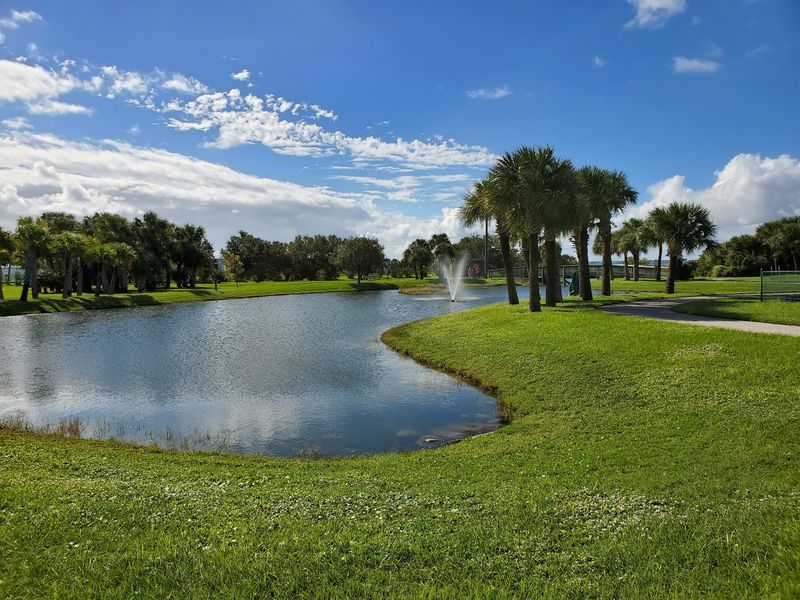
Tucked away in a quiet neighborhood near Port Canaveral, this little park surprises first-time visitors with how many manatees call it home. The park sits along a canal that connects to the Banana River, and manatees use it as a resting spot year-round. Unlike many other locations, you don’t have to wait for winter to see manatees here, though numbers do increase when the water temperature drops.
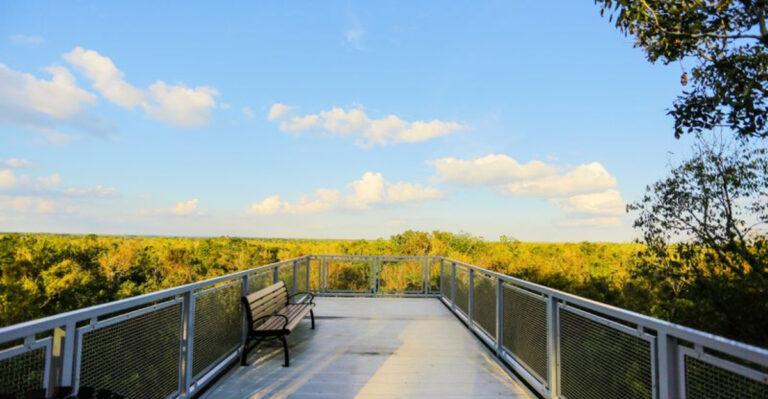
A wooden observation deck extends out over the water, putting you right above where manatees like to hang out. The canal is fairly shallow, so manatees are easy to spot when they come up to breathe. Mothers with calves are common, and watching the babies learn to surface and dive is adorable.
The park is small, just a single deck and a grassy area, but that’s part of its charm.
Because it’s in a residential area, the park stays quiet most of the time. There’s no entrance fee, and parking is free but limited to just a few spots. It’s a great place to stop for 20 or 30 minutes if you’re in the area visiting the Space Coast.
Bring your camera, because the manatees often come close enough for great photos.
The park doesn’t have restrooms or other facilities, so plan accordingly. It’s also a good idea to bring bug spray, especially during the summer months when mosquitoes can be thick. Early morning or late afternoon visits tend to offer the best manatee sightings.
7. Manatee Observation Deck – Mims
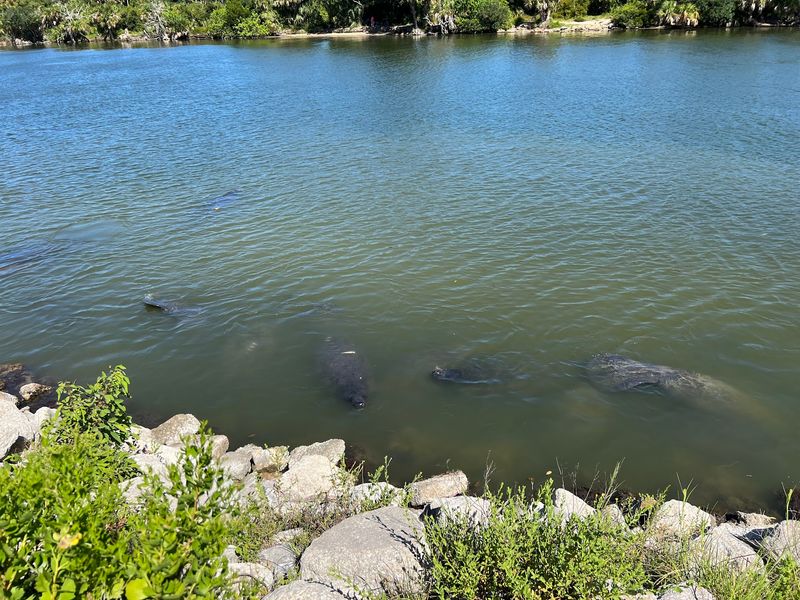
The Mims observation deck is another power plant location where manatees gather to enjoy artificially warmed water during cold weather. Owned and operated by Florida Power and Light, this free facility offers a simple but effective setup: a raised deck that overlooks the discharge canal where dozens of manatees congregate when temperatures fall. It’s less crowded than some of the more famous spots, making it perfect for a peaceful manatee-watching experience.
The deck is open during daylight hours throughout manatee season, typically November through March. On the coldest days, you might count 50 or more manatees packed into the canal, all trying to stay in the warmest water. Volunteers are often present to share information about the manatees and help spot individuals in the water.
There aren’t many amenities here beyond the viewing deck itself, but that’s okay because the manatees are the main attraction. The location is fairly easy to find off State Road 46, and parking is free. It’s a short walk from the parking area to the deck, making it accessible for most visitors.
Combining a visit here with nearby Merritt Island National Wildlife Refuge makes for a great day of wildlife watching. The refuge is home to hundreds of bird species, alligators, and other Florida animals. Just remember that manatees won’t be at the observation deck during warm months since they don’t need the heated water, so check conditions before making a special trip.
8. Round Island Riverside Park – Vero Beach
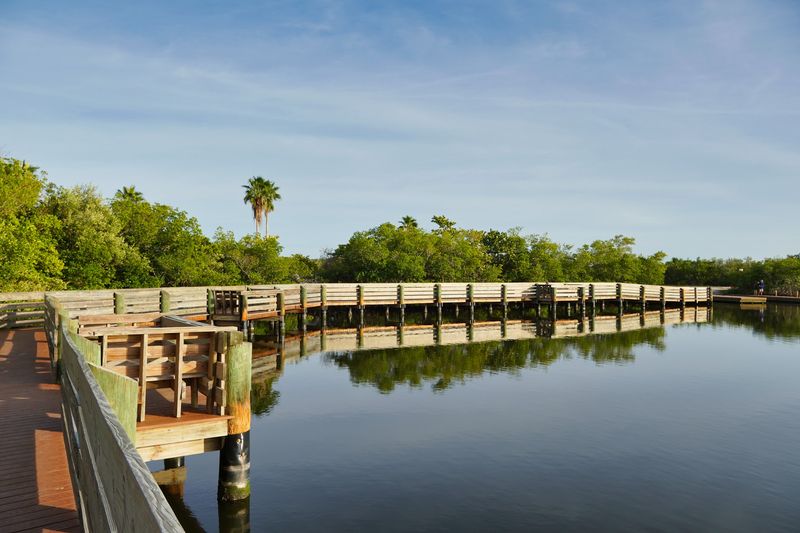
Round Island Riverside Park combines beautiful waterfront views with excellent manatee watching, all in a well-maintained public park that locals love. The park sits along the Indian River Lagoon, which serves as important manatee habitat year-round. A designated manatee viewing area with informational signs helps visitors understand what they’re seeing and why protecting this habitat matters so much.
Manatees are present throughout the year, but winter brings the highest numbers as they seek warmer water near natural springs and warm-water outflows in the area. The park’s location along a wide stretch of the lagoon means manatees have plenty of room to move around, so sometimes you’ll see them close to shore and other times they’ll be farther out. Patience usually pays off.
Beyond manatee watching, Round Island Park offers walking trails, fishing spots, picnic pavilions, and a playground for kids. It’s a popular spot for families who want to combine wildlife viewing with other outdoor activities. The park is well-shaded with mature trees, making it comfortable even on warm days.
There’s a small parking fee for non-residents, but it’s worth it for the quality of the facilities. Restrooms, water fountains, and plenty of benches are available throughout the park. The park also hosts occasional environmental education programs, so check their schedule if you’re interested in learning more about the Indian River Lagoon ecosystem.
Vero Beach itself is a charming coastal town worth exploring if you have extra time.
9. Fanning Springs State Park – Fanning Springs
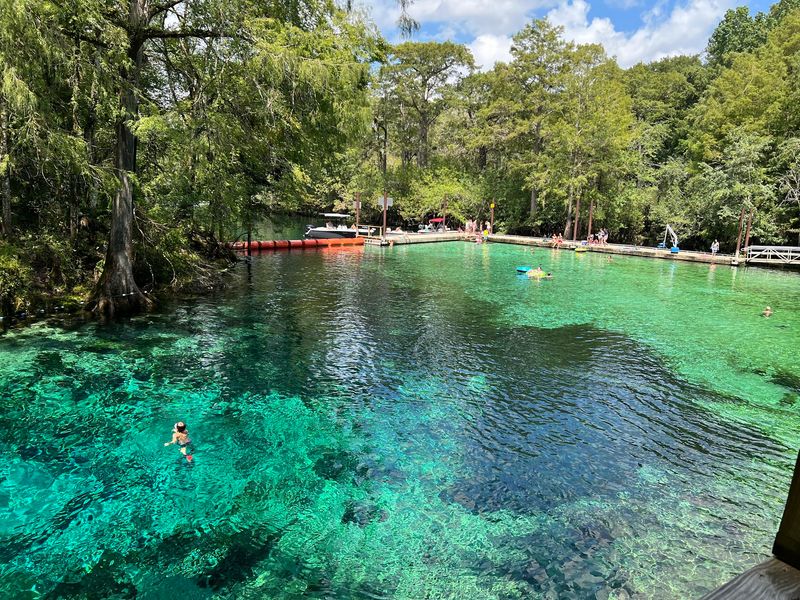
Fanning Springs is a hidden gem in North Florida’s Big Bend region, where the Suwannee River creates a maze of springs, swamps, and wild shorelines. The spring at Fanning Springs State Park is smaller than some of the more famous ones, but manatees still find it and use it as a warm-water refuge when the river gets cold. A short boardwalk and observation deck make it easy to spot them when they’re present.
The spring produces about 65 million gallons of water daily, keeping the temperature at a constant 72 degrees. Manatees typically show up from November through March, though exact timing depends on weather conditions. On days when they’re there, you might see anywhere from a handful to several dozen gathered in the spring run.
Swimming is allowed in the spring during warmer months when manatees aren’t around, and it’s a refreshing break from Florida’s summer heat. The park also has a nature trail, picnic areas, and a boat ramp for those who want to explore the Suwannee River. The surrounding forest is thick with cypress trees and Spanish moss, giving the whole area a wild, old-Florida feel.
Fanning Springs is located in a rural part of the state, about an hour west of Gainesville. The small-town atmosphere and lack of crowds make it a nice alternative to busier manatee spots. Entrance fees are charged per vehicle, and the park is open from sunrise to sunset daily.
Bring insect repellent if you plan to walk the nature trail.
10. Edward Ball Wakulla Springs State Park – Wakulla Springs
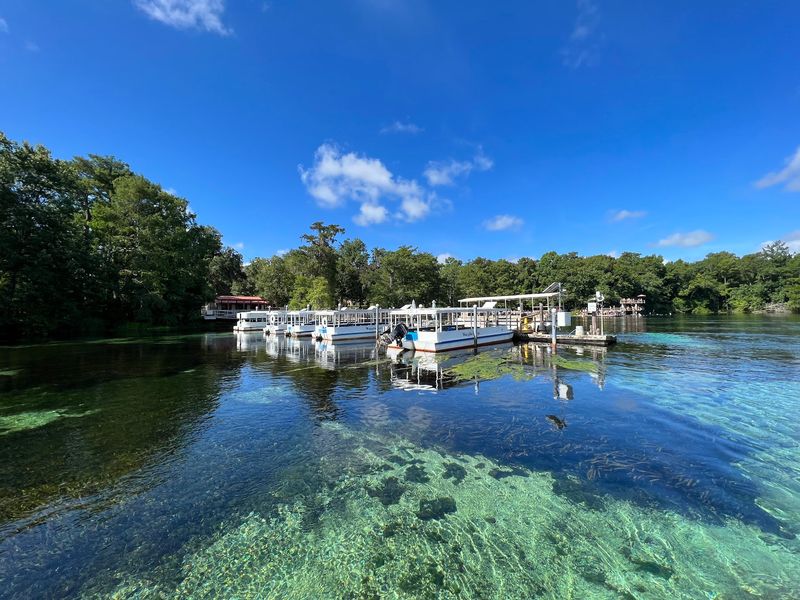
Wakulla Springs is one of the world’s largest and deepest freshwater springs, and it’s been attracting visitors since the 1930s when a grand lodge was built on its banks. The spring basin is so deep and clear that glass-bottom boat tours can show you fish, turtles, and sometimes manatees swimming far below the surface. Even from the swimming platform and observation areas on shore, you can often spot manatees when they visit the spring.
Manatees don’t live at Wakulla Springs year-round, but they do travel up from the Gulf of Mexico and into the Wakulla River, especially during cooler months. When they’re present, the boat tours offer an amazing way to see them from above while learning about the spring’s ecology and history. The spring stays a constant 70 degrees, making it attractive to manatees seeking warmth.
The park is also famous for its wildlife beyond manatees. Alligators, wading birds, and even the occasional black bear can be spotted along the river during boat tours. The historic lodge is worth exploring, with its marble floors, hand-painted ceilings, and old-Florida charm.
You can even stay overnight if you want to make it a longer visit.
Swimming is allowed in a designated area of the spring, and the water is incredibly refreshing and clear. There’s a diving platform for those brave enough to jump into the chilly water. The park charges an entrance fee per vehicle, and boat tour tickets are sold separately.
It’s located about 15 miles south of Tallahassee.