Rent Near $850 Makes This Small Florida Town One of the State’s Most Interesting Bargains
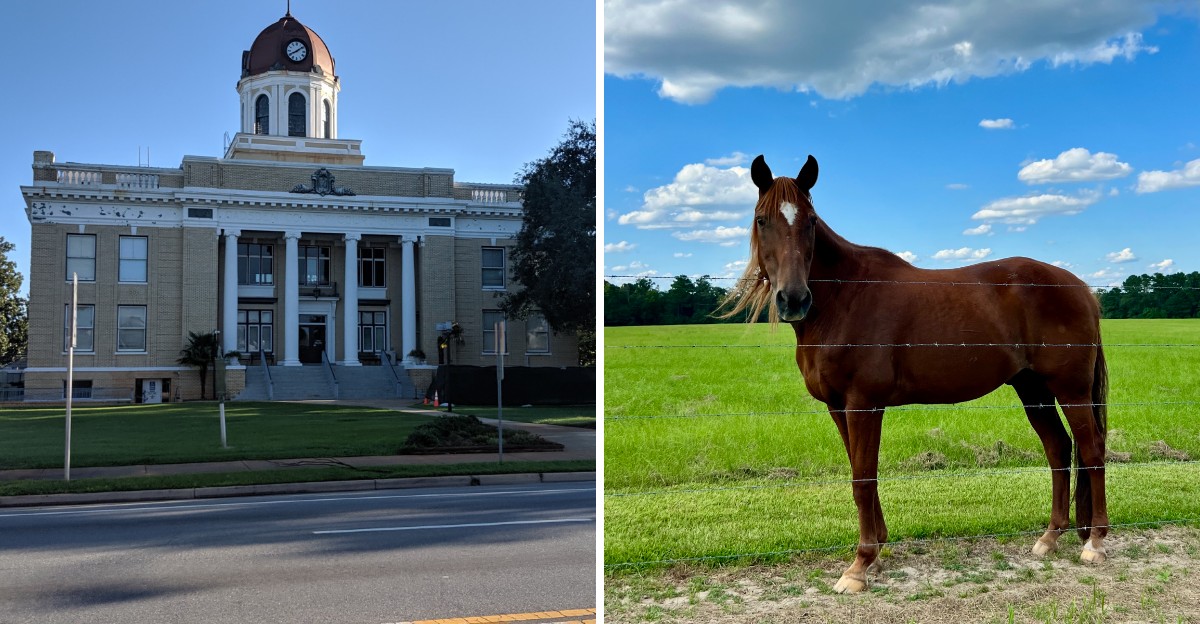
Quincy sits just northwest of Tallahassee, offering something rare in Florida today: genuinely affordable living without sacrificing charm or convenience. With average rents hovering around $850, this Gadsden County seat of roughly 8,000 residents delivers small-town character, historic architecture, and access to both nature and city amenities. If you’re hunting for a Florida home base that won’t drain your bank account, Quincy deserves a serious look.
Affordable Housing Without the Compromise
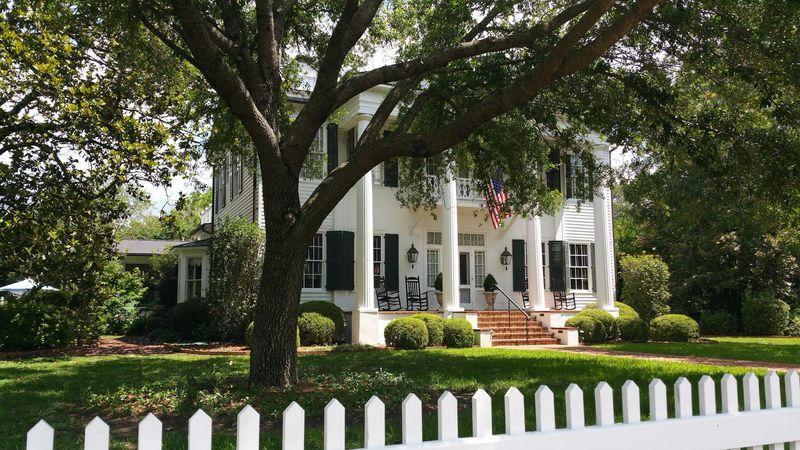
Finding a rental under $900 in Florida feels almost impossible these days, but Quincy breaks that pattern. The town’s housing market stays refreshingly reasonable, with one-bedroom apartments often landing between $700 and $850 and two-bedroom options rarely pushing past $1,000. You’re not settling for run-down units either.
Many rentals occupy older homes with hardwood floors, front porches, and actual yards.
The affordability extends beyond apartments. Single-family home rentals pop up regularly, giving families room to spread out without the sticker shock common in Tampa or Jacksonville. Property managers here tend to be local folks who actually answer their phones, not faceless corporations running hundreds of units.
That personal touch makes maintenance requests and lease questions far less frustrating.
Location plays a huge role in these prices. Quincy sits about 20 minutes from Tallahassee, close enough for commuters but far enough to dodge the capital city’s inflated costs. You get access to bigger-city jobs and amenities while paying small-town rates.
Grocery stores, gas stations, and basic services all sit within town limits, so you’re not sacrificing convenience for savings.
The low cost of living goes beyond rent too. Utilities run cheaper in smaller communities, and property taxes stay manageable for those considering a purchase down the line. Restaurants and local shops price their goods reasonably, meaning your dollar stretches further on everyday expenses.
You can actually build savings here instead of watching every paycheck vanish into housing costs.
For young professionals, retirees on fixed incomes, or families trying to get ahead financially, Quincy offers breathing room. The town proves you don’t need to abandon Florida or move to the middle of nowhere to find affordable housing. Sometimes the best bargains hide in plain sight, tucked between the bigger cities everyone else is chasing.
Historic Downtown With Real Character
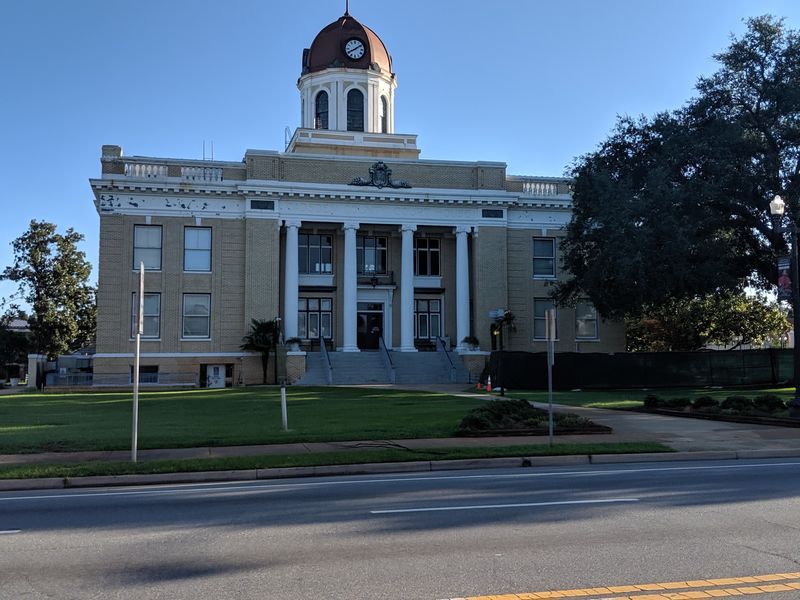
Walking through downtown Quincy feels like stepping back seventy years, in the best possible way. The courthouse square anchors everything, surrounded by two-story brick buildings that actually house functioning businesses, not just Instagram backdrops. Antique stores, law offices, a handful of restaurants, and specialty shops occupy these historic structures, creating a genuine town center where people gather and interact.
The architecture tells Quincy’s story as a once-wealthy tobacco town. Buildings from the late 1800s and early 1900s feature detailed brickwork, tall windows, and decorative cornices you just don’t see in modern construction. The Gadsden Arts Center operates from a restored 1912 building, hosting rotating exhibitions and community events.
These aren’t museum pieces behind velvet ropes but working spaces that serve today’s residents.
Local businesses give downtown its personality. You’ll find a proper hardware store where staff know their inventory, not a big-box chain. The coffee shop serves locals catching up on gossip, not laptop warriors hunting WiFi.
A few antique dealers specialize in Southern furniture and collectibles, drawing weekend browsers from Tallahassee and beyond. It’s refreshingly unpretentious.
Events bring the square to life throughout the year. The town hosts festivals, farmers markets, and holiday celebrations that actually draw crowds because there’s genuine community buy-in. People know their neighbors here, and downtown serves as the natural gathering spot.
You can park for free, walk everywhere, and bump into familiar faces.
Unlike many small Florida towns where historic districts sit empty and sad, Quincy’s downtown functions. Sure, it’s not packed with trendy boutiques or craft breweries, but that’s part of the appeal. The buildings maintain their dignity, businesses serve real needs, and the pace stays human-sized.
For anyone tired of soulless strip malls and cookie-cutter developments, downtown Quincy offers something increasingly rare: authenticity without trying too hard.
Twenty Minutes From Tallahassee’s Resources
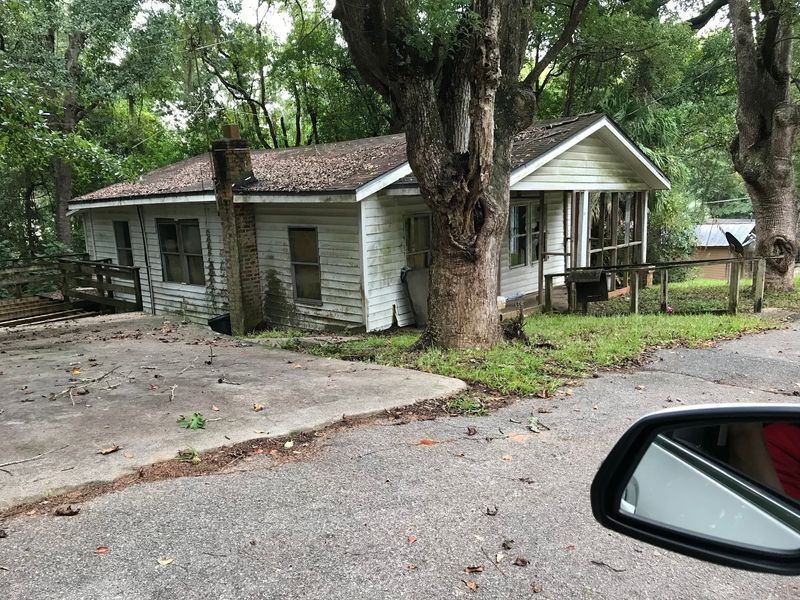
Geography hands Quincy a major advantage. Tallahassee sits barely fifteen miles east, making the capital city’s resources completely accessible without requiring you to live there. The commute takes about twenty minutes on US-90, a straight shot that avoids the traffic nightmares plaguing bigger Florida metros.
You can work in Tallahassee, enjoy its restaurants and entertainment, then retreat to Quincy’s quiet streets.
This proximity matters for employment. Tallahassee hosts state government jobs, Florida State University, Florida A&M University, and Tallahassee Community College, creating thousands of positions across education, administration, healthcare, and research. Many employees choose Quincy specifically for the lower housing costs, pocketing the difference between Tallahassee rents and their own.
The math works beautifully when you’re saving $400-$600 monthly on housing alone.
Healthcare access improves dramatically with Tallahassee nearby. Tallahassee Memorial HealthCare and Capital Regional Medical Center provide full-service hospitals with specialists and emergency care. Quincy has basic medical services, but knowing advanced care sits twenty minutes away provides peace of mind.
The same goes for shopping, with Tallahassee offering everything from Target and Costco to specialty retailers Quincy can’t support.
Entertainment and dining options multiply too. Tallahassee brings college sports, live music venues, theater productions, and restaurant variety Quincy’s 8,000 residents simply can’t sustain. Catching a FSU football game, hitting a concert, or trying a new cuisine becomes an easy evening trip, not a major expedition.
You get small-town living with big-city amenities on demand.
The reverse commute works for Tallahassee residents too. Quincy’s antique shops, quieter parks, and small-town festivals attract weekend visitors looking to escape the capital’s bustle. But for Quincy residents, that proximity represents the best of both worlds: affordable housing, lower stress, and genuine community, with everything Tallahassee offers just minutes away when you need it.
It’s strategic living at its finest.
Lake Talquin’s Outdoor Playground
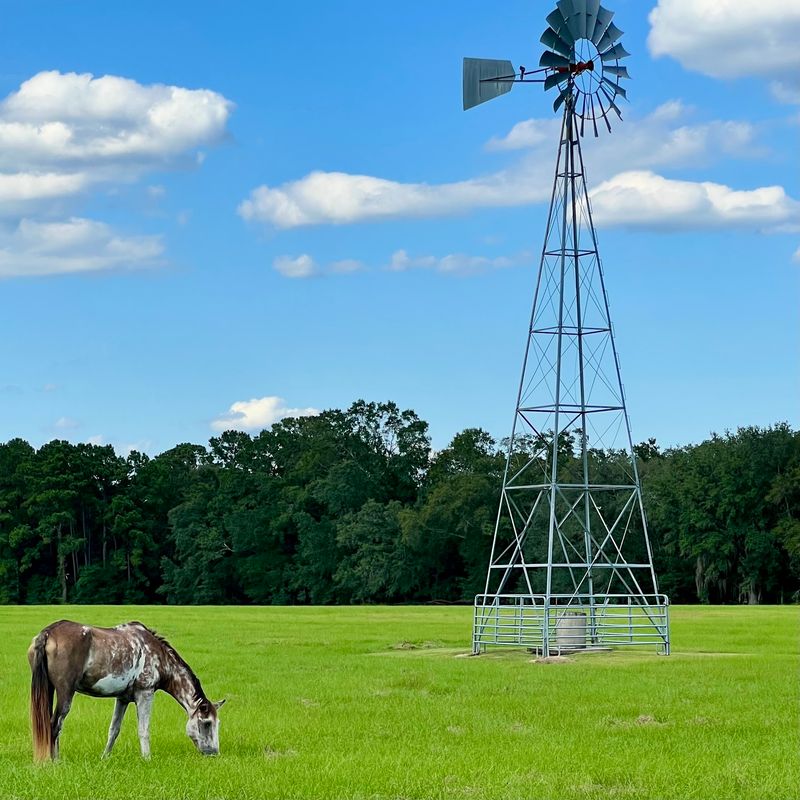
Lake Talquin sprawls across 8,800 acres just south of Quincy, creating a massive outdoor recreation zone that most Florida towns would envy. This reservoir on the Ochlockonee River offers fishing, boating, kayaking, and wildlife watching without the crowds choking more famous Florida waterways. Locals treat it as their backyard, launching boats from multiple public ramps and spending weekends on the water.
Fishing draws serious anglers and casual casters alike. Largemouth bass thrive here, with the lake producing tournament-worthy catches regularly. Crappie, bream, and catfish round out the options, giving you year-round fishing opportunities.
The shoreline’s cypress trees and submerged structure create perfect bass habitat, and you’ll often have entire coves to yourself on weekday mornings.
Paddlers love Talquin’s diversity. The main lake offers open water for longer trips, while creek arms and coves provide protected areas perfect for beginners or lazy afternoons. Cypress knees poke through shallow areas, and wading birds stalk the margins hunting breakfast.
You can kayak for hours without seeing another soul, a rarity in Florida’s increasingly crowded outdoor spaces.
Public access points dot the shoreline, managed by the Florida Fish and Wildlife Conservation Commission and local authorities. Most offer free or cheap parking, boat ramps, and basic facilities. Coe Landing, Hall Landing, and Williams Landing give Quincy residents multiple launch options within minutes of town.
No need for expensive marina memberships or fighting for space at overcrowded facilities.
Wildlife watching extends beyond fish. Bald eagles nest around the lake, ospreys dive for prey, and alligators sun themselves on banks. Deer visit the shoreline at dawn and dusk.
The surrounding Apalachicola National Forest adds thousands of additional acres for hiking, hunting, and exploring. For outdoor enthusiasts, Quincy’s location near Talquin represents a major quality-of-life upgrade. You’re paying $850 rent and getting recreational access that costs thousands more in other parts of Florida.
Small-Town Safety and Slower Pace
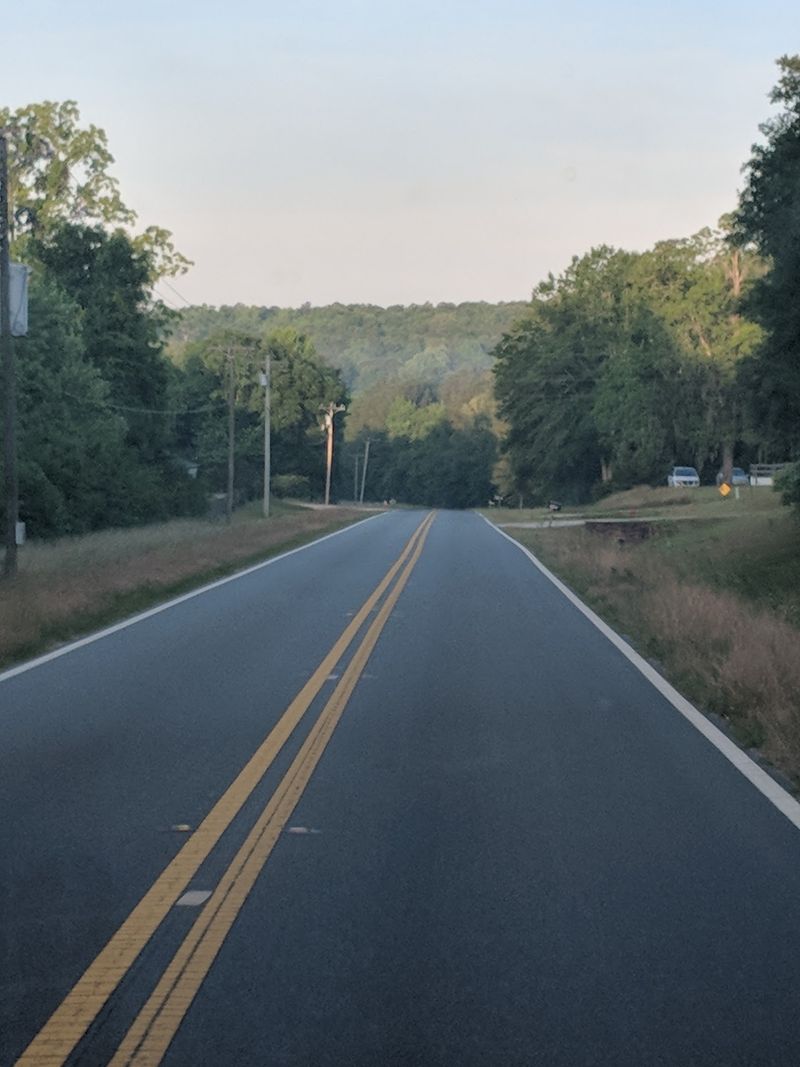
Quincy moves at a speed most of Florida forgot decades ago. Traffic jams don’t exist. Rush hour means maybe waiting through two light cycles instead of one.
People wave from their porches, cashiers make small talk, and you can walk downtown without dodging tourist hordes or aggressive panhandlers. For anyone exhausted by big-city chaos, that slower rhythm feels like medicine.
The crime rates reflect this calmer environment. While no town is crime-free, Quincy’s small size means police know the community intimately. Officers recognize faces, understand neighborhood dynamics, and respond quickly because distances stay short.
Property crimes happen, like anywhere, but the violent crime that plagues larger Florida cities stays relatively rare here. Neighbors look out for each other naturally, not through formal watch programs but through simple familiarity.
Kids experience childhood differently here. They can bike to friends’ houses, walk to the park, or play in yards without parents hovering constantly. The risks that drive helicopter parenting in bigger cities feel less pressing in Quincy.
Schools stay smaller, teachers know students individually, and the community takes collective responsibility for young people’s wellbeing. It’s not perfect, but it’s different.
The pace affects daily life in subtle ways. Errands take minutes, not hours. You’re not spending life in traffic or waiting in endless lines.
Stress levels drop when you’re not constantly rushed or competing for space. Conversations happen naturally because people aren’t always in crisis mode. You actually have time to think, breathe, and exist without the constant pressure that defines urban Florida living.
This appeals especially to retirees, remote workers, and families prioritizing quality time over career climbing. Quincy won’t satisfy everyone. If you crave constant stimulation, cutting-edge restaurants, or bustling nightlife, you’ll go stir-crazy.
But for those who value peace, safety, and human-scale living, Quincy’s slower pace represents exactly what they’re seeking. The affordable rent just makes it actually achievable instead of a distant dream.
Rich African American History and Culture
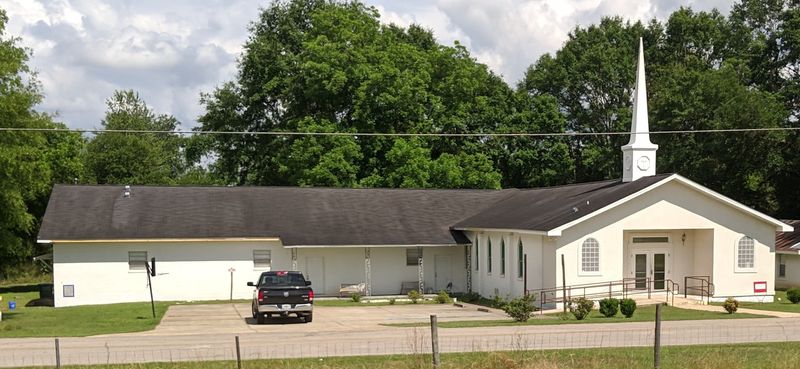
Quincy’s population runs about 60% African American, giving the town a cultural character distinct from many small Florida communities. This isn’t recent demographic change but reflects generations of Black families who built lives, businesses, and institutions here. That history remains visible in churches, civic organizations, and community traditions that shape Quincy’s identity today.
The town played a unique role in Florida’s Black history. During segregation, Quincy’s Black residents created a parallel economy with their own businesses, professional class, and social structures. Some families accumulated significant wealth, particularly those who invested in Coca-Cola stock when a local banker encouraged the practice in the 1920s and 1930s.
Stories of “Quincy’s Coca-Cola millionaires” became legendary, representing rare Black wealth accumulation in the Jim Crow South.
Historic churches anchor Black community life. Buildings like St. James AME and other congregations dating back over a century serve as more than Sunday worship spaces. They host community events, provide social services, and maintain cultural continuity across generations.
The architecture itself tells stories, with some structures listed on historic registers for their significance.
Local festivals and celebrations reflect this heritage. Juneteenth events, gospel concerts, and community gatherings draw participants from across the region. The Gadsden Arts Center features exhibitions highlighting African American artists and history.
These aren’t tourist attractions but living culture maintained by residents who value their heritage and share it generously.
For Black families considering a move to Florida, Quincy offers something increasingly hard to find: a small town where African Americans represent the majority, hold political power, and shape community direction. That changes the daily experience completely compared to being a minority in predominantly white small towns. Kids see Black professionals, business owners, and leaders as normal.
Cultural identity doesn’t require constant explanation or defense. Community institutions reflect shared values and history. The affordable housing makes this cultural richness accessible to working families, not just the wealthy.
Access to Apalachicola National Forest
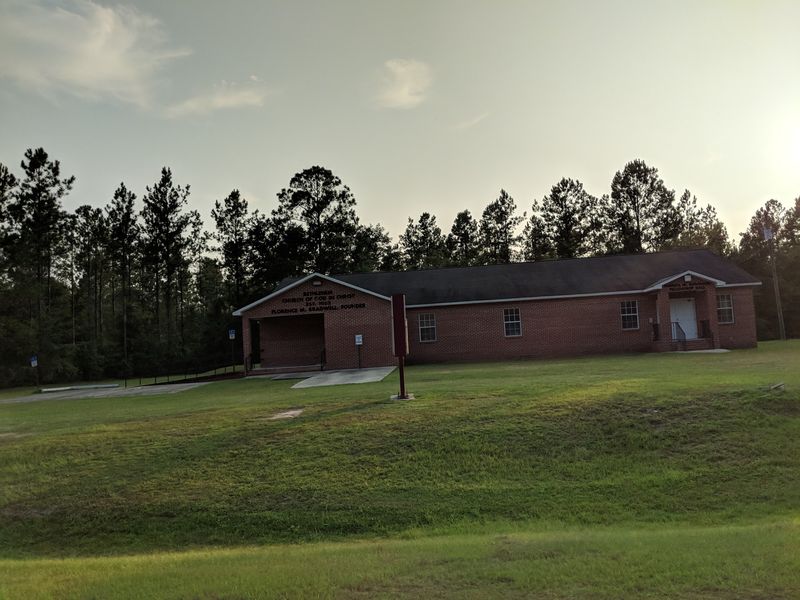
The Apalachicola National Forest stretches across 632,890 acres of North Florida wilderness, and Quincy sits right at its doorstep. This proximity hands residents access to one of Florida’s largest and wildest public lands, offering hiking, hunting, camping, and solitude that’s become precious in an increasingly developed state. You can be deep in the forest fifteen minutes after leaving your Quincy rental.
Longleaf pine ecosystems dominate the landscape, creating an environment that feels distinctly different from tropical Florida. Wiregrass carpets the forest floor, and prescribed fires maintain the open understory that once covered millions of Southern acres. Hiking trails wind through this terrain, including sections of the Florida National Scenic Trail that crosses the forest north to south.
You can backpack for days or take short afternoon walks, depending on your ambition.
Wildlife thrives in this protected habitat. White-tailed deer, wild turkey, and hogs attract hunters during regulated seasons. Birdwatchers seek red-cockaded woodpeckers, an endangered species that depends on mature longleaf forests.
Black bears roam the woods, though they typically avoid humans. The diversity of habitats, from upland forests to cypress swamps, supports hundreds of species rarely seen elsewhere in Florida.
Recreation options multiply beyond trails. The forest contains numerous lakes and ponds for fishing and paddling. Primitive camping areas let you spend nights under the stars for free or minimal fees.
Off-highway vehicle trails provide legal riding areas. During hunting season, public land access gives residents opportunities to fill freezers with venison without paying for expensive leases.
For Quincy residents, this forest access represents tremendous value. People in Miami or Orlando pay premium prices for tiny yards and weekend escapes to crowded parks. Quincy folks paying $850 rent can disappear into genuine wilderness minutes from home.
They can hunt, fish, hike, and camp on public land that belongs to everyone. It’s the kind of outdoor access that typically requires either serious money or living in remote areas with no jobs or services. Quincy offers both affordability and wild spaces, a combination that’s increasingly rare.
Local Farms and Fresh Produce
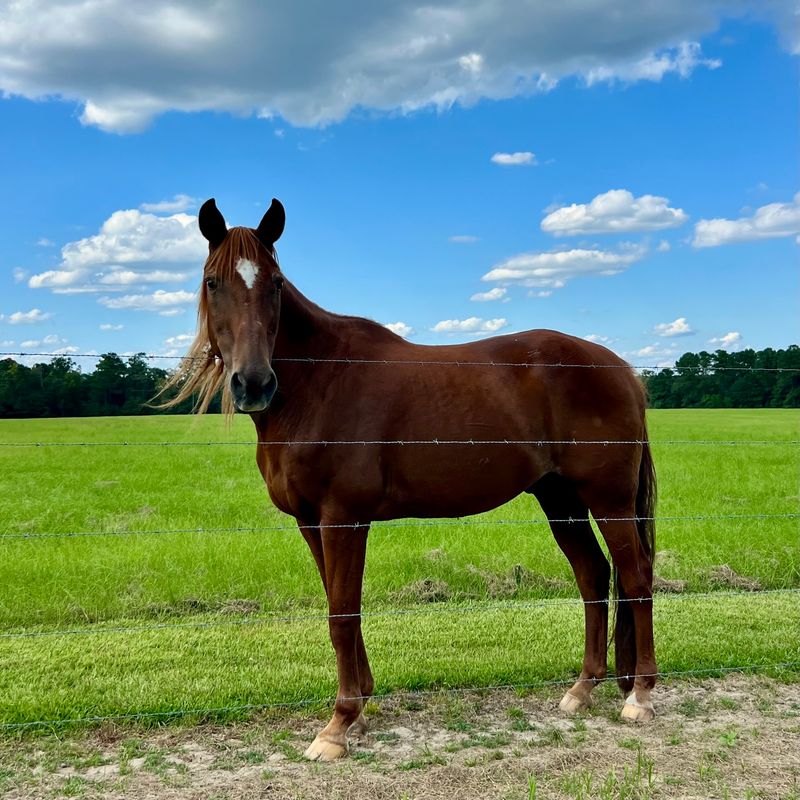
Gadsden County’s agricultural heritage remains alive and productive, surrounding Quincy with working farms that supply fresh produce throughout the year. This isn’t industrial monoculture but a mix of operations growing vegetables, raising livestock, and maintaining orchards. Residents benefit directly through farmers markets, roadside stands, and direct farm sales that bring food from field to table in hours, not weeks.
The Saturday farmers market in downtown Quincy draws vendors from across the county. You’ll find seasonal vegetables picked that morning, fresh eggs from backyard flocks, honey from local hives, and baked goods made in home kitchens. Prices undercut grocery stores, and the quality surpasses anything shipped from California or Mexico.
Talking directly to growers lets you ask questions, learn growing methods, and build relationships with the people feeding your family.
Roadside stands pop up seasonally along county roads. Spring brings strawberries and greens. Summer means tomatoes, corn, watermelons, and peppers.
Fall delivers sweet potatoes, pumpkins, and pecans. These informal operations run on honor systems sometimes, with a cash box and a handwritten price list. The trust and simplicity feel almost quaint until you realize this is how food systems worked for centuries before supermarket monopolies.
Some farms welcome visitors for U-pick operations or farm tours. Kids can see where food actually comes from, pick strawberries themselves, or meet the chickens laying their breakfast eggs. Educational value aside, U-pick prices beat retail significantly when you’re willing to do the harvesting work.
A family can stock up on seasonal produce for a fraction of grocery store costs.
This agricultural access matters for health and budgets. Fresh, local produce costs less and tastes better than shipped alternatives. You avoid the pesticide loads and genetic modifications that concern many shoppers.
Supporting local farms keeps money circulating in the community rather than flowing to distant corporations. For Quincy residents watching their budgets, buying direct from farmers stretches food dollars while improving nutrition. It’s another way this affordable town delivers quality of life that wealthier areas struggle to match.
Room to Breathe and Grow
Quincy offers something increasingly rare in Florida: actual space. Rentals here often include yards, not just balconies or tiny patios. Houses sit on quarter-acre or half-acre lots with room for gardens, play equipment, or just spreading out.
You’re not stacked on top of neighbors or fighting for parking. Physical space translates to mental breathing room, especially for families or anyone who’s lived in cramped apartments too long.
That space enables lifestyles impossible in denser areas. You can plant a vegetable garden and actually grow meaningful amounts of food. Kids can run around, build forts, or kick soccer balls without constant supervision or trips to crowded parks.
Dogs get real yards instead of leash walks on concrete. Hobbies requiring space, like woodworking, car restoration, or outdoor projects, become feasible when you have garages and sheds instead of shared storage units.
The town itself provides room to expand. Quincy isn’t bursting at the seams or facing development pressures that make other Florida communities unlivable. Traffic stays light.
Parks and public spaces remain accessible and uncrowded. You can get a library book without waiting lists, register kids for activities without lotteries, and generally navigate life without the constant competition that exhausts urban residents.
Financially, this space costs a fraction of comparable situations elsewhere. A three-bedroom house with a yard renting for under $1,000 in Quincy would command $2,000-plus in Tallahassee, $3,000-plus in Tampa or Jacksonville, and absurd amounts in South Florida. You’re getting space and freedom that’s become luxury goods in most of Florida, but here it remains standard and affordable.
That difference compounds over time, freeing up money for savings, experiences, or simply reducing financial stress.
For people feeling crushed by Florida’s housing crisis, Quincy represents an alternative path. You don’t have to accept shoebox apartments at premium prices or flee the state entirely. Small towns like Quincy still offer reasonable housing, physical space, and room to build a life without going broke.
The $850 rent isn’t just about saving money. It’s about accessing a quality of life that’s supposed to be normal but has become rare and precious across most of Florida.