There’s A Wild Florida Spot Where The Trails Feel Almost Completely Untouched
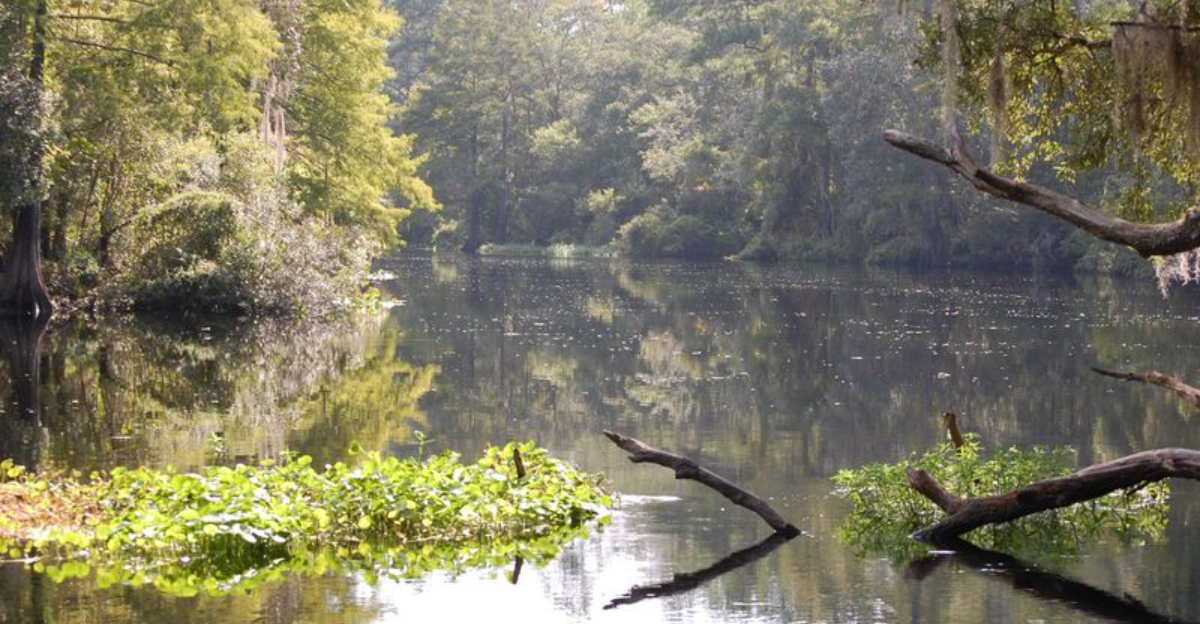
Hidden along State Road 200 near Dunnellon, Ross Prairie Wildlife Management Area offers something rare in modern Florida—genuine wilderness that feels like stepping back in time. With miles of unmarked trails winding through pine flatwoods, oak hammocks, and open prairies, this spot delivers the kind of untouched natural experience that’s becoming harder to find. Whether you’re seeking solitude, wildlife encounters, or just a break from civilization, Ross Prairie proves that wild Florida still exists if you know where to look.
1. Trails That Actually Feel Wild
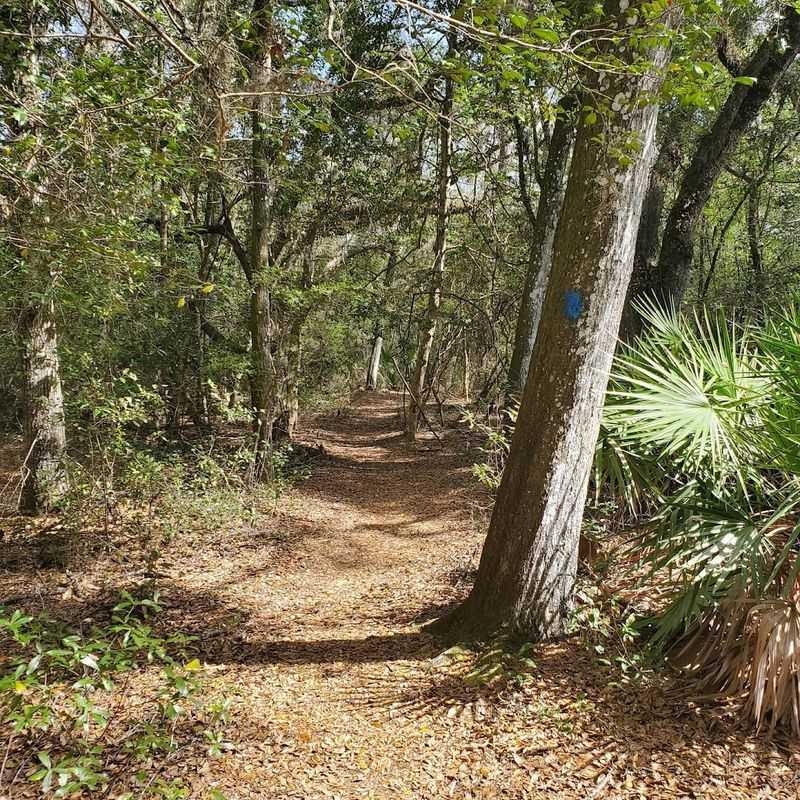
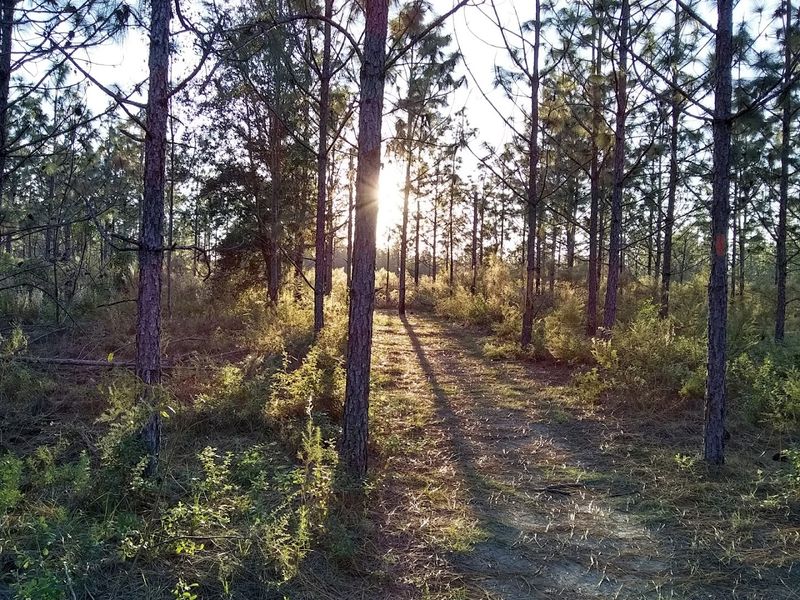
Walking these trails isn’t like strolling through a manicured park with paved paths and handrails. The ground beneath your feet is genuine Florida sand, and branches occasionally reach across the path as if nature forgot anyone might pass through. Some visitors mention the trails can be narrow with low-hanging limbs, which honestly adds to the authentic backcountry feel.
Blue blazes mark the main hiking routes, though a few explorers have noted that signage could be better in certain sections. That slight uncertainty actually enhances the adventure—you’re truly navigating wilderness rather than following a tourist route. The flat terrain makes for excellent fitness hiking without requiring mountaineering skills.
Pine stands tower overhead while prairies open unexpectedly, offering visual variety that keeps every walk interesting. You might spot the same trail junction twice and still notice something different the second time. This is what hiking looked like before Instagram made every outdoor space feel curated.
Bring your sense of direction and maybe download an offline map, because cell service can be spotty. That disconnection from the digital world becomes part of the appeal once you embrace it. The real Florida doesn’t come with Wi-Fi, and that’s exactly the point of visiting Ross Prairie.
2. Wildlife Encounters That Feel Authentic
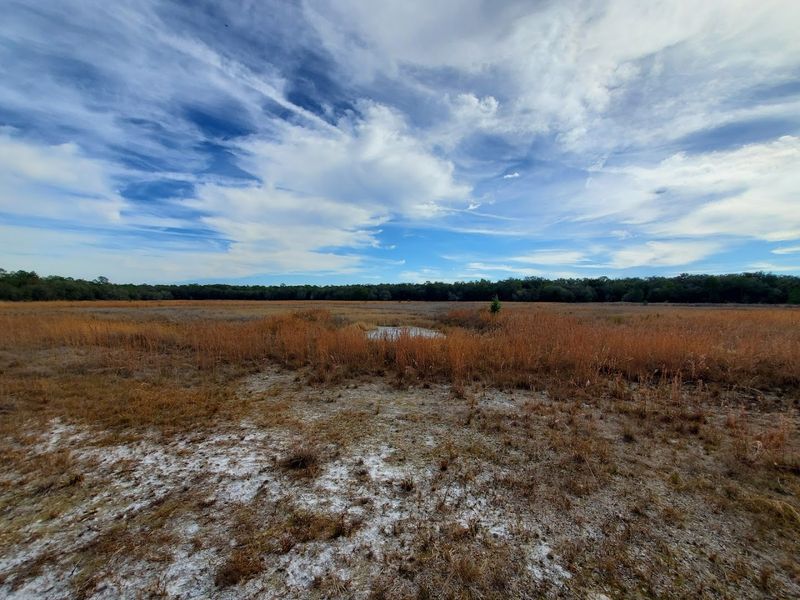
Bear activity signs get posted here regularly, and that’s not just park officials being cautious. Real bears actually roam these woods, along with wild turkeys, deer, bobcats, and countless bird species. One visitor casually mentioned seeing turkeys and deer from their campsite window like it was no big deal—because at Ross Prairie, it isn’t.
The wildlife presence reflects healthy ecosystems rather than zoo-like exhibits. Animals here act naturally because this is their home, not a tourist attraction. You might go hours without seeing anything, then suddenly lock eyes with a deer that’s just as surprised to see you.
Carrying bear spray makes sense if you’re hiking the more remote sections. Most visitors report that other hikers don’t seem overly concerned, which speaks to how locals understand these animals. Respect their space, make reasonable noise while hiking, and wildlife encounters become memorable rather than dangerous.
Birders particularly appreciate the variety of species attracted to the diverse habitats—pine forests, oak hammocks, and open prairies each support different bird populations. Early morning walks offer the best chances for sightings when animals are most active. The exponential growth of nearby housing developments has pushed more wildlife into protected areas like this, making conservation spaces increasingly critical for Florida’s native creatures who are literally losing ground to construction.
3. Camping Without the Crowds
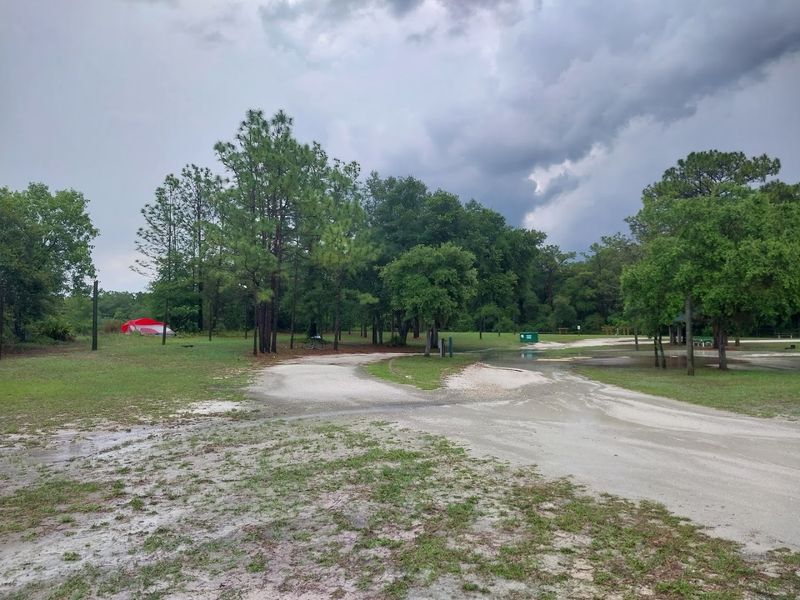
The campground here stays deliberately small, which means you won’t find yourself squeezed between a dozen RVs blasting generators and music. Sites come with water and electric hookups, plus there’s a dump station for RVs—practical amenities without turning the place into an outdoor resort. Clean restrooms and showers exceed expectations for a wilderness area.
Camp hosts get high marks for being genuinely helpful rather than treating visitors like interruptions. One traveler mentioned hosts helping arrange a mobile RV repair technician, going beyond basic duties. That small-town helpfulness makes a difference when you’re dealing with camping challenges far from city services.
The spacious campsites allow for privacy, with some visitors noting they reserved two spots but only needed one because of how large they were. You can actually relax outside your camper without feeling like you’re in your neighbor’s living room. However, be aware that red ants have been reported as a significant issue in warmer months—something to consider if you’re camping with pets or small children.
Equestrians particularly love this campground since horse-friendly trails connect directly to the camping area. There’s even a covered picnic area and horse watering station at the equestrian rest area. The park technically closes at sunset with gates locking, so plan your return accordingly to avoid any confusion.
4. The Real Florida Ecosystems
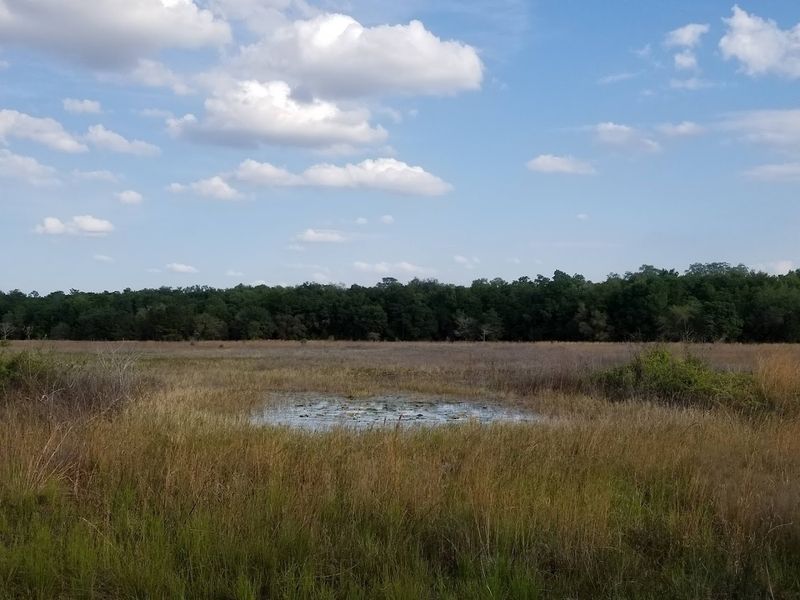
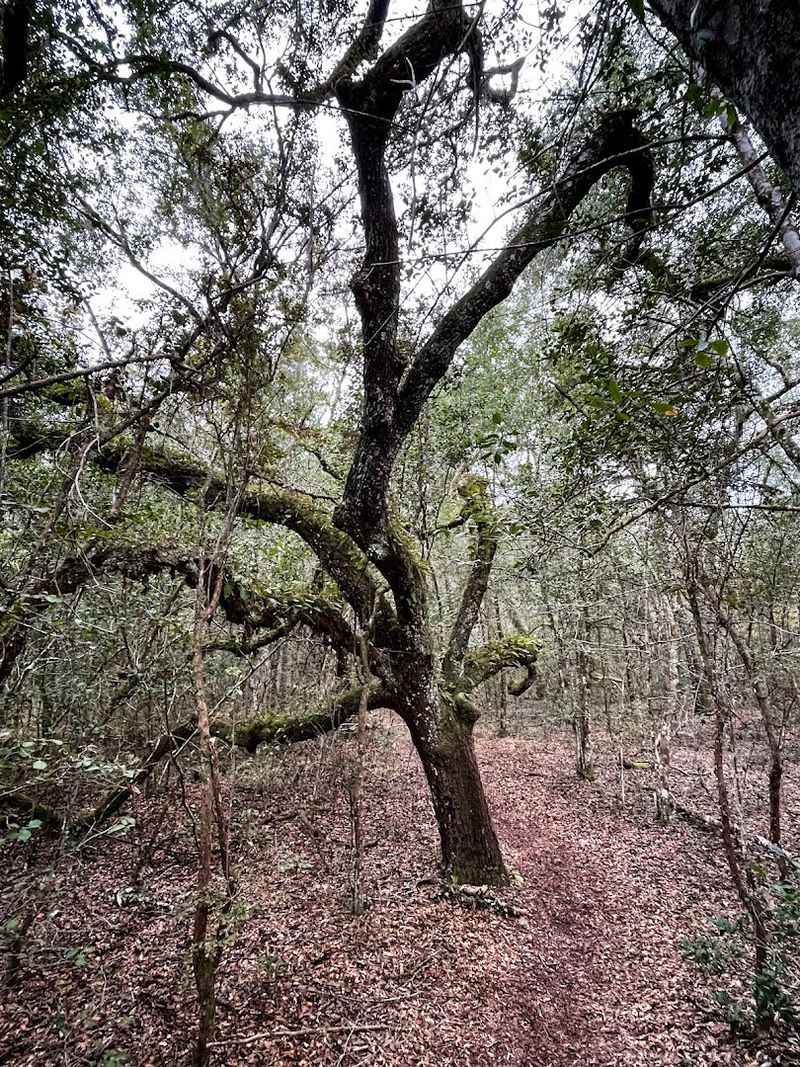
Ross Prairie isn’t just one type of landscape—it’s a living textbook of Florida ecosystems all in one location. Pine stands stretch tall with their characteristic open understory, then suddenly transition into dense oak hammocks where the canopy closes overhead. Open prairies break up the forests with grasslands that feel almost Midwestern until you remember you’re still in Florida.
This diversity matters because each ecosystem supports different plant and animal communities. Walking from pine forest into prairie and then into hammock feels like traveling through three different states within a single hike. You’ll understand why Florida’s ecology is so unique compared to other Southern states.
The management practices here prioritize keeping these habitats as close to their natural state as possible. There’s no heavy landscaping or artificial alterations—what you see is essentially how this land has existed for centuries. That authenticity can’t be replicated in more developed parks.
Photographers love the variety, since lighting and compositions change dramatically between ecosystem types. Morning fog in the prairies creates ethereal scenes, while afternoon sun filtering through pine canopies offers completely different opportunities. Scientists and students also use the area for field studies, taking advantage of the relatively undisturbed conditions.
If you want to understand what Florida looked like before development transformed most of the state, spending time in these varied habitats provides genuine insight.
5. Part of the Cross Florida Greenway
Ross Prairie serves as Stop #8 along the Marjorie Harris Carr Cross Florida Greenway, connecting it to a much larger conservation corridor. This greenway represents one of Florida’s most ambitious conservation projects, protecting a ribbon of wild land across the state’s midsection. Being part of this network means the trails here connect to something bigger than just one park.
The Trailwalker Program through Florida State Forests includes Ross Prairie as one of its featured locations. Completing the trail here counts toward the program, giving hikers an official reason to explore while contributing to trail documentation. It’s a nice way to add purpose to your outdoor adventures.
The greenway connection also means better protection for wildlife corridors, allowing animals to move between habitat patches rather than being isolated. Black bears, in particular, need large territories and benefit enormously from connected wild spaces. Your visit supports this conservation vision simply by using and appreciating these protected lands.
Access from State Road 200 makes reaching this greenway section straightforward, though you’d never guess such wilderness exists so close to the highway. The contrast between the busy road and the quiet trails just minutes away is striking. This accessibility means you can experience genuine backcountry without needing a full expedition—just pull off the highway and suddenly you’re in untouched Florida.
6. Mountain Biking and Equestrian Trails
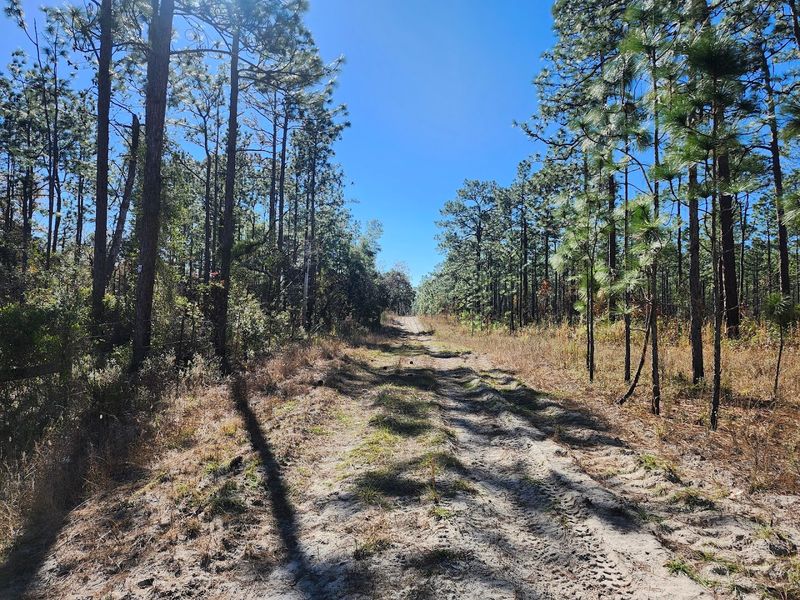
Hikers aren’t the only ones who get to enjoy Ross Prairie’s wild character—mountain bikers and horseback riders have dedicated trails that showcase the same untouched landscapes. The sandy terrain and gentle elevation changes create ideal conditions for both activities without requiring extreme skill levels. You can bring your bike or your horse and experience the wilderness at your preferred pace.
Equestrians especially appreciate the horse-friendly infrastructure, including trailer parking that’s easy to navigate and a rest area with water for the animals. Several reviewers mentioned moonlight rides through the trails, which sounds absolutely magical under Florida’s star-filled skies. The covered picnic area near the equestrian facilities provides a comfortable spot to rest between rides.
Mountain bikers find the trails challenging enough to be interesting without being dangerously technical. The natural obstacles—roots, sand patches, and tight turns through trees—require attention and skill without demanding professional-level abilities. It’s proper trail riding rather than groomed bike paths.
The multi-use nature of the trails means you might encounter hikers, bikers, or riders during your visit. Everyone seems to share the space respectfully, with trail etiquette generally observed. Having these options means families or groups with different outdoor interests can all find something appealing at Ross Prairie, making it a versatile destination for various adventure styles.
7. Solitude That’s Increasingly Rare
Finding genuine solitude in Florida grows harder every year as population growth transforms the state. Ross Prairie offers something increasingly precious—the ability to walk for extended periods without seeing another person. Several visitors specifically mention the quiet and peaceful atmosphere, which stands in stark contrast to Florida’s typically crowded outdoor spaces.
This solitude isn’t accidental; it’s a result of the area’s relatively low-key profile and lack of heavy marketing. There are no viral Instagram spots here drawing crowds, no famous landmarks everyone wants to photograph. Just trails, trees, and the occasional wildlife sighting to break the silence.
That said, you’re not completely isolated—other hikers, campers, and outdoor enthusiasts do use the area regularly. But there’s a difference between occasionally passing someone on a trail and feeling like you’re in a conga line of tourists. At Ross Prairie, encounters with other people feel incidental rather than inevitable.
The mental health benefits of this kind of solitude can’t be overstated. One reviewer perfectly captured it: needing to forget about life’s craziness for a few hours and reconnecting with yourself and nature in the process. In our hyperconnected, overstimulated world, having a place where you can truly unplug and experience silence becomes almost therapeutic.
Bring a journal, bring your thoughts, or bring nothing—just yourself and the wild.
8. Close to Civilization But Worlds Away
The location along State Road 200 means you’re never truly far from services—Walmart, restaurants, and other amenities sit just a short drive away. This proximity makes Ross Prairie perfect for people who want wilderness experiences without committing to multi-day expeditions into remote areas. You can hike all morning, then grab lunch in town if you want.
Yet once you’re on the trails, that nearby civilization feels completely absent. The psychological distance between the highway and the deep woods is far greater than the actual physical distance. Traffic noise fades quickly, replaced by bird calls, rustling leaves, and your own footsteps on sandy trails.
This accessibility makes Ross Prairie ideal for testing outdoor skills or introducing newcomers to wilderness experiences. If someone gets uncomfortable or conditions change, you’re not hours from help or shelter. Families with younger children particularly benefit from this safety net while still getting authentic nature exposure.
Day-trippers from nearby cities like Ocala or even Tampa can easily visit without requiring overnight stays, though the camping option remains for those wanting deeper immersion. The convenience factor doesn’t diminish the wild character—it just makes experiencing that wildness more feasible for busy people with limited time. Sometimes the best wilderness isn’t the most remote; it’s the one you’ll actually visit because it fits into your real life rather than requiring a major expedition.