This Florida Trail Is Hiding a Surprise You Have to See to Believe
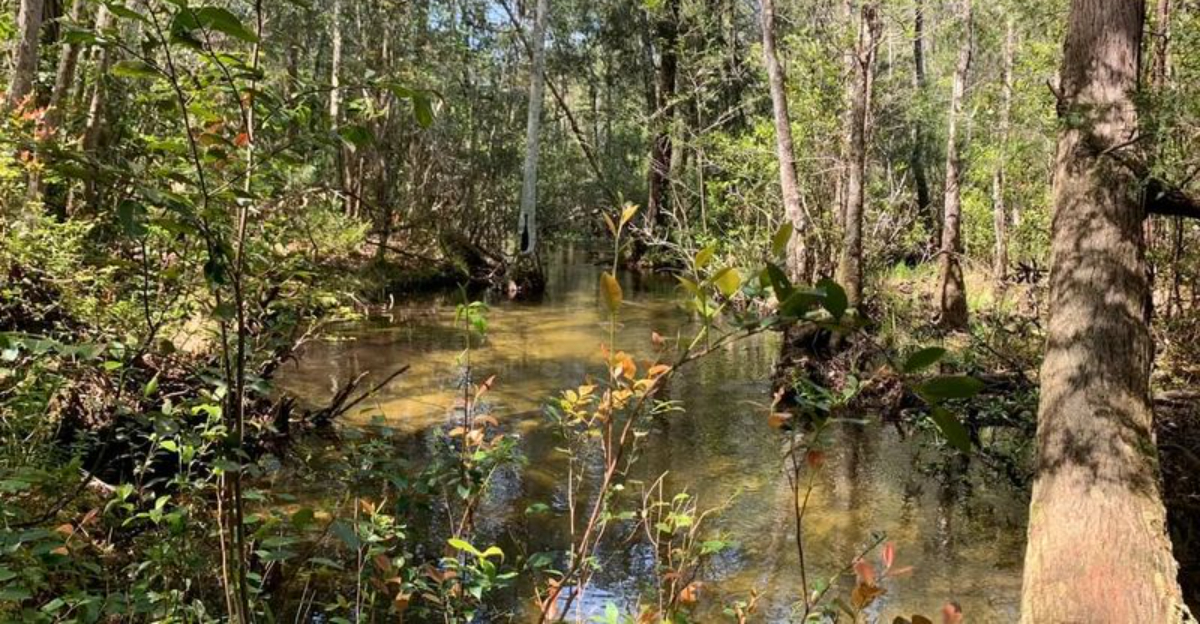
Most people think Florida is all beaches and flat terrain, but Yellow River Ravines Trail in Milton proves them wrong. This hidden gem features dramatic 70-foot ravines carved by ancient waterways, creating scenery that feels more like Appalachia than the Sunshine State. Whether you’re a serious hiker or just looking for a quick escape into nature, this trail delivers surprises at every turn that’ll make you see Florida in a completely new light.
1. Towering Ravines That Defy Florida Stereotypes
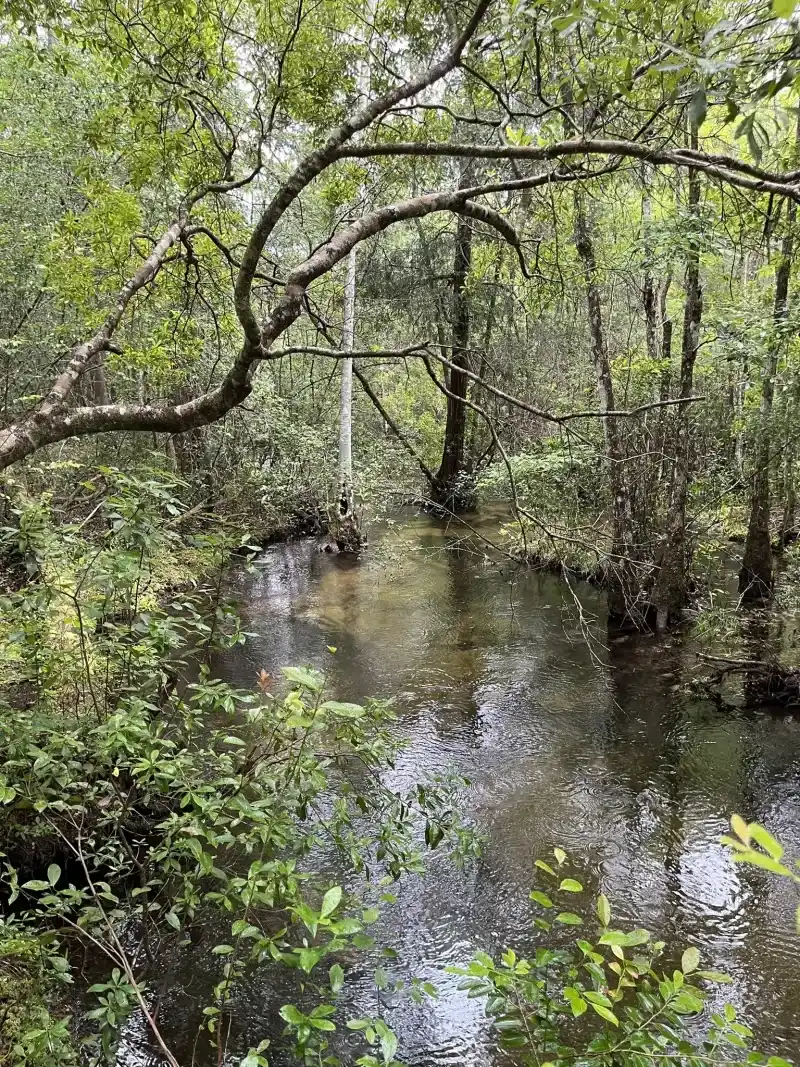
Walking along the edge of these massive ravines feels surreal when you remember you’re still in Florida. The trail winds through valleys that drop dramatically below the forest floor, with slopes so steep they challenge your expectations of what the state looks like. These geological wonders formed over thousands of years as water carved through layers of clay and sand.
The depth of these ravines creates microclimates you won’t find anywhere else nearby. Cooler air settles in the valleys, supporting plant species that typically grow much farther north. On hot summer days, descending into the ravine system can feel like stepping into natural air conditioning.
Photography enthusiasts go crazy here because the lighting changes completely depending on where you stand. Morning sun filters through the canopy differently at various elevations, creating dramatic shadows across the ravine walls. The red clay exposed along the slopes contrasts beautifully with the green vegetation.
Geologists consider this area significant for understanding Florida’s formation. The ravines expose soil layers that tell stories about ancient climate patterns and water movement. You’re literally looking at thousands of years of natural history carved into the landscape around you.
2. Rare Steephead Streams Cutting Through Ancient Clay
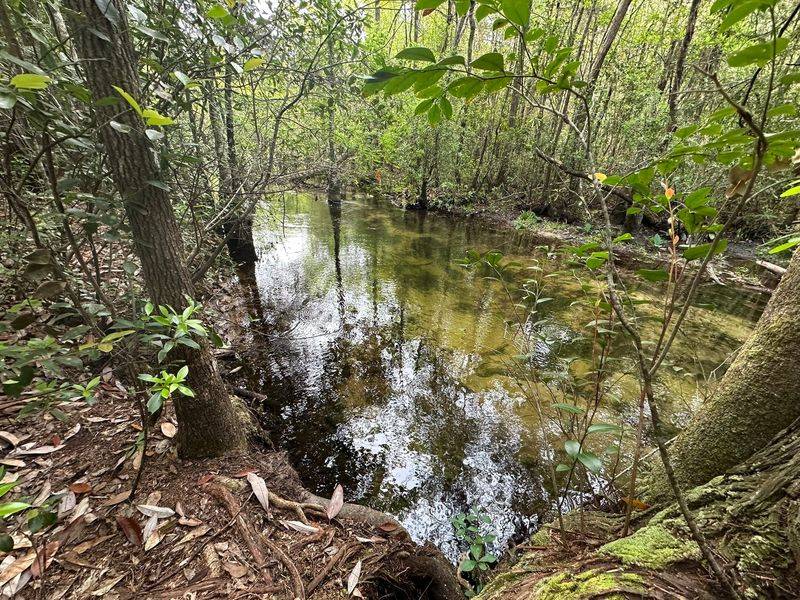
Steephead streams sound technical, but seeing them in person makes the concept click instantly. These unique waterways begin abruptly at the base of steep slopes where underground water emerges, cutting backward into the hillside over time. Yellow River Ravines showcases several perfect examples of this rare geological feature.
The streams here run crystal clear because they’re fed by underground aquifers rather than surface runoff. You can often spot small fish and aquatic insects thriving in the clean water. The constant flow rate remains fairly stable year-round, unlike typical Florida creeks that fluctuate wildly.
What makes steepheads special is how they actively reshape the landscape. The erosion happens at the stream’s origin point rather than along its length, causing the ravine to grow backward into the hillside. Scientists study these formations to understand erosion patterns and groundwater behavior.
The sound of flowing water echoes differently within the ravine walls, creating a peaceful atmosphere that drowns out highway noise. Sitting beside these streams offers a meditative experience that feels worlds away from civilization. The microclimate around the water supports ferns and mosses that coat nearby rocks and logs, adding to the enchanted forest vibe.
3. Longleaf Pine Ecosystem Thriving Above the Ravines
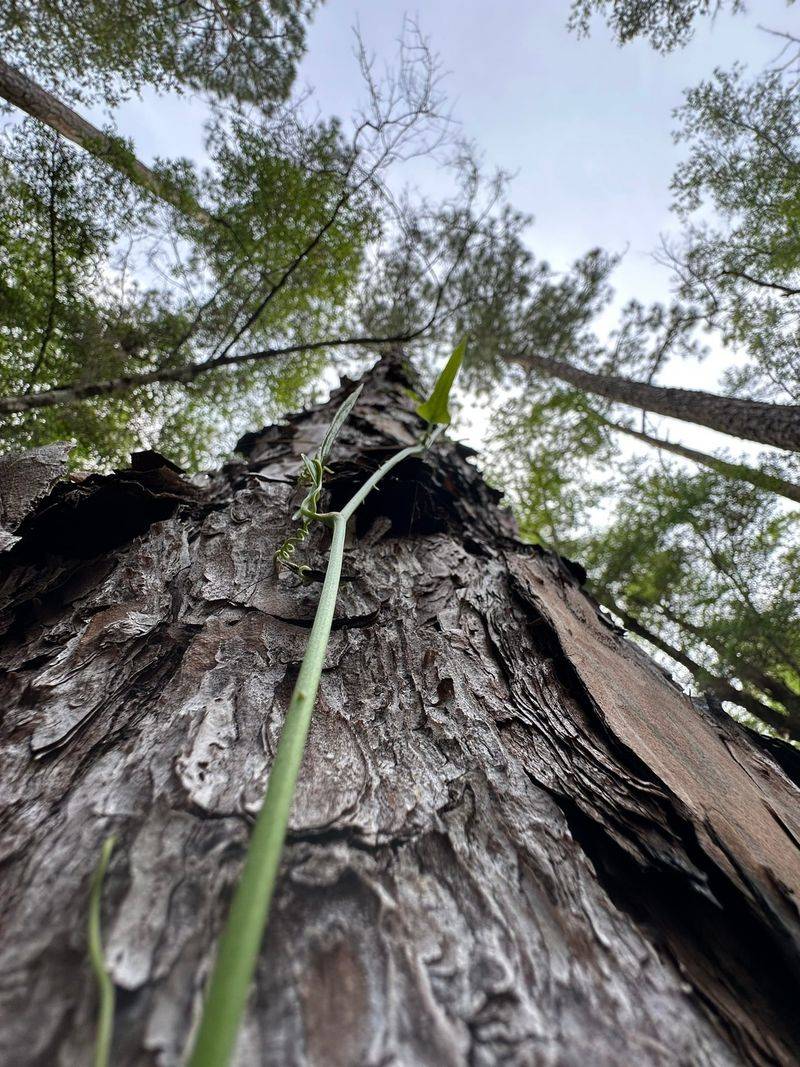
The upland areas between ravines support one of Florida’s most endangered ecosystems. Longleaf pine forests once covered 90 million acres across the Southeast but now exist in scattered fragments. Walking through this section feels like stepping back to see Florida as it looked centuries ago.
These pines grow incredibly tall and straight, with their lowest branches starting high above your head. The open canopy allows sunlight to reach the ground, supporting a diverse understory of wildflowers and grasses. Fire historically swept through these forests every few years, maintaining the ecosystem’s health and preventing hardwood encroachment.
Wiregrass carpets much of the forest floor between the pines, waving gently in breezes that flow through the open understory. This native grass co-evolved with fire and actually needs periodic burning to produce seeds. The ecological relationships here are complex and fascinating for anyone interested in conservation.
Listening carefully reveals woodpeckers hammering on pine trunks and songbirds calling from the canopy. The longleaf ecosystem supports over 30 endangered species across its range. Even the pine cones here are distinctive, growing larger than your hand and covered with sharp prickles that deter seed predators before they mature and release their contents.
4. Red Clay Banks Exposing Florida’s Hidden Geology
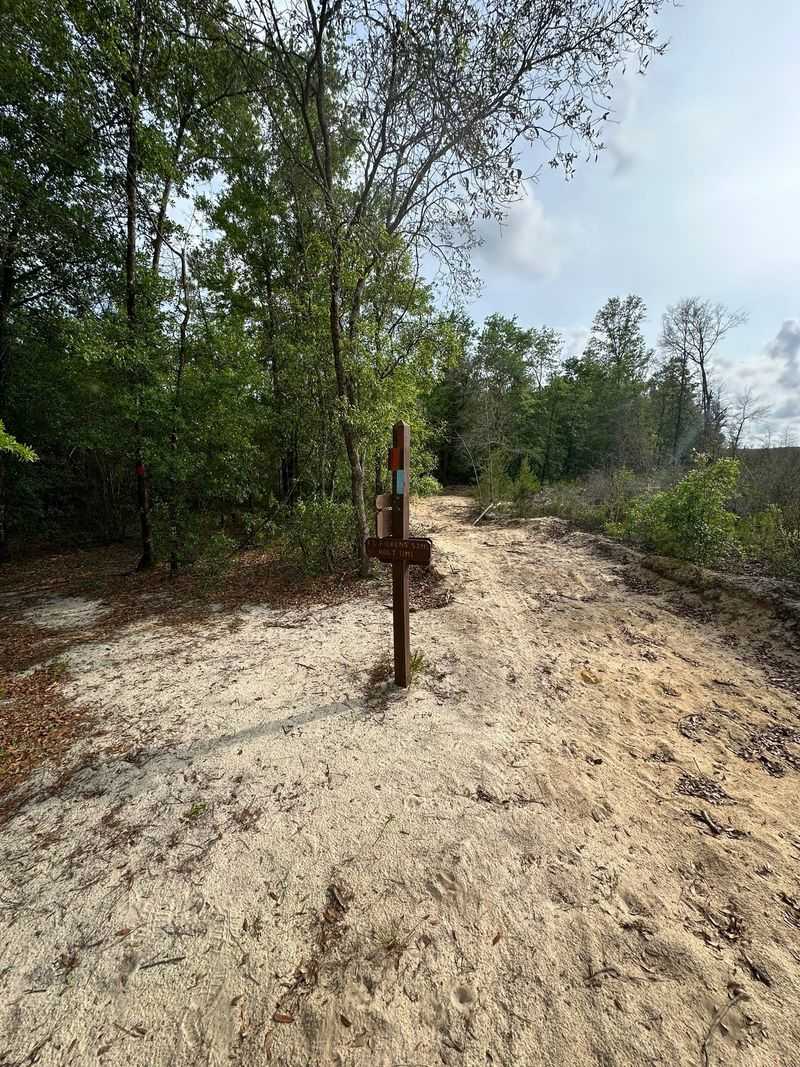
Forget everything you think you know about Florida’s sandy soils. The ravine walls here expose rich red clay that looks transplanted from Georgia or Alabama. This Citronelle Formation clay dates back millions of years and represents ancient river deposits from a completely different landscape.
The vibrant rust color comes from iron oxide content in the soil. When wet, this clay becomes incredibly slippery, which is why portions of the trail can be challenging after rain. When dry, it hardens like pottery, sometimes cracking into distinctive patterns that look almost decorative.
Erosion constantly works on these exposed banks, slowly widening the ravines over time. You can see where water has carved small channels down the slopes during heavy rains. Tree roots cling to the clay, helping stabilize some sections while creating interesting visual patterns where they’re exposed.
The clay layer sits atop older formations, creating a geological sandwich you can read like a history book. Different colored bands represent different depositional periods when ancient rivers flooded and receded. Amateur geologists find this trail endlessly fascinating because the exposed banks provide such clear views of subsurface layers usually hidden from sight.
5. Challenging Elevation Changes That Test Your Legs
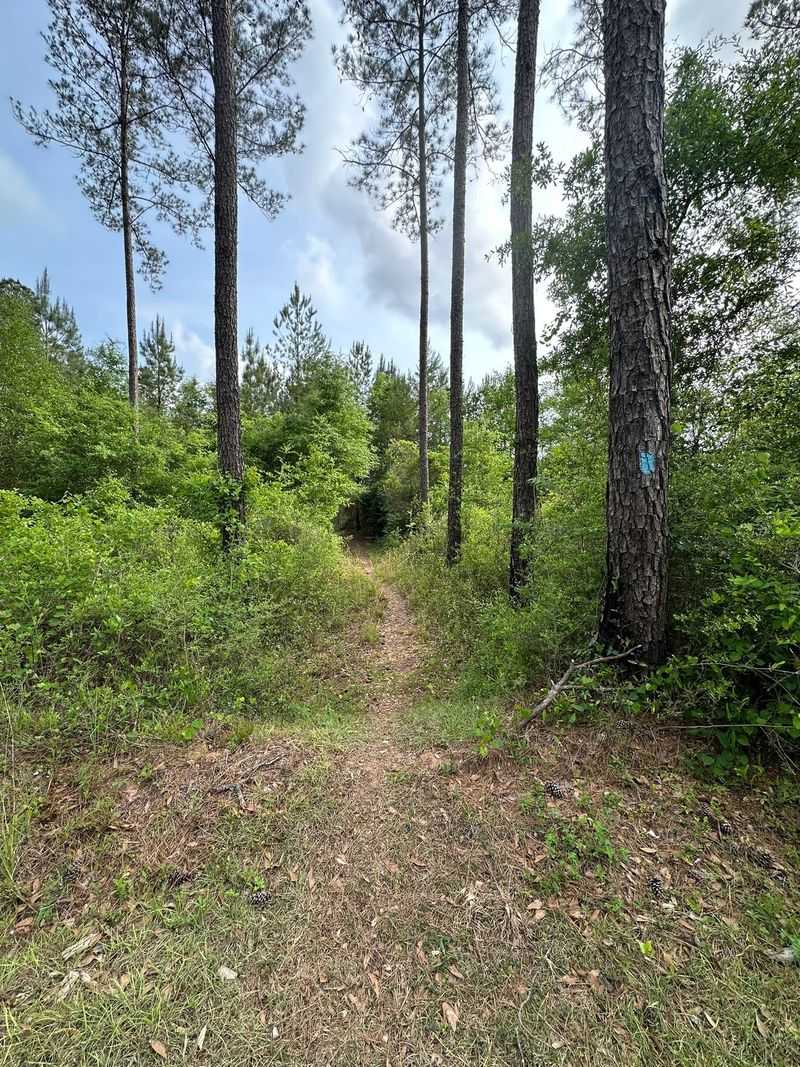
Anyone expecting a flat Florida stroll will get humbled quickly on this trail. The route repeatedly descends into ravines and climbs back out, racking up elevation gain that rivals trails in hillier states. Your calves and quads will definitely know they worked by the time you finish.
Some sections feature natural steps formed by exposed tree roots and rocks. Others require careful foot placement on sloped terrain where loose sand or clay can cause slipping. Trekking poles earn their keep here, providing stability on steep descents and extra push on climbs.
The workout aspect surprises many first-time visitors who underestimate the trail based on Florida’s flat reputation. Locals use it for training runs and conditioning hikes before tackling mountains elsewhere. The constant up-and-down rhythm keeps your heart rate elevated throughout the hike.
Benches appear strategically at the top of some climbs, offering welcome rest spots with views across the ravine landscape. Taking breaks lets you appreciate the accomplishment of climbing out of these valleys. The physical challenge adds satisfaction that easy trails can’t match, making you feel like you’ve truly earned the experience by the time you return to the trailhead.
6. Diverse Hardwood Forests Filling the Ravine Bottoms
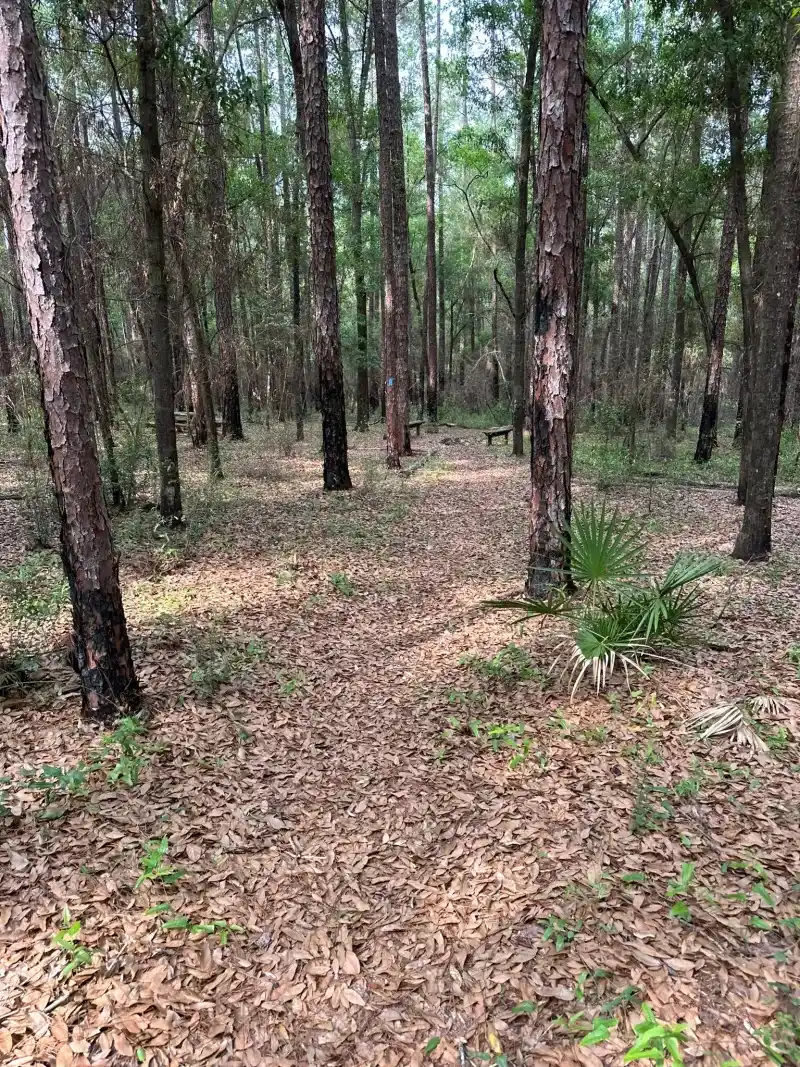
Descend into the ravines and the forest composition shifts dramatically from the pine-dominated uplands. Southern magnolias, American beeches, and various oak species thrive in the protected valleys where moisture lingers. The biodiversity increases noticeably as you move downslope into these sheltered pockets.
The canopy grows denser here, creating deep shade that keeps temperatures cooler even on scorching days. Humidity rises in the ravine bottoms, supporting ferns and shade-loving plants that couldn’t survive on the exposed ridgetops. The leaf litter layer grows thick, creating a cushioned walking surface.
Spring brings wildflowers to the ravine slopes and bottoms before the full canopy leafs out. Trilliums, violets, and other ephemeral species take advantage of the brief window of sunlight. Fall transforms the hardwoods into a subtle color palette different from the dramatic displays farther north but beautiful in its own right.
The ecological contrast between upland and lowland areas within such a small geographic space demonstrates how topography creates habitat diversity. Bird species that prefer dense understory habitat concentrate in the ravines while different species stick to the open pine forests above. Walking the complete trail loop exposes you to multiple distinct ecosystems within a single afternoon.
7. Wildlife Encounters From Deer to Rare Gopher Tortoises
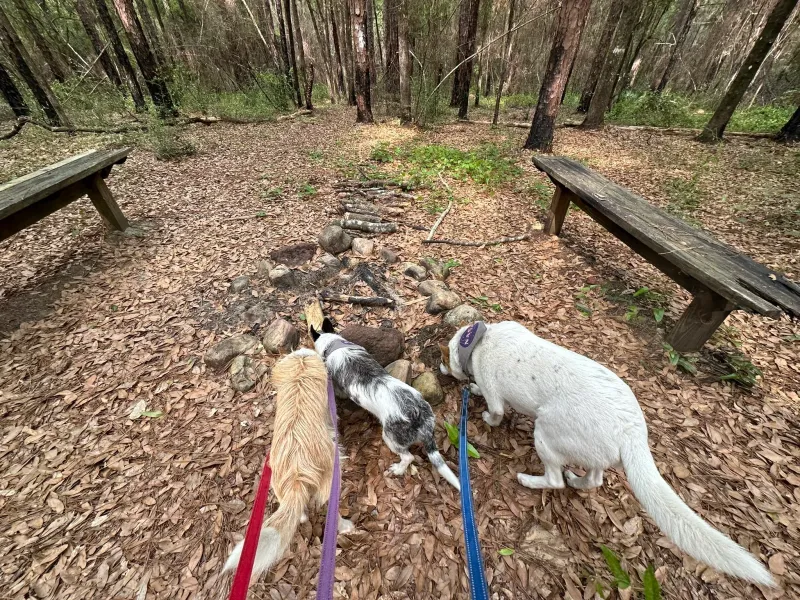
White-tailed deer frequently browse the ravine edges during early morning and late afternoon hours. Their tracks mark muddy sections of trail, and patient hikers often spot them browsing on vegetation. The varied terrain provides excellent habitat with food sources, water, and cover all within close proximity.
Gopher tortoises dig their distinctive burrows in the sandy upland areas, creating homes that dozens of other species also use for shelter. These federally protected reptiles are keystone species in the longleaf ecosystem. Spotting one slowly crossing the trail or munching on wiregrass makes for a memorable moment.
Armadillos root through leaf litter searching for insects, leaving distinctive nose-prints in soft soil. Their presence became common in Florida only in recent decades as they expanded their range northward. The nighttime rustling they create can startle campers unfamiliar with their nocturnal habits.
Birdwatchers bring binoculars hoping to spot red-cockaded woodpeckers, an endangered species that depends on old-growth longleaf forests. The varied habitat attracts both forest interior species and edge species, creating excellent diversity. Even if you’re not a dedicated birder, the constant soundtrack of calls and songs enhances the wilderness experience throughout your hike.
8. Peaceful Solitude Just Miles From Busy Highway 90
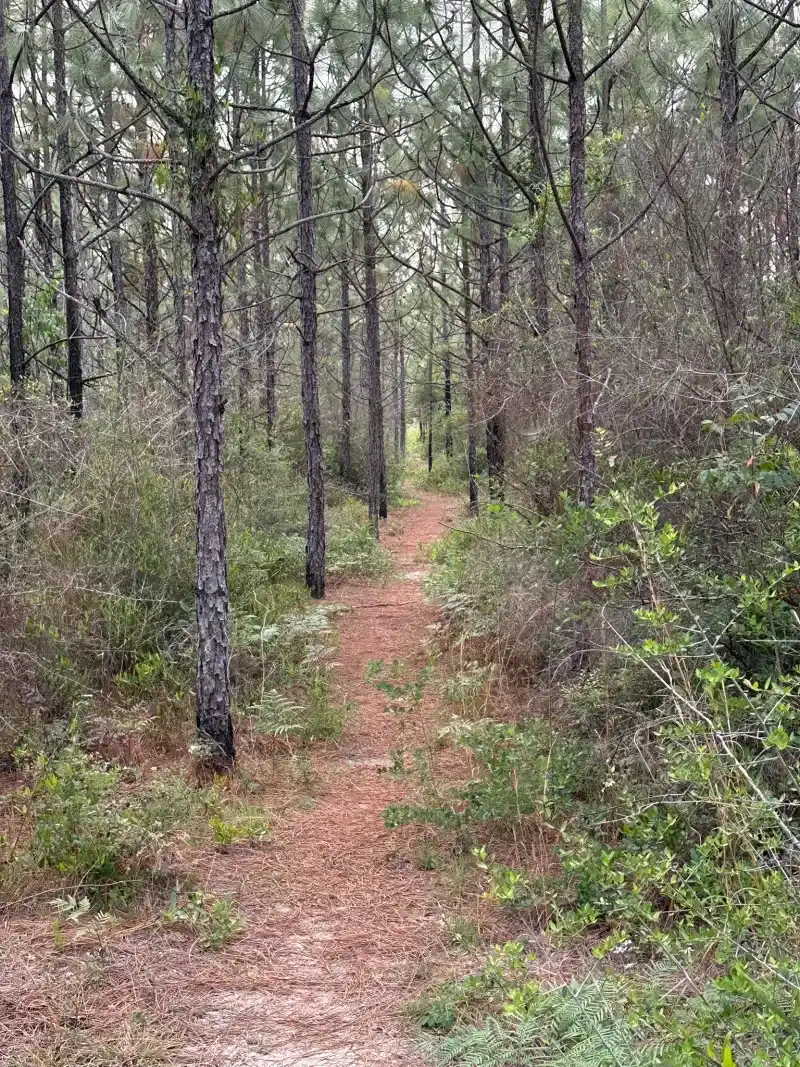
The trailhead sits surprisingly close to Milton’s development and major roads, yet the ravines create such effective sound barriers that traffic noise fades within minutes. The depth of the valleys and density of vegetation absorb sound, creating pockets of genuine quiet increasingly rare in modern Florida.
Weekday visits often mean having the entire trail system to yourself. Even on busy weekends, the multiple loops and trail length spread people out enough that you can hike for extended periods without encountering others. This accessibility combined with relative solitude makes the area special for those seeking peaceful nature time without driving hours from civilization.
The psychological shift from suburban surroundings to wilderness immersion happens remarkably fast here. One moment you’re in a parking area, the next you’re surrounded by towering trees and dramatic topography that feels completely removed from human development. This quick transition makes the trail perfect for squeezing nature time into busy schedules.
Cell phone service drops to nothing in the deeper ravines, forcing a digital detox whether you planned one or not. The enforced disconnection feels refreshing rather than frustrating once you accept it. Many visitors report the mental reset they experience here rivals that of much longer wilderness trips elsewhere.