This Quirky Florida Town Is Famous for Goats, Barbecue, and Ray Charles
Greenville is a tiny Florida town that punches way above its weight when it comes to charm and character. With fewer than 800 residents, this rural gem has managed to carve out a reputation for three wildly different things: a legendary goat parade, mouthwatering barbecue traditions, and being the birthplace of music icon Ray Charles. Whether you’re a history buff, a foodie, or just someone who appreciates small-town quirks, Greenville offers a slice of Old Florida that feels refreshingly authentic and wonderfully unexpected.
1. Ray Charles’ Humble Beginnings
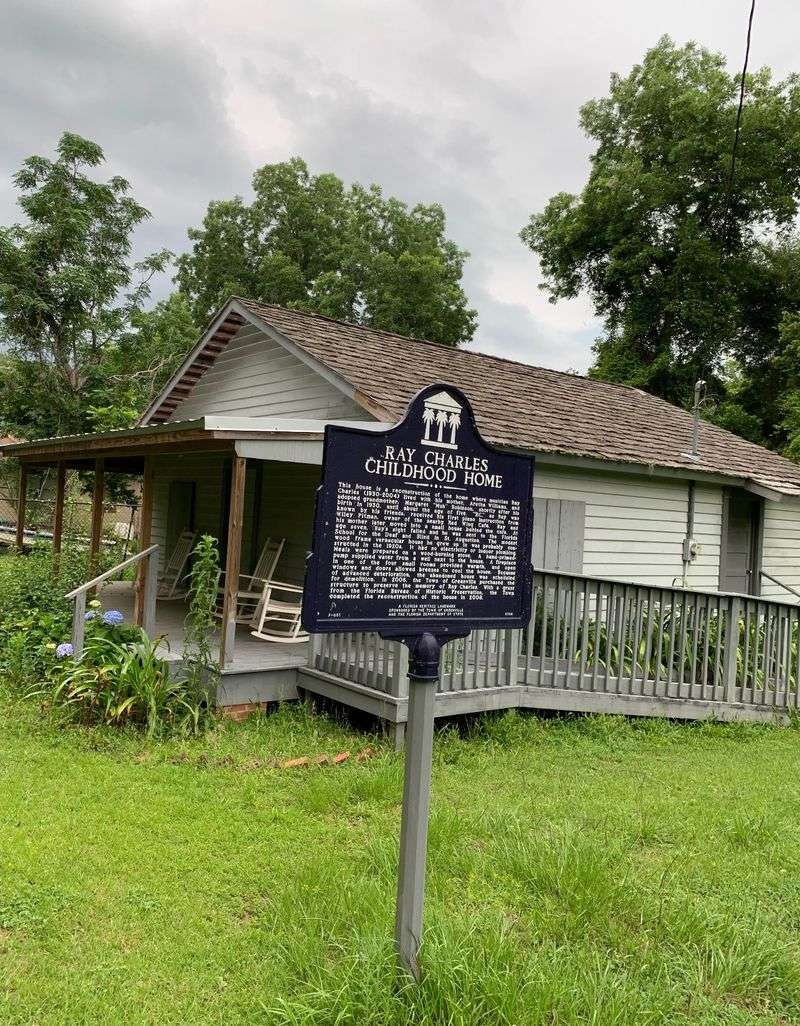
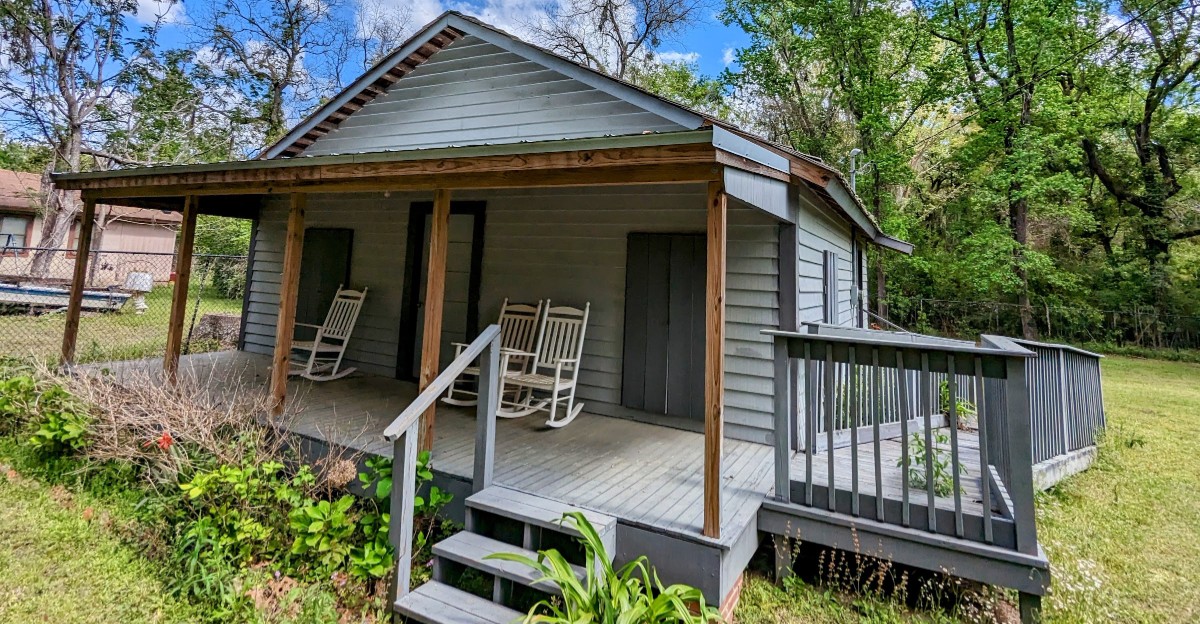
Ray Charles Robinson entered the world right here in Greenville on September 23, 1930, in a modest wooden house that reflected the hardscrabble reality of rural Black life in the Jim Crow South. His family lived in poverty, and young Ray faced unimaginable challenges when he began losing his sight at age five. By seven, he was completely blind, yet his mother Aretha refused to let him see himself as helpless.
The sounds of Greenville shaped his earliest musical memories. Gospel hymns from the local church, work songs from the fields, and blues pouring from juke joints all seeped into his consciousness. These influences would later blend into his revolutionary sound that merged R&B, gospel, jazz, and country in ways nobody had heard before.
Though Ray Charles left Florida as a teenager, he never forgot where he came from. The town honors his legacy with pride, recognizing that this international superstar who won 17 Grammy Awards and influenced generations of musicians first heard music in their small community. His story proves that greatness can emerge from the most unlikely places, and Greenville wears that truth like a badge of honor.
2. The Famous Goat Parade Tradition
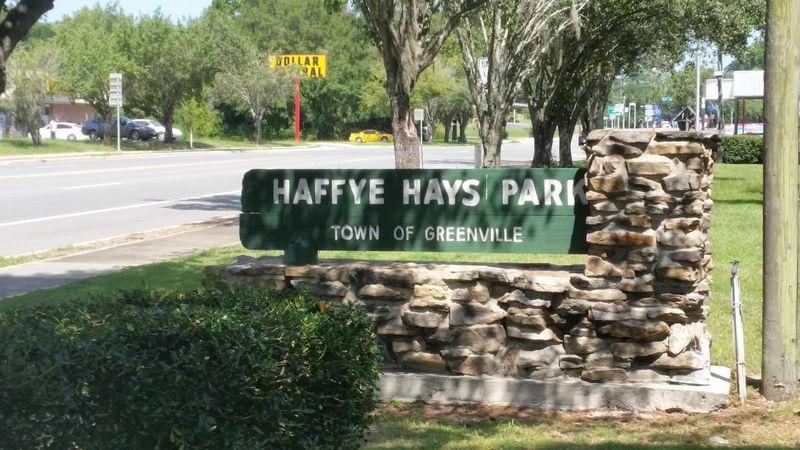
Every year, Greenville hosts what might be Florida’s most unusual parade: dozens of goats trotting down Main Street while locals and visitors line the sidewalks cheering them on. This isn’t some modern tourist gimmick either. The tradition stretches back decades, rooted in the town’s agricultural heritage when goats were essential livestock for many families struggling to make ends meet during tough economic times.
The parade typically happens during the town’s annual festival, and it’s exactly as delightful and chaotic as you’d imagine. Goats of all sizes and temperaments make their way through town, some walking calmly, others stopping to munch on whatever greenery catches their eye. Kids absolutely love it, and adults find themselves grinning at the pure absurdity and charm of watching a parade where the participants have four legs and attitudes.
What makes this tradition special isn’t just the novelty factor. It represents Greenville’s refusal to abandon its agricultural roots even as the world modernizes around it. The goat parade celebrates the animals that helped families survive, the farming culture that built the community, and the kind of small-town spirit that finds joy in simple, authentic celebrations rather than manufactured entertainment.
3. Authentic Southern Barbecue Culture
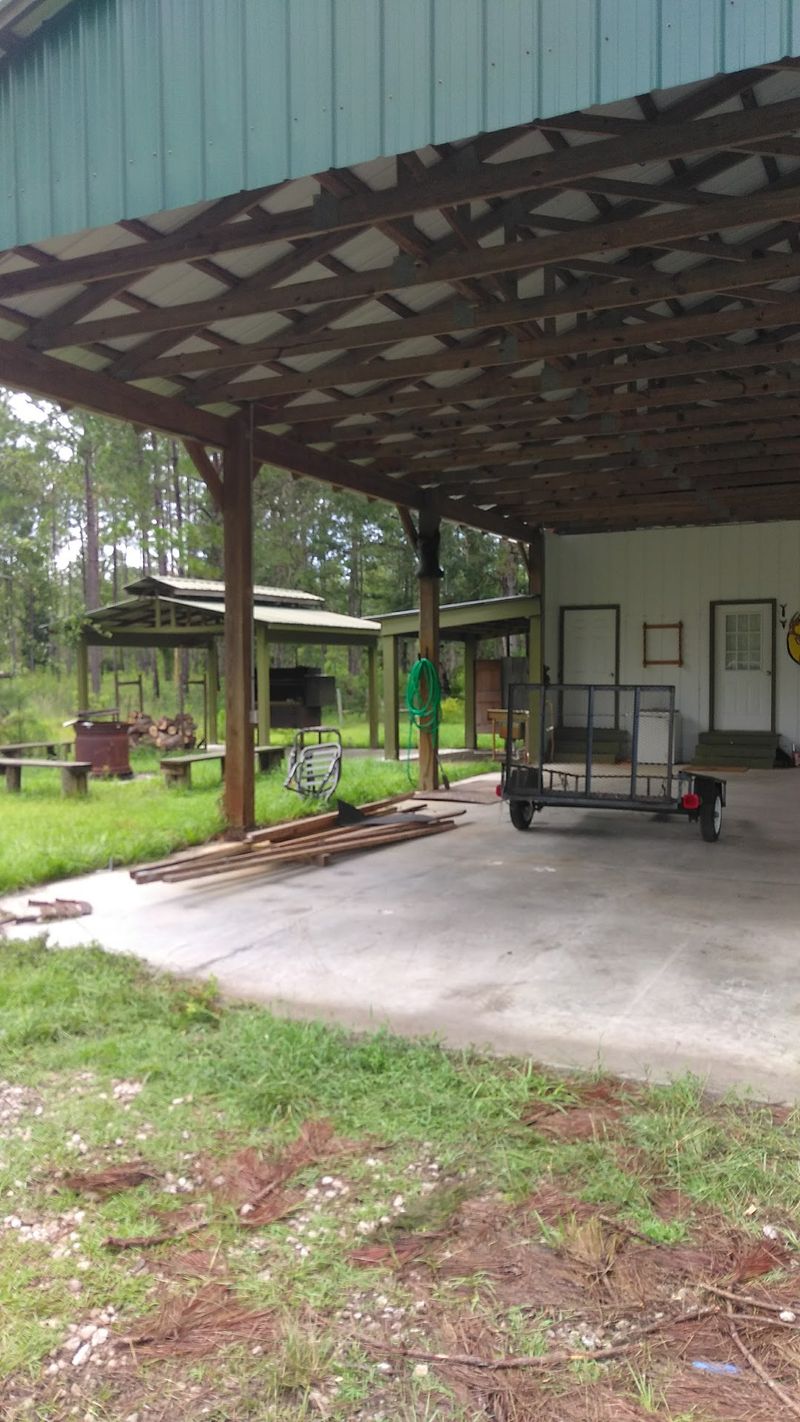
Barbecue in Greenville isn’t just food. It’s a language, a religion, and a point of pride all rolled into smoky, tender perfection. The town’s barbecue traditions run deep, with techniques passed down through generations and jealously guarded family recipes that locals swear make all the difference.
We’re talking low and slow cooking over hickory or oak, meat that falls off the bone, and sauces that range from tangy vinegar-based to sweet and sticky.
Local joints and backyard pitmasters take their craft seriously here. You’ll find folks who’ve been smoking meat the same way for forty years, starting their fires before dawn and tending them all day long. The result is barbecue that tastes like time itself, with layers of flavor that only patience can create.
What separates Greenville’s barbecue scene from fancier establishments elsewhere is its authenticity. There’s no pretension, no farm-to-table buzzwords, just honest food made by people who learned from their parents and grandparents. Church fundraisers, community gatherings, and family reunions all revolve around someone’s smoker working overtime.
When locals talk about barbecue, they’re really talking about community, tradition, and the kind of cooking that connects past and present in every delicious bite.
4. Population Under 800 People
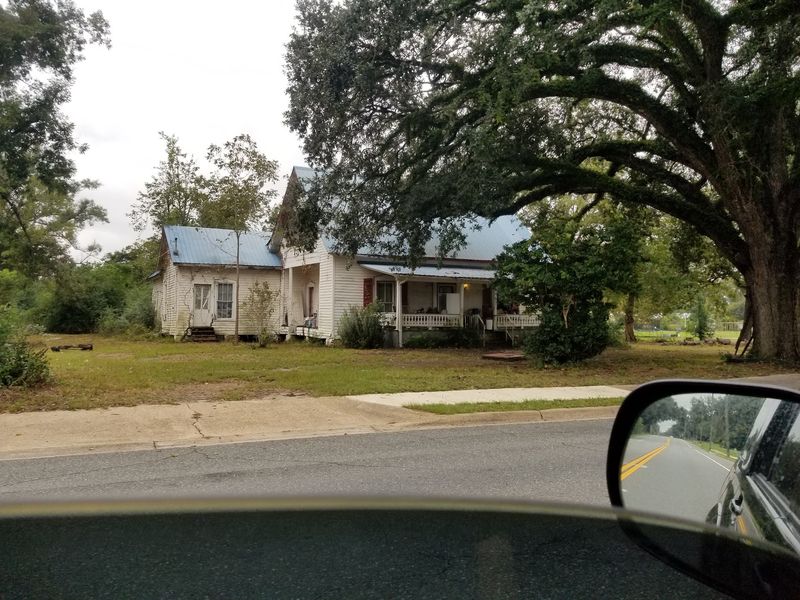
With just 746 residents according to the 2020 census, Greenville gives new meaning to the phrase “everybody knows everybody.” This isn’t a place where you can be anonymous or where neighbors are strangers. Walk into the local store, and people will ask about your mama, remember what you ordered last time, and probably know your business before you do.
The shrinking population reflects a broader trend across rural America, where young people often leave for cities with more opportunities. Greenville’s numbers have dropped from 843 in 2010, a decline that worries some residents who fear losing their community’s character. Yet those who stay are fiercely loyal, committed to preserving what makes their town special despite economic challenges and limited amenities.
Living in a town this small means relying on your neighbors in ways city folks rarely experience. When someone gets sick, the community rallies with meals and support. When disaster strikes, people show up without being asked.
There’s no hiding, no pretending, just raw human connection that can feel suffocating or comforting depending on your perspective. For those who value genuine community over convenience and privacy, Greenville’s tiny population isn’t a drawback but its greatest asset and defining characteristic.
5. Madison County Agricultural Heritage
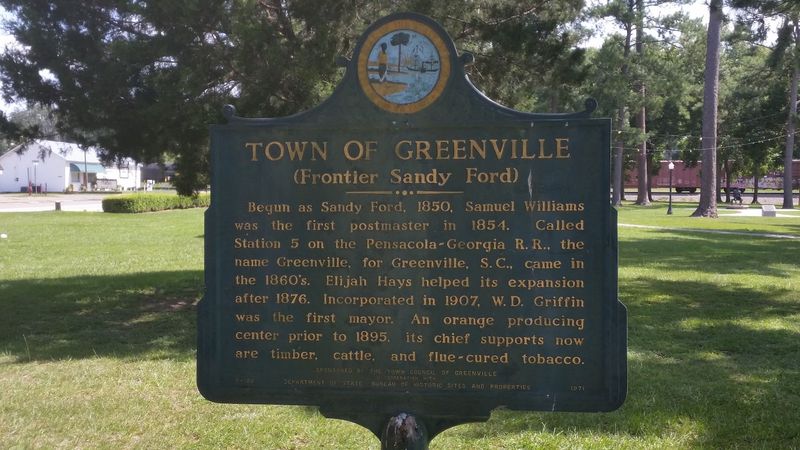
Greenville sits in Madison County, an area where agriculture isn’t just an industry but the foundation of everything. Cotton once ruled these fields, picked by enslaved people and later by sharecroppers in a system that enriched landowners while keeping workers poor. Tobacco followed, along with peanuts, corn, and livestock that kept the local economy moving through boom and bust cycles.
Today’s farms look different but remain crucial to the area’s identity. You’ll see cattle grazing in pastures, vegetable operations supplying regional markets, and timber operations harvesting the pine forests that cover much of the county. Farming here isn’t romantic or easy.
It’s hard physical labor with thin profit margins, unpredictable weather, and market forces beyond anyone’s control.
The agricultural heritage shapes everything in Greenville, from the goat parade to community values centered on hard work and self-reliance. Residents understand seasonal rhythms, respect the land, and maintain connections to food production that most Americans have lost. Kids grow up knowing where food actually comes from, learning to drive tractors before cars, and understanding that survival sometimes depends on a good harvest.
This agricultural foundation gives Greenville its character, grounding the community in traditions that stretch back generations.
6. Old Florida Small Town Atmosphere
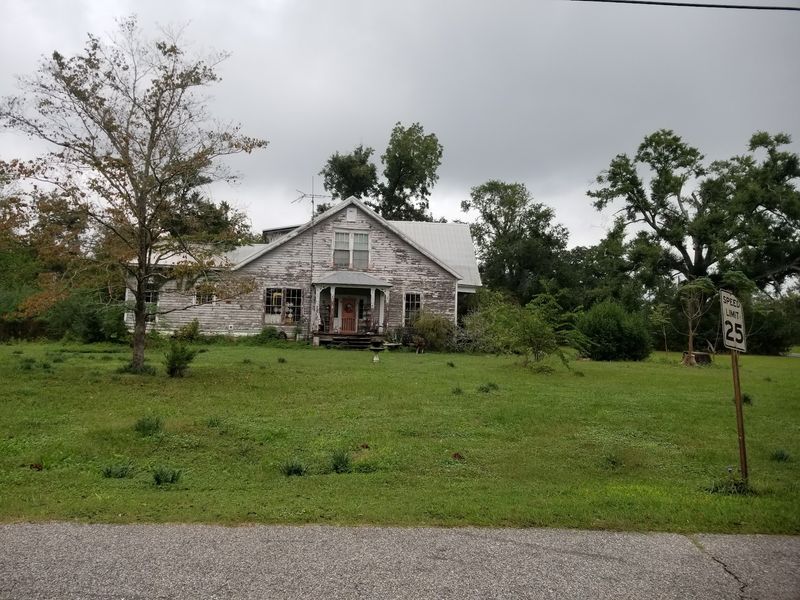
Step into Greenville and you’re stepping back in time to an era before strip malls, chain restaurants, and suburban sprawl homogenized the American landscape. The pace here moves slower, measured in conversations on front porches rather than minutes on a clock. Buildings show their age without apology, and nobody’s in a hurry to renovate away the character that comes with decades of use.
This is Old Florida in its purest form, the version that existed before air conditioning and interstate highways transformed the state into a tourist destination. Spanish moss drapes from live oaks, dirt roads still outnumber paved ones in the surrounding countryside, and the loudest sounds are often cicadas and distant tractors rather than traffic. There’s no pretense of being anything other than what it is: a small agricultural town that time mostly forgot.
For visitors accustomed to Florida’s beaches and theme parks, Greenville offers something completely different. It’s authentic, unhurried, and unconcerned with impressing anyone. The small-town atmosphere means limited dining options, no hotels, and entertainment that consists of talking with neighbors or attending local events.
Some find this boring, but others recognize it as increasingly rare: a place where community still matters more than commerce and where life unfolds at a human scale.
7. Community Festivals and Gatherings
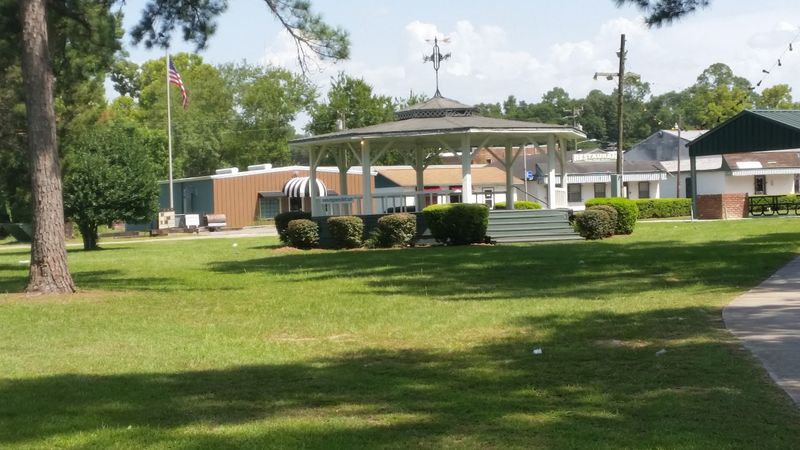
In a town of 746 people, festivals aren’t just entertainment but essential social glue that binds the community together. Greenville’s annual celebrations bring everyone out, from babies to great-grandparents, creating moments when the entire town shares the same space and experience. The goat parade anchors the biggest festival, but throughout the year, various gatherings mark the seasons and give people reasons to connect.
Church events, school fundraisers, and informal gatherings in parks or yards all serve similar functions. They’re opportunities to catch up with neighbors you haven’t seen in weeks, introduce newcomers to the community, and maintain the social networks that make small-town life work. Food always plays a central role, whether it’s barbecue plates sold to support the volunteer fire department or potluck spreads where everyone brings their signature dish.
These gatherings also preserve traditions and pass them to younger generations. Kids grow up attending the same festivals their parents and grandparents did, learning community songs, hearing familiar stories, and developing the sense of belonging that comes from shared rituals. In an era when many people feel disconnected and isolated, Greenville’s festivals offer something increasingly precious: face-to-face human connection, multi-generational mixing, and the simple pleasure of celebrating together without digital mediation or commercial purpose.
8. Rural North Florida Location
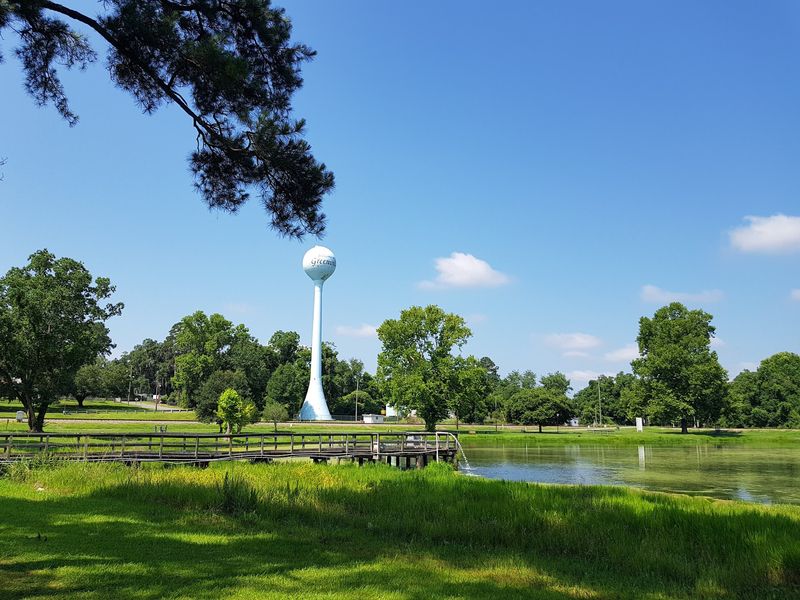
Greenville occupies a slice of North Florida that feels worlds away from the state’s famous beaches and bustling cities. Located in Madison County, about 50 miles east of Tallahassee and 60 miles west of Jacksonville, the town sits in that often-overlooked stretch of Florida that has more in common with South Georgia than South Beach. Pine forests dominate the landscape, broken by agricultural fields, small creeks, and occasional swamps that remind you this is still very much the South.
The isolation is both blessing and curse. On one hand, Greenville avoided the development boom that transformed much of Florida, preserving its rural character and slower pace. On the other, geographic remoteness means limited access to services, jobs, and opportunities that urban areas take for granted.
Residents often drive significant distances for healthcare, shopping, or entertainment beyond what their small town offers.
This rural North Florida setting shapes everything about daily life in Greenville. The land feels vast and underpopulated, with more trees than people. Wildlife sightings are common, seasons actually change (at least a little), and the night sky shows stars invisible in light-polluted cities.
For those seeking authentic rural experiences or escape from urban intensity, Greenville’s location delivers isolation and natural beauty in equal measure.