This Hidden Street in Florida Feels Like You’ve Stepped Straight Into Europe
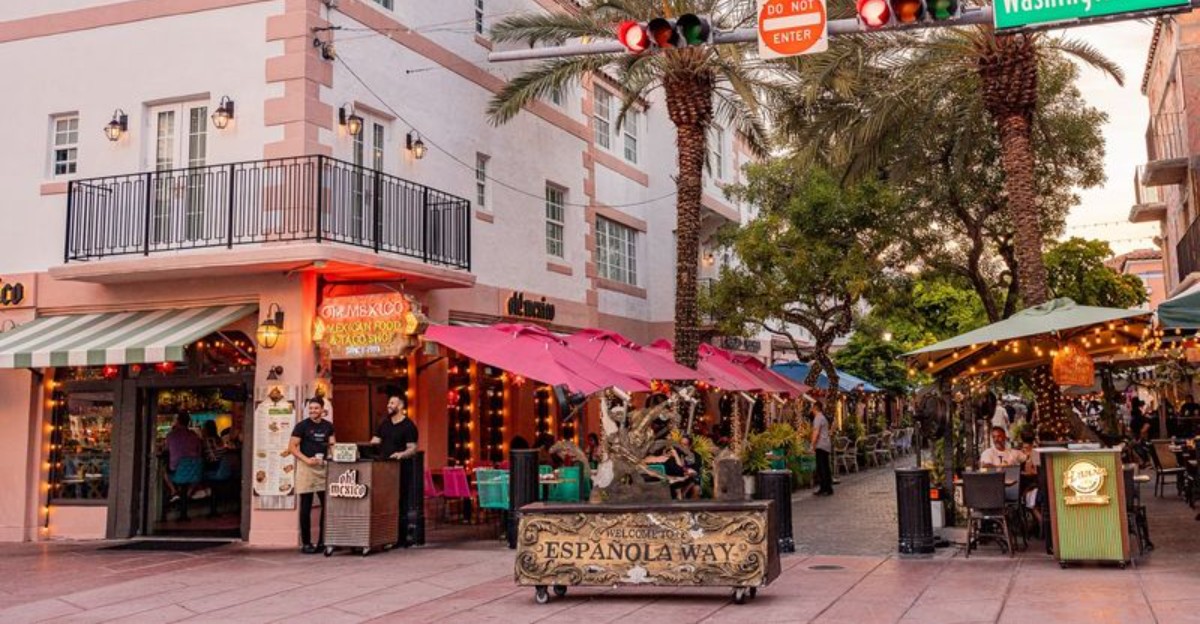
A tiny Miami Beach street was once planned as a home for artists, built to look like a village in Spain. Today it glows with pink stucco, striped awnings, and wrought-iron balconies.
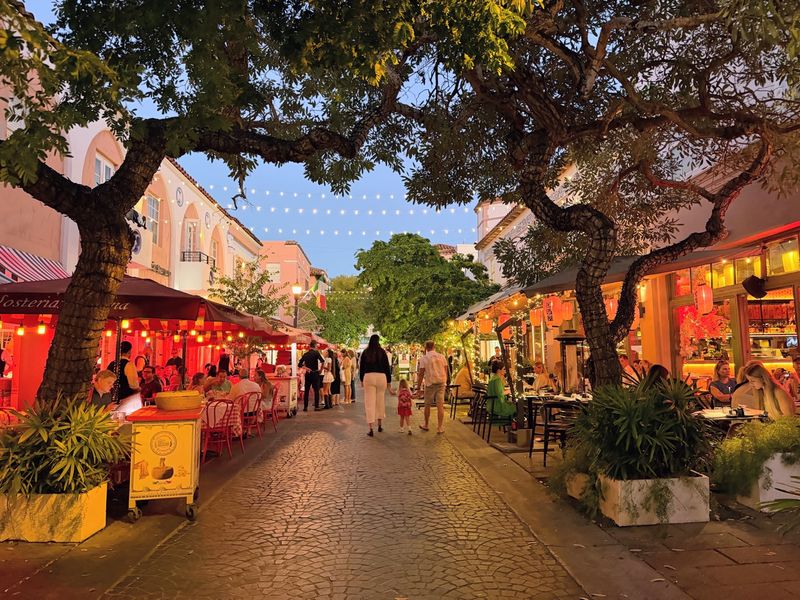
Cars are not allowed on most of it. That leaves room for café tables, string lights, and people strolling with zero hurry.
I like how short the whole thing is. You can walk it end to end in minutes, yet it feels like a trip across an ocean. I believe that kind of quick escape is rare anywhere in Florida.
The beach sits just a few blocks east. Neon Art Deco hotels hum nearby. Still, this little lane keeps its own calm Mediterranean mood.
So how did a slice of old-world Spain end up right in the middle of South Beach?
1. A 1920s Dream of a Spanish Village Still Stands Here
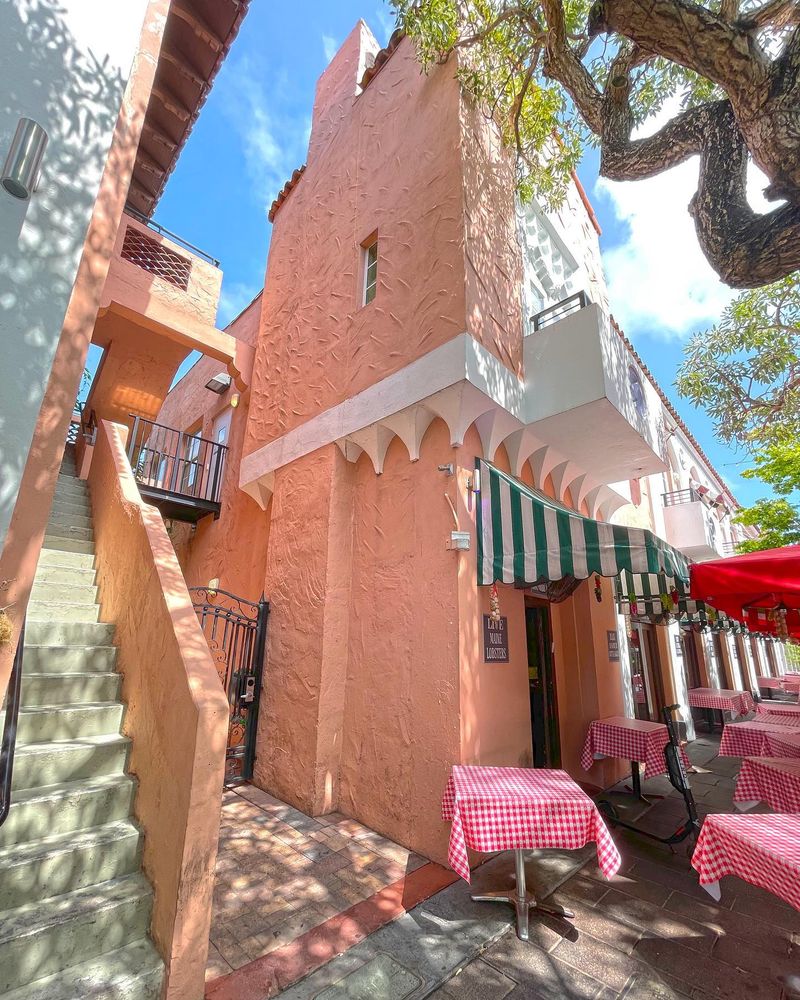
Española Way was originally developed in 1922 as Whitman’s Spanish Colony before developer N.B.T. Roney purchased the property in 1925 and pursued his vision of an artists’ village. His goal was bold: to create a little artists’ colony inspired by villages in Spain and France.
The style he chose is called Mediterranean Revival. Think stucco walls, clay tile roofs, arches, and iron details that look borrowed from a Spanish hillside town.
Roney’s timing was rough, though. A powerful hurricane hit in 1926, and the land boom faded, so the full artist dream never quite happened.
The buildings survived anyway, and that’s the lucky part for us. Many of the original structures still line the street today, which gives it an honest old-world feel.
Española Way is part of the Miami Beach Architectural District. That district is listed on the National Register of Historic Places, so this charm comes with real credentials.
I love that the street feels like a time capsule without seeming dusty. History buffs can admire the details, while everyone else can simply enjoy the pretty scenery.
Look up as you stroll, because the balconies and rooflines tell the story best. They are a reminder of a big 1920s idea that still shapes Florida’s coast.
2. No Cars Means You Can Finally Slow Down
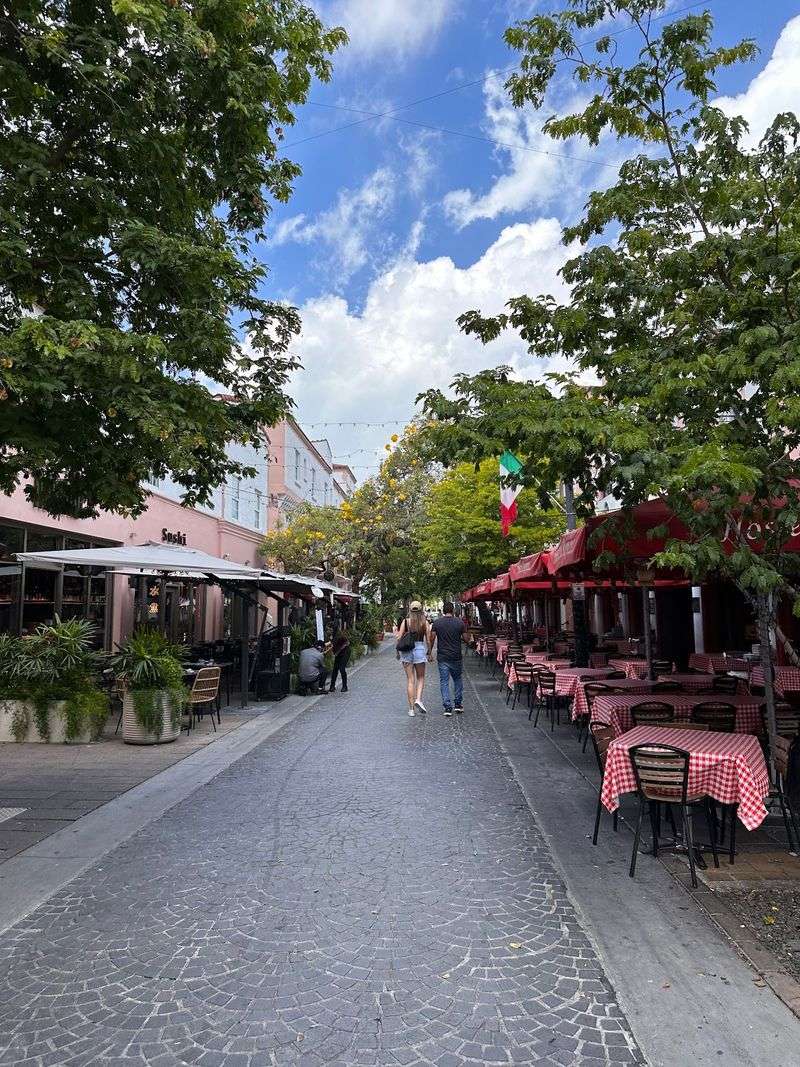
Traffic noise is everywhere in South Beach. Then you turn onto this lane, and the honking simply fades behind you.
Española Way runs as a pedestrian promenade between Washington Avenue and Drexel Avenue. The City of Miami Beach made it a car-free zone in 2017, and the change stuck.
That decision opened up the middle of the street. Restaurant tables now spill outward, and walkers have room to wander without dodging bumpers.
Families with strollers will appreciate the open space. Kids can gaze at the colorful buildings while parents enjoy a calmer pace than busy Ocean Drive.
Here’s a smart move for planning your visit. Park in a nearby public garage, then explore on foot, since driving right up to the action isn’t an option.
Comfortable shoes are a good idea too. The stretch is short, but you’ll probably want to loop back once or twice to catch details you missed.
Slowing down is kind of the whole point. It’s a rare stretch of Miami Beach where nobody rushes you, and the street itself sets that relaxed rhythm.
3. After Dark, the String Lights Steal the Show
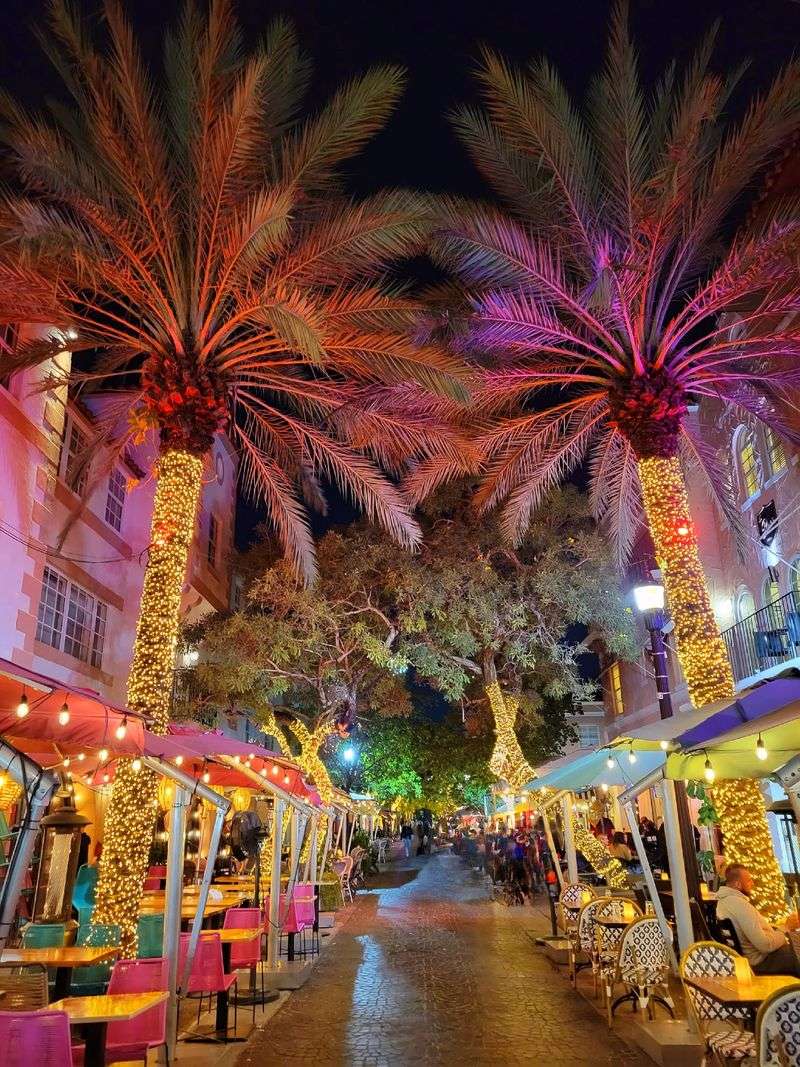
Sunset flips a switch on Española Way, quite literally. Strands of twinkling string lights stretch across the street and turn the whole block golden.
The pink and peach buildings soak up that warm glow. Suddenly the lane looks less like Florida and more like a summer evening in southern Europe.
Evenings are when the street feels most alive. Outdoor tables fill up, music drifts from different corners, and the energy climbs as the night goes on.
Photographers, this is your moment. The overhead lights frame the street beautifully, especially if you shoot from one end looking down the full length.
Romantic types will find plenty to love here as well. A slow walk under the lights makes an easy date night, even before choosing a spot to eat.
Fair warning, it can get loud and lively at night. If you prefer a quieter stroll, a daytime visit offers the same pretty architecture with fewer crowds and less noise.
Either way, try to see it both ways if possible. The daylight charm and the nighttime sparkle feel like two different trips on one tiny street.
4. Your Biggest Decision Will Be Where to Eat
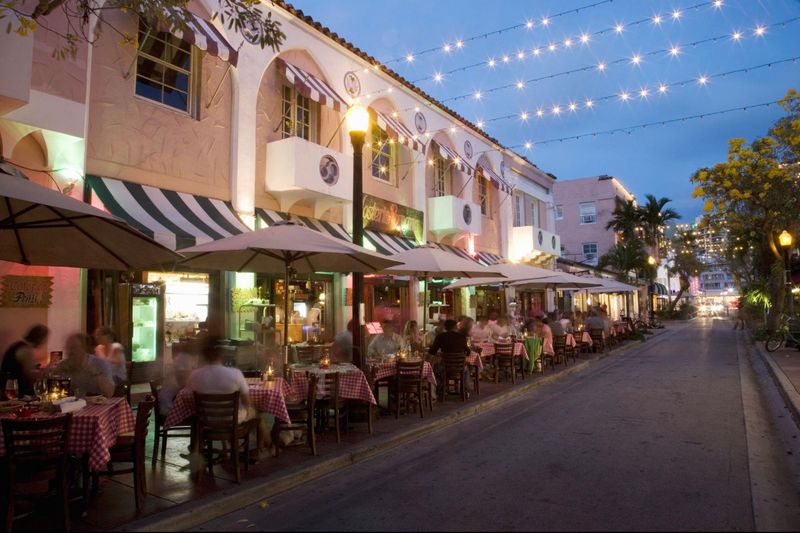
Hungry? Good timing, because restaurants pack nearly every doorway on this street. Most of them offer outdoor seating right in the middle of the promenade.
Italian spots are especially common along Española Way. Hosteria Romana is one well-known name, serving Roman-style Italian dishes in a lively setting.
Spanish flavors make an appearance too, which feels fitting given the street’s name. You’ll also find Mexican, French, and other cuisines mixed into the lineup.
A quick tip for choosing well is to browse first. Walk the full block, glance at posted menus, and pick what actually sounds good before sitting down.
Some hosts stand outside inviting people in, and that can feel like a lot. A friendly no thanks works fine, so don’t feel pressured to grab the first table offered.
Dining here is more about the setting than a quick bite. Eating outside under the awnings, surrounded by old Mediterranean buildings, is half the fun.
Plan for a leisurely meal rather than a rushed one. This is a street built for lingering, and your dinner should match that easygoing pace.
5. Small Shops Make Browsing Half the Fun
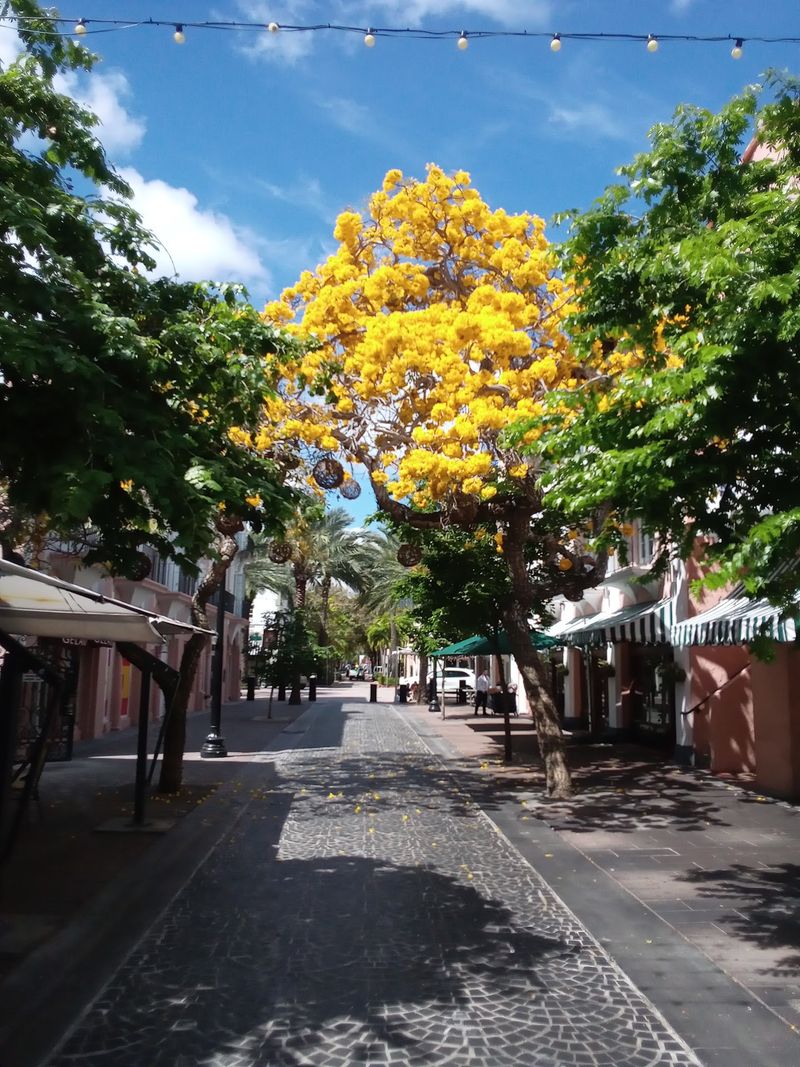
Shopping malls can feel the same everywhere. Little boutiques on a historic street? That’s a far better way to spend an afternoon in Florida.
Española Way mixes its restaurants with small shops tucked beneath the arches. Browsing here feels more like a treasure hunt than an errand.
Shop lineups change over time, so it’s best not to arrive with a strict list. Wandering in with an open mind tends to bring the best surprises.
Daytime is ideal for browsing. The street is calmer, shop doors are open, and you can actually step back to admire window displays.
Souvenir hunters can find something more personal than a generic beach magnet. A small keepsake from a street this unique makes a nicer reminder of your trip.
Pair your shopping with a sweet treat or a coffee break nearby. Strolling, sipping, and window gazing is a pretty perfect South Beach combination.
Remember that the stretch is only a single block long. That makes it easy to see everything without feeling worn out, which beats sprawling shopping centers any day.
6. TV Fans Might Recognize These Walls
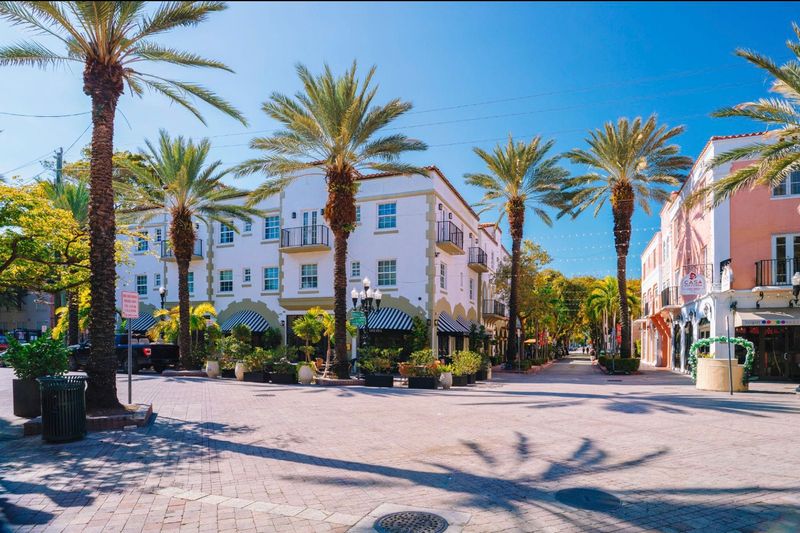
Sharp-eyed fans of the 1980s will get a fun jolt here. Española Way appeared in the hit TV series Miami Vice.
That show helped put pastel Miami Beach on the world map. Seeing a filming location in person adds a nostalgic twist to an already charming stroll.
Its history holds another famous note too. The Clay Hotel on Española Way is often linked to stories about a young Desi Arnaz performing in the area in the 1930s.
Arnaz later became a star on I Love Lucy. Legend says he helped popularize the rumba craze in Miami Beach, which makes this street a small piece of entertainment lore.
Not every story is carved in stone, and that’s part of the appeal. Old streets collect tales, and this one has gathered plenty over nearly a century.
Movie lovers might enjoy snapping photos where famous scenes once played out. It’s a cool bonus for anyone who grew up with retro TV on the screen.
Even without the Hollywood links, the street could carry a film on looks alone. Those arches basically ask to be on camera.
7. Spend the Night at the Historic Esmé Miami Beach Hotel
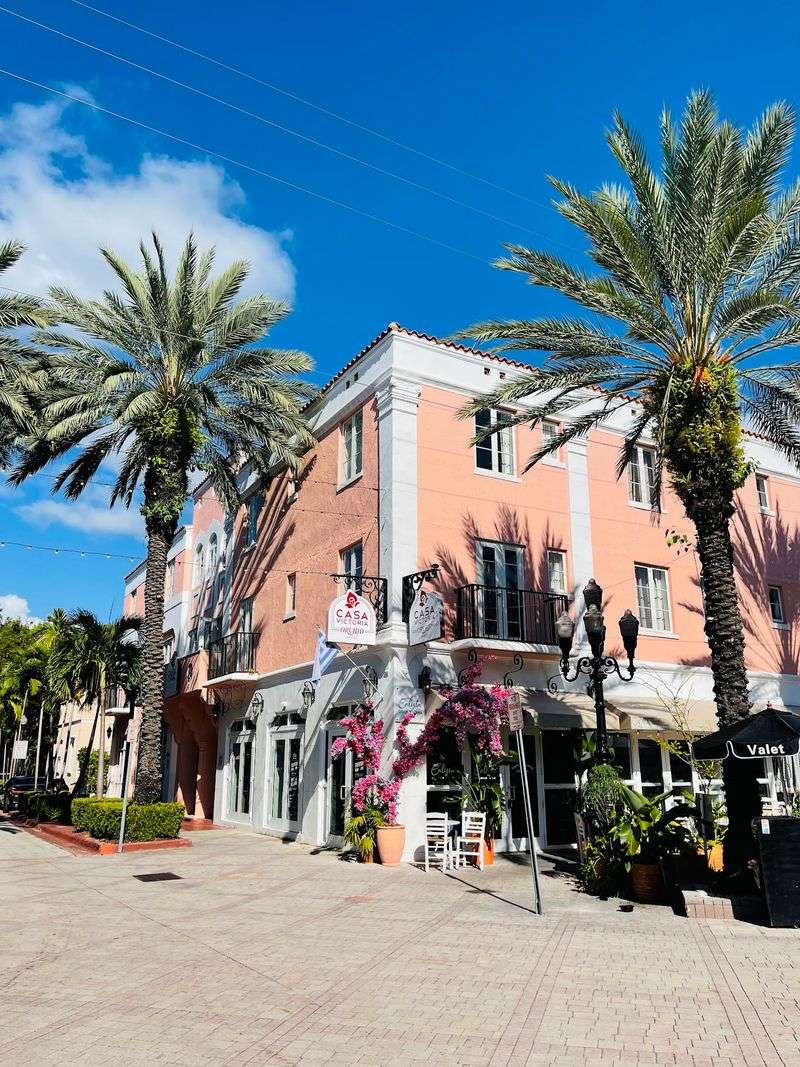
Staying right on the street is possible, and that’s a treat. The former Clay Hotel is now part of Esmé Miami Beach, a boutique hotel occupying restored historic buildings along Española Way.
Waking up there means the European scenery begins the moment you step outside. No commute, no parking hunt, just coffee and pretty arches.
The building dates back to the street’s early years. Its pink walls and balconies match the rest of the block, so it blends right into the village look.
Location is a big perk for travelers. Your room puts the beach, Lincoln Road, and plenty of South Beach sights within easy walking distance.
Light sleepers should keep the evening buzz in mind. The street stays lively at night, so packing earplugs might be a wise little move.
For anyone who loves history, sleeping inside a century-old building is a fun bonus. It turns a regular beach vacation into something with more personality.
Check room options and policies directly before booking. Rates and room types can change, so confirming details ahead of time keeps your trip smooth and stress-free.
8. Finding It Is Easier Than You Think
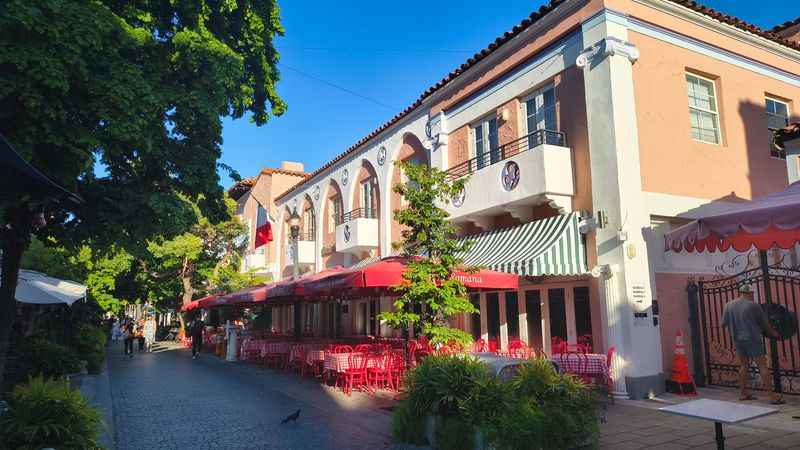
Getting here takes almost no effort, which is great news. Española Way sits in the heart of South Beach in Miami Beach, Florida.
The pedestrian block runs between Washington Avenue and Drexel Avenue. If you need a map pin, use 1436 Española Way, Miami Beach, FL 33139, a spot right on the street.
The ocean is only a few blocks east. That means you can swap sandy toes for café tables in a short, pleasant walk.
Driving works if you plan for parking. Public garages and metered spots are scattered nearby, though they can fill quickly on weekends and busy evenings.
Many visitors skip the car entirely. Rideshares, local trolleys, and simple walking from nearby hotels all make arrival simple and stress-free.
Timing matters a bit too. Mornings and early afternoons feel relaxed, while evenings bring the glowing lights and the biggest crowds.
Because the street is so central, it fits neatly into almost any Miami Beach day. Pop in before the beach, after dinner, or both, since nobody’s counting.
9. Make a Full Day of It Around the Neighborhood
One short street can anchor a whole day of fun. Española Way sits close to several of South Beach’s best-known sights.
Lummus Park and the beach are just a short walk east. Spread out a towel, cool off in the ocean, then head back for lunch on the promenade.
Ocean Drive’s famous Art Deco hotels are nearby too. Their pastel colors and neon signs offer a fun contrast to Española Way’s Spanish village style.
Lincoln Road Mall lies a few blocks north. It’s a pedestrian shopping street with stores, cafés, and plenty of people-watching.
Art fans can visit The Wolfsonian at Florida International University on Washington Avenue. It showcases design and decorative arts from roughly the 1850s to the 1950s.
Building your day around walking keeps things easy. Everything here sits close enough that you can skip the car and soak in the coastal scenery.
Save Española Way for sunset if you can. Ending the day under those twinkling lights feels like the perfect closing scene for a Florida trip that briefly borrowed a passport.